Antarctic Peninsula Cruises: Itineraries And Highlights
 By Oleg G.
The Antarctic Peninsula is the route nearly every Antarctica cruise sails. Here is the standard itinerary, day by day, plus voyage lengths, fares by ship, landing sites and the best months to go.
Quick answer: A classic Antarctic Peninsula cruise runs 10 to 12 days round trip from Ushuaia, with roughly 4-6 days of landings on the South Shetland Islands and the western Peninsula. Roster fares start at $7,050 per person for a 10-day voyage, and IAATO rules cap each landing at 100 passengers ashore at one time.
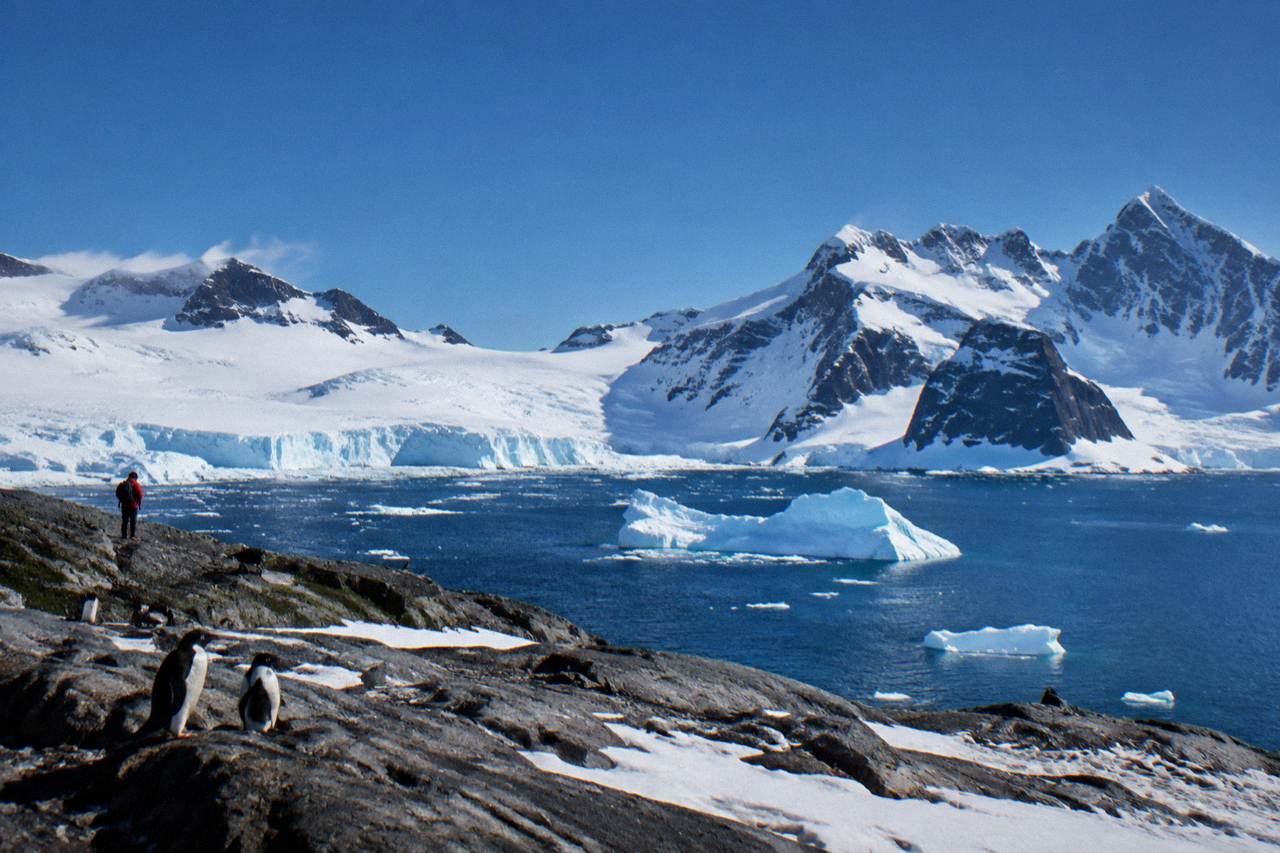
The Antarctic Treaty Secretariat's tourism page puts the geography in one line: approximately 98 percent of all tourism voyages call on the Antarctic Peninsula during the austral summer. That single statistic explains why the Peninsula cruise is the product most buyers end up comparing, and why the day counts on operator pages vary so much while the actual coastline barely changes. This guide lays out the standard route, the itinerary lengths on offer across the fleet, what a berth costs, where the ships actually land, and how the Drake Passage fits into the plan. Cruises In Antarctica builds it from operator listings, IAATO figures and treaty documents rather than brochure copy.
What Is The Standard Antarctic Peninsula Cruise Route?
The standard route is a loop from Ushuaia: about two days crossing the Drake Passage each way, with four to six days of landings and Zodiac cruising spread across the South Shetland Islands and the western Antarctic Peninsula. Expedition ships work the protected channels of the western Peninsula, attempt the Lemaire Channel, and call at sites such as Neko Harbour, Paradise Bay and Port Lockroy before turning north.
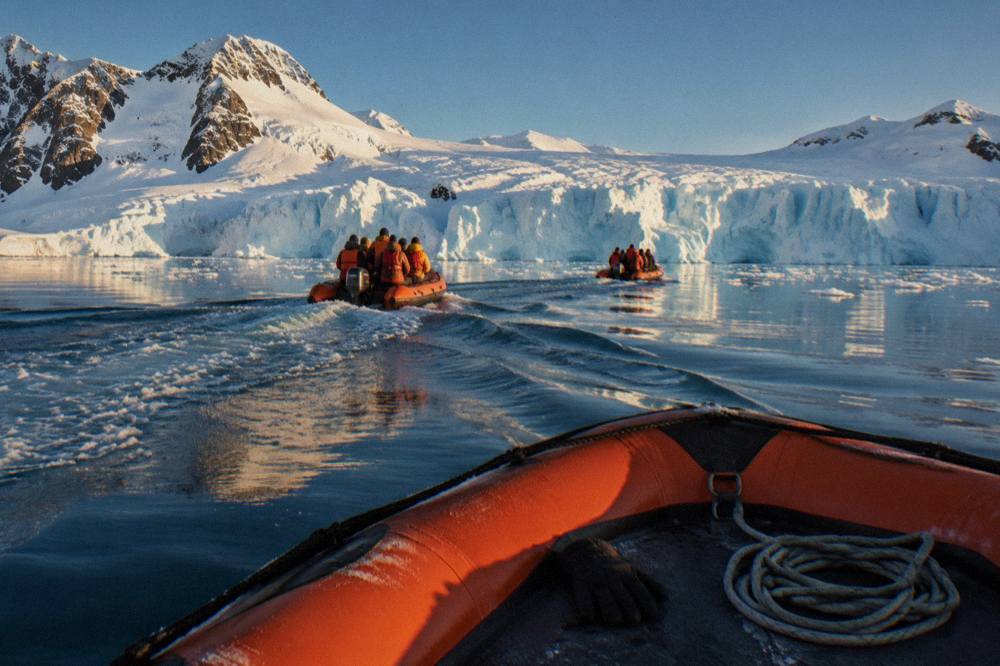
The route exists for a practical reason. The Peninsula is the finger of the continent closest to South America, roughly a two-day sail from Ushuaia, which is why the Antarctic Treaty Secretariat's tourism page records that the overwhelming majority of voyages concentrate there. A ship that left Ushuaia for the Ross Sea instead would need weeks, not days, which is a different product at a different price.
Operator listings for 2026-27 Peninsula itineraries typically allocate four to six days of actual landings and Zodiac cruising in the South Shetlands and along the western Peninsula, including transits of channels like the Lemaire and bays like Paradise Bay. Everything before that is the crossing, and everything after it is the crossing home. That rhythm, two days out, days of ice, two days back, is what defines the classic voyage.
| Days | Where the ship is | What happens |
|---|---|---|
| Day 1 | Ushuaia | Embarkation in the afternoon, sail down the Beagle Channel |
| Days 2-3 | Drake Passage | Open-ocean crossing, seabirds, expedition lectures, biosecurity checks |
| Day 4 | South Shetland Islands | First landing, often Half Moon Island or the Deception Island caldera |
| Days 5-8 | Western Antarctic Peninsula | Daily landings and Zodiac cruising: Neko Harbour, Paradise Bay, Lemaire Channel transit |
| Day 9 | South Shetlands or northern Peninsula | Final landings as the ship works north |
| Days 10-11 | Drake Passage | Return crossing to Ushuaia |
Treat that table as a shape, not a schedule. Landings depend on weather, ice and the site rotation, and expedition teams hold the plan loosely on purpose. Some 2026-27 itineraries also attempt to cross the Antarctic Circle at 66 degrees 33 minutes south as a southern extension beyond the classic route, which adds days rather than changing the character of the voyage. If you want the fuller picture of individual sites, our main Antarctic landing sites guide goes site by site.
How Long Is A Classic Antarctic Peninsula Cruise?
Peninsula voyages cluster between 10 and 13 days on ships sailing from Ushuaia, and the shortest Peninsula product on the roster is the 8-day fly-cruise from Punta Arenas. At the other end, combining the Peninsula with the Falklands and South Georgia stretches the same route to 20-23 days. More days mostly buys more landings, not more distance: the classic ships all work the same stretch of coast.
That last point is worth sitting with, because it is the single biggest source of confusion for first-time buyers. A 10-day voyage and a 13-day voyage on the same ship visit the same neighbourhood. The longer sailing simply spends more of its days inside the landing zone and fewer of them on the open Drake. Operator listings show Oceanwide's Peninsula departures at 11, 13 and 19 days, Lindblad's National Geographic Endurance at 12, 16, 21 and 22 days, and the fly-cruise ships compressing the whole thing into 8.
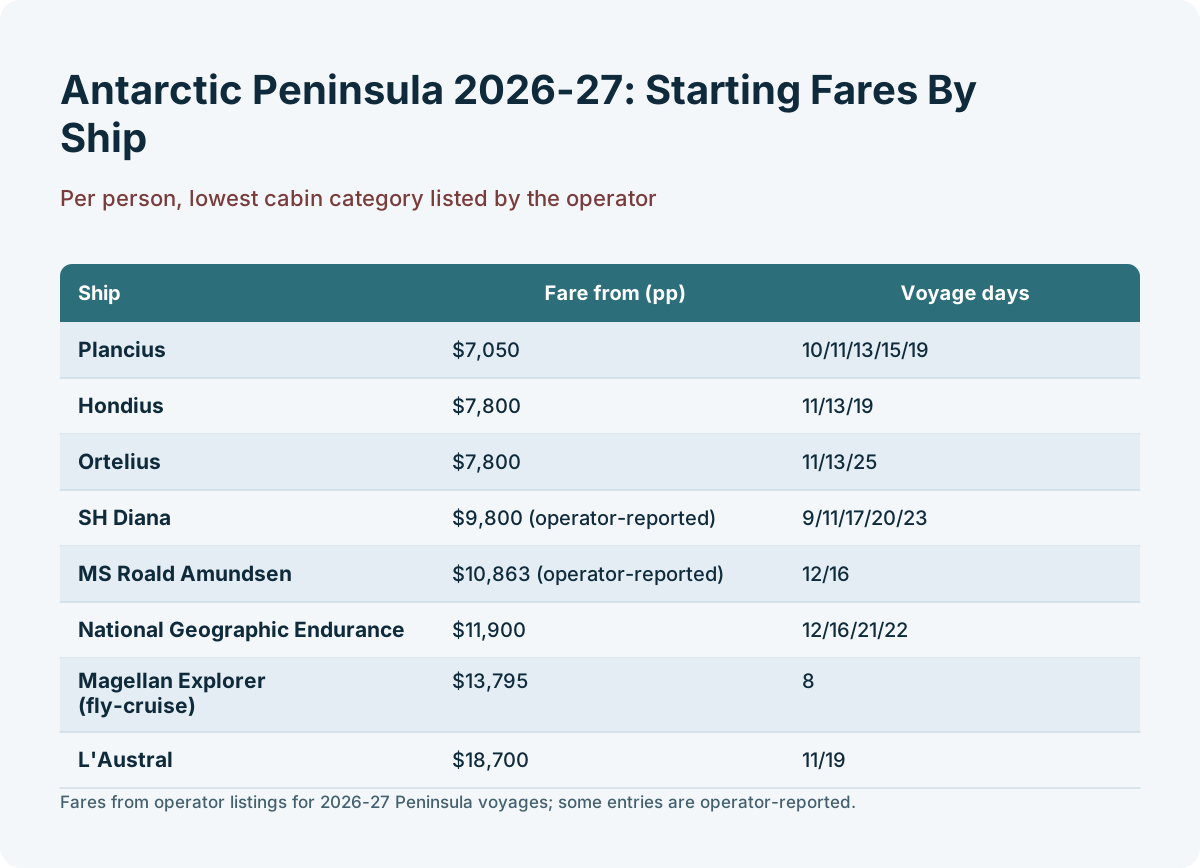
Here is how the lengths and the starting fares line up across the roster. Fares are per person, in the lowest cabin category the operator lists, for Peninsula voyages in the 2026-27 season.
| Ship | Operator | Passengers | Voyage days | Fare from (pp) |
|---|---|---|---|---|
| Plancius | Oceanwide Expeditions | 108 | 10/11/13/15/19 | $7,050 |
| Expedition | G Adventures | 128 | 11/14 | $7,439 (operator-reported) |
| Hondius | Oceanwide Expeditions | 170 | 11/13/19 | $7,800 |
| Ortelius | Oceanwide Expeditions | 108 | 11/13/25 | $7,800 |
| SH Diana | Swan Hellenic | 192 | 9/11/17/20/23 | $9,800 (operator-reported) |
| MS Roald Amundsen | HX | 490 | 12/16 | $10,863 (operator-reported) |
| National Geographic Endurance | Lindblad Expeditions | 138 | 12/16/21/22 | $11,900 |
| World Navigator | Atlas Ocean Voyages | 196 | 10/12 | $12,150 |
| Ultramarine, Ocean Explorer, World Voyager | Quark Expeditions | 138-199 | 8-20 across the fleet | $12,236 (voyage-level, shared) |
| Magellan Explorer (fly-cruise) | Antarctica21 | 88 | 8 | $13,795 |
| L'Austral | Ponant | 264 | 11/19 | $18,700 |
Two footnotes belong in prose rather than table cells. Quark's fares are voyage-level and shared across Ultramarine, Ocean Explorer and World Voyager, so the $12,236 entry belongs to the 11-12 day Antarctic Explorer itinerary rather than to any one ship. On the per-night math, one 2026 cost guide reports classic sailings ranging between roughly $950 and $2,600 per person per night across the market, with a realistic all-in budget of $12,000-$25,000 for a mid-range trip once flights, gear, tips and insurance are counted.
Length and fare is the first real fork in the road, and it is worth getting right before you fall for a specific ship. If you want a second opinion on where your budget lands, get a free Antarctica cruise consultation and have someone sanity-check the day count against the fare.
One more planning note on length. The eight-day fly-cruise is not a cheaper version of the same thing, it is a different structure, trading sea days for a charter flight, and the fare table shows it often costs more than longer sailing voyages. We unpack that trade properly in the Drake Passage section below.
Which Ships Sail The Antarctic Peninsula Route?
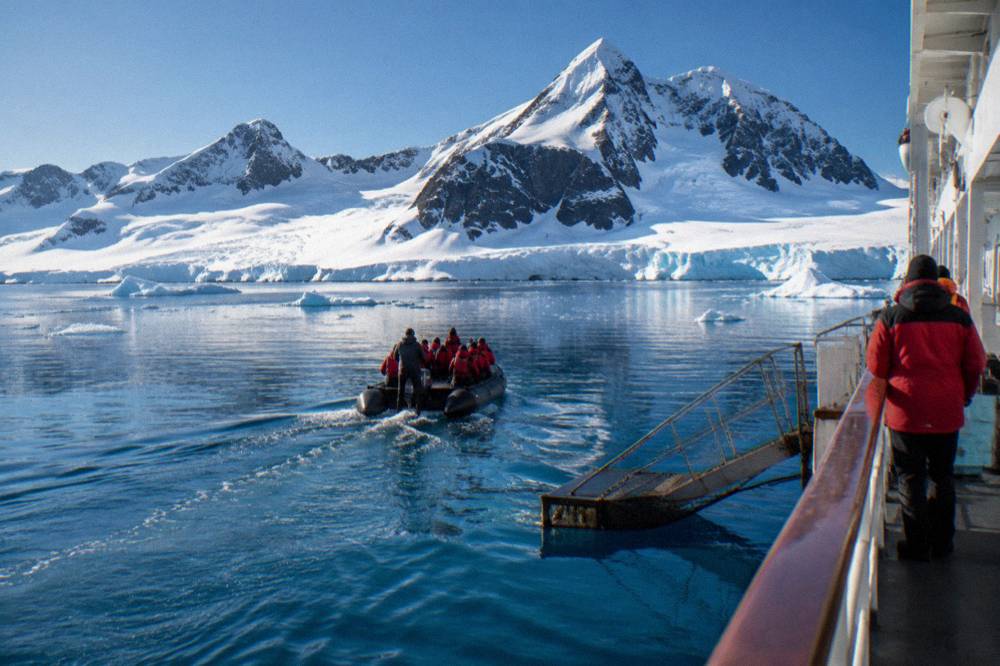
Ships from 88 to 490 passengers sail the route, spanning small-ship budget vessels, mid-size expedition ships and luxury liners. Every one of them works under the same IAATO landing rules, so the real differences are cabin style, fare and how many shipmates share the Zodiac queue. Oceanwide, Quark, Lindblad, HX, Ponant, Atlas and Antarctica21 all list Peninsula departures for 2026-27.
The budget end of the fleet is where the Peninsula cruise was born. Oceanwide's trio, Hondius, Ortelius and Plancius, sails from Ushuaia with between 108 and 170 guests, on itineraries from 10 to 25 days, with starting fares from $7,050 per person. Quark fields three ships, Ultramarine, Ocean Explorer and World Voyager, the first of those carrying two twin-engine helicopters on two helidecks alongside an internal Zodiac hangar and 20 Zodiacs, which is hardware that shows up in the fare.
Hondius deserves a closer look, because it is the ship this site features for this route. Built in 2019 and carrying 170 guests in 80 cabins, it was the first vessel in the world registered to Polar Class 6 in the operator's own wording, which places it among the more capable ice-class passenger ships working the Peninsula. Oceanwide lists its Antarctic voyages at 11, 13 and 19 days, sailing round trip from Ushuaia, with Peninsula fares from $7,800 per person. Our full Hondius ship guide covers the cabin categories and the onboard setup in detail.
Two other ships bracket the route nicely. Lindblad's National Geographic Endurance, built 2021, carries 138 guests on a Polar Code PC5 hull with a patented X-Bow, and lists a 12-day Voyage to Antarctica from $11,900 per person; its geodesic observation igloos on the top deck come at an extra charge. Antarctica21's Magellan Explorer, meanwhile, is a different animal entirely: 88 guests on air-cruises that begin with a flight from Punta Arenas to King George Island, from $13,795 for the 8-day Classic Antarctica program. Industry reports note its new sister Magellan Discoverer, built in Chile with PC6 ice class, joins for the 2026-27 season with a maiden voyage on 15 December 2026.
Set the three side by side and the shape of the market becomes clear: a Polar Class 6 small-ship sailing, a PC5 mid-size sailing with a National Geographic program, and a fly-cruise that skips the crossing altogether.
| Ship | Class | Passengers | Ice class | From, per person | Voyage length | Departs from |
|---|---|---|---|---|---|---|
| HondiusOceanwide Expeditions | Small-Ship Budget | 170 | Polar Class 6 | from $7,800 | 11 to 19 days | Ushuaia |
| National Geographic EnduranceLindblad Expeditions (with National Geographic) | Standard Expedition | 138 | PC5 | from $11,900 | 12 to 22 days | Ushuaia |
| Magellan ExplorerAntarctica21 | Fly-Cruise | 96 (88 in Antarctica) | LR PC6 | from $13,795 | 8 days | Punta Arenas (fly) to King George Island |
Choosing between them comes down to three honest questions. Do you want sea days or a flight? Do you want the lowest fare or the highest comfort? And how do you feel about sharing a landing rotation, since the 100-passenger rule means bigger ships run shifts while an 88-guest ship puts everyone ashore at once? If that fork feels sharper in practice than it reads, talk through your ship choice with a specialist before you commit to a cabin.
Where Do Antarctic Peninsula Cruises Make Landings?
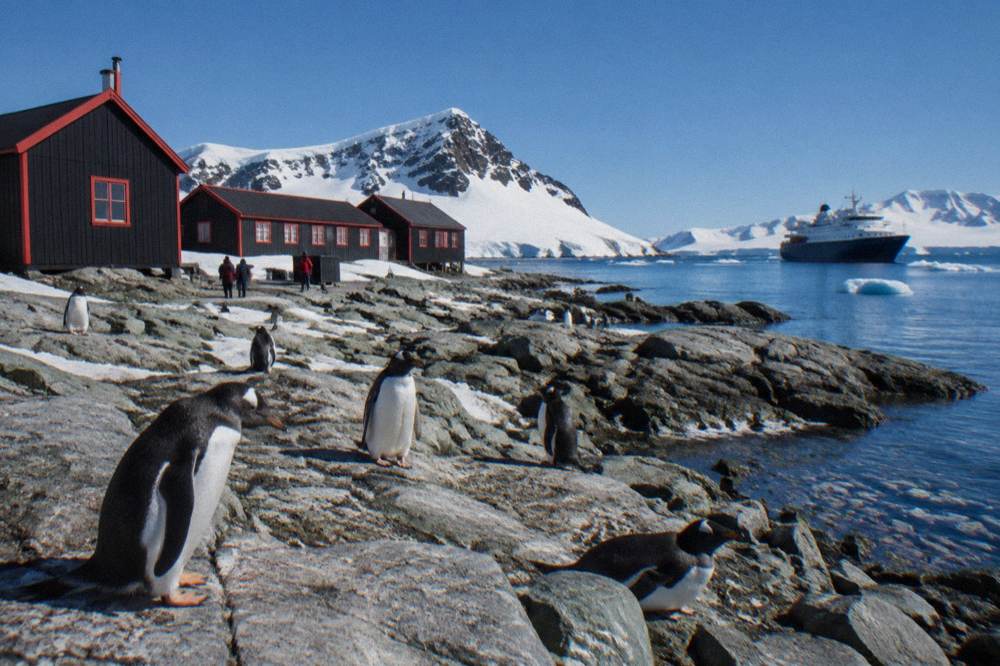
The workhorse sites sit on the South Shetland Islands and the western Peninsula: Half Moon Island and the Whalers Bay caldera on Deception Island, Neko Harbour, Paradise Bay and Port Lockroy on Goudier Island, with the Lemaire Channel as a scenic transit rather than a landing. IAATO rules cap each landing at 100 passengers ashore and allow one vessel at a site at a time.
Those two rules shape everything about a landing day. IAATO's visitor guidelines state that a maximum of 100 passengers may be ashore from a vessel at any one time unless site-specific guidance requires fewer, that only one ship may visit a site at any one time, and that vessels carrying more than 500 fare-paying passengers shall not make landings in Antarctica at all. On a 170-guest ship, the landing runs in two groups; on a 264-guest ship, it takes three, and the wait grows. The guidelines also set a minimum five-metre distance from wildlife on land, with greater distances where species or site rules require them.
| Site | Where | What it is known for |
|---|---|---|
| Port Lockroy (Goudier Island) | Western Peninsula | Historic base, penguin colony and the famous post office; UKAHT conservation work |
| Neko Harbour | Western Peninsula | A continental landing among glaciers and gentoo colonies |
| Paradise Bay | Western Peninsula | Sheltered bay used for Zodiac cruising among ice |
| Lemaire Channel | Western Peninsula | Narrow scenic channel, photographed rather than landed |
| Half Moon Island | South Shetlands | Small-ship landing site with current ATCM guidelines |
| Whalers Bay and Baily Head | Deception Island | Flooded volcanic caldera with whaling-era ruins |
Each of these names carries a current or recently updated visitor guideline under the Antarctic Treaty system, with approach distances, boundaries and capacities attached, which is one reason your expedition team will brief you before every landing rather than simply opening the gangway. The UK Antarctic Heritage Trust, which looks after Port Lockroy, is in the second year of a major structural conservation project reinforcing the building's floors and roof, so the site you visit in 2026-27 is quite literally a construction site with penguins.
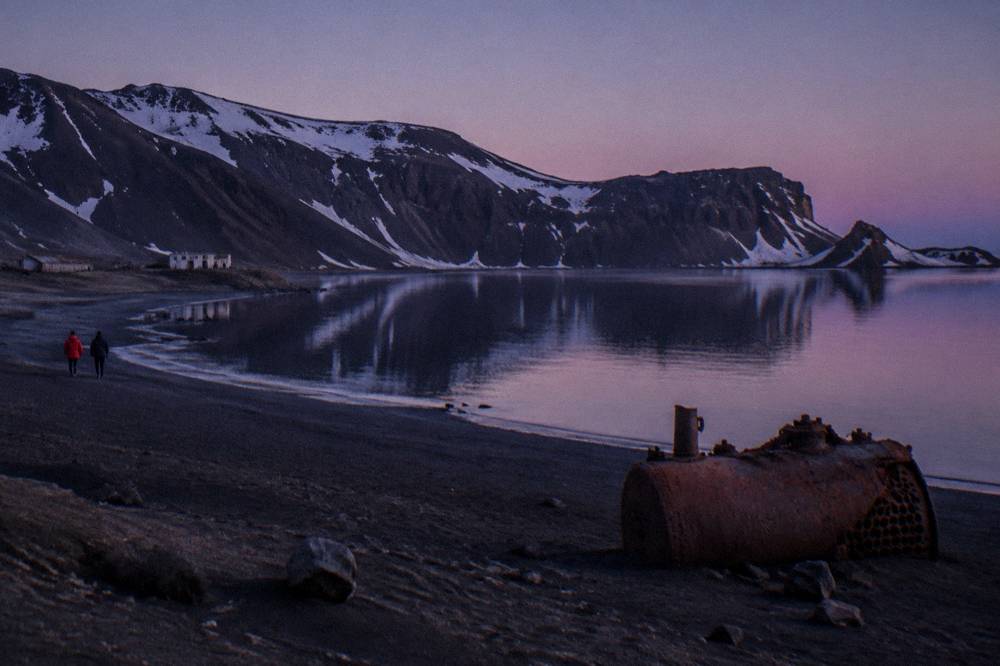
Travellers' accounts of the Peninsula keep returning to how quickly the light moves across the ice, one hour gunmetal grey, the next so bright the glaciers read white to the horizon. Nothing prepares you for the scale of it, and no photograph quite carries it either. Per IAATO's data pages, 85,195 landed visits were recorded in the 2025-26 season, and every one of them stood under that same scale of ice.
When Should You Sail The Antarctic Peninsula?
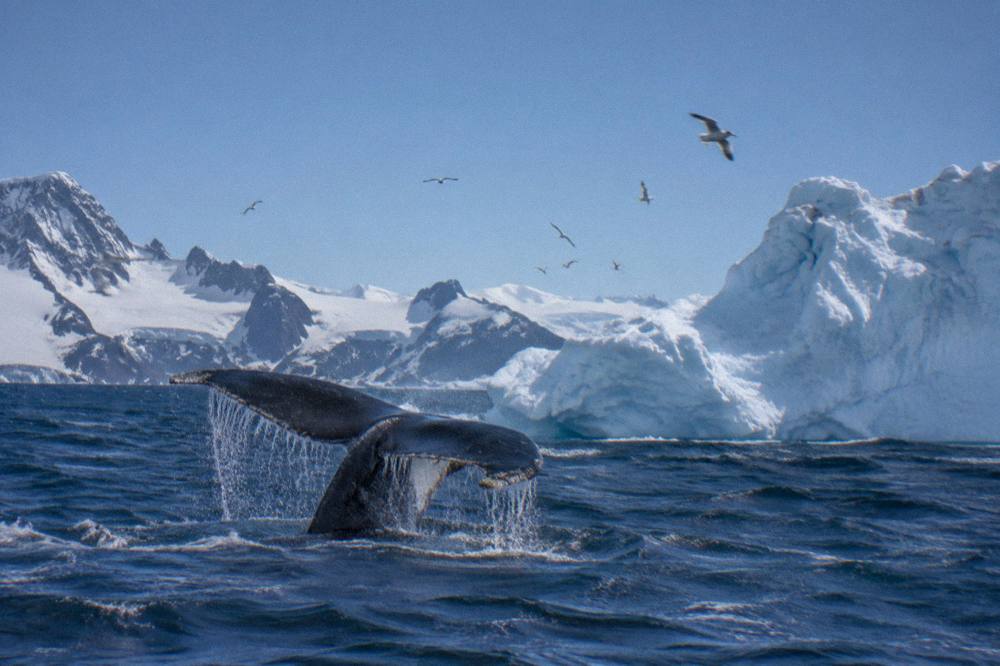
The season runs from mid-October to mid-March. November brings courtship and pristine snow underfoot, mid-December into January brings penguin chicks and increasingly ice-free channels, and February into March brings peak whale feeding and softer light. There is no single winning month: pick the wildlife and conditions you want, then match departures to them.
The month-by-month differences are real enough to plan around. Operator and expedition materials for the Peninsula agree on the broad pattern, and it holds across ships because it is driven by the ice and the breeding calendar, not by the cruise line.
| Month | Conditions | Wildlife and activity |
|---|---|---|
| November | Temperatures down to about -5°C, maximum snow cover | Courtship and nest-building; stone-gifting displays; pristine landings |
| December | Long days, sea ice receding | Chicks begin hatching mid-month; rookeries at full activity |
| January | Most channels ice-free, 0-3°C common | Peak chick season; humpback sightings increase from mid-month |
| February | Warmest stretch of the season | Adult penguins molting, chicks learning to swim; whale feeding builds |
| March | Shortening days, softer light | Peak whale activity; fledging cormorants; possible leopard seals |
November is the month for photographers chasing clean snow and harsh, sculpted light, and for travellers who want to see courtship behaviour rather than chicks. December and January are the classic family months, with eggs hatching and whales returning to the krill grounds that open up after the sea ice retreats. February into March is when the whale watching peaks, and it is also the window operator brochures pitch for Antarctic Circle crossing attempts, which suits travellers adding the southern extension to a Peninsula voyage.
There is no month that is reliably calm or reliably stormy for the crossing; conditions stay unpredictable across the whole season, though summer months generally offer more stable windows. We break the trade-offs down further in our guide to the best time to visit Antarctica, which weighs wildlife against price and crowds month by month.
How Do You Cross The Drake Passage On A Peninsula Cruise?
Sailing ships take about two days each way, though Quark's guidance says 18 to 24 hours in optimal conditions and 36 to 48 in rougher seas. Flying replaces the crossing with a roughly two-hour charter flight from Punta Arenas to King George Island. One geographic publication puts the historic split at roughly 70 percent calm crossings and 30 percent rough.
The crossing is the part of the Peninsula cruise buyers worry about most, and the facts are less dramatic than the folklore. Quark's own crossing guidance gives the 18-to-24-hour optimal window and the 36-to-48-hour rough one, and a geographic explainer on the passage puts calm "Drake Lake" conditions at around 70 percent of journeys versus roughly 30 percent for the "Drake Shake". Typical swells run three to five metres. Modern expedition ships help where they can: newer vessels carry zero-speed stabilizers, X-Bow hulls and weather routing, all aimed at softening the motion.
The alternative is the fly-cruise, and it is a genuine fork rather than an upgrade. The Antarctica21 model flies you from Punta Arenas to King George Island in about two hours, trading up to four days of sea transit for an airport weather risk, and the logistics are strict: operators typically require a pre-flight overnight in Punta Arenas and a checked-baggage limit of 20 kg on the charter segment. Sail-and-fly hybrids split the difference, crossing by ship one way and flying the other. Our guide to how the Drake Passage crossing works covers the sailing side in depth, and the fly-cruise alternative above is the other half of the same decision.
Which crossing you choose changes the whole shape of the itinerary, the fare and the risk you accept, so it belongs at the start of your planning rather than the end. If you are torn, talk through your crossing options with a specialist who can lay both versions against your dates.
Whatever you choose, book the gateway nights. Operators and port reports recommend arriving at least one night, ideally two, before embarkation in Ushuaia or Punta Arenas, because weather on the southern domestic corridors can and does delay flights, and the ship does not wait.
Common Questions About Antarctic Peninsula Cruises
How Long Is A Classic Antarctic Peninsula Cruise?
Most classic sailings run 10 to 13 days round trip from Ushuaia, including about two days of Drake Passage crossing each way and four to six days of landings. The shortest Peninsula product is the 8-day fly-cruise from Punta Arenas, and adding the Falklands and South Georgia stretches the trip to 20-23 days.
What Is The Cheapest Way To Cruise The Antarctic Peninsula?
On this roster, Oceanwide's Plancius lists the lowest starting fare at $7,050 per person for a 10-day voyage, with Hondius and Ortelius from $7,800. One 2026 cost guide reports entry-level berths on Drake-crossing itineraries beginning at roughly $7,500-$8,995, and a realistic all-in budget of $12,000-$25,000 per person once flights, gear, tips and insurance are included.
Do All Peninsula Cruises Cross The Drake Passage?
No. Classic sailings cross by ship, roughly two days each way, while fly-cruises such as Antarctica21's air-cruise fly from Punta Arenas to King George Island in about two hours. Sail-and-fly hybrids do one leg by ship and one by air, halving the open-ocean exposure.
Can You Actually Step Ashore On The Antarctic Peninsula?
Yes, on ships carrying 500 passengers or fewer, which is every expedition vessel in this roster. IAATO rules allow a maximum of 100 passengers ashore from a vessel at any one time, with a minimum 1:20 guide-to-visitor ratio, and only one ship may visit a site at any one time.
Which Month Is Best For Wildlife On A Peninsula Cruise?
December into January is the penguin chick season, with most channels ice-free by January, while February into March is the peak for whale activity as humpbacks feed on krill. November suits travellers who want courtship behaviour and maximum snow cover instead of chicks.