Antarctica Vs Arctic Cruise: Svalbard, Greenland And Which To Choose
 By Oleg G.
Antarctica runs November to March, the Arctic late May to September, so the two poles never compete for the same months. Here is how they compare on wildlife, cost, voyage length and ship choice.
Quick answer: Antarctica expedition cruises run roughly November to March and cost from about $6,900 to $18,000-plus for 10 to 12 days, while Arctic Svalbard sailings run late May to September from about $3,250 to $15,000-plus for 5 to 16 days. Antarctica offers penguins and no towns; the Arctic offers polar bears and villages.
Which Polar Cruise Should You Choose: Antarctica Or The Arctic?
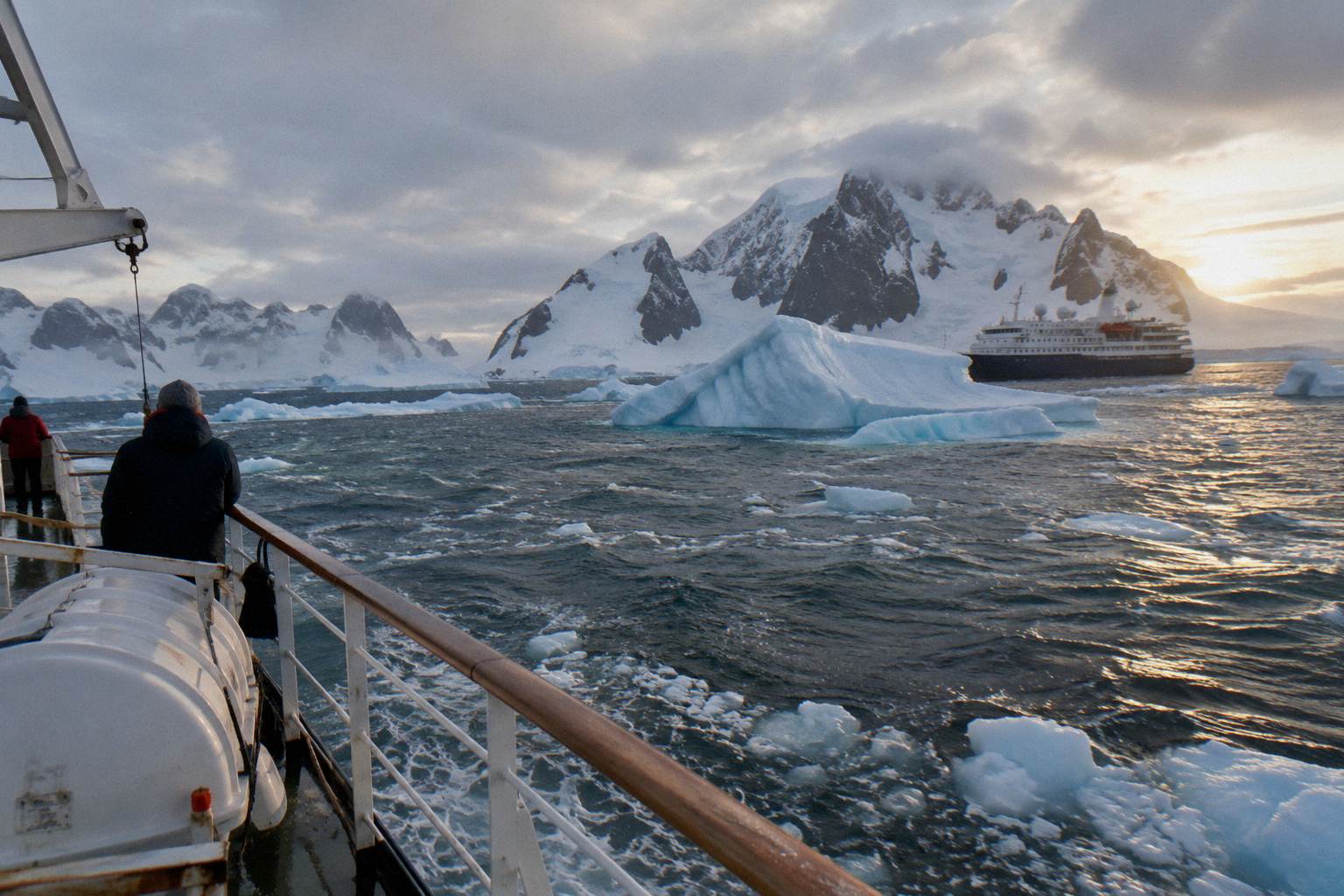
The honest answer is that the poles split on season first and wildlife second. Antarctica's expedition season runs November to March, and the Arctic's runs late May to September, so most travellers can only realistically do one in any given year. Antarctica trades towns, trees and polar bears for penguin colonies, tabular icebergs and a continent with no permanent residents; the Arctic trades that emptiness for villages, history and the chance of a polar bear on the ice.
Cost and length also pull in different directions. Antarctica voyages on small expedition ships generally run 10 to 12 days and start around $6,900 at the budget end, with mainstream expedition fares of roughly $13,000 to $18,000 and more, according to current season pricing reported by specialist price trackers. Svalbard expeditions in the Arctic run 5 to 16 days and start from roughly $3,250 on a short sale sailing to $15,000 or more for longer luxury trips. Neither is a cheap trip, but the Arctic can be shorter and cheaper for the same expedition format.
This page lays the two out side by side: seasons, the penguin-versus-polar-bear question, Svalbard and Greenland in their own sections, the North Pole on an icebreaker, and a full price and length comparison. It closes with a simple test for which pole fits which traveller. Every figure here comes from operator pages, IAATO reporting and current-season prices.
Season Windows: November To March Versus Late May To September
Antarctica's tourist season runs approximately October to April, with most expedition voyages concentrated in the core summer months; the Arctic season runs late May to September for Svalbard and June to September for Greenland. The two windows never overlap, which is why the "which pole" question is often really a "which month" question. If you can only travel in July, the Arctic wins by default; if February is your month, it is Antarctica or nothing.
The Antarctic Treaty Secretariat notes that approximately 98 percent of all tourism voyages occur in the Antarctic Peninsula during the seven-month austral summer from October to April, and IAATO recorded 113,518 total visitors for the 2025-26 season, of whom 85,195 made landings. The departures reflect that window: Oceanwide's Peninsula sailings run from October 2026 to April 2027, with the fullest calendar in the high-summer months.
The Arctic inverts the calendar. Svalbard's expedition season runs late May to September, with the best polar bear odds late May to early July while sea ice still fringes the archipelago. Greenland's season runs June to September, and the East Greenland fjords around Scoresby Sund are clearest from August to September. The North Pole icebreaker departures sail in July and August. There is genuinely no month where both poles are in full swing, and shoulder months at one pole are peak months at the other. If you want help weighing a specific month against both seasons, compare seasons with a free consultation before committing.
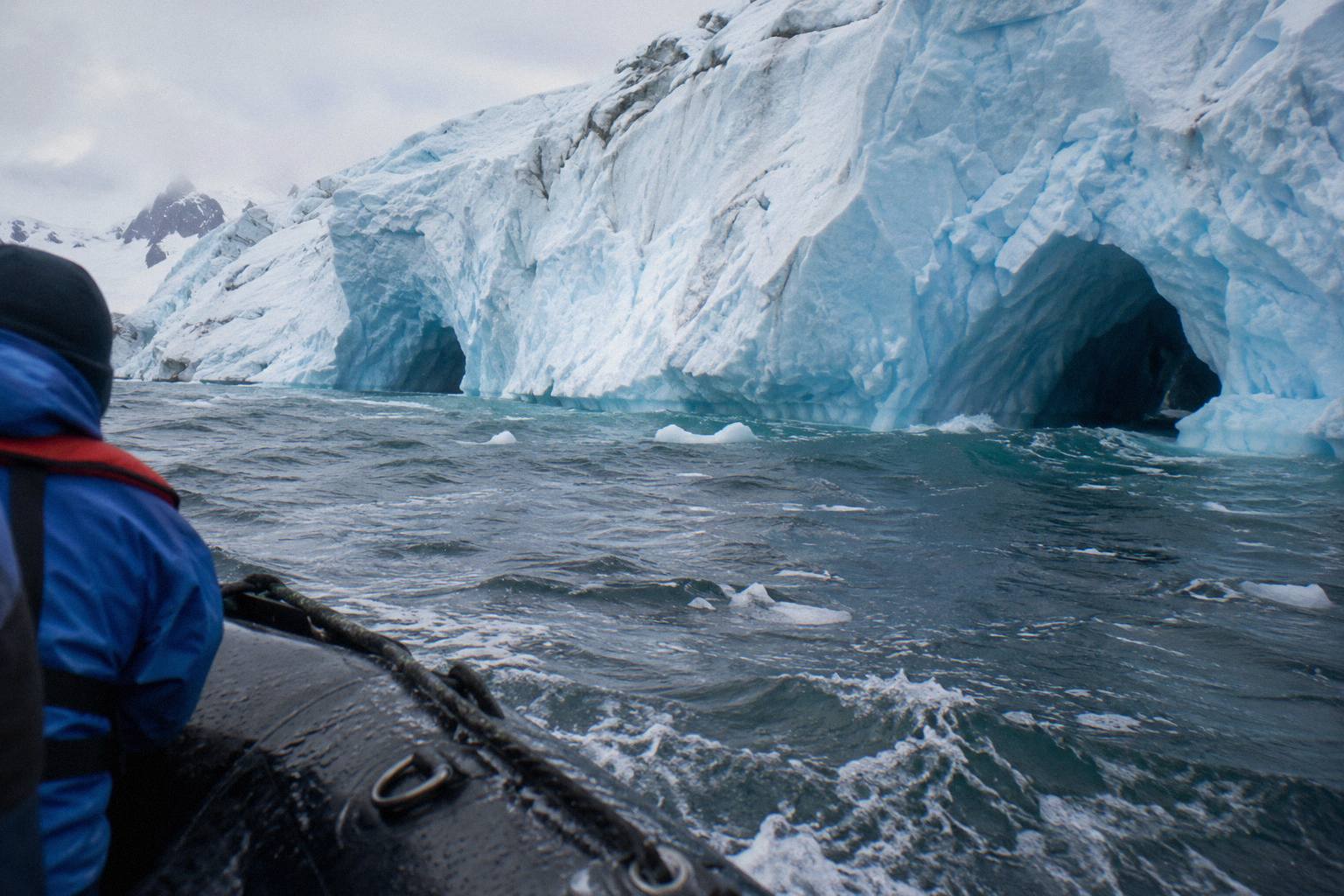
Season choice also changes what you see on land. November in Antarctica brings courtship, deep snow and the most sea ice; February brings peak whale numbers and chicks gathered in crèches. In the Arctic, June brings birds and ice, while late August into September brings autumn light and accessible East Greenland fjords. Our guide to the best time to visit Antarctica breaks the austral months down in detail if you lean south.
Penguins Versus Polar Bears: The Wildlife Trade-Off
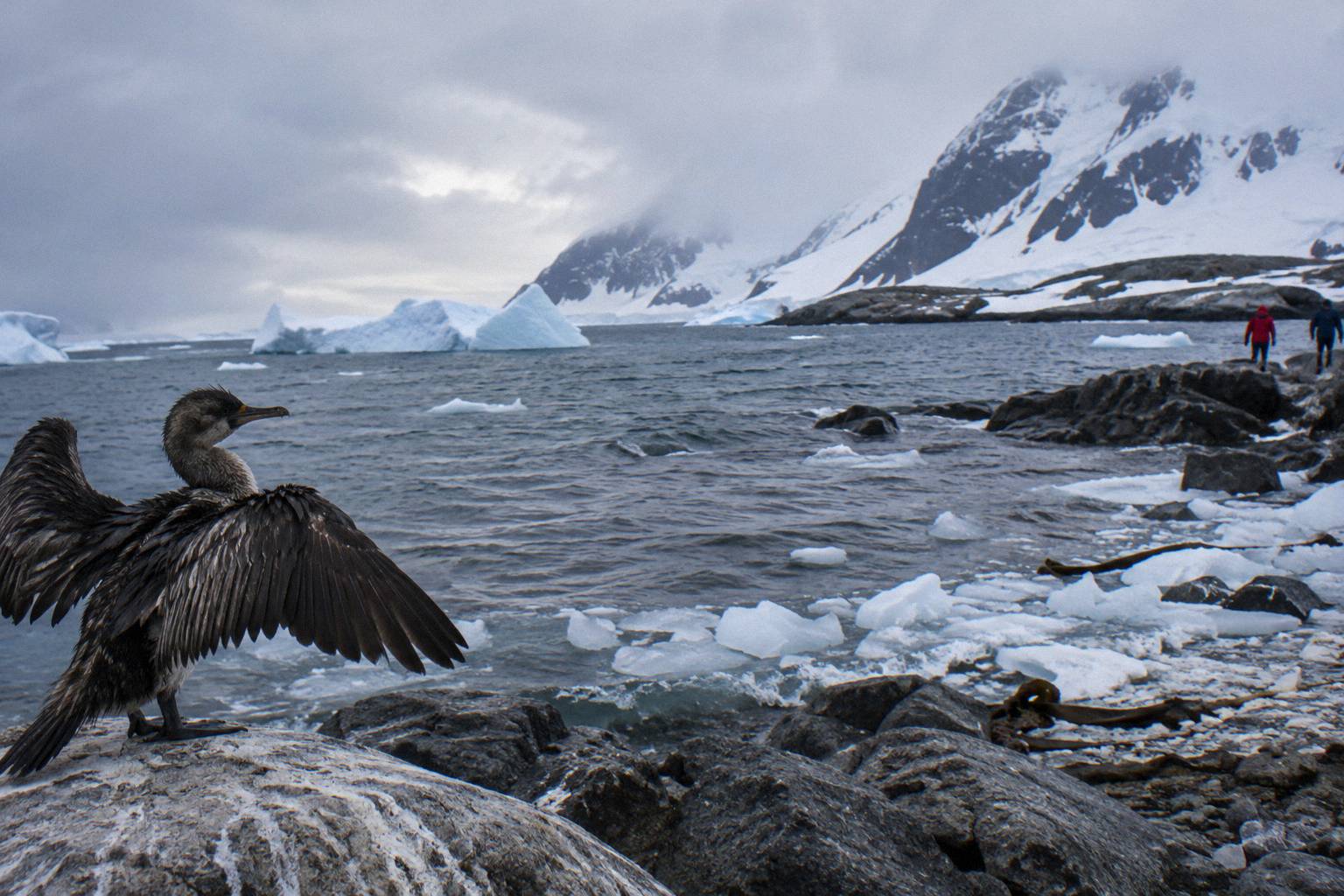
Antarctica has penguins, seals and feeding whales in densities the Arctic cannot match, but it has no polar bears, no land mammals at all in fact, and almost no terrestrial life. The Arctic has polar bears, reindeer, Arctic foxes, walruses and seabird cliffs, but penguins have never lived there. Neither pole guarantees sightings: polar bears are a chance, not a certainty, and penguin colonies are weather-and-ice dependent like everything else in polar travel.
The headline species drive most first bookings. In Antarctica, gentoo, chinstrap and Adélie penguins nest in the Peninsula in numbers that make landings genuinely loud, and humpback whale sightings build from mid-January onward, according to operator wildlife calendars. Emperor penguins breed on sea ice and are only reachable on specialist helicopter voyages to the Weddell Sea, with operator notes putting recent-season success below 50 percent because it depends entirely on ice.
In Svalbard, the polar bear is the quarry. Sightings are best late May to early July on the ice edge, with the highest odds on full circumnavigation sailings, and expedition ships must keep distances and carry deterrents rather than promise encounters. Walrus haul-outs, reindeer, Arctic foxes and seabird cliffs round out the cast.
The deep difference is wilderness type. Antarctica is a continent governed by a treaty, with no towns, no shops and no indigenous population; landings are capped at 100 passengers ashore at a time under IAATO rules, which the operator pages and IAATO guidance describe in detail. The Arctic is inhabited, and many voyages call at small settlements, research towns and communities, which some travellers love and others find breaks the spell. If you want the feeling of a place with no one in it, only the south delivers that.
Svalbard Cruises: Polar Bears On The Ice Edge
Svalbard is the Arctic's most accessible expedition destination, a Norwegian archipelago reached by air via Longyearbyen, with cruises of 5 to 16 days, most commonly 9 to 11, and 11 to 16 days for full circumnavigations. Prices in 2026 ranged from about $3,250 on a five-night sale sailing to $7,000-$15,000 or more for longer and more luxurious trips, with operators including Oceanwide Expeditions, Quark Expeditions, HX and Aurora Expeditions.
The product looks familiar to anyone researching Antarctica: small ice-strengthened ships, Zodiac landings, an expedition team and a lecture programme. What changes is the palette. Instead of penguin colonies you get tundra wildflowers, walrus hauled out on gravel beaches, historical sites from the whaling and trapping eras, and the constant scanning of the ice edge for bears. Circumnavigation sailings that push north around Spitsbergen give the best bear odds because they spend more time on the pack-ice fringe.
Timing matters more in Svalbard than almost anywhere in the Arctic. Late May to early July is the bear window; by August much of the ice has retreated north and sightings become less reliable even though the weather is milder. The five-night options that drop below $4,000 in sales are a genuine way to sample expedition cruising, but they cover far less ground than an 11-day trip and spend less time in the high ice.
Svalbard also answers a question Antarctica cannot: what polar travel feels like when people live there. Longyearbyen is a real, lived-in town and the gateway for most sailings, so a Svalbard trip starts and ends among people rather than at a remote port. For travellers weighing that against Antarctica's absolute emptiness, the contrast is usually what settles the decision.
Greenland Cruises: Fjords, Icebergs And Scoresby Sund
Greenland's expedition season runs June to September, focused on Disko Bay in the west and the Scoresby Sund fjord system in the east, with the fjords clearest August to September. Typical voyages run 7 to 13 days for Disko Bay and 10 to 12 days for Scoresby Sund, with 2026 example fares from about $7,346 for Disko Bay options and roughly $6,150 to $6,250 for East Greenland trips on Oceanwide's Rembrandt van Rijn, sale pricing included.
Greenland is the Arctic's scenery play. The Scoresby Sund fjord system in the east is the headline for East Greenland sailings, and its fjords are clearest in August and September. Disko Bay, with Ilulissat, is the classic western itinerary and pairs iceberg watching with village calls.
Greenland is not sold on polar bears the way Svalbard is; the evidence points to Svalbard, not Greenland, for the best bear odds. What Greenland offers instead is fjord scenery and settlement calls, which suits travellers who want people and culture woven through their polar trip.
The other draw is value. 2026 East Greenland departures, about $6,150 to $6,250 on Oceanwide's Rembrandt van Rijn, sit in the same range as budget Peninsula fares. Gateway flights are a separate cost, so compare the full trip, not just the cruise fare.
The North Pole On Le Commandant Charcot
The North Pole by ship means Ponant's Le Commandant Charcot, a hybrid LNG-and-battery PC2 icebreaker sailing round trips from Longyearbyen of about 16 days, with 2026 departures in July and August from roughly $51,611 per person, with occasional sales and single-supplement waivers. It is a different category of trip from either a Svalbard expedition or an Antarctic Peninsula voyage.
At that price the comparison stops being budgetary and becomes experiential. You are buying the crossing of the frozen Arctic Ocean itself: days smashing through multi-year pack ice, the ceremony of standing at the pole, and a ship whose Polar Class 2 rating is far above the PC5 and PC6 vessels of the Antarctic Peninsula fleet. Wildlife is sparse at those latitudes; the odd bear or walrus on the ice is a bonus, not the programme.
For the North Pole product the figures are clear: operator listings and specialist price trackers confirm the 16-day format and the roughly $51,611 entry point, with sales sometimes shaving the fare.
Who is this for? It is for the completionist, the person who has already done one or both standard poles or who wants the rarest itinerary a cruise ship can run. If your budget is $50,000-plus and your dream is 90 degrees north, nothing else substitutes. If your budget is a tenth of that and your dream is penguins, the choice is just as easy in the other direction.
Price And Length: How The Poles Compare
Antarctic Peninsula voyages of 10 to 12 days cost from about $6,900 in shared cabins to $18,000 or more on upscale lines, with a rough market median of $800 per day. Arctic options span 5-night Svalbard sales from around $3,250, 7 to 13-day Greenland trips from roughly $6,150 to $7,346, and the 16-day North Pole icebreaker from about $51,611. Per day, the two standard poles cost far more alike than their headlines suggest.
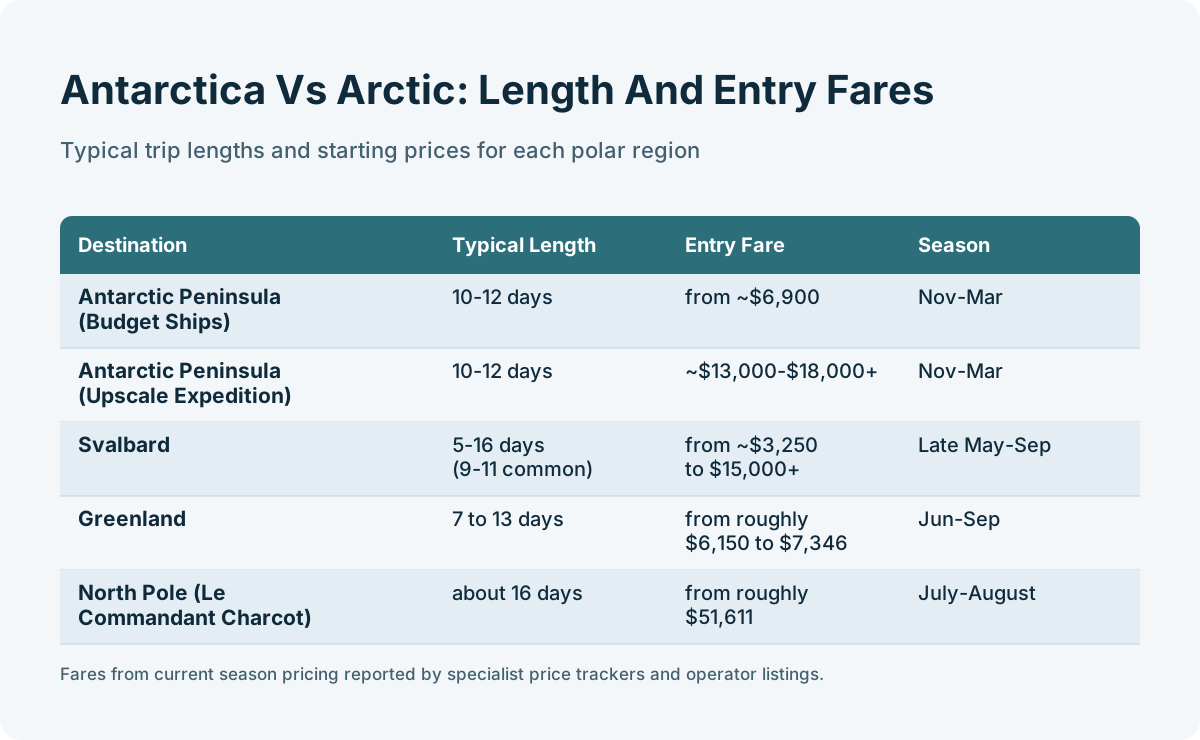
The table below pulls the current-season figures. Note that Antarctica fares are typically cruise-only from gateway ports like Ushuaia, while many Arctic trips and some fly-cruise products bundle charter flights or hotels, so always compare the inclusions, not just the number.
| Destination | Typical length | Entry fare (per person) | Season | Notes |
|---|---|---|---|---|
| Antarctic Peninsula (budget ships) | 10-12 days | from ~$6,900 | Nov-Mar | Shared quad/triple cabins; sailings from Ushuaia |
| Antarctic Peninsula (upscale expedition) | 10-12 days | ~$13,000-$18,000+ | Nov-Mar | Quark, Aurora, Lindblad, HX examples |
| Svalbard | 5-16 days (9-11 common) | from ~$3,250 (5-night sale) to $15,000+ | Late May-Sep | Best bears late May-early July |
| Greenland (Disko Bay) | 7-13 days | from ~$7,346 | Jun-Sep | Fjords clearest Aug-Sep |
| Greenland (Scoresby Sund) | 10-12 days | ~$6,150-$6,250 | Jun-Sep (clearest Aug-Sep) | Oceanwide Rembrandt van Rijn examples |
| North Pole (Le Commandant Charcot) | 16 days | from ~$51,611 | Jul-Aug | PC2 icebreaker, Longyearbyen round trip |
Two patterns are worth reading carefully. First, the Arctic's floor is lower because its shortest products are genuinely short: a five-night Svalbard trip is a sampler, not an expedition of Antarctic Peninsula depth. Second, Antarctica's ceiling has no Arctic equivalent short of the North Pole itself, because the southern market runs deeper into luxury, with helicopters, submarines and all-inclusive suites on the top-tier ships.
For a fuller breakdown of the southern side, including cabin-by-cabin and month-by-month pricing, see our guides on Antarctica cruise cost and prices by month. If you are weighing a specific Arctic quote against a specific Antarctic one, weigh both quotes with a free consultation, which costs nothing and comes with no obligation.
Antarctic Ships That Keep The Comparison Close
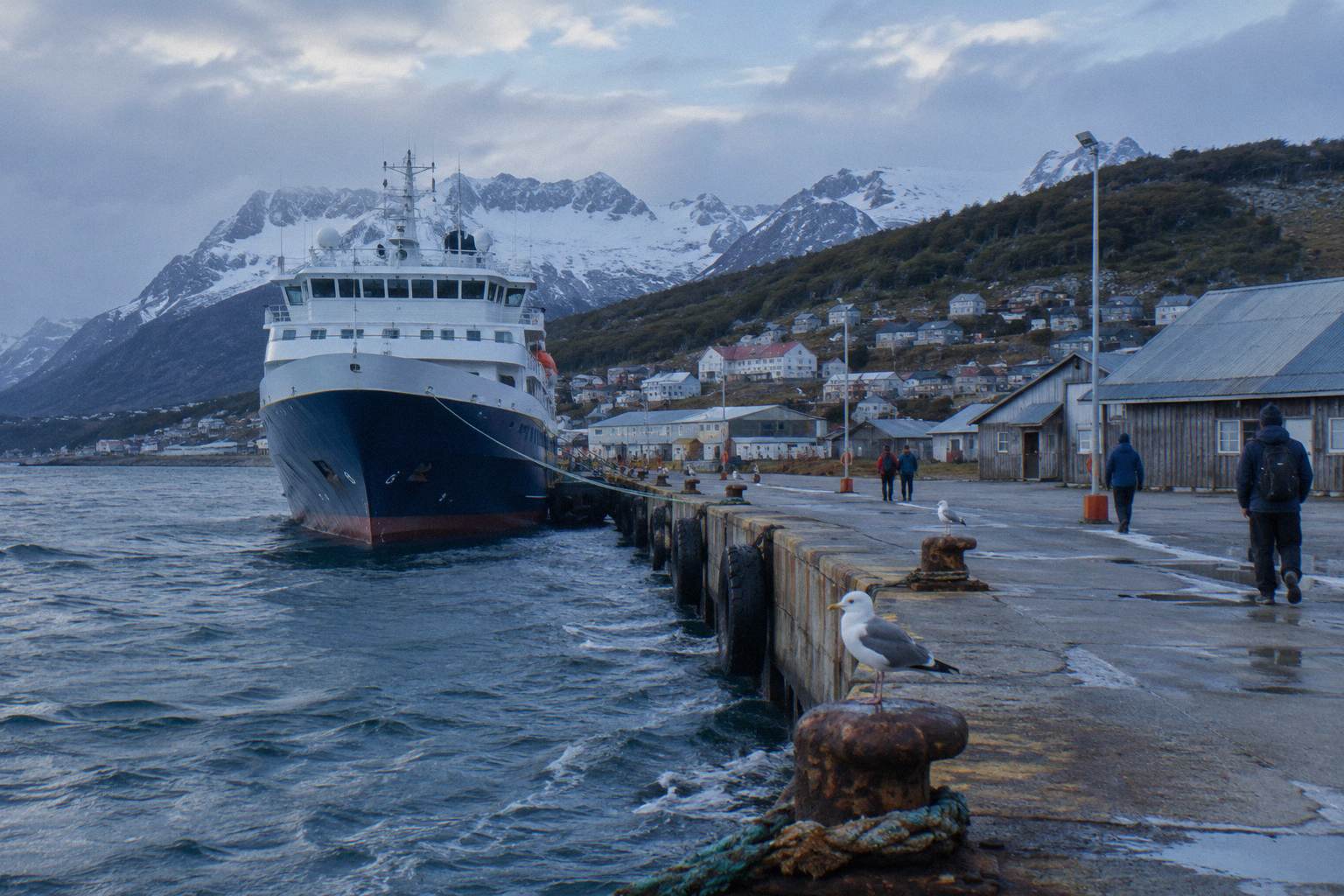
If the comparison lands you south, the Oceanwide Expeditions fleet of Hondius, Plancius and Ortelius is where Antarctic fares overlap most closely with Arctic expedition pricing, from roughly $7,050 to $7,800 per person for Peninsula voyages in shared cabins. All three are genuine ice-classed expedition ships sailing from Ushuaia, and all three run the same Zodiac-landing format as their Svalbard siblings on the same operator.
Hondius is the flagship of that trio: built in 2019, Polar Class 6, carrying 170 passengers in 80 cabins, with voyages of 11, 13 and 19 days from Ushuaia from about $7,800. It is the first-registered Polar Class 6 vessel in the world in the operator's own wording, and its cabin ladder runs from quadruple portholes up to a grand suite with a private balcony. Our full Hondius guide covers the ship in depth.
Plancius and Ortelius sit just below it. Plancius, a converted Dutch navy oceanographic vessel rebuilt for passengers in 2009, carries 108 guests in 50 cabins from about $7,050. Ortelius, a 1989-built former Russian research vessel with a UL1 ice class equivalent to 1A, carries the same 108 guests and is the ship Oceanwide uses for its helicopter-supported Weddell Sea emperor penguin voyages. Between them they anchor the budget end of the Antarctic market without giving up the landing experience.
| Ship | Passengers | Built | Ice class | Voyage days | From fare (pp) |
|---|---|---|---|---|---|
| Hondius | 170 | 2019 | Polar Class 6 (equivalent 1A-Super) | 11/13/19 | $7,800 |
| Ortelius | 108 | 1989 | UL1 (equivalent 1A) | 11/13/25 | $7,800 |
| Plancius | 108 | 1976 | 1D | 10/11/13/15/19/21/33 | $7,050 |
| Ship | Class | Passengers | Ice class | From, per person | Voyage length | Departs from |
|---|---|---|---|---|---|---|
| HondiusOceanwide Expeditions | Small-Ship Budget | 170 | Polar Class 6 | from $7,800 | 11 to 19 days | Ushuaia |
| PlanciusOceanwide Expeditions | Small-Ship Budget | 108 | 1D | from $7,050 | 10 to 33 days | Ushuaia |
| OrteliusOceanwide Expeditions | Small-Ship Budget | 108 | UL1 | from $7,800 | 11 to 25 days | Ushuaia |
The point of the comparison is simple: at entry fares of about $7,050 to $7,800 you are choosing between a longer, emptier, wilder continent in the south or a shorter, culturally richer archipelago in the north at the same standard of expedition operation. The ships, the Zodiacs and the guide ratio feel familiar across both; what differs is what is waiting on the beach.
| Question to ask | Why it matters at both poles |
|---|---|
| Is the fare per person, double occupancy? | Shared and solo pricing differs sharply; quads and triples cut the per-berth cost on both poles. |
| Are gateway flights or hotels bundled? | Arctic trips and Antarctic fly-cruises often include charters that sailing voyages do not. |
| What ice class does the ship hold? | PC5 and PC6 are typical for Antarctic Peninsula ships; ask the same question of any Arctic ship. |
| What is the landing-to-passenger ratio? | IAATO caps 100 ashore at a time; smaller ships rotate less, on either pole. |
| What activities cost extra? | Kayaking, camping and helicopter add-ons can add hundreds to thousands to either trip. |
Who Should Pick Which Pole
Pick Antarctica if your priorities are penguins, whales, otherworldly ice and a continent with no permanent human population, and if you can travel November to March with a budget of roughly $7,000 upward. Pick the Arctic, specifically Svalbard or Greenland, if you want polar bears, villages and history, prefer a summer month between late May and September, or want a first polar trip at a lower entry price. The North Pole is only for the completionist.
A few traveller profiles make the decision easy. Photographers chasing penguin colonies and iceberg light go south. Families with summer holidays are pushed north by the calendar alone. Travellers prone to seasickness should weigh the Drake Passage carefully against the comparatively sheltered fjords of Greenland and Svalbard; our Drake Passage crossing guide explains the crossing honestly, including the two-day-each-way reality and the fly-cruise alternatives that skip it.
Budget-first travellers should look hard at the shoulder months in both hemispheres. November and March Antarctic departures often price 20 percent or more below December and January peaks, according to specialist price trackers, and early-season Svalbard sales can be the cheapest genuine expedition berths anywhere. Repeat polar travellers tend to sequence rather than choose: Svalbard or Greenland first at lower cost, Antarctica second for the continent, and the North Pole as a rare capstone.
One thing this site, Cruises In Antarctica, can state plainly from the IAATO and operator data: neither pole is "better", they are different products with opposite calendars. Anyone who tells you the Arctic is a lesser Antarctica has not watched a bear cross the ice, and anyone who calls Antarctica an empty Arctic has not stood in a penguin colony in January. The right pole is the one whose season, wildlife and price fit the year you actually have.
Common Questions About Antarctica Vs Arctic Cruise
Antarctica vs Arctic cruise: which is better?
Neither is objectively better. Antarctica offers penguins, whales and a continent with no permanent population from November to March; the Arctic offers polar bears, villages and history from late May to September. Season availability, budget and which wildlife you most want to see usually decide it.
Which is more expensive, an Antarctica or Arctic cruise?
Antarctica tends to cost more overall: 10 to 12 day Peninsula voyages run from about $6,900 at the budget end to $18,000 or more. Short Svalbard sailings can start around $3,250 and Greenland trips from roughly $6,150 to $7,346, though entry fares depend heavily on length and cabin. The North Pole by icebreaker, from about $51,611, is the most expensive of all.
Can you see penguins on an Arctic cruise?
No. Penguins live almost exclusively in the Southern Hemisphere and none breed in the Arctic. The Arctic's signature species is the polar bear, best seen on Svalbard sailings late May to early July along the ice edge. Antarctica is where penguins are, in large Peninsula colonies from November to March.
When is the best time to cruise Antarctica versus Svalbard?
Antarctica's season runs roughly November to March, with whale sightings building from mid-January and whale numbers peaking in February. Svalbard runs late May to September, with the best polar bear odds late May to early July. The seasons never overlap, so your travel month largely picks the pole for you.
Is the North Pole cruise the same as an Arctic expedition cruise?
No. The North Pole trip runs on Ponant's Le Commandant Charcot, a PC2 icebreaker, on roughly 16-day round trips from Longyearbyen from about $51,611. It is a rare, expensive crossing of the frozen Arctic Ocean, while Svalbard and Greenland expedition cruises are shorter, cheaper and wildlife-and-scenery focused.
More Antarctica Versus Other Polar Trips
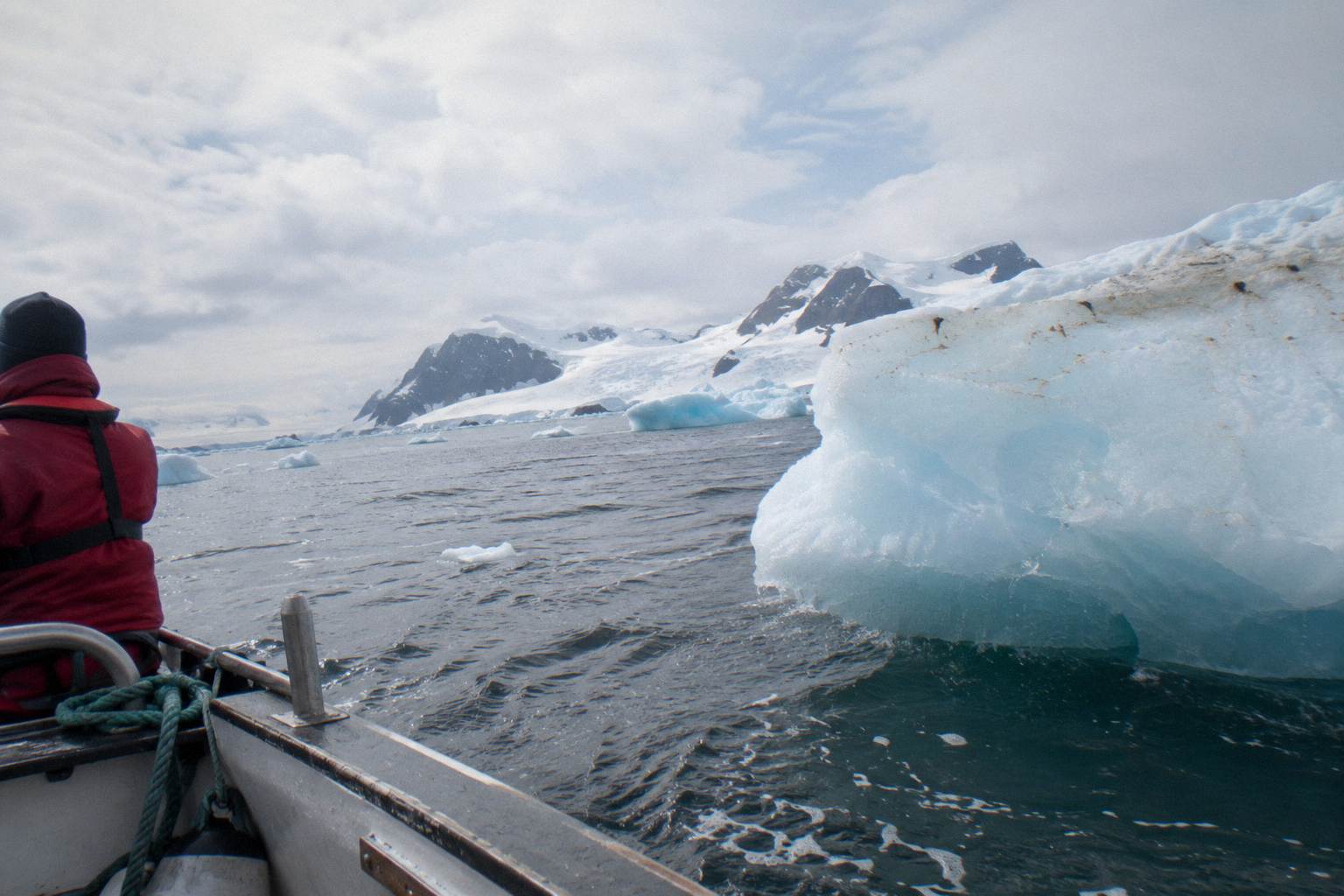 Antarctica Vs GalapagosSeasons, costs, ship rules and wildlife styles compared honestly for wildlife travellers torn between the two voyages.Read the guide
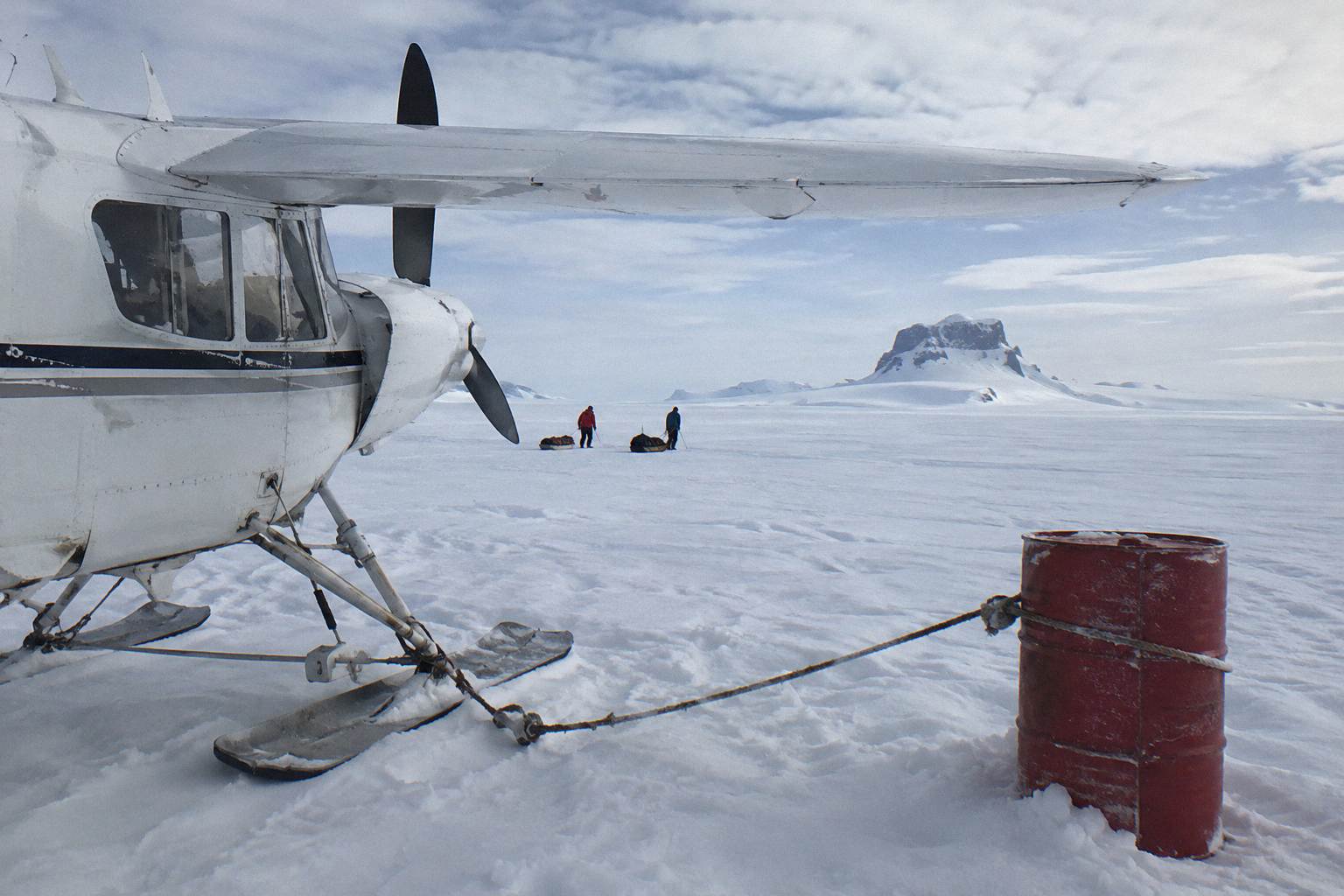 South Pole TripsHow tourists actually reach the South Pole: flights, ski expeditions, luxury camps, and what it all costs.Read the guide
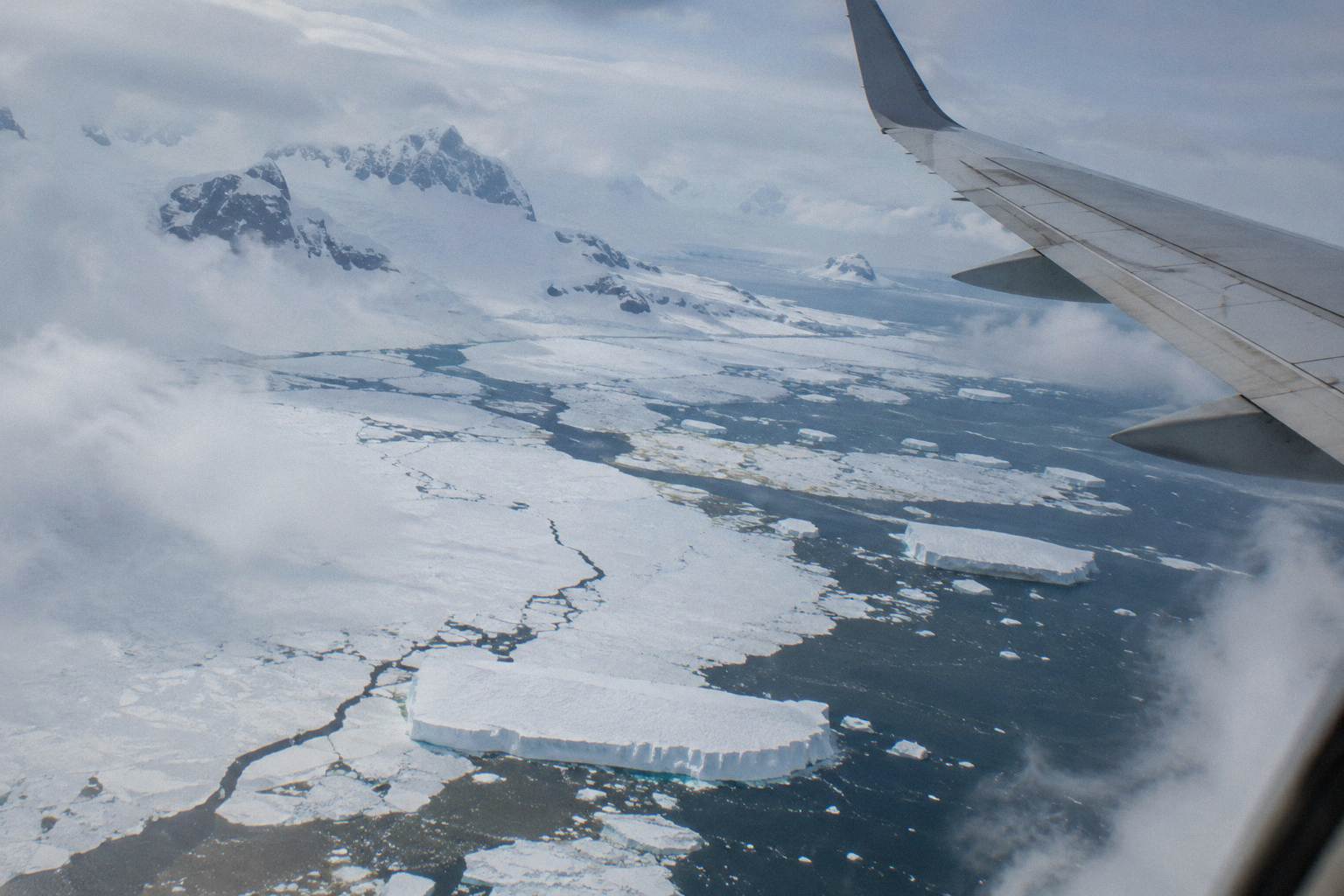 Sightseeing FlightsOverflights, day trips and fly-cruises that show you Antarctica without a full Drake Passage voyage.Read the guide
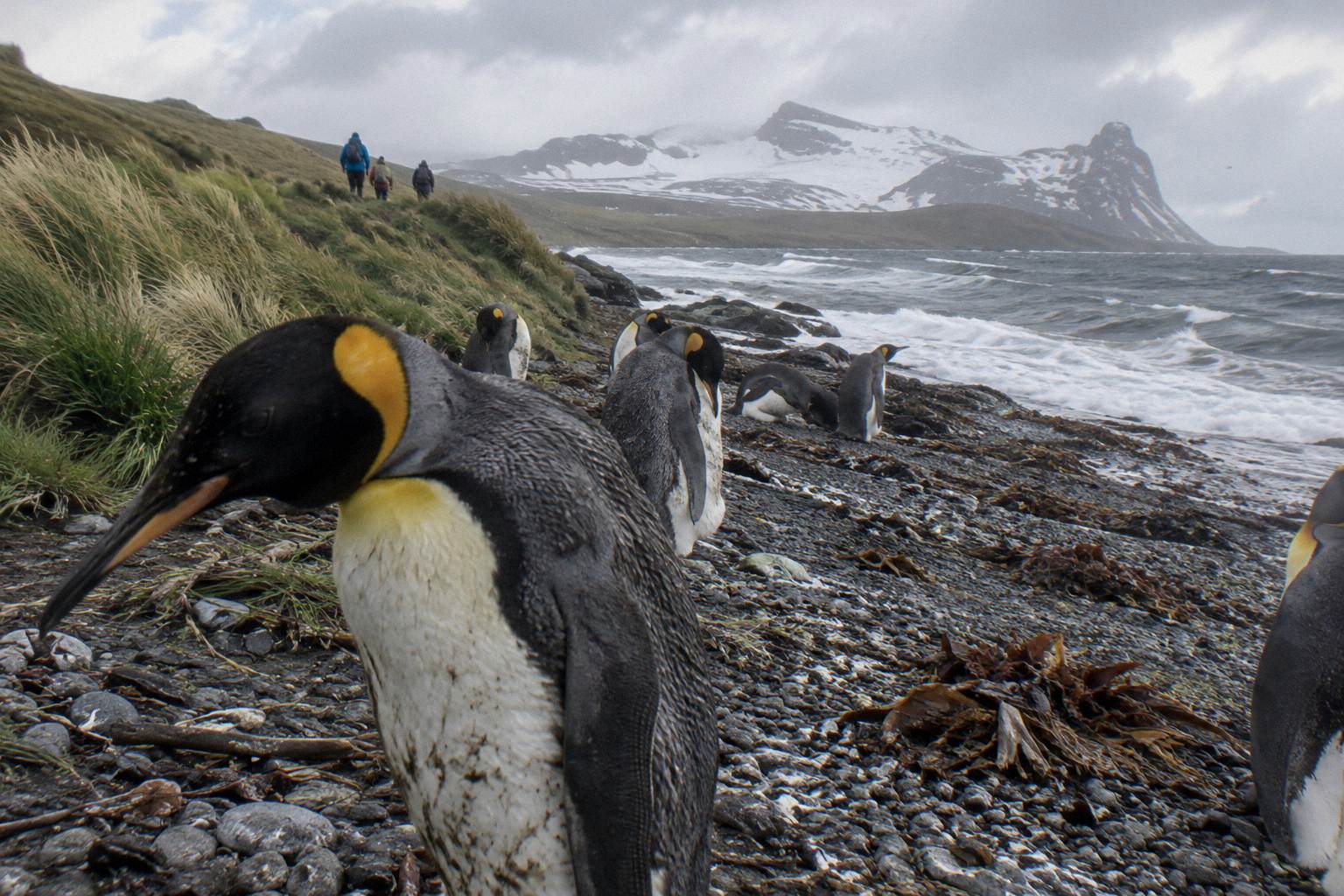 Second Antarctica TripSouth Georgia, Snow Hill emperors, the Ross Sea and Circle crossings: route ideas for returning Antarctic travellers.Read the guide