MV Hondius Antarctic Cruises: Ship Guide And Itineraries
 By Oleg G.
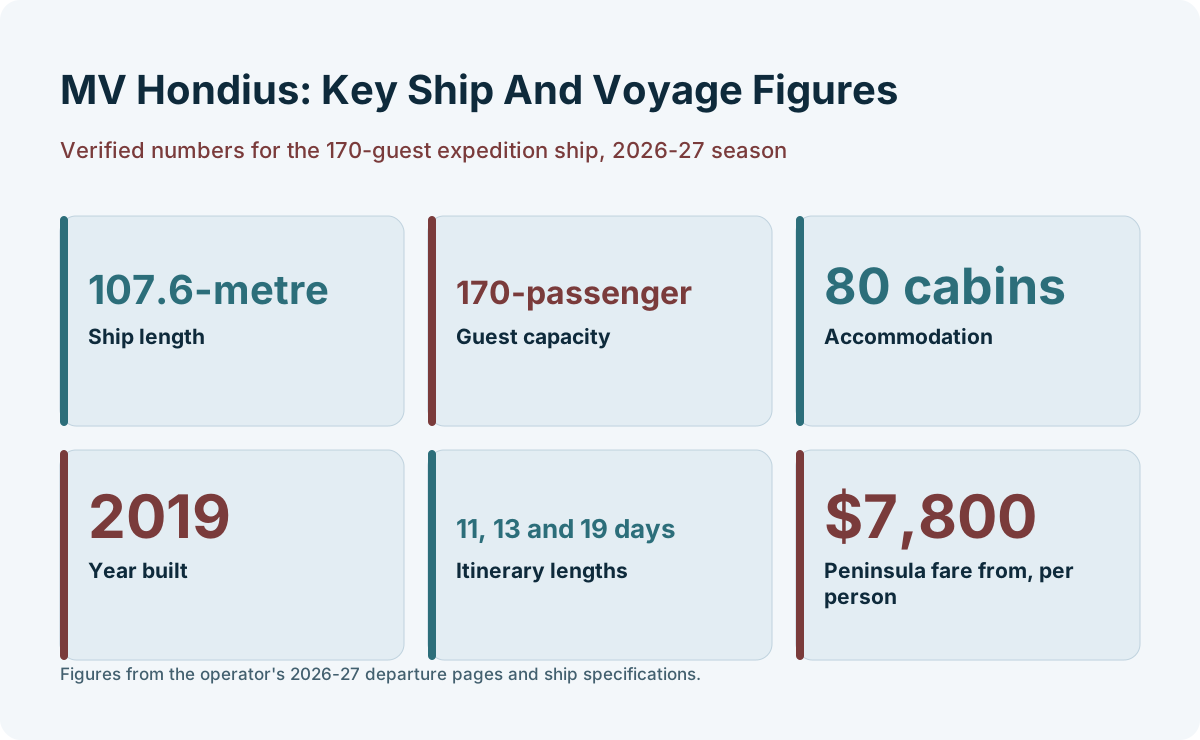
The MV Hondius is Oceanwide Expeditions' flagship Antarctic vessel, a 170-guest Polar Class 6 ship sailing from Ushuaia on 11, 13 and 19-day voyages, with Peninsula fares from $7,800 per person.
Quick answer: The MV Hondius carries 170 guests in 80 cabins, was built in 2019 as the world's first-registered Polar Class 6 passenger vessel, and sails Antarctic Peninsula and Falklands-South Georgia voyages of 11, 13 and 19 days from Ushuaia. Fares on the operator's 2026-27 Peninsula departures start at $7,800 per person.
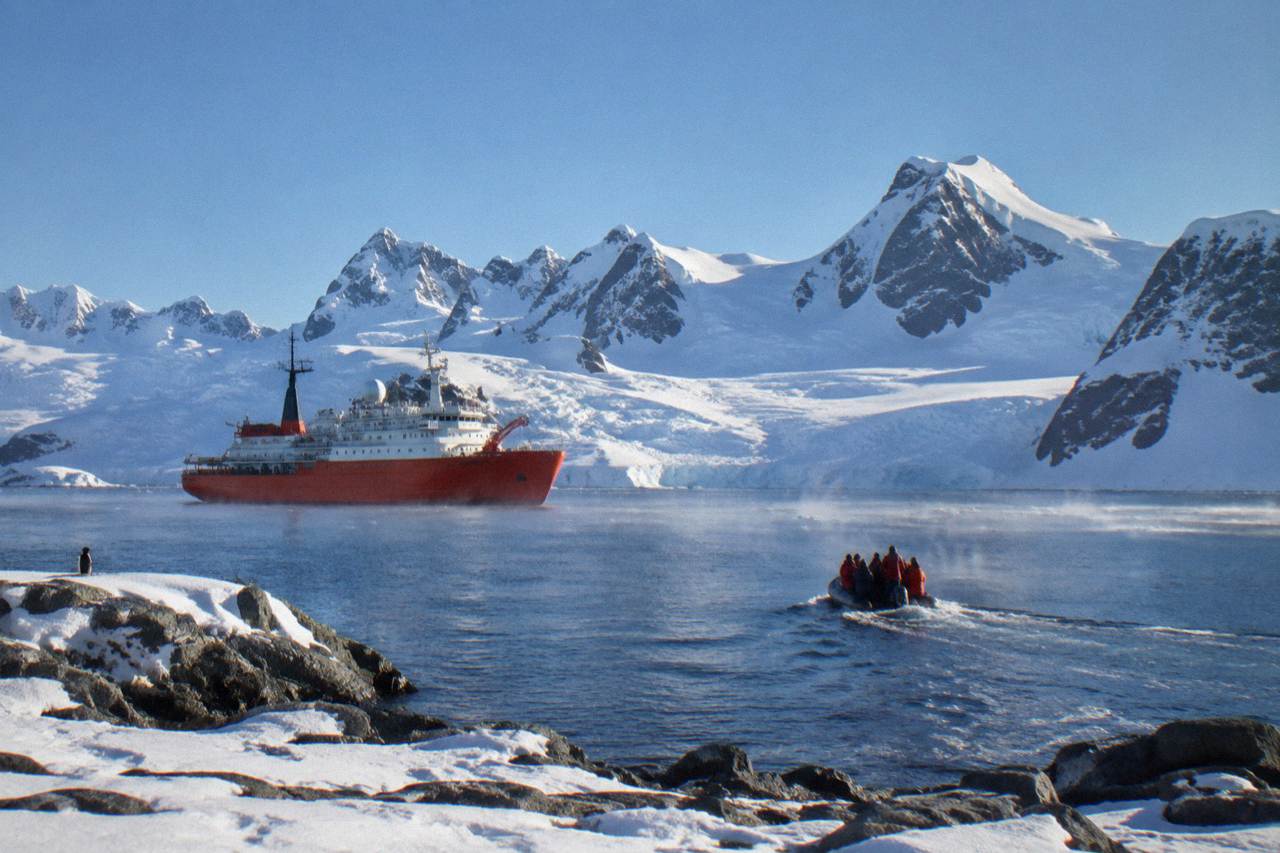
The MV Hondius is the newest and largest ship in Oceanwide Expeditions' Antarctic fleet, and it has become one of the most-searched vessels in the small-ship budget tier. Someone typing the ship's name into a search box is usually past the "should I go to Antarctica" stage and deep into the shortlisting stage, comparing hulls, cabin counts and deck plans. That is exactly what this guide covers: the ship's verified specifications, its 2026-27 itineraries and fares, and how it stacks up against its two fleet-mates, Ortelius and Plancius.
The ship matters in Antarctica more than on almost any other cruise. Antarctic regulations cap landings at 100 passengers ashore at a time, so a 170-guest vessel like the Hondius still delivers a genuine small-ship expedition experience, with everyone getting off the ship at nearly every landing. The same rules mean a ship's passenger count is not just a comfort figure, it is the number that determines how much time you actually spend standing on the continent.
What Is The MV Hondius?
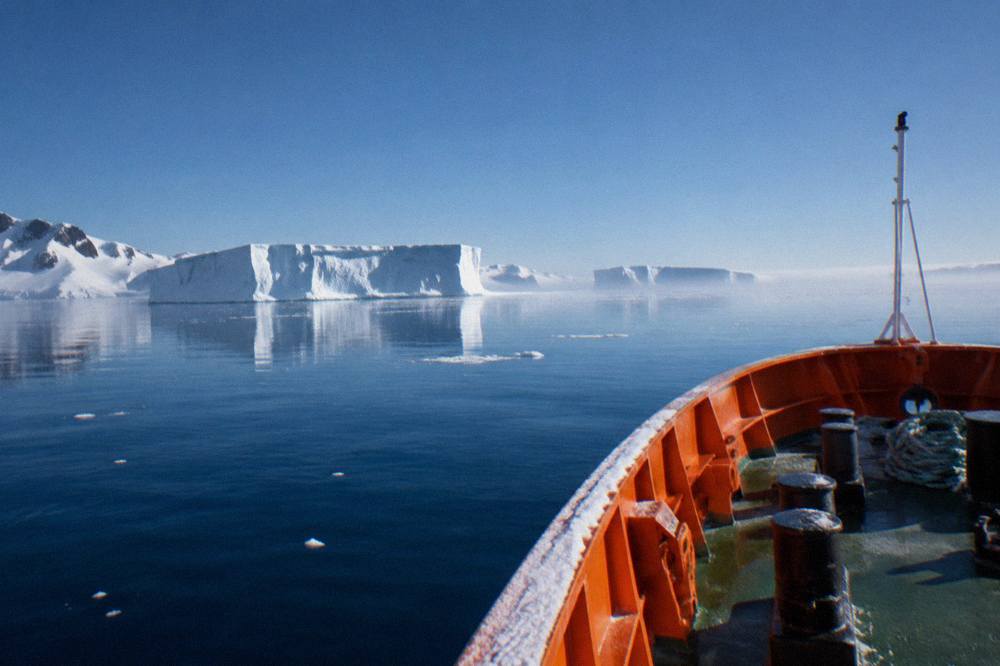
The MV Hondius is a 107.6-metre, 170-passenger expedition ship built in 2019 and operated by Oceanwide Expeditions, registered to Polar Class 6, the first passenger vessel in the world to hold that class. She carries guests in 80 cabins and sails exclusively Antarctic and Arctic itineraries, positioning her as a modern, purpose-built polar vessel in the affordable small-ship segment rather than a converted research ship. If you want to compare her with an even newer polar build, our Douglas Mawson ship guide covers Aurora Expeditions' Ulstein X-BOW vessel in detail.
The Polar Class 6 registration is the detail that separates the Hondius from most ships at her price point. Oceanwide's own ship page describes her as the first-registered Polar Class 6 vessel in the world, a hull standard that allows operation in medium first-year ice. Most of her direct competitors in the budget tier sail on older, lower ice classes, often converted research or navy vessels with decades of service behind them. The Hondius was drawn from the keel up as a passenger expedition ship, and it shows in the layout: a dedicated Zodiac boarding area, sheltered deck space, and cabins sized for real occupancy rather than squeezed into a research-ship footprint.
Her operator, Oceanwide Expeditions, is a Dutch polar specialist that has run Antarctic voyages from Ushuaia for many years and operates the Hondius alongside two smaller ships, the Ortelius and the Plancius. The operator's Antarctic cruise pages list the full spread of departures, and the fleet's small size is part of the appeal: three ships, one company, one booking and operations team, which keeps the expedition staff consistent across the season.
Who Operates The Hondius And Where Does It Sail From?
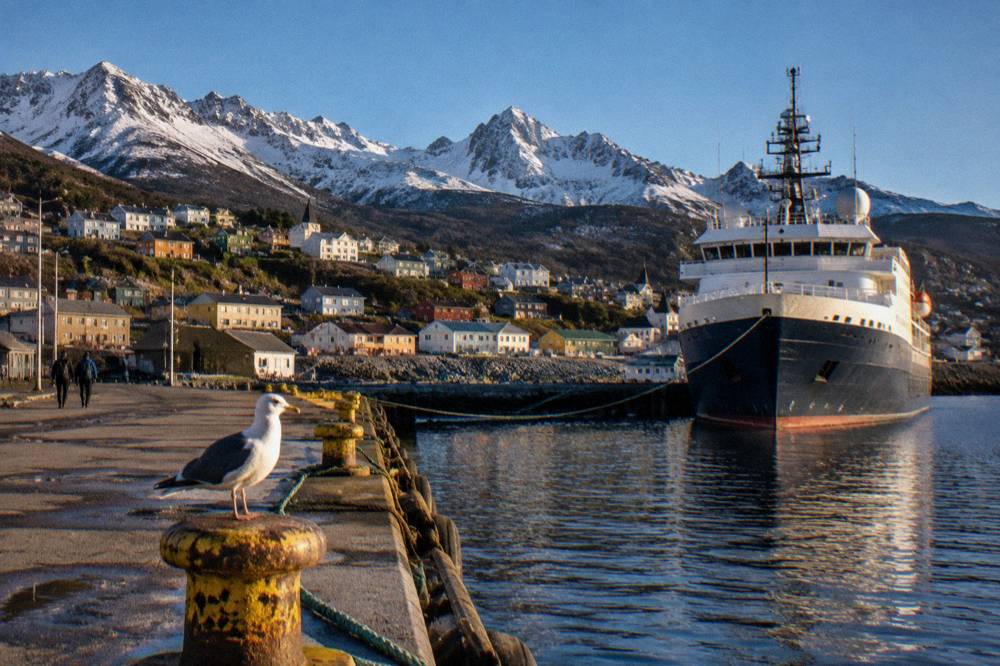
Oceanwide Expeditions, a Netherlands-based polar operator, runs the Hondius on scheduled Antarctic voyages departing from Ushuaia, the world's southernmost city and the main gateway port for the Antarctic Peninsula. Every Hondius Antarctic departure listed on the operator's 2026-27 pages starts and ends in Ushuaia, with guests typically flying into Buenos Aires and connecting domestically to board.
Ushuaia's role as the Peninsula's default port is not a marketing convention, it is geography. The port sits roughly a thousand kilometres from the Antarctic Peninsula across the Drake Passage, which makes it the closest practical embarkation point for the classic routes. The Antarctic Treaty Secretariat's tourism pages note that approximately 98 percent of all tourism voyages occur in the Antarctic Peninsula region during the austral summer, and Ushuaia handles the bulk of them. The Hondius shares that corridor with vessels from Quark, Lindblad, Ponant, Aurora and a dozen other lines.
Practically, flying into Ushuaia from the United States means an international arrival into Buenos Aires, usually at EZE, then a transfer to the domestic airport AEP for the flight south. Aerolineas Argentinas and JetSMART both operate the route, and 2026 schedule data shows departures spread across the day. Weather delays on this corridor are common enough in peak season that arriving a day or two before the ship sails is standard advice, and Ushuaia's hotel occupancy in January 2026 was reported at around 80 percent, so early booking matters on land too. Our guide to getting to Antarctica and Ushuaia covers the flight logistics in detail.
Hondius Cabins And Onboard Spaces
The Hondius accommodates 170 guests in 80 cabins across a range from quadruple porthole rooms to a grand suite, a spread that is wider than most polar ships offer and is central to her budget appeal. The lower categories, triple and quadruple cabins with shared or private facilities, are what make the ship's headline fares possible, while the upper deck suites serve travellers who want small-ship pricing with more comfort.
The cabin ladder on the Hondius runs roughly like this: quadruple and triple cabins at the entry level, twin window and twin deluxe cabins in the mid-range, and junior suites, a superior suite and a grand suite at the top. Because the ship was purpose-built in 2019, even the shared-facility cabins are laid out as proper passenger accommodation rather than retrofitted crew space, which is a real difference from the converted research vessels that dominate this price tier. Deck plans on the operator's ship page show the standard public spaces: a large observation lounge forward, a dining room on one deck, a lecture theatre, and an open-bridge policy that is common across the polar fleet.
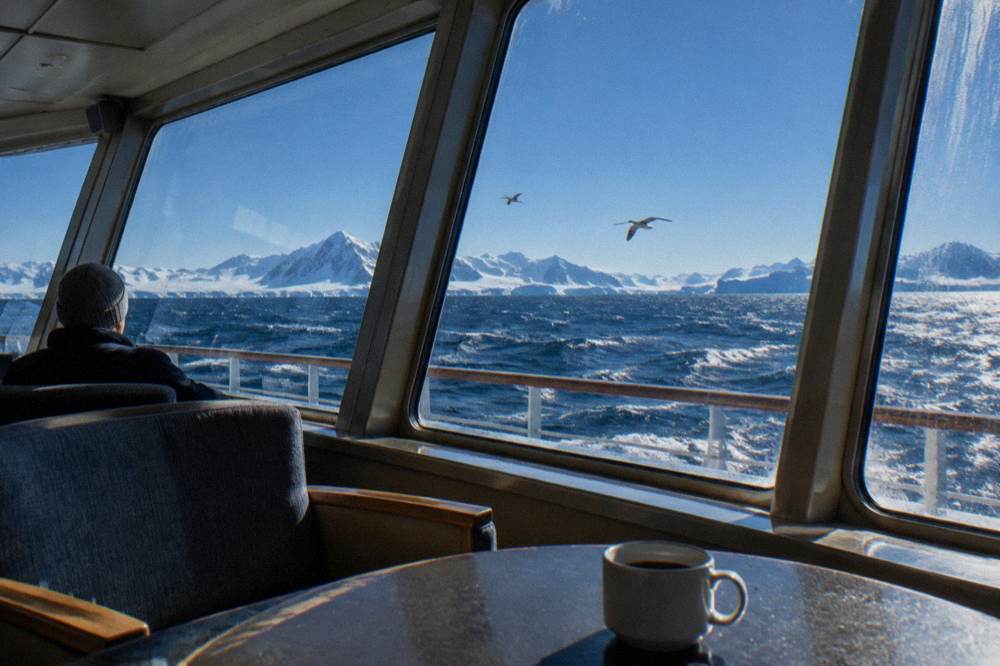
One honest framing for the onboard experience: the Hondius is an expedition ship first and a hotel second. This is not a luxury vessel with a spa and multiple restaurants, it is a working polar platform with comfortable, functional accommodation and a strong lecture and Zodiac program. Travellers who want balcony suites and butler service at a similar expedition intensity should be looking at the upscale tier instead, and our luxury Antarctica cruise guide maps those options. Travellers who want the most landings per dollar will feel at home here.
Itinerary Lengths And Routes On The Hondius
For the 2026-27 season the Hondius sails Antarctic itineraries of 11, 13 and 19 days: an 11-day Antarctic Peninsula voyage, a 13-day Peninsula voyage with more landing days, and a 19-day Falklands, South Georgia and Peninsula combination. All depart from and return to Ushuaia, and the difference between the shorter two is essentially how many days you get on the Peninsula rather than crossing the Drake.
The 11-day format is the classic entry point. Two days down, roughly four to five days of landings and Zodiac cruises around the South Shetland Islands and the western Peninsula, two days back. The 13-day version stretches the Antarctic portion, giving the expedition team more room to push for highlights like the Lemaire Channel or to sit out a weather day without losing the itinerary. The 19-day voyage adds the Falkland Islands and South Georgia, which is a different order of trip: king penguin colonies measured in the hundreds of thousands of pairs, the Shackleton grave at Grytviken, and a much longer sea crossing. South Georgia is widely considered the wildlife highlight of the whole region, and it is the itinerary most repeat Antarctic travellers name as the one they wish they had booked first.
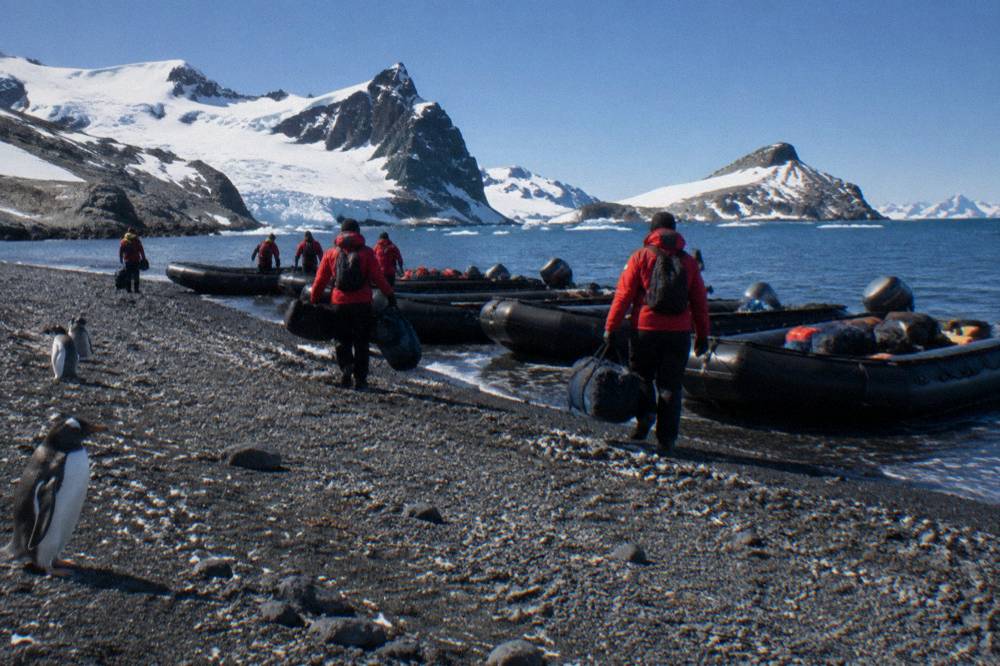
Landing operations follow the IAATO framework that governs every operator in the region. The general visitor guidelines, adopted through the Antarctic Treaty system, cap shore time at 100 passengers from a vessel at any one time, require a minimum 1:20 guide-to-visitor ratio, and allow only one ship per site at a time. On a 170-passenger ship that means landings run in two rotations, which the expedition team schedules around Zodiac shuttles, and in practice everyone gets ashore at nearly every stop. The IAATO visitor guidelines are worth reading before any Antarctic booking, on any ship.
How Much Does A Hondius Voyage Cost?
Hondius Antarctic Peninsula fares on the operator's 2026-27 departures start at $7,800 per person, based on the lowest published "from" fare across the season's Peninsula departures, which corresponds to a quad or triple cabin in the entry categories. The 19-day Falklands and South Georgia voyage prices considerably higher, and cabin category moves the fare steeply: a twin private cabin typically runs well over double the quad rate on the same sailing.
That $7,800 entry figure deserves context, because it is one of the lowest published fares for a purpose-built, ice-classed expedition ship in the 2026-27 market. In August 2026 checks of operator booking pages, the cheapest published Peninsula fares across mainstream expedition lines ran roughly $9,000 to $12,000 per person, and entry-level berths on Drake-crossing itineraries across the market began around $7,500 to $8,995 for shared twin or triple cabins. The Hondius sits at the bottom of that band, which is precisely its market position. More of these guides are collected on Cruises In Antarctica.
The fare is not the whole budget. A realistic all-in figure for a 10 to 12-day mid-range Peninsula trip, fare plus international flights, gear, tips and insurance, runs $12,000 to $25,000 per person according to one 2026 cost guide. Oceanwide's fares include the full expedition program, meals and Zodiac operations, while flights to Ushuaia, hotels, insurance and gratuities are extra. Tipping across the expedition industry averages about $16 per person per day, and travel insurance with medical evacuation cover is required by operators, with minimums that vary by line.
| Budget line | Typical range | Notes |
|---|---|---|
| Hondius entry fare (quad/triple) | From $7,800 pp | Lowest 2026-27 Peninsula "from" fare on the operator's listing |
| Twin private cabin | Roughly double the quad rate | Category-dependent, check the live listing |
| Flights to Ushuaia | Varies by season | Via Buenos Aires, book early for December-January |
| Pre-cruise hotel nights | 1-2 nights recommended | Ushuaia hotels ran near 80 percent occupancy in January 2026 |
| Gratuities | About $16 pp/day | Industry average, sometimes prepaid |
| Insurance with evacuation | Required | Operator minimums apply, not included in fares |
If the fare structure is the decision point, a free consultation on pricing and cabins is the fastest way to see exactly which Hondius categories and departures fit a given budget, with no obligation attached. Our broader Antarctica cruise cost guide breaks down the full budget picture across operators.
Hondius Vs Ortelius Vs Plancius
All three Oceanwide ships sail the same Ushuaia-based expedition model at similar fares, and the differences are physical: the Hondius is the newest, largest and most ice-capable at 170 guests and Polar Class 6; the Ortelius is a 108-guest former research vessel built for ice-heavy routes; and the Plancius is a 108-guest converted navy vessel with the longest itinerary list and the lowest starting fare, from $7,050 per person.
Choosing between them is mostly a choice between comfort and character. The Hondius gives you a modern hull, the widest cabin range and the most polished onboard spaces. The Ortelius, built in Gdynia in 1989 as a research vessel, is the fleet's ice specialist: her UL1 class, equivalent to 1A, lets the operator plan deep-ice itineraries, and she is the ship Oceanwide uses for its most ice-dependent programs. The Plancius, a 1976 Dutch navy oceanographic vessel rebuilt for passengers in 2009, is the workhorse: the most departure lengths on the schedule, from 10-day Peninsula trips up to 33-day expeditions, and the lowest entry fare in the fleet.
| Ship | Class | Passengers | Ice class | From, per person | Voyage length | Departs from |
|---|---|---|---|---|---|---|
| HondiusOceanwide Expeditions | Small-Ship Budget | 170 | Polar Class 6 | from $7,800 | 11 to 19 days | Ushuaia |
| OrteliusOceanwide Expeditions | Small-Ship Budget | 108 | UL1 | from $7,800 | 11 to 25 days | Ushuaia |
| PlanciusOceanwide Expeditions | Small-Ship Budget | 108 | 1D | from $7,050 | 10 to 33 days | Ushuaia |
| Hondius | Ortelius | Plancius | |
|---|---|---|---|
| Operator | Oceanwide Expeditions | Oceanwide Expeditions | Oceanwide Expeditions |
| Passengers | 170 in 80 cabins | 108 in 50 cabins | 108 in 50 cabins |
| Built | 2019 | 1989 | 1976, rebuilt 2009 |
| Ice class | Polar Class 6 | UL1 (equivalent 1A) | 1D |
| Length | 107.6 m | 90.95 m | 89 m |
| Voyage days | 11 / 13 / 19 | 11 / 13 / 25 | 10 / 11 / 13 / 15 / 19 / 21 / 33 |
| Starting fare (2026-27) | From $7,800 pp | From $7,800 pp | From $7,050 pp |
| Character | Purpose-built expedition ship | Former research vessel, ice specialist | Converted navy vessel, fleet workhorse |
The fare column is worth a second look. The Hondius and Ortelius share the same $7,800 entry fare despite being very different ships, which means the choice between them is not a price decision at all, it is a style decision. Readers weighing the older sister ships can go deeper in our Ortelius ship guide. One note on interpreting these numbers: a shared quad cabin on the Plancius is a different product from a quad on the Hondius, and comparing "from" fares across ships without comparing cabin categories is the most common shortlisting mistake in this market.
What A Hondius Voyage Suits Best
A Hondius voyage suits a traveller who wants a genuine, landing-heavy expedition experience at the lowest realistic price for a modern purpose-built ship: first-time Antarctic visitors on 11 or 13-day Peninsula itineraries, budget-conscious wildlife enthusiasts who care more about Zodiac hours than spa menus, and travellers who want the Falklands and South Georgia option without moving to a luxury line.
The fit is easiest to see by who it does not suit. If the priority is a balcony suite, fine dining and a low guest count per guide, the upscale and luxury tiers serve that better, and ships like the World Voyager or the Sylvia Earle operate at a different price point entirely. If the priority is absolute ice capability for a Ross Sea or deep-Weddell itinerary, the Ortelius or a specialist expedition is the better tool. The Hondius occupies the middle: modern enough to be comfortable, cheap enough to be accessible, and small enough that the landing rules never leave anyone standing in a queue on the ship.
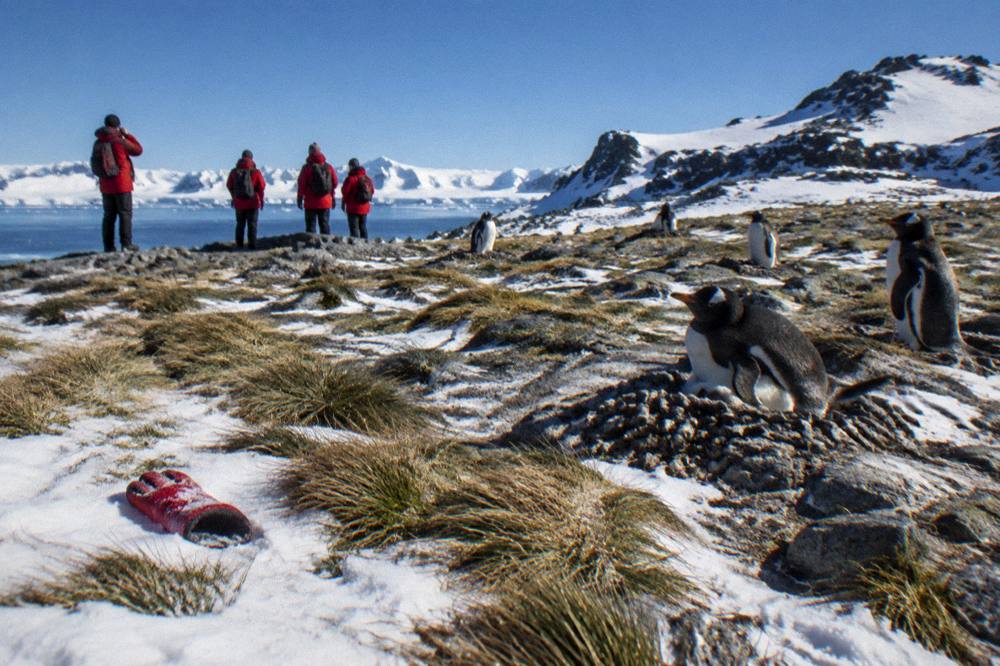
For the 11 and 13-day Peninsula routes, the ship's 170-passenger count works in the traveller's favour. With 100 guests ashore at a time, a Hondius landing runs in two rotations, and the expedition team typically keeps both rotations active through a morning or afternoon, so total shore time per guest is close to what a 100-passenger ship delivers. The one-in, one-out site rule also means the Hondius rarely shares a landing with another vessel, which is a quieter experience than the crowded-site days some larger operations produce.
The Drake Crossing From Ushuaia
Every Hondius Antarctic itinerary crosses the Drake Passage by sea, roughly two days each way, with crossing times that vary from 18 to 48 hours depending on conditions, according to operator guidance. There is no fly-cruise option on this ship: the Oceanwide fleet sails the crossing, and the voyage price and length both reflect those four transit days.
The crossing is the part of a Hondius voyage that generates the most anxiety and the most questions. The statistics are more reassuring than the folklore: rough "Drake Shake" conditions occur on roughly 30 percent of crossings, while calmer "Drake Lake" conditions occur around 70 percent of the time, and no single month is reliably better or worse. Typical swells average 3 to 5 metres, with severe conditions much rarer. The ship's modern hull and stabilizers help, but the honest answer is that the crossing is a sea passage, and anyone prone to motion sickness should prepare for it.
The transit days are not dead time on an expedition ship. The lecture program runs, seabirds follow the ship, and the expedition team uses the crossing for biosecurity briefings and gear preparation. Our Drake Passage crossing guide covers what to expect, and travellers who want to eliminate the crossing entirely should read our fly-the-Drake comparison, which explains the fly-cruise alternatives from Punta Arenas and why they typically cost $2,000 to $5,000 more than comparable sailing voyages.
Season, Timing And Booking A Hondius Voyage
The Hondius sails the Antarctic season from roughly October or November through March, with the operator's 2026-27 Peninsula departures clustered from October 2026 to April 2027; December and January are peak months for wildlife and daylight, while November offers maximum ice and courtship behaviour, and February-March peak for whales. Peak December sailings book furthest ahead, sometimes 18 months or more, so early booking matters most for the holiday departures.
Each month trades something for something else. November brings the most dramatic sea ice, pristine snow at landing sites and active penguin courtship, with Peninsula temperatures that can drop to around -5°C. December and January bring penguin chicks hatching, near-24-hour daylight and the most ice-free channels. February and March bring the strongest whale activity, molting penguins and the best odds for Antarctic Circle attempts on itineraries that include them. There is no single best month, and our best time to visit Antarctica guide works through the trade-offs month by month.
| Month | Conditions | Wildlife highlights |
|---|---|---|
| October-November | Maximum sea ice, snow at sites, temperatures to about -5°C | Courtship, nest-building, elephant seal pups in the South Shetlands |
| December | Long daylight, chicks begin hatching mid-month | Gentoo, Adélie and chinstrap hatching starts |
| January | Most channels ice-free, 0-3°C common | Peak chick rearing, humpbacks increasing from mid-month |
| February | Warmest stretch, chicks fledging | Adult molting, leopard seals, strong whale activity |
| March | Late season, most open water | Peak humpback, minke and orca feeding |
On pricing dynamics, the market data is consistent: early-booking offers for the 2026-27 and 2027-28 seasons commonly reach 10 to 30 percent off, while last-minute discounts exist but are limited in availability and cabin choice and are uncommon for peak December sailings. Oceanwide's own promotions vary by departure, and the operator's schedule for the Hondius is confirmed on its pages for 2026-27. For a trip this expensive, comparing the current promotions across the three Oceanwide ships, and against competing lines at the same price point, is where free expert advice on the booking earns its keep: the consultation costs nothing and carries no obligation.
Common Questions About The MV Hondius
How Many Passengers Does The MV Hondius Carry?
The Hondius carries 170 guests in 80 cabins, as stated on the operator's ship page. That count keeps the ship well under the 500-passenger landing prohibition and means landings run in two rotations of roughly 100 guests or fewer per IAATO rules.
How Much Does A Hondius Antarctica Cruise Cost?
Peninsula fares on the operator's 2026-27 departures start at $7,800 per person, based on the lowest published "from" fare, which corresponds to an entry-level shared cabin. Twin and suite categories price higher, and the 19-day Falklands and South Georgia voyage costs considerably more.
What Is The Difference Between The Hondius, Ortelius And Plancius?
The Hondius is the newest and largest of Oceanwide's three ships at 170 passengers, built in 2019 with Polar Class 6. The Ortelius and Plancius each carry 108 guests in former research and navy hulls; the Ortelius has the fleet's strongest ice class and the Plancius has the longest itinerary list and the lowest starting fare, from $7,050 per person.
Does The Hondius Cross The Drake Passage?
Yes. Every Hondius Antarctic itinerary sails the Drake Passage by sea, roughly two days each way, with crossing times that vary from 18 to 48 hours depending on conditions. There is no fly-cruise option on this ship.
Where Does The Hondius Sail From?
Ushuaia. All Antarctic departures listed on the operator's 2026-27 pages begin and end there, with guests typically flying via Buenos Aires and connecting to the domestic flight south.
Is The Hondius A Luxury Ship?
No. It is a purpose-built expedition ship in the small-ship budget tier: comfortable, modern and ice-classed, with a wide cabin range, but without the suites, spas and dining of the luxury lines. Its appeal is expedition intensity per dollar, not hotel-style indulgence.