How Cold Is It On Antarctic Cruises?
 By Oleg G.
Antarctic summer temperatures on the Peninsula are milder than most people expect, but wind and wet landings decide how cold the day actually feels. Here is what the numbers say, month by month.
How Cold Is It On Cruises To Antarctica?
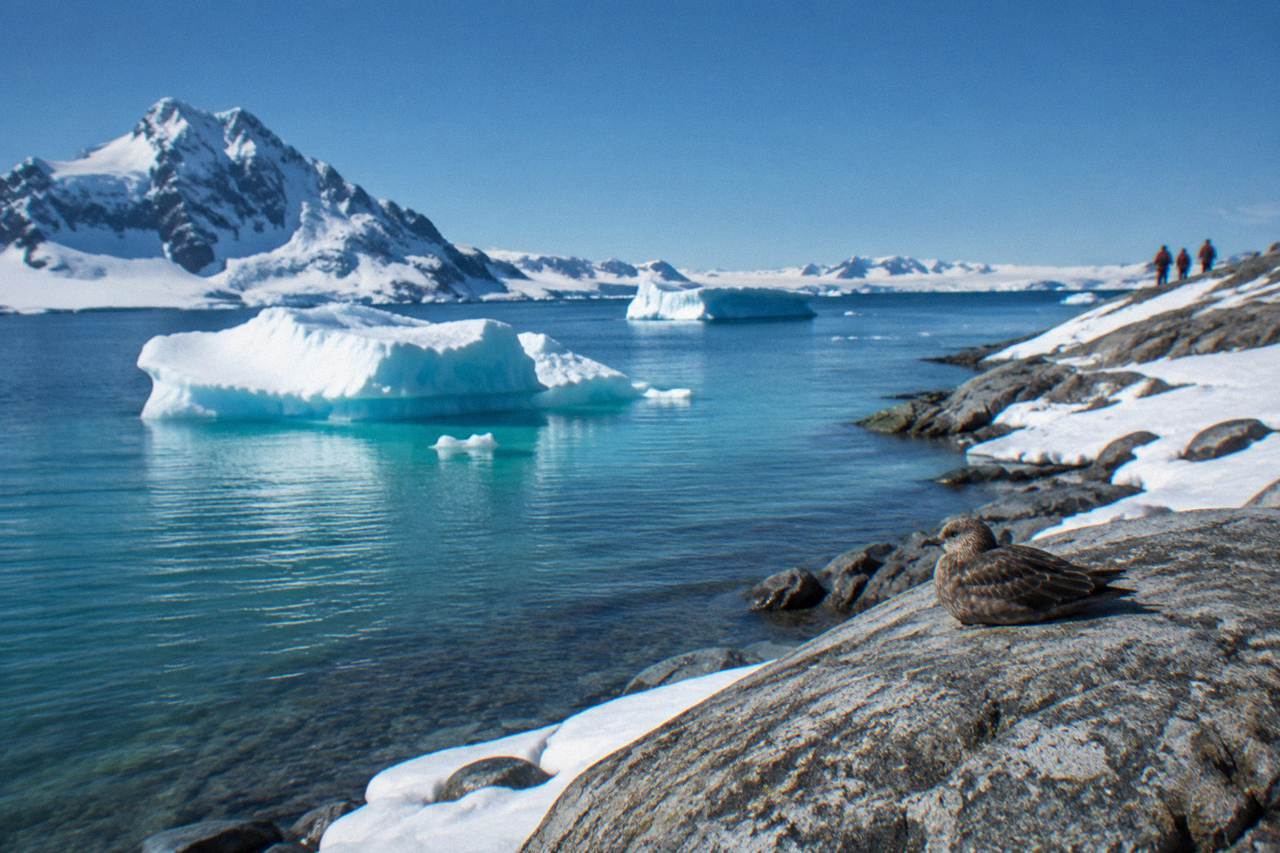
Most Antarctic Peninsula cruise days sit between about -5°C and +3°C, which is colder than a ski resort base but milder than many visitors expect, because you travel in the austral summer. The number on the thermometer matters less than the wind, which can strip heat from exposed skin fast, and the wet Zodiac landings that soak gloves and trousers. Ship choice and clothing decide the experience more than latitude does.
That range comes from operator season material rather than a weather station average, so treat it as planning guidance rather than a forecast. November temperatures on the Peninsula can drop to -5°C, with January through March commonly at 0-3°C. Those are coastal, sea-level figures. The Peninsula itself reaches further south than almost anywhere tourists go, yet the maritime air keeps the coast from the deep cold of the interior plateau, where research stations record numbers that simply do not apply to a cruise.
The other reason the question is hard to answer with a single figure is that you are not standing still. An Antarctic cruise is a moving operation: a deck watch in the Drake Passage, a two-hour Zodiac cruise among icebergs, a landing at a penguin colony, then back to a heated ship. The cold you feel is a product of wind speed, damp, activity level, and how long you stand still watching a whale. The Antarctic Treaty Secretariat's tourism page notes that roughly 98 percent of tourism voyages occur in the Antarctic Peninsula region during the austral summer, which is precisely the period when coastal conditions are at their most forgiving.
If you are still choosing between a sailing itinerary and a fly-cruise, or between November ice and February whales, that choice shapes the cold you will face more than any jacket does. Talk through season and ship options free before you commit to dates.
What Temperatures Can You Expect Each Month?
The cruise season runs from mid-October to mid-March, and Peninsula temperatures climb from November lows around -5°C to a January-to-March window commonly between 0 and 3°C. Each month trades one kind of cold for another: November brings the sharpest air and the most pristine ice, midsummer brings the mildest air and near-24-hour daylight, and late season brings the wettest landings.
November is the month of courtship on the Peninsula, with penguins busy at stone-gifting and nest assembly, and the operator material describes active rookeries against maximum snow cover. The same snow cover is what makes November photograph so well, and it is also what makes the air feel sharp: fresh snow reflects daylight back up at you and radiates heat away overnight. You pack for November the way you pack for a cold, clear spring day in the mountains, sun protection included.
Mid-December into January is the heart of the season. Penguin chicks begin hatching around mid-December, most channels and inlets become ice-free by January, and near-24-hour daylight arrives with temperatures of 0-3°C common from January through March. Whale sightings, especially humpbacks, increase from mid-January onward as krill draw them to Peninsula feeding grounds. Daylight matters for warmth as much as for photography: a landing at 10pm in full sun feels different from the same shore at 4pm in November gloom.
February and March bring the mildest air of the season, along with the wettest conditions underfoot. Adult penguins molt in February, chicks learn to swim, and late season delivers strong whale activity in krill-rich waters. By then a lot of the snow at landing sites has melted or been trampled into mud by thousands of penguin feet, so your waterproof trousers earn their keep on shore as much as in the Zodiac.
| Month | Typical Peninsula conditions | Wildlife highlight | What the cold feels like |
|---|---|---|---|
| November | Air can drop to -5°C, maximum snow cover | Courtship, nest building, pristine ice | Sharpest air, dry cold, bright reflection |
| December | Warming, chicks hatching mid-month | Gentoo, Adélie and chinstrap chicks | Cold mornings, milder midday |
| January | Commonly 0-3°C, channels ice-free | Humpback sightings increasing | Mildest air, wet landings begin |
| February | 0-3°C, snow receding at landing sites | Molting adults, chicks swimming | Damp cold, muddy shores |
| March | 0-3°C, late season light | Peak whale activity, fledging shags | Wet underfoot, wind decides the day |
The one caution on this table is that it describes the coast, not the continent. A voyage that pushes south of the Antarctic Circle, which some 2026-27 itineraries attempt as an extension, can meet colder air and more sea ice even in high summer. The same goes for South Georgia and Falklands combinations, which add 20-23 day itineraries and their own, milder, sub-Antarctic weather.
How Much Does Wind Change How Cold It Feels?
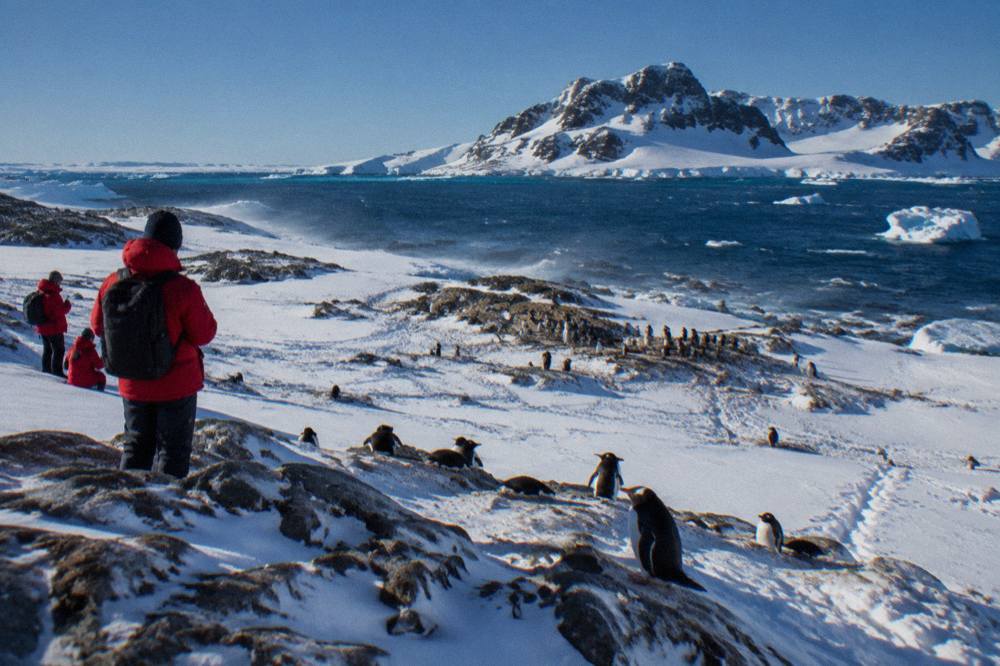
Wind is the single biggest multiplier of cold on an Antarctic cruise: a calm 0°C day can feel pleasant in a good jacket, while the same temperature in a 40-knot katabatic wind feels brutal within minutes. On exposed decks and in open Zodiacs you lose heat through convection far faster than the thermometer suggests, which is why every experienced Antarctica packing list defends the windproof layer above all else.
Katabatic winds are the local specialty. Cold, dense air drains off glaciers and ice caps down to the coast, and a calm anchorage can turn gusty with little warning. Expedition teams watch for this constantly and will move a landing or shorten a shore stop if the wind picks up, so the cold you experience is partly managed by professionals making hourly calls. The landing rules give them that authority: IAATO guidance requires a 1:20 guide-to-visitor ratio and limits 100 passengers ashore at a time, which keeps groups movable and accounted for when conditions shift.
The practical arithmetic is simple. Dry, still air at -2°C with good insulation is comfortable for an hour of penguin watching. The same air at 30 knots strips the warm boundary layer off your face and hands almost immediately, and it turns any dampness in gloves into a heat sink. Wind chill is why the answers to "how cold is it" from two passengers on the same voyage can differ so much: one stood on the leeward side of the ship in the sun, the other spent the same hour on the windward deck watching for spouts.
This is also where ship design quietly matters. Ships with good sheltered observation space let you watch for wildlife in comfort and step outside only when something appears, instead of standing on an open deck for hours. On my one research trip through the operator pages, the difference between an open sun deck and a protected forward lounge struck me as the most underrated comfort feature in the whole fleet comparison, and it costs nothing to check before you book a cabin.
What Do Wet Landings Do To Body Heat?
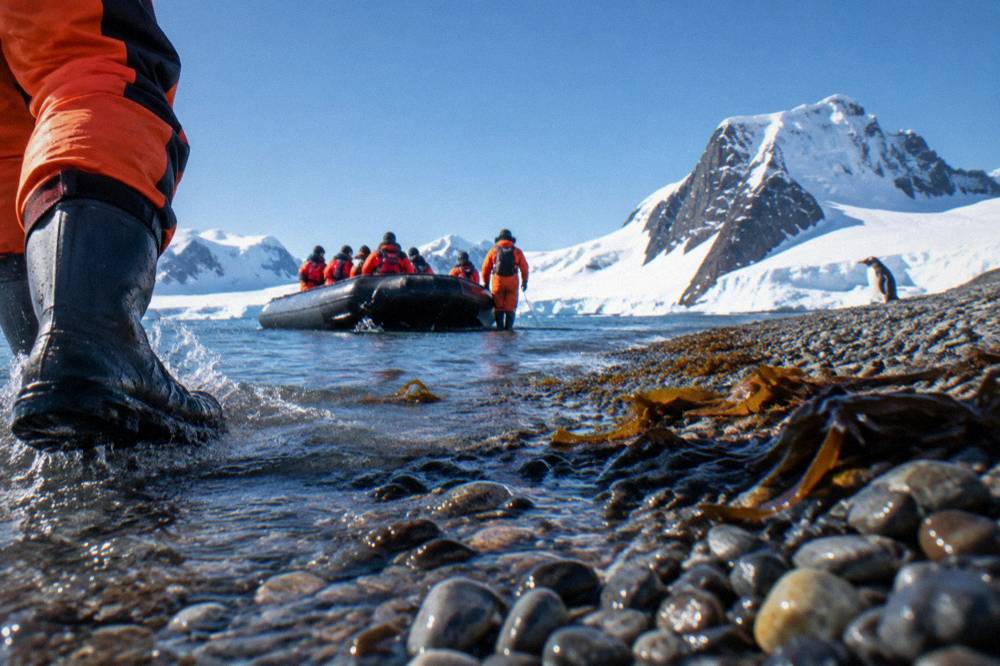
Wet landings are the moment an Antarctic cruise feels coldest, because Zodiac transfers splash seawater into boots, gloves and trouser cuffs, and damp fabric conducts heat away from your body far faster than dry fabric or still air. Most expedition ships lend waterproof boots and a parka for exactly this reason, and the loaner gear is not a courtesy, it is the system that makes shore time work.
The sequence is worth understanding before you pack. You board a Zodiac from the ship's gangway or marina platform, ride ten or twenty minutes to shore, then step into shallow surf to land. Spray comes over the bow in any chop, and at the shore you may wade ankle-deep for a few steps. On shore you stand or walk slowly for an hour or more, which is low-activity time in wind, and slow standing is when damp clothing bites hardest. Then you do it all again in reverse, and by the second half of the landing your gloves and cuffs are the coldest things you own.
Biosecurity adds one more step that affects your clothing directly. The visitor guidelines require you to carefully wash boots and clean all equipment, including clothes, bags and tripods, before bringing them to Antarctica, and to clean again between sites. In practice that means boot-wash stations at every gangway, and it means your outer layers get handled and rinsed constantly. Gear that dries fast and tolerates rinsing performs better than gear that is merely warm.
The fix is layering discipline rather than more thickness. Waterproof trousers go over insulated layers and get sealed at the cuff. Gloves go under a shell mitten or stay in pockets until you actually need a camera in hand. A spare pair of thin liner gloves in a jacket pocket rescues a landing faster than anything else you can carry. The operator material is consistent that most expedition lines provide a complimentary parka, often yours to keep, and loan waterproof boots, with gratuities typically running $15-25 per person per day unless prepaid, so the heavy specialist items are usually covered by the cruise itself.
How Should You Layer For An Antarctic Day?
A proven Antarctic layering system is three layers: a moisture-wicking merino base layer against skin, a mid-weight insulating layer of fleece or light down, and a genuinely windproof, waterproof shell on top, with the parka and boots the ship provides doing the outer work. The system exists so you can shed and add layers between the heated ship, the Zodiac and the shore, which is the real temperature swing of any Antarctic day.
The inside-to-outside logic matters more than any single garment. The base layer moves sweat away from your skin, because sweat is the enemy: a damp base layer under a parka chills you the moment you stop moving. The mid layer traps air and dries fast. The shell stops wind and spray, and it is the layer you adjust most often, on for the Zodiac ride, partially vented on a calm shore stop. Boots and waterproof trousers complete the seal, and the ship's loaners cover both on most lines.
Extremities deserve their own plan. A warm hat, thin liner gloves under waterproof mitts, and a neck gaiter cover the places where heat escapes fastest in wind. Sunglasses and high-factor sunscreen sound like a summer packing joke, but reflective snow and near-24-hour January daylight make them standard issue, and the visitor guidance about keeping distance from wildlife means you will often be standing in bright glare for long stretches.
| Layer | What it does | What works | Common mistake |
|---|---|---|---|
| Base | Moves sweat off skin | Merino or synthetic long underwear | Cotton, which holds damp |
| Mid | Traps warm air | Fleece or light down jacket | One thick layer instead of two thin ones |
| Shell | Blocks wind and spray | Waterproof, windproof jacket and trousers | Softshell only, which wets out in spray |
| Extremities | Protects heat-loss points | Hat, gaiter, liner gloves under mitts | Skipping spare liner gloves |
| Feet | Warmth and biosecurity | Ship-provided waterproof boots | Street shoes anywhere near the gangway |
If you want the full item-by-item version, the packing guide on Cruises In Antarctica covers it, and the dedicated Antarctica packing list goes deeper than this article does on brands and quantities. The short version for cold-weather planning: you buy the base and mid layers, the ship supplies the outer shell system, and the biggest packing failure is always cotton and too few spare gloves.
Does Your Ship Choice Change How Cold You Get?
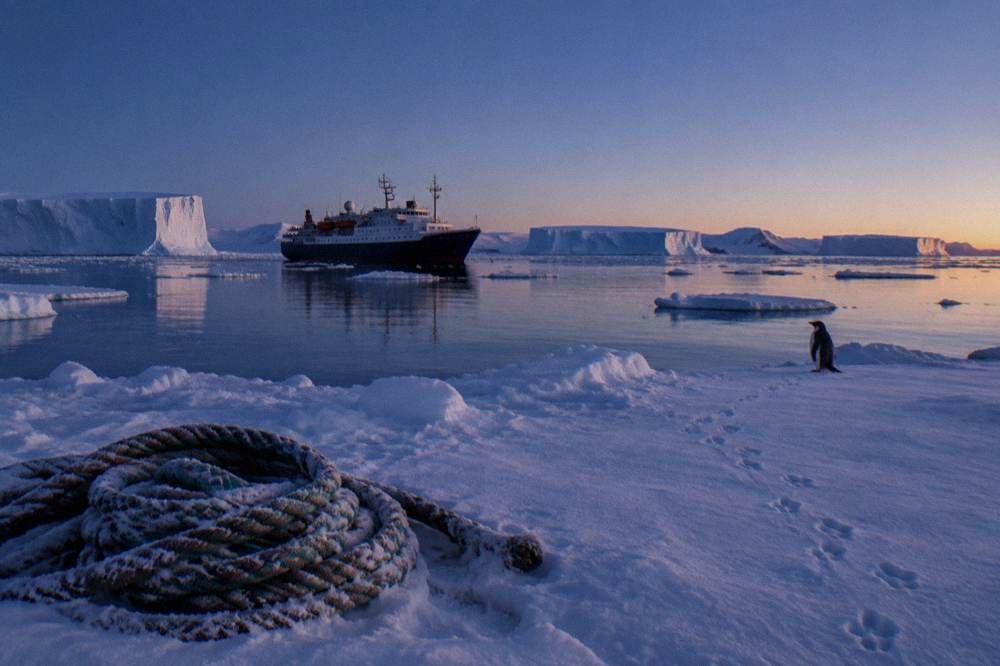
The ship does not change the weather, but it changes how much of it you feel: vessels with protected observation areas, fast Zodiac operations and good gear handout systems keep you warmer on any given day, and the difference between a 90-passenger ship and a 200-passenger ship shows up in how quickly you get ashore and back. Cabin comfort, heated mudrooms and the quality of loaner gear are real variables between operators.
The Oceanwide Expeditions fleet is the classic budget-friendly example. The Hondius, a Polar Class 6 vessel built in 2019, carries 170 guests in 80 cabins on 11 to 19 day Peninsula voyages from Ushuaia, with fares from $7,800 per person for the season. On a ship of that size, Zodiac operations rotate the whole complement ashore within the 100-passenger landing limit quickly, which means less standing around in wind waiting for your turn. The Hondius guide page has the full cabin and deck breakdown if you are weighing it against other small ships.
At the other end of the scale, the National Geographic Endurance, a PC5 ship carrying 138 guests, pairs a patented X-Bow hull with heated observation spaces, and Lindblad bundles the pre-cruise Buenos Aires hotel, the charter flight to Ushuaia, drinks and gratuities into the fare, from $11,900 per person for the 12-day Voyage to Antarctica. Ponant's Le Boréal, carrying up to 264 guests, represents the luxury tier, with a 19-day Great Austral Loop itinerary from $23,020 per person. None of these ships changes the temperature at Neko Harbour, but all of them change how long you spend exposed to it.
| Ship | Class | Passengers | Ice class | From, per person | Voyage length | Departs from |
|---|---|---|---|---|---|---|
| HondiusOceanwide Expeditions | Small-Ship Budget | 170 | Polar Class 6 | from $7,800 | 11 to 19 days | Ushuaia |
| National Geographic EnduranceLindblad Expeditions (with National Geographic) | Standard Expedition | 138 | PC5 | from $11,900 | 12 to 22 days | Ushuaia |
| Le BoréalPonant | Luxury | 264 | – | from $23,020 | 19 days | Ushuaia, Buenos Aires |
The honest comparison is not warmth but exposure management. A bigger ship with more deck space gives you more sheltered corners; a smaller ship gets you into Zodiacs faster; a luxury ship hands you better loaner gear and a heated cabin to return to. If that trade-off between price, ship size and comfort is the decision you are actually making, get free help choosing the right ship rather than guessing from deck plans.
When Is The Coldest Time To Cruise Antarctica?
The coldest cruise departures are the first of the season in late October and November, when Peninsula air can drop to -5°C and sea ice is still breaking up, and the most comfortable are January through March, when temperatures commonly sit at 0-3°C. The trade is that the coldest months deliver the most pristine ice and the quietest sites, while the warmest months deliver chicks, whales and easier landings.
There is no bad month, only different trips. November rewards photographers and people who want the white continent at its whitest, with the most impressive sea ice breakup and elephant seal pups in the South Shetlands on early departures. You accept sharper air and a higher chance of ice redirecting an itinerary. December is the pivot month: chicks hatch, snow is still good, and the air softens.
January through March is when the question "how cold is it" gets its friendliest answer, and it is also when demand peaks. Late-season whale watching is the strongest draw, with humpback, minke and orca active in krill-rich waters through March, and February-March being the window for Antarctic Circle crossing attempts on extended itineraries. If you want the best time to visit Antarctica matched to your specific cold tolerance and wildlife priorities, that guide breaks down every month in more detail than this one.
One planning note that matters more than any temperature figure: the coldest thing that can happen to your trip is not the air, it is a missed connection. Ushuaia reached about 80 percent hotel occupancy in January 2026 during a season that brought more than 43,000 cruise passengers through the port, and the Buenos Aires to Ushuaia corridor is weather-prone in peak season. Arriving at least one night, ideally two, before your cruise boards protects the whole investment.
Common Questions About How Cold It Is On Voyages To Antarctica
How Cold Is It On Antarctica Cruises?
On the Antarctic Peninsula during the cruise season, expect roughly -5°C at the cold end in November and 0-3°C commonly from January through March. Wind and wet Zodiac landings make the day feel colder than the thermometer reads, so layering and windproof outer gear matter more than the raw number.
Is An Antarctica Cruise Colder Than A Ski Trip?
Often not. Peninsula summer temperatures of 0-3°C are milder than many ski resort days. The difference is exposure: you spend hours standing still in wind and sea spray during landings, which is why expedition gear and windproof layers are emphasized so heavily.
What Is The Coldest Month To Cruise Antarctica?
November, the early edge of the season, when Peninsula air can drop to -5°C and snow cover is at its maximum. It is also one of the most photogenic months, with pristine ice and active penguin courtship, so the cold comes with a payoff.
Does The Ship Provide Cold-Weather Gear?
On most expedition cruises, yes. Operators typically provide a complimentary parka, often yours to keep, and loaner waterproof boots for landings. You supply base layers, mid layers, gloves, hat and eyewear. Quark's Antarctic Express fly-cruise and similar operations follow the same pattern.
How Do Wet Landings Make You Colder?
Zodiac transfers splash seawater into boots, gloves and cuffs, and damp fabric pulls heat from your body far faster than dry fabric. Waterproof trousers sealed at the cuff, mittens over liner gloves, and spare dry gloves in a pocket are the standard defenses.
Do I Need To Cross The Drake Passage To Experience The Cold?
No. Fly-cruise options skip the Drake Passage with a roughly two-hour charter flight to King George Island, and the landing experience and temperatures are the same. Sailing crossings take about two days each way, per Quark's operator guidance, and add open-ocean weather to the trip.