Antarctica In December: Peak Season Weather, Wildlife And Sailings
 By Oleg G.
December is the heart of the Antarctic summer: near-round-the-clock daylight, penguins on eggs, the first humpbacks arriving, and the most expensive berths of the season tied to Christmas and New Year sailings. Here is what the month actually gives you, what it costs, and how far ahead you have to commit.
Quick answer: December works, and works well. Peninsula highs sit around 3-4C, daylight runs roughly 19-21 hours, penguins are incubating eggs with chicks starting mid-month, and whales begin arriving. Sample 2026-27 fares run from about $12,236 per person, with holiday departures commanding a premium.
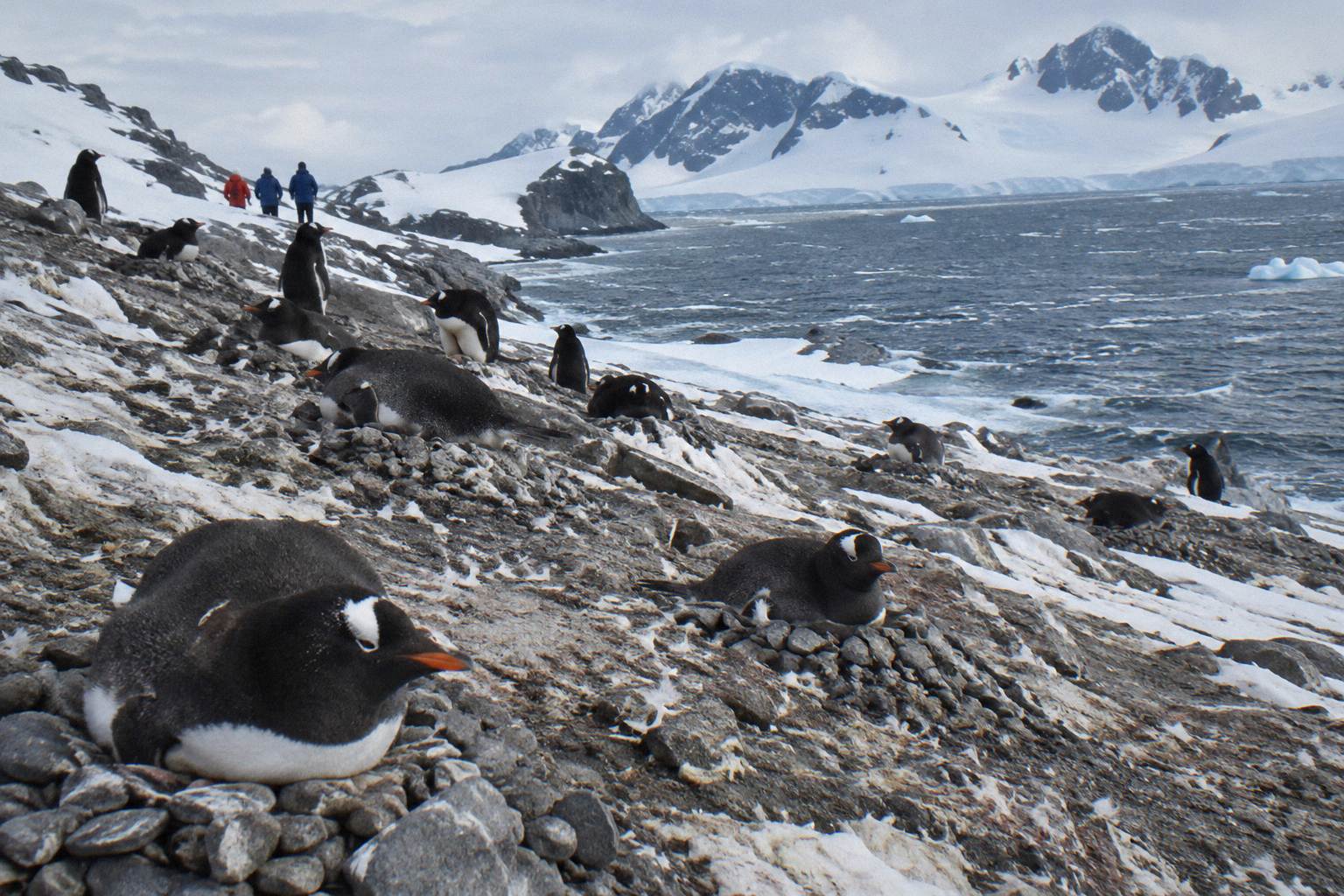
December sits at the centre of everything people picture when they say "Antarctica": endless light, snow still clean on the landings, penguins packed onto their nests, and a cruise market running at full heat. It falls in the peak of the seven-month austral summer, and the Antarctic Treaty System's tourism overview notes that approximately 98 percent of all tourism voyages occur in the Antarctic Peninsula during that October-to-April window, with December near the peak of it. If your travel window locks you into this month, you are not settling. You are choosing the season's centre of gravity, and this page lays out exactly what that buys you.
What December In Antarctica Actually Gives You
December is the month of maximum light and maximum demand: roughly 19-21 hours of daylight on the Peninsula, penguins sitting tight on eggs, whales beginning to arrive, and the highest base fares of the season, with Christmas and New Year departures carrying a visible premium. It is a poor month for bargain hunting.
The trade-off is simple. Earlier months give you more pristine snow and heavier sea ice, which looks dramatic but blocks some landing sites. December gives you sea ice that is opening up and the wildlife calendar at its most concentrated: gentoo, chinstrap and Adélie penguins incubating on the Peninsula, king penguins at their busiest on South Georgia, and the first humpbacks moving into krill-rich water. Operator season summaries describe whale sightings increasing from mid-January onward, but the arrival build starts in December and January, so a mid-December sailing already has a real chance of whales.
The cost of all that is money and booking lead time. December sailings, especially the ones that bracket Christmas, are the voyages that fill first. If your window is fixed and the month is December, the planning question is not whether to go but which ship, which length, and how far ahead to commit. The rest of this page works through those in order, and the full season-by-season rundown sits in our best time to visit Antarctica guide.
Weather, Daylight And Sea Ice In December
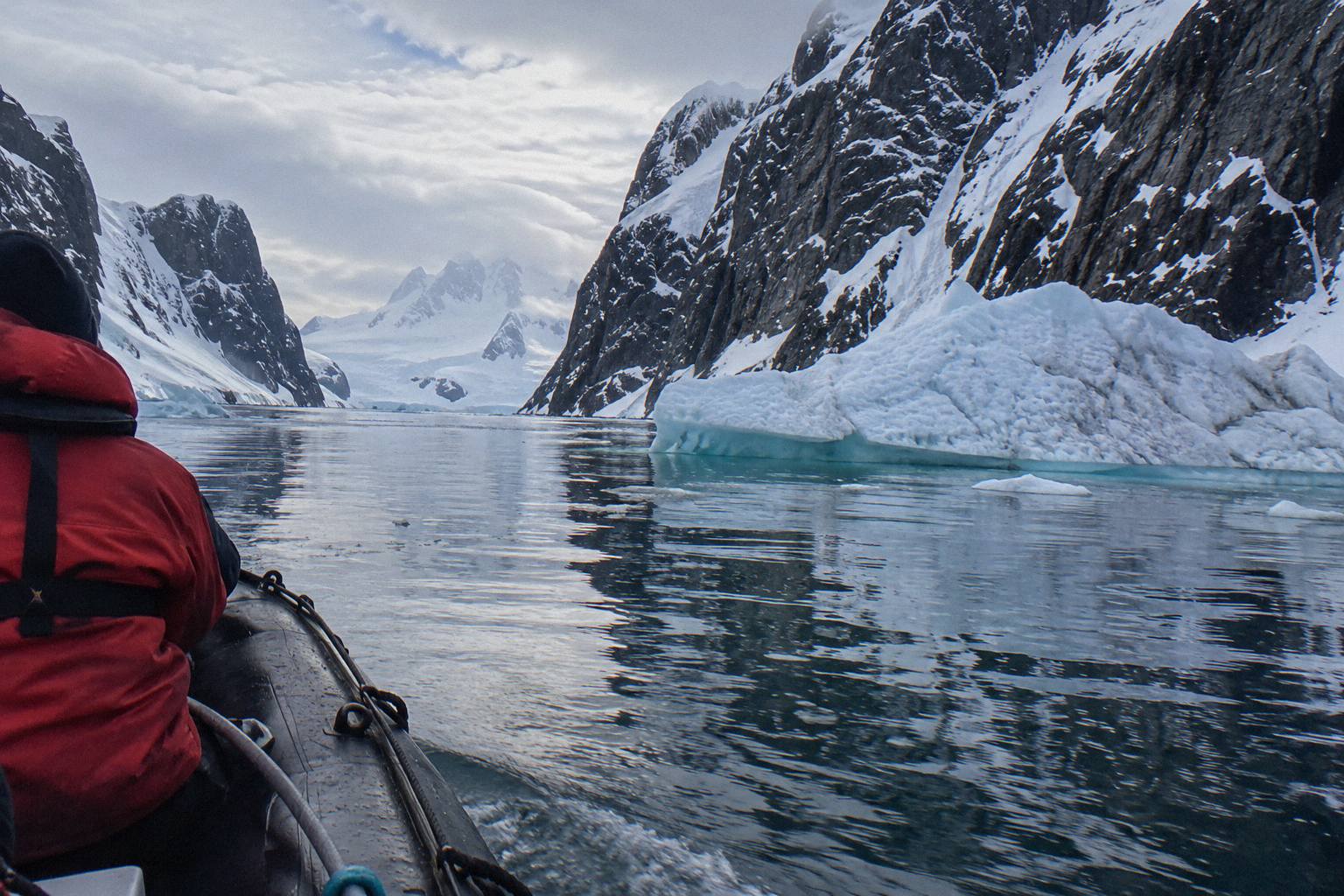
Expect Peninsula highs around 3-4C with lows near -1 to 0C, roughly 19-21 hours of daylight at Peninsula latitudes, and channels that have largely opened up compared with November. Ushuaia, your likely gateway, is milder, around 13-14C daytime in December and January. Conditions swing day to day.
Daylight is the headline. At roughly 62-65 degrees south, the near-solstice light stretches from about 19 hours at the start of the month toward 21 hours at its peak, which means longer Zodiac, deck and photography windows than November's 17-18 hours or March's 12.5. Operator climate summaries put November on the Peninsula at 1-3C highs with lows of -2 to -4C, and December a step warmer, so you still pack for freezing, but the bitter edge is off. Our Antarctic packing guide covers the layers, but the short version for December is waterproof outer shell, insulated mid-layers and boots rated for standing snow.
Sea ice is the quiet variable. November brings the most impressive ice and the most restricted access; through December and January the ice opens up, most channels and inlets are ice-free by January, and late January into February is when circle-crossing voyages push south most easily. For a first-time December cruiser that means more open water to work with than in November. The Cruises In Antarctica month pages track this ice progression month by month if you want to compare before committing.
The month at a glance:
| December at a glance | What to expect |
|---|---|
| Peninsula daytime high | About 3-4C |
| Peninsula overnight low | About -1 to 0C |
| Daylight hours | Roughly 19-21 hours |
| Sea ice | Opening up |
| Penguin stage | Eggs incubating, first chicks mid-month |
| Whales | Arrivals building, sightings increase mid-January onward |
| Price level | Peak base fares, holiday premium on festive sailings |
| Crowds | Peak season; one ship per landing site at a time |
One planning note worth keeping: December weather is still Antarctic weather. Every operator builds flexibility into its schedule, and the expedition team will swap a landing for a Zodiac cruise if wind or swell makes the beach unsafe. That is normal operations in December, not a sign your voyage is going wrong.
December Wildlife: Eggs, First Chicks And The Whales Arriving
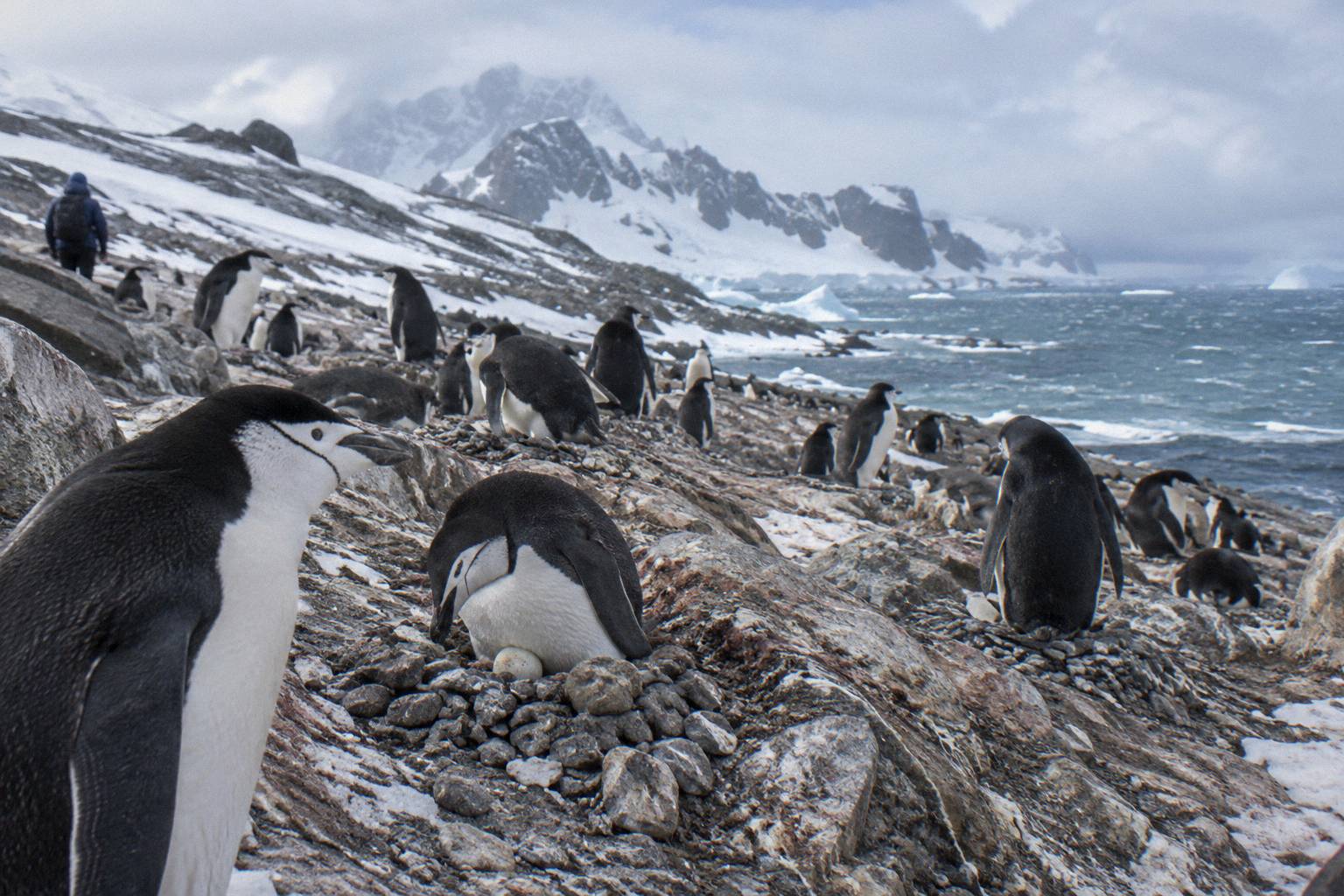
December is the incubation month. Gentoo, chinstrap and Adélie penguins sit on eggs through the first half, with chicks typically starting to hatch mid-month on the Peninsula, while whale arrivals build ahead of the February-March peak. On South Georgia, king penguin activity runs November into January, so a December combo voyage catches that colony at full noise.
The penguin calendar is the reason many people pick December over its neighbours. Expedition-season summaries describe November as courtship and nest-building, December as the egg and incubation period, and January as hatching and chicks, with the practical effect that a mid-to-late December sailing often sees both: adults rotating on nests and the first grey chicks appearing in the colonies. The behaviour is dense and constant around the nests.
Whales are the second draw, with a December caveat. Krill abundance draws whales, seals and other marine mammals back toward Peninsula feeding grounds once the season's sea ice recession gets underway, and operator wildlife pages describe whale sightings, especially humpbacks, increasing from mid-January onward. December delivers the arrival, not the peak: sightings happen, and good ones, but if whales are your single priority, our Antarctica in February and Antarctica in March guides describe the months when numbers are at their highest.
Seals and seabirds round it out. Elephant seal beachmasters establish territories early in the season, fur seal activity builds toward the February-March abundance on the Peninsula, and seabirds stay active throughout the season. The five-metre wildlife distance rule from the Antarctic Treaty's general visitor guidelines applies everywhere: keep at least five metres from wildlife on land or ice, and more where site-specific guidance says so. If you want the full species-by-species picture, our Antarctica wildlife cruise guide goes deeper than a month page can.
Christmas And New Year Voyages: The Holiday Premium
Yes, there are dedicated Christmas and New Year sailings, and they are the most expensive berths of the season. One 2026-27 fare comparison describes a 22 December Lindblad departure as up to 59 percent above comparable shoulder-season sailings, while an Ocean Albatros 12 December 2026 sailing starts from about $12,406. The premium is real and the cabins go first.
Holiday sailings are a genuine product category, not a marketing afterthought. Published examples include a Lindblad departure on 22 December and Quark and Oceanwide departures on 27 December, and the festive voyages sell as celebrations at sea. Some travellers find that unmatchable. Others would rather take the same itinerary two weeks earlier for thousands less, and both positions are defensible.
The money framing matters. A seasonal fare comparison from the 2026-27 cycle shows base fares rising through December and January, with the holiday departures spiking hardest, and shoulder months like November and March often sitting 20 percent or more below peak. If your dates are fixed, the honest answer is that December costs what it costs, and the value question shifts to cabin category and ship choice.
That decision, holiday week or not, month within the month, ship and cabin, is exactly the kind of multi-variable trade-off where a free consultation is worth having before you commit money. It costs nothing, you are matched with a vetted expedition-cruise agency partner, and there is no obligation to book anything at the end of it.
What A December Antarctica Cruise Costs
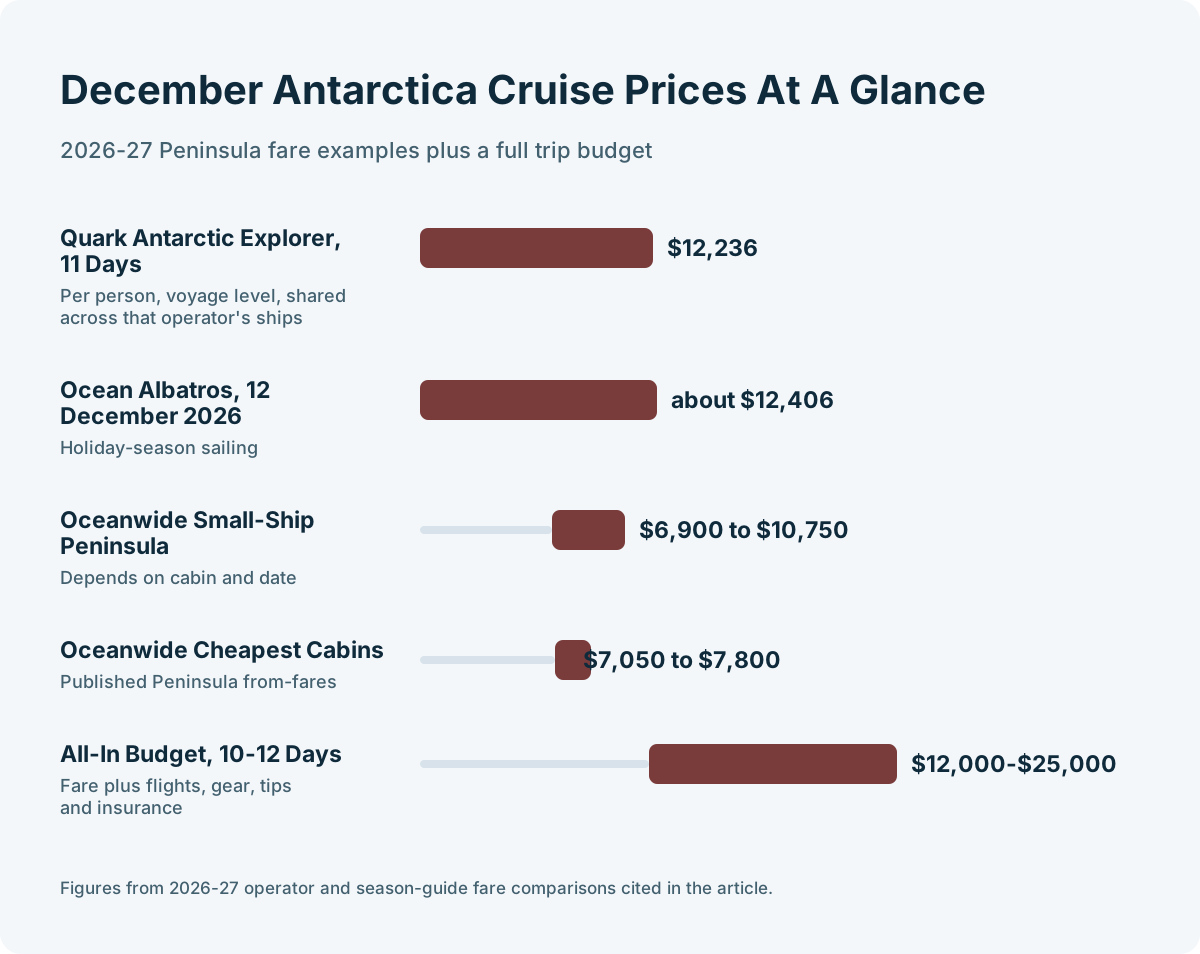
Ballpark 2026-27 figures: an 11-day Quark Antarctic Explorer voyage starts from $12,236 per person at voyage level, shared across that operator's ships. Oceanwide's small-ship Peninsula voyages start lower, from about $6,900 to $10,750 depending on cabin and date. A realistic all-in budget for a 10-12 day mid-range Peninsula trip, fare plus flights, gear, tips and insurance, runs $12,000-$25,000 per person.
The headline fares need honest framing. Quark's voyage-level "starts from" pricing is shared across Ultramarine, Ocean Explorer and World Voyager, so a $12,236 from-fare is not a promise about any one ship, and cabin category moves the real number quickly. Oceanwide's published Peninsula from-fares start at $7,050 to $7,800 per person in the cheapest cabins, and our sources do not break out a December-specific figure. Lindblad's Voyage to Antarctica starts from $11,900, and its holiday departures run dramatically higher. The fairest way to read these numbers is as floors, not as prices.
What sits on top of the fare is the same across months but easier to forget when you are already spending peak-season money. Flights to Ushuaia, typically via Buenos Aires, gear, insurance with medical evacuation cover, and tips averaging about $16 per person per day in one season guide's estimate. Our Antarctica cruise cost guide breaks all of it down line by line, and it is worth reading before December pricing shocks you into either overpaying or walking away.
| Cost line | December reality |
|---|---|
| Base voyage fare | From about $12,236 for an 11-day Peninsula voyage (Quark, voyage-level) |
| Oceanwide small-ship fares | Peninsula from $7,050-$7,800; December figure not published |
| Holiday-week premium | A 22 December example described as up to 59 percent above comparable shoulder pricing |
| Flights to gateway | Separate on most lines; Buenos Aires-Ushuaia domestic leg adds cost and weather risk |
| Tips | Averaging about $16 per person per day in one season guide |
| Realistic all-in, 10-12 days | $12,000-$25,000 per person for a mid-range Peninsula trip |
The one December-specific money question that keeps coming up is whether waiting helps. It does not, in this month. Last-minute discounts exist across the season, but sources note they are limited in availability and cabin choice and uncommon for peak December sailings, which book furthest ahead. December is the month for deciding early, not for hoping.
December Compared With November, January And February
December beats November on access and light, matches January on warmth and loses to February and March on whale numbers, while sitting at or near the top of the price range in every comparison. If your dates are fixed, this is academic. If they are not, the neighbouring months each buy you something December cannot.
The neighbours are worth a hard look, and the full season rundown lives in our best time to visit Antarctica guide. November gives you maximum sea ice and pristine snow, courting penguins rather than nesting ones, and measurably cheaper fares. January gives you hatching chicks, typically the warmest Peninsula conditions at around 4C highs, and peak fares to match. February and March give you whale watching at its best, fledging chicks, longer sunsets for photography, and prices that fall as the season tails off.
| Month | Daylight (Peninsula) | Penguin stage | Whales | Price level |
|---|---|---|---|---|
| November | About 17-18 hours | Courtship, nest-building, eggs starting | Arrivals earliest | Lower, shoulder |
| December | About 19-21 hours | Incubation, first chicks mid-month | Arrivals building | Peak, holiday premium |
| January | About 18 hours | Chicks hatching, young chicks | Sightings increase mid-month onward | Peak |
| February | About 15 hours | Crèches, fledging begins | Peak numbers | Below the December-January peak |
| March | About 12.5 hours | Fledging, colonies emptying | Strong whale activity | Shoulder, discounts on late departures |
For month-by-month detail, our Antarctica in November and Antarctica in January guides cover the same ground for their windows. The pattern to hold onto is that December is the month where nothing is at its extreme except light and price: not the most ice, not the most whales, not the cheapest, but the most balanced.
Which Ships Sail Antarctica In December
December departures appear across every tier, from Oceanwide's small ships and standard-expedition ships like Ocean Albatros to Quark's upscale fleet and Lindblad's holiday sailing. One 2026-27 example shows Quark running 27 December Antarctic Explorer departures and Oceanwide sailing Ortelius on a Falklands, South Georgia and Antarctica route from 27 December.
Ship choice in December matters more than in shoulder months, because you are paying the premium either way and the differences between ships are large. The IAATO framework shapes part of it: vessels carrying more than 500 passengers cannot make landings at all, and no more than 100 passengers from a vessel may be ashore at one time with a one-to-twenty guide ratio, so a ship of 100 or fewer can land everyone at once, while bigger ships rotate groups. Our Antarctica cruise ship sizes guide explains that trade in detail.
A three-way comparison of typical December options, one standard-expedition ship and two from either end of the price spectrum, looks like this:
| Ship | Operator | Class | Passengers | Ice class | December from-fare context |
|---|---|---|---|---|---|
| Ocean Albatros | Albatros Expeditions | Standard expedition | Fleet range 80-178 | Ice class 1A / PC6 | Sample 12 Dec 2026 sailing from about $12,406 |
| Ultramarine | Quark Expeditions | Upscale expedition | 199 | 1A+, PC6 | Antarctic Explorer voyage-level from $12,236 |
| Hondius | Oceanwide Expeditions | Small-ship budget | 170 | Polar Class 6 (1A-Super equivalent) | Peninsula from $7,800; December figure not published |
| Ship | Class | Passengers | Ice class | From, per person | Voyage length | Departs from |
|---|---|---|---|---|---|---|
| Ocean AlbatrosAlbatros Expeditions (sold via Polar Latitudes) | Standard Expedition | – | 1A | – | 10 to 11 days | Ushuaia |
| UltramarineQuark Expeditions | Upscale Expedition | 199 | 1A+, PC6 | from $12,236 | 12 to 14 days | Buenos Aires, Ushuaia |
| HondiusOceanwide Expeditions | Small-Ship Budget | 170 | Polar Class 6 | from $7,800 | 11 to 19 days | Ushuaia |
Ocean Albatros is the featured ship here for good December reasons. It sails the classic 10-to-11-day Peninsula routes from Ushuaia, carries an Ice Class 1A hull with a patented X-Bow design, runs a kayak program alongside its Zodiac operations, and its 2026-27 schedule is confirmed on the operator page, with a sample 12 December 2026 departure priced from about $12,406 per person in the seasonal fare comparison.
Ultramarine is the activity-forward upscale option, with two twin-engine helicopters and 20 Zodiacs, and its voyage-level fares are shared across Quark's fleet rather than specific to the ship. Hondius sits at the other end, a 2019-built Polar Class 6 vessel carrying 170 guests in 80 cabins with the full Oceanwide activity program, and it is the value play in December for travellers who care more about days ashore than about suite finish. If you want the full head-to-head treatment, our Quark versus Oceanwide guide works through the two operators' philosophies side by side.
Choosing among those three is really a question about what you want your December days to feel like, and it is the second genuine decision point in this article. That is a good moment to talk your ship options through with someone who knows the December inventories, free and with no obligation attached.
How Early To Book A December Sailing
Book as far ahead as you can manage: peak December sailings are reported to book 18 or more months ahead, and fare checks show 2026-27 schedules released roughly 12-18 months in advance with early-booking discounts running ahead of the season. If your window includes Christmas week, a year or more of lead time is the normal expectation, not an extravagance.
The mechanics are straightforward. Operators publish their next-season Antarctica schedules well over a year out, and the seasonal pricing pattern shows early-booking offers common across the 2026-27 and 2027-28 cycles, with discounts commonly in the 10-30 percent range and deeper on selected sailings. Those offers fade as cabins fill, and December's cabins fill first because everyone with school-holiday constraints, annual-leave constraints or a festive-celebration idea lands on the same few weeks. The general guidance in operator materials is consistent: early booking secures both the better rate and the better cabin choice.
December also compresses the logistics around the voyage itself. Ushuaia is the embarkation port for most Peninsula sailings, and reaching it from the United States means an international arrival into Buenos Aires followed by a domestic flight south, a corridor that one 2026 analysis found carried 78.8 percent of Ushuaia's outbound passengers via Buenos Aires routes. Weather on that domestic leg is a known risk in peak season, and the standard recommendation is at least one, ideally two, buffer nights before embarkation. Our how to get to Antarctica guide covers the full routing, and the Ushuaia hotels guide helps with the buffer nights.
Practically, your December booking sequence looks like this: pick your month-window and voyage length first, then ship class and cabin, then flights and insurance, with the cruise itself committed earliest because it is the piece that sells out. Insurance with medical evacuation cover is required or recommended by most operators and is not included in base fares.
December Practicalities: Crossing, Landings And Kit
Most December voyages still cross the Drake Passage by ship, roughly 18-24 hours each way in optimal conditions and 36-48 in rougher seas per operator guidance, though fly-cruise options skip it. Landings run one or two per day when conditions allow, IAATO rules cap 100 passengers ashore from a vessel at a time, and kit needs to handle anything from 4C sunshine to snow on a Zodiac ride.
The crossing deserves its own sentence because it shapes the itinerary choice. Quark's own guidance, an operator source, puts optimal Drake passages at 18-24 hours and rougher ones at 36-48, and fly-the-Drake products using the roughly two-hour charter flight to King George Island remove those sea days entirely at a premium that season guides put in the $2,000-$5,000 range over comparable sailing voyages. In December, with everything else at peak price, that premium stings more, but so does losing two of your precious days to a rough crossing. Our Drake Passage crossing guide weighs the two options properly.
On land, the IAATO coordination system, which schedules one vessel per site at a time, keeps the popular beaches from turning into marinas. You rotate ashore in groups under the 100-passenger cap, you keep five metres from the nesting birds, and you clean your boots and gear between every site as the biosecurity rules require. None of it is onerous, all of it is enforced, and it is why the landings still feel like landings rather than tourist handling.
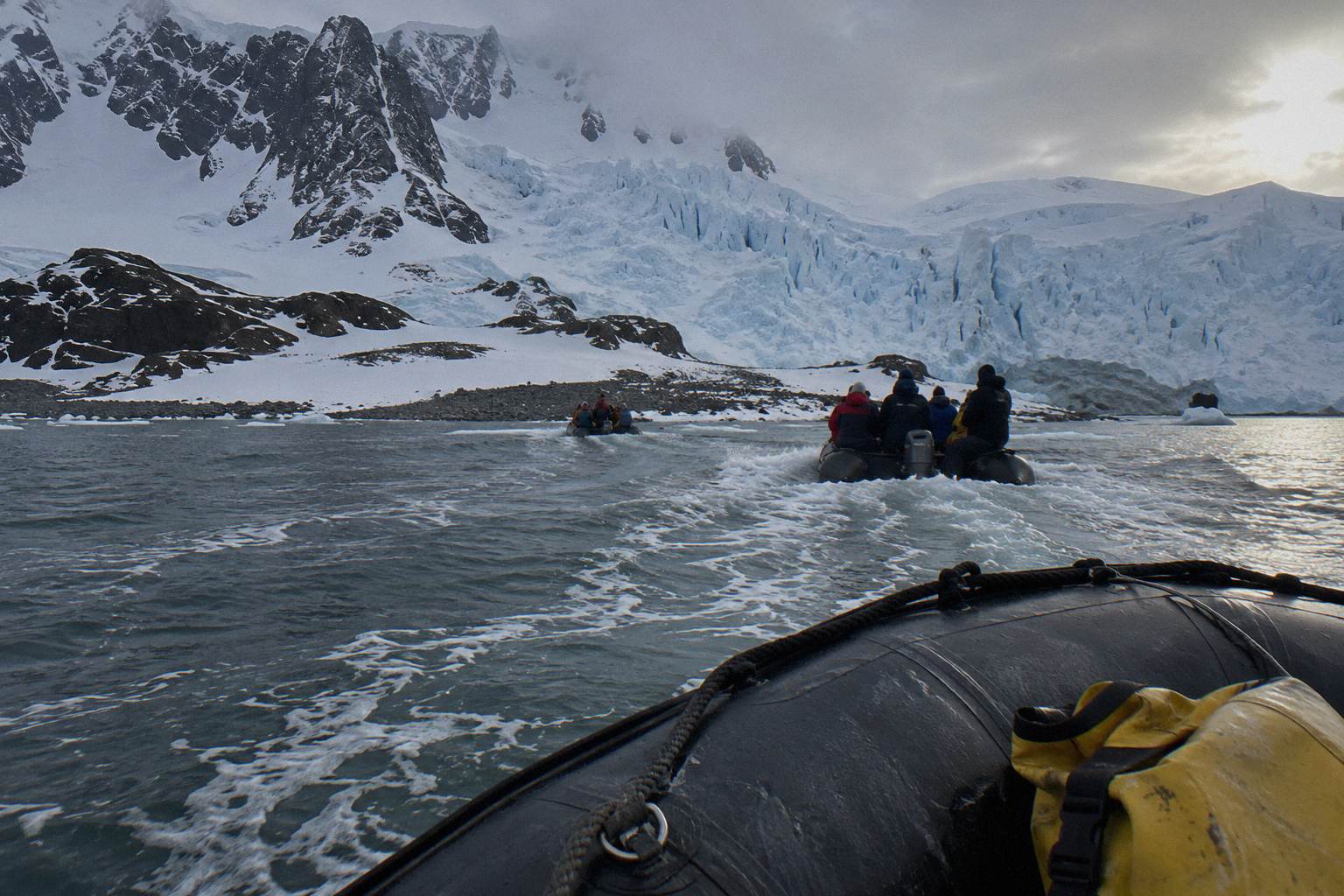
After two years of reading operator schedules and season reports for this site, December is the month where the published descriptions agree with each other most consistently. The long-light photographs are not cherry-picked, the penguin behaviour really is that dense, and the premium really is that steep. Everything else on this page is reporting.
Common Questions About Antarctica In December
Is December a good month for an Antarctica cruise?
Yes. It is peak season: roughly 19-21 hours of Peninsula daylight, open channels, penguins incubating eggs with the first chicks hatching mid-month, and whale arrivals building. The trade-offs are the highest base fares of the season and peak-season demand.
How cold is Antarctica in December?
Peninsula daytime highs average around 3-4C with lows near -1 to 0C, and Ushuaia, the usual gateway, runs milder at about 13-14C daytime. You pack for freezing conditions and wet Zodiac rides, not for extreme continental cold.
Can you see penguin chicks in December?
From mid-month, yes. Penguins are on eggs through the first half of December, and chicks typically begin hatching around the middle of the month on the Peninsula. By January, hatching is in full swing.
Are there Christmas and New Year Antarctica cruises?
Yes, several operators run festive-week departures, and they carry a visible premium: one 2026-27 comparison describes a 22 December Lindblad departure as up to 59 percent above comparable shoulder-season sailings, and a sample Ocean Albatros 12 December sailing starts from about $12,406 per person.
How far in advance should I book a December sailing?
Book as early as you can. Schedules open roughly 12-18 months ahead, early-booking discounts of 10-30 percent are common, and peak December sailings are reported to book 18 or more months ahead.
What does a December Antarctica cruise cost?
Sample 2026-27 figures: an 11-day Quark Antarctic Explorer voyage starts from $12,236 per person at voyage level, and a realistic all-in budget for a 10-12 day mid-range Peninsula trip, including flights, gear, tips and insurance, runs $12,000-$25,000 per person.
More Antarctica By Month
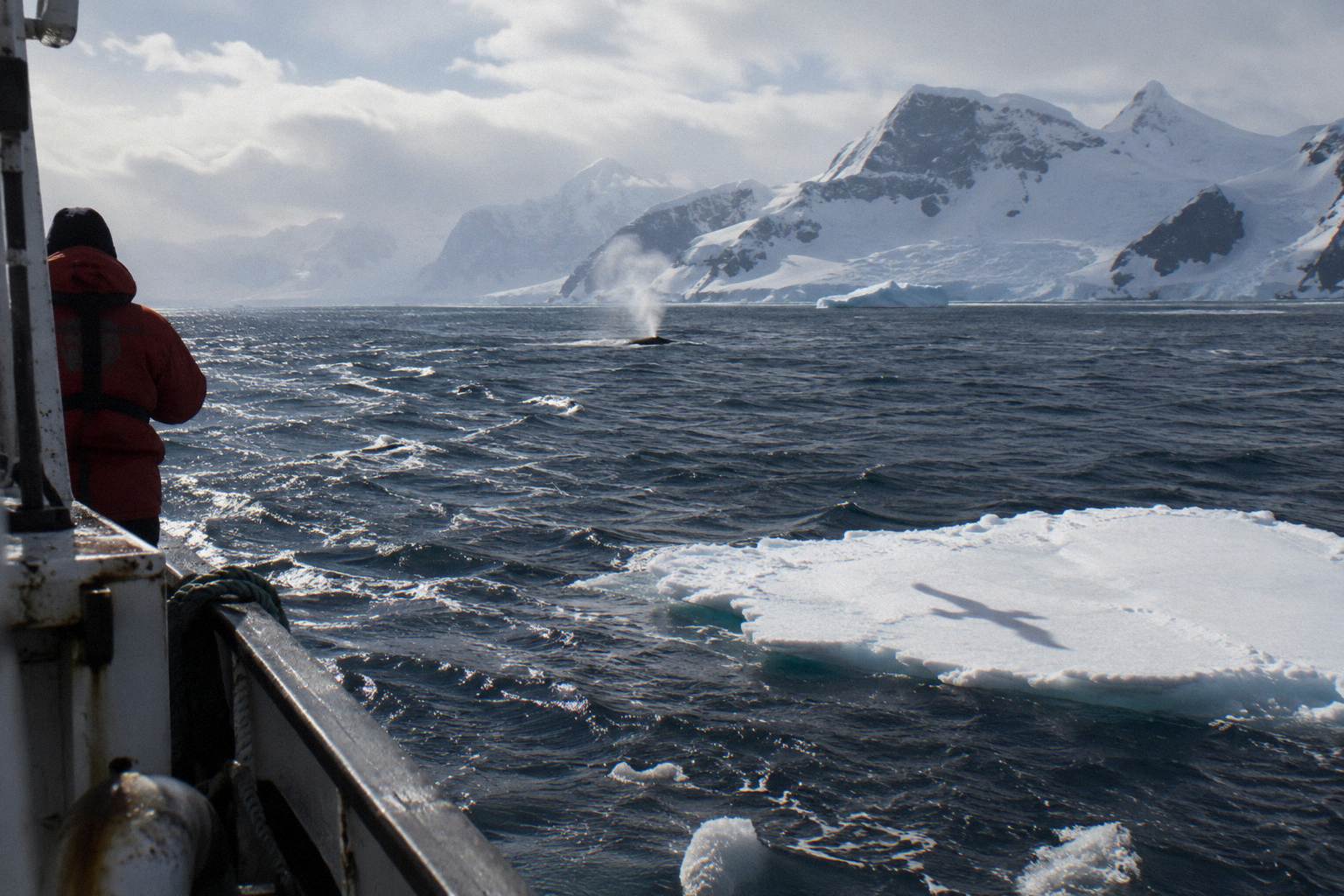 Antarctica In JanuaryHigh summer in Antarctica: warmest weather, penguin chicks, whales and peak fares.Read the guide
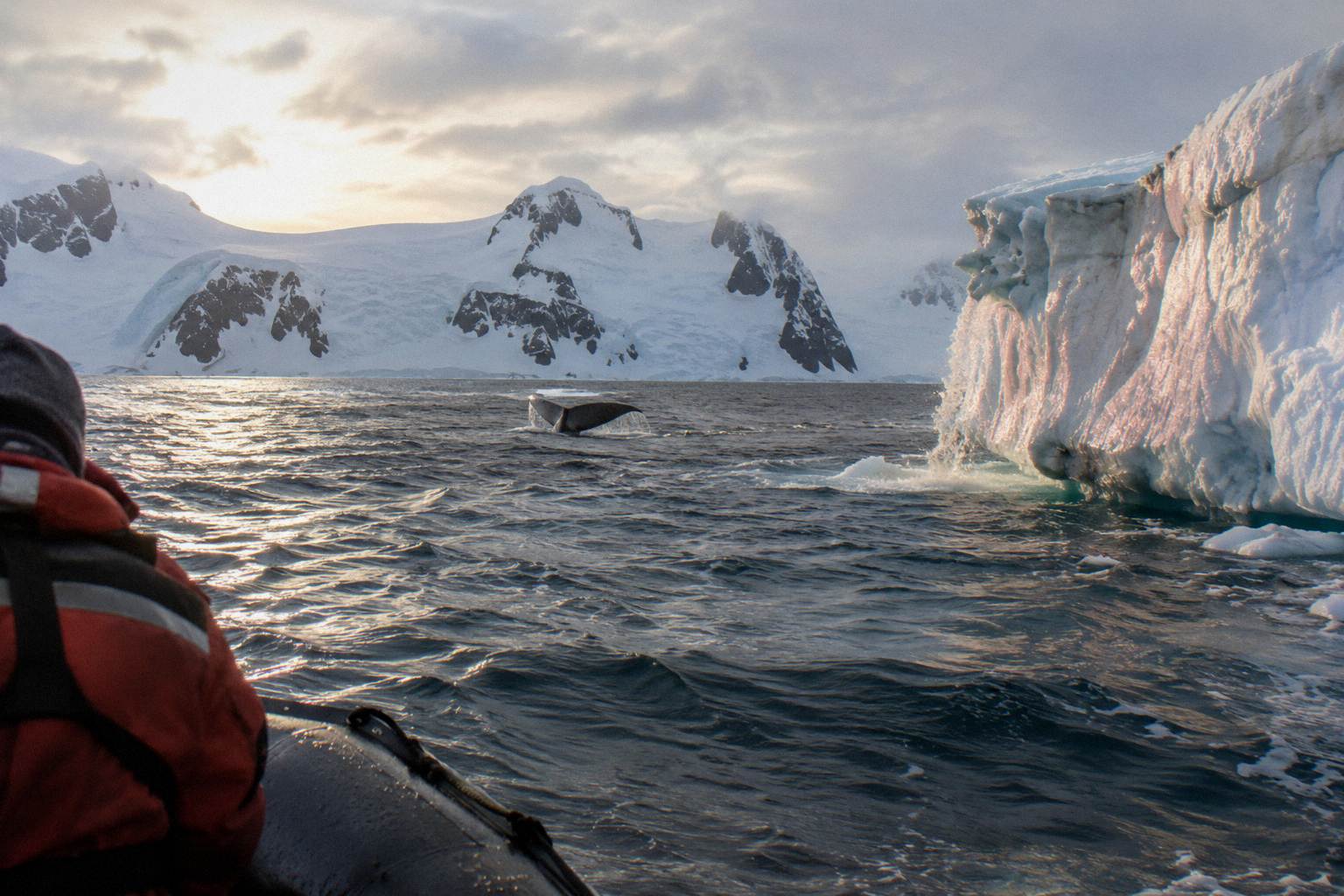 Antarctica In FebruaryLate-summer whales, chick creches, open ice and Circle crossings: what a February sailing gives you.Read the guide
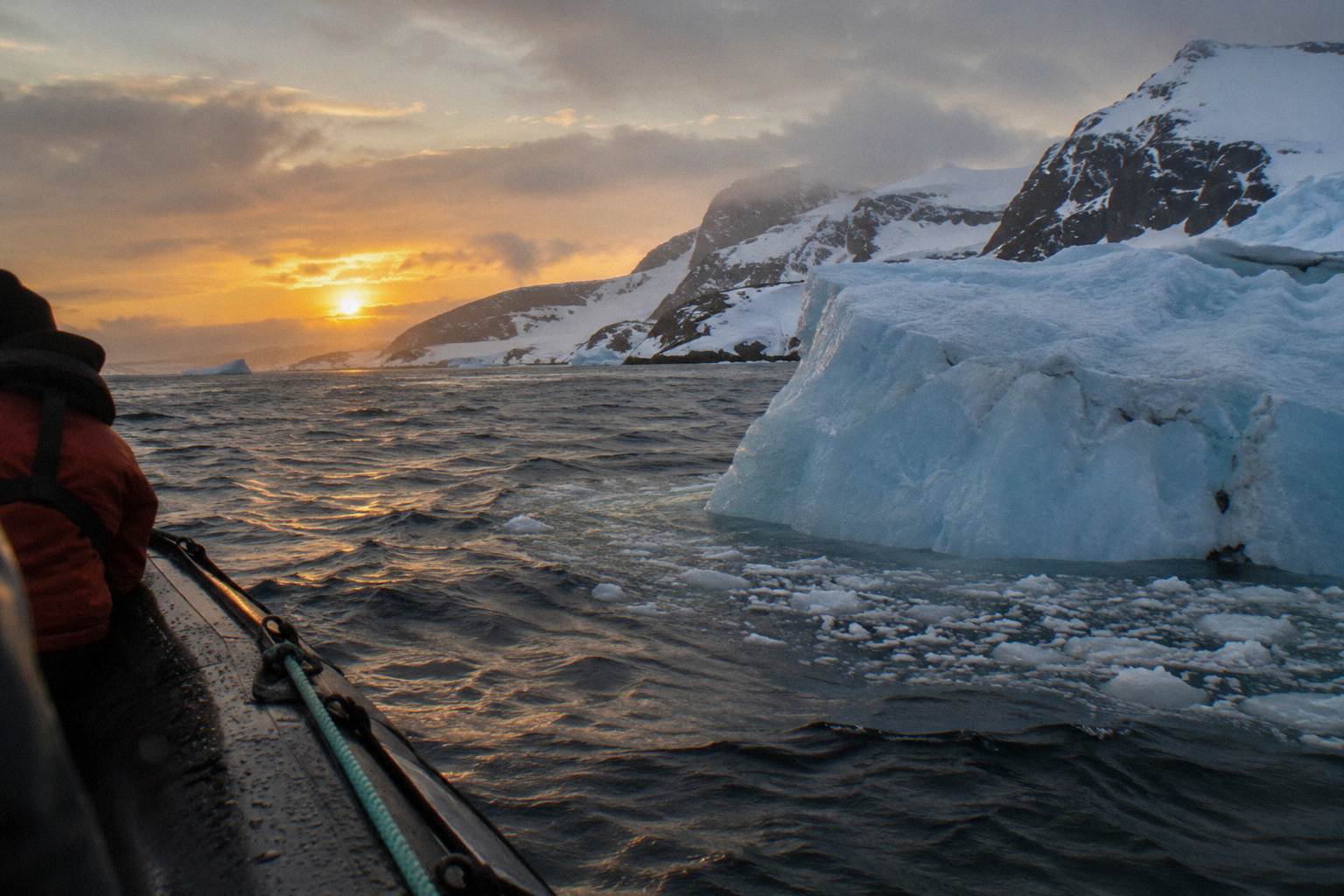 Antarctica In MarchEnd-of-season weather, wildlife and the last sailings of the Antarctic cruise year.Read the guide
 Antarctica In AprilApril has no Antarctic sailings. Here is why, and what to do with that travel window instead.Read the guide