Viking Octantis And Polaris: Which Ship Is Right For You
 By Oleg G.
Viking Octantis and Viking Polaris are sister ships built to the same drawing in the same year, and the operator's own pages describe them in nearly identical words. This guide sets out what the roster and operator pages actually say, where the real differences sit, and how to pick between them.
Quick answer: Viking Octantis and Viking Polaris each carry 378 guests, were built in 2022, measure about 202.7 metres and hold Polar Class 6 ice classification. The honest finding is that the ships are near-identical, so the choice comes down to dates, itinerary and price, not hardware. Current fares are not published on file, so a consultation is the way to price a departure.
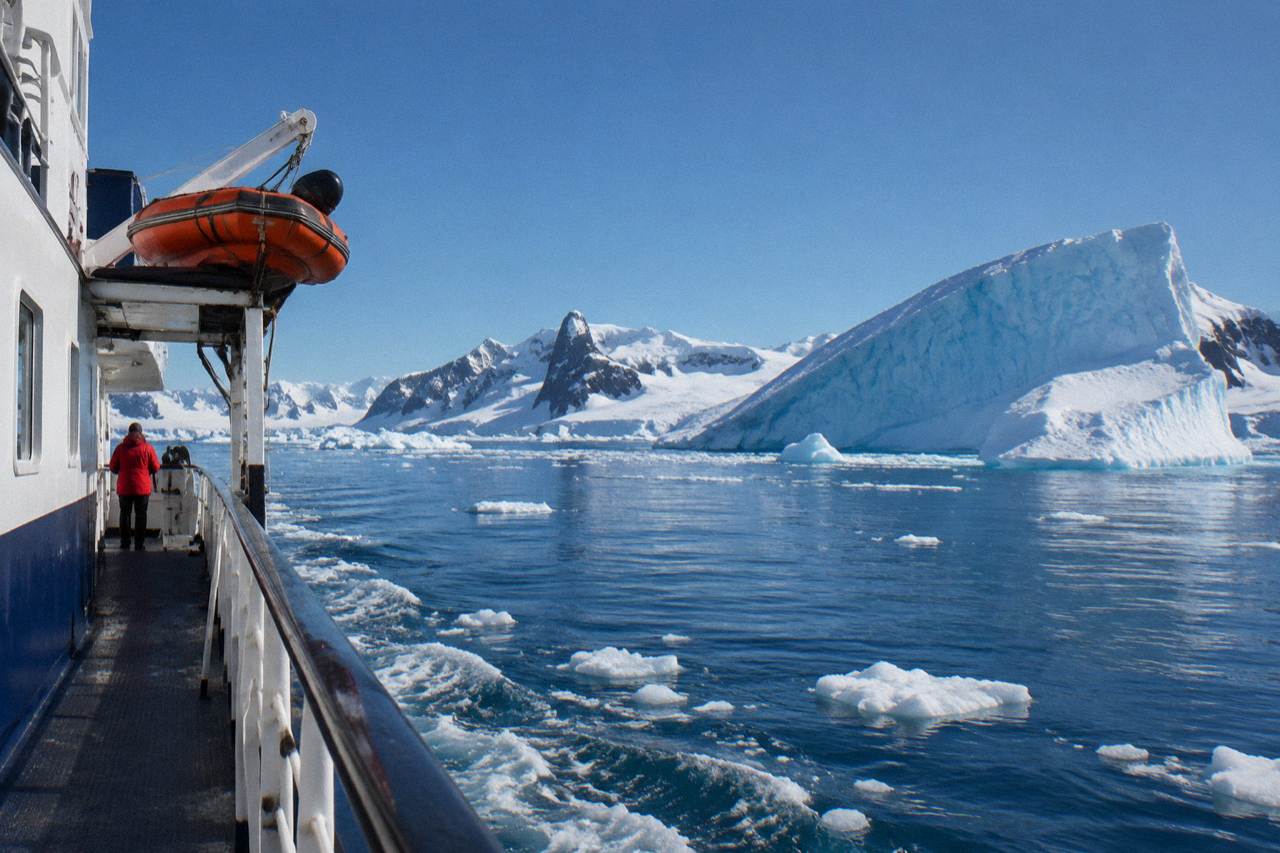
The hardest question in Antarctic cruise research is sometimes the simplest one. Viking sails two expedition ships to the white continent, Viking Octantis and Viking Polaris, and buyers who have already settled on the line then stall on which vessel to book. The temptation is to hunt for a winner: one ship with better cabins, better ice capability, a better lecture programme. After two years of reading every operator page and roster entry on this pair, the honest finding is that there is no winner to find. The operator's own pages describe the two ships in shared wording, the specifications match line for line, and the choice that actually matters is the departure, not the hull. This guide lays out what the sources say, where the small genuine differences sit, and how the pair compares with a very different expedition ship, National Geographic Resolution. The same "which hull" question comes up for other lines too, and our guide to HX's twin hybrid expedition ships Fridtjof Nansen and Roald Amundsen works through that pairing the same way.
Are Viking Octantis And Polaris Actually Different Ships?
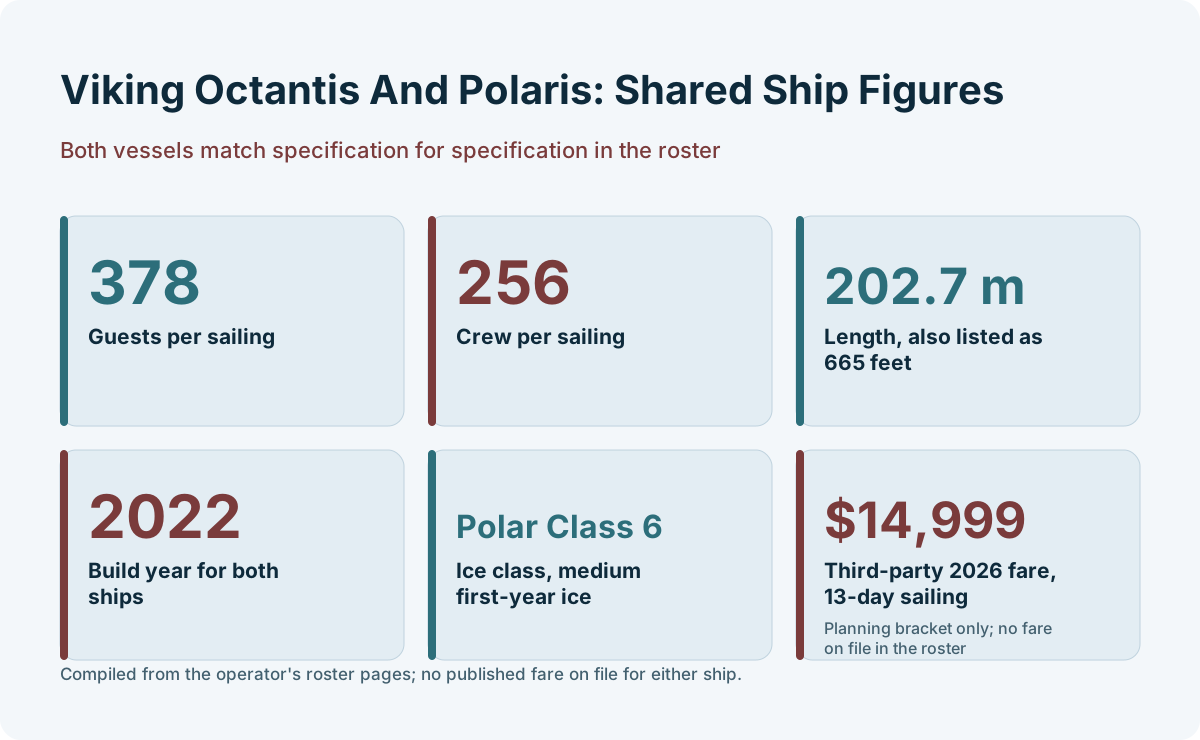
No, not in any way the operator's own pages let you separate them. Both ships were built in 2022, both are listed at 202.7 metres, both carry 378 guests with a crew of 256, and both hold Polar Class 6 ice classification. The roster entries for the two vessels match specification for specification, so a buyer choosing between them is choosing a date and an itinerary, not a ship.
That is an unusual thing to be able to say in cruise comparison writing, so it is worth being precise about the evidence. The ship roster, compiled from the operator's own pages, records identical figures for both vessels: 378 guests, crew of 256, a length of 665 feet, which converts to 202.7 metres, and Polar Class 6. Neither roster entry lists a distinguishing feature that the other lacks. The operator page text is shared across both, which is itself the finding: when a line publishes one description for two ships, it is telling you the ships are the same product.
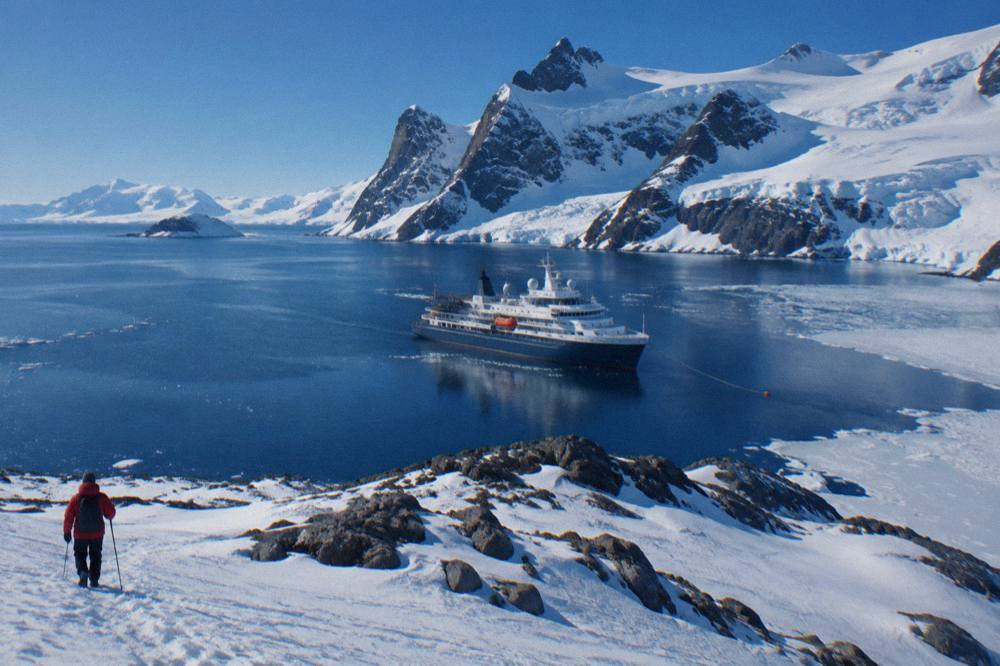
This matters for how you shop. A lot of comparison energy gets spent on questions the sources cannot support: is one ship smoother, newer, better appointed? With this pair, every one of those questions has the same answer, which is that the ships are sisters from the same build year. The productive questions are different ones. Which departure dates work with your leave? Which itinerary, a Peninsula-focused sailing or a longer South Georgia combination, matches what you want from the trip? What does the cabin category you want cost on the sailing that fits your calendar? Those are the questions where the answers genuinely differ, and they are the ones worth taking to a consultation.
If you are weighing the whole Viking Antarctic programme rather than just the ship pairing, the line-level guide at Viking Antarctic cruise options covers the itineraries and booking patterns across the fleet.
What The Two Ships Share: Specs, Ice Class And Capacity
The shared specification is the substance of both ships: 378 guests, 256 crew, 202.7 metres in length, built 2022, Polar Class 6. Polar Class 6 is a genuine polar classification, designed for summer and autumn operation in medium first-year ice, and it puts both vessels in the same capability tier as several purpose-built expedition ships in the roster.
Polar Class 6 deserves a short explanation, because the number alone can mislead. Under the IACS Polar Code categories, PC6 refers to a hull strengthened for operation in medium first-year ice that may include old ice inclusions, in the warmer part of the polar season. In the Antarctic context that is the standard tier for Peninsula expedition cruising: ships such as Ultramarine, Ocean Explorer, Hondius and Silver Endeavour all carry PC6 or equivalent wording in the roster. It is a real ice class, not a marketing phrase, and both Viking ships hold it.
| Specification | Viking Octantis | Viking Polaris |
|---|---|---|
| Guests | 378 | 378 |
| Crew | 256 | 256 |
| Built | 2022 | 2022 |
| Length | 202.7 m | 202.7 m |
| Ice class | Polar Class 6 | Polar Class 6 |
| Antarctic schedule 2026-27 | not verified on operator page | not verified on operator page |
| Published fare on file | none, needs a consultation | none, needs a consultation |
Two rows in that table need plain honesty. And no fare is on file for either vessel, so this guide prints no price for them. One 2026 cost guide reports Viking's 13-day Antarctic Explorer itinerary priced from $14,999 and the 15-day Into the Antarctic Circle from $18,499 in 2026-27 pricing, with a seasonal sale noted, but those are itinerary-level figures from a third-party cost report, not cabin-level fares read from the operator's booking page. Treat them as planning ranges, not quotes.
At 378 guests the Viking pair sits in an interesting regulatory position. IAATO guidance, as recorded in the site's verified facts, says vessels carrying more than 500 fare-paying passengers shall not make landings in Antarctica, and a maximum of 100 passengers may be ashore from a vessel at any one time unless site-specific guidance requires fewer. A 378-guest ship lands well inside the first limit, but it must still rotate its passengers ashore in groups of 100, which shapes how a landing day feels: more waiting, more sequential Zodiac rotations, fewer guests per guide. The Antarctic Treaty System's tourism overview notes that roughly 98 percent of tourism voyages occur in the Antarctic Peninsula during the austral summer, which is exactly the theatre both Viking ships work.
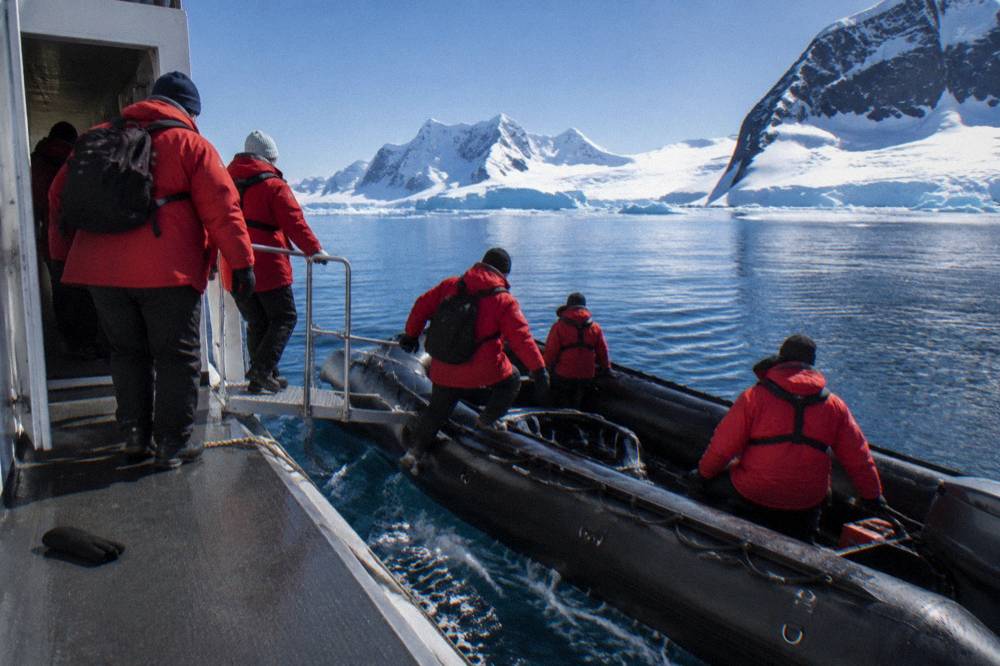
The 1:20 guide-to-visitor ratio that IAATO requires during landings also scales with ship size. On a 378-guest vessel the expedition team must be large enough to cover nearly nineteen guiding staff per landing rotation, which is a real operational commitment and part of what the fare buys. None of this differs between Octantis and Polaris, which is the point: every capacity-driven characteristic of the voyage is shared.
That shared spec sheet is the first genuine decision moment in this comparison. If the hardware is identical, your choice collapses to dates and itinerary, and pricing a specific departure is exactly what a free consultation is built for: the fare is not on file here, and a partner can pull live cabin pricing for the sailings that match your window.
Viking Octantis: The Ship, The Voyages, The Fare Question
Viking Octantis is the first of the pair and the featured ship of this guide. The roster records 378 guests, a 2022 build, Polar Class 6 and a 202.7-metre hull, with no published Antarctic fare on file. Its 2026-27 Antarctic schedule is unconfirmed, so departure-level detail needs a live check rather than a remembered brochure.
Octantis has a claim on the line's story: it was the vessel that introduced Viking's expedition concept to Antarctica, and the operator's marketing has leaned on it accordingly. But from a buyer's standpoint the useful facts are the ones above. The ship was purpose-built for polar and Great Lakes work in 2022, which makes it one of the newest purpose-built expedition hulls in the entire roster. Only a handful of Antarctic vessels are newer: Sylvia Earle and SH Vega (2022), SH Diana (2023), Douglas Mawson (2025) and Magellan Discoverer among them. New build matters for a few concrete things: modern stabilisation, contemporary cabin design, and propulsion and waste systems designed to current polar standards from the keel up.
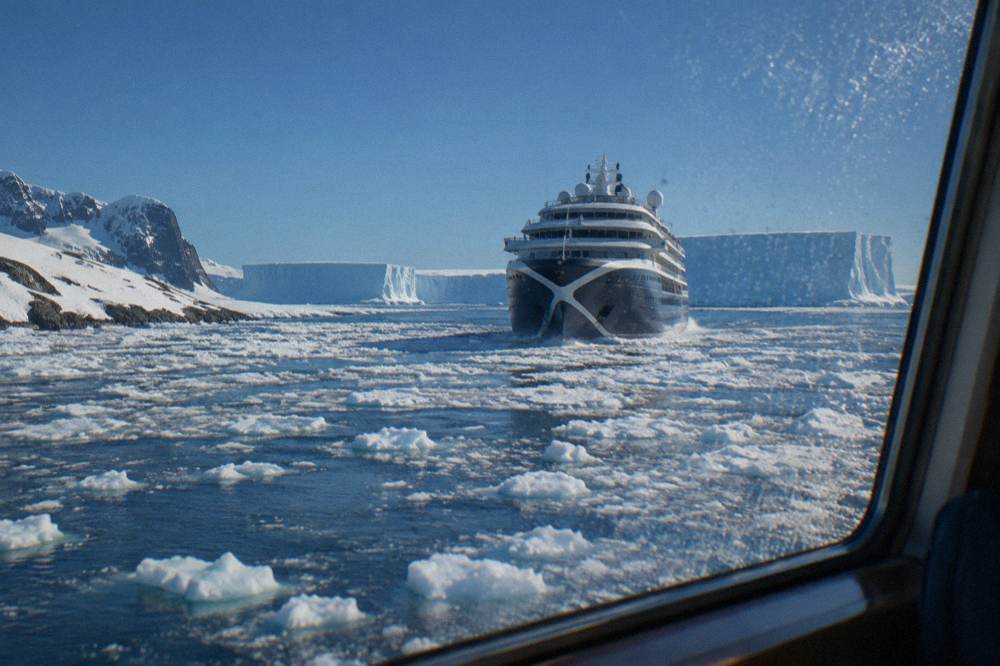
One 2026 fleet report notes Viking Polaris operating Antarctic Explorer itineraries of 12 to 13 nights from Buenos Aires and Ushuaia and Antarctica and South Georgia combinations across December 2026 to March 2027, and the sister ship works the same route structure (see Best Time To Visit). The classic shape is a flight into Buenos Aires, a connection to Ushuaia, and a Drake Passage crossing by sea, which costs roughly two days in each direction. The Drake crossing has its own guide on this site, how the Drake Passage crossing works, if the sea days are a factor in your decision.
The fare question deserves its own paragraph because it is where buyers most often go wrong. No Viking Antarctic fare is on file in this site's research, and the roster's instruction for that case is explicit: say a current fare needs a consultation and print no number. The third-party figures quoted earlier, from $14,999 for a 13-day Antarctic Explorer sailing, are useful only as a planning bracket. Cabin category, month and early-booking timing move the real number by thousands of dollars, and the only reliable way to price Octantis is to price a specific departure.
Viking Polaris: Same Steel, Different Story
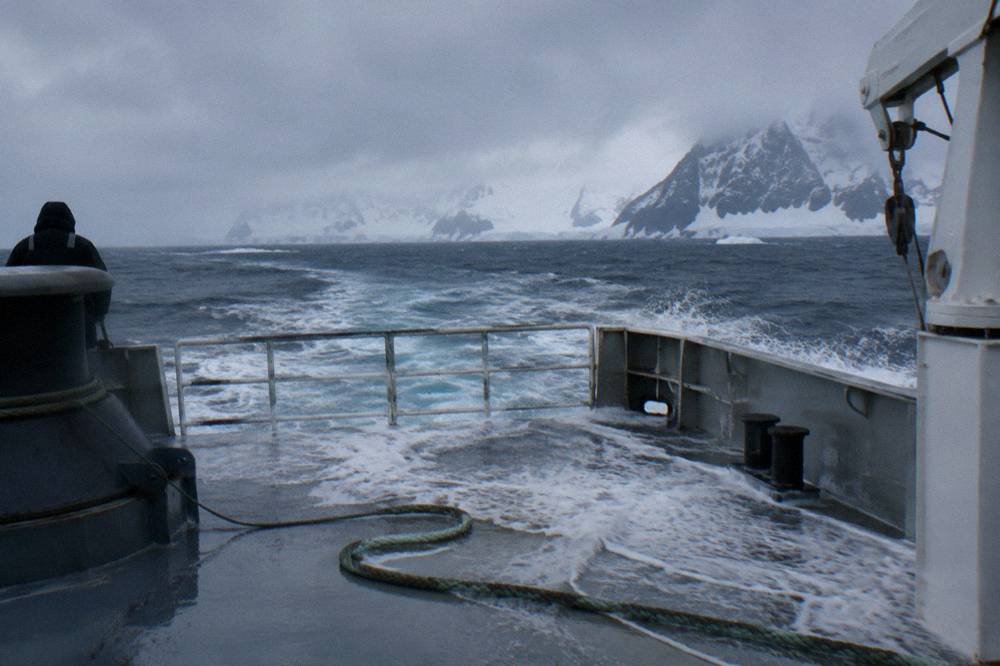
Viking Polaris matches its sister on every roster figure: 378 guests, built 2022, 202.7 metres, Polar Class 6, crew 256, no fare on file. What distinguishes Polaris in the public record is not hardware but history: the ship was struck by a breaking wave in the Drake Passage in November 2022, an incident with one fatality, and it has sailed Antarctic seasons since.
That incident should be stated plainly and in proportion. According to investigation reporting, Viking Polaris was struck by a breaking wave southeast of Cape Horn on 29 November 2022 while crossing the Drake Passage; seven stateroom windows shattered, one passenger died and eight were injured. The Drake Passage is the most exposed stretch of water on the route to Antarctica, and the incident is documented in the site's Drake research alongside the observation that typical swells there average 3 to 5 metres. It does not make Polaris unsafe, and it is not a differentiator between the sisters in any structural sense, but a buyer who has read about the incident deserves to see it addressed rather than glossed. The same research notes that modern expedition ships carry zero-speed stabilizers and advanced weather routing, and that rough "Drake Shake" conditions occur on roughly 30 percent of crossings versus calmer "Drake Lake" conditions on about 70 percent, figures that apply to any ship in the passage.
Beyond that history, Polaris is functionally Octantis. Same year, same class, same capacity, same crew count. If a travel writer tells you one of the two is "the better ship", check what source backs the claim, because nothing in the roster or the operator pages does. What you can legitimately prefer is a departure: a specific date, a specific itinerary length, a cabin category that happens to be open on one sailing and not the other. That is how sisters get chosen, and it is how the consultation conversation should go too. When you ask about pricing a Viking expedition cruise, bring your month and your trip length, not a ship name, because the ship name carries no information the partner can act on.
How The Viking Pair Compares With National Geographic Resolution
Against a genuinely different ship, the contrast is sharp. National Geographic Resolution carries 138 guests versus 378, holds the stricter PC5 ice class versus PC6, was also built in 2021-22, and has a published fare from $11,900 for a 12-day voyage. The Viking ships sell scale, consistency and modern hardware; Resolution sells small-ship intimacy and a National Geographic partnership.
This is the comparison worth making, because unlike Octantis versus Polaris it has real differences on both sides. Resolution is one of Lindblad's two PC5 sister ships, PC5 being a higher polar category than PC6, designed for medium first-year ice with a stronger hull allowance. Its roster fare comes from the operator's own starting-from card for the 12-day Voyage to Antarctica. At 138 guests it lands all passengers ashore in well under the 100-at-a-time rotation ceiling, with a correspondingly smaller, quieter feel on landings and in public rooms.
| Viking Octantis / Polaris | National Geographic Resolution | |
|---|---|---|
| Guests | 378 | 138 |
| Built | 2022 | 2021 |
| Ice class | Polar Class 6 | PC5 (Category A) |
| Hull design | conventional expedition hull | patented X-Bow |
| Published fare | none on file, consultation needed | from $11,900, 12-day voyage |
| Landing rotation | guests rotate in groups of up to 100 | full complement ashore in two rotations |
| Style | large, contemporary, consistent | small-ship, naturalist-led, National Geographic partnership |
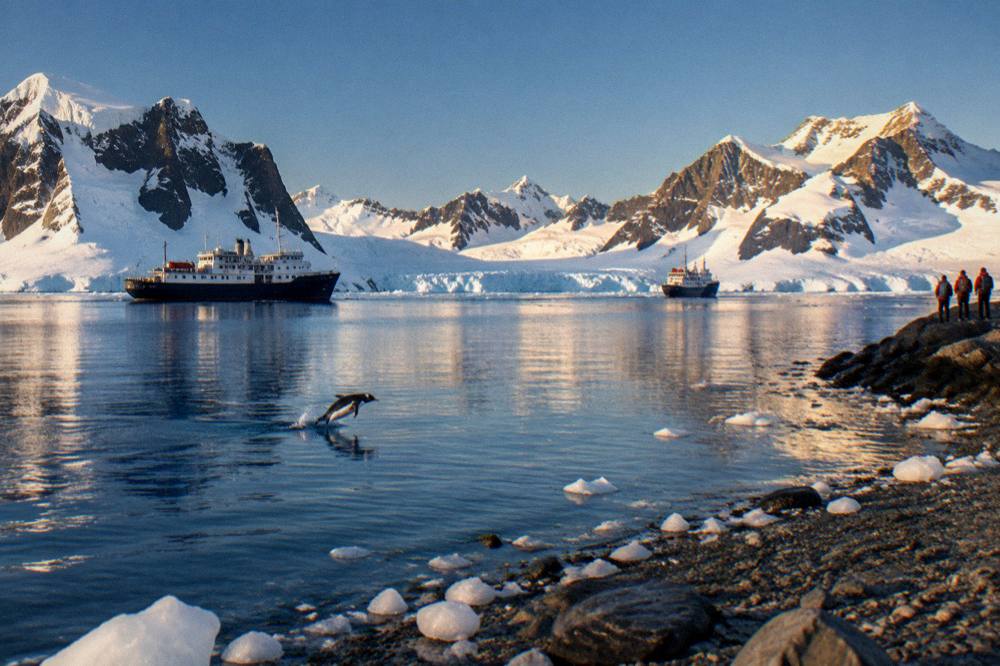
The Viking ships answer a different buyer. At 378 guests they are among the largest true expedition vessels in the Antarctic roster, larger than Quark's Ultramarine at 199 or Ponant's Le Boréal at 264, and the experience is engineered to feel calm and hotel-like at that scale rather than crowded. The naturalist programme, the Science Lab style spaces and the sheer newness of the 2022 build are the product. Resolution answers the buyer who wants few fellow guests, a photo-focused expedition culture and a hull design, the X-Bow, that splits waves rather than slaps them.
There is a cost dimension too, though it must be handled carefully. Resolution has a firm roster fare; the Viking ships do not, so any direct price comparison would be invented. What can be said is that the two products occupy different tiers of the market and that a consultation is the only way to put a real number beside each. If this three-way comparison is the decision you are actually facing, compare expedition ships with a free consultation before committing either way.
| Ship | Class | Passengers | Ice class | From, per person | Voyage length | Departs from |
|---|---|---|---|---|---|---|
| Viking OctantisViking | Upscale Expedition | 378 | Polar Class 6 | – | – | – |
| Viking PolarisViking | Upscale Expedition | 378 | Polar Class 6 | – | – | – |
| National Geographic ResolutionLindblad Expeditions (with National Geographic) | Standard Expedition | 138 | PC5 | from $11,900 | 12 to 25 days | Ushuaia |
Which Departure Should You Actually Choose?
Choose by dates, itinerary and price, in that order. Because the two Viking ships are near-identical, the right question is which sailing gets you the itinerary you want, in the month with the wildlife and ice conditions you want, at a cabin category you can book. Month matters more than ship: November offers courting penguins and maximum ice, December-January brings hatching chicks, February-March peaks for whales.
The seasonal pattern is well documented. Early-season voyages in October and November encounter the most dramatic sea ice breakup and active courtship at the rookeries, with Peninsula temperatures that can drop to around -5°C. Penguin chicks typically begin hatching from mid-December, and by January most channels are ice-free with near-24-hour daylight. Humpback whale sightings increase from mid-January onward, and February-March is the peak for whale activity, molting adult penguins and Antarctic Circle crossing attempts. None of this differs by ship, so the calendar is your real lever.
| Month window | What you are likely to see | Trade-offs |
|---|---|---|
| October-November | courting penguins, maximum snow and ice, elephant seal pups in the South Shetlands | coldest, some landings ice-limited |
| December-January | penguin chicks hatching, long daylight, ice receding | peak demand, books earliest |
| February | fledging chicks, molting adults, growing whale numbers | busier sites later in season |
| March | peak whale activity, leopard seal chances | season winding down, more open water |
Then layer the itinerary on top. A classic Peninsula voyage runs roughly 12 to 13 nights including the two-day Drake crossing each way; longer combinations add South Georgia and the Falklands and stretch to three weeks or more. The longer the voyage, the more the ship choice matters even less, because the route does the differentiating. If penguins are the point, the site's wildlife guide at Antarctica wildlife cruise timing breaks the season down species by species.
Booking timing is the last lever, and the timing pattern is clear: peak December sailings book 18 or more months ahead, early-booking offers for the 2026-27 and 2027-28 seasons commonly reach 10 to 30 percent off, and last-minute discounts exist but are limited in availability and cabin choice. For a ship pair where hardware is a constant, the buyer who books early gets the better cabin and the better rate on the identical product. That is the whole strategy.
The final third of this decision is where a second opinion earns its keep. Fares for both Viking ships are unpublished on file, and cabin availability moves weekly. A free consultation on Viking departures resolves all three unknowns against your actual dates, and it costs nothing.
Common Questions About Viking Octantis And Polaris
Viking Octantis Vs Polaris: Which Is Better?
On the evidence available, neither. Both ships were built in 2022, carry 378 guests with a crew of 256, measure 202.7 metres and hold Polar Class 6. The operator's pages describe them in shared wording, so the choice comes down to departure dates, itinerary and price rather than the vessel.
How Much Does A Viking Octantis Antarctic Cruise Cost?
No fare is on file for either Viking ship, so no number can honestly be printed here. One 2026 third-party cost guide reports Viking's 13-day Antarctic Explorer from $14,999 and the 15-day Into the Antarctic Circle from $18,499 in 2026-27 pricing, with a seasonal sale noted, but cabin-level pricing needs a live check through a free consultation.
Are Viking Octantis And Polaris Ice Class Ships?
Yes. Both hold Polar Class 6, an IACS Polar Code category for operation in medium first-year ice during the warmer part of the polar season. That is the same tier as several purpose-built expedition ships in the roster, including Ultramarine, Hondius and Silver Endeavour.
Do 378 Guests Prevent Landings In Antarctica?
No. IAATO guidance prohibits landings only for vessels carrying more than 500 fare-paying passengers. A 378-guest ship lands its passengers in rotations of up to 100 ashore at a time, with a minimum 1:20 guide-to-visitor ratio during landings.
Was Viking Polaris Damaged In The Drake Passage?
Viking Polaris was struck by a breaking wave southeast of Cape Horn on 29 November 2022 while crossing the Drake Passage; seven stateroom windows shattered, one passenger died and eight were injured, according to investigation reporting. The ship has sailed Antarctic seasons since.
Is National Geographic Resolution A Better Choice Than The Viking Ships?
It is a different choice, not a better one. Resolution carries 138 guests versus 378, holds the stricter PC5 class, and has a published fare from $11,900 for a 12-day voyage. Buyers wanting a small-ship, naturalist-led experience lean Resolution; buyers wanting modern hardware and consistency at scale lean Viking.