Antarctica Vs Galapagos: Which Wildlife Trip Fits You?
 By Oleg G.
Two of the world's great wildlife voyages, and most travellers can only do one next year. Here is how Antarctica and Galapagos genuinely compare on season, cost, ship rules and the wildlife experience itself.
Quick answer: Galapagos runs year-round with a 100-passenger ship cap, a USD 200 park fee plus a USD 20 transit card. Antarctica runs roughly November to March, with Antarctic Peninsula expedition fares on our roster starting from $7,050 per person for a 10-plus day voyage. Galapagos offers tame animals up close; Antarctica offers scale, ice and penguin colonies.
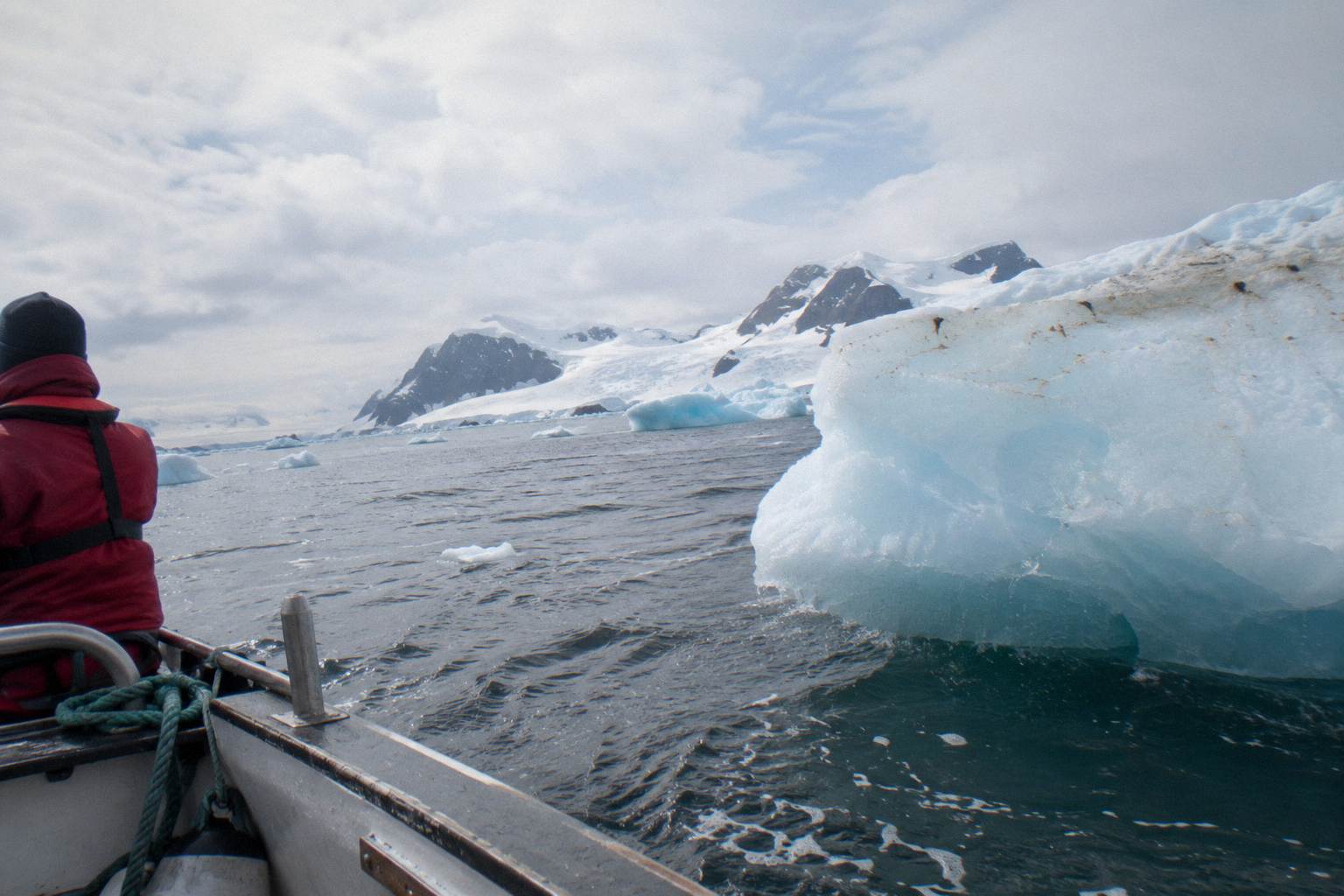
Two wildlife destinations anchor more bucket-list arguments than any others: the Galapagos Islands, where animals have never learned to fear people, and Antarctica, where the wildlife shares a stage with icebergs the size of city blocks. Both are cruise-first destinations. Both are expensive relative to an ordinary holiday. And both compete for the same savings pot, which is why the comparison deserves an honest working-through rather than a coin flip.
The short version: Galapagos is a warm-water, year-round, intimately close wildlife experience on ships capped at 100 passengers. Antarctica is a seasonal, cold-water expedition where the animals are wilder and more numerous but kept at a regulated distance, and where the landscape itself is half the reason to go. If your decision hinges on a specific month, a specific budget or a specific animal, one of the two will usually decide itself, and this guide walks through each of those decision points in turn.
What Kind Of Wildlife Trip Is Each One?
Galapagos is a close-encounter trip: animals with no fear of humans, watched from a few steps away on land walks. Antarctica is a spectacle trip: enormous colonies, whales and ice, viewed from a regulated distance, with Zodiac cruising as the standard activity. Neither is a safari-style chase, but the emotional register is completely different.
In Galapagos, the defining feature is tameness. Because the islands' animals evolved without large land predators, sea lions lounge on footpaths, marine iguanas pile on each other beside the trail, and boobies nest within arm's reach of the marked route. You walk in small groups with a licensed naturalist guide, and the wildlife largely ignores you. Snorkelling is a core part of the experience, often the highlight: swimming with sea lions, turtles and reef sharks in relatively warm water.
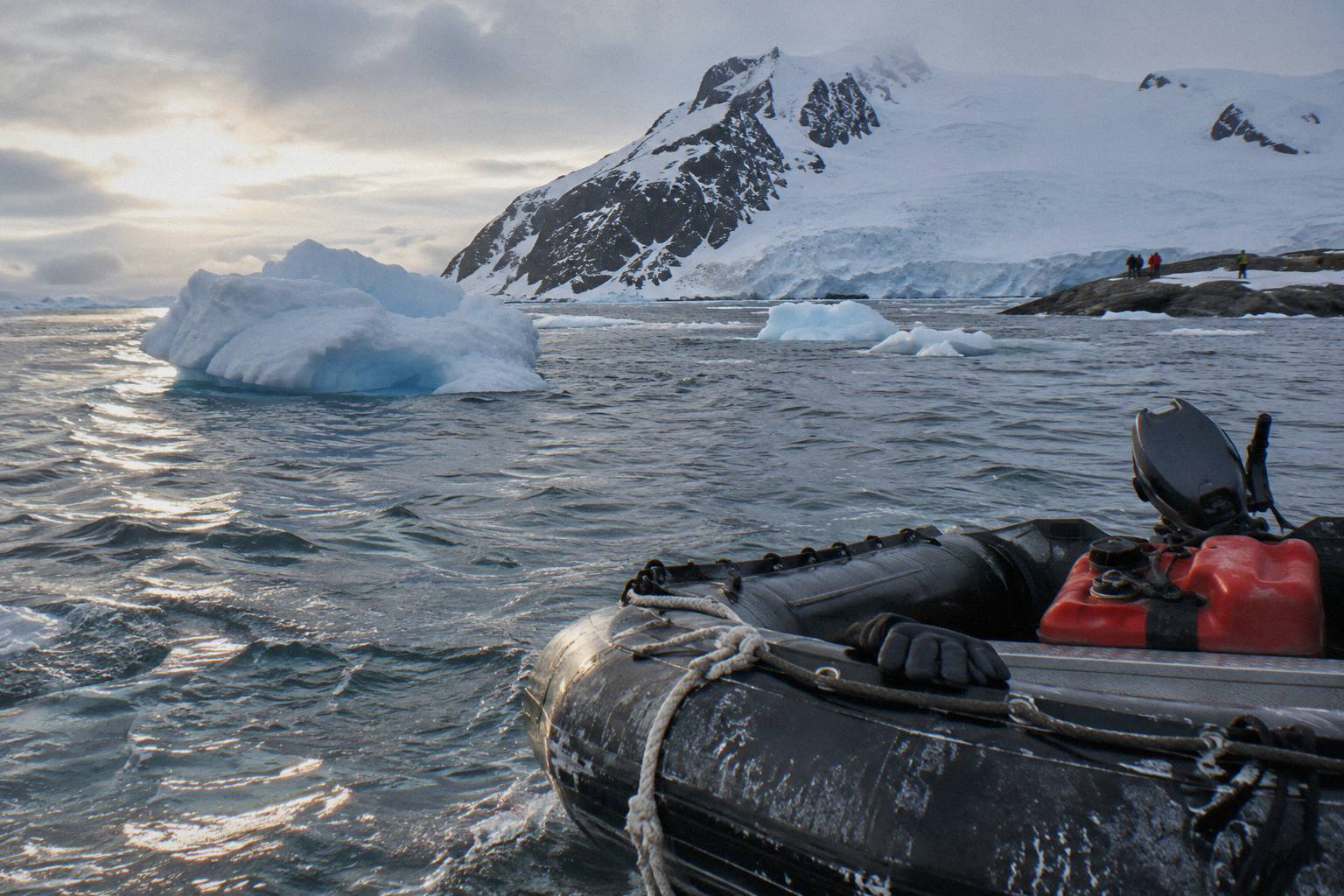
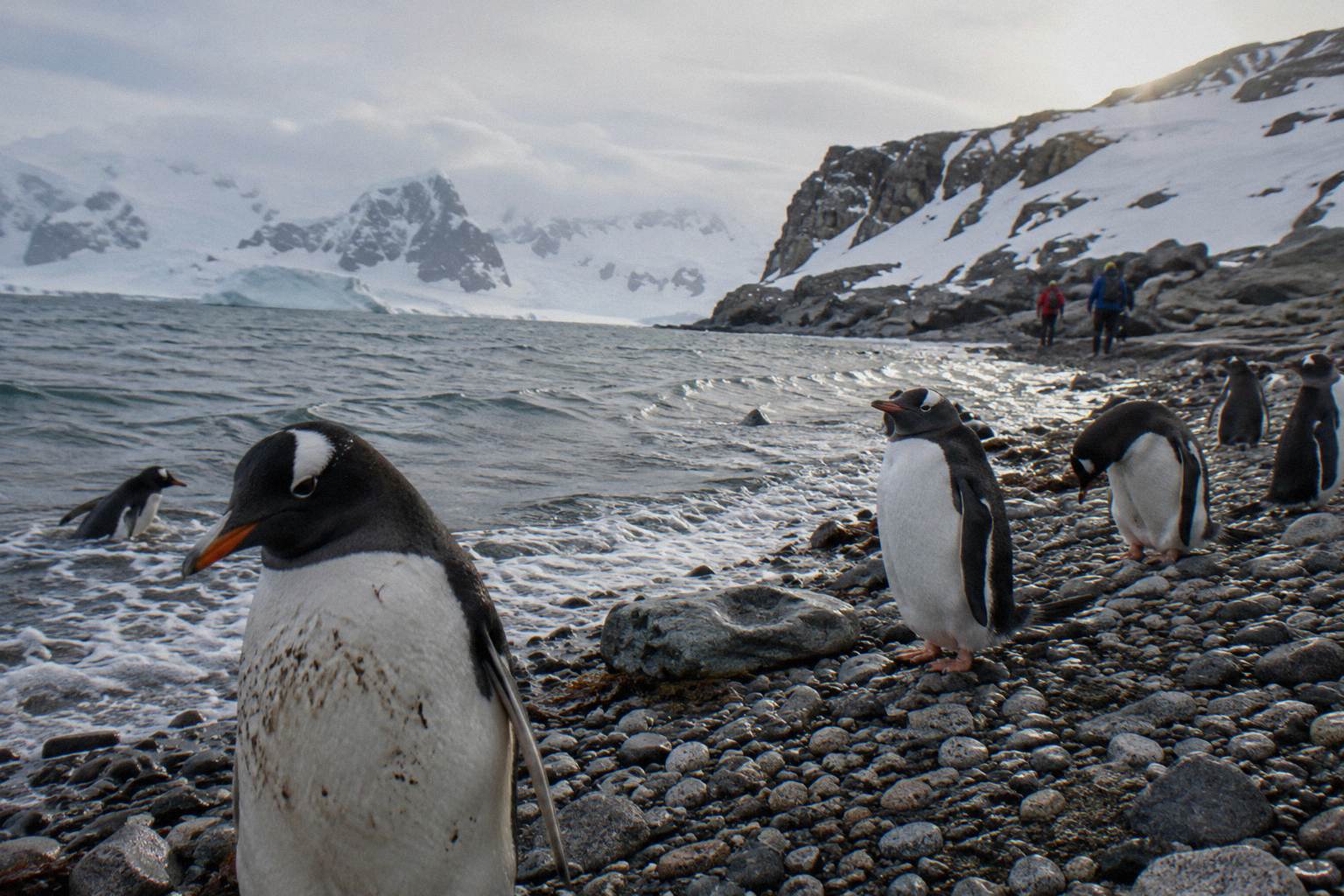
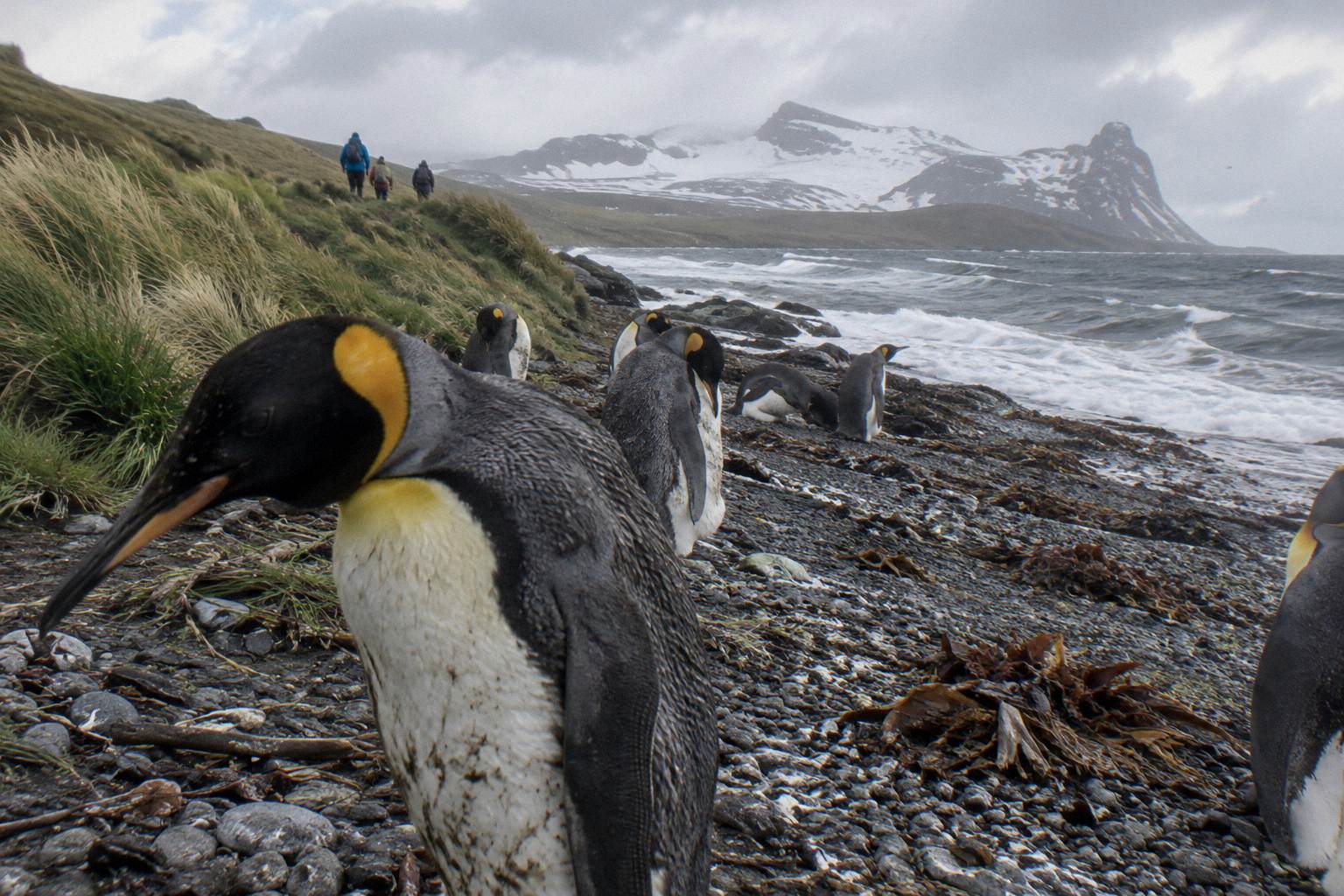
Antarctica inverts that. IAATO visitor guidelines require you to keep at least 5 metres from wildlife on land or ice, with greater distances for some species, and animals never approach you the way a Galapagos sea lion will. What you get instead is abundance and setting: gentoo, chinstrap and Adélie penguin colonies in the thousands during the austral summer, humpback whales feeding in February and March, leopard seals on ice, and every landing staged against glaciers and bergs. The classic expedition day is one or two landings or Zodiac cruises, weather permitting, with lectures and sea-watching between. Our Antarctica wildlife cruise guide covers the seasonal timing of each species in detail, because month choice changes what you see more in Antarctica than almost anywhere.
A useful framing: in Galapagos you go for the animals; in Antarctica the animals are the headline act but the place itself is the co-star. Travellers who come back disappointed from one or the other usually expected the wrong register, close-up intimacy in Antarctica, or dramatic landscapes in Galapagos.
When Can You Go: Seasons And Timing?
Galapagos operates year-round, with a warm, wet season roughly December to May and a cooler, drier season June to November, both with wildlife activity. Antarctica runs a hard seasonal window, with roughly 98 percent of tourism voyages in the Antarctic Peninsula during the austral summer, October to April, and the practical expedition season about November to March.
The season question is often the deciding one, and it favours Galapagos on flexibility. There is no month in which Galapagos cruises do not sail. The warm season (December to May) brings calmer seas, warmer water for snorkelling and greener landscapes; the cool season (June to November) brings the Humboldt Current's richer marine life and the famous courtship and nesting activity across the seabird colonies. Neither window is clearly "best"; they are simply different trips.
Antarctica has no such flexibility. The verified position from the Antarctic Treaty Secretariat is that approximately 98 percent of tourism voyages occur in the Antarctic Peninsula during the seven-month austral summer from October to April, and in practice most expedition voyages fall roughly November through March, with essentially nothing sailing in the austral winter. Within that window, November offers courtship and pristine snow with more sea ice, December and January bring peak daylight and penguin chicks, February and March bring peak whale numbers and the least sea ice. Shoulder months, November and March, tend to carry lower fares; the December to January peak carries the highest.
| Factor | Galapagos | Antarctic Peninsula |
|---|---|---|
| Operating season | Year-round | Roughly November to March |
| Best wildlife window | Varies by species; marine life peaks June to November | Chicks December to January; whales peak February to March |
| Cheapest windows | Shoulder months vary by operator | November and March departures typically priced below peak |
| Trip length typical | Varies by vessel and itinerary | 8 to 13 day classic voyages; longer for Circle or South Georgia |
| Passport and entry | Ecuador entry; USD 200 park fee, USD 20 transit card | Argentina or Chile entry; no Antarctica visa, permits handled by operators |
If your travel dates are fixed to northern summer holidays, Galapagos wins by default: there is simply no Antarctica product in July. If your dates are flexible, season should not decide it and the cost and style questions below should. Our month-by-month best time to visit Antarctica guide goes deeper on the austral summer calendar.
What Does Each Trip Cost?
Galapagos adds a USD 200 park entrance fee and a USD 20 transit card per person on top of the cruise fare, and no Galapagos cruise price is printed here because none is verified. Antarctic Peninsula fares on the roster start from $7,050 per person, with a realistic mid-range all-in budget of $12,000 to $25,000 per person.
Start with what is firmly established. The Galapagos figures come from the park authority and the regional council: foreign visitors over 12 pay a USD 200 Galapagos National Park entrance fee, effective August 2024, plus a USD 20 Transit Control Card, and Ecuadorian regulation caps cruise ships in the archipelago at 100 passengers. Cruise fares themselves vary enormously by vessel class and length, and because no official Galapagos price list exists, no number is printed here. For Galapagos-specific cruise planning, including live fares and vessel comparisons, this Galapagos cruise planning resource covers the specialist side properly.
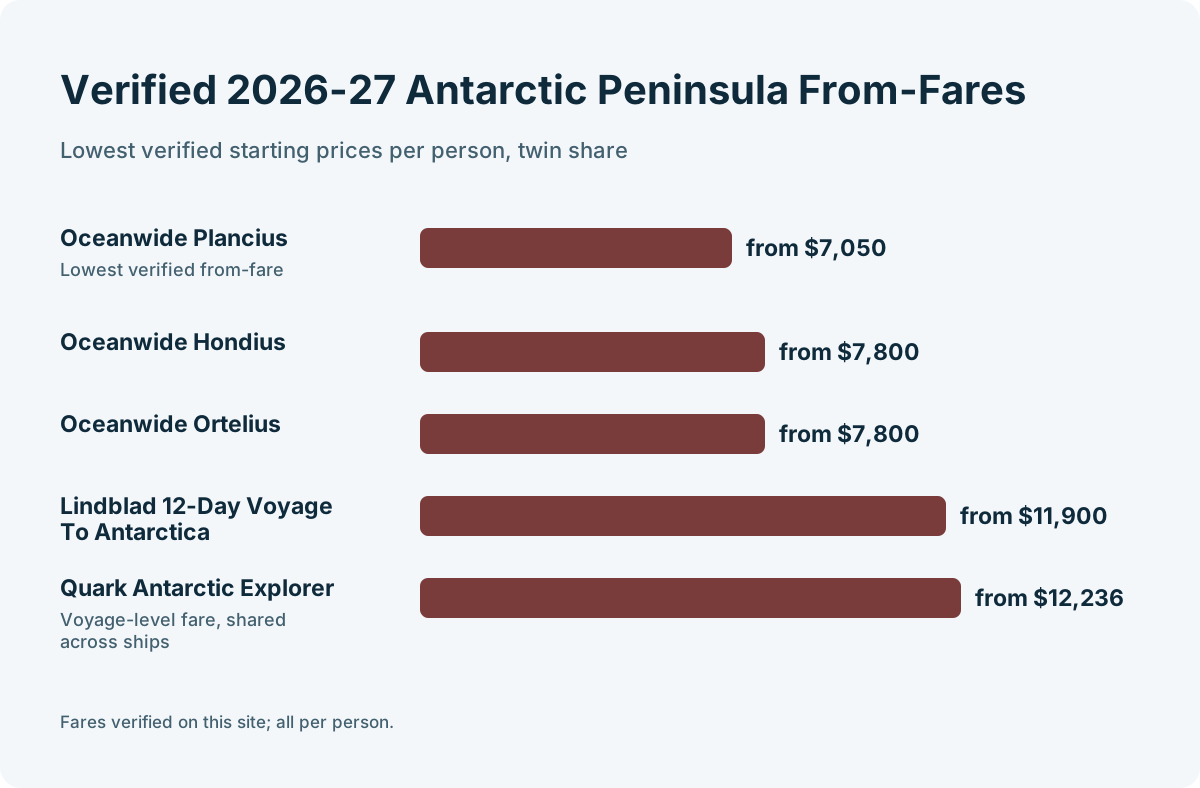
Antarctica pricing is better documented here because the expedition fleet is the roster itself. The lowest verified from-fares among 2026-27 Antarctic Peninsula voyages: Oceanwide's Plancius from $7,050 per person, Hondius and Ortelius from $7,800, Lindblad's 12-day Voyage to Antarctica from $11,900, and Quark's Antarctic Explorer from $12,236 per person, a voyage-level fare shared across Ultramarine, Ocean Explorer and World Voyager. A 2026 cost guide reports a realistic all-in budget of $12,000 to $25,000 per person for a 10 to 12 day mid-range Peninsula trip once flights, gear, tips and insurance are added.
| Cost line | Galapagos | Antarctic Peninsula |
|---|---|---|
| Park or entry fees | USD 200 entrance fee, USD 20 transit card | Operator handles Antarctic permits |
| Verified cruise from-fares | Not quoted; no verified figure | From $7,050 pp (Plancius) to $12,236 pp and up (Quark voyage-level) |
| Typical trip length at those fares | Varies; ask the specialist | 10 to 13 days classic Peninsula |
| Insurance | Recommended | Required by operators; evacuation minimums of $150,000 to $500,000 depending on line |
| Biggest hidden cost | Flights to the islands | Gateway flights, gear, and single supplements |
Two structural differences matter. First, Antarctic fares are typically per person in twin share, and single supplements run from 25 percent extra to double the rate, according to one specialist source, though some lines waive them on set cabins, so solo travellers should read the solo policies before comparing headlines. Second, compare Galapagos and Antarctic quotes per day as well as in total, because trip lengths differ and a headline fare alone can mislead. Our full Antarctica cruise cost breakdown covers cabins, months and inclusions line by line.
If the two options are close on paper for your budget, a free consultation on dates and fares will tell you quickly which of the two your actual budget supports, with no obligation attached.
What Wildlife Will You Actually See?
Galapagos delivers endemic species found nowhere else, marine iguanas, giant tortoises, flightless cormorants, watched at close range on land and in the water. Antarctica delivers spectacle-scale abundance: penguin colonies in the thousands, multiple whale species peaking in late summer, and seals on sea ice, all viewed from regulated distances.
The species lists barely overlap, which is a genuine comfort: choosing one does not duplicate the other. Galapagos is an endemism destination. The islands' isolation produced animals that exist nowhere else on Earth, and a cruise there is effectively a checklist of one-off species. The watching style is slow and close: you stand beside a nesting colony while a guide interprets behaviour happening a metre away, and you snorkel with animals that treat you as scenery.
Antarctica's roster is smaller in species count but larger in every other dimension. The Peninsula's pygoscelis penguins, gentoo, chinstrap and Adélie, move through a fixed annual cycle: courtship and nest-building in November, eggs in December, chicks hatching from late December into January, crèches and fledging through February and March. Whales increase through December and January and peak in February and March, with humpbacks the species most often reported. Six seal species occur in Antarctic waters, from Weddell seals on fast ice to leopard seals at the pack-ice edge. British Antarctic Survey work has recorded humpback, southern right, Antarctic blue and fin whales around South Georgia, where more than 30,000 whales visit in summer.
| Wildlife factor | Galapagos | Antarctic Peninsula |
|---|---|---|
| Signature species | Giant tortoises, marine iguanas, sea lions, boobies, flightless cormorant | Gentoo, chinstrap and Adélie penguins, humpback whales, leopard, Weddell and fur seals |
| Endemism | High; many species found nowhere else | Low; species are wide-ranging but concentrated |
| Viewing distance | Steps away on guided walks | At least 5 metres from wildlife on land or ice |
| In-water experience | Snorkelling is central | Polar plunge only; no wildlife swimming |
| Birdlife | Boobies, frigatebirds, finches, penguins (Galapagos penguin) | Albatrosses and petrels at sea; penguin colonies ashore |
| Best single month | Varies by nesting cycle | January for chicks; February to March for whales |
Photographers should note the practical difference. Galapagos rewards a short lens and patience: the animals are close and static. Antarctica rewards reach and readiness: a whale breach or a leopard seal on ice is a longer, faster moment, though penguin colonies fill a frame at any focal length. Either way, the wildlife style you picture yourself enjoying should carry real weight in this decision, more than any fare table.
How Do The Ships And The Rules Compare?
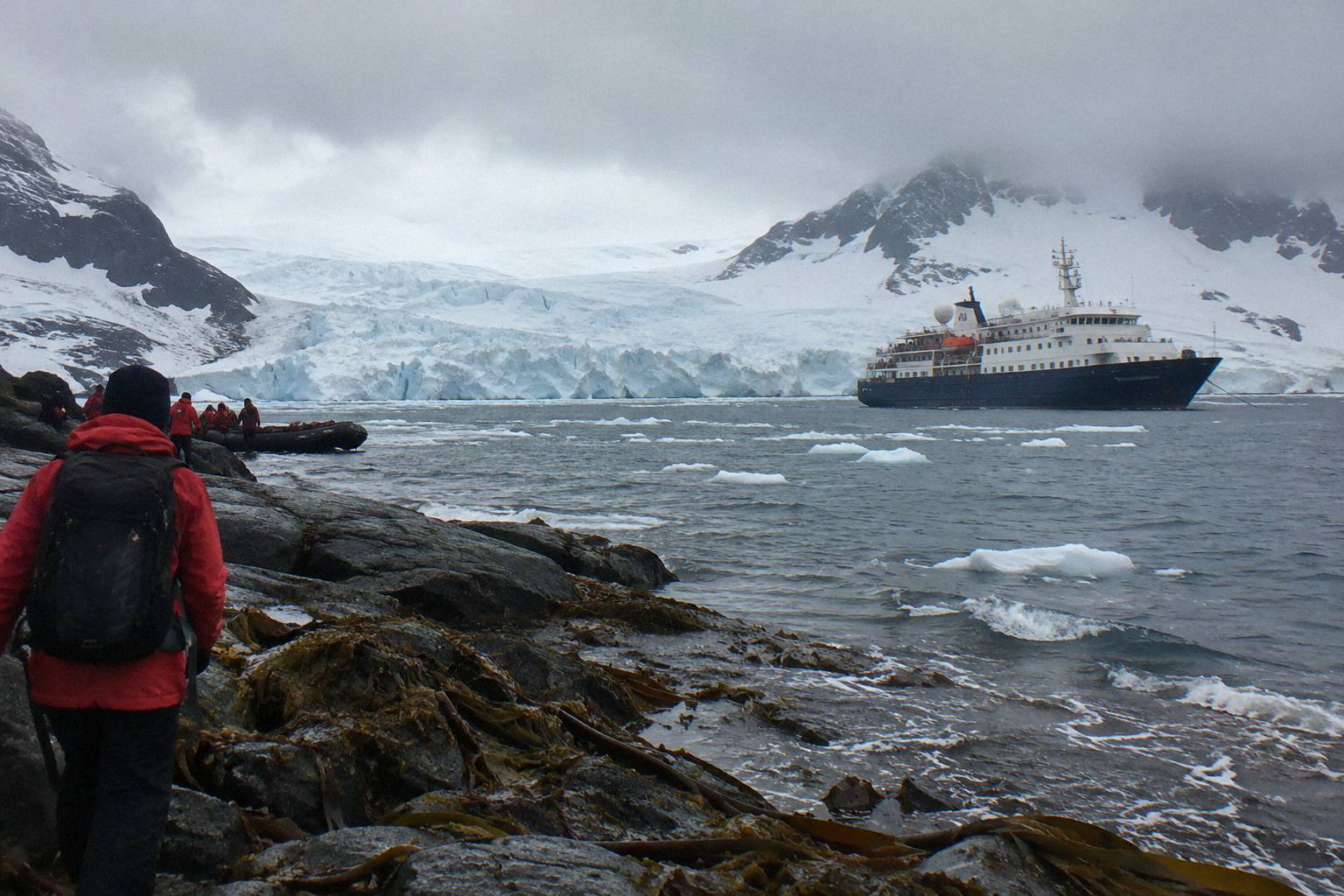
Both destinations are small-ship territories by regulation: Galapagos caps cruise ships at 100 passengers, while Antarctica allows expedition ships up to 500 passengers to make landings but limits any vessel to 100 passengers ashore at a time with a 1:20 guide ratio. Ship comfort and price tier, not just destination, set the experience in both places.
The regulatory parallels are striking. Ecuador caps Galapagos cruise vessels at 100 passengers, per Galapagos National Park regulation, which keeps every legal vessel small and forces rotation-free landings. Antarctica's IAATO framework produces a similar effect by a different route: vessels carrying more than 500 passengers cannot make landings at all, landing vessels put no more than 100 passengers ashore at any one site at any one time, and only one ship may visit a site at a time. Ships over 100 passengers rotate groups, which shortens each guest's time on land; ships at or under 100, or the smaller end of the expedition fleet, land everyone together.
On the Antarctic side, this is where ship choice becomes a real decision. The roster's three archetypes: Oceanwide's Hondius, a Polar Class 6 ship carrying 170 passengers in 80 cabins from $7,800 per person for 2026-27 Peninsula departures; Quark's Ultramarine, 199 passengers, ice class 1A+/PC6, with two twin-engine helicopters and 20 Zodiacs, from $12,236 per person on the voyage-level Antarctic Explorer fare; and Lindblad's National Geographic Endurance, 138 guests with a PC5 Category A hull, from $11,900 for the 12-day Voyage to Antarctica. You get more time ashore per landing day from the smaller vessels, more onboard comfort and hardware from the upper tier, and the guide ratios stay regulated across all of them.
| Ship | Class | Passengers | Ice class | From, per person | Voyage length | Departs from |
|---|---|---|---|---|---|---|
| HondiusOceanwide Expeditions | Small-Ship Budget | 170 | Polar Class 6 | from $7,800 | 11 to 19 days | Ushuaia |
| UltramarineQuark Expeditions | Upscale Expedition | 199 | 1A+, PC6 | from $12,236 | 12 to 14 days | Buenos Aires, Ushuaia |
| National Geographic EnduranceLindblad Expeditions (with National Geographic) | Standard Expedition | 138 | PC5 | from $11,900 | 12 to 22 days | Ushuaia |
The Galapagos comparison point is honest and simple: the 100-passenger cap means even the largest legal vessel there is smaller than most ships in this site's Antarctic roster, which runs from 80 to 378 passengers among ships that publish a figure. If small-ship intimacy is your top priority, Galapagos structurally guarantees it while Antarctica offers it only at the smaller end of the fleet. Our small-ship Antarctica cruise guide unpacks what ship size changes on the ice.
Choosing between a budget Antarctic vessel and an upscale one is exactly the kind of decision a free consultation is built for, since the honest answer depends on your dates, cabin needs and how much shipboard comfort matters to you.
Which Trip Suits Which Traveller?
Choose Galapagos if you want warm-weather intimacy, snorkelling, endemic species, shorter trips and flexible dates. Choose Antarctica if you want the seventh continent itself, penguin colonies at scale, whales, ice and the expedition format, and can travel November to March. Travellers who hate cold weather, rough seas or long itineraries should weight Galapagos heavily.
Some profiles decide themselves. If you snorkel and want to keep snorkelling, Galapagos is the only answer: there is no recreational wildlife swimming in Antarctica, and the polar plunge is a one-minute ritual, not an activity. If you have children, note that several Antarctic operators set minimum ages (Aurora 6, Lindblad 4 for Antarctica, Viking 18 and adults-only), so check the Galapagos operator's own age policy as well before you compare. If seasickness rules your travel planning, weigh the Drake Passage honestly: analysis of 2010 to 2025 crossings shows 55 percent of November to March crossings met 4 metre seas and 12 percent met 6 metre seas, and roughly two days each way at sea on a classic Peninsula voyage.
Conversely, some travellers will only be satisfied by Antarctica. If standing on the continent matters, if you want penguins in the thousands rather than a colony of dozens, if February whale density or the possibility of an Antarctic Circle crossing is the dream, Galapagos cannot substitute. And if the bucket-list framing is "continents visited" rather than "species photographed", the decision is made.
The undecided middle, and it is a large group, should test themselves on three questions. First: warm or cold? Galapagos is a warm-water trip; Peninsula summer temperatures run about -5°C to +5°C with wind chill below that on deck and in Zodiacs. Second: how long can you travel? A classic Antarctic voyage of 10 to 12 days plus gateway travel realistically needs about two weeks, so ask how long the Galapagos option you are weighing runs. Third: which failure would you regret more, missing the close-up animal encounters or missing the ice? Your honest answer to the third question is usually the real decision.
Can You Combine Antarctica And Galapagos In One Year?
Yes, and the calendars make it easier than it looks: Galapagos sails year-round, so you can take an Antarctic voyage in the November to March window and slot Galapagos into any other month. The constraint is budget and stamina, not scheduling, since two expedition-style cruises in twelve months is a serious outlay.
The sequencing logic is straightforward. Because Antarctica's window is fixed and short, book it first around your preferred month: November for snow and lower fares, December to January for chicks and peak daylight, February to March for whales. Then place Galapagos wherever the rest of your year has a gap, ideally not immediately adjacent, both because two back-to-back expensive trips are exhausting and because the Galapagos cool season (June to November) and the warm season are genuinely different experiences worth choosing between rather than defaulting on.
Geography tempts some travellers to chain them, since both start in South America. But combining them into one continuous journey adds long-haul fatigue, and the two trips reward different energies, the slow warmth of Galapagos versus the layered preparation of an expedition. Treating them as separate chapters is usually the easier plan.
Budget-wise, treat the combination as two full projects. The verified Galapagos fixed costs, USD 200 park fee and USD 20 transit card per person, sit on top of your cruise fare and international flights; the Antarctic side carries the fare, gateway flights, insurance with evacuation coverage, and gear. If both are genuinely in reach, do Antarctica in its season and Galapagos when it suits; if only one is, the sections above should have already pointed you.
How Do You Book Either One With Confidence?
For Galapagos, book through a specialist or the operator, register the transit card before you fly (it is validated at the mainland airport), budget the park fee, and keep the 100-passenger cap in mind. For Antarctica, book 12 or more months ahead for peak dates, verify insurance minimums early, and use a specialist consultation to match ship, month and cabin to your budget before committing a deposit.
On the Antarctic side, the booking mechanics matter more than most first-timers expect. Popular December and January departures on the better-known ships fill well in advance, deposits run from 20 percent (Oceanwide) to 25 percent (Quark) with final payment due 60 days (Oceanwide) to 150 days (Quark) before departure, and cancellation penalties escalate steeply toward departure. Insurance is not optional: operator evacuation minimums range from $150,000 (Lindblad) to $500,000 (Quark), with Oceanwide at $300,000 and Aurora and Ponant at $250,000. Sorting the insurance before deposit, not after, avoids discovering your existing policy falls short.
Ship choice deserves the same care. Within the small-ship budget tier, Hondius carries 170 guests in 80 cabins with a Polar Class 6 hull, from $7,800 per person, and its cabin ladder runs from quad portholes to a grand suite with private balcony, which is how a single vessel spans a wide budget range.
The upscale tier buys helicopters and hardware: Ultramarine's two Airbus H145 helicopters and internal Zodiac hangar, or National Geographic Endurance's PC5 hull and X-Bow, at from-fares of $12,236 and $11,900 respectively. Whether that premium is worth paying is a genuine personal question, and our is a nicer ship worth it analysis works through it without sales pressure.
Because Antarctic deposit rules are unforgiving, a consultation before you commit a deposit is the cheapest insurance there is. It is free, there is no obligation, and the hand-off, if you want one, is to a vetted expedition-cruise agency partner rather than to any booking button.
IAATO's own visitor guidance, published at iaato.org, is worth a read before any Antarctic booking, and the Galapagos park authority's fee schedule at galapagos.gob.ec is the authoritative word on the USD 200 entrance fee. Between those two official pages and the roster here, you have everything needed to compare the two trips on facts rather than brochures, which is exactly how a decision this expensive should be made. Cruises In Antarctica exists for the Antarctic half of that comparison; take the Galapagos half to a specialist in that archipelago.
Common Questions About Antarctica Vs Galapagos
Antarctica vs Galapagos: which is better for wildlife?
Neither is objectively better; they are different experiences. Galapagos offers endemic species at close range and snorkelling with marine life; Antarctica offers penguin colonies at scale, peak whale numbers in February and March, and ice scenery. If close encounters matter most, choose Galapagos; if spectacle and scale matter most, choose Antarctica.
Is Galapagos or Antarctica more expensive?
Antarctic Peninsula expedition fares on our roster start from $7,050 per person for a 10-plus day voyage, with a realistic all-in mid-range budget of $12,000 to $25,000 per person once flights, gear, tips and insurance are added. Galapagos cruise fares are not quoted here because no verified figure is available; the fixed extras are a USD 200 park fee and a USD 20 transit card per person.
Can you visit Galapagos and Antarctica in the same year?
Yes. Galapagos operates year-round, so you can take an Antarctic voyage inside the November to March window and fit Galapagos into any other month. The constraint is budget and energy rather than the calendar, since both are expensive, cruise-first trips.
Which trip is better if I get seasick?
Galapagos has no equivalent of the Drake Passage, though sea conditions vary by season (the warm season is described as calmer). Antarctic voyages from Ushuaia cross the Drake Passage, roughly two days each way, and analysis of 2010 to 2025 crossings found 55 percent of season crossings met 4 metre seas. Fly-cruise options that fly over the Drake exist at a premium.
Do Galapagos and Antarctica ships have passenger limits?
Yes. Galapagos National Park regulation caps cruise ships at 100 passengers. In Antarctica, vessels over 500 passengers cannot make landings, landing vessels are limited to 100 passengers ashore at a site at any one time, and a 1:20 guide ratio applies.
When is the best month to choose Antarctica over Galapagos?
Antarctica only runs its expedition season roughly November to March, so if your dates fall outside that window the choice is made for you. Within the season, November offers snow and lower fares, December to January penguin chicks and peak daylight, and February to March the strongest whale watching.
More Antarctica Versus Other Polar Trips
 Antarctica Vs ArcticSeasons, wildlife, cost and length compared, plus Svalbard, Greenland and the North Pole.Read the guide
 South Pole TripsHow tourists actually reach the South Pole: flights, ski expeditions, luxury camps, and what it all costs.Read the guide
 Sightseeing FlightsOverflights, day trips and fly-cruises that show you Antarctica without a full Drake Passage voyage.Read the guide
 Second Antarctica TripSouth Georgia, Snow Hill emperors, the Ross Sea and Circle crossings: route ideas for returning Antarctic travellers.Read the guide