Magellan Explorer Antarctica Cruise: Ship Review And Routes
 By Oleg G.
The Magellan Explorer is the ship that made fly-cruising to Antarctica a mainstream choice. This review covers the vessel, the air-cruise model that skips the Drake Passage, the routes it sails and what a berth costs.
Quick answer: The Magellan Explorer is Antarctica21's 88-guest fly-cruise expedition ship, built in 2019 with LR PC6 ice class. Guests fly about two hours from Punta Arenas to King George Island and board the ship there, skipping the two-day Drake Passage crossing each way. Its Classic Antarctica air-cruise runs 8 days from $13,795 per person.
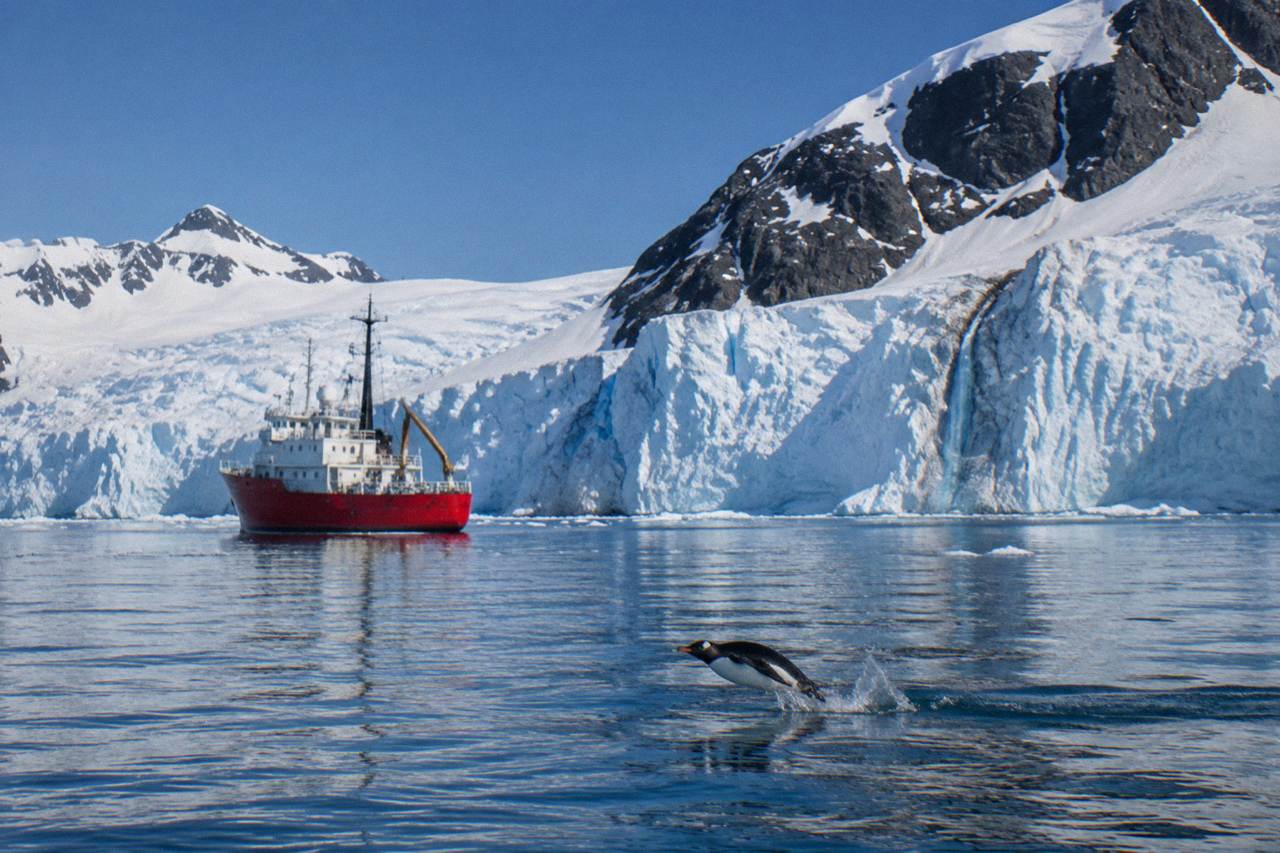
The Magellan Explorer occupies an unusual niche in Antarctic travel: it is one of the few expedition ships most guests never see cross open ocean. The vessel sits at the centre of Antarctica21's air-cruise model, in which you fly from Punta Arenas in southern Chile to King George Island in roughly two hours and start your Antarctic cruise already in the South Shetland Islands. For travellers short on time or wary of the Drake Passage, the expedition cruise this ship offers is often the first option they shortlist, and it deserves a close look before any money moves.
This review covers the ship itself, how the fly-cruise works day by day, what skipping the Drake actually means, the cabins and onboard life, the sister ship now sailing alongside her, and the fares and routes for the current season.
What Kind Of Ship Is The Magellan Explorer?
The Magellan Explorer is a purpose-built fly-cruise expedition ship delivered in 2019 for Antarctica21, carrying 88 guests on air-cruises and up to 96 on sea voyages, with LR PC6 ice class. She was designed from the keel up for the air-cruise model rather than converted from a research or navy vessel, which is rare in this fleet segment. Seven cabin categories run the length of the ship.
That design history matters more than it first appears. Most budget and mid-range expedition ships in Antarctica are conversions: the Oceanwide fleet's Plancius began life as a Dutch navy oceanographic vessel, and Ortelius was built in Gdynia in 1989 as a research ship. The Magellan Explorer was drawn as a passenger expedition vessel from the start, for an operator whose whole business is flying people to the ice rather than sailing them there. The roster lists her ice class as LR PC6, the same Polar Category 6 tier carried by much larger ships such as Silversea's Silver Endeavour and Quark's Ultramarine.
Her size is the other defining fact. At 88 guests on air-cruises she sits comfortably inside the IAATO landing rules, which cap passengers ashore from any vessel at 100 at a time and require a guide-to-visitor ratio of at least 1:20. A ship of this size can put everyone ashore in a single rotation at most sites, which is not true of the 200-plus-guest vessels further up the market. Antarctica21 schedules around 52 expeditions and roughly 3,300 passengers for the 2026-27 season, so the operation is small by design rather than by accident.
The headline numbers from the operator's ship page and this site's roster, in one place:
| Spec | Detail |
|---|---|
| Operator | Antarctica21 |
| Model | Fly-cruise expedition ship |
| Guests | 88 on air-cruises, up to 96 on sea voyages |
| Built | 2019 |
| Ice class | LR PC6 |
| Gateway | Punta Arenas |
| Boarding point | King George Island, South Shetland Islands |
| Core voyage | Classic Antarctica, 8 days |
| Starting fare | From $13,795 per person |
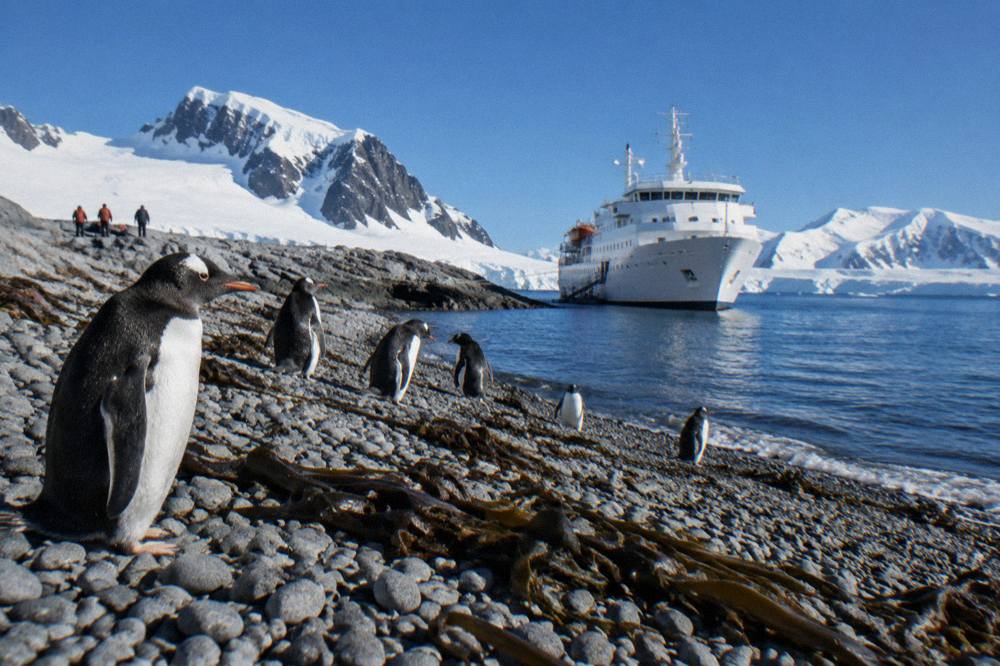
How Does The Fly-Cruise Model Actually Work?
You spend a mandatory night in Punta Arenas, fly about two hours by charter aircraft to King George Island, and board the Magellan Explorer there. The eight-day Classic Antarctica itinerary then spends its days on Zodiac landings and cruises around the South Shetlands and the western Peninsula, before you fly back to Punta Arenas on day eight. No leg of the voyage crosses the Drake Passage by sea.
The sequence is more regimented than a conventional cruise, and that is the trade-off at the heart of the product. Antarctica21's own journal explains the model plainly: the charter flight replaces roughly four days of open-ocean transit, the same two days each way that traditional expedition ships spend crossing the Drake. The day before the flight is not optional. Guests must be in Punta Arenas for a pre-flight briefing and gear check, and the operator requires the hotel night so that a delayed incoming flight does not strand you at the airport while your charter departs. Polar Latitudes, which runs a parallel fly-cruise program, asks guests to arrive by early afternoon the day before and caps checked baggage at 20 kilograms on the King George Island flight, a limit worth planning around.
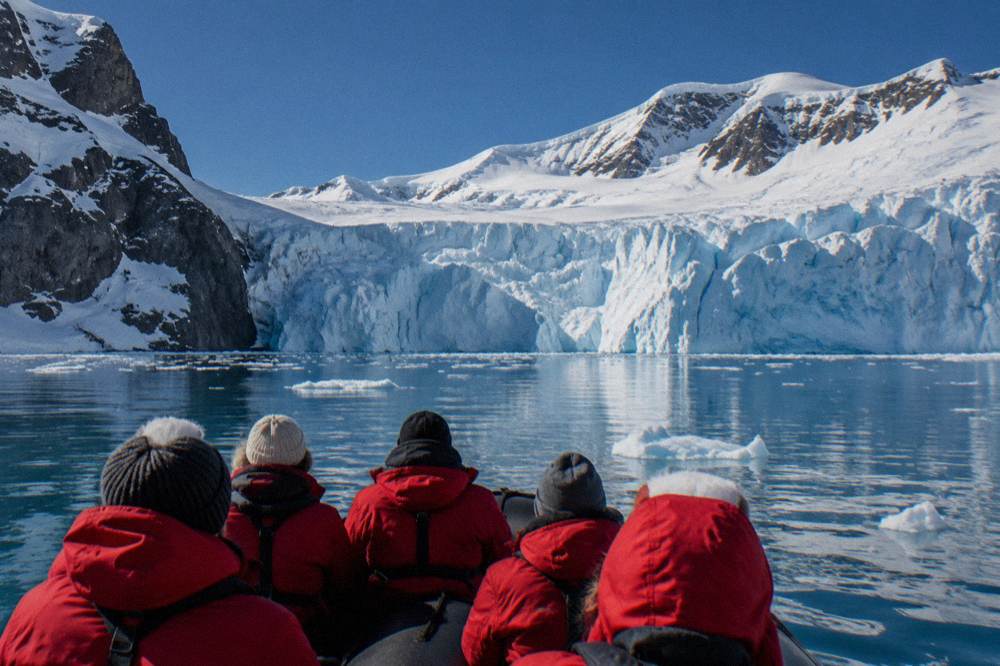
Once aboard, the rhythm changes completely. Days are spent on landings and Zodiac cruises, with the ship repositioning between sites overnight or during lunch. The classic Peninsula route allocates several days to the South Shetland Islands and the western Peninsula coastline, including well-known sites such as Half Moon Island, Neko Harbour and Port Lockroy, all of which carry current ATCM and IAATO site guidelines. Weather still rules: the flight to King George Island is weather-dependent at both ends, and the operator holds flexibility in the schedule for exactly that reason.
If the logistics of the Chilean gateway are new to you, the site's guide to Antarctica cruises from Punta Arenas covers the town, the airport and the pre-cruise night in more depth.
What Does Skipping The Drake Passage Really Mean?
Skipping the Drake saves about four days of transit and removes the open-ocean seasickness risk, but it costs more and shifts the weather risk from sea state to flying conditions. A sailing voyage spends roughly two days crossing each way; the air-cruise spends about two hours in the air each way. What you lose is the experience of the crossing itself, which many expedition travellers count as part of the journey.
The numbers are well documented. Quark's own comparison of flying versus sailing puts traditional crossings at 18 to 48 hours each way depending on conditions, against roughly two hours for the flight. One widely cited summary of the passage says calmer "Drake Lake" conditions occur around 70 percent of the time, with the rougher "Drake Shake" around 30 percent. The cruise this ship replaces is therefore not uniformly miserable, but the variance is real, and the fly-cruise removes it entirely.
The cost side is equally concrete. One 2026 cost comparison reports that fly-the-Drake options typically add roughly $2,000 to $5,000 over comparable sailing voyages, driven by the charter flights. Against a 10- or 11-day sailing itinerary, the eight-day air-cruise trades two sea days each way for that premium, which is why the decision usually comes down to time, budget and how you feel about open water. If you want the full picture on both sides of that choice, the site's fly or sail the Drake comparison works through it in detail, and the broader Drake Passage crossing guide covers what the sailing version is actually like.
Deciding between two days of open ocean and a weather-dependent charter flight is the single biggest fork in planning this trip, and it is worth getting right before you look at cabin categories. A free consultation on fly versus sail can pressure-test that choice against your dates and your tolerance for rough water, at no cost.
What Are The Cabins And Onboard Life Like?
The Magellan Explorer carries 88 guests across seven cabin categories, from porthole rooms to suites with private balconies, all built around a single dining room, an observation deck and a fleet of Zodiacs for daily landings. The ship is deliberately unglamorous compared with the luxury lines: the pitch is time ashore and a small-ship atmosphere, not a spa resort.
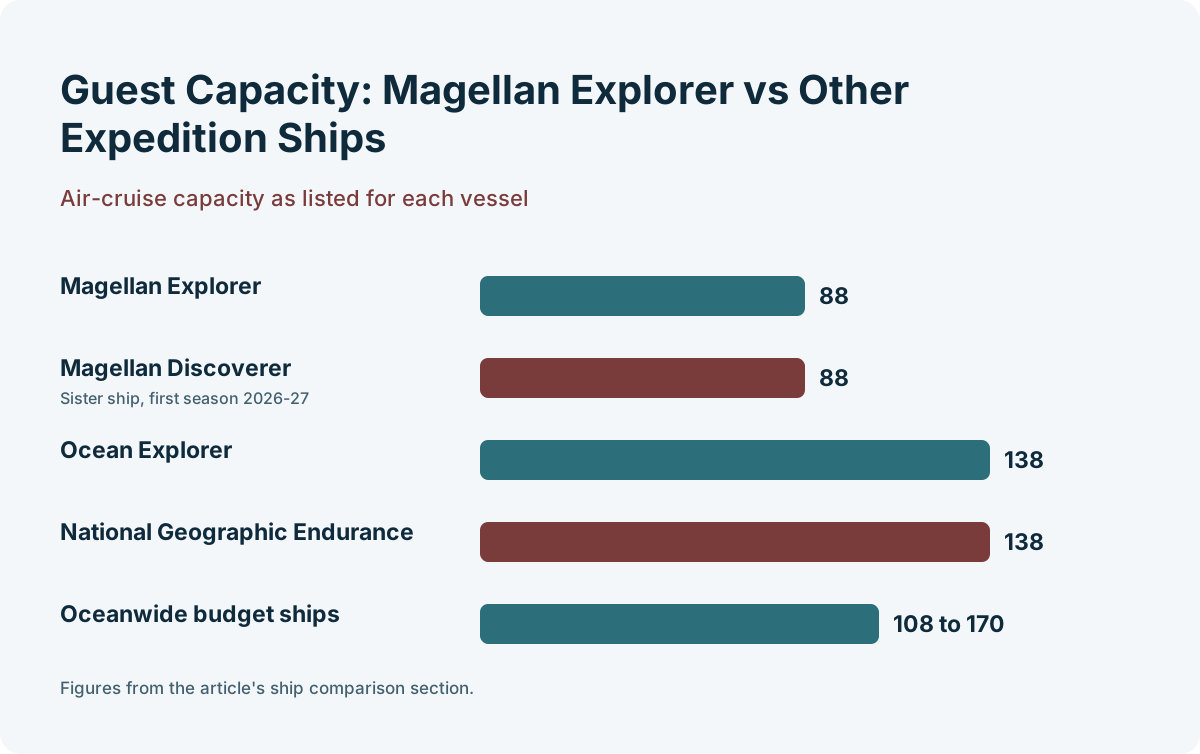
Antarctica21's ship page is the source for the cabin spread, and the roster carries the same figure: seven categories, with the air-cruise capacity set at 88 guests. That is a small complement even by expedition standards. Quark's Ocean Explorer carries 138, Lindblad's National Geographic Endurance carries 138, and the Oceanwide budget ships carry 108 to 170. The practical effect is felt twice a day: everyone eats in one sitting, the expedition team knows your name within a day, and the muster for landings is a five-minute affair rather than a staged rotation.
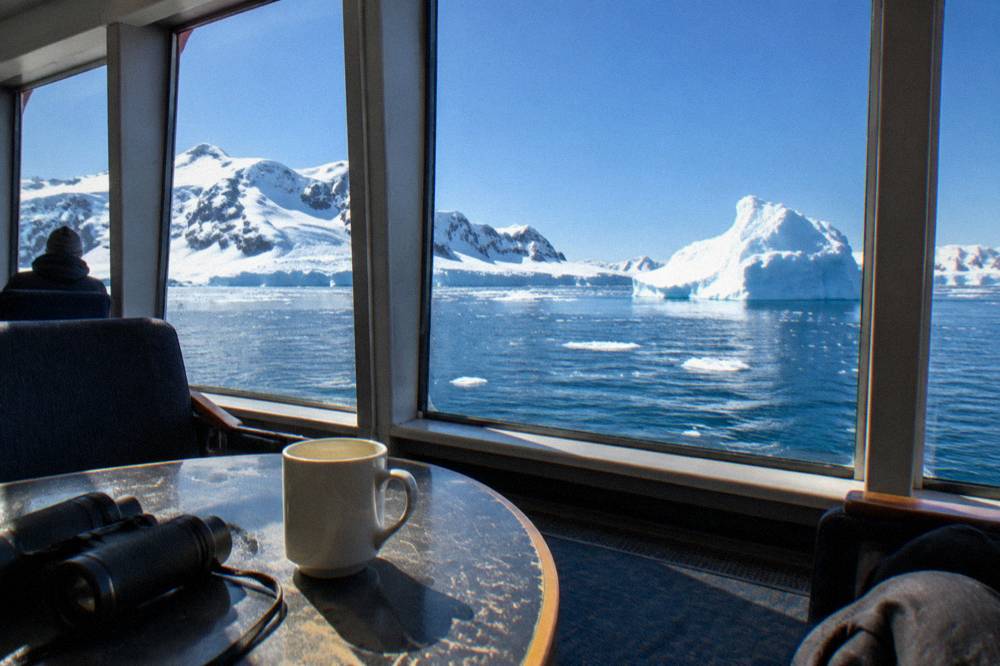
Onboard life follows the standard expedition pattern. Lectures and recaps fill the transit hours between sites, the observation areas do the heavy lifting for scenery, and the kayaking program the operator lists among the ship's features gives a small daily quota of paddlers a water-level view. There is no casino and no theatre; the product being sold is the landing program, and the ship is the base camp. For a fuller sense of how this style of expedition cruise compares with the larger, softer ships in the market, the site's Antarctica cruise ships guide sorts the whole fleet by size and class.
Magellan Explorer Or Magellan Discoverer: Which Sister Ship?
The Magellan Discoverer is the newer sister ship, built in Chile with PC6 ice class and the same 88-guest capacity, sailing her first Antarctic season in 2026-27 with a maiden voyage scheduled for December 15, 2026. She replaces the chartered Ocean Nova in the Antarctica21 fleet and adds a dedicated science lab. On paper the two ships are near-identical in size and role; in practice the choice comes down to departure date and price.
The Discoverer is the biggest change to this operator in years. Industry reporting confirms she was built by ASENAV in Chile as a sister to the Magellan Explorer, entered service for the 2026-27 season, and took over the itineraries previously sailed by the chartered Ocean Nova. Both ships run the same Punta Arenas air-cruise model with roughly two-hour flights to King George Island, and both carry the same 88-guest air-cruise capacity per the roster.
The roster lists both ships from $13,795 per person for the Classic Antarctica air-cruise, so the fare floor does not separate them. What might: the Discoverer's science lab, her newer hardware, and the simple fact that her early departures are her first ever, which some travellers will read as novelty and others as teething risk. Neither reading is wrong; the honest answer is that the operator's schedule, not the ship, will decide most bookings.
| Ship | Class | Passengers | Ice class | From, per person | Voyage length | Departs from |
|---|---|---|---|---|---|---|
| Magellan ExplorerAntarctica21 | Fly-Cruise | 96 (88 in Antarctica) | LR PC6 | from $13,795 | 8 days | Punta Arenas (fly) to King George Island |
| Magellan DiscovererAntarctica21 | Fly-Cruise | 88 | PC6 | from $13,795 | – | Punta Arenas (fly) to King George Island |
| World NavigatorAtlas Ocean Voyages | Upscale Expedition | – | Ice Class 1B, Polar Category C | from $12,150 | 10 to 12 days | Ushuaia, Buenos Aires |
How Does She Compare With A Sailing Expedition Ship?
Against a conventional sailing ship such as Atlas Ocean Voyages' World Navigator, the Magellan Explorer offers fewer guests, no sea days and a shorter itinerary, while the World Navigator offers a lower fare floor, a bigger ship and the full Drake crossing. The World Navigator's Antarctic departures start from $12,150 per person for 10- to 12-day voyages from Ushuaia, against the air-cruise's $13,795 for eight days.
The comparison is instructive because the two ships sit in the same broad price band but sell different trips. The World Navigator carries 196 guests on yacht-style voyages from Ushuaia, with the roster showing nine Antarctic departures in the 2026-27 season. Her guests spend about two days crossing the Drake each way and pay less for the privilege, in an upscale-expedition cabin with the fleet's Ice Class 1B hull.
The Magellan Explorer's guests pay more, get three fewer days, and start landing on day two. Which of those is the better expedition cruise depends entirely on the traveller. Time-poor professionals and nervous sailors tend toward the air-cruise; travellers who want maximum days in the region per dollar, and who do not fear the crossing, tend toward the sailing ships. The table below puts the headline numbers side by side.
| Magellan Explorer | World Navigator | |
|---|---|---|
| Operator | Antarctica21 | Atlas Ocean Voyages |
| Model | Fly-cruise, air both ways | Sailing voyage from Ushuaia |
| Guests | 88 on air-cruises | 196 |
| Gateway | Punta Arenas | Ushuaia |
| Voyage length | 8 days | 10 or 12 days |
| Drake crossing | None, about 2-hour flights each way | Roughly two days each way by sea |
| Ice class | LR PC6 | Ice Class 1B, Polar Category C |
| Starting fare | From $13,795 per person | From $12,150 per person |
What Routes And Itineraries Does The Ship Sail?
The core route is the eight-day Classic Antarctica air-cruise: Punta Arenas to King George Island by air, then several days of landings across the South Shetland Islands and the western Antarctic Peninsula, returning by air. The roster lists voyage days of 8 for the ship, all on the fly-cruise pattern, with landings concentrated in the most accessible site cluster in Antarctica.
The landing geography is worth understanding. Roughly 98 percent of Antarctic tourism voyages occur in the Peninsula region during the austral summer, and the air-cruise sits squarely in the most visited corner of it. Sites such as Half Moon Island, Whalers Bay and Baily Head on Deception Island, Neko Harbour and Port Lockroy all carry current site-specific visitor guidelines under ATCM Resolution 3 (2026), which sets approach distances, boundaries and capacities for frequently visited locations. IAATO's coordination rules mean only one vessel visits a site at a time, so even in the busy heart of the season a landing feels contained rather than crowded.
The season runs from mid-October or November through early March, matching the wider Peninsula window. Wildlife timing follows the same calendar as everywhere else in the region: courting penguins and peak snowscapes early, chicks hatching from mid-December, whale sightings building from mid-January, and February to March favouring whale watching and photography. The eight-day format samples all of this rather than specialising in any of it; travellers who want emperor penguins or the Antarctic Circle need different itineraries entirely, usually longer ones.
What Does A Magellan Explorer Cruise Cost?
The Classic Antarctica air-cruise starts from $13,795 per person for eight days, per the ship page card, with the sister Magellan Discoverer listed at the same starting figure. That fare covers the charter flights and the voyage; it does not cover Punta Arenas hotels, some gear, insurance or tips, and the baggage limit on the charter flight is strict.
Breaking the fare down honestly matters here, because the headline number hides several add-ons. The pre-flight hotel night in Punta Arenas is mandatory. Travel insurance with medical evacuation cover is required or recommended by most operators and is not included in base fares, so check the cover minimums in your operator's booking terms before buying a policy. One polar travel guide puts typical gratuities at $15 to $25 per person per day unless the line prepays them. Gear is partially handled, with most expedition operators providing a parka and loaning waterproof boots, but the 20-kilogram checked baggage limit on the King George Island flight, as documented for the parallel Polar Latitudes program, forces hard choices if you are bringing your own serious kit.
| Budget item | In the fare? | Planning note |
|---|---|---|
| Charter flights Punta Arenas to King George Island | Yes | Included in the air-cruise package |
| Voyage with landings and Zodiac cruises | Yes | 8 days, 88 guests |
| Pre-flight hotel night in Punta Arenas | No | Mandatory, book the night before the flight |
| Travel insurance with medical evacuation | No | Required or recommended by most operators, check the operator's minimums |
| Gratuities | Usually not | Roughly $15-25 per person per day unless prepaid |
| Parka and waterproof boots | Often provided | Parka often to keep, boots usually loaned, confirm with the operator |
| Checked baggage on the charter flight | Limit applies | 20 kg documented on a parallel fly-cruise program |
For context, one 2026 cost guide puts the realistic all-in budget for a 10- to 12-day mid-range Peninsula trip, fare plus flights plus gear plus tips plus insurance, at $12,000 to $25,000 per person. An eight-day air-cruise from $13,795 sits inside that band once the international flights to Chile are added. Early-booking offers across the 2026-27 and 2027-28 seasons commonly reach 10 to 30 percent off according to operator calendars, and last-minute discounts exist but are limited in cabin choice and rare for peak December sailings, which book furthest ahead.
If you are weighing whether the premium over a sailing voyage is worth it for your dates, compare air-cruise fares and departure dates with a free consultation before committing.
Who Is The Magellan Explorer Right For?
The ship suits time-poor travellers, cautious sailors and anyone who wants maximum landing days per week away, at a premium of a few thousand dollars over a sailing voyage. It does not suit travellers chasing the lowest fare per day, those who want the crossing as an experience, or anyone whose schedule cannot absorb a weather-delayed charter flight.
The first group is obvious. An eight-day trip that delivers five or six landing days is the most efficient use of a single week of leave anywhere in Antarctic travel. The second group is just as real: the Drake's rough-passage statistics are mild for most crossings, but a traveller who dreads open water can buy the whole region without ever facing it. The air-cruise also fits older travellers and families with school-age children unusually well, and the site's Antarctica cruise guide for seniors covers that case in depth.
The honest counter-argument is the trip it deletes. Plenty of returning expedition travellers describe the Drake crossing as the passage that makes arrival mean something, with albatross off the stern and two days to slow down. If that appeals, the same money buys a longer sailing voyage with more total days in the region. And the flight cuts both ways: it removes sea risk but introduces flight risk, and a weather hold at King George Island can compress the itinerary at either end. Neither product is better; they are different trips wearing the same destination.

How Do You Book And Prepare For The Voyage?
Bookings run through Antarctica21 and its sales partners, with the mandatory Punta Arenas hotel night, gear checks and a strict baggage limit built into the pre-departure process. US citizens need no visa for Chile for stays up to 90 days, and Argentina requires none either if you route through Buenos Aires on the way south.
The practical preparation is lighter than most travellers expect. The operator's gear check and biosecurity briefing the day before the flight cover the Antarctic side: IAATO rules require boots and equipment to be carefully washed before you bring them south, and again between landing sites. Clothing is the other half; the site's Antarctica packing list covers layering, boots and the items the ship supplies.
Getting to Punta Arenas is the remaining logistics problem. Most US travellers fly to Santiago and connect south, and the site's Punta Arenas gateway guide covers the routing. Build a buffer night into the Chilean side of the trip: the whole air-cruise model depends on you being in Punta Arenas on time, and the operator already requires the pre-flight night for exactly that reason. On the Cruises In Antarctica site, the standing advice is to treat the gateway arrival as the first day of the expedition, not the travel to it.
Common Questions About The Magellan Explorer
How Many Passengers Does The Magellan Explorer Carry?
The ship carries 88 guests on air-cruises and up to 96 on sea voyages, per the operator's ship page. That capacity keeps every landing inside the IAATO limit of 100 passengers ashore at a time and allows a single landing rotation at most sites.
How Much Does A Magellan Explorer Antarctica Cruise Cost?
The Classic Antarctica air-cruise starts from $13,795 per person for eight days, per the ship page card. The sister ship Magellan Discoverer is listed at the same starting figure. Add the mandatory Punta Arenas hotel night, insurance with medical evacuation cover, tips and your international flights to the budget.
Does The Magellan Explorer Cross The Drake Passage?
No. Guests fly about two hours by charter aircraft from Punta Arenas to King George Island and board the ship there, so no leg of the voyage crosses the Drake by sea. A traditional sailing voyage spends roughly two days crossing each way, which is the time the air-cruise saves.
What Is The Difference Between The Magellan Explorer And The Magellan Discoverer?
The Discoverer is the newer sister ship, built in Chile with PC6 ice class, the same 88-guest capacity and a dedicated science lab, sailing her first Antarctic season in 2026-27. The Explorer was delivered in 2019 and is the proven original. Both are listed from $13,795 per person, so departure date and availability usually decide.
When Is The Best Time To Sail On The Magellan Explorer?
The air-cruise season runs from November through early March. November offers courting penguins and pristine snow, December and January bring hatching chicks, and February to March peak for whale sightings. No month is meaningfully calmer for the Drake, and the air-cruise avoids the question entirely.
Is The Magellan Explorer A Luxury Ship?
No. The ship is a comfortable, purpose-built expedition vessel with seven cabin categories including balcony suites, but the product is built around landings rather than onboard luxury. Ponant, Silversea and Seabourn occupy the true luxury tier at roughly double the fare.