Can A Normal Person Go To Antarctica?
 By Oleg G.
No expedition experience, no mountaineering course, no permit you apply for yourself. The short answer is yes, and roughly 85,000 people landed on the continent last season. The real filter is the fare, not your résumé.
Can A Normal Person Go To Antarctica?
Yes. A standard Antarctic Peninsula cruise is designed for ordinary travellers, not explorers: no special training, no fitness test, no visa for most Western passport holders, and no permit you apply for yourself. IAATO recorded 85,195 landed visitors in the 2025-26 season. The genuine barrier is money, with entry fares from about $7,800 per person.
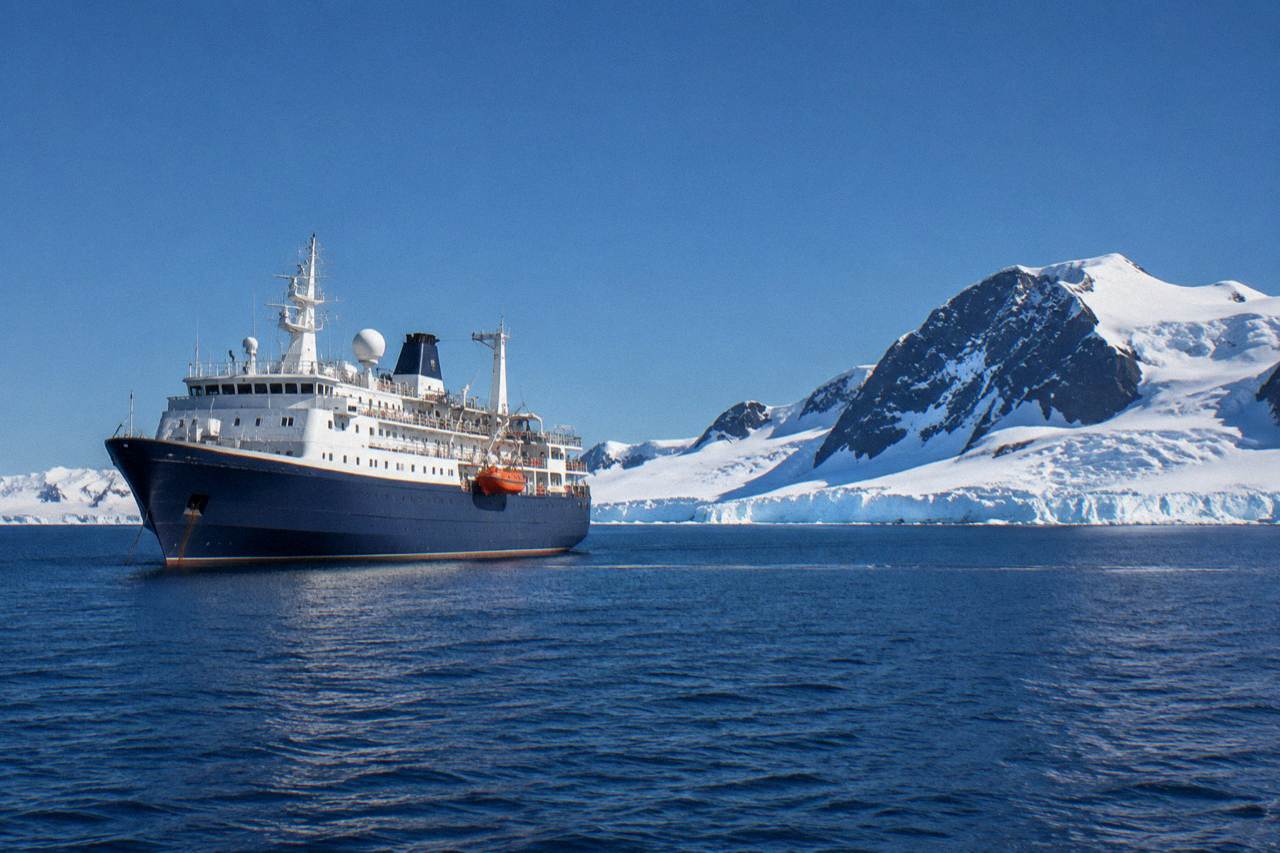
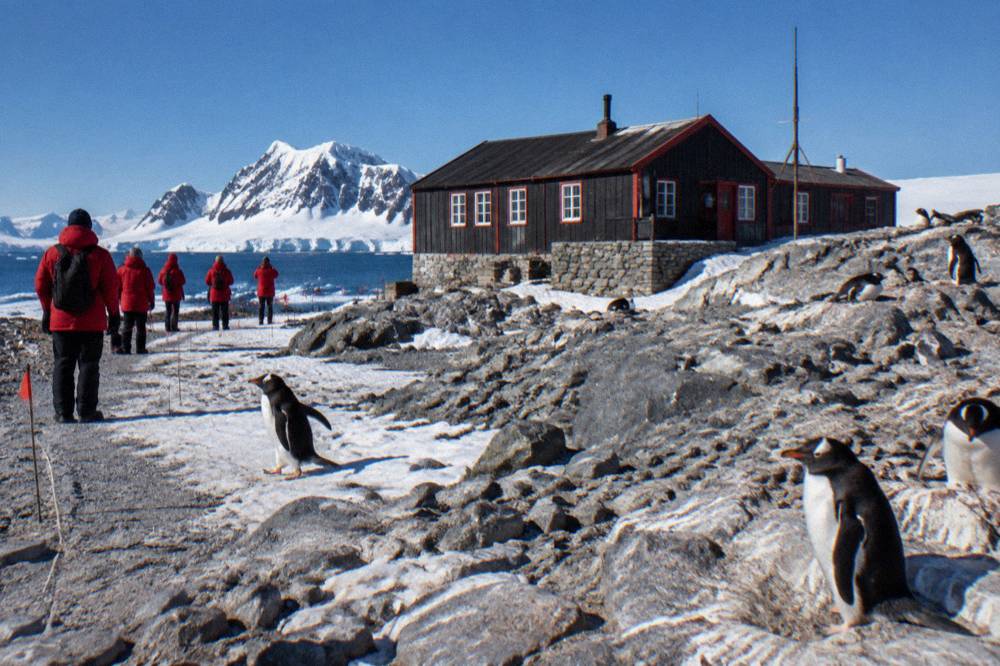
The image of Antarctica as an explorer-only destination comes from a century of expedition history, from Shackleton and Scott, and it is decades out of date. The modern version of an Antarctica trip is an expedition cruise: a small ship, a warm cabin, three meals a day, and a daily choice between a guided Zodiac ride and a shore landing with a naturalist. You walk off the ship onto a beach, stand a respectful distance from a penguin colony, and walk back. That is the experience the overwhelming majority of visitors have.
The scale of ordinary tourism is the clearest evidence. IAATO, the industry body that coordinates Antarctic tour operations, counted 113,518 total visitors in the 2025-26 season, of whom 85,195 actually stepped ashore. The Antarctic Treaty System's own tourism page notes that approximately 98 percent of all tourism voyages occur in the Antarctic Peninsula during the austral summer. These are not scientists and mountaineers. They are retirees, honeymooners, photographers and families, booked on commercial vessels out of Ushuaia and Punta Arenas.
That said, "normal" still needs defining. There are three honest filters between you and the continent: physical demands that are milder than most people fear, a price tag that is higher than most people expect, and a two-day ocean crossing that some travellers would rather skip. The rest of this article works through each one with real numbers, then looks at the ships that suit a first-time visitor, including Cruises In Antarctica as a starting point for comparing every operator side by side.
Do You Need Special Training Or Expedition Experience?
No. Operators do not require climbing, kayaking or cold-weather experience for a standard Peninsula voyage, and landings are walks, not treks. The rules that govern a landing are set by IAATO and the Antarctic Treaty System, and none of them test your skill. They test the operator's conduct.
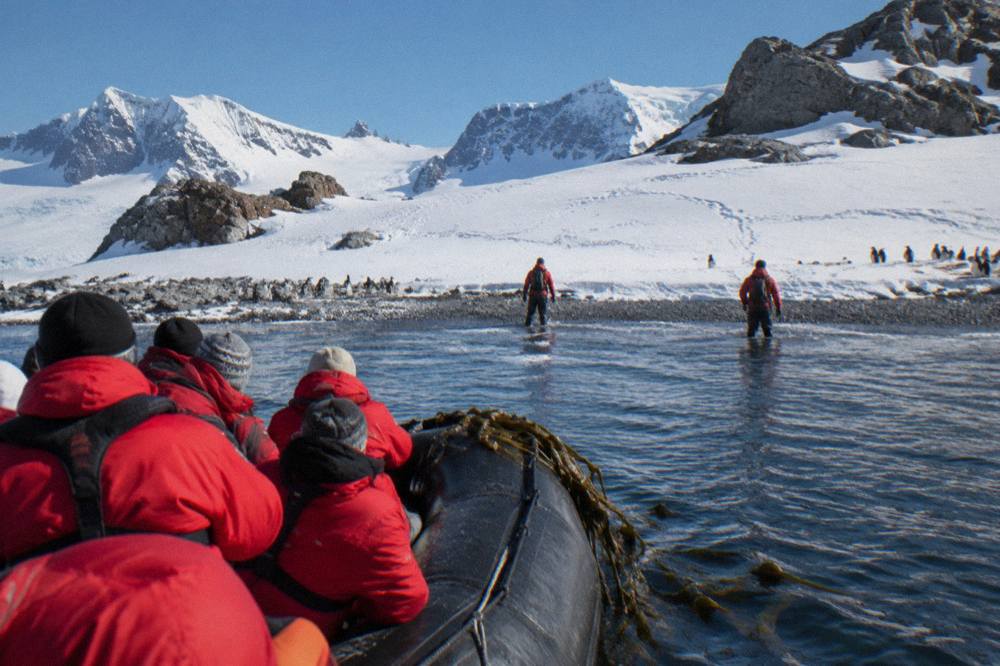
A landing works like this. The ship anchors off a site, passengers are brought ashore in groups of no more than 100 at a time, per IAATO's visitor guidelines, with a guide-to-visitor ratio of at least 1:20. You step from a Zodiac onto a beach, often with a crew member steadying the bow, and you stay within a flagged route. The terrain is usually gentle: pebble beaches, shallow snow slopes, packed paths. You keep at least 5 metres from wildlife, you do not sit or kneel on the ground in wildlife areas under current biosecurity protocols, and you return to the Zodiac when your group is called.
Nothing in that sequence requires training. The only physical moments that catch people out are the Zodiac transfer itself, stepping from a moving boat onto a rocky shore, and walking on uneven, sometimes slippery ground. Crew assist with both, and expedition teams run a mandatory briefing on the first day that covers exactly this. If you can board a small boat from a dock and walk a mile on a rutted trail, you meet the physical bar for a classic Peninsula itinerary.
Where experience does matter is on the specialist voyages. Camping, kayaking, mountaineering and ski touring are offered as optional activities on many ships, and those carry their own sign-ups, gear checks and, in some cases, prior-experience requirements. Snow Hill emperor penguin voyages, which use helicopters to reach the rookery, have their own conditions. But these are add-ons on top of the standard cruise, never prerequisites for booking the voyage itself.
What Fitness And Mobility Do Antarctic Landings Require?
A moderate level of everyday mobility is enough. You need to climb a short gangway or boarding steps, step into and out of a Zodiac with assistance, and walk half a mile or so over uneven beach and snow. Operators do not publish a fitness minimum, and travellers with limited mobility do sail, but the Zodiac step is the one fixed physical demand.
The honest breakdown is that the ship is fully accessible comfort, and the landing is the variable part. On board, an expedition cruise is a hotel: lifts between decks, handrails, warm public rooms. Ashore, there is no pier and no ramp. Every landing goes through a Zodiac, and that means one brief moment of balance on every outing. Expedition crews are practised at this and physically assist guests who ask, but you cannot avoid the step entirely on a voyage that includes landings.
One thing worth knowing before you book is that not every voyage includes the same amount of time off the ship. Vessels carrying more than 500 fare-paying passengers are prohibited from making landings in Antarctica under the visitor guidelines adopted through the Antarctic Treaty System, which is why every ship on our roster is small, from the 90-guest Ushuaia up to the 490-guest HX vessels. If landing matters to you, the cruise you choose has to be a small-ship expedition cruise, and that choice is worth making deliberately.
| Demand | What it actually involves | Who it filters out |
|---|---|---|
| Zodiac boarding | One step from ship platform into boat, one step out onto shore, crew assisting | Travellers who cannot transfer without full physical support |
| Walking ashore | 200 metres to a mile on pebbles, snow or soft ground, at your own pace | Almost nobody; you can stay near the landing point |
| Cold exposure | Wind chill near freezing, 1-3 hours per landing | Nobody with proper layers; gear guidance is provided |
| Sea state | Swell on the crossing, stabilisers on most modern ships | Travellers with severe motion sickness who cannot medicate |
| Altitude, climbing, swimming | None on a standard Peninsula itinerary | Nobody |
If you are weighing a specific ship against your own mobility, a free consultation on ship and cabin fit is the fastest way to check it, because cabin location, Zodiac procedure and activity options vary between operators.
Is Cost The Real Barrier For Ordinary Travellers?
Yes. Money, not ability, is the filter. Entry-level berths on Drake-crossing Peninsula voyages begin at roughly $7,500 to $8,995 per person in shared twin or triple cabins, and a realistic all-in budget for a mid-range trip, fare plus flights, gear, tips and insurance, runs $12,000 to $25,000 per person.
The fare itself is the biggest line. Among the ships compared here, the lowest published Peninsula fares for the 2026-27 season start at $7,050 per person on Plancius, an Oceanwide Expeditions vessel, with its fleetmates Hondius and Ortelius listing from $7,800. Mainstream expedition lines publish cheapest fares in the $9,000 to $12,000 range, according to one 2026 cost survey, and luxury operators sit well above that. Viking's published 2026-27 pricing, for comparison, included a 13-day Antarctic Explorer from $14,999.
What the base fare covers varies by operator, and this is where the real budget planning happens. Most expedition operators provide a complimentary parka, often yours to keep, and loan waterproof boots, so you are not buying a full polar wardrobe. Lindblad bundles a pre-cruise Buenos Aires hotel, the charter flight to Ushuaia, alcoholic beverages, prepaid gratuities and an expedition jacket into its fares. Other lines leave flights, hotels and tips separate. Gratuities average around $16 per person per day where they are not prepaid.
| Budget tier | Fare range per person | What it looks like |
|---|---|---|
| Entry expedition | $7,050-$9,000 | Shared or triple cabin, Drake crossing both ways, 10-13 days, small older ships |
| Mainstream expedition | $9,000-$12,000 | Twin cabin with window or balcony, newer ships, activity options |
| Fly-cruise | From $13,795 | Charter flight over the Drake, 8 days, 88-100 guests |
| Luxury | $18,700 and up | Suites, included drinks and gratuities, Ponant, Silversea, Seabourn tier |
Two costs outside the fare surprise people. Travel insurance with medical evacuation cover is required or strongly recommended by most operators, it is never in the base fare, and the major lines set high minimum evacuation coverage, with proof often required before departure or at check-in. And fly-the-Drake options typically add $2,000 to $5,000 over a comparable sailing voyage because of the charter flight. For a fuller breakdown, our Antarctica cruise cost guide works through every line item, and how to find a cheap Antarctica cruise covers the entry tier in detail.
Do You Need Visas, Permits Or Special Paperwork?
No personal permit and, for US citizens, no visa. Antarctica itself has no immigration; you clear Argentina or Chile on the way. US passport holders enter both countries visa-free for up to 90 days. The environmental paperwork for an Antarctic voyage is the operator's legal obligation, filed with the EPA, not yours.
The gateway country is where the formalities live. US citizens enter Argentina for tourism without a visa for stays up to 90 days, and the same 90-day visa-free rule applies to Chile, per the US State Department's country information. There is no Antarctica visa because there is no Antarctic government to issue one. Your passport, your operator's booking, and your insurance certificate are the documents that matter.
The Antarctic-specific paperwork surprises people. Under US law, tour operators running expeditions to Antarctica are required to submit environmental documentation to the Environmental Protection Agency before operating. That filing is the operator's responsibility, and every legitimate operator on our roster makes it. You will also complete a biosecurity declaration, confirming you will wash boots and clean all equipment, clothing, bags, tripods and walking sticks before bringing them to Antarctica and between sites. It is a form, not a test.
One recent change: Argentina formally requires health and medical coverage, including evacuation, for foreign visitors as of a 2025 rule update, which lines up neatly with the operator insurance minimums above. Our guide on Antarctica travel insurance covers what a compliant policy looks like, and if you hold a non-US passport, the entry rules for Argentina and Chile are worth a check, which our piece on US citizens, visas and Ushuaia covers for American readers.
What About The Drake Passage Crossing?
The Drake Passage takes roughly two days each way by ship, 18 to 48 hours depending on conditions, and it is the part of the trip most normal travellers worry about most. About 70 percent of crossings are the calm "Drake Lake", around 30 percent are rougher, and a fly-cruise skips the passage entirely with a two-hour charter flight.
The crossing is a genuine ocean passage, the open stretch of Southern Ocean between Cape Horn and the South Shetland Islands, and it is the reason an Antarctic Peninsula itinerary takes 10 to 12 days rather than 5. Typical swells average 3 to 5 metres, and severe conditions have been documented far higher. Modern expedition ships mitigate this with fin stabilisers, X-BOW hulls and weather routing, but no ship cancels the ocean. If you are prone to motion sickness, medicate: the standard advice is to start before the crossing, not after dinner goes wrong.
The alternative is real and well established. Fly-cruise operators run a roughly two-hour charter flight from Punta Arenas to King George Island, where you board the ship already in the South Shetlands, eliminating up to four days of sea transit. Antarctica21 has run this air-cruise model since 2003. The trade-offs are a strict 20 kg checked baggage limit on the charter flight, a mandatory pre-flight overnight in Punta Arenas, and weather dependency in both directions: the same storms that make the Drake rough can delay your flight.
There is also a middle path. Sail-and-fly hybrids cross the Drake by ship one way and fly the other, halving your open-ocean exposure while keeping the classic experience on one leg. Whether the crossing is a rite of passage you want or two days you would rather skip is a genuinely personal call, and it changes which cruise and which gateway city you book. Our Drake Passage crossing guide and the fly the Drake comparison lay out both sides.
Which Ships Suit A First-Time Visitor?
Three ships illustrate the three sensible entry points. Hondius offers the lowest tracked fare from $7,800 with 170 guests, National Geographic Endurance adds a premium bundled product from $11,900 with 138 guests, and Magellan Explorer runs fly-cruise air-cruises from $13,795 with 88 guests and no Drake crossing at all.
Hondius, an Oceanwide Expeditions vessel sailing from Ushuaia, is the closest thing to a default answer for a normal traveller on a normal budget. Built in 2019, it was the first ship in the world registered to Polar Class 6, in the operator's own wording, and it carries 170 passengers in 80 cabins on 11, 13 and 19-day voyages. Peninsula departures list from $7,800 per person, the entry tier of the market, and the ship runs the classic Drake-crossing itinerary that defines the standard Antarctica cruise. Our full Hondius guide covers cabins and season detail.
National Geographic Endurance represents the step-up choice. Lindblad's 138-guest vessel, built 2021 with a Polar Code PC5 category A hull and a patented X-Bow, runs 12-day Voyage to Antarctica sailings from $11,900 per person. What you are buying above the fare is bundling: the pre-cruise Buenos Aires hotel, the charter flight to Ushuaia, drinks, prepaid gratuities and the expedition jacket are all included, and the National Geographic partnership adds a photo-teaching layer many first-timers value.
Magellan Explorer is the answer for travellers who have decided the Drake is not for them. Antarctica21's fly-cruise ship takes 88 guests on 8-day air-cruises, flying from Punta Arenas to King George Island and boarding there, from $13,795 per person. You trade two days of ocean each way for a shorter, weather-dependent flight window, and you spend nearly the whole voyage in Antarctic waters rather than in transit.
| Ship | Guests | Style | Voyages | Fare from |
|---|---|---|---|---|
| Hondius | 170 | Classic Drake crossing, budget tier | 11/13/19 days | $7,800 pp |
| National Geographic Endurance | 138 | Premium bundled expedition | 12/16/21/22 days | $11,900 pp |
| Magellan Explorer | 88 | Fly-cruise, no Drake crossing | 8 days | $13,795 pp |
| Ship | Class | Passengers | Ice class | From, per person | Voyage length | Departs from |
|---|---|---|---|---|---|---|
| HondiusOceanwide Expeditions | Small-Ship Budget | 170 | Polar Class 6 | from $7,800 | 11 to 19 days | Ushuaia |
| National Geographic EnduranceLindblad Expeditions (with National Geographic) | Standard Expedition | 138 | PC5 | from $11,900 | 12 to 22 days | Ushuaia |
| Magellan ExplorerAntarctica21 | Fly-Cruise | 96 (88 in Antarctica) | LR PC6 | from $13,795 | 8 days | Punta Arenas (fly) to King George Island |
Choosing between these three routes, budget crossing, bundled premium or fly-in, is exactly the decision a free consultation is built for, and it is the one moment in the planning where talking through your options with a specialist saves most people from booking the wrong itinerary shape.
Who Actually Goes, And What Do They Do There?
Ordinary travellers, in large numbers. IAATO counted 85,195 landed visitors in 2025-26, a rise of about 6 percent on the prior season, alongside 27,217 cruise-only passengers who never stepped ashore. Deep-field and air tourism passed 1,000 participants for the first time. The typical day ashore lasts a few hours and involves photography, not endurance.
The visitor profile that emerges from the season data is unremarkable in the best way. People book a cruise, fly to Ushuaia or Punta Arenas, sail or fly south, and spend four to six days on a classic Peninsula itinerary rotating between South Shetland Islands landings and western Peninsula sites such as Lemaire Channel and Paradise Bay. IAATO's site coordination means only one vessel visits a landing site at a time, which is why the beaches do not feel crowded even in peak season.
The wildlife calendar also favours the ordinary visitor. Penguin chicks begin hatching from mid-December on the Peninsula, whale sightings increase from mid-January, and February to March peaks for whale watching and photography, with temperatures commonly 0 to 3°C. November offers courtship behaviour and maximum snow cover. Every month of the season delivers a version of the experience; our best time to visit Antarctica guide matches months to priorities.
What people do ashore is deliberately gentle. IAATO's rules, a maximum of 100 passengers ashore at a time, a 1:20 guide ratio, a 5-metre wildlife distance, biosecurity boot washes between sites, exist precisely because the visitors are ordinary. The system is designed so that a first-time traveller with a camera and decent boots can stand in a penguin colony without damaging it. In that sense the question is backwards: Antarctica tourism is not built for explorers. It is built, and regulated, for normal people.
Common Questions About Going To Antarctica As A Normal Person
Can A Normal Person Go To Antarctica?
Yes. A standard Antarctic Peninsula cruise requires no special training, no expedition experience and no personal permit, and IAATO recorded 85,195 landed visitors in the 2025-26 season. The practical barriers are the fare, from about $7,800 per person at the entry tier, and the two-day Drake Passage crossing, which fly-cruise options can skip.
Do You Need To Be Fit To Go On An Antarctica Cruise?
You need everyday mobility, not fitness. The fixed demands are stepping into and out of a Zodiac with crew assistance and walking up to a mile on uneven beach or snow at your own pace. Optional activities like kayaking or camping carry their own requirements, but the standard landings do not.
How Much Does It Cost A Normal Person To Go To Antarctica?
Entry fares on Drake-crossing Peninsula voyages start at roughly $7,500 to $8,995 per person in shared cabins, with the lowest tracked fare at $7,050 on Plancius and $7,800 on Hondius. A realistic all-in budget, fare plus flights, gear, tips and insurance, runs $12,000 to $25,000 per person for a mid-range trip.
Do US Citizens Need A Visa For Antarctica?
No visa is needed for Antarctica itself because no government there issues one. US citizens enter Argentina and Chile visa-free for up to 90 days, which covers the standard gateway routing through Buenos Aires or Punta Arenas. The environmental documentation for the voyage is filed by the operator, not the passenger.
Can You Avoid The Drake Passage Crossing?
Yes. Fly-cruise operators run a roughly two-hour charter flight from Punta Arenas to King George Island, where you board the ship already in the South Shetlands, from $13,795 per person on Magellan Explorer. Sail-and-fly hybrids cross by ship one way and fly the other.
Is There An Age Limit For Antarctica Cruises?
Operators on our roster publish no upper age limit for standard Peninsula voyages, and travellers across a wide age range sail each season. The practical screen is the Zodiac transfer, which requires one assisted step on and off the boat at each landing. Discuss any mobility concerns with the operator or a specialist before booking.