Is An Antarctica Cruise Worth The Money?
 By Oleg G.
Antarctica is the most expensive cruise most people will ever price. Here is what the fares actually buy, what the cheapest and most luxurious berths cost this season, and an honest read on who gets their money's worth.
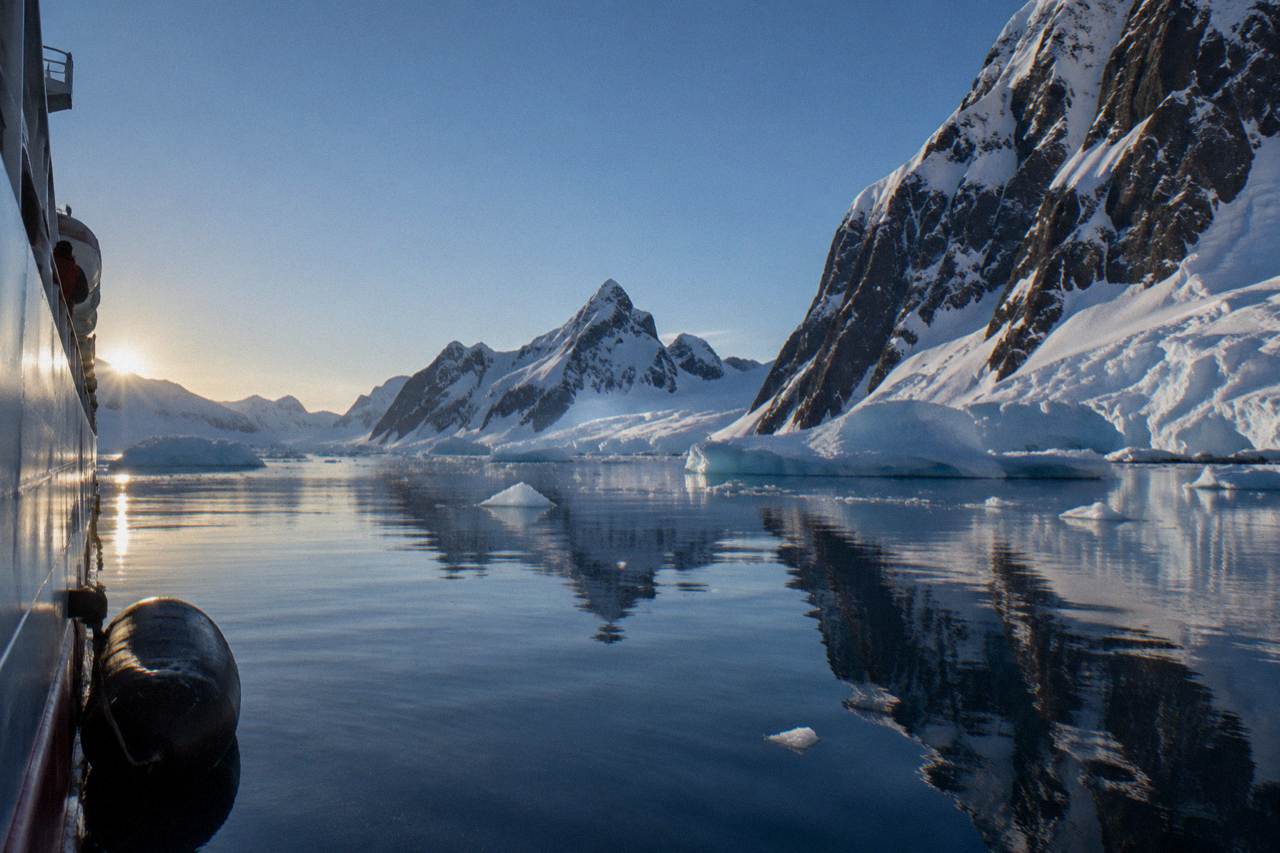
Is An Antarctica Cruise Worth The Money?
For most travellers who can absorb the price without debt, yes: an Antarctica cruise delivers a wildlife and landscape experience no other continent offers, and entry fares from $7,050 per person for a 10-to-11-day Peninsula voyage are lower than many people expect. The value case rests on what you get ashore, how rare that landing is, and whether cheaper destinations would satisfy the same itch. For some budgets they would, and that is worth saying plainly.
The honest answer starts with the price tag, because worth is a ratio, not a feeling. The cheapest published fares on the operator pages this season sit at $7,050 to $7,800 per person for a shared twin cabin on a Drake-crossing Peninsula voyage, while luxury berths run from roughly $18,700 to $32,320 depending on the ship and route. That is a spread of more than four times between the floor and the ceiling of the same destination, which tells you immediately that the question is not one question. It is at least three: is the destination worth it, is the expedition cruise format worth it, and is the specific ship you are pricing worth its premium over the ship next to it?
This article works through all three, using fares and figures the operators publish themselves plus the official visitor rules that shape what any fare can buy. It also says plainly who should not book one, because a cruise that is the right call for one reader is a $12,000 mistake for another. Here on Cruises In Antarctica, every number in the piece traces back to an operator page, a fresh pricing review or a regulatory document, and nothing else. That discipline matters on a product where a single sentence of marketing copy can move a decision by thousands of dollars.
Two years of reading cost breakdowns, booking conditions and operator schedules points the same way: the travellers who regretted the spend were almost never the ones who paid the most. They were the ones who booked the wrong format for their expectations, a giant ship when they wanted landings, a fly-cruise when they wanted the crossing, a peak-season date when they wanted wildlife they had not researched. The money question and the format question are the same question, and the sections below treat them that way.
What An Antarctica Cruise Actually Costs This Season
Published fares on the operator pages this season run from $7,050 per person for an 11-day Oceanwide Expeditions Peninsula voyage in a shared cabin up to $32,320 for a 22-night Ponant Ross Sea sailing, with mainstream expedition lines starting around $9,000 to $12,000. A realistic all-in budget for a mid-range trip, counting flights, gear, insurance and tips, is $12,000 to $25,000 per person. Those are the figures to weigh.
The floor of the market belongs to the small-ship budget operators. Oceanwide Expeditions lists Peninsula departures from $7,050 per person aboard Plancius and from $7,800 aboard Hondius and Ortelius. Poseidon Expeditions anchors a similar tier, with its Classic Antarctica voyage listed from $8,846, which one 2026 cost survey works out to about $1,029 per night. These are shared twin or triple cabins, the lowest category on the ship, and they sell first. That same survey reports entry-level berths on Drake-crossing itineraries beginning at roughly $7,500 to $8,995 for exactly this reason: the cheap cabins go to the readers who booked earliest, often 18 months or more ahead for peak December sailings.
The middle of the market is where most mainstream expedition lines sit. Quark Expeditions shows its 11-to-12-day Antarctic Explorer voyages from $12,236, and it matters that this is a voyage-level fare shared across Ultramarine, Ocean Explorer and World Voyager rather than a ship-exclusive price. Lindblad's National Geographic ships list from $11,900, and Atlas Ocean Voyages publishes from $12,150 aboard World Navigator. One 2026 pricing review found Viking's 13-day Antarctic Explorer from $14,999 and its 15-day Antarctic Circle itinerary from $18,499. HX's larger ships appear from roughly $10,485 to $10,863, though those fares are reported rather than verified on the operator page. At the top, Ponant's luxury ships list from $18,700 to $32,320 depending on whether you sail the Peninsula or commit to the 22-night Ross Sea route, and Aurora Expeditions' X-BOW ships start at $19,521.
The published fares for the ships a first-time buyer actually compares look like this:
| Ship | Operator | Passengers | Voyage days | Fare from (per person) |
|---|---|---|---|---|
| Plancius | Oceanwide Expeditions | 108 | 10/11/13/15/19/21/33 | $7,050 |
| Expedition (G Adventures) | G Adventures | 128 | 11/14 | $7,439 |
| Hondius | Oceanwide Expeditions | 170 | 11/13/19 | $7,800 |
| Ortelius | Oceanwide Expeditions | 108 | 11/13/25 | $7,800 |
| Sea Spirit | Poseidon Expeditions | 114 | 12/15/19/21/23 | $8,846 |
| National Geographic Endurance | Lindblad Expeditions | 138 | 12/16/21/22 | $11,900 |
| World Navigator | Atlas Ocean Voyages | 196 | 10/12 | $12,150 |
| Ultramarine | Quark Expeditions | 199 | 12/14 | $12,236 |
| L'Austral | Ponant | 264 | 11/19 | $18,700 |
| Le Lyrial | Ponant | 245 | 18 | $26,780 |
What the fare does not include matters just as much as what it does. Flights to Ushuaia or Punta Arenas, pre-cruise hotels, expedition gear beyond the parka and loaner boots most operators provide, travel insurance with medical evacuation cover, and gratuities all sit outside the base fare. Insurance deserves special attention: major operators impose medical-evacuation minimums of $150k at Lindblad, $250k at Ponant and $500k at Quark, plus full trip-cost cancellation cover, and proof is often required before departure or at check-in. The planning ranges below show where the extra money goes on a typical booking.
| Cost item | Typical position | Planning note |
|---|---|---|
| Expedition parka | Provided free, often yours to keep | Most expedition operators |
| Waterproof boots | Loaned aboard | Return at the end of the voyage |
| Gratuities | About $15-$25 per person per day | Often prepaid by luxury lines |
| Medical-evacuation insurance minimum | $150k to $500k cover | Varies by operator, proof may be checked |
| Single supplement | 25 percent extra up to 1.5-2x the twin rate | Waived on select sailings by some lines |
| Fly-cruise charter premium | Roughly $2,000-$5,000 over a sailing voyage | Charter flight cost passed through |
| Pre-cruise hotel night in Ushuaia | At least one night, ideally two | Weather and flight risk on the Buenos Aires corridor |
Getting to the ship is its own line item. There are no direct flights from the United States to Ushuaia; the standard routing is a long-haul arrival into Buenos Aires followed by a domestic connection, with a transfer buffer of four to five hours or more advised between airports. Ushuaia hotel occupancy ran near 80 percent in January 2026 with more than 43,720 cruise passengers passing through the port, so the pre-cruise night is not optional in peak weeks. US citizens enter both Argentina and Chile visa-free for tourism stays of up to 90 days with a valid passport, which at least removes one layer of paperwork and cost (see US Citizens In Antarctica).
If those numbers raise as many questions as they answer, which ship, which month, which route, a free consultation on fares and ships can settle the fare question before you commit anything. It costs nothing and carries no obligation.
What The Money Buys That No Other Trip Buys
The core product is standing on the Antarctic continent among wildlife that has no fear of humans, under rules that cap 100 passengers ashore at a time with one guide per twenty visitors. IAATO counted 85,195 landed visitors last season against 27,217 who cruised past without setting foot on shore. That landing, and the wildlife encounter it delivers, is the thing you are paying for and cannot buy anywhere else.
The rules are the reason the fare cannot fall much further. IAATO guidance, updated through ATCM Resolution 4 (2025), limits landings to a maximum of 100 passengers ashore from a vessel at any one time, requires a 1:20 guide-to-visitor ratio, and prohibits vessels carrying more than 500 fare-paying passengers from making landings at all. Only one ship may visit a site at any one time, per the IAATO visitor guidelines. Together these constraints mean an operator cannot pack a mega-ship with thousands of bargain fares and amortise the cost. The economics of small ships, long distances and a short season are baked into every fare you will ever be quoted.
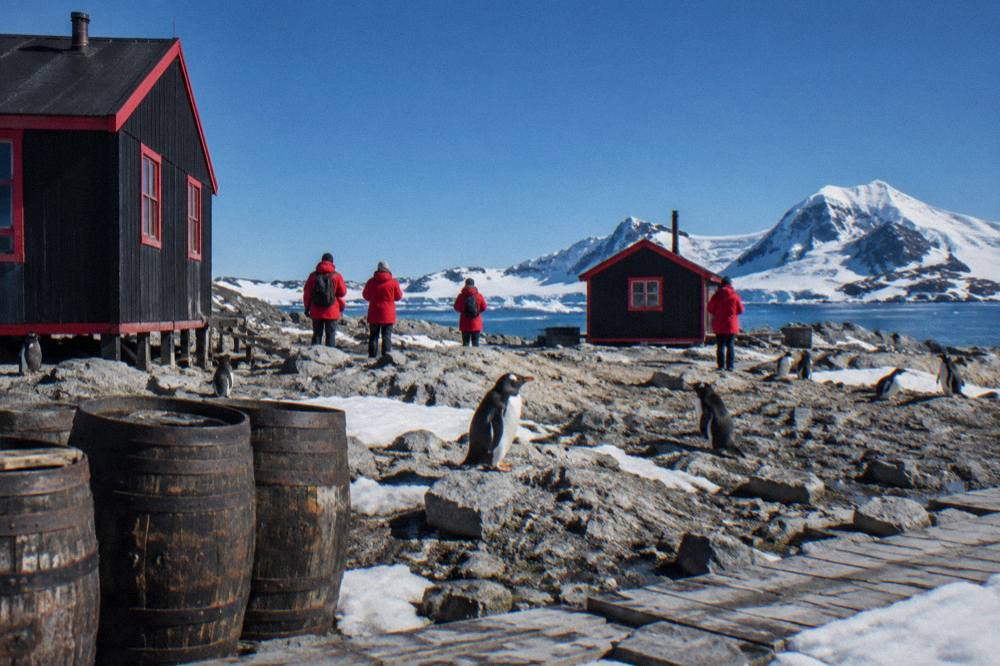
What that buys in practice is a wildlife experience with no parallel. Penguins incubate eggs and feed chicks within metres of the landing zone, and the general visitor rule of keeping at least five metres from wildlife exists because the wildlife will not keep it from you. The sites on a classic Peninsula itinerary carry their own updated guidelines: Whalers Bay and Baily Head on Deception Island, Half Moon Island, Neko Harbour and Port Lockroy all appear on the current ATCM and IAATO site lists. Whale sightings build from mid-January onward as krill draw humpbacks toward the Peninsula coast, and February to March is the peak window for whale watching, according to operator season guides. My honest impression from a single voyage is that the landing days compress years of ordinary travel into a week, and that impression has held up under two years of comparing every alternative at length.
The alternative destinations deserve a fair hearing, because they are the real competition. Patagonia, Alaska and Iceland each deliver glaciers, ice and cold-ocean wildlife at a fraction of the price, and for a traveller whose goal is dramatic icy scenery they may genuinely be the better purchase. None of them delivers penguins at your boots, a continent with no permanent population, or the crossing itself, which many travellers later describe as part of the point rather than the price of admission. Knowing which of those two travellers you are, before you pay a deposit, is worth more than any promotional discount an operator will ever offer you.
The Hondius Case: What The Cheapest Berth Really Gets You
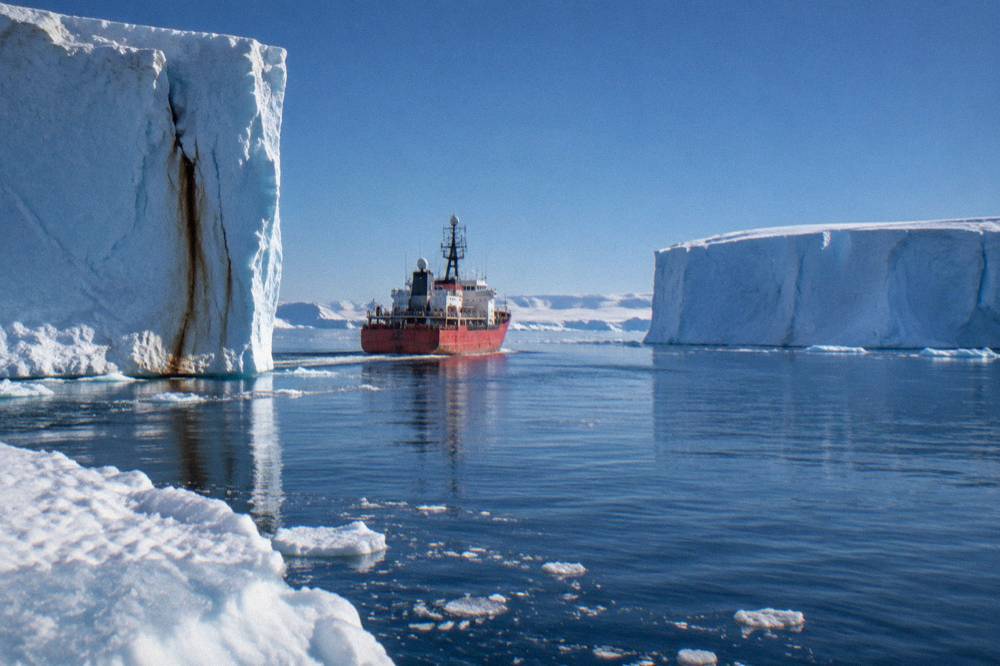
The Hondius, a 170-passenger Polar Class 6 ship built in 2019, sails the classic Peninsula route from Ushuaia with fares from $7,800 per person, making it one of the newest vessels at the bottom of the price range. That combination, a modern ice-classed ship at a budget fare, is one of the strongest value arguments on the roster: you give up balconies and helicopters, not the destination itself.
Hondius matters to the worth-it question because it tests the cheapest version of the product. The operator lists 11, 13 and 19-day voyages, all from Ushuaia, and the ship was the first-registered Polar Class 6 passenger vessel in the world, in the operator's own wording. At 170 guests it sits comfortably inside the 100-ashore rule with two landing rotations rather than four or five, which means more time ashore per passenger than on ships carrying twice the load. The full profile, including cabin categories and how the ship compares with its fleetmates, is in the Hondius ship guide.
Its fleet context sharpens the point. Ortelius is a former Russian research vessel built in Gdynia in 1989, and Plancius is a converted Dutch Navy oceanographic vessel rebuilt as a passenger ship in 2009. Hondius is the modern hull of the three, yet it shares the same $7,800 entry fare as the 1989-built Ortelius, which is exactly the kind of mismatch a value shopper should notice.
The comparison most readers pricing a first voyage actually face is between that budget berth, a mainstream National Geographic ship, and a luxury Ponant ship. The three sit at recognisably different price points and sell recognisably different products, so the published figures belong side by side.
| Ship | Class | Passengers | Ice class | From, per person | Voyage length | Departs from |
|---|---|---|---|---|---|---|
| HondiusOceanwide Expeditions | Small-Ship Budget | 170 | Polar Class 6 | from $7,800 | 11 to 19 days | Ushuaia |
| National Geographic EnduranceLindblad Expeditions (with National Geographic) | Standard Expedition | 138 | PC5 | from $11,900 | 12 to 22 days | Ushuaia |
| Le LyrialPonant | Luxury | 245 | – | from $26,780 | 18 days | Ushuaia, Buenos Aires |
What the spread tells you is that you are not paying four times more for four times more Antarctica. Lindblad's National Geographic Endurance, from $11,900, bundles a pre-cruise Buenos Aires hotel, the charter flight to Ushuaia, alcoholic beverages, prepaid gratuities and an expedition jacket, which closes a real slice of the apparent gap before you count the patented X-Bow hull and the photography staff. Ponant's Le Lyrial, from $26,780 for a 17-night Great Austral Loop that adds the Falklands and South Georgia, is a different voyage entirely, not a nicer version of the same one. The worth-it answer differs by ship because the product differs by ship, and a free talk through ship choice is the fastest way to see which tier matches what you actually want from the week.
Who Should Not Book An Antarctica Cruise
An Antarctica cruise is the wrong purchase for a traveller who cannot tolerate schedule uncertainty, rough open water or days at sea when landings depend entirely on the weather, and it is financially wrong for anyone who would fund it with debt. Weather, ice and the Drake Passage decide the itinerary, not the brochure. No operator can promise a specific landing in advance, and every booking condition says so.
The uncertainty is structural, not a defect of any line. The Drake Passage takes roughly 18 to 48 hours each way depending on conditions, according to Quark Expeditions' own crossing guide, and calmer "Drake Lake" conditions occur around 70 percent of the time with rougher seas the rest. Landings depend on wind, swell and ice at the site on the day; every operator reserves the right to swap or cancel them, and the schedule changes accordingly. If your holiday style is measured in fixed promises, this is the wrong continent, and the Drake Passage crossing guide covers the sea-state reality in detail.
The amenity question matters too. At $7,800 for 11 days, Hondius works out near the bottom of the per-night scale, and even the classic sailings across the market work out to roughly $950 to $2,600 per night double occupancy, according to one 2026 cost survey. If what you want from that nightly rate is a spa, entertainment and fine dining, a Mediterranean or Caribbean luxury cruise delivers more of it for less. The expedition product spends its money on Zodiacs, guides, ice-classed hulls and helicopter-capable logistics, and if none of that excites you, you are buying the wrong thing at any fare.
There is also a physical honesty requirement. Landings involve Zodiac transfers from ship to shore, sometimes a wet boot landing, and walking on uneven, slippery terrain in cold wind. Current biosecurity protocols add their own constraints: boots and equipment must be washed before arrival and cleaned again between sites, and sitting or kneeling on the ground in wildlife areas is not permitted under the enhanced avian-influenza measures operators are running. Some travellers are better served by a cruise-only itinerary that stays in scenic waters without attempting shore. That is a real product, 27,217 people chose it last season, but it is a different product and should be priced as a different decision.
What The Numbers Say About Value Over Time
Antarctica travel keeps growing: 85,195 visitors made landings in 2025-26, up about 6 percent from 80,455 the season before, and roughly 98 percent of tourism voyages concentrate in the Peninsula during the October-to-April summer. Early-booking offers commonly reach 10 to 30 percent off, while last-minute deals are rare for peak December sailings, which book 18 months or more ahead. The cheapest version of this trip is bought early, not late.
The pricing trend cuts the same way. Operators move unsold cabins with early-booking offers that commonly reach 10 to 30 percent off, and one 2026 industry report notes select unsold 2026-27 sailings discounted up to 40 percent, while last-minute discounts are limited in availability and cabin choice and uncommon for peak dates. Atlas ran promotions with savings up to $6,779 per person on 2026-27 departures. The pattern rewards decisiveness: the reader who commits a year out pays less and chooses more than the reader who waits for a bargain that mostly does not materialise in December.
Whether the experience holds its value over time is more subjective, but the structural signs point one way. The Antarctic Treaty Secretariat notes that approximately 98 percent of tourism voyages occur in the Peninsula during the austral summer, and the official tourism overview frames the activity as concentrated, managed and growing under a treaty framework that deliberately caps intensity. Growth is not proof of worth. But a product that tens of thousands of people a year return from, under rules that limit each vessel to one site at a time and each landing to 100 ashore, is not a product with a satisfaction problem, and it is not one that will get cheaper as demand rises.
Common Questions About Whether An Antarctica Cruise Is Worth It
Is An Antarctica Cruise Worth The Money?
For most travellers who can pay without strain, yes. Fares from $7,050 to $7,800 per person buy a 10-to-13-day voyage with landings among wildlife under some of the strictest visitor rules in travel, an experience with no cheaper substitute. It is not worth it for anyone who needs fixed schedules, cannot tolerate open-ocean conditions, or would fund the trip with debt.
What Is The Cheapest Way To Cruise Antarctica?
Book a shared twin cabin on a small-ship budget operator's Drake-crossing Peninsula voyage 12 to 18 months ahead. Oceanwide's Plancius lists from $7,050 and Hondius from $7,800 per person. Avoid peak December if you want the lowest fare, and skip the fly-cruise premium unless the Drake Passage is a dealbreaker, since charter flights typically add $2,000 to $5,000.
Do You Regret Spending That Much On Antarctica?
No traveller reviews exist on this site's roster to quote, but the industry's own numbers point one way: 85,195 people chose to land last season, up about 6 percent on the year before. The regret pattern that cost guides describe is not about the money spent, it is about booking the wrong ship, month or format for what the traveller wanted.
Is A Luxury Antarctica Cruise Worth The Extra Cost?
Only if you value what the premium buys. A Ponant ship at $26,780 for a 17-night Falklands and South Georgia loop is a longer, different voyage with a balcony suite and French dining, not a better view of the same penguins. The landing experience is capped at 100 ashore regardless of fare, so the wildlife encounter on a $7,800 berth is essentially the one a luxury fare buys.
How Much Should I Budget Beyond The Fare?
Plan on $12,000 to $25,000 per person all-in for a mid-range 10-to-12-day trip: the fare, round-trip flights to Ushuaia, a pre-cruise hotel night or two, insurance with medical evacuation cover, gear, and gratuities averaging about $15 to $25 per person per day. Most operators supply a parka and loaner boots, which trims the gear bill.
Is Antarctica Better Than Patagonia Or Alaska For The Money?
They are different purchases. Patagonia, Alaska and Iceland deliver glaciers and cold-coast wildlife at a fraction of the price and are the right call if dramatic icy scenery is the goal. Antarctica is the only one of them with penguins at your boots, landing regulations that keep crowds off the ice, and a continent with no permanent residents. If the goal is Antarctica specifically, nothing else substitutes.