Cheap Antarctic Cruises: How To Find The Lowest Fares
 By Oleg G.
A cheap Antarctica cruise is not a myth, but the floor is around seven thousand dollars per person, not seven hundred. Here is where the lowest fares actually sit, which ships carry them, and what you give up to get them.
Quick answer: The lowest published Antarctica fares on the 2026-27 roster sit at $7,050 per person on Plancius, $7,439 on the G Adventures Expedition and $7,800 on Ortelius and Hondius, all for 10-to-13-day Peninsula voyages in shared cabins. Budget realistically for $12,000-$25,000 total once flights, insurance, gear and tips are added.
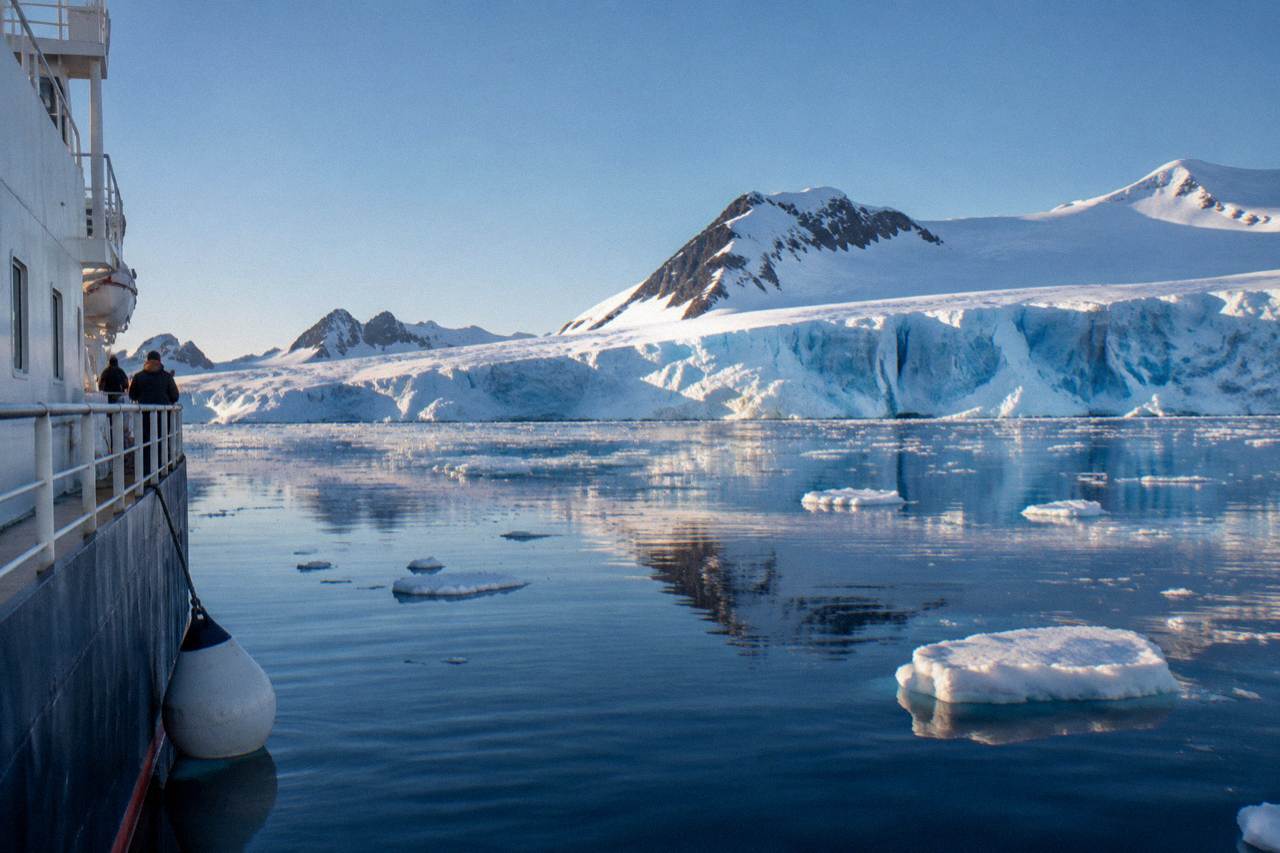
The cheapest Antarctica cruise on the current roster is a 10-to-13-day Peninsula voyage on a small, older expedition ship, in a shared twin or triple cabin, booked early. Published fares for exactly that kind of trip start at $7,050 per person on Oceanwide Expeditions' Plancius. That number surprises people in both directions: some readers expect Antarctica to start at thirty thousand dollars, others have seen internet prices of two thousand and wonder what the catch is. Both reactions are worth correcting with real numbers, because the gap between the honest floor and the marketing floor is where budget shoppers lose money.
This guide lays out the lowest fares that actually exist on the 2026-27 schedule, explains why even the cheapest Antarctica cruise still costs thousands once everything is counted, and walks through the trade-offs you accept when you buy the cheapest berth on the cheapest ship. Every figure here comes from operator pages and current season listings, not from forum rumours.
What Does A Cheap Antarctica Cruise Actually Cost?
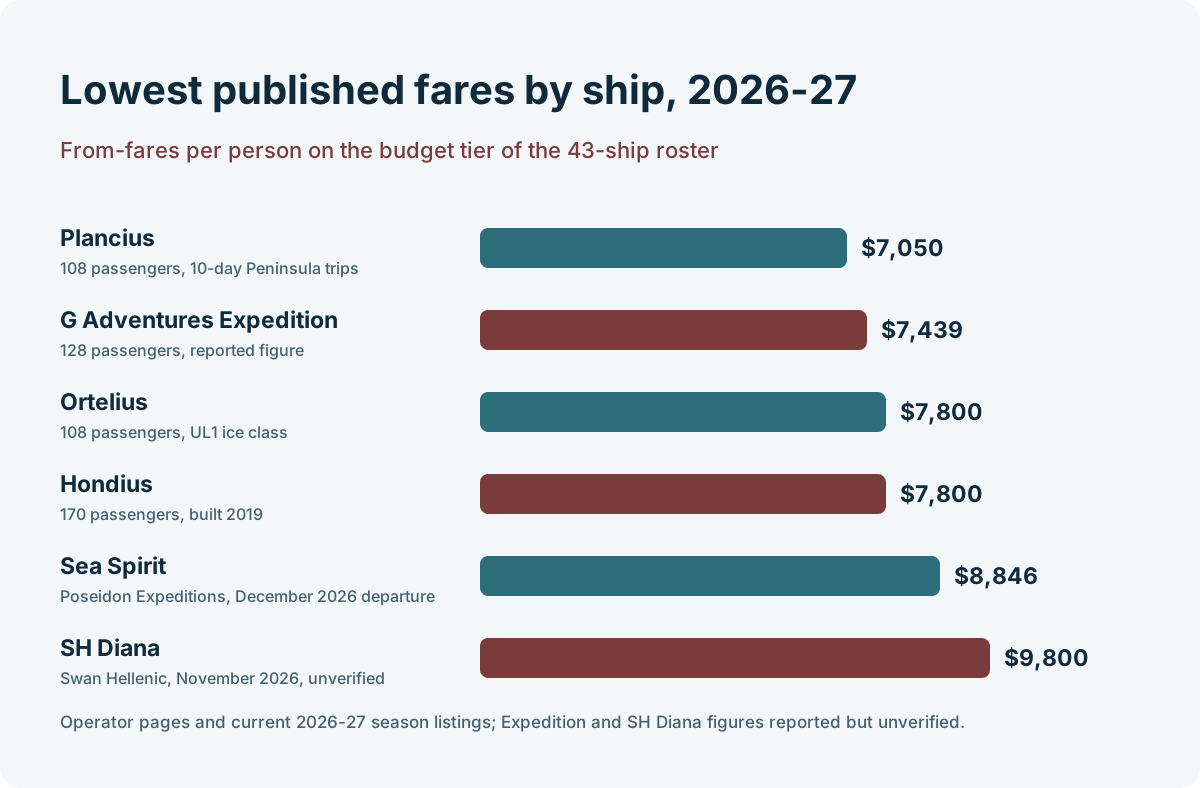
The honest floor for a 2026-27 Antarctic Peninsula cruise is roughly $7,050 to $8,995 per person in the lowest cabin category on a small expedition ship, before flights, insurance, gear or tips. On the roster of 43 ships, the lowest published from-fares sit at $7,050 on Plancius, $7,439 on the G Adventures Expedition, and $7,800 on both Ortelius and Hondius.
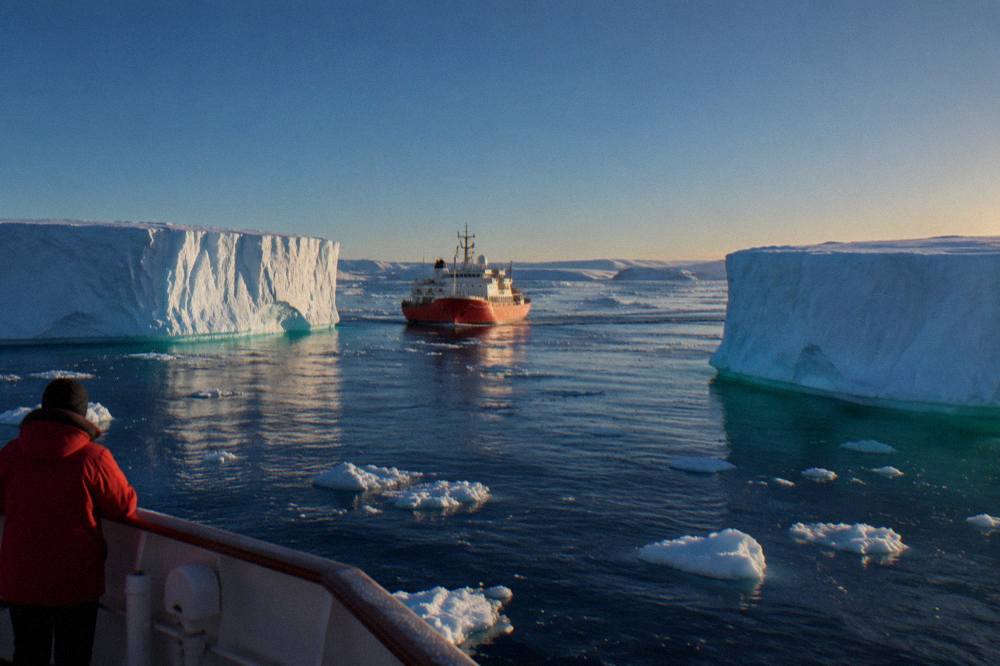
Those four ships, Plancius, Ortelius, Hondius and the Expedition, are where the budget tier genuinely lives. A few rungs up, Poseidon Expeditions' Sea Spirit lists from $8,846 for a December 2026 Classic Antarctica departure, and Swan Hellenic's SH Diana has been reported from $9,800 for a November 2026 sailing. Below roughly seven thousand dollars, the published fares simply stop. One 2026 cost guide reports that cheapest published Peninsula fares on mainstream expedition lines ran about $9,000 to $12,000 per person in August 2026 checks, so anything advertised far under that deserves a hard look at what is actually included.
What a low fare buys you is the same destination the luxury ships visit. Every vessel in this tier makes the same Drake Passage crossing, stops at the same style of landing sites in the South Shetland Islands and the western Peninsula, and operates under the same IAATO rules that cap landings at 100 passengers ashore at a time with a 1:20 guide-to-visitor ratio. The Antarctic Treaty System's own tourism page notes that roughly 98 percent of tourism voyages occur in the Peninsula region during the austral summer, and the budget fleet works exactly that region. You are not buying a lesser Antarctica, you are buying a plainer ship to get there.
If you want a second opinion on where the floor sits for your specific dates, a free consultation on budget options costs nothing and puts your question in front of a vetted expedition-cruise agency partner who can see live cabin availability.
Which Ships Carry The Lowest Fares?
Four ships anchor the budget tier: Plancius ($7,050 from, 108 passengers), the G Adventures Expedition ($7,439 from, 128 passengers), Ortelius ($7,800 from, 108 passengers) and Hondius ($7,800 from, 170 passengers). All four sail from Ushuaia, all four run 10-to-14-day Peninsula voyages, and all four are small vessels with ice-strengthened hulls rather than luxury features. The next tier up starts near $8,846 and the mainstream expedition lines start near $10,485.
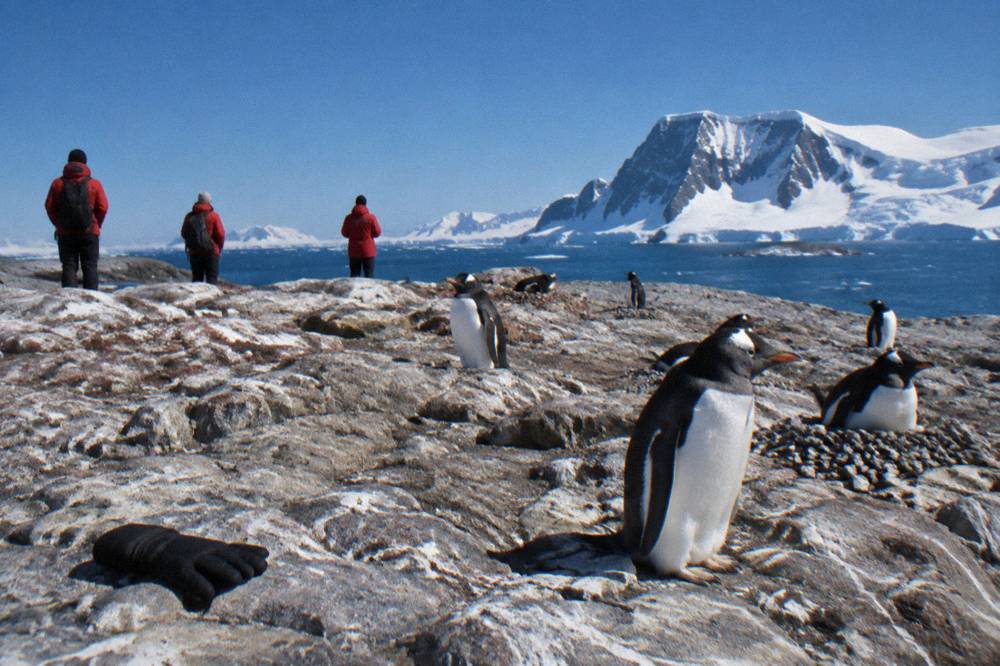
Plancius is the roster's price floor and an interesting ship to end up on. It was built in 1976 as a Dutch Navy oceanographic vessel and rebuilt as a passenger ship in 2009, which tells you the design priorities: functional, sturdy, unglamorous. It carries 108 passengers in 50 cabins, holds Lloyd's Ice Class 1D, and offers the widest voyage menu of the budget fleet, from 10-day Peninsula trips to 21-day and even 33-day itineraries. The lowest from-fare among its seven 2026-27 Peninsula departures is $7,050. For a deeper look at its sibling, our Ortelius ship guide covers the former Russian research vessel that shares the same operator and the same price tier.
Ortelius and Hondius are Oceanwide Expeditions stablemates. Ortelius, built in Gdynia in 1989 as a Russian research vessel, carries 108 passengers in 50 cabins and holds an UL1 ice class equivalent to 1A, the strongest ice rating of the budget group. Its lowest 2026-27 Peninsula fare is $7,800. Hondius is the newest and largest of the trio, built in 2019 and carrying 170 passengers in 80 cabins, and the operator describes it as the first-registered Polar Class 6 vessel in the world. Its five Peninsula departures start from the same $7,800 mark. Our Hondius ship guide goes into what that newer hull means for the crossing.
Here is how the three Oceanwide budget ships compare on the numbers that matter to a price-sensitive buyer:
| Ship | Class | Passengers | Ice class | From, per person | Voyage length | Departs from |
|---|---|---|---|---|---|---|
| PlanciusOceanwide Expeditions | Small-Ship Budget | 108 | 1D | from $7,050 | 10 to 33 days | Ushuaia |
| HondiusOceanwide Expeditions | Small-Ship Budget | 170 | Polar Class 6 | from $7,800 | 11 to 19 days | Ushuaia |
| OrteliusOceanwide Expeditions | Small-Ship Budget | 108 | UL1 | from $7,800 | 11 to 25 days | Ushuaia |
The G Adventures Expedition sits between them at $7,439 from for the 11-day Antarctica Classic, though that fare is a reported figure not yet verified on the operator's own page. It carries 128 passengers, was built in 1976, and holds Ice Class 1A. Antarpply's Ushuaia, at 90 passengers, also competes in this tier, but no fare is on file for its 2026-27 departures, so a current price would need a consultation rather than a printed number.
Why A Cheap Fare Still Costs Thousands
The cruise fare is only part of the bill. Independent 2026 budgeting guidance puts a realistic all-in figure for a 10-to-12-day mid-range Peninsula trip at $12,000 to $25,000 per person once you add international flights, gateway travel, gear, insurance, tips and incidentals. On a $7,050 fare, the extras can double the real cost, and several of them, insurance especially, are requirements rather than choices.
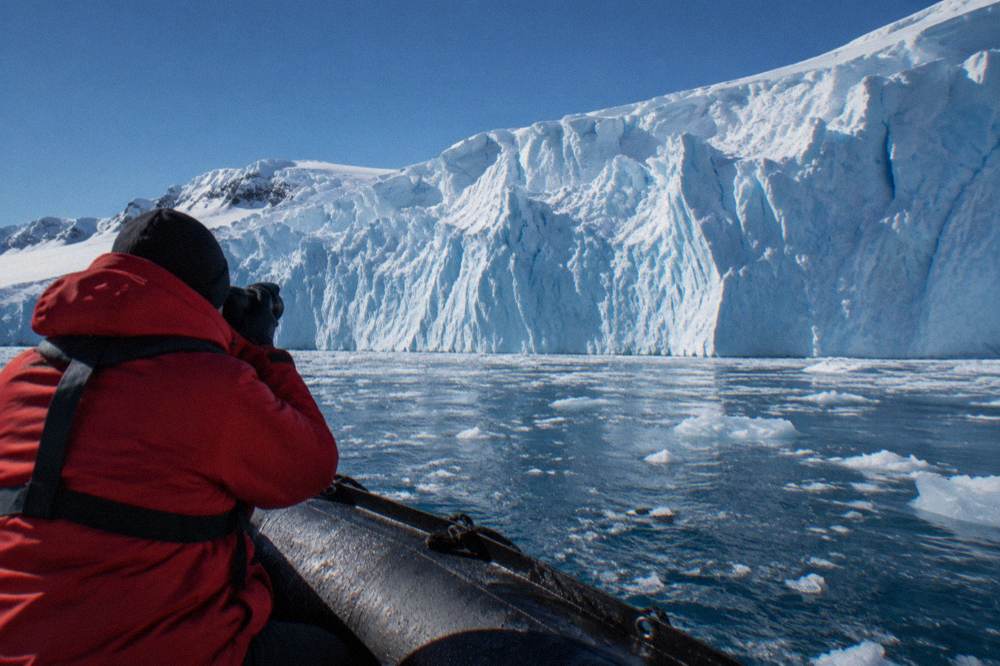
Start with getting to the ship. There are no direct flights from the United States to Ushuaia; you fly into Buenos Aires, transfer between the international and domestic airports, and continue on a domestic flight of over three hours to the world's southernmost city. Schedule data for late 2026 shows roughly 27 weekly Aerolineas Argentinas flights on the Buenos Aires-Ushuaia corridor plus several JetSMART low-cost frequencies, so connections are frequent but weather-prone in peak season, and port reporting recommends arriving at least one, ideally two, nights before embarkation. That buffer means hotel nights on top of airfare.
Insurance is not optional. Full travel insurance with medical evacuation cover is required or strongly recommended by most operators and is never in the base fare. Operator requirements run high: reported minimums include $500k evacuation cover for Quark, $250k for Ponant and $150k for Lindblad, alongside cancellation cover for the full trip cost, and proof is often demanded before departure. Argentina formally requires health and medical coverage, including evacuation, for foreign visitors under its 2025 rule update. A policy that actually meets those minimums for a five-figure trip is real money.
Then the small items. Recommended tips average about $16 per person per day, and one 2026 cost guide notes gratuities of $15 to $25 per day unless the line prepays them. The good news on gear: most expedition operators provide a complimentary parka, often yours to keep, and loan waterproof boots, so you do not need to buy expedition kit from scratch. You still need base layers, waterproof gloves, a good camera strategy and a buffer for Ushuaia hotel nights.
| Cost item | Typical range | Notes |
|---|---|---|
| Budget cruise fare | $7,050-$8,995 pp | Lowest roster fares, shared cabins, 10-13 days |
| International flights to Buenos Aires | Varies by origin | Not included in any fare |
| Buenos Aires-Ushuaia flights | Varies | Plus 1-2 hotel nights in Ushuaia recommended |
| Travel insurance with evacuation | Required by most operators | Evacuation minimums $150k-$500k reported |
| Gratuities | $15-$25 pp per day | Sometimes prepaid by the line |
| Parka and boots | Often included | Complimentary parka and loan boots on most lines |
The total is why our Antarctica cruise cost guide treats the fare as a starting point rather than the trip price. When the all-in number starts to feel heavy, compare the real total for your dates through a free consultation before you commit to a cabin.
What Trade-Offs Come With The Lowest Fares?
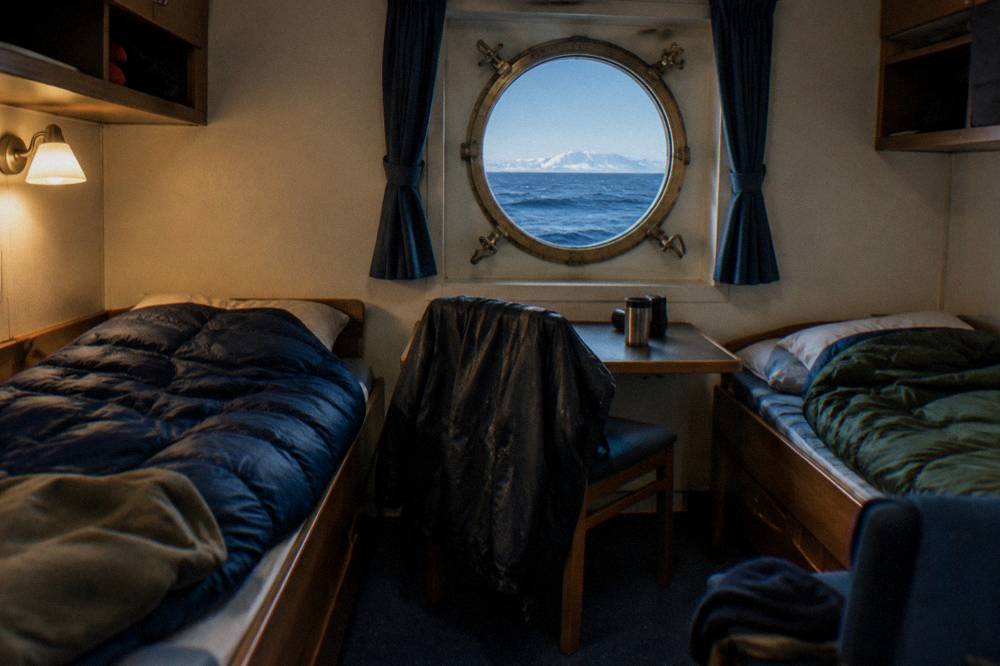
The main trade-offs are an older ship, a plainer cabin and less on-board comfort: Plancius and the G Adventures Expedition were built in 1976, Ortelius in 1989, and their lowest fares assume shared twin or triple cabins. You still get the same landings, the same wildlife and the same IAATO protections as passengers paying three times as much, but you cross the Drake on a vessel with fewer stabilizer comforts and fewer luxury amenities.
Age is the honest headline. Hondius, at 2019, is the only genuinely modern ship in the budget tier; the others were built in 1976 and 1989 and rebuilt or converted later, Plancius in 2009. That matters most on the Drake Passage, where the crossing takes roughly two days each way, 18 to 48 hours depending on conditions according to operator guidance. Newer vessels carry zero-speed stabilizers, X-BOW hulls and dynamic positioning that soften the ride; a converted navy survey ship does not have those in the same measure. Rough conditions occur around 30 percent of crossings and calmer conditions around 70 percent, per one geographical analysis, so odds favor a manageable passage, but the budget fleet gives you less help when it turns rough. The rest of the planning pages sit on Cruises In Antarctica.
Cabins are the second trade-off. The lowest fares sit on shared twin or triple cabins, sometimes with shared or en-suite facilities depending on the ship, and single travelers face supplements that typically range from 25 percent extra up to 1.5 to 2 times the twin rate, though some lines waive them on select sailings. If you want a private balcony, a suite or a bathrobe, you are shopping in the wrong tier: the budget fleet's cabins are for sleeping, and the lounge, the deck and the Zodiacs are where you spend the day.
What you do not trade away is the destination. The 100-passenger landing cap and the 1:20 guide ratio apply to every IAATO vessel equally, and the one-ship-per-site scheduling rule means your landing at Neko Harbour is not crowded by a luxury vessel arriving alongside. Budget ships, being small, actually land their full complement efficiently. In my own reading of every operator's itinerary pages while researching this site, the cheapest Peninsula voyages visit a genuinely similar set of sites to the most expensive ones, which is the strongest argument for the budget tier.
| Trade-off | Budget tier | What you still get |
|---|---|---|
| Ship age | Built 1976-2019, converted vessels | Ice-strengthened hulls, IAATO-audited operations |
| Cabin | Shared twin or triple at the lowest fare | Same landings and Zodiac time as any guest |
| Crossing comfort | Fewer stabilizer amenities | 70 percent of Drake crossings run calm per one analysis |
| On board | Functional, no spa or butler | Expert guides, lectures, full expedition program |
| Dining | Hearty, simple | All meals included in the fare |
When Is The Cheapest Time To Book And Sail?
Early booking is where the documented discounts are: early-booking offers for the 2026-27 and 2027-28 seasons commonly reach 10 to 30 percent off, and up to 40 percent on select unsold sailings, with deadlines running through 2026. Peak December sailings book furthest ahead, sometimes 18 months or more, while shoulder-season departures in November and March carry the softer prices.
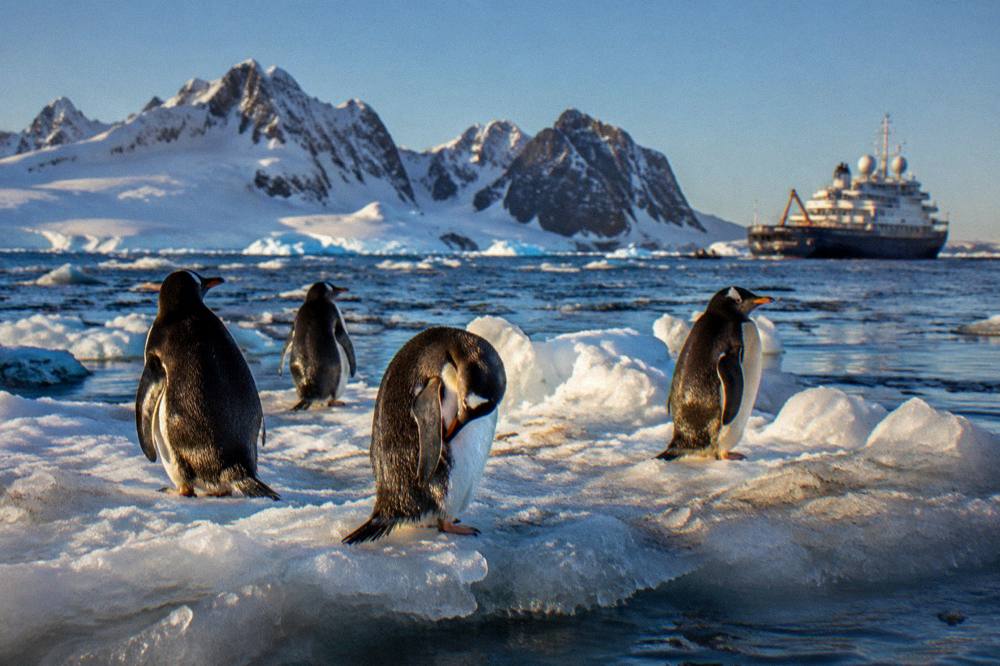
The season runs mid-October to mid-March, and the cheapest dates cluster at its edges. Early-season November sailings come with courtship behaviour at the penguin rookeries, maximum snow cover on the landscapes and the most dramatic sea ice, while late-season February and March bring the strongest whale activity, molting penguins and the best odds for Antarctic Circle crossings on extended itineraries. Mid-December through January is peak: chicks hatching, near-24-hour daylight, and the highest fares and earliest sell-outs. Our best time to visit Antarctica guide breaks the month-by-month differences in detail.
On the operator pages, the pattern is visible in the from-fares themselves: Oceanwide's lowest Plancius fare of $7,050 sits on a specific 2026-27 departure, and other departures of the same voyage carry higher starting prices. That is the practical shape of early-booking economics, the cheapest cabins on each sailing sell first, and the advertised from-price is usually the first berth to go. One 2026 industry report notes operators scheduling fare rises on set dates, with Atlas running promotions with savings up to $6,779 per person before an October increase, which is the discount environment in its most aggressive form.
Shoulder season also softens the gateway costs. Ushuaia hotel occupancy hit roughly 80 percent in January 2026 amid more than 43,720 cruise passengers in the month, so peak-season rooms are both scarce and expensive; November and March arrivals find a calmer town. The same logic applies to flights through Buenos Aires, where peak-season weather delays compound the case for the buffer nights anyway.
Do Last-Minute Antarctica Deals Exist?
Yes, but they are narrower than the folklore suggests: last-minute discounts exist, yet availability and cabin choice are limited, they are uncommon for peak December sailings, and the same reporting notes that December departures book 18 or more months ahead. For a budget shopper with fixed dates, early booking secures both the better rate and the better cabin, and the last-minute route suits only flexible travelers.
The mechanism is simple. Operators would rather fill a berth at a discount than sail with it empty, so unsold cabins in the weeks before departure sometimes drop, and select unsold 2026-27 sailings have carried offers up to 40 percent off. But the cabins that remain late are the ones nobody wanted: the least desirable categories, the awkward departures, occasionally the trip that requires a visa sprint. The documented pattern in the 2026 cost reporting is that early booking wins on selection and rate, while last-minute wins only when your calendar is empty.
There is also a floor the discounts do not break. A 40 percent cut on a $12,000 mainstream fare lands near the budget tier's full price, and a 40 percent cut on a $7,050 Plancius fare would be extraordinary rather than expected. Anyone promising a two-thousand-dollar Antarctica cruise is selling something that is not a comparable product: a cruise-only passage with no landings, a shorter route, or a fare that excludes mandatory costs. Vessels carrying more than 500 passengers cannot make landings in Antarctica at all under IAATO standards, so a giant-ship bargain is a sightseeing cruise, not an expedition.
If you are weighing a last-minute gamble against locking a fare now, ask about current cabin availability through the free consultation; the agency partner can see what is actually unsold across operators rather than what the from-prices imply.
How To Compare Budget Ships Without Getting Fooled
Compare like with like: the same voyage length, the same cabin category and the same inclusions, because a lower headline fare on a shorter trip or a quad cabin is not a cheaper cruise. Check what the fare bundles, since some lines include charter flights, hotels, drinks and gratuities while others include none of it, and verify the ice class and passenger count, which determine landing quality more than any luxury feature.
The roster makes the like-for-like problem concrete. Quark Expeditions' fares are voyage-level and shared across Ultramarine, Ocean Explorer and World Voyager, so a $12,236 from-fare belongs to the voyage, not to one ship, and presenting it as ship-exclusive would mislead. Lindblad's $11,900 starting fare bundles a pre-cruise Buenos Aires hotel, the charter flight to Ushuaia, alcoholic beverages, prepaid gratuities and an expedition jacket, per one 2026 report, which narrows the real gap against a budget fare that includes none of those things. Atlas publishes all-inclusive fares with charter flights included, from $13,703 on 2026-27 departures.
| Ship | Passengers | Lowest from-fare | Voyage days | What to check |
|---|---|---|---|---|
| Plancius | 108 | $7,050 pp | 10-33 | 1976-built, converted 2009 |
| Expedition (G Adventures) | 128 | $7,439 pp | 11-14 | Reported fare |
| Ortelius | 108 | $7,800 pp | 11-25 | 1989-built, strongest budget ice class (UL1) |
| Hondius | 170 | $7,800 pp | 11-19 | Newest budget ship, built 2019 |
| Sea Spirit | 114 | $8,846 pp | 12-23 | Reported fare |
| SH Diana | 192 | $9,800 pp | 9-23 | Reported fare |
Passenger count matters more than carpet quality. At 108 passengers, Plancius and Ortelius land in two quick groups under the 100-ashore cap; at 170, Hondius also runs two groups, which is routine but shapes your daily rhythm. None of the budget ships approach the 500-passenger landing ban, so every ship in the table gives you actual landings rather than cruise-only sightseeing, which is the single most important line to check on any cheap Antarctica cruise advertisement.
Ice class is the quiet quality signal. Ortelius holds UL1, equivalent to Ice Class 1A, and Hondius holds Polar Class 6; Plancius's Lloyd's 1D is more modest, which occasionally affects how far south a sailing can push through late-season ice. If a Weddell Sea or Circle-crossing itinerary is the goal, the hull rating deserves a question, and the consultation route is the honest way to get a current answer on which departures are realistic.
Common Questions About Cheap Cruises To Antarctica
What Is The Cheapest Antarctica Cruise?
The lowest published from-fare on the 2026-27 roster is $7,050 per person on Plancius, a 108-passenger ship operated by Oceanwide Expeditions, for a 10-to-11-day Antarctic Peninsula voyage from Ushuaia. Ortelius and Hondius, from the same operator, start at $7,800, and the G Adventures Expedition has been reported from $7,439.
Can You Do An Antarctica Cruise For $5,000?
Not on a genuine expedition voyage with landings. The lowest published fares sit near $7,050, and independent 2026 reporting puts entry-level Drake-crossing berths at roughly $7,500 to $8,995 per person. Advertised prices far below that are usually cruise-only passages on vessels that cannot make landings, or fares excluding mandatory costs like insurance and flights.
Is A Cheap Antarctica Cruise Worth It?
On the evidence, yes for the destination itself. Budget ships visit the same Peninsula landing sites under the same IAATO rules, with the same 100-passenger landing cap and guide ratio as luxury vessels. What you give up is ship age, cabin comfort and crossing amenities, not Antarctica. Our blog post on whether an Antarctica cruise is worth it covers the value question in depth.
Which Month Is Cheapest For An Antarctica Cruise?
Shoulder-season departures in early November and March generally carry the softest prices, while mid-December through January is peak season with the highest fares and earliest sell-outs. The documented discount environment, early-booking offers of 10 to 30 percent, also favours booking ahead over waiting.
Do Budget Antarctica Cruises Include Landings?
Yes. All the ships in the budget tier carry well under 500 passengers, so none is affected by the IAATO rule prohibiting vessels over 500 passengers from making landings. Plancius, Ortelius, Hondius, the Expedition and Sea Spirit all run Zodiac excursions and shore landings as the core of the voyage.
Are Last-Minute Antarctica Cruise Deals Real?
They exist but are limited. Last-minute discounts are constrained in availability and cabin choice, uncommon for peak December sailings, and December departures can book 18 or more months ahead. Early booking is the documented route to better rates and selection.