Fly The Drake: Antarctica Fly-Cruise Options
 By Oleg G.
A fly-cruise replaces the two-day Drake Passage crossing with a roughly two-hour charter flight from Punta Arenas to King George Island. Here is who offers it, what it costs, and when it is the right call.
Quick answer: An Antarctica fly-cruise flies you from Punta Arenas to King George Island in about two hours, then you board an expedition ship for the Peninsula itself. Antarctica21's Magellan Explorer and Magellan Discoverer sail 8-day air-cruises from $13,795 per person. Quark Expeditions also runs fly-the-Drake voyages. You trade up to four days at sea for a higher fare and a weather-dependent flight.
What Is An Antarctica Fly-Cruise?
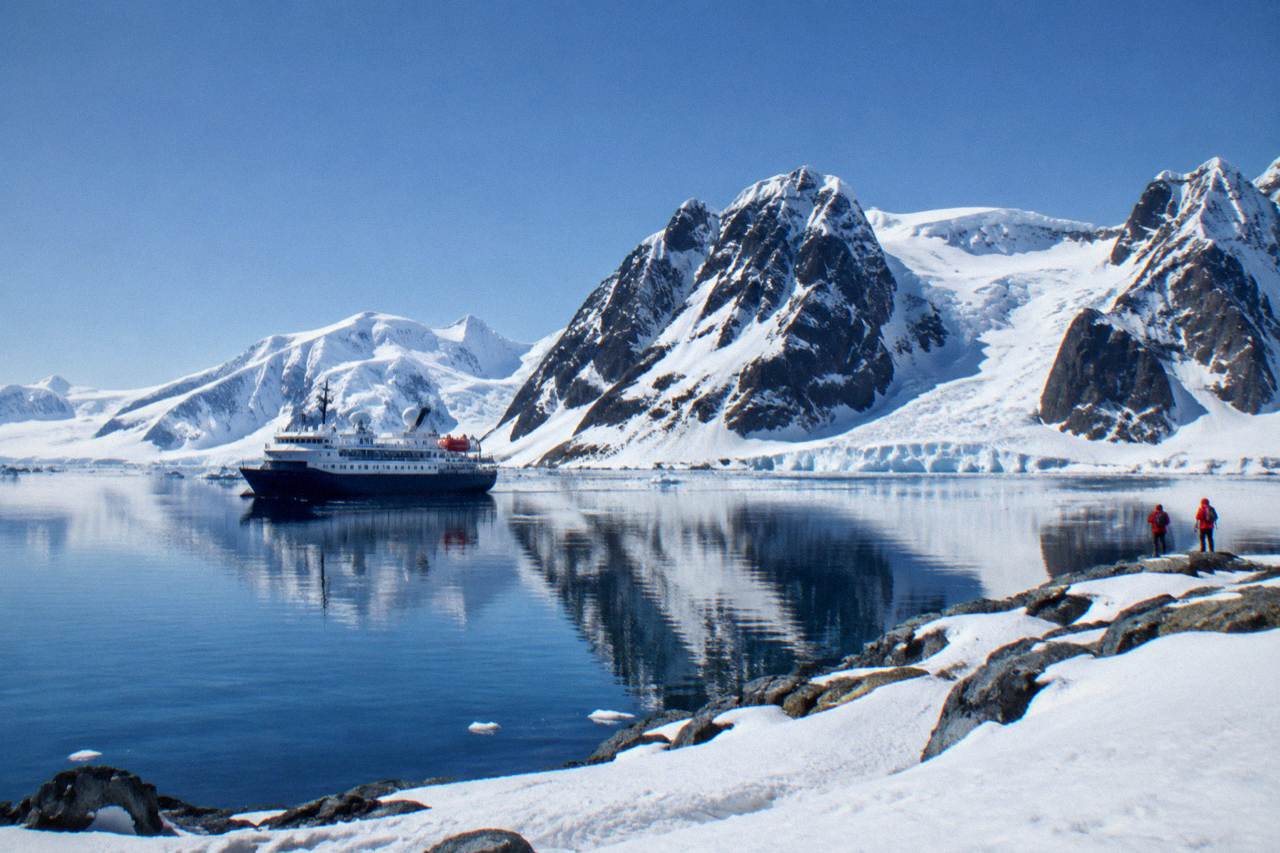
A fly-cruise is an Antarctic expedition cruise that replaces the Drake Passage sea crossing with a charter flight. You fly from Punta Arenas in Chile to King George Island in roughly two hours, board your expedition ship there, and spend the whole voyage among the South Shetland Islands and the Antarctic Peninsula. The return flight skips the crossing home too, cutting up to four days of open-ocean transit from the trip.
The mechanics are simple. The Drake Passage, the stretch of open water between Cape Horn and the Antarctic Peninsula, takes an expedition ship about two days to cross in each direction, though Quark Expeditions notes the passage can run anywhere from 18 to 48 hours depending on conditions. A fly-cruise removes that transit entirely. According to Quark's own comparison of flying versus sailing, the flight itself takes about two hours, and you step off the aircraft effectively already in Antarctica, at King George Island's airstrip in the South Shetlands.
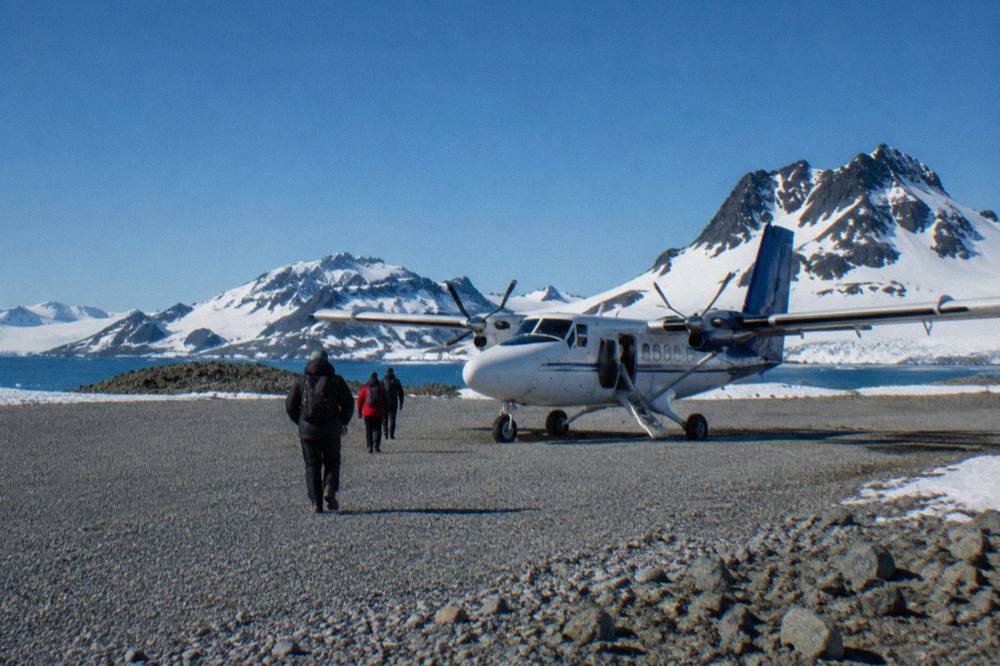
What you buy is still an expedition cruise in every sense: a ship, Zodiacs, landings, guides, and the same IAATO rules that govern every Antarctic visitor. The only thing that changes is the doorway. Instead of earning the continent through two days of the Drake, you fly over it. Antarctica21 has run this air-cruise model since 2003, and its journal page on cruising without crossing the Drake frames the flight as a way to eliminate up to four days of sea transit and the seasickness risk that comes with it.
The trade-offs are real, and this guide covers them in detail below. Flying costs more, and the flight is weather-dependent in a way a ship is not. For time-poor travellers, though, the cruise itself, the week of landings and icebergs and penguin colonies, is the part worth protecting, and a fly-cruise buys exactly that. If you are still weighing the two styles of Antarctic cruise against each other, our Drake Passage crossing guide explains what the sailing version actually feels like, day by day.
Which Ships Fly The Drake In 2026-27?
Three roster ships run fly-cruise operations for the 2026-27 season: Antarctica21's Magellan Explorer and the brand-new Magellan Discoverer, both purpose-built for air-cruises out of Punta Arenas, and Quark Expeditions' Ocean Explorer, which appears on Quark's fly-the-Drake itineraries. The Magellan ships carry 88 guests each on 8-day Classic Antarctica air-cruises from $13,795 per person. If you'd rather push deeper into the ice than these smaller expedition ships allow, our guide to Ponant's Le Commandant Charcot icebreaker covers what that hybrid vessel offers for Antarctic sailing.
Antarctica21 is the operator that built the model. Its Magellan Explorer, delivered in 2019, carries 88 guests on air-cruises and 96 on sea voyages, with seven cabin categories and a kayak program. The ship's listing shows a Classic Antarctica air-cruise of 8 days and 7 nights starting from $13,795 per person, with the charter flight from Punta Arenas to King George Island included in the arrangement. The ship has an LR PC6 ice class rating and a dedicated expedition layout, since it was designed from the keel up for fly-cruise logistics rather than converted from a conventional expedition vessel. Fly-cruises like this get you to the continent, but if you're wondering why no one simply flies over it instead, the reasons sightseeing overflights of Antarctica aren't offered explain the limits.
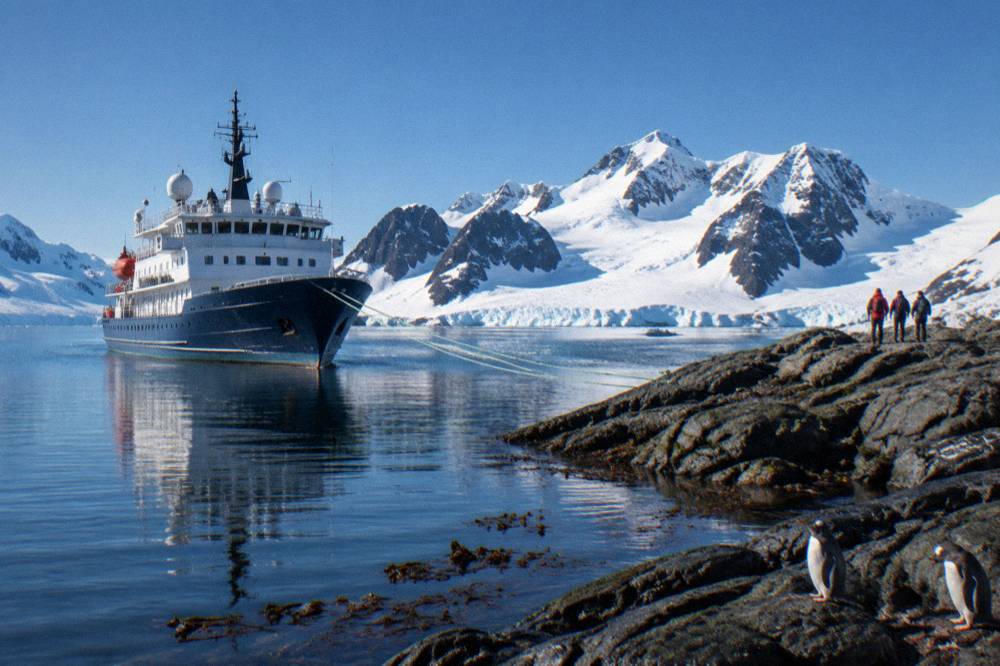
New for this season is the Magellan Discoverer, the newest ship in the Antarctica21 fleet, sailing its first Antarctic season in 2026-27. It also carries 88 guests, holds a PC6 ice class, and flies the same Punta Arenas to King George Island route. Its listing shows the same starting fare of $13,795 per person. Having two purpose-built ships gives Antarctica21 schedule depth: the operator has announced 52 to 53 expeditions for the 2026-27 season, which matters for fly-cruises because every departure depends on a charter flight slot as well as a berth.
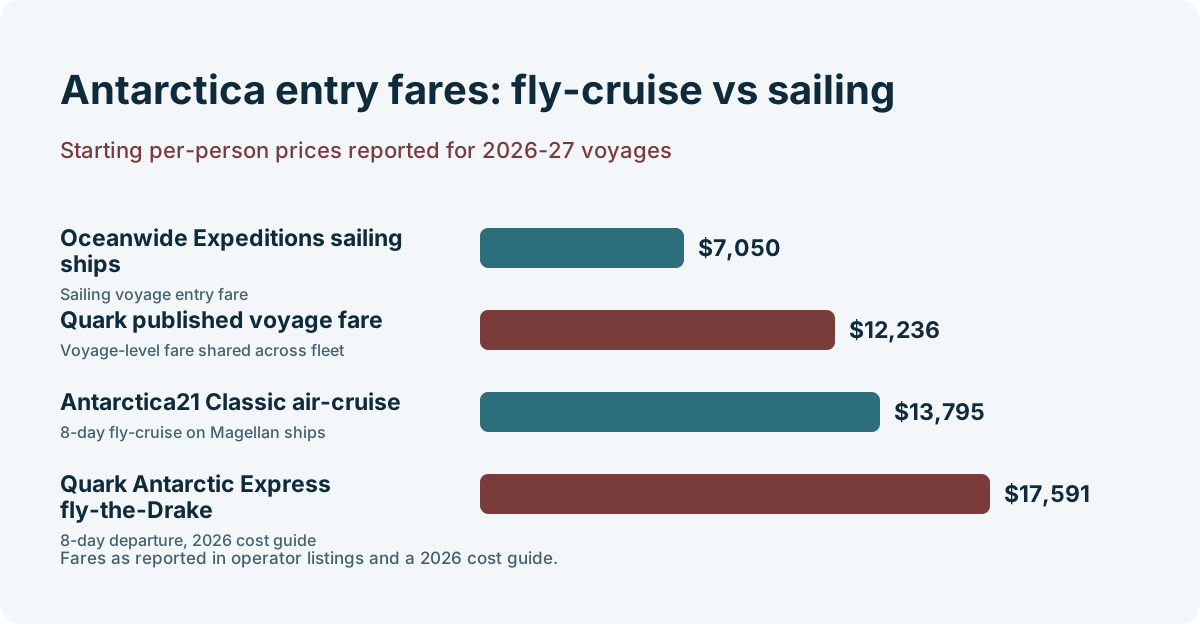
Quark Expeditions is the other name in the roster. Its Ocean Explorer, a 138-guest upscale expedition ship with 15 Zodiacs and verandas on almost all cabins, appears on Quark's Antarctic Express fly-the-Drake voyages, which a 2026 cost guide reports from $17,591 per person for an 8-day departure. Note that Quark's published fares are voyage-level and shared across its fleet, so the $12,236 starting figure you see attached to Ocean Explorer belongs to a sailing itinerary, not the fly option. Quark's fly-the-Drake product is shorter than the sailing voyages but, as one 2026 guide puts it, weather-dependent.
Here is the direct comparison of the three roster ships that fly the Drake this season:
| Ship | Class | Passengers | Ice class | From, per person | Voyage length | Departs from |
|---|---|---|---|---|---|---|
| Magellan ExplorerAntarctica21 | Fly-Cruise | 96 (88 in Antarctica) | LR PC6 | from $13,795 | 8 days | Punta Arenas (fly) to King George Island |
| Magellan DiscovererAntarctica21 | Fly-Cruise | 88 | PC6 | from $13,795 | – | Punta Arenas (fly) to King George Island |
| Ocean ExplorerQuark Expeditions | Upscale Expedition | 138 | 1A, PC6 | from $12,236 | 8 to 20 days | Ushuaia, Buenos Aires, Punta Arenas |
One more roster note: Silversea's Silver Endeavour and Silver Wind list Puerto Williams and King George Island among their ports, which reflects Silversea's own fly-cruise program out of the southern Chile gateways. Their current fares are not on file, so a current price for those voyages needs a consultation rather than a printed number. If you want the deeper ship-by-ship story, our Magellan Explorer guide covers Antarctica21's flagship in full.
Fly-Cruise Vs Sailing: Time, Price, Flexibility
Flying saves roughly four days of sea transit but costs more and gives you less schedule certainty. A charter flight takes about two hours; the sailing crossing takes up to two days each way. Fly-cruise fares run higher than comparable sailing voyages, and the flight itself can be delayed by weather, while a ship simply adjusts course. Sailing is cheaper and more flexible; flying is faster and calmer.
The time math is the whole pitch. A classic sailing itinerary spends about two days crossing to the Peninsula and two days back, so an 11-day voyage contains roughly four days of open ocean. A fly-cruise replaces those four days with two flights of roughly two hours each, meaning an 8-day air-cruise delivers more actual Peninsula days than an 11-day sailing trip. For anyone with a fixed two-week holiday, that difference is the decision.
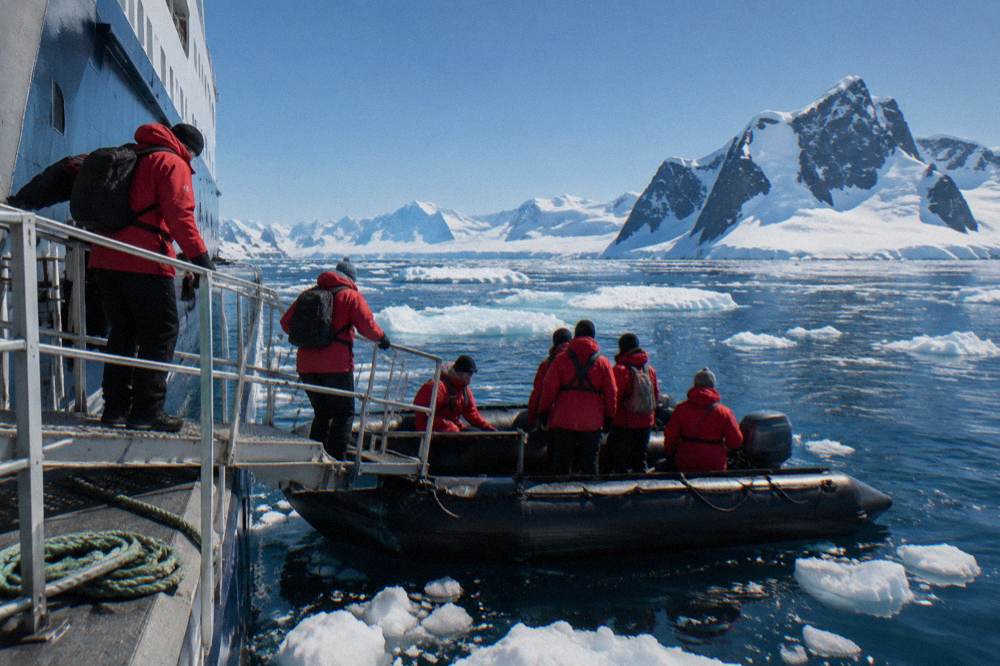
The price runs the other way. One 2026 comparison reports that fly-the-Drake options typically add roughly $2,000 to $5,000 over comparable sailing voyages, because of the charter flights involved. The roster bears this out at the entry level: Oceanwide Expeditions' sailing ships start from $7,050 per person, while the fly-cruise entry point is $13,795. Those are not identical products, different ships, different lengths, different inclusions, but the gap is structural. You are buying an aircraft seat as well as a cabin.
| Factor | Fly-cruise | Sailing voyage |
|---|---|---|
| Drake Passage time | About 2 hours by air | Roughly 2 days each way |
| Typical voyage length | 8 days | 10 to 14 days |
| Entry fare (roster) | From $13,795 pp | From $7,050 pp |
| Weather exposure | Flight can be delayed by conditions | Ship adjusts speed and course |
| Seasickness risk | Avoided entirely | Rough conditions occur on some crossings |
| Peninsula days per trip | Higher ratio | Lower ratio |
Flexibility is the honest weak point of flying. A ship in the Drake can slow down, speed up, or alter course; an aircraft bound for King George Island waits for a weather window or does not fly. Operators build buffers into their programs to absorb this, and Antarctica21's air-cruise includes a required hotel stay in Punta Arenas before the flight, but the schedule risk sits with the flight, not the sea. If you are weighing the two purely on cost, our fly or cruise cheaper breakdown runs the numbers in more detail.
This is also the decision point where a second opinion genuinely pays. Which side of the fly-versus-sail trade you should land on depends on your dates, your budget, and how your stomach handles a swell, so compare fly and sail options with a free consultation before committing to either.
How Much Does An Antarctica Fly-Cruise Cost?
Roster fares for 2026-27 fly-cruises start at $13,795 per person for Antarctica21's 8-day Classic Antarctica air-cruise on Magellan Explorer or Magellan Discoverer. Quark's Antarctic Express fly-the-Drake voyage is reported from $17,591 per person. Expect the all-in figure to be higher once flights to Chile, hotel nights, gear, and insurance are added.
The $13,795 starting fare is the air-cruise's headline number, and it is worth reading precisely. It is a starting-from price on the operator's ship page for the Classic Antarctica program, 8 days and 7 nights, with the lowest cabin category and the cheapest departure dates. Fares rise with cabin category and with peak-season dates, and the card does not show specific departure dates, so the number you actually pay depends on when you go.
Budget beyond the fare itself. A 2026 cost guide puts the realistic all-in budget for a 10- to 12-day mid-range Peninsula trip, fare plus flights plus gear plus tips plus insurance, at $12,000 to $25,000 per person, and recommended tips average about $16 per person per day. Travel insurance with medical evacuation cover is required or recommended by most operators and is not included in base fares. For fly-cruises specifically, you must also budget the hotel night in Punta Arenas before the flight, which the program requires rather than suggests.
| Cost item | Typical figure | Source |
|---|---|---|
| Air-cruise fare, Magellan Explorer or Discoverer | From $13,795 pp | Operator ship page |
| Quark Antarctic Express fly-the-Drake | From $17,591 pp | 2026 cost guide, unverified |
| Fly option premium vs sailing | Roughly $2,000-$5,000 | 2026 operator comparison |
| Recommended crew tips | About $16 pp per day | 2026 cost guide |
| Insurance with medical evacuation | Required or recommended, not in fare | Operator policies |
The value question is whether the premium buys something you actually want. If your holiday allowance is two weeks and the alternative is a sailing voyage that spends four of its days in the Drake, paying more to convert those days into landings is straightforward arithmetic. If you have a month and a taste for the open ocean, the sailing fare buys you the crossing as an experience rather than a cost. Our Antarctica cruise cost guide frames the full budget picture, and get current fly-cruise fares quoted free once you have a season in mind, since cabin categories and departure dates move the real number well away from the headline.
What Happens When Weather Delays The Flight?
Fly-cruise flights to King George Island are weather-dependent, so operators build the program around buffers: a mandatory hotel night in Punta Arenas the day before, a pre-flight briefing, and gear and biosecurity checks done on the ground in Chile. If weather closes the airstrip, the departure waits for a window, which is why the schedule margin exists.
The rules are stricter than on a normal flight because the destination is a gravel airstrip on a sub-Antarctic island. Polar Latitudes, which runs fly-cruises through the same Punta Arenas gateway, requires guests to arrive at their Punta Arenas hotel by 14:00 the day before the charter flight, and imposes a strict 20 kg (44 lb) checked baggage limit on the King George Island leg. Antarctica21's program similarly requires the hotel stay and pre-flight briefing in Punta Arenas before departure. None of this is optional; the charter aircraft and the island airstrip set the terms.
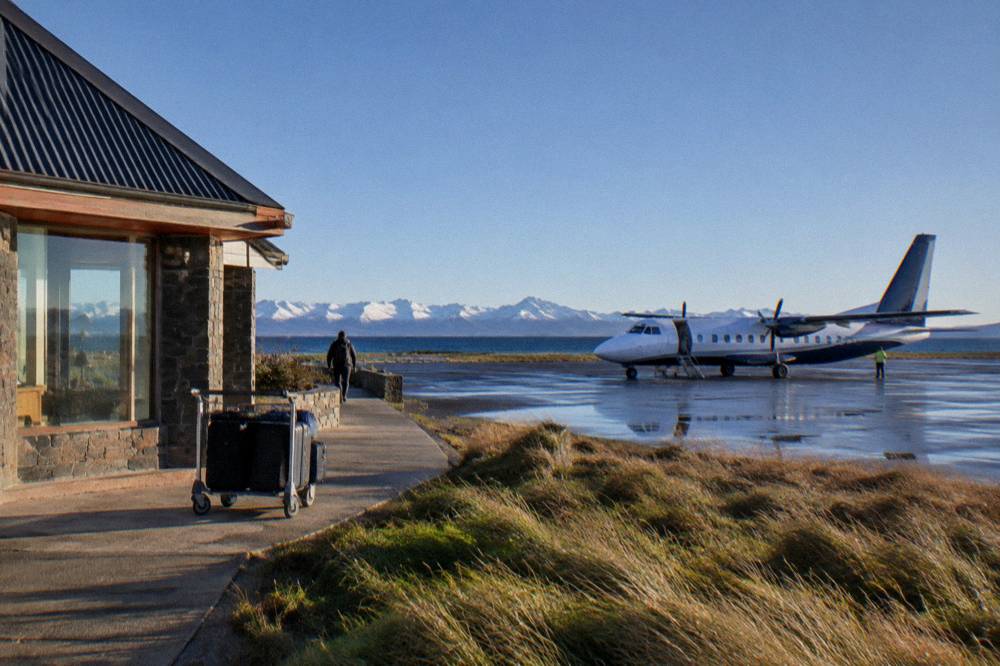
The delay risk is the reason fly-cruise itineraries carry a different shape of uncertainty than sailing voyages. A ship crossing the Drake can take 18 to 48 hours depending on conditions, but it almost always crosses. A flight, as one 2026 guide notes of Quark's Antarctic Express, is weather-dependent: if King George Island's weather closes in, the flight holds in Punta Arenas until it opens. Operators schedule around this, and the 2026-27 season's 52 to 53 Antarctica21 expeditions are structured with those buffers, but you should plan your international flights with slack on both ends of the trip.
There is a middle path worth knowing about. Sail-and-fly hybrid options cross the Drake by ship one way and fly the other, halving the open-ocean exposure while keeping a taste of the classic crossing. It is a genuine compromise for travellers who want to try the Drake without betting both legs of the holiday on it, and it is exactly the kind of nuance a consultation can sort out quickly, which is why a free consultation on flight-versus-sail routing is worth the ten minutes before you book anything.
The biosecurity side is the same for flyers and sailors. IAATO's visitor guidelines require you to carefully wash boots and clean all equipment, including clothes, bags, tripods and walking sticks, before bringing them to Antarctica, and to clean again between sites. The gear checks in Punta Arenas are where that happens for fly-cruise guests, before you ever reach the ship.
Is An Antarctica Fly-Cruise Worth It?
A fly-cruise is worth it for travellers with limited time, low sea tolerance, or a fixed return date, because it converts transit days into Peninsula days. It is poor value for travellers who want the lowest fare, the longest voyage, or the experience of the crossing itself. The 8-day air-cruise from $13,795 per person is the honest entry point, and the decision is really about what your calendar is worth.
The case for flying is arithmetic. An 8-day air-cruise with roughly six days around the Peninsula delivers more landings than an 11-day sailing voyage with four days of Drake transit. IAATO rules cap landings at 100 passengers ashore from a vessel at any one time, and the Magellan ships carry just 88 guests, so every passenger can go ashore at once, no rotation required. On bigger sailing vessels the rotation is managed but real. Small ship, short trip, maximum time on the ice: that is the fly-cruise product in one sentence.

The case against is also honest. You pay a premium of roughly $2,000 to $5,000 over a comparable sailing voyage, per the operator comparisons cited earlier, and you accept a weather-dependent flight where the sailing guest accepts a swell. Some travellers who sail the Drake describe the crossing as part of the point, two days of albatross and horizon that earn the continent. That is a matter of taste, and it is the one part of this comparison I would not argue with anyone about: the crossing means different things to different travellers, and both readings are legitimate.
Here is a plain decision table for the two products:
| You should fly the Drake if... | You should sail the Drake if... |
|---|---|
| Your holiday is under two weeks | You have three weeks or more |
| Rough seas are a dealbreaker | The crossing appeals to you |
| You want maximum landings per day ashore | You want the lowest entry fare |
| You accept a weather-dependent flight | You prefer a ship's schedule flexibility |
| The budget premium is affordable | The budget premium is not |
Whichever way you lean, the practical next step is the same: check that the dates, the cabin category and the current fare line up before you commit, because the printed starting figure is only the floor. Our Punta Arenas gateway guide covers the Chilean side of the trip in detail.
Common Questions About Fly-Cruise Antarctica
How Long Is The Flight To King George Island?
The charter flight from Punta Arenas to King George Island takes roughly two hours, against up to two days per crossing by ship. Operators including Antarctica21 and Quark publish this figure on their fly-the-Drake pages.
Is A Fly-Cruise More Expensive Than Sailing?
Yes. Fly-the-Drake options typically add roughly $2,000 to $5,000 over comparable sailing voyages because of the charter flights. Roster entry fares reflect this: sailing ships start from $7,050 per person, while the air-cruise entry point is $13,795.
What Happens If The Flight Is Delayed By Weather?
The departure waits in Punta Arenas for a weather window. Operators build buffers into the program, including a mandatory hotel night and pre-flight briefing the day before, but you should keep slack in your international flights on both ends of the trip.
Which Ships Offer Antarctica Fly-Cruises?
For 2026-27 the roster ships flying the Drake are Antarctica21's Magellan Explorer and Magellan Discoverer, both 88-guest PC6 ships running 8-day air-cruises from $13,795 per person, and Quark Expeditions' Ocean Explorer on Antarctic Express fly-the-Drake voyages.
Can You Avoid The Drake Passage Entirely?
Yes, on a fly-cruise both the outbound and return crossings are replaced by charter flights, eliminating up to four days of sea transit. Sail-and-fly hybrids also exist, crossing by ship one way and flying the other.
How Much Luggage Can You Bring On A Fly-Cruise?
Strict limits apply on the charter leg. Polar Latitudes, for example, imposes a 20 kg (44 lb) checked baggage limit on the Punta Arenas to King George Island flight, and operators provide or facilitate rental of expedition boots and parkas to keep weight down.