IAATO Explained: The Rules Every Antarctica Visitor Follows
 By Oleg G.
Every operator page mentions IAATO membership. Here is what the organisation actually is, which rules shape your voyage, and why a member operator matters when you book.
Quick answer: IAATO is the International Association of Antarctica Tour Operators, founded in 1991, with 140 members for the 2026-27 season. Its rules cap landings at 100 passengers ashore per site, ban landings from ships over 500 passengers, and set a 5-metre wildlife distance. Antarctica recorded 113,518 visitors in 2025-26.
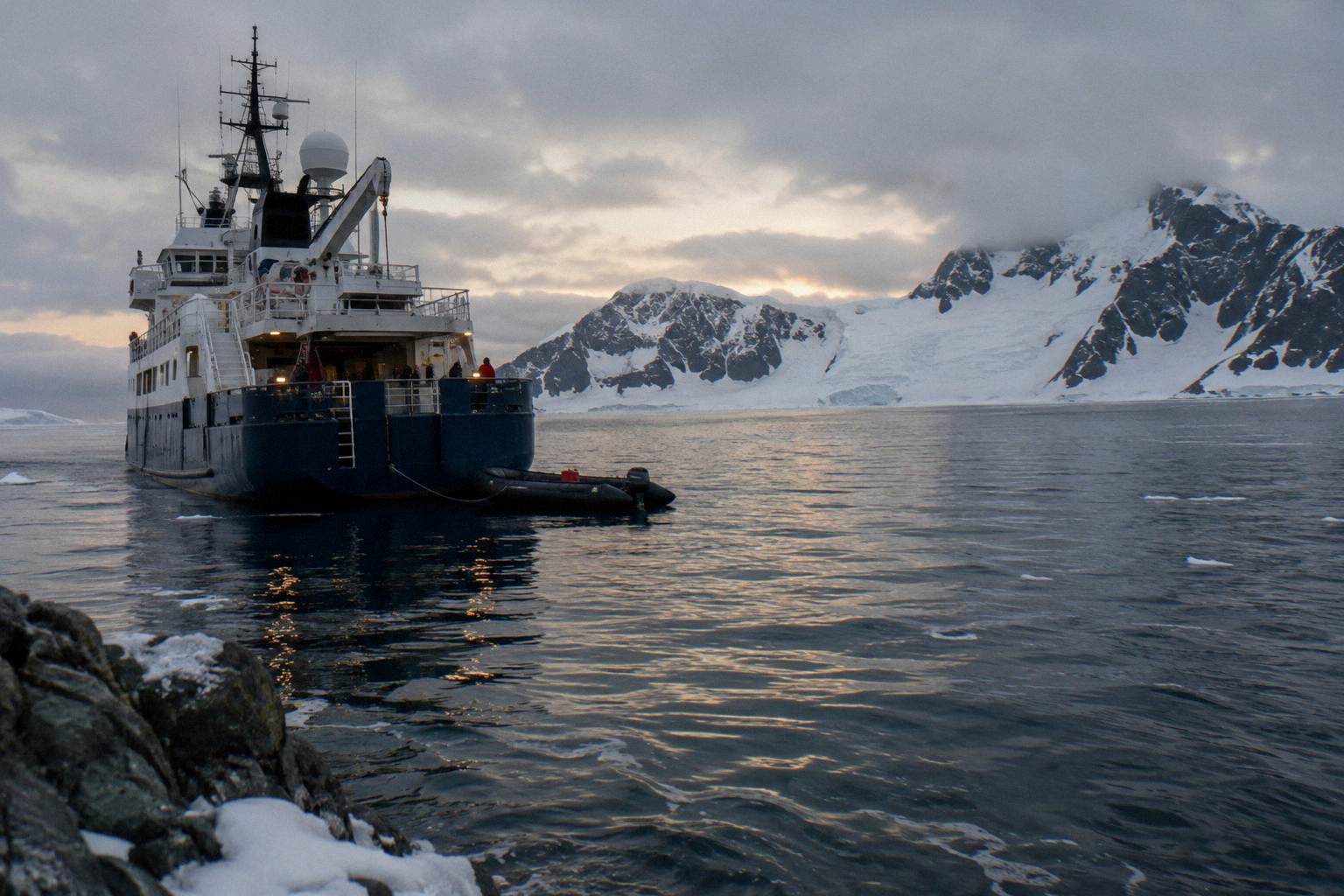
IAATO appears on nearly every Antarctica operator page, usually as a logo and a single line about responsible travel. Few travellers know what the acronym stands for, fewer still know that its rules decide how many people stand on a penguin beach with them, how close a Zodiac drifts to a whale, and whether their ship may land at all. The organisation effectively writes the day-to-day rulebook for Antarctic expedition cruises, and its guidelines touch almost every hour you spend off the ship. The rules below come from IAATO's own published guidance and its reporting to the Antarctic Treaty parties, plus the operators' fleet pages, and they matter most when you are comparing ships, because a vessel's passenger count determines how the limits apply to you.
What Is IAATO And Who Must Follow It?
IAATO, the International Association of Antarctica Tour Operators, is a self-regulatory industry body founded in 1991 by seven private operators to manage private-sector travel to Antarctica under the Antarctic Treaty System. For the 2026-27 season it counts 140 members, of which 54 are operators or provisional operators; membership is voluntary, and its guidelines bind members rather than every ship in Antarctic waters.
The seven founders, according to IAATO's own history, were Adventure Network International, Mountain Travel Sobek, Paquet/Ocean Cruise Lines, Salén Lindblad Cruising, Society Expeditions, Travel Dynamics and Zegrahm Expeditions. Tourism was then a fraction of today's scale. Membership has grown with the industry: IAATO reported 140 members for the 2026-27 season, made up of 54 operators and provisional operators and 86 associates. Associates, unlike operators, do not run voyages themselves.
The regulatory backdrop is worth understanding, because IAATO does not exist in a vacuum. Antarctica is governed by the Antarctic Treaty System, and tourism is one of the activities the Treaty parties monitor through the annual Antarctic Treaty Consultative Meeting. IAATO reports to that meeting each year, submits working papers, and its data appears in official Treaty documents. In 2026, the Consultative Meeting adopted Resolution 3, updating site-specific visitor guidelines with approach distances, temporal restrictions, boundaries and capacities for frequently visited locations. In practice, IAATO is the mechanism through which those Treaty-level decisions reach the gangway of your ship: the expedition leader carries the site guidelines, the scheduler, the biosecurity procedures, and applies them landing by landing.
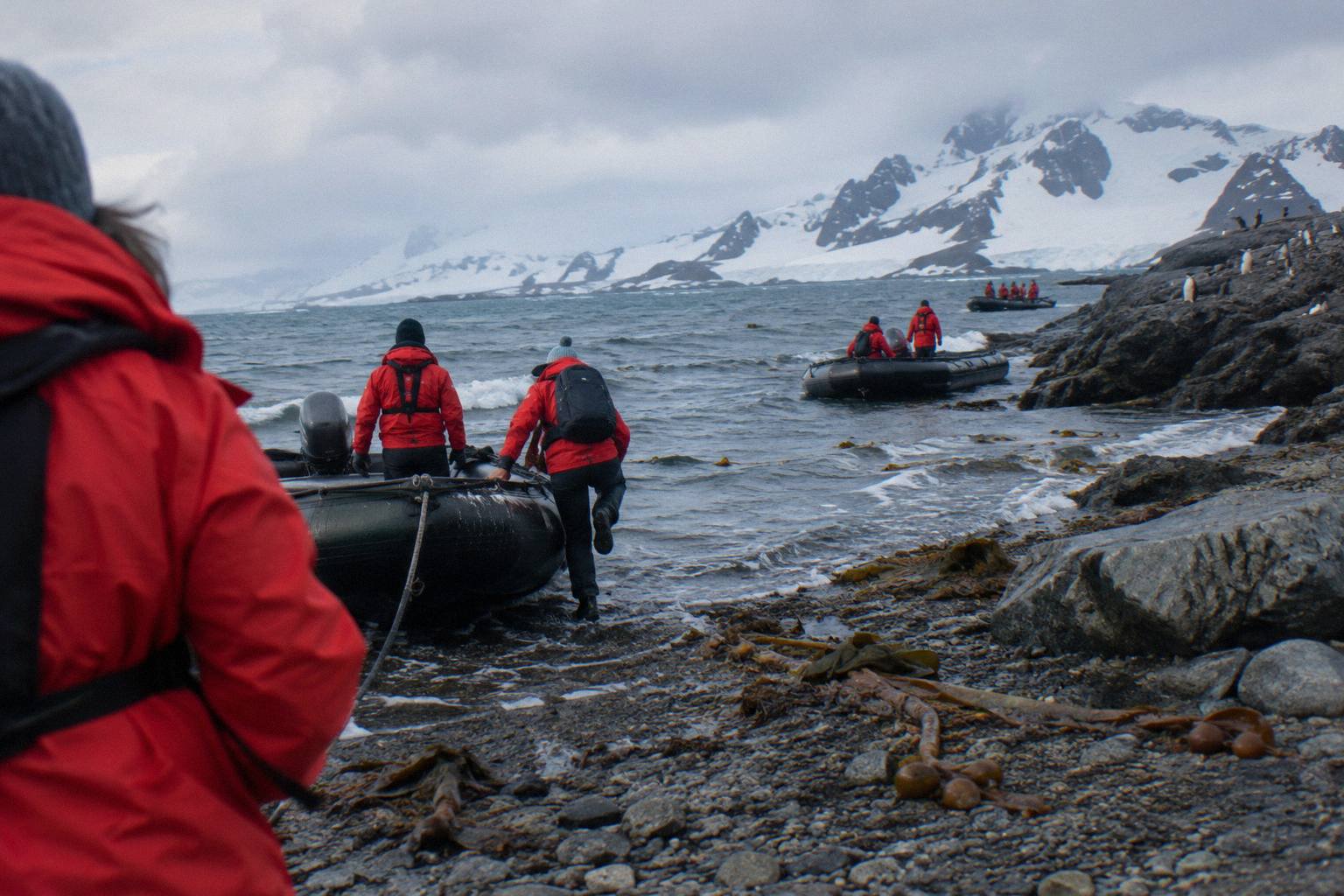
Because membership is voluntary, checking it is one of the few due-diligence steps a traveller can take. IAATO maintains a public member directory, and the IAATO member directory lists current operators, provisional operators and associates. Not every vessel visiting Antarctica sails for a member, so if landing rules and biosecurity matter to you, confirming the operator's status before booking a cruise cabin is worth the two minutes it takes. The directory also distinguishes full operators from provisional operators, a category used for lines working toward full membership, and associates. If you want help sorting member operators from the rest, get a free Antarctica cruise consultation and the ship question can be settled early.
The Landing Rules: 100 Ashore, 500-Passenger Ban, One Ship Per Site
Three numbers govern every Antarctic landing: no more than 100 passengers from a vessel may be ashore at a site at any one time, vessels carrying more than 500 passengers shall not make landings at all, and only one ship may visit a site at any one time. A minimum guide ratio of one expedition staff member to 20 visitors applies while ashore.
These rules come straight from IAATO's visitor guidelines and are repeated in its field operations framework. The 100-passenger ceiling is the one travellers feel most. On a ship carrying 199 guests, such as Quark Expeditions' Ultramarine, the ship must split its passengers into groups and rotate them ashore, which shortens each person's time at a site. On ships at or under roughly 100 guests, everyone can be ashore together, which is one reason small-ship advocates argue the format buys more time on the ice per person. The 1:20 guide ratio applies on top: a ship with 200 passengers ashore in two rotations needs at least five guiding staff with each group, and team sizes differ from ship to ship, so it is a number worth asking about.
The 500-passenger ban explains a split in the market that confuses many first-time researchers. Large mainstream ships, including Princess's Majestic Princess with a capacity of 3,560 guests, do cruise Antarctic waters, but their passengers experience the Peninsula from the deck as scenic cruising, with no landings. Expedition ships, nearly all under 500 passengers and most under 200, are the vessels that put you ashore by Zodiac. IAATO's own vessel categories formalise this: C1 ships carrying 13 to 200 passengers make landings, C2 ships of 201 to 500 make landings with restrictions, CR ships of 501 or more are cruise-only, and small yachts of up to 12 also land. This site covers the distinction in depth in the guide to expedition versus traditional Antarctica cruises.
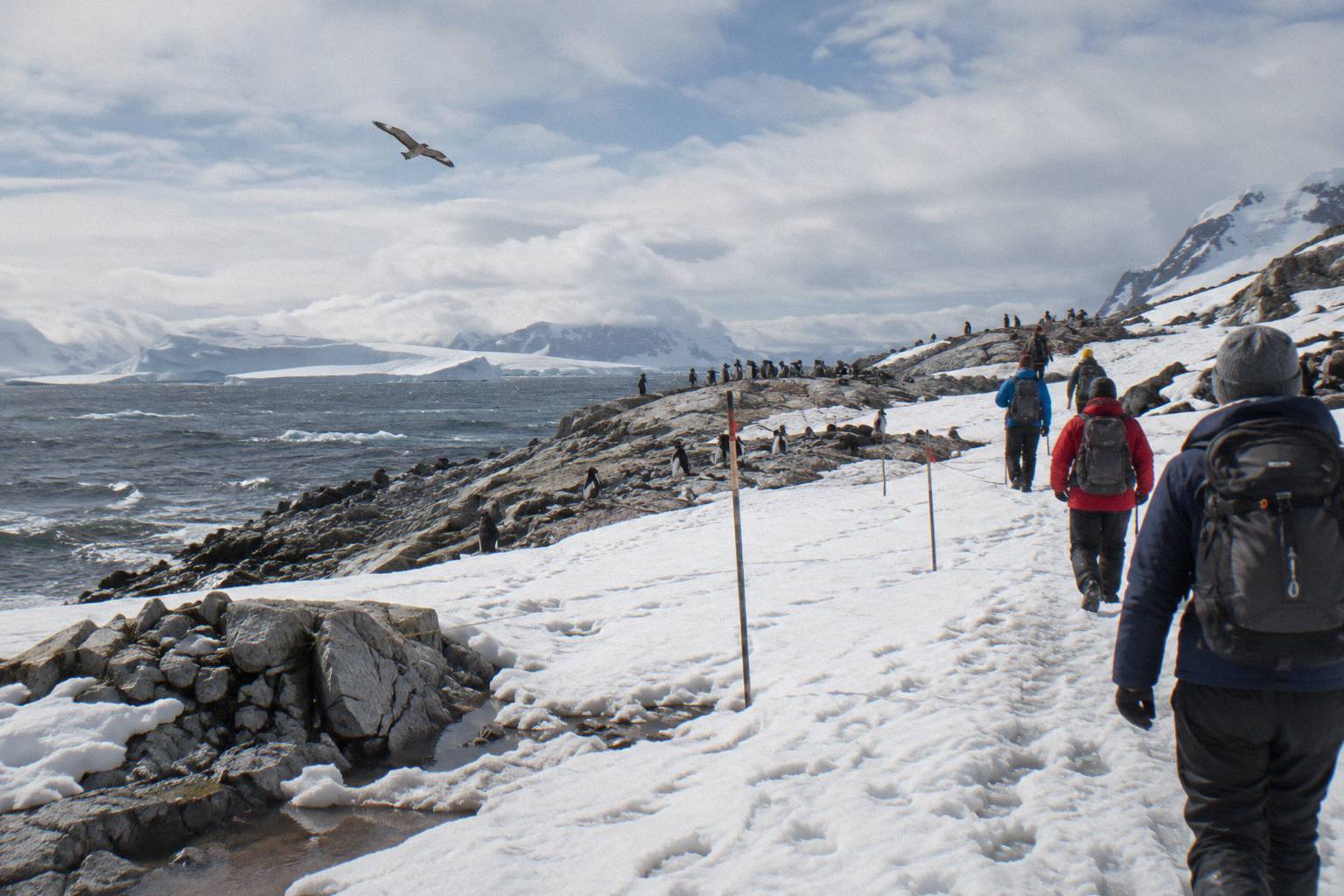
The one-ship-per-site rule is coordinated through a shared scheduling system. IAATO members report their plans and use a vessel scheduler so that two ships do not arrive at the same landing site at once, which is why your expedition leader may swap a planned stop late in the evening. If a site is taken, the ship moves to its second or third option, and this is also why identical itineraries on paper produce different trips in practice. Site-specific guidelines, updated through Antarctic Treaty Resolution 3 (2026), layer additional restrictions on top, including approach distances, time windows and capacity caps at frequently visited locations such as Port Lockroy, where the island cap is 60 visitors at once and 350 per day, with no more than 35 people inside the historic base at a time.
The table below shows how the 100-ashore rule plays out on ships from the roster that represent three different size philosophies.
| Ship | Operator | Passengers | Landing experience under the 100-ashore rule |
|---|---|---|---|
| Hondius | Oceanwide Expeditions | 170 | Passengers rotate ashore in two or more groups per landing |
| Ultramarine | Quark Expeditions | 199 | Rotation in groups; 20 Zodiacs and two ready rooms speed turnover |
| National Geographic Endurance | Lindblad Expeditions | 138 | Rotation in two groups; 1:20 guide ratio ashore |
Oceanwide's Hondius is the ship featured on this page because it illustrates the small-ship end of the rulebook: 170 passengers in 80 cabins, Polar Class 6 ice class, and a sheltered indoor Zodiac boarding platform that keeps group rotations moving in poor weather. You can read more in the guide to Hondius Antarctica voyages.
Wildlife Distances: The Five-Metre Rule And Its Exceptions
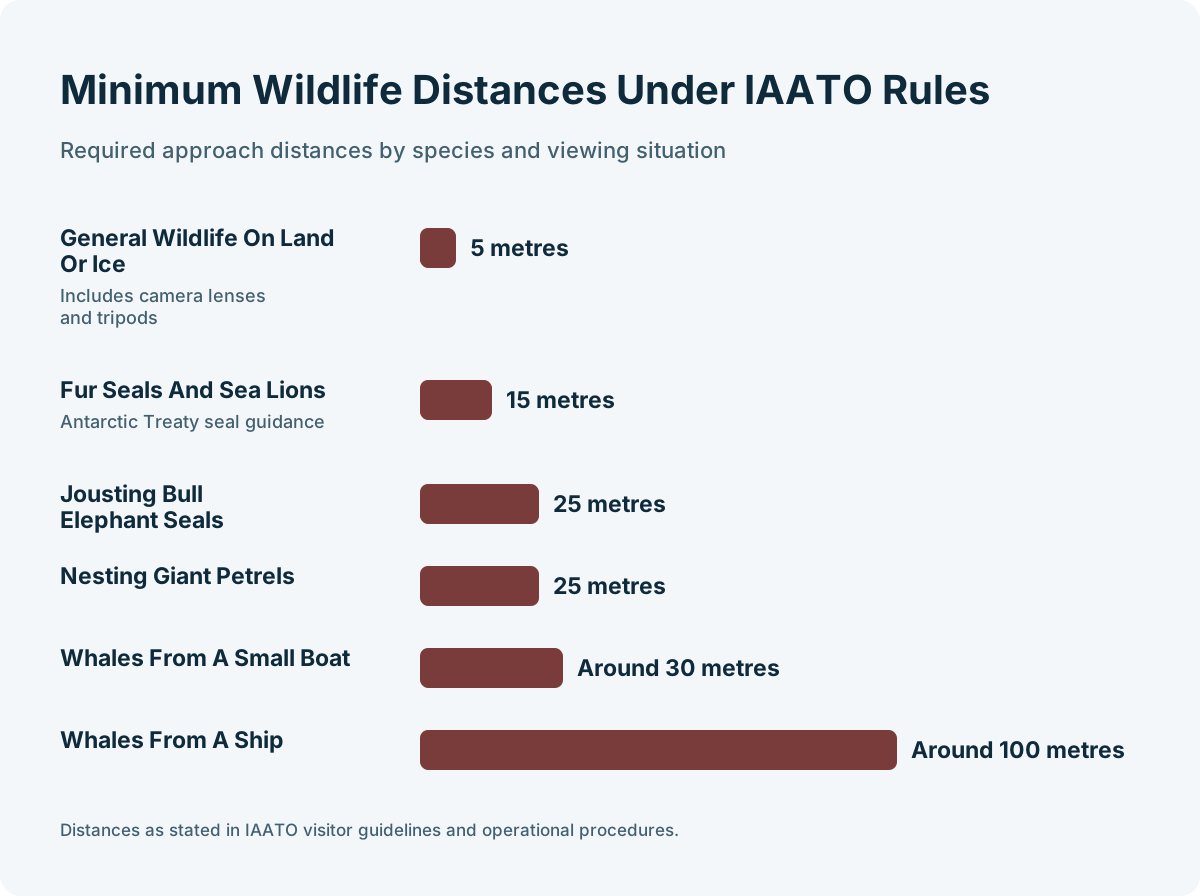
IAATO's general rule is to keep at least 5 metres from wildlife on land or ice, including camera equipment, with greater distances required for certain species and situations: roughly 15 metres for fur seals, 25 metres for nesting giant petrels, and distances for whales measured from the vessel or Zodiac rather than on foot. Animals dictate any closer approach, never the visitor.
The 5-metre baseline appears in IAATO's visitor guidelines and in the general visitor poster it publishes with the Antarctic Treaty parties. The species-specific distances come from IAATO's operational procedures for viewing birds and marine mammals. The practical effect on an expedition cruise is that your guides mark approach boundaries at every landing, and you are briefed never to block a penguin highway, the paths colonies use between nests and the sea. Feeding, touching or any deliberate disturbance is off the table entirely, and the rules apply to your tripod and telephoto lens as much as to your body: a long lens does not license a shorter physical distance.
Seals deserve special mention because they are the wildlife visitors most often misjudge. Antarctic fur seals are highly mobile on land and may charge if approached too closely, which is why the guidance around them is 15 metres rather than 5. During the austral summer, fur seal abundance builds on the Peninsula through February and March, exactly when many whale-focused voyages sail, so late-season travellers share beaches with more of them. Elephant seals add another wrinkle: jousting bulls carry a recommended distance of 25 metres. Your expedition team will brief you on the site's residents before every landing, and those briefings are a direct delivery of IAATO procedure.
Drones fall under this framework too. IAATO guidance states drones must not be used near wildlife, and member operators generally prohibit recreational drone use in coastal and terrestrial Antarctica, a rule many photographers learn about only after packing one. Commercial and scientific drone use requires permits through national authorities, so personal aerial footage is not something to plan a trip around. The finer points of conduct ashore, including the much-asked question about why visitors are told not to kneel or sit on the ground, are covered in the post on why you can't kneel in Antarctica.
| Wildlife or situation | Minimum distance (IAATO guidance) |
|---|---|
| General wildlife on land or ice | 5 metres, including lenses and tripods |
| Fur seals and sea lions | 15 metres (Antarctic Treaty seal guidance) |
| Jousting bull elephant seals | 25 metres |
| Nesting giant petrels | 25 metres |
| Whales from a small boat | Around 30 metres |
| Whales from a ship | Around 100 metres |
Distances increase if an animal shows signs of disturbance, and the animal always sets the terms: if a penguin walks toward you, you hold still rather than back away or reach out. The IAATO wildlife viewing procedures publish the full species list.
Biosecurity And Checks Every Landing Day
Every visitor to Antarctica with a member operator must have their clothing and gear inspected and cleaned before the first landing, and boots and equipment are washed and disinfected between sites. The rules exist to keep seeds, soil and pathogens, including avian influenza, out of a region where introduced organisms and disease are a real threat to wildlife.
The general visitor guidelines are blunt about it: carefully wash boots and clean all equipment, including clothes, bags, tripods, tents and walking sticks, before bringing them to Antarctica, then clean again between sites. In practice this means a vacuum station and boot wash near the mudroom on every expedition ship, a biosecurity briefing before your first landing, and attention to Velcro, pockets and trouser hems, where seeds hide. If you have hiked in Patagonia or even your local park in the months before the voyage, your gear can carry plant material, and the inspection is not a formality.
Since the 2023-24 season these routines have carried extra weight. Highly pathogenic avian influenza H5N1 was first confirmed at South Georgia in October 2023 and on the Antarctic Peninsula in December 2023, with detections continuing into the 2025-26 season across the Peninsula region and as far as Heard Island. The virus has caused mortality in seabirds including skuas, gulls, albatrosses and penguins, and in marine mammals, with southern elephant seal pup mortality recorded at multiple sub-Antarctic and Antarctic locations. IAATO-aligned protocols now include scouting landing sites for sick or dead birds before passengers go ashore, cancelling or restricting landings where signs are present, and mandatory disinfection of boots and gear with agents such as Virkon before and after every landing and between sites. Travellers also may not sit or kneel on the ground in wildlife areas, which limits both disturbance and contamination.
None of this has stopped tourism. No large-scale mass mortality has been reported as of mid-2026, and no widespread site closures were reported for 2025-26, with operations continuing under enhanced biosecurity protocols. But it has changed the rhythm of landings: expect a short scout Zodiac in the morning at some sites, briefings that mention avian flu by name, and disinfection queues that become as routine as grabbing your life jacket.
Visitor Numbers: 2023-24 To 2025-26
IAATO counted 122,072 total visitors in the 2023-24 season, 118,491 in 2024-25, and 113,518 in 2025-26 as of 10 April 2026. Within the most recent season, 85,195 visitors landed on the continent, 27,217 were cruise-only, and 1,106 travelled deep field, the first time deep-field numbers passed one thousand.
The totals show the scale IAATO manages, and the composition matters to travellers choosing a trip. Cruise-only visitors, those on ships too large to land, fell sharply in 2025-26 while landed visits rose about 6 percent from 80,455 the season before. Landed travel, the expedition-cruise model, is where every IAATO landing rule directly shapes your experience.
Nearly all of this activity is concentrated in one corner of the continent. The Antarctic Treaty Secretariat notes that approximately 98 percent of tourism voyages occur in the Antarctic Peninsula during the seven-month austral summer from October to April, which is why almost every ship on this site's roster departs from Ushuaia, Punta Arenas or Buenos Aires rather than from New Zealand or Cape Town.
| Season | Total visitors | Landed | Cruise-only | Deep field |
|---|---|---|---|---|
| 2023-24 | 122,072 | - | - | - |
| 2024-25 | 118,491 | - | - | - |
| 2025-26 | 113,518 | 85,195 | 27,217 | 1,106 |
IAATO's own figures, published in its newsroom and in its report to the 48th Antarctic Treaty Consultative Meeting, are the source for all three seasons. If the balance between landed and scenic travel is central to your plans, the choice of ship class decides it before you ever reach the Drake Passage, and talk through your options with a consultation before committing to a vessel.
Souvenirs: What You May And May Not Take Home
Visitors may not take rocks, feathers, bones, eggs, vegetation, soil, meteorites, fossils or any biological or geological items from Antarctica; the prohibitions come from the Antarctic Treaty Environment Protocol and national laws such as the Antarctic Conservation Act. Purchased souvenirs are allowed, and the two best-known legal shopping stops are the post office and shop at Port Lockroy and the souvenir shop and bar at Ukraine's Vernadsky station.
The takeaway rules are absolute and appear in the visitor guidelines adopted through Antarctic Treaty Resolution 4 (2025). A pebble from a beach, a penguin feather, a piece of whale bone: all stay in Antarctica. The same framework bars leaving anything behind, and nothing may be discarded at landing sites, as covered in the post on what is not allowed in Antarctica. The simplest rule of thumb is to leave everything exactly where you found it.
Legal souvenirs exist, and they are a genuine highlight of some itineraries. Port Lockroy on Goudier Island, run by the UK Antarctic Heritage Trust, operates the world's southernmost post office alongside its museum and shop during the staffed season, typically November to March. Postcards bought there go out by ship mail and can take several weeks to months to arrive. The shop sells items including recycled-plastic souvenirs, maps and apparel, and the site is in the middle of a three-year structural conservation programme. Ukraine's Vernadsky station also welcomes cruise visits and runs a small souvenir shop and bar, with recycled-plastic items among its stock, a local tradition of turning station waste into keepsakes. Some stations, including Vernadsky and certain Argentine bases, have offered passport stamps to visitors, though access depends on the operator's arrangements and station policy, and several stations have restricted or closed tourist access since the pandemic.
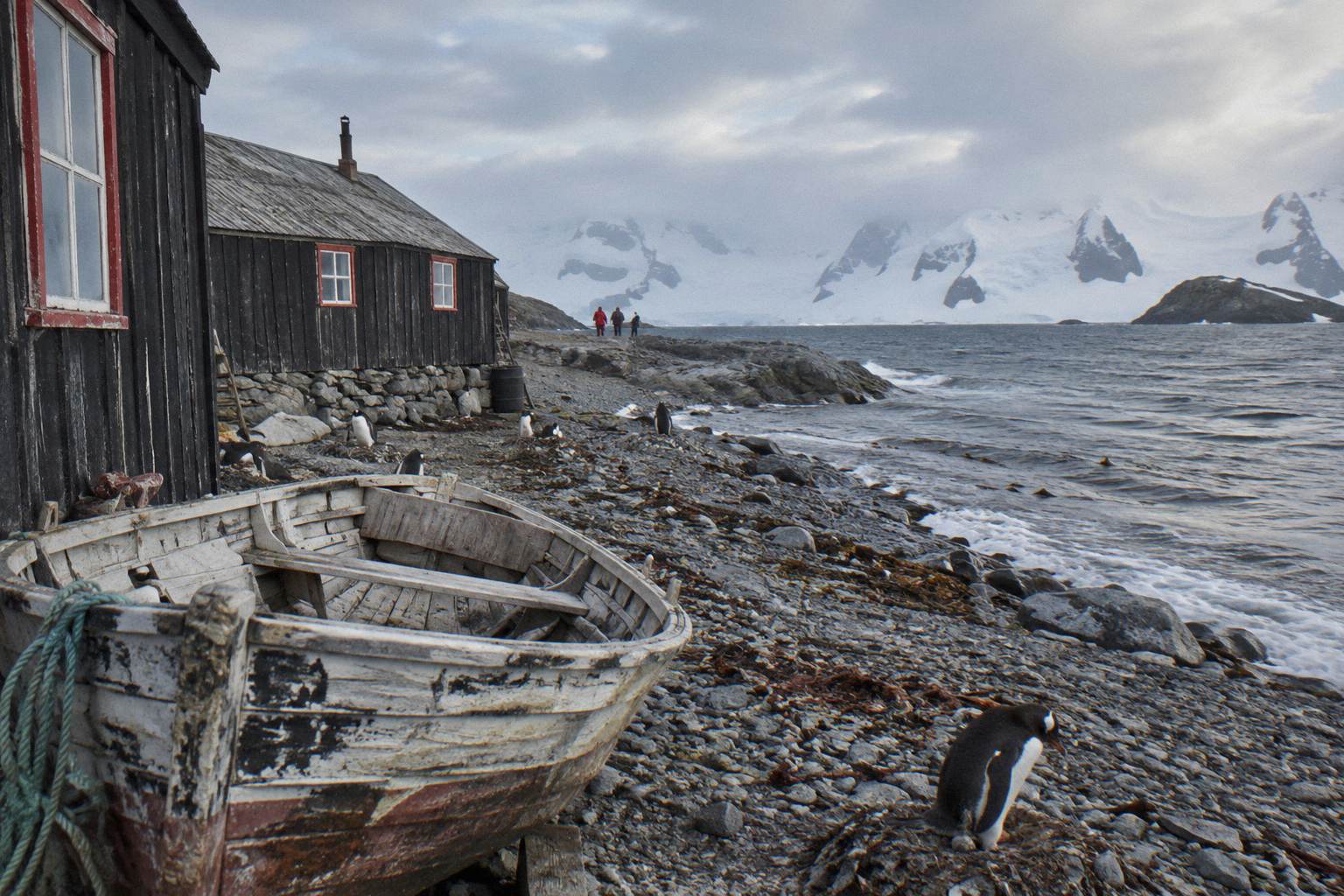
One caveat for anyone planning a Port Lockroy stop: the site is undergoing a multi-year structural conservation programme, with major works continuing into the 2026-27 season, and its visitor caps, 60 on the island at a time and 350 per day, are stricter than the general 100-ashore rule. Ships schedule it through the IAATO coordination system, so whether you visit depends on your vessel's slot, not just the weather. The eastern side of the island is roped off for a penguin study, and the site guidelines set a curfew from 18:00 to 07:00 without the base leader's agreement.
Why Booking An IAATO Operator Matters For Your Voyage
Booking a member operator means your voyage runs under binding landing limits, wildlife distances, biosecurity checks and coordinated site scheduling, with the operator reporting its compliance back to IAATO and, through it, to the Antarctic Treaty parties. IAATO's guidelines do not bind non-member vessels, which is why checking membership is worth the two minutes.
The membership question is not abstract. A member operator's expedition leader works inside the one-ship-per-site scheduler, enforces the 100-ashore rotation, and accepts that a landing can be cancelled for biosecurity or wildlife reasons on the day. Members also carry obligations that reach beyond the shore: IAATO requires adherence to Antarctic Treaty System requirements, MARPOL, SOLAS and STCW conventions, and its vessel code of conduct includes ice and weather communication protocols. The roster on Cruises In Antarctica is dominated by member lines: Oceanwide Expeditions, Quark Expeditions, Lindblad Expeditions with National Geographic, and their peers all appear in the operator directory, and every ship discussed on this page belongs to a member operator.
The three ships compared earlier also show how the same rulebook produces different experiences. This is where a trio comparison helps, since all three are IAATO-member vessels at different price points.
| Ship | Class | Passengers | Ice class | From, per person | Voyage length | Departs from |
|---|---|---|---|---|---|---|
| HondiusOceanwide Expeditions | Small-Ship Budget | 170 | Polar Class 6 | from $7,800 | 11 to 19 days | Ushuaia |
| UltramarineQuark Expeditions | Upscale Expedition | 199 | 1A+, PC6 | from $12,236 | 12 to 14 days | Buenos Aires, Ushuaia |
| National Geographic EnduranceLindblad Expeditions (with National Geographic) | Standard Expedition | 138 | PC5 | from $11,900 | 12 to 22 days | Ushuaia |
Hondius sails from Ushuaia on voyages of 11, 13 and 19 days from $7,800 per person, the small-ship budget entry point. Ultramarine, at 199 passengers with two twin-engine helicopters and 20 Zodiacs, represents the upscale expedition tier, with Quark's voyage-level fares from $12,236 shared across its Antarctic Explorer voyages rather than tied to one ship. National Geographic Endurance, a PC5 Category A ship carrying 138 guests with a patented X-Bow, lists its 12-day Voyage to Antarctica from $11,900. All three operate under the same IAATO rules; what changes is cabin comfort, ship hardware and price. When that trade-off is the decision in front of you, a free consultation on IAATO member ships can weigh the three against your dates.
Common Questions About IAATO Antarctica Rules
What does IAATO stand for?
IAATO is the International Association of Antarctica Tour Operators, an industry body founded in 1991 by seven operators to manage private-sector Antarctic travel under the Antarctic Treaty System. It had 140 members for the 2026-27 season.
How many passengers can land in Antarctica at once?
A maximum of 100 passengers from a vessel may be ashore at a site at any one time, unless site-specific guidance requires fewer, with a minimum of one guide per 20 visitors. Ships carrying more than 500 passengers cannot make landings at all.
Can you take rocks or penguin feathers from Antarctica?
No. Rocks, feathers, bones, eggs, vegetation, soil, meteorites and fossils are all protected, and taking or damaging them is prohibited under the Antarctic Treaty Environment Protocol. Purchased souvenirs, for example from the Port Lockroy shop or Vernadsky station, are allowed.
How close can you get to penguins in Antarctica?
The general IAATO rule is at least 5 metres from wildlife on land or ice, including your camera equipment, with greater distances for some species. If animals approach you, you stay still and let them pass.
Do all Antarctica cruise lines follow IAATO rules?
Only member operators are bound by IAATO's guidelines; membership is voluntary. You can check any operator in IAATO's public member directory before booking, and most established expedition lines are members.
Why can't you kneel or sit on the ground in Antarctica?
Under avian influenza biosecurity protocols and general visitor guidelines, sitting or kneeling on the ground in wildlife areas is prohibited to limit disease transfer and disturbance, and boots must be disinfected before and after every landing.
More Rules, Safety And The Environment
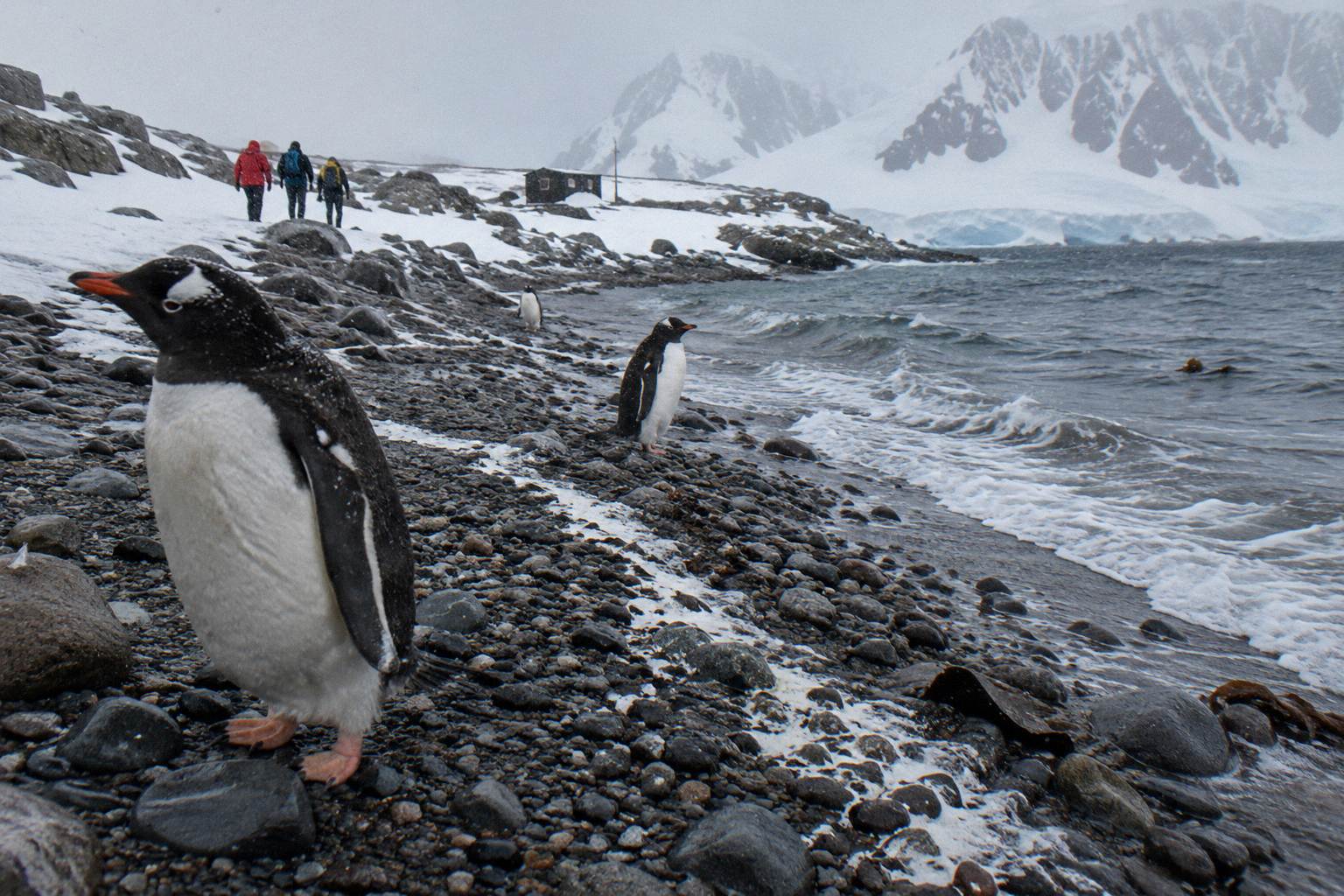 Avian Flu In AntarcticaWhat H5N1 means for Antarctic landings, wildlife and your voyage.Read the guide
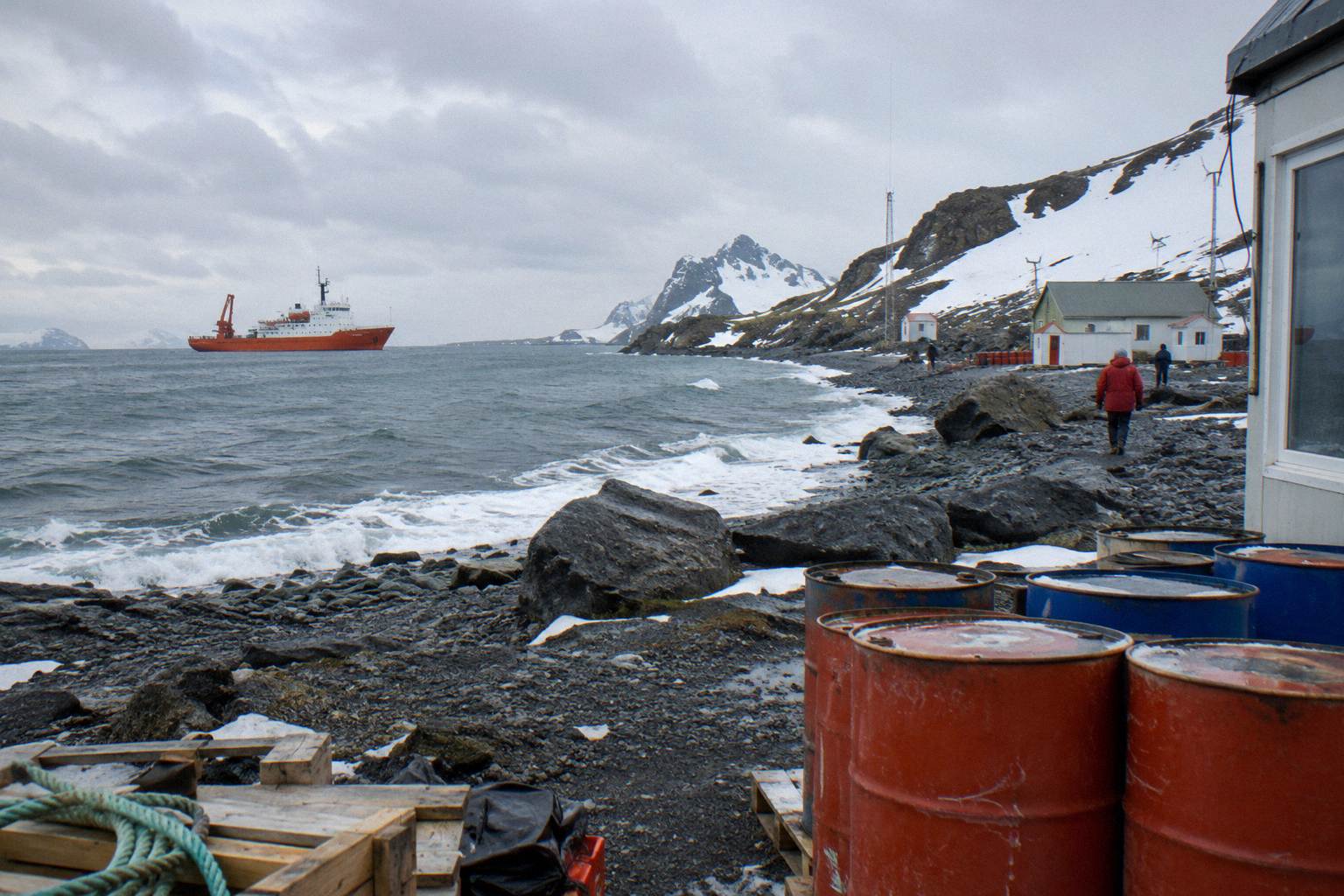 Research StationsWhich Antarctic bases let cruise passengers ashore, and which stay firmly closed.Read the guide
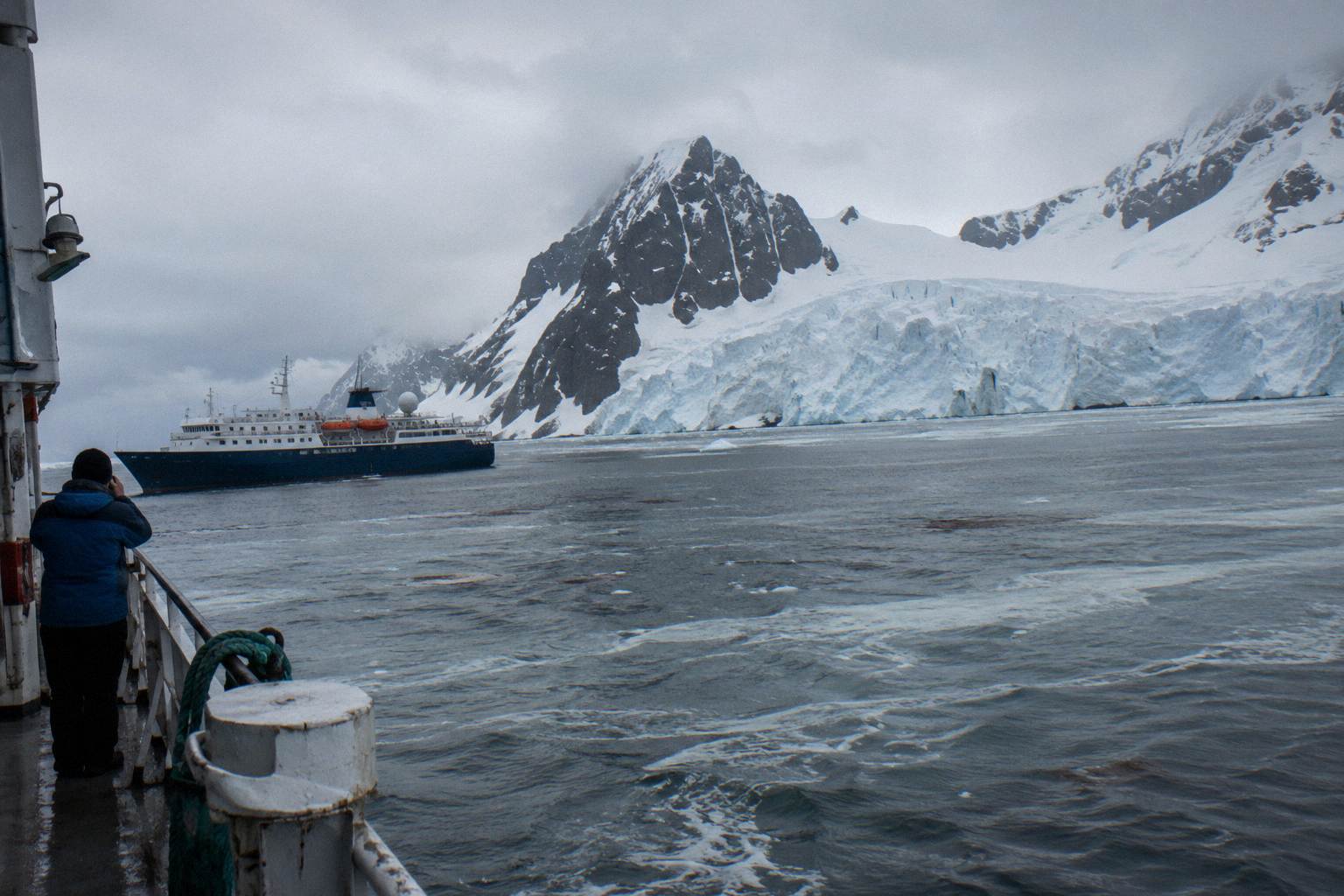 Cruise Environmental ImpactCarbon, black carbon, the fuel ban and lower-impact ship choices, with real numbers.Read the guide