Antarctica In February: Late Summer Weather, Wildlife And Sailings
 By Oleg G.
February is late summer in Antarctica: the month with the season's best whale watching, penguin chicks in creches, the least sea ice of the year, and the widest choice of Antarctic Circle crossing voyages.
Quick answer: Yes. February is late summer on the Peninsula: whale numbers peak, penguin chicks gather in creches, and retreating sea ice opens access farther south, including Antarctic Circle crossings. Coastal highs run near 4°C with about 15 hours of daylight, fares sit below the December and January peak, and the 6 February 2027 partial eclipse is visible from some Peninsula waters.
Is February A Good Month For An Antarctica Cruise?
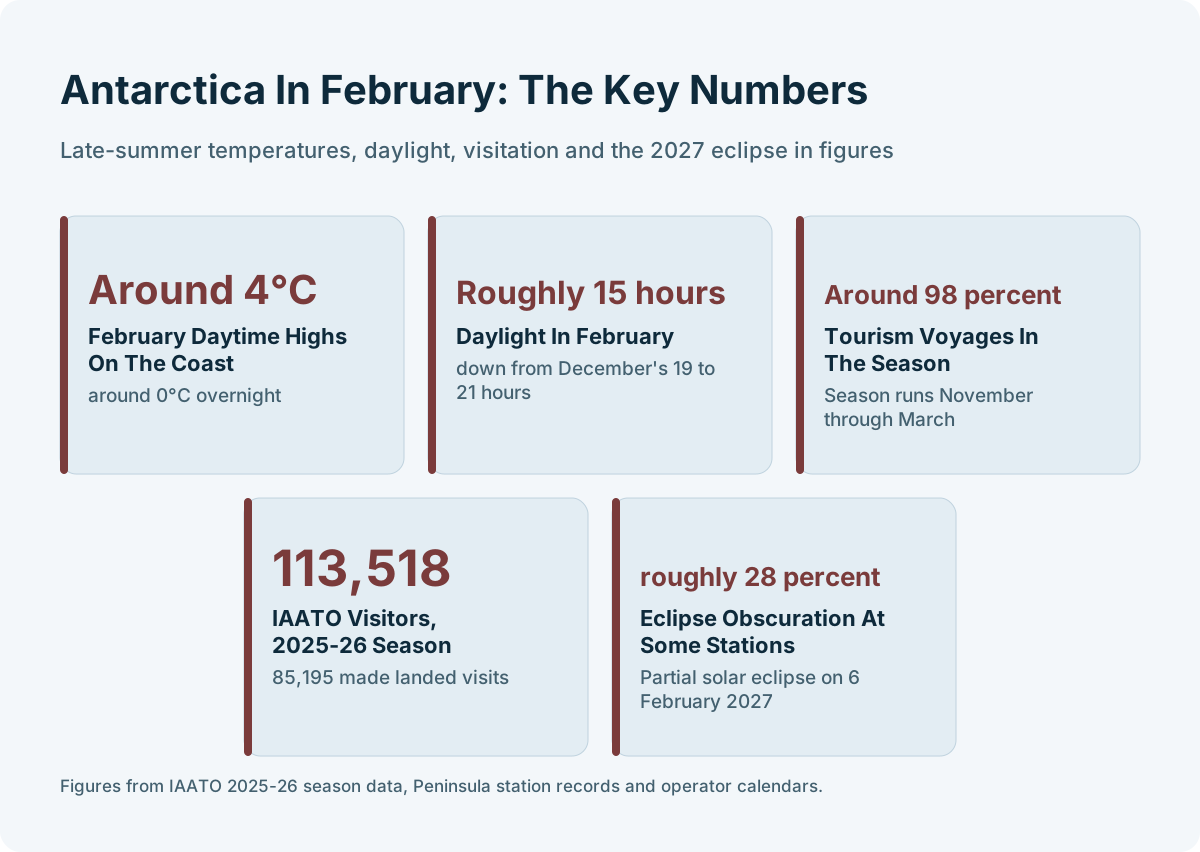
Yes, and for many travellers it is the sweet spot of the season. February is late summer on the Antarctic Peninsula: whale numbers peak, penguin chicks gather in creches, and retreating sea ice opens routes farther south, including Antarctic Circle crossings. Daylight still runs about 15 hours, coastal highs sit near 4°C, and fares fall below the December and January peak.
The tourist season runs November through March, and no expedition ships operate between April and September. February is therefore the fourth of five possible months, which gives it a distinct character: the continent is at its most accessible, and whale numbers in the water reach their seasonal peak. Around 98 percent of all tourism voyages occur in the Antarctic Peninsula during the austral summer, according to the Antarctic Treaty Secretariat's tourism pages, so nearly every February sailing you can book works the same stretch of coast, the South Shetland Islands and the western Peninsula.
It is also a busy month in absolute terms. IAATO recorded 113,518 total visitors for the 2025-26 season, of whom 85,195 made landed visits, according to the association's data and statistics pages. Ships of 100 passengers or fewer can land everyone at once under the 100-ashore rule, which is why ship size matters as much in February as in any month.
Here is the month at a glance, with every figure drawn from current season data.
| What February Gives You | What The Data Shows |
|---|---|
| Season window | November through March; February is late summer, no ships sail April to September |
| Peninsula temperatures | Around 4°C daytime highs, around 0°C overnight |
| Daylight | Roughly 15 hours, down from December's 19 to 21 |
| Sea ice | Least of the season; best access to the far south and Circle crossings |
| Wildlife | Peak whale numbers, penguin chick creches, adults molting, more fur seals |
| Pricing | Below the December-January peak, above late-March discount fares |
| One-off event | Partial solar eclipse on 6 February 2027, visible from parts of Antarctica |
If that balance of wildlife, access and price matches what you want from the voyage, the next decision is which ship and which route, and a free February voyage consultation is the quickest way to narrow a 40-ship field down to two or three candidates.
February Weather And Daylight On The Peninsula
Expect the tail end of summer rather than deep cold. Peninsula coastal averages run about 4°C at the height of the day and around 0°C overnight, with roughly 15 hours of daylight, down from December's 19 to 21 hours. Retreating sea ice opens more channels and landing sites, though katabatic winds and fast-moving weather systems can still change a day's plan within hours.
Those temperature figures come from station data on the Peninsula coast, where February sits alongside January as the warmest stretch of the season. The practical difference on board is small: you will wear the same layered kit, waterproof shell and loaner boots in February that you would in January, and daylight compresses to about 15 hours, down from December's 19 to 21.
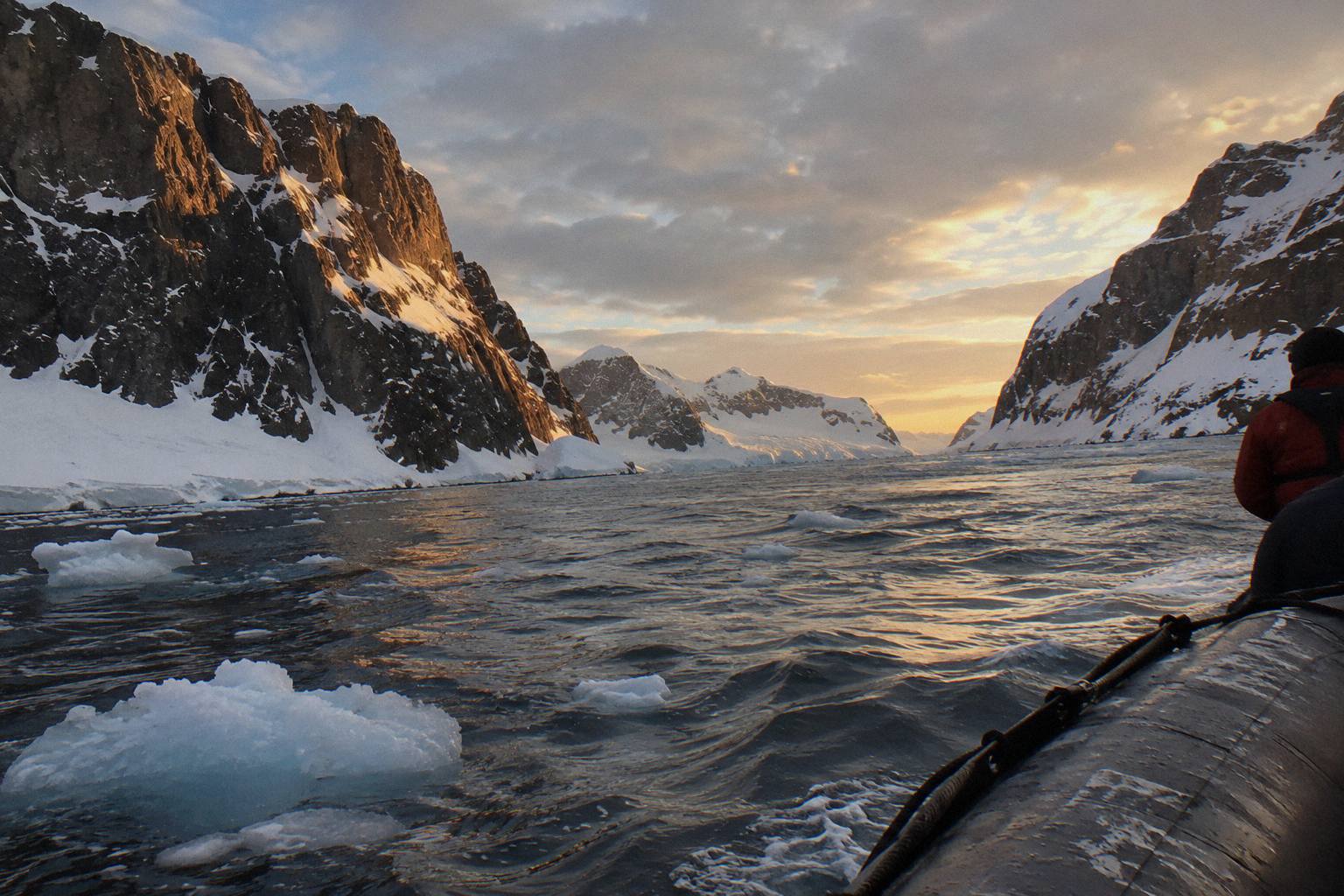
Sea ice is the bigger story. Operators describe late January and February as the period when the ice opens up, giving better access for Antarctic Circle crossings and for pushing farther south along the western Peninsula. For a cruise passenger that translates directly into more landing options and more flexibility when the weather closes one site, because the expedition team has more open water to work with. November voyages, by contrast, meet pristine snow and more sea ice, which looks spectacular but limits where a ship can actually put people ashore.
The gateway is milder than the destination. Ushuaia, the port for most February departures, sits in Patagonian summer, and the town is a comfortable base for a pre-cruise night, which most operators and agents recommend on the Buenos Aires to Ushuaia corridor where flights are weather-prone. Build that buffer into the plan: a missed domestic connection is treated as a no-show by most operators, and the fare is lost.
Whether to sail from Ushuaia or fly the Drake from Punta Arenas is one of the genuinely personal decisions in Antarctic planning, and it changes which ships are even available to you in February.
February Wildlife: Whales At Their Peak
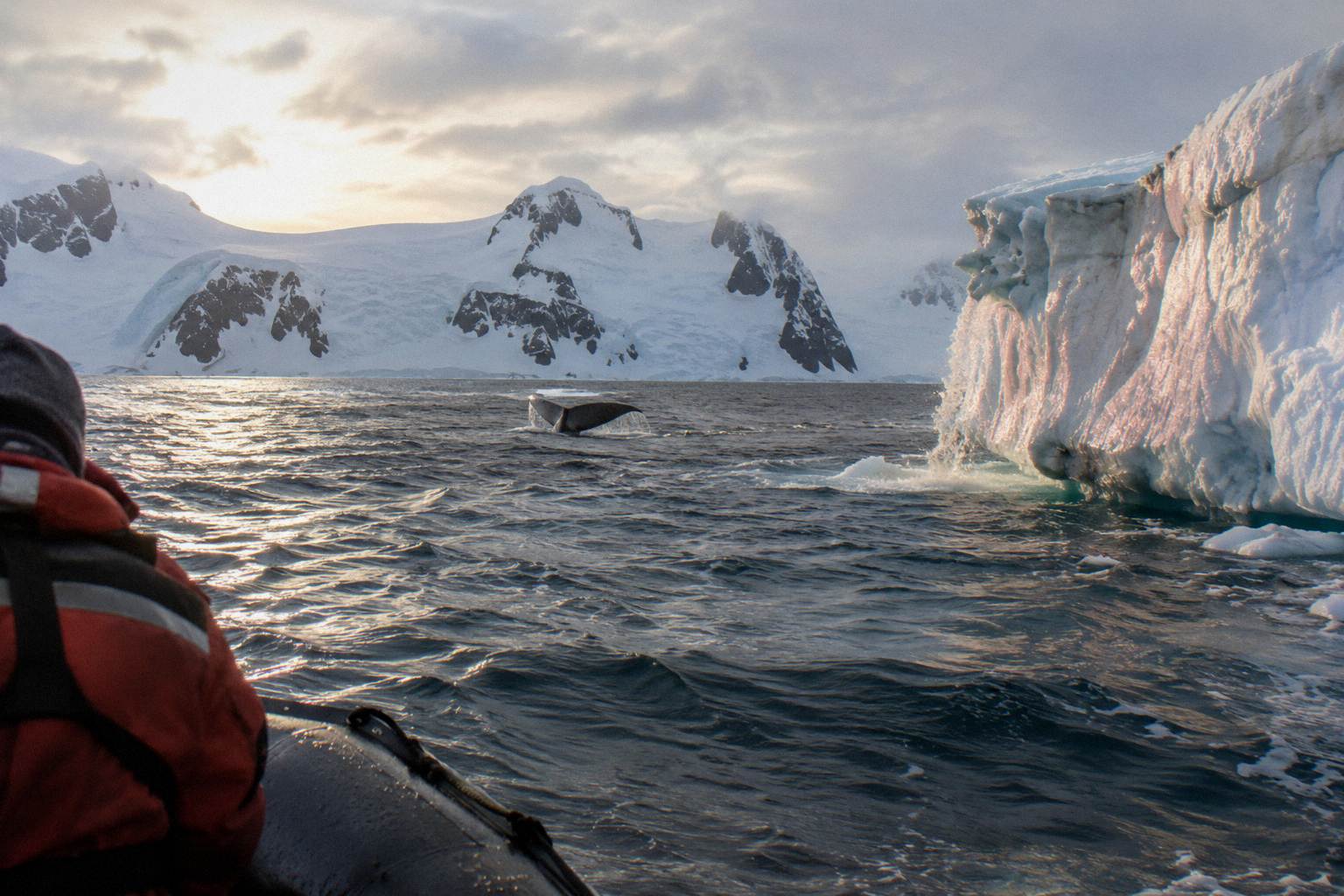
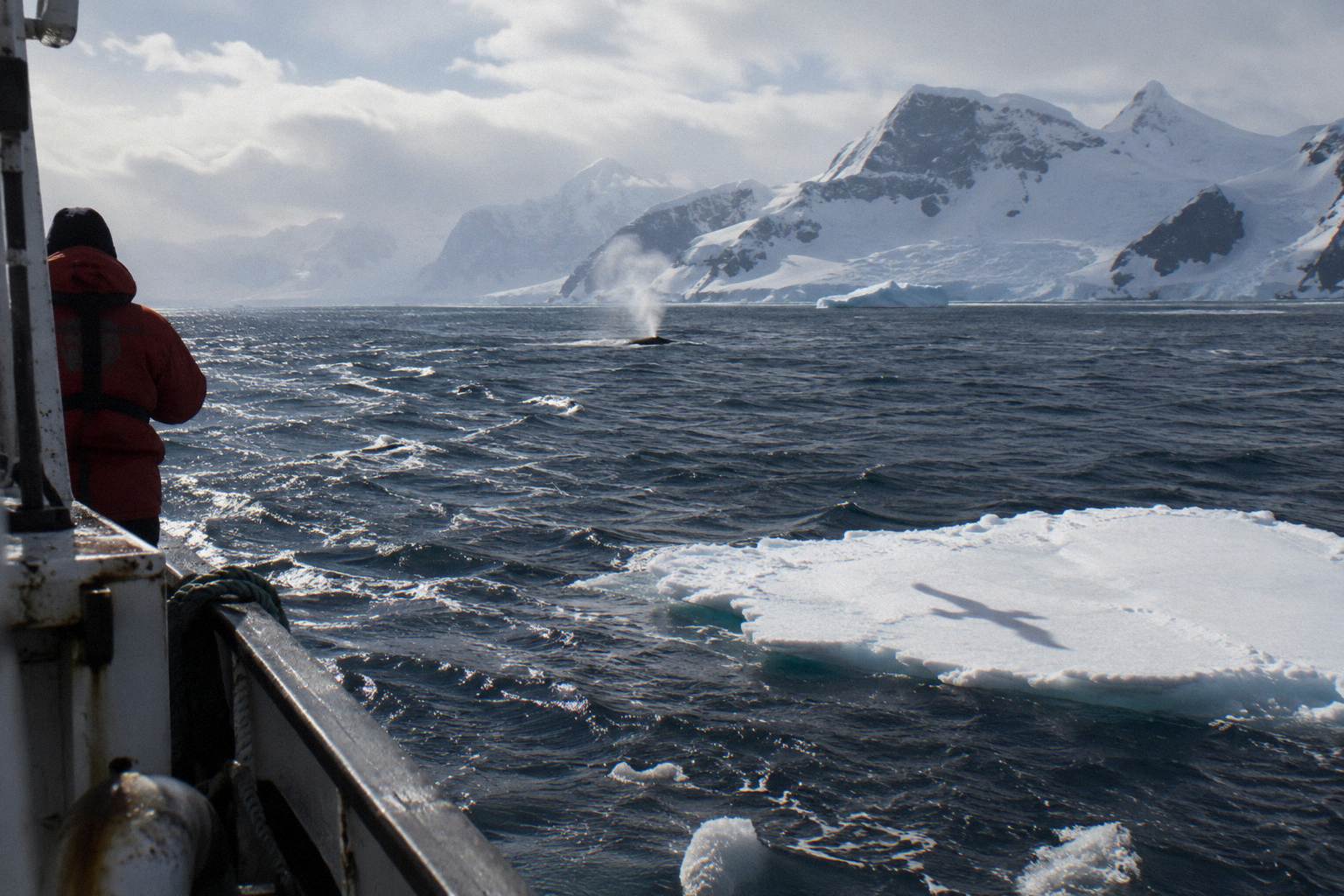
February is the strongest whale month of the season. Humpback sightings build from mid-January and whale numbers peak in February, while penguin chicks form creches and begin learning to swim, adult penguins start molting, fur seal abundance rises on the Peninsula, and leopard seal sightings are possible. Krill drawn to the feeding grounds after the early-season ice recession is what concentrates the whales.
If whales are the reason you are booking a cabin, February and early March are the months to target. Operator wildlife calendars describe humpback sightings increasing from mid-January onward, with near-24-hour daylight and temperatures of 0 to 3°C common from January through March, and February as the point when whale numbers peak in the krill-rich Peninsula waters. Operator materials also describe strong humpback, minke and orca activity in March.
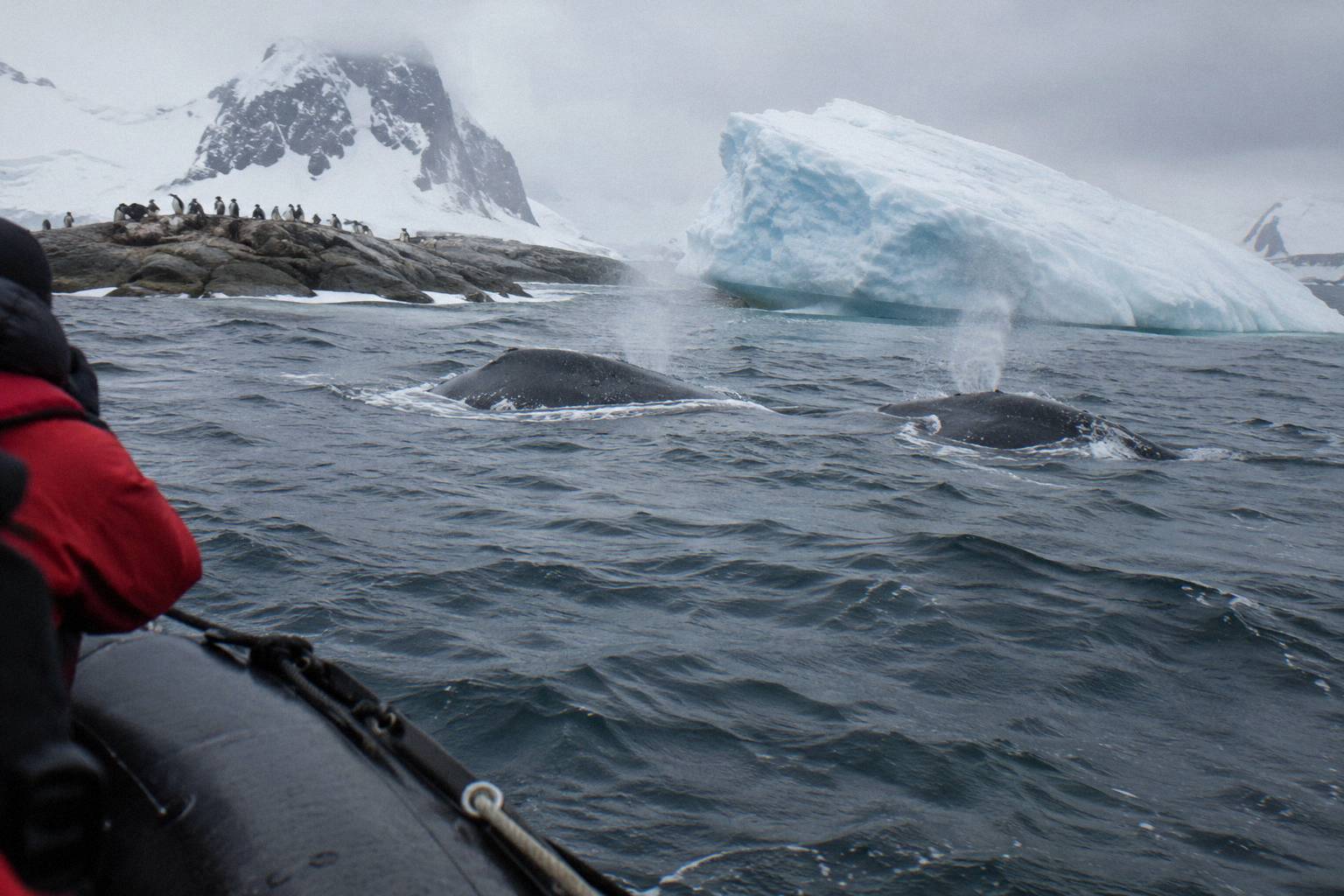
On land, the penguin story shifts from hatching to growing up. Gentoo, chinstrap and Adélie chicks that hatched around late December and January now gather in creches, the tight nursery groups that let parents feed at sea. By February the chicks are losing their down and learning to swim, and adult penguins begin molting, the annual feather replacement that keeps them landbound and grumpy. Leopard seal sightings become more possible as the colonies produce their first fledglings, and fur seal abundance on the Peninsula runs higher in February and March than earlier in the season.
| Wildlife In February | What You Actually See |
|---|---|
| Humpback whales | Peak numbers of the season, feeding in krill-rich coastal waters |
| Minke and orca | Strong activity reported for March |
| Penguin chicks | In creches, fledging down, taking first swims |
| Adult penguins | Molting, held ashore during feather replacement |
| Fur seals | Higher abundance on the Peninsula than earlier months |
| Leopard seals | Possible sightings |
One trade-off is worth naming: February penguin colonies are no longer at their snow-white, pristine best. November delivers maximum snow cover and courtship displays, while February delivers quantity and behaviour, hundreds of near-adult chicks, porpoising parents, and the general chaos of a colony at full capacity. Photographers who want soft light and clean landscapes often prefer early season; travellers who want the most animals in the water prefer February.
Circle Crossings, The February 2027 Eclipse And Voyage Dates
Late-summer ice makes February one of the best windows for sailing south of 66°33′S: operators schedule their Antarctic Circle attempts from late January through February and March. On 6 February 2027 a partial solar eclipse, reaching roughly 28 percent obscuration at some Peninsula stations, is visible from parts of Antarctica, with no annularity visible from the continent itself.
The Antarctic Circle crossing is the headline ambition for many February bookers. The fresh season data is explicit: late January and February bring less ice and better access for Circle crossings and for travelling farther south, and operators including Atlas, Oceanwide and Aurora all run Circle options in this window. A Circle attempt is always weather and ice dependent, no operator guarantees the line, but February is one of the best windows to try.
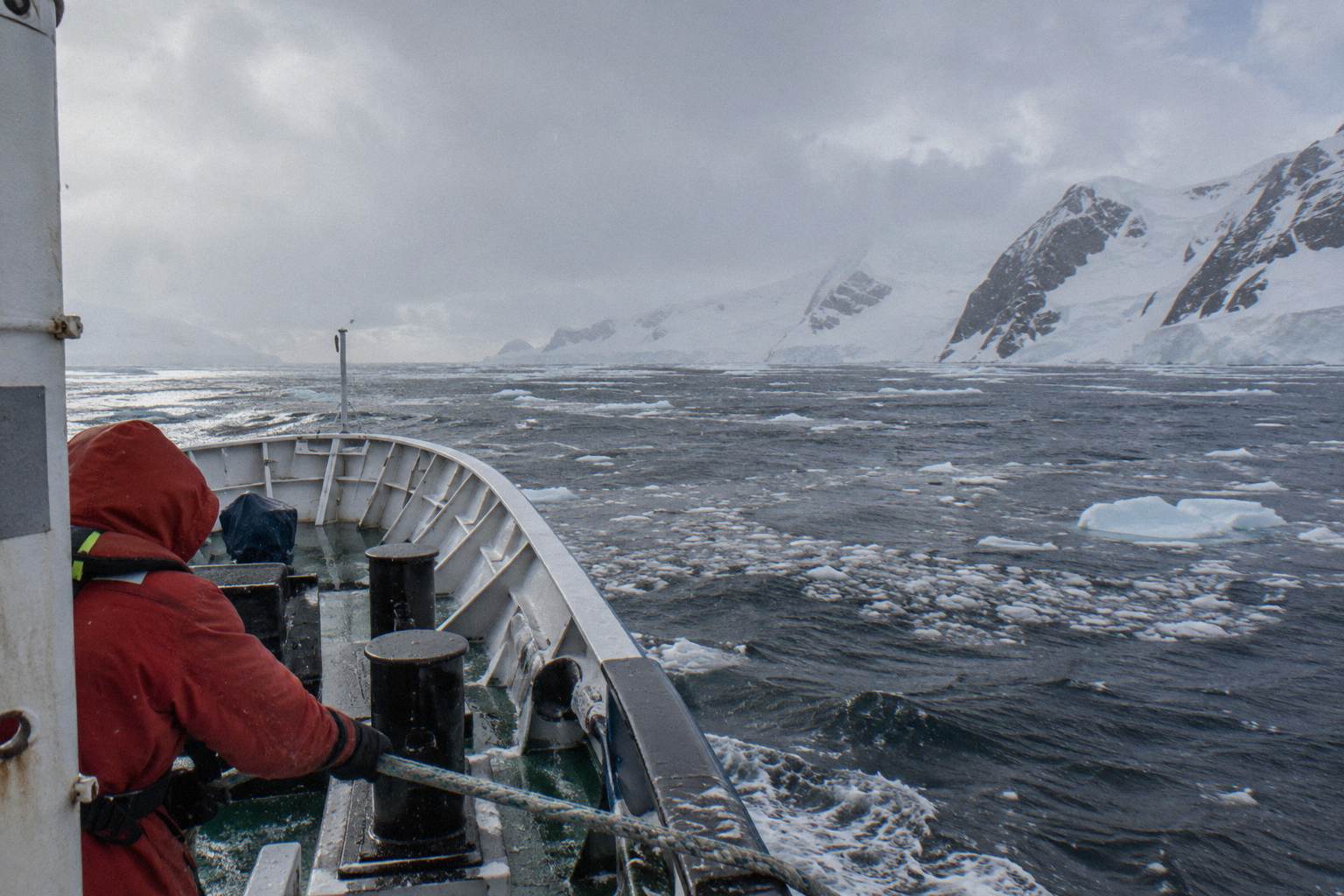
One dated example shows how these voyages look on a real calendar. Oceanwide's Hondius runs a Falklands, South Georgia, Elephant Island, Antarctica and Polar Circle voyage from 13 February to 7 March 2027, a long-horizon expedition that combines the Circle attempt with South Georgia's king penguin colonies, according to the operator's published cruise listings. That is the classic February product: everything the Peninsula offers, plus the far-south stamp.
The eclipse is a genuine one-off. On 6 February 2027 an annular solar eclipse crosses southern Chile and Argentina and the South Atlantic, ending at sunset over West Africa; from parts of Antarctica the eclipse is partial, with up to roughly 28 percent obscuration at some Peninsula stations and no annularity on the continent, according to eclipse mapping data. It is a curiosity to build a voyage around rather than a reason to book one, but if you are sailing the Peninsula that week, bring solar filters: a partial eclipse over ice is not a sight you will repeat.
Choosing between a Peninsula-only Circle voyage and a Falklands and South Georgia combination is the biggest itinerary decision a February traveller makes, and it changes both the price and the length of the trip by a wide margin.
How February Compares With January And March
February trades January's peak warmth and peak pricing for the season's best whale watching and easier southern access, and it sits above March on price but below it on discounts. January is typically the warmest Peninsula month with chick hatching; February brings creches and peak whales; March adds fledging penguins, sunsets and late-season fare advantages.
The three neighbouring months are close on paper and quite different in character. January is usually described as the warmest month on the Peninsula, with chick hatching at its height and the highest base fares of the season: one pricing survey lists January 2027 examples from $14,959 on Seabourn Pursuit. February keeps nearly the same weather with more whales and less ice. March cools toward 2 to 3°C highs, daylight shortens to about 12.5 hours, and the discounts arrive, with late-March departures showing fare advantages around 25 percent on some listings.
| January | February | March | |
|---|---|---|---|
| Peninsula highs | Around 4°C | Around 4°C | Around 2 to 3°C |
| Overnight lows | Around 0°C | Around 0°C | Minus 1 to minus 5°C |
| Daylight hours | Roughly 18 | Roughly 15 | Roughly 12.5 |
| Penguins | Hatching and small chicks | Creches, fledging, molting adults | Fledging, colonies emptying late month |
| Whales | Increasing from mid-month | Season peak | Still strong |
| Sea ice | Opening up | Least of the season | Further retreat, variable |
| Pricing | Season peak | Below peak | Discounts, about 25 percent on late sailings |
The month-by-month coverage across Cruises In Antarctica goes deeper on each of these, and the neighbouring pages are worth a read before you commit: our January conditions and wildlife guide covers the warmest window, the March late-season guide covers the discount month, and the overall best-time-to-visit comparison ranks all five months against each other. The short version: book February for whales and access, January for warmth and chicks, March for price.
Ships And Fares For February: Hondius, Ortelius And Ultramarine
February sailings span every price tier. Oceanwide's Hondius and Ortelius carry budget-conscious travellers from Ushuaia with Peninsula fares from $7,800 per person, while Quark's Ultramarine, with voyage-level fares from $12,236 per person shared across three Quark ships, brings twin helicopters and 20 Zodiacs to the same waters. All three run confirmed 2026-27 schedules.
Three ships illustrate the February spread well: a small-ship budget workhorse, an even smaller historic vessel, and a helicopter-equipped upscale ship. The table below puts their roster facts side by side.
| Ship | Class | Passengers | Ice class | From, per person | Voyage length | Departs from |
|---|---|---|---|---|---|---|
| HondiusOceanwide Expeditions | Small-Ship Budget | 170 | Polar Class 6 | from $7,800 | 11 to 19 days | Ushuaia |
| OrteliusOceanwide Expeditions | Small-Ship Budget | 108 | UL1 | from $7,800 | 11 to 25 days | Ushuaia |
| UltramarineQuark Expeditions | Upscale Expedition | 199 | 1A+, PC6 | from $12,236 | 12 to 14 days | Buenos Aires, Ushuaia |
Hondius is the featured ship for this page for a reason. Oceanwide's 170-passenger vessel, built in 2019 and 107.6 metres long, was the first-registered Polar Class 6 ship in the world in the operator's own wording, and it sails from Ushuaia on 11, 13 and 19-day voyages with fares from $7,800 per person. Its 13 February to 7 March 2027 Polar Circle expedition is exactly the kind of late-season voyage February exists for, and its sheltered indoor Zodiac boarding platform makes boarding straightforward in the swell of a late-summer afternoon.
Ortelius is the cheaper, rougher-edged sibling: 108 passengers in 50 cabins, a 1989 former Russian research vessel with an UL1 ice class equivalent to 1A, sailing 11, 13 and 25-day voyages from Ushuaia, also from $7,800 per person. Nobody books Ortelius for the decor; they book it for the ice capability and the price.
Ultramarine plays a different game entirely. Quark's 199-passenger, 128-metre ship carries two twin-engine Airbus H145 helicopters on two helidecks plus an internal hangar for 20 Zodiacs, and its Peninsula voyages run 12 and 14 days from Buenos Aires and Ushuaia. Note the pricing structure: the from fare of $12,236 per person is voyage-level and shared across Ultramarine, Ocean Explorer and World Voyager, so it is not a ship-exclusive number. What the fare buys is helicopter flightseeing and a level of expedition hardware no budget ship matches.
Which of these three fits you depends on budget and on how much the helicopters matter, and it is a decision worth making with current fares in front of you rather than from a static article.
Booking A February Cabin: Timing, Fares And Next Steps
Book early. Next-season schedules and early-booking offers typically open 12 to 18 months ahead, and 2027-28 advantage offers of roughly 20 to 25 percent have appeared on Oceanwide, Quark, Aurora and HX departures. A traveller set on peak whales should reserve long before the season opens.
The booking window is the part of February planning that surprises people most. Operators release their next-season departures and early-booking discounts roughly 12 to 18 months in advance, and the current 2027-28 cycle already shows advantage offers in the 20 to 25 percent range on several lines. Those offers carry book-by deadlines, and the cheapest cabin categories on the most capable ships go first. Peak December sailings are reported to book 18 or more months ahead, and early booking secures both better rates and better cabin selection in any month.
Insurance is the other practical step. Travel insurance with medical evacuation cover is required or recommended by most operators and is never in the base fare, so factor it into the real cost of the cabin rather than treating it as an afterthought. The consultation covers this too: it is free, carries no obligation, and if you proceed you are matched with a vetted expedition-cruise agency partner rather than left to compare listings alone.
If February is your window, the fastest path from "interested" to "booked" is a short conversation about dates, ships and budget. Start with a free Antarctica voyage consultation and let the narrowing happen there.
Common Questions About Antarctica In February
Is February a good time to cruise to Antarctica?
Yes. Whale numbers peak, penguin chicks gather in creches, sea ice is at its minimum, and Antarctic Circle crossings are at their most feasible. Coastal highs run near 4°C with about 15 hours of daylight, and fares sit below the December-January peak.
What is the weather like in Antarctica in February?
Peninsula coastal averages run about 4°C at the height of the day and around 0°C overnight, with roughly 15 hours of daylight. Conditions can still change fast, and expedition teams adjust landing plans around wind, swell and ice.
Can you see whales in Antarctica in February?
February is the season's peak whale month. Humpback sightings build from mid-January, whale numbers peak in February, and strong humpback, minke and orca activity continues into March in the krill-rich Peninsula waters.
Can you cross the Antarctic Circle in February?
It is one of the best months to attempt it. Late January and February bring the least sea ice of the season, and operators including Oceanwide, Atlas and Aurora schedule Circle-crossing voyages in this window. The crossing itself always depends on ice and weather.
Is February cheaper than January for an Antarctica cruise?
Generally yes. January carries the season's peak fares, while February sits below that peak. The deepest discounts arrive in late March, where some departures show fare advantages around 25 percent.
More Antarctica By Month
 Antarctica In JanuaryHigh summer in Antarctica: warmest weather, penguin chicks, whales and peak fares.Read the guide
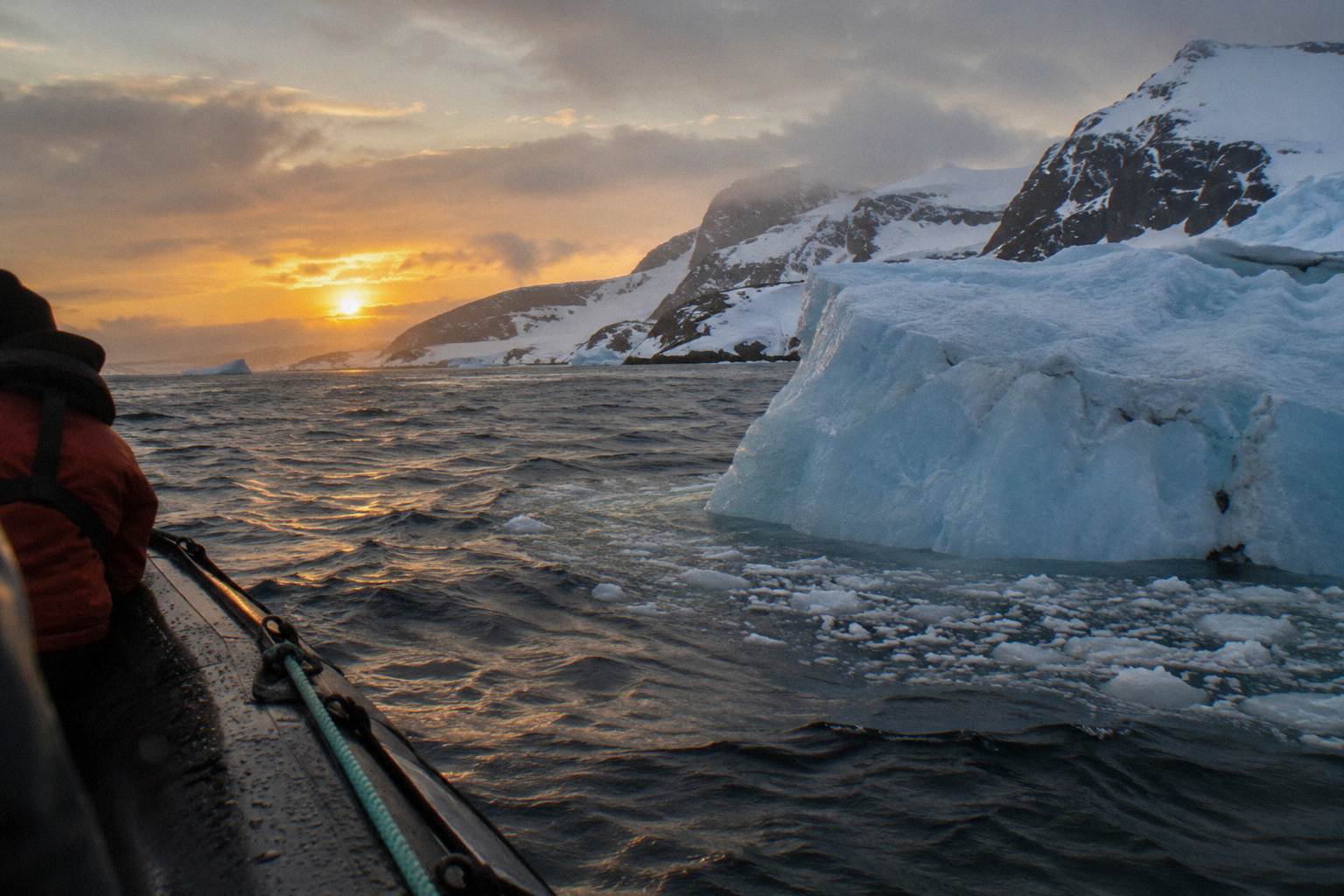 Antarctica In MarchEnd-of-season weather, wildlife and the last sailings of the Antarctic cruise year.Read the guide
 Antarctica In AprilApril has no Antarctic sailings. Here is why, and what to do with that travel window instead.Read the guide
 Antarctica In MayWhy no ship sails to Antarctica in May, and what to do with the month instead.Read the guide