What Is Included In An Antarctica Cruise, And The Hidden Costs
 By Oleg G.
Two Antarctica cruises can differ by ten thousand dollars and look identical on a search page. The difference is almost never the ice; it is what the fare covers. This guide itemises inclusions and exclusions operator by operator, lists the hidden costs with published amounts only, and shows how a free consultation turns two quotes into a side-by-side comparison.
Quick answer: An Antarctica expedition fare almost always includes the cabin, all meals, Zodiac excursions and landings, and expert lectures. Beyond that it varies sharply: budget lines like Oceanwide include a parka and boot loan but exclude alcohol, gratuities of roughly $15 to $20 per day and kayaking add-ons of $350 to $2,000, while luxury lines like Silversea bundle drinks, gratuities, Wi-Fi and excursions. The big hidden costs are flights of $530 to $1,200 or more, insurance of $200 to $500 with evacuation cover, and single supplements of 40 to 100 percent.
What Is Included In An Antarctica Cruise, And The Hidden Costs
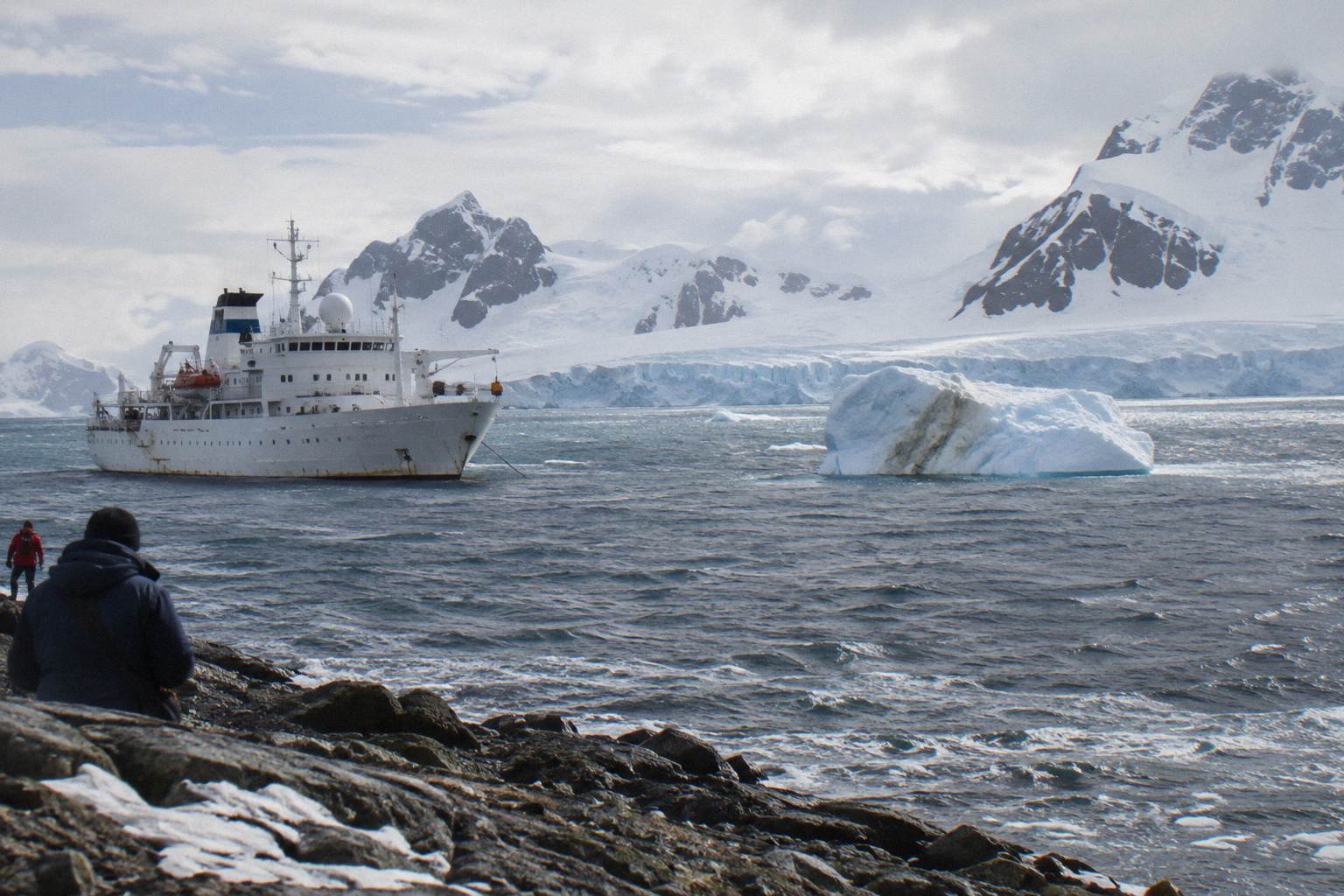
Every Antarctica expedition fare includes the cabin, all meals, Zodiac excursions and shore landings, and the lecture program that fills sea days. What separates a $7,800 Oceanwide berth from a Silversea suite is everything around that core: drinks, gratuities, parkas, boots, hotel nights, charter flights and activity fees. One 2026 cost guide puts a realistic all-in budget for a mid-range ten to twelve day Peninsula trip at $12,000 to $25,000 per person.
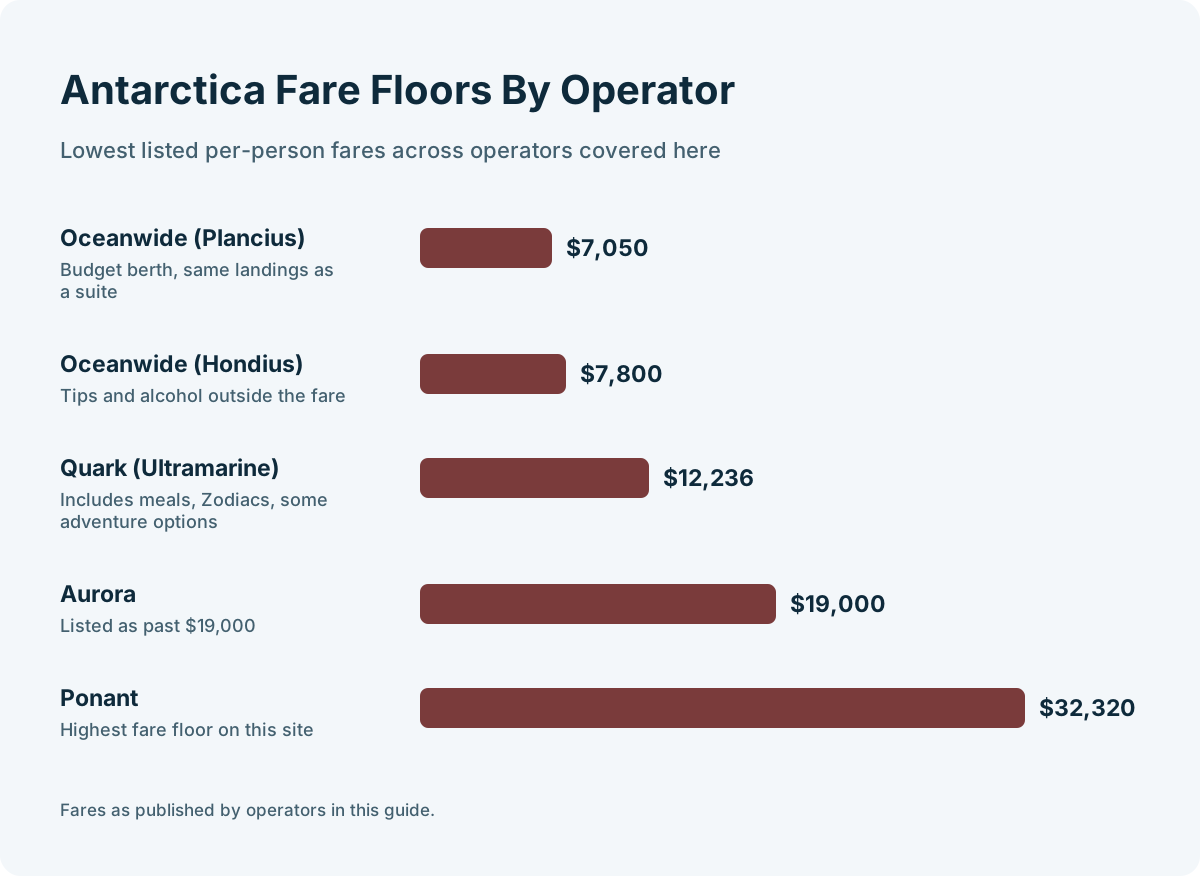
The cruise itself is the largest line item, but it is rarely the whole bill. When a buyer compares a $7,800 fare on Hondius with a $12,236 fare on Ultramarine, the gap looks like ship quality, and partly it is. Partly it is also that the two fares cover different things. Understanding exactly where each operator draws the line between included and extra is the single most useful skill in Antarctic cruise shopping, and it is the reason a fare-by-fare comparison beats a price comparison.
This guide works from published operator material only. Where an operator states an inclusion, it is listed here. Where an operator does not state something, that gap is stated plainly rather than filled with a guess. The site behind this comparison, Cruises In Antarctica, exists precisely because the included-versus-extra question is where most budgets go wrong.
What Every Expedition Fare Covers
Across the roster, every expedition fare includes the cabin, all meals onboard, Zodiac excursions and shore landings, and the expedition lecture program. Oceanwide fares cover meals, Zodiacs and lectures; Quark covers meals, Zodiacs and some adventure options; G Adventures adds a hotel night in Ushuaia and transfers. No operator covered here publishes a charge for landings themselves; the IAATO framework caps 100 passengers ashore at a time and requires a 1:20 guide ratio.
The core product is remarkably consistent across price tiers. Whether you are on a 199-guest Ultramarine voyage or a 90-guest sailing aboard the Ushuaia, the daily rhythm is the same: one or two Zodiac landings or cruises when weather allows, with the expedition team running the boats and the lecture program filling the Drake Passage days. The IAATO visitor guidelines that govern these operations, from biosecurity boot washes to the five metre wildlife distance, are the operator's obligation to meet, not a passenger add-on.
What differs is the wrapper. A budget berth on Plancius, from $7,050 per person, buys the same landings a suite buys on a luxury ship. The fare floor on the roster runs from that $7,050 Oceanwide figure up through $12,236 on Quark's peninsula voyages past $19,000 on Aurora and up to $32,320 on Ponant listings, and the included-excluded boundary moves with each step. Before comparing any two of those numbers, it is worth reading the operator-by-operator breakdown below, and the deeper price analysis in the Antarctica cruise cost guide.
The three ships buyers most often weigh at the decision stage make the point concretely. Hondius, the Oceanwide Polar Class 6 newbuild of 2019, sails the classic Peninsula route from $7,800 per person, with tips and alcohol outside the fare. Quark's voyage-level fares, shared across Ultramarine, Ocean Explorer and World Voyager, start at $12,236 per person and include meals, Zodiacs and some adventure options. Silver Endeavour sits at the luxury end with 220 guests and all-balcony suites, and its current fare is not published, so a live number needs a consultation rather than a printed figure here.
| Ship | Class | Passengers | Ice class | From, per person | Voyage length | Departs from |
|---|---|---|---|---|---|---|
| Silver EndeavourSilversea | Luxury | 220 | PC6 | – | 6 to 13 days | King George Island, Puerto Williams |
| HondiusOceanwide Expeditions | Small-Ship Budget | 170 | Polar Class 6 | from $7,800 | 11 to 19 days | Ushuaia |
| UltramarineQuark Expeditions | Upscale Expedition | 199 | 1A+, PC6 | from $12,236 | 12 to 14 days | Buenos Aires, Ushuaia |
Deciding between a budget berth and an upscale one is the first real fork in the planning road, and it is exactly the kind of question a free consultation can untangle before you commit a deposit to either.
Parkas, Boots, Drinks And Gratuities: What Each Operator Adds
Most expedition operators provide a complimentary parka, often yours to keep, and loan waterproof boots, so the two most expensive gear items are usually covered. Drinks and gratuities are where the tiers split: Oceanwide suggests $15 to $20 per day in tips and sells alcohol separately, G Adventures suggests $10 to $15, while Atlas, Silversea, Seabourn, Scenic and Ponant include both and Viking includes drinks with meals. Quark excludes alcohol and gratuities.
The pattern is consistent across published operator material: the further up the price ladder you climb, the more of the daily wallet the fare absorbs. At the budget end, Oceanwide fares include meals, Zodiacs, lectures, a parka on some departures and boot loan, and exclude flights, alcohol and gratuities, with suggested tips of $15 to $20 per day. Poseidon Expeditions includes a parka, lends boots as needed and recommends gratuities of roughly $31 per person per day as a discretionary amount, according to its own published guidance.
G Adventures sits slightly higher: its Antarctic fares include a hotel night in Ushuaia, transfers, meals, a parka to keep and boot loan, while excluding flights, alcohol and tips of $10 to $15 per day suggested. Lindblad moves into the bundled tier, including many activities, gratuities and some drinks, but excluding international flights, insurance and optional add-ons. Atlas Ocean Voyages includes drinks and gratuities plus some flights and transfers on its packages.
| Operator | Parka | Boots | Drinks | Gratuities | Hotel night / transfers |
|---|---|---|---|---|---|
| Oceanwide | Included on some departures, keep on some | Loan | Not included | Suggested $15-$20/day | Often extra |
| Poseidon | Included | Loan as needed | Not included | Recommended ~$31/day | Not included |
| G Adventures | Included, keep | Loan | Not included | Suggested $10-$15/day | Hotel night in Ushuaia, transfers |
| Quark | Not stated | Not stated | Alcohol not included | Not included | Varies by voyage |
| Lindblad | Expedition jacket | Not stated | Some drinks included | Included | Buenos Aires hotel and charter flight on its packages |
| Atlas | Not stated | Not stated | Included | Included | Some flights and transfers on packages |
| Silversea, Seabourn, Scenic, Ponant, Viking | Varies | Varies | Included (Viking: with meals) | Included (Viking: not stated) | Often bundled on packages |
Two cautions on that table. First, "not stated" means exactly that: the published operator pages do not itemise the field, so no claim is made either way. Second, inclusion lists change between seasons and promotions, so any table like this is a starting map, not a contract. The guide to how to book an Antarctica cruise covers where to verify each line before you pay.
The Genuinely All-Inclusive Lines
Silversea, Seabourn, Scenic, Viking, Atlas and Ponant publish inclusive fares: drinks sit in the base price, gratuities on most of them, and Wi-Fi and excursions on several, with hotel nights and flights often bundled on packages. Silver Endeavour, at 220 guests with a PC6 ice-class rating, is the roster's clearest example: all suites have balconies, and the ship lists five dining venues, a spa, a pool deck and Zodiac excursions. Its current fare is not published; a consultation gets a live quote.
The luxury tier earns its price partly through hardware and partly through the absence of a running tab. On Silver Endeavour the ship page lists dining venues from The Restaurant and La Dame to the Arts Café, the Otium Spa, the Pool Deck, the Explorer Lounge and the Library, and every suite category from Classic Veranda up to the Owner's Suite features a balcony. The expedition side is real too: the page cites industry-leading Zodiac-to-guest and expert-to-guest ratios, with a mud room for expedition operations, though exact ratios are not stated.
Seabourn's Venture and Pursuit pair a similar inclusive model with 24 Zodiacs and kayaks and a 19-person expedition team on Pursuit, per the operator's own page. Scenic's Eclipse adds a helicopter to the inclusive base, though such activities carry their own conditions. Ponant includes drinks on most fares, gratuities and Wi-Fi, with hotel and flight bundles on packages. Viking includes drinks with meals, room service and some activities, with hotel and flight arrangements on some itineraries.
What "all-inclusive" does not mean is "no further costs". International flights to the gateway city, travel insurance, optional activities where charged, and any pre-cruise hotel not in the package still sit outside the fare even on the most bundled lines. The Antarctica luxury cruise guide and the Silversea Antarctica cruise guide unpack those fares in more depth.
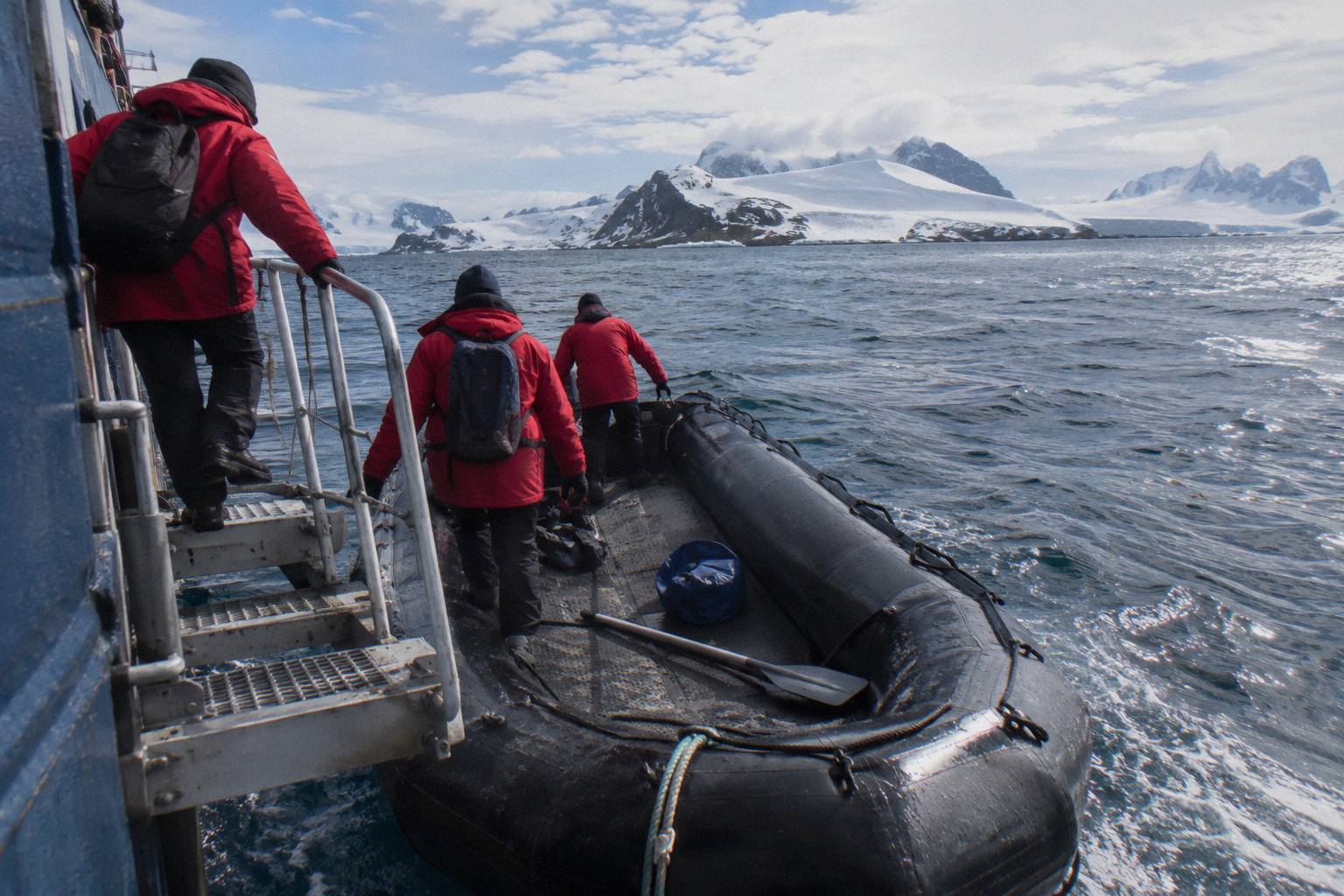
Comparing an all-inclusive luxury fare against a budget fare with everything extra is the decision where a consultation saves the most money, because the honest comparison is total spend, not headline price.
The Hidden Costs, With Published Amounts
The hidden costs that most often break an Antarctica budget are international flights to the gateway, typically $530 to $1,200 or more; travel insurance with medical evacuation, typically $200 to $500; tips averaging about $16 per person per day where not prepaid; optional activities from roughly $350 to $2,000; and single supplements of 40 to 100 percent of the twin fare. Port taxes are sometimes extra. None appear in most headline fares.
Each of those numbers comes from published 2026 cost material, and each deserves a line of explanation. The flight figure covers the journey to Buenos Aires, Ushuaia or Punta Arenas; there are no direct flights from the United States to Ushuaia, so a domestic connection within Argentina is part of the cost. The insurance figure is not optional in practice: operators impose evacuation minimums, and proof is often required before departure or at check-in.
| Hidden cost | Typical published amount | Notes |
|---|---|---|
| International flights to gateway | $530-$1,200+ | No direct US-Ushuaia flights; connection via Buenos Aires typical |
| Travel insurance with evacuation | $200-$500+ | Operator minimums from $150,000 to $500,000 on lines that publish them |
| Gratuities where not included | ~$16/day average; $15-$25/day range | Prepaid on bundled lines |
| Optional activities | $350-$2,000 | Kayaking and camping add-ons where charged |
| Single supplement | 40-100% of twin fare (25% to 1.5-2x across market) | Waived on select sailings; sharing options exist |
| Port taxes | Sometimes extra | Check the quote line by line |
The single supplement deserves special attention for solo travellers. Published market material reports supplements typically ranging from 25 percent extra to 1.5 to 2 times the twin rate, with waivers on select sailings; the solo travel guide covers the dedicated no-supplement cabins that Aurora Expeditions and others publish. Shared-cabin options on lines like Oceanwide and G Adventures' same-gender sharing policy can remove the supplement entirely.
Activity Fees: Kayaking, Camping And Helicopters
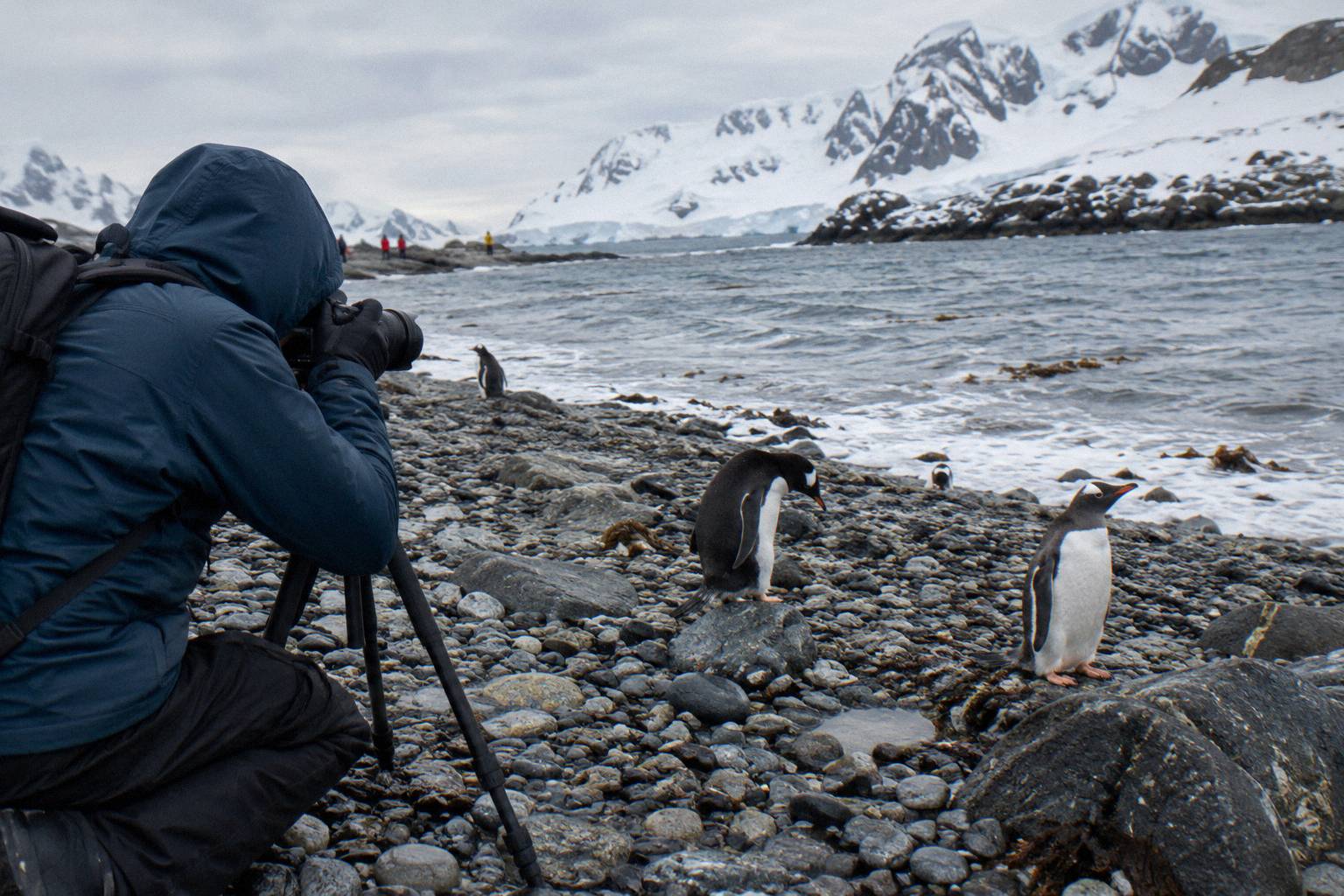
Kayaking and camping are the most common paid activities, with published add-ons of roughly $350 to $2,000 where charged; G Adventures lists kayaking at about $1,099 and camping at about $399. Oceanwide's Basecamp voyages include camping and kayaking free of charge. Helicopters are different: Ultramarine carries two, and Ortelius uses them on Weddell Sea emperor penguin voyages.
The activity question can swing a budget by over a thousand dollars per person, so it belongs in the fare comparison, not the packing list. A traveller who knows they want to camp on the ice should compare Oceanwide's Basecamp inclusions against a line that charges $399 for the same night. A kayaker should check whether their shortlisted ship runs a kayak program at all and what it costs, because the roster shows kayak programs on ships from Ocean Albatros to Magellan Explorer, with pricing set per voyage.
The helicopter story here centres on two expedition ships. Ultramarine's two Airbus H145 helicopters on two helidecks are the operator's flagship feature, and Quark describes its 2026-27 season as its most helicopter-focused, with voyages such as Antarctica by Helicopter priced as complete itineraries rather than as flight add-ons. Ortelius, the 1989-built former research vessel, uses helicopters on its remote Weddell Sea emperor penguin departures, again inside the voyage fare structure. Nobody should book either ship expecting a cheap sightseeing flight; the helicopter product is the voyage.
Hotel Nights, Transfers And Charter Flights
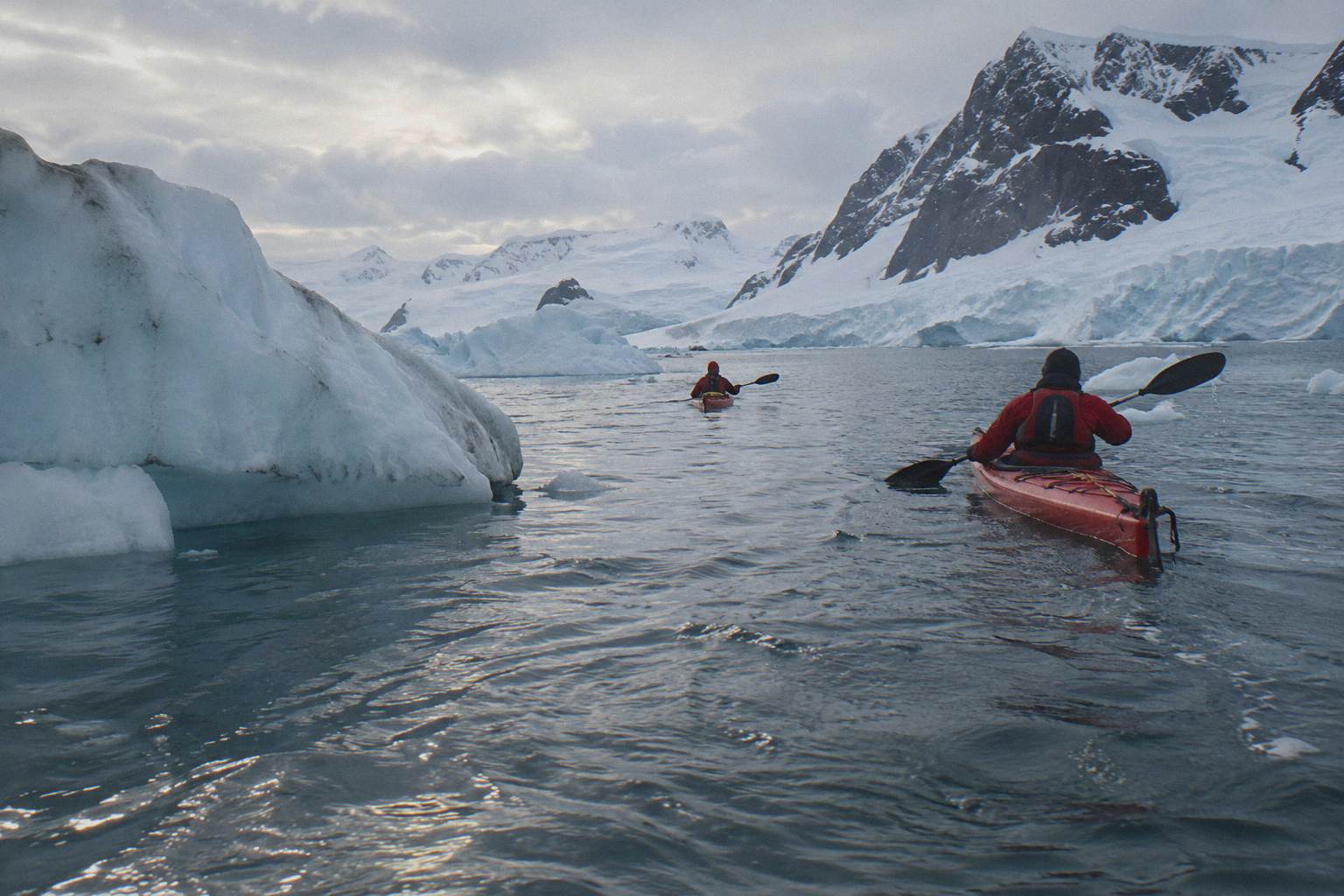
Hotel nights and transfers are bundled by some operators and charged by others: G Adventures includes a Ushuaia hotel night and transfers, Lindblad packages a Buenos Aires hotel and charter flight on its published inclusions, and fly-cruise operators build charter flights into the fare. Fly-the-Drake options typically add $2,000 to $5,000 over comparable sailing voyages because of those charter flights. Quark's Antarctic Express fly-cruise starts from $17,591 for an eight day departure.
The gateway logistics are where "included" quietly changes meaning. A Ushuaia-departing voyage that excludes hotels still requires at least one pre-cruise night in the gateway, and published logistics guidance recommends one to two buffer nights because the Buenos Aires to Ushuaia corridor is weather-prone. Operators that include those nights are not being generous; they are pricing a real cost into the fare, which is exactly why fare-to-fare comparison fails without itemisation.
Fly-cruises make the bundling explicit. Antarctica21's air-cruise model flies guests from Punta Arenas to King George Island in roughly two hours, skipping the Drake Passage entirely, and the charter flight is part of the product: Magellan Explorer's Classic Antarctica air-cruise starts from $13,795 per person for eight days. The trade-off is weather dependence at the island airstrip, with Antarctica21 data showing most flights departing on schedule but delays of one to three days occurring. The fly versus sail guide covers that decision in full.
Insurance is the last bundled-or-not item, and it is never truly optional. Published operator requirements include $150,000 of evacuation cover on Lindblad, $250,000 on Ponant and $500,000 on Quark, alongside full trip-cost cancellation cover, with proof often required before departure or at check-in. Other lines set their own minimums, and the Antarctica travel insurance guide explains how to meet them.
| Operator | Stated evacuation cover minimum | Proof required |
|---|---|---|
| Quark | $500,000 | Often pre-departure or at check-in |
| Ponant | $250,000 | Per operator terms |
| Other lines | Lindblad $150,000; others not stated | Verify before paying the deposit |
How A Consultation Itemises A Quote
A free consultation itemises a quote by lining up two or three candidate voyages side by side: fare, cabin category, charter or commercial flights, hotel nights, transfers, drinks, gratuities, parka and boot provisions, activity fees, insurance minimums and cancellation terms, each as a separate line. The consultation is free with no obligation, and the hand-off, when it happens, is to a vetted expedition-cruise agency partner.
The reason this service exists is that no operator publishes a true total. A Quark fare page shows the voyage price; the deposit terms on Quark's own booking terms page show 25 percent deposits and final payment deadlines; the insurance requirement lives in pre-departure documents; the flight cost lives nowhere on the site at all. Assembling those pieces is genuine work, and doing it for two competing quotes doubles the work while doubling the chance of catching a $2,000 gap.
The itemisation also surfaces the fields this guide has had to leave blank. Silver Endeavour's current fare is not published here; Seabourn's fares are not published here; Scenic's site prices in Australian dollars. A consultation exists precisely to fill those blanks with live, dated quotes rather than stale numbers, and it is the honest answer whenever this site says a figure needs one.
When you are ready to compare specific voyages rather than categories, the best Antarctica cruise guide narrows the field, and a free consultation then prices your shortlist line by line.
Common Questions About Antarctica Cruise Inclusions
Is food included on an Antarctica cruise?
Yes. Every expedition fare on the roster includes all meals onboard, from Oceanwide's restaurant service to Silversea's five dining venues. Some lines go further: Aurora Expeditions includes house wine, beers and soft drinks with dinner plus 24-hour tea and coffee, while luxury lines include the full bar.
Do I need to buy a parka and boots for Antarctica?
Usually not. Most operators provide a complimentary parka, often yours to keep, and loan waterproof boots. Oceanwide, Poseidon and G Adventures all publish parka and boot provisions. Check your specific operator, and see the Antarctica packing list for everything the operators do not provide.
Are drinks included on an Antarctica cruise?
On budget and mid-range lines, generally no: alcohol is sold separately on Oceanwide, Poseidon and G Adventures fares. On the bundled lines, yes: Atlas, Silversea, Seabourn, Scenic and Ponant include drinks in the fare, Viking includes drinks with meals, and Aurora includes house drinks with dinner.
Are gratuities included or extra?
Depends on the line. Oceanwide suggests $15 to $20 per day, G Adventures suggests $10 to $15 per day and Poseidon recommends roughly $31 per day, all discretionary. Atlas, Silversea, Seabourn, Scenic, Ponant and Lindblad include gratuities in the fare.
Is travel insurance included in the fare?
No, on every line covered here. Insurance with medical evacuation cover is required by operators, with minimums of $150,000 to $500,000 on the lines that publish them, and typically costs $200 to $500 for a Peninsula trip. Budget it as a separate line.
Are Zodiac landings and shore excursions extra?
No. Zodiac excursions and landings are part of every expedition fare, governed by IAATO rules that cap 100 passengers ashore at a time. What can be extra are specialty activities: kayaking and camping add-ons run roughly $350 to $2,000 where charged, though Oceanwide's Basecamp voyages include them free.
More Cost And Booking
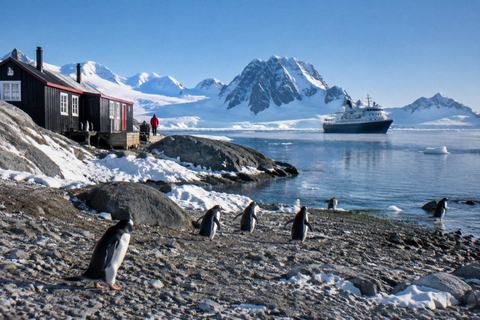 Cruise CostA per-person price ladder from $7,050 berths to $32,320 luxury voyages, with what fares include and what they quietly leave out.Read the guide
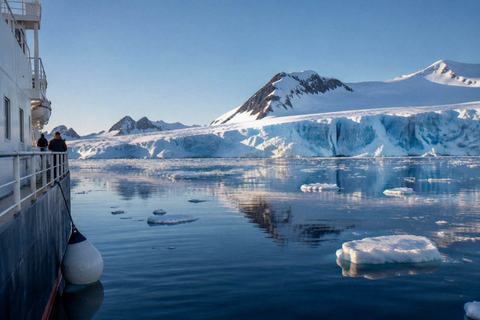 Cheap Antarctica CruisesThe honest floor for Antarctica fares, which ships carry it, and what it costs all-in.Read the guide
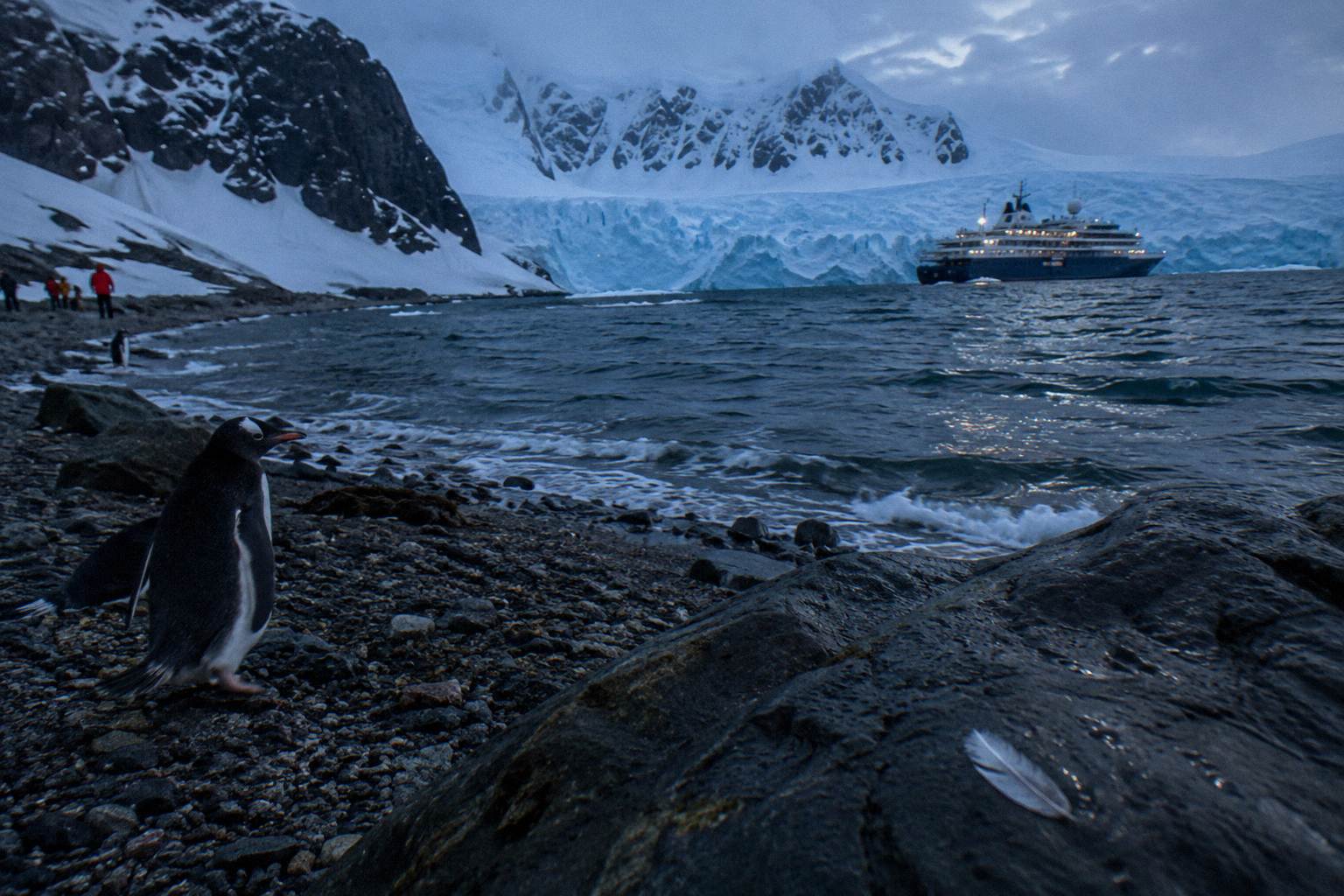 Last-Minute DealsDo last-minute Antarctica berths still exist, and what do they really save?Read the guide
 Prices By MonthPublished month-by-month fares for the 2026-27 season, from about $6,900 in March to $30,205 over Christmas.Read the guide