Antarctica In May: Why No Ships Sail And What To Do Instead
 By Oleg G.
The short, honest answer for anyone with a May travel window: no tourist expedition ship sails to Antarctica that month. The season runs roughly November to March, May sits in the Antarctic winter, and the ships are elsewhere. This page explains exactly why, what Ushuaia and the Arctic offer in May, and which Antarctic month you should aim for instead.
Quick answer: No tourist expedition ship sails to Antarctica in May. The Antarctic cruise season runs roughly November to March, and IAATO-regulated operations stop outside it. In May the Peninsula is dark, cold and locked in sea ice. Instead, use May to book next season early, visit Ushuaia in its quiet shoulder, or sail the Arctic, where the Svalbard season opens around May.
Why No Antarctica Cruise Sails In May
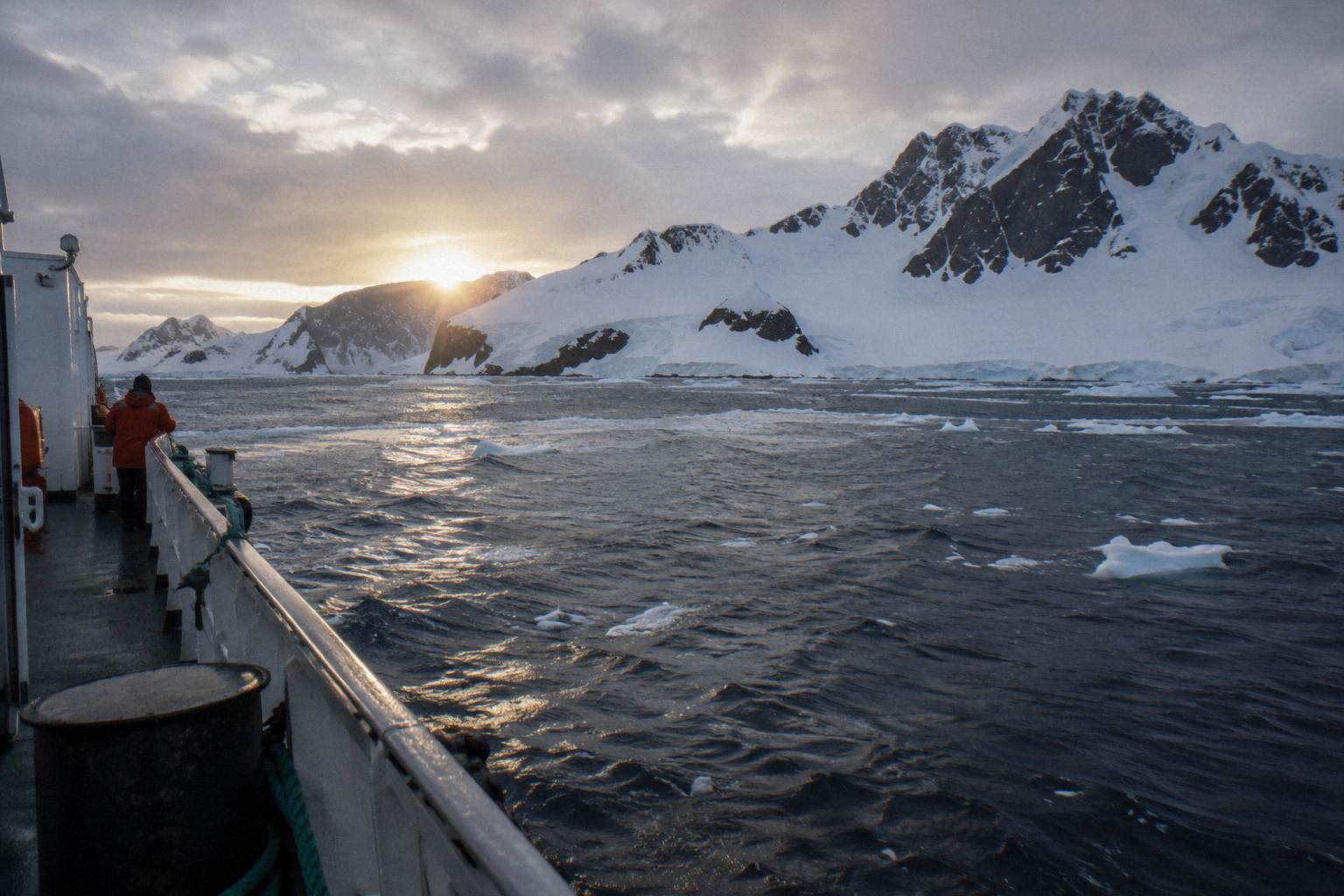
No tourist expedition vessel operates in Antarctica in May, and the zero is structural rather than a gap in anyone's schedule. Antarctic tourism voyages run roughly November through March, May falls inside the Antarctic winter, and operators have no vessels, permits or itineraries in the region then. Roughly 98 percent of all tourism voyages happen in the Antarctic Peninsula during the austral summer, and May is not part of it.
The reason is the calendar itself. Antarctica swings from near-24-hour summer daylight to long winter darkness, and by May the Peninsula sits well into the dark, cold half of that cycle. Sea ice, which retreats through the summer, begins closing the channels and bays that Zodiac landings depend on. An expedition cruise is built around landings, wildlife and daylight, and May offers little of any of the three. Operators reposition their ships to the Arctic, to dry dock, or to warmer water, and the IAATO-regulated Antarctic season simply pauses until spring.
This is not a trade secret. The Antarctic Treaty System's tourism page states that approximately 98 percent of tourism voyages occur in the Antarctic Peninsula during the seven-month austral summer window of October to April, and even within that window the expedition season proper concentrates from November to March. IAATO's own visitor statistics recorded 85,195 landed visits across the 2025-26 season and 27,217 cruise-only passengers, and no tourist ships operate from April to September.
That does not mean May is a useless month for someone planning an Antarctica cruise. It is, in practice, one of the better months to be booking one, because next-season inventory is live and the early-booking offers are on the table. If you want a second opinion on timing, a free Antarctic cruise consultation is the quickest way to test a shoulder-month plan against the peak weeks, at no cost and with no obligation.
What The Antarctic Season Looks Like Month By Month
The season divides cleanly: November and March are the shoulder months with the lowest fares, December and January are the peak with the best wildlife and the highest prices, February is the whale month, April through September have no tourist ships at all, and October has a single published repositioning voyage. Wildlife and daylight peak mid-season, while ice conditions ease later, which is why Antarctic Circle voyages cluster in late January to March. The table below is the whole season at a glance.
The pattern is stable enough to plan around. Early November offers courting penguins and maximum snow cover at shoulder-season fares. December and January bring near-24-hour daylight, hatching chicks and the warmest Peninsula weather, and the peak pricing to match, with published fares in the twelve-to-seventeen-thousand range on many lines and holiday departures higher still. February is when whale numbers build, when fledging penguin chicks appear, and when late-season ice retreat makes crossing the Antarctic Circle realistic. March brings the last sailings, strong whale activity, and shoulder pricing again.
| Month | Ships sail? | What the month is known for | Fare pattern |
|---|---|---|---|
| October | One repositioning voyage (Plancius from Puerto Madryn, 24 Oct 2026) | Antarctic days of that voyage fall in November | One published departure |
| November | Yes, season opens | Courting penguins, snow-covered landings | Shoulder, among the year's lowest fares |
| December | Yes, peak | Longest daylight, egg incubation, holiday sailings | High, holiday premium |
| January | Yes, peak | Hatching chicks, warmest Peninsula month | Highest base fares |
| February | Yes, late season | Peak whale numbers, Antarctic Circle crossings | Below the December-January peak |
| March | Yes, season closes | Whales, fledging chicks, returning ice and sunsets | Shoulder, late-month discounts |
| April | No | Season over, ships withdrawn | Nothing to book |
| May | No | Antarctic winter, darkness and sea ice | Nothing to book |
| June to September | No | Antarctic winter, research stations only | Nothing to book |
May Compared With The Neighbouring Antarctic Months
April and May are both empty months, but they are empty for different reasons: April is the tail of the season, when the last sailings have finished and ships are withdrawn, while May is full winter. June is equally closed. The contrast that matters for a planner is not April versus May but May versus November, because November is the month the season restarts and the month closest to May in the booking calendar.
April at least sits right after the season's last sailings in late March. May has no such edge to it, and the next tourist departure is about half a year away. If your travel window is genuinely fixed around May, the honest move is not to hunt for an operator who will bend the calendar, it is to spend the month booking November, December or a later shoulder departure, or to point your passport at the Arctic instead.
| Question | May | April | November |
|---|---|---|---|
| Tourist expedition ships sailing | None | None, season ended | Yes, season opens |
| Antarctic landings possible | No | No | Yes, 1 to 2 per day typically |
| Peninsula daylight | Polar winter darkness | Closing days, growing dark | Around 17 to 18 hours |
| Sea ice conditions | Heavy, closing channels | Building | Greater coverage, access varies |
| Practical use of the month | Book 2027-28 season early | Book ahead; the last sailings left in late March | Sail at shoulder-season fares |
| Typical fare situation | Nothing to book | Nothing to book | Shoulder fares, e.g. around $7,279 for a 13-day November G Adventures trip |
What Ushuaia Is Like In May, If You Are Already Going
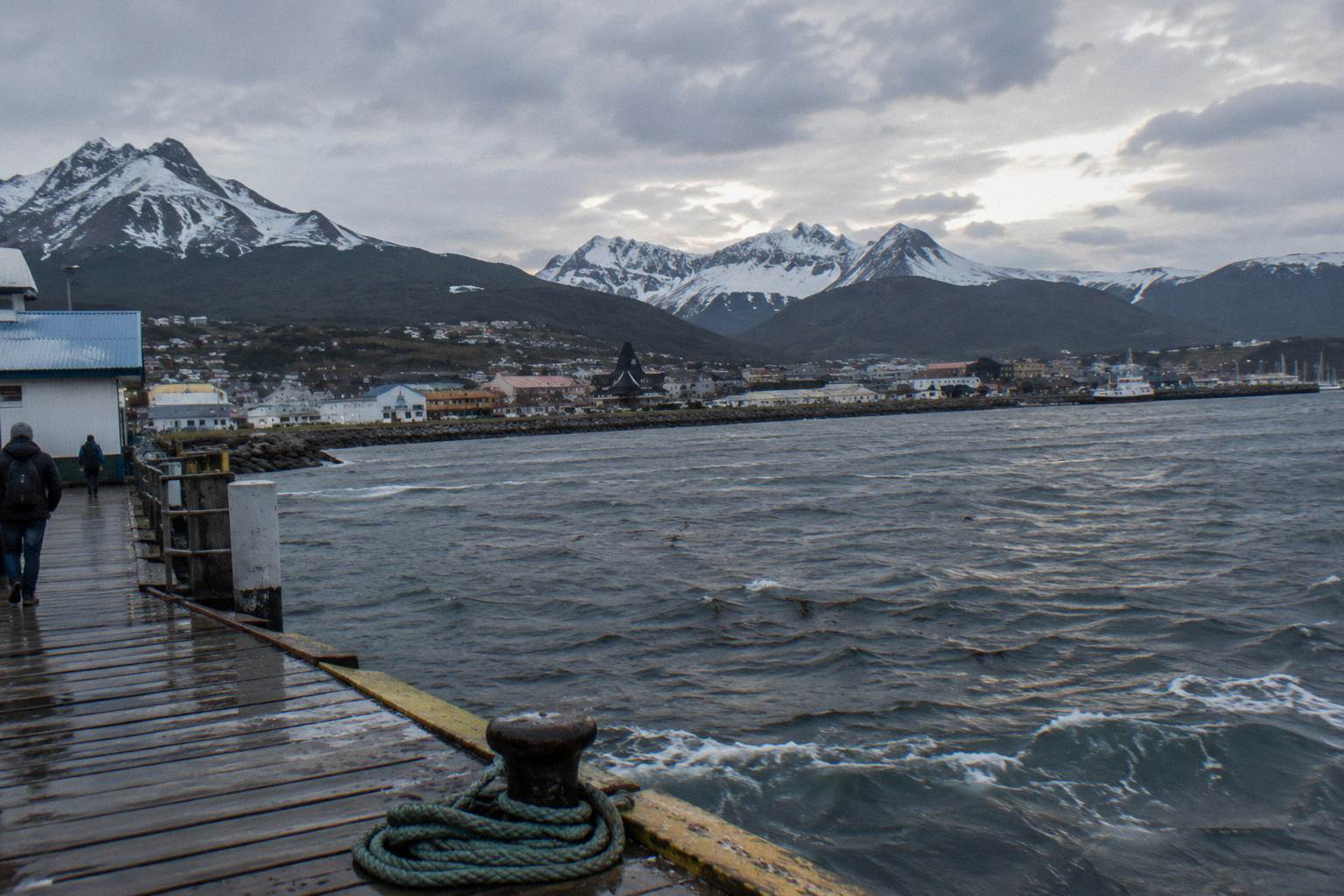
Ushuaia in May is a quiet, low-season gateway: too late for summer hikes at their best and too early for the ski season, but still a real town with the End of the World train, Tierra del Fuego park and pre-season quiet. The Martial glacier dog sledding operation runs in the winter period, while the Cerro Castor ski season opens around mid-June, so May visitors get shoulder prices and short, wintry days.
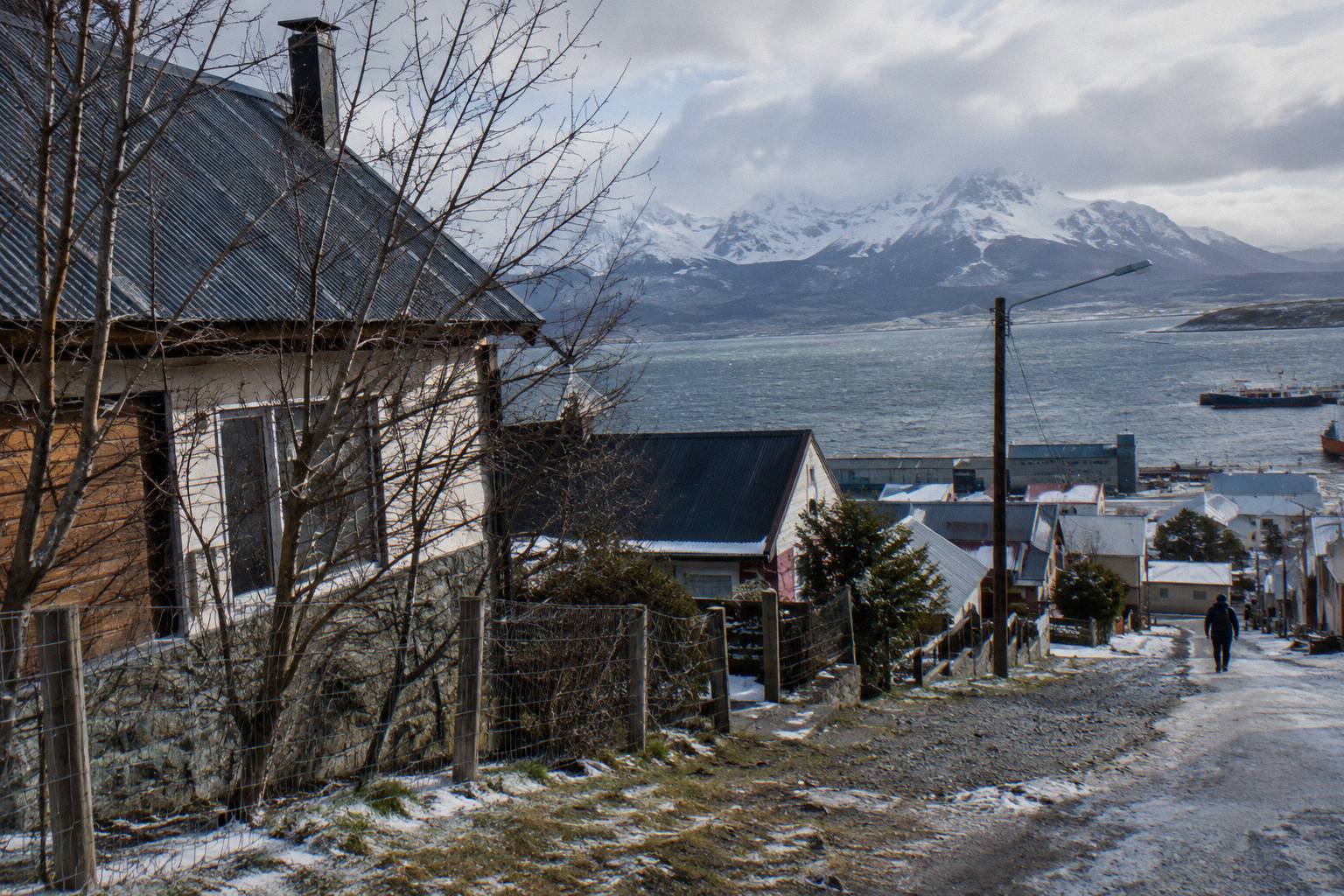
There is a case for being in Ushuaia in May even without an expedition. The town is quiet between seasons, with winter on the way rather than expedition-season summer. The End of the World train and Tierra del Fuego National Park both keep operating, and winter activities begin as the snow builds toward June. What you cannot do is board a ship south. The port that was crowded with cruise passengers a few months earlier stands largely empty of expedition traffic. The wider set of guides lives on Cruises In Antarctica.
The Arctic Season That Opens In May
May is when the Arctic window starts opening: the Svalbard season runs roughly May to September, while Greenland voyages run later, around July to September. A May traveller can board an expedition ship in the north while Antarctica is closed.
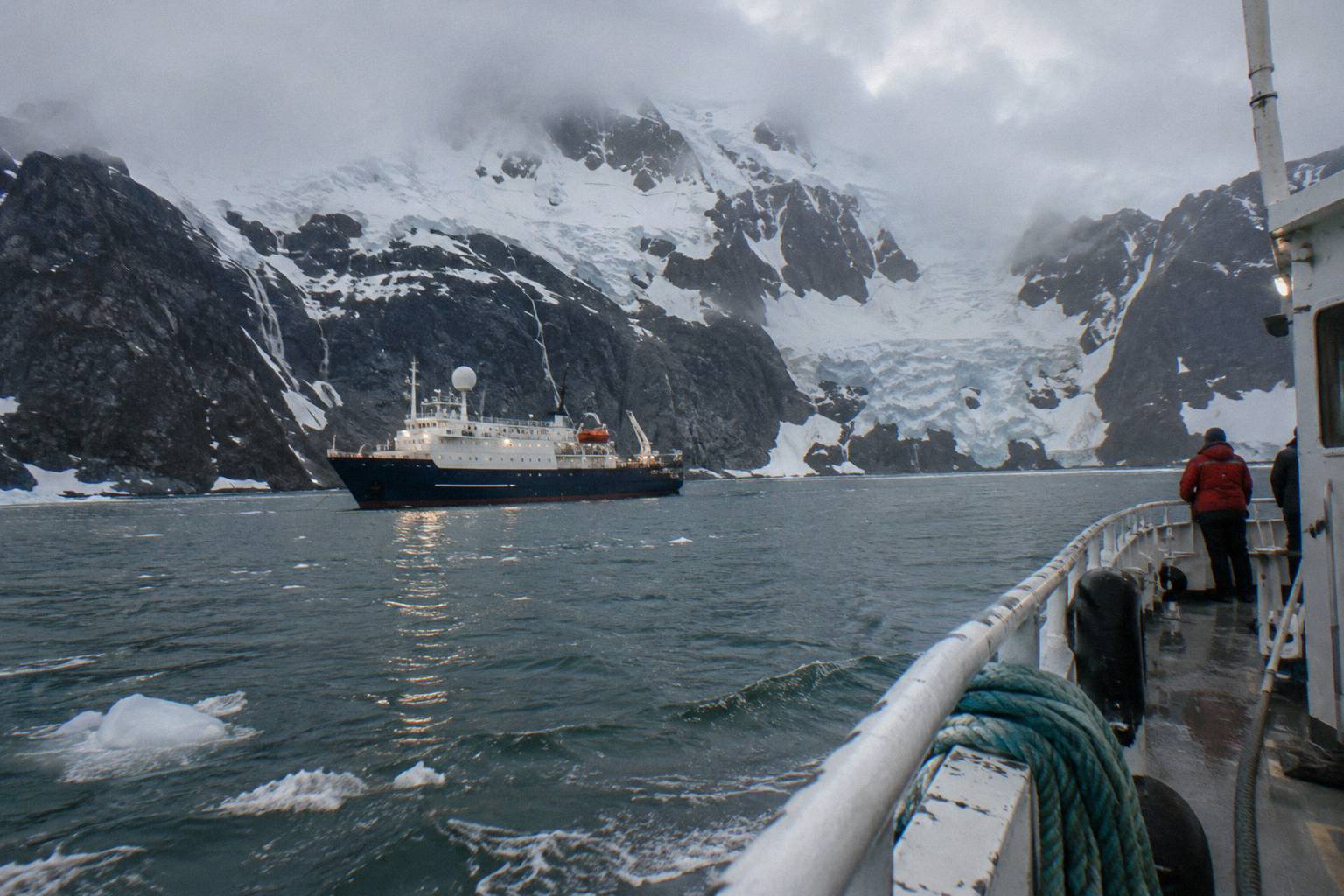
Svalbard is the natural swap. It delivers the same expedition format, Zodiac landings, guided wildlife watching, midnight-sun daylight, with polar bears instead of penguins as the headline species, and its season opens while the Antarctic season is dark. Greenland trips start later in the summer, so May is too early for those unless a specific itinerary says otherwise. The one thing a May Arctic booking cannot give you is a foot on the Antarctic continent, and the two should not be sold to a reader as equivalents. They share a format, not a latitude.
Use May To Book The Next Antarctic Season
May is a booking month, and a productive one. Antarctic operators release their next-season itineraries roughly twelve to eighteen months ahead, so departures for the coming November-to-March season are fully live by May, along with early-booking offers, with examples of 20 to 25 percent on lines such as Oceanwide, Quark, Aurora and HX. Waiting for last-minute discounts means gambling on cabin choice, since peak December dates often book furthest ahead.
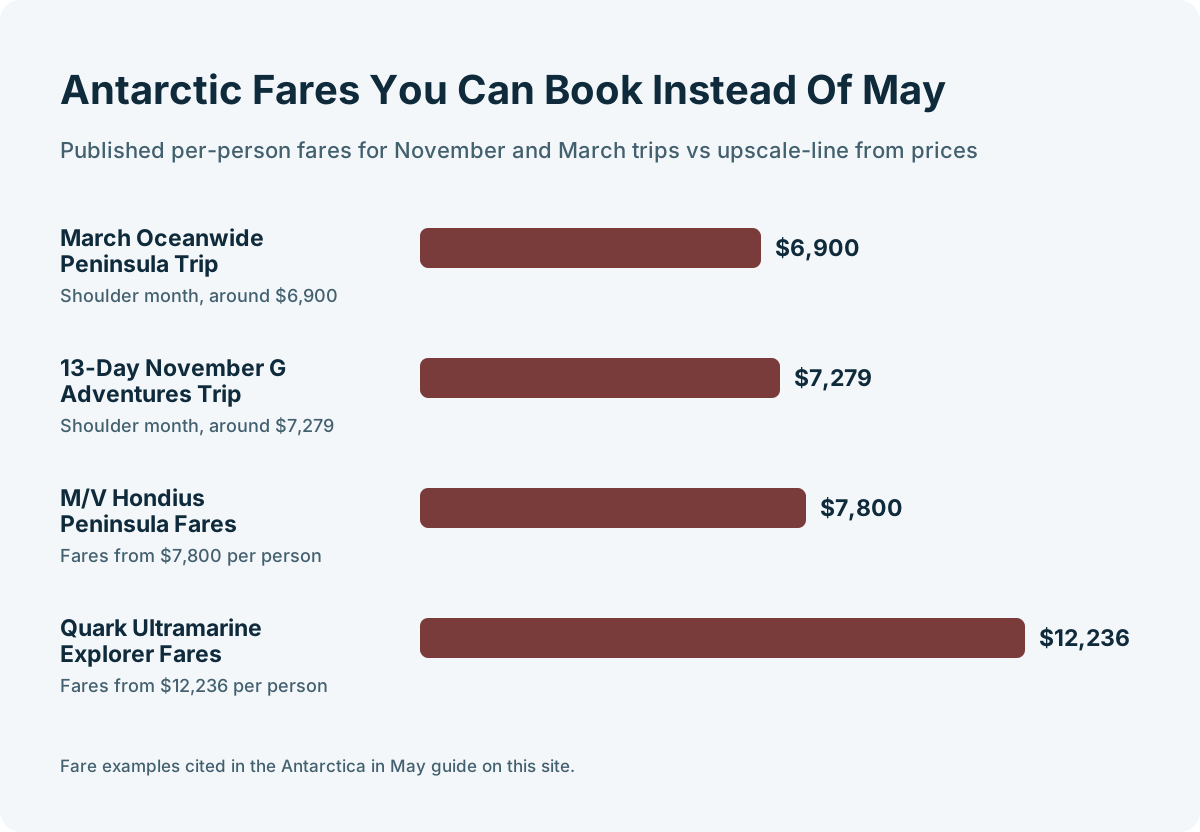
The mechanics favour the planner. Shoulder months, November and March, publish the lowest fares of the season, with real examples around $6,900 for a March Oceanwide Peninsula trip and around $7,279 for a 13-day November G Adventures departure, against twelve to seventeen thousand and more for comparable December and January dates on the more upscale lines. Peak December sailings are reported to book eighteen months or more out, while November and March berths price lower.
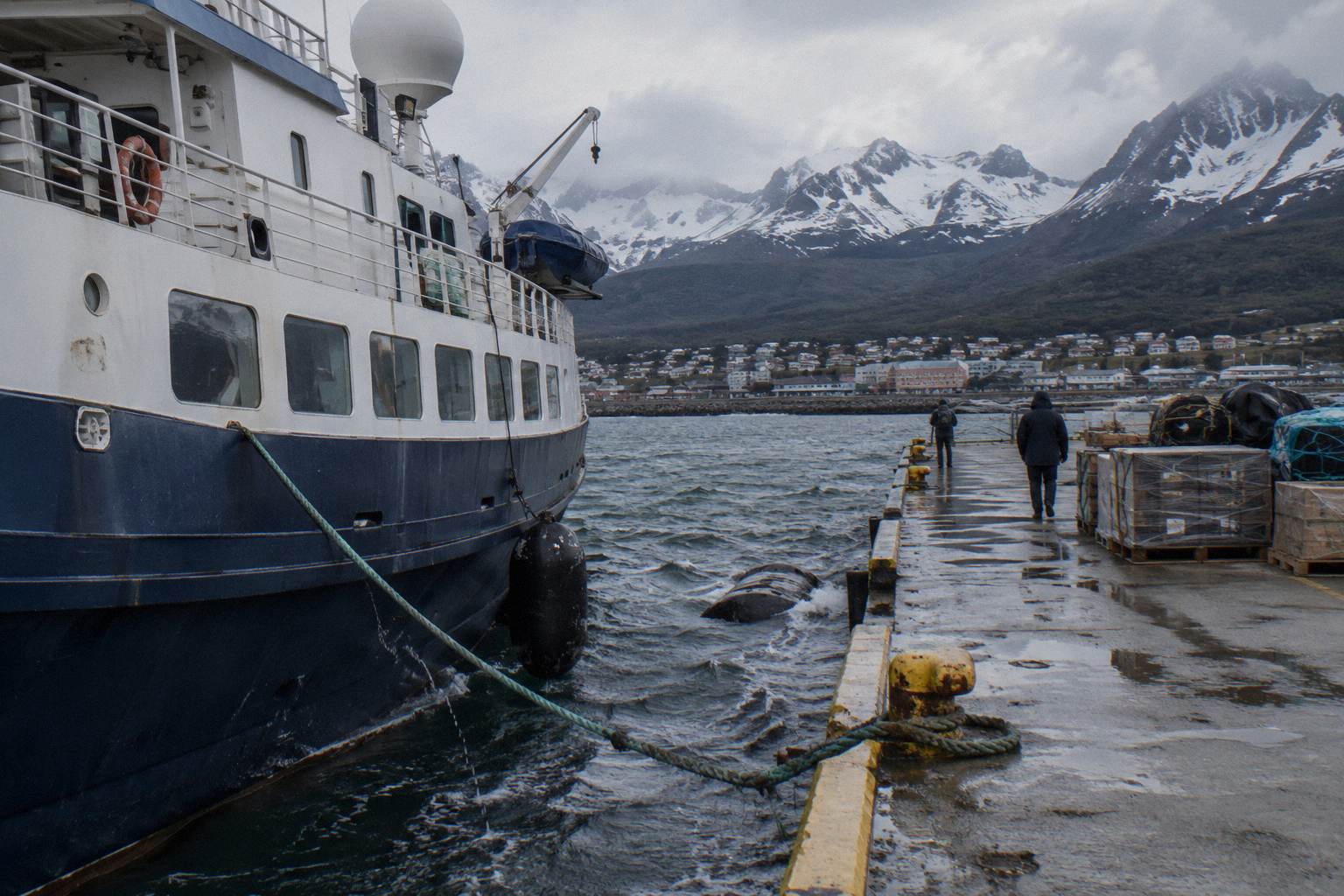
If a budget expedition is the goal, the small-ship Oceanwide fleet is the natural place to start reading. The M/V Hondius, built 2019 and the world's first Polar Class 6 vessel in the operator's own wording, carries 170 passengers in 80 cabins on 11-, 13- and 19-day voyages from Ushuaia, with Antarctic Peninsula fares from $7,800 per person. Her fleetmates Ortelius and Plancius, 108 passengers each, sail similar routes from $7,800 and $7,050 respectively, and a fuller profile lives on our Hondius Antarctica guide page.
At the other end of the scale sits Quark Expeditions' Ultramarine, whose voyage-level fares across the line's Antarctic departures start from $12,236 per person for an Antarctic Explorer voyage, a figure shared across the Quark fleet rather than exclusive to the ship. She is the one vessel in this comparison with two twin-engine Airbus H145 helicopters, 20 Zodiacs and 1A+, PC6 ice class, which is precisely the kind of trade-off a consultation exists to walk you through. If that choice between a budget twin-berth cabin and a helicopter-equipped ship is the decision you are circling, talk through your Antarctic trip options with a specialist before committing, at no cost.
| Ship | Class | Passengers | Ice class | From, per person | Voyage length | Departs from |
|---|---|---|---|---|---|---|
| HondiusOceanwide Expeditions | Small-Ship Budget | 170 | Polar Class 6 | from $7,800 | 11 to 19 days | Ushuaia |
| PlanciusOceanwide Expeditions | Small-Ship Budget | 108 | 1D | from $7,050 | 10 to 33 days | Ushuaia |
| UltramarineQuark Expeditions | Upscale Expedition | 199 | 1A+, PC6 | from $12,236 | 12 to 14 days | Buenos Aires, Ushuaia |
Which Antarctic Month Should You Aim For Instead
Match the month to the goal rather than to the price alone: November and March for the lowest fares, December and January for chicks, daylight and the warmest weather, February for whales and Antarctic Circle attempts, and late January to March if you want to reach south with the ice at its most open. The single best month depends entirely on which of those you are travelling for.
A reader who wants the classic first-time Peninsula voyage at the lowest sensible fare should start with November or March on a small or mid-size ship, and read our best time to visit Antarctica overview for the full season logic. A wildlife-first traveller will push toward December and January and accept the peak pricing. A photographer who wants soft light, whales and empty colonies might accept the riskier March weather for the rewards. The month you should not book is the one you are currently looking at, and the two pages either side of it in the calendar, Antarctica in April and Antarctica in November, show the contrast from both directions: April is the season's exhausted tail, November its fresh beginning.
Common Questions About Antarctica In May
Can you take an Antarctica cruise in May?
No. No tourist expedition ship sails to Antarctica in May. The Antarctic season runs roughly November to March, and the austral winter months of April through September have no tourist voyages at all.
Why does the Antarctica cruise season not run in May?
By May the Antarctic Peninsula is in winter darkness, temperatures have fallen well below the summer norms, and sea ice is closing the channels and bays that landings depend on. Operators withdraw their ships to the Arctic, dry dock or other regions until the season reopens.
What can I do in May if I want to visit Antarctica?
Use May to book the coming November-to-March season, when next-season itineraries are live and early-booking offers are available, or take an Arctic expedition instead, since the Svalbard season runs roughly May to September.
Is Ushuaia worth visiting in May?
Ushuaia is quiet and wintry in May, with low-season prices, the End of the World train and Tierra del Fuego National Park operating, and winter activities building toward June. The Cerro Castor ski season opens around mid-June, so May is too early for skiing.
Which month is the cheapest for an Antarctica cruise?
November and March, the shoulder months, carry the lowest fares, with real published examples around $6,900 for an Oceanwide March trip and about $7,279 for a November G Adventures departure, against peak December and January pricing on the same routes.
When should I book an Antarctica cruise for the next season?
Operators release Antarctic itineraries roughly twelve to eighteen months in advance, with examples of 20 to 25 percent early-booking offers on lines such as Oceanwide, Quark, Aurora and HX. Booking by spring, including May, secures the widest cabin choice before peak December and January departures fill.
More Antarctica By Month
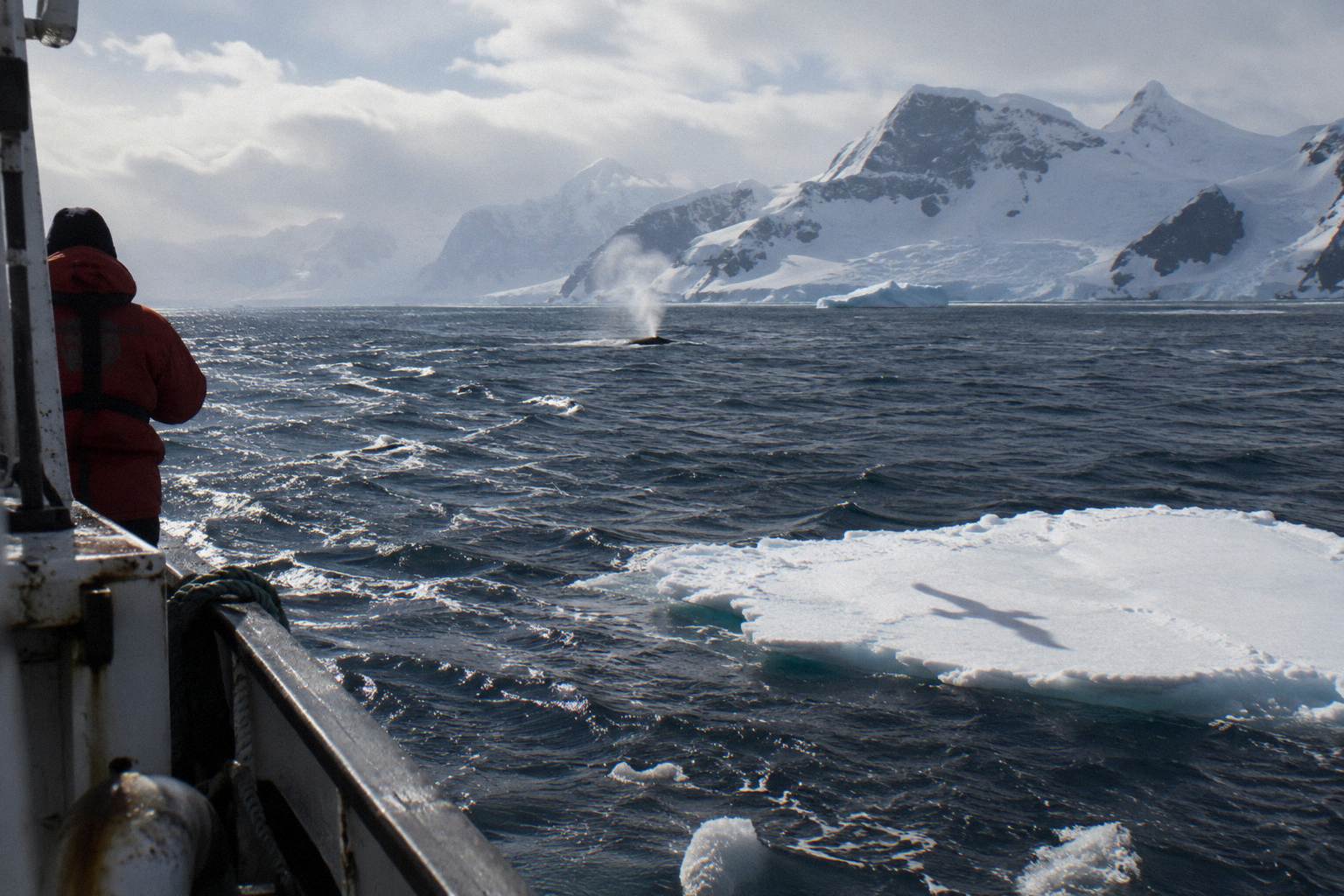 Antarctica In JanuaryHigh summer in Antarctica: warmest weather, penguin chicks, whales and peak fares.Read the guide
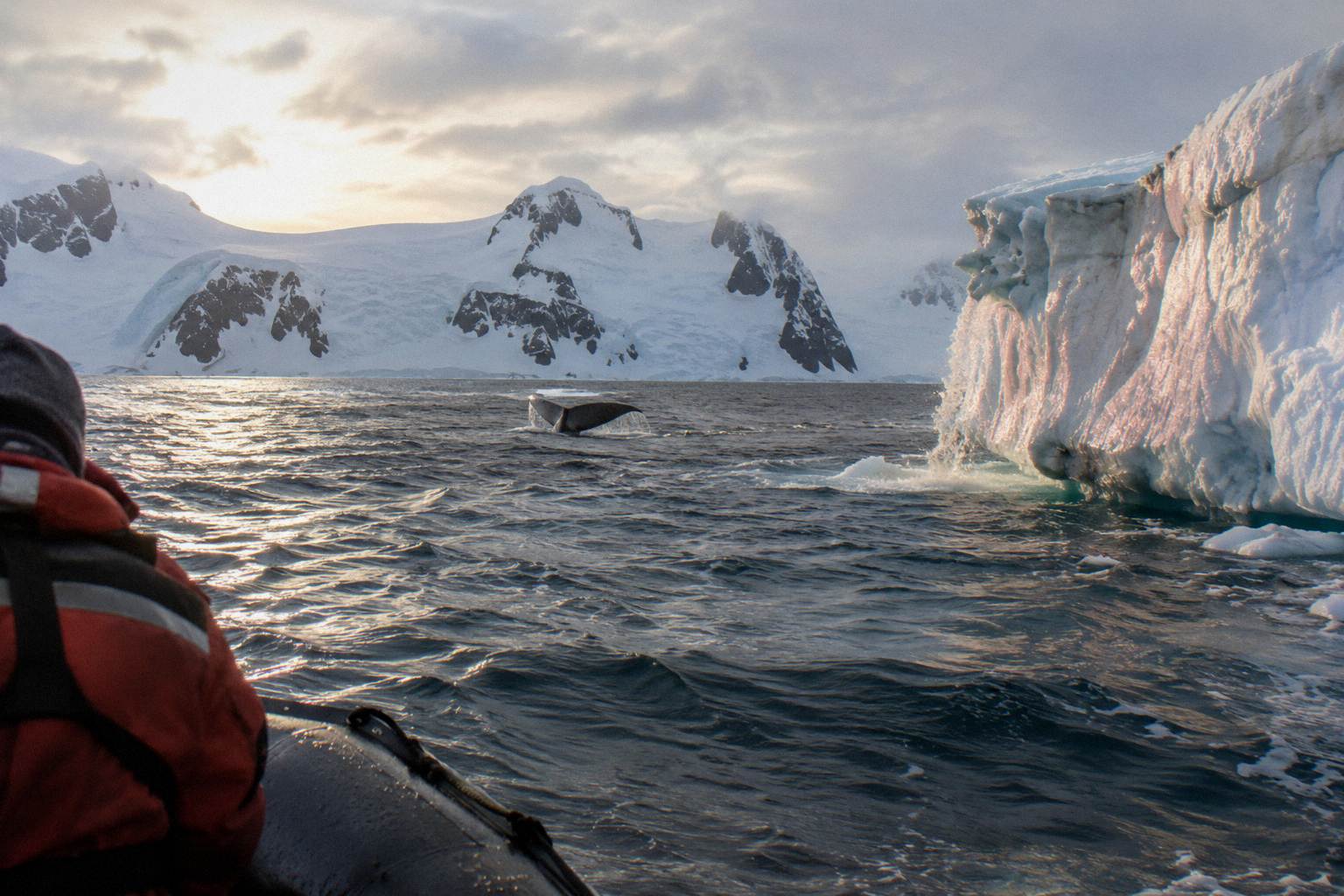 Antarctica In FebruaryLate-summer whales, chick creches, open ice and Circle crossings: what a February sailing gives you.Read the guide
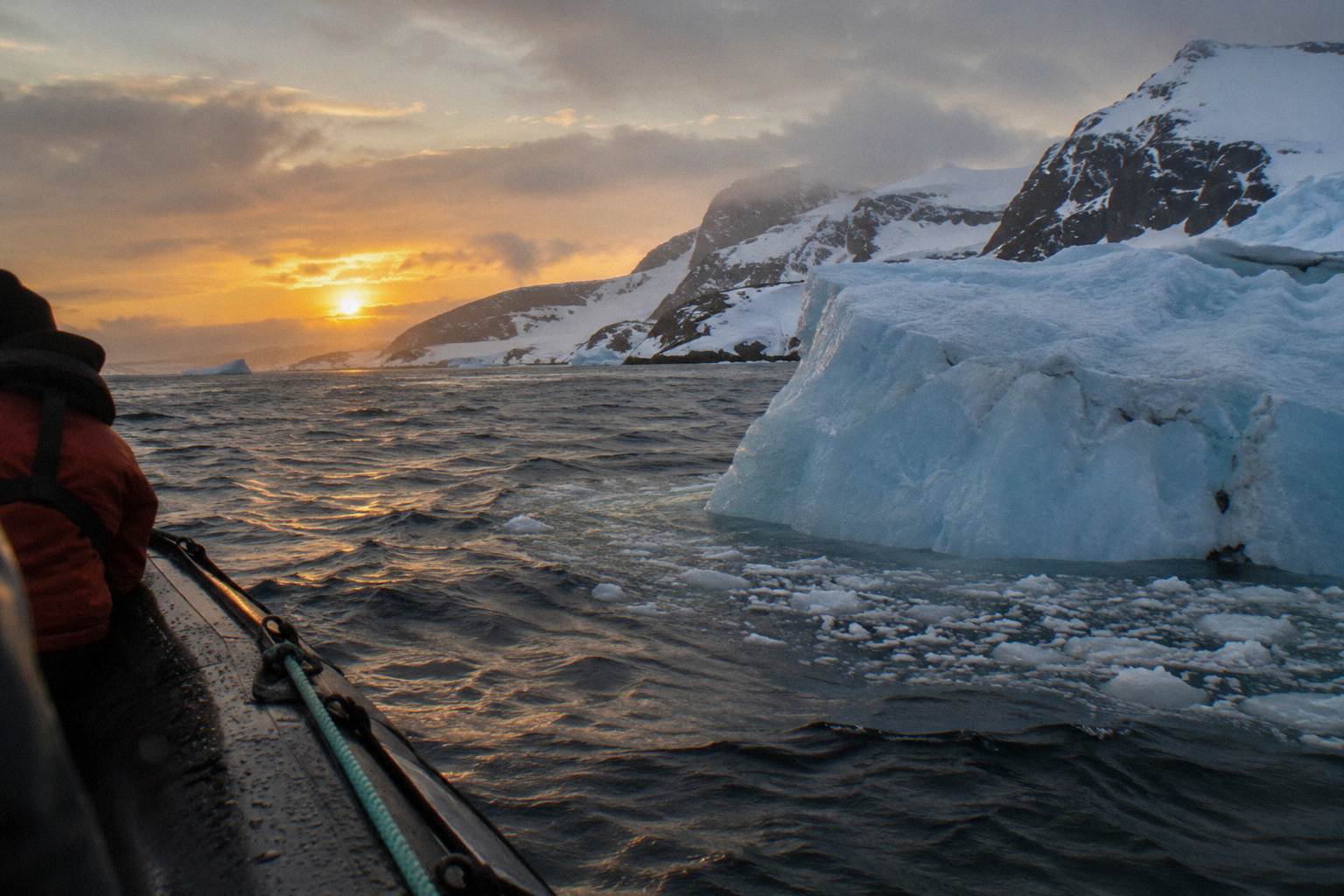 Antarctica In MarchEnd-of-season weather, wildlife and the last sailings of the Antarctic cruise year.Read the guide
 Antarctica In AprilApril has no Antarctic sailings. Here is why, and what to do with that travel window instead.Read the guide