Antarctica In September: Why No Ships Sail And What To Do Instead
 By Oleg G.
No tourist expedition ship sails to Antarctica in September. The season runs roughly November to March, and about 98 percent of all tourism voyages happen inside the October to April austral summer window. Here is what that means for a September traveller, and what to do with the month instead.
Quick answer: No. Zero tourist voyages to Antarctica are confirmed for April through September, and the 2026-27 season opens from Ushuaia in early November. September is winter at the Peninsula, with sea ice and short days. The realistic options are Arctic cruising, Ushuaia in shoulder-winter, or booking 2027-28 early-bird fares released 12 to 18 months ahead.
Does Any Antarctica Cruise Sail In September?
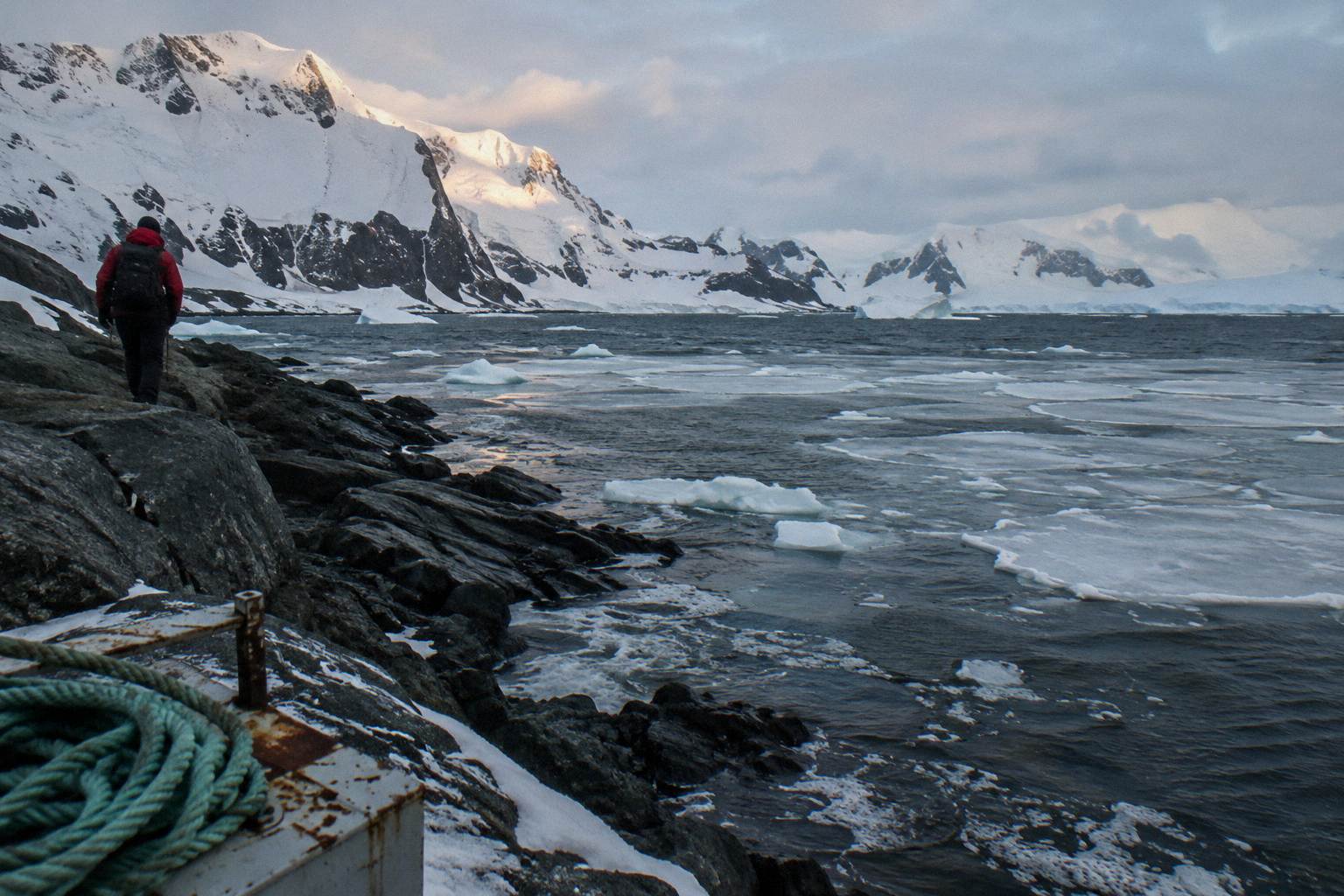
No, and this is not a booking gap you can work around. Zero tourist voyages to Antarctica are confirmed for the April to September window, and the first expedition ships of the 2026-27 season do not leave Ushuaia until early November. September sits at the tail of the Antarctic winter, when sea ice still seals the Peninsula and no operator sells a berth south of the Drake Passage.
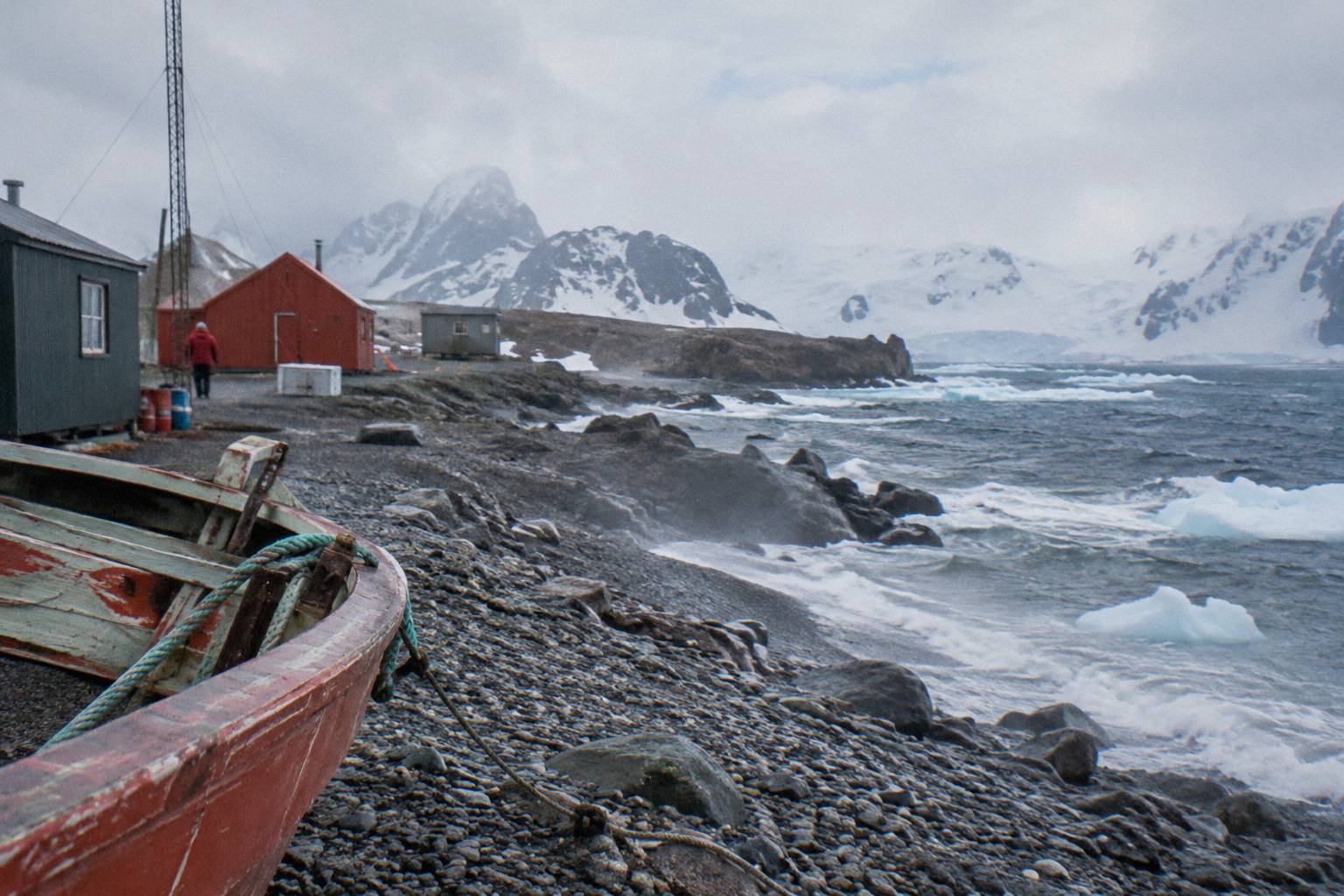
The pattern is consistent across every operator whose calendar this site tracks. Oceanwide's Plancius left the Netherlands in late September 2026 on a repositioning voyage and only reached Puerto Madryn, in northern Patagonia, on 24 October; her first tourist sailing, a 20-night Falklands, South Georgia and Antarctic Peninsula trip, ran 24 October to 13 November from Puerto Madryn to Ushuaia. The earliest confirmed passenger departures from Ushuaia itself begin in the first days of November, including Ortelius on her Antarctic Peninsula Basecamp voyage from 3 to 15 November and Atlas Ocean Voyages' World Navigator on 8 November.
That matches the wider picture. The Antarctic Treaty Secretariat notes that approximately 98 percent of all tourism voyages occur in the Antarctic Peninsula during the seven-month austral summer running October to April, and industry reporting puts the practical expedition season at November through March, with no tourist ships at all between April and September. IAATO counted 113,518 total visitors for the 2025-26 season, of whom 85,195 made landings, with tourism concentrated in that same summer window.
So if your leave dates are locked to September, the honest answer is that no expedition cruise, no fly-cruise and no mainstream scenic sailing will put you in Antarctic waters that month. Anyone selling you one in September is selling you next season.
Why September Stays Shut: Ice, Darkness, And A Short Season
The Peninsula in September is still in winter grip. Sea ice clogs the channels and bays expedition ships work, daylight has not yet returned to the long summer hours, and landing sites are unreachable under IAATO's operational rules. Operators instead spend September repositioning, refitting and releasing next season's inventory, which is why the calendar flips open all at once in November.
The reason is physical before it is regulatory. A Peninsula voyage lives on Zodiac landings at sites like Neko Harbour, Half Moon Island and Port Lockroy, plus scenic runs through the Lemaire Channel, and those places only become workable once the summer ice has broken back. November is already the shoulder edge of that process: operators describe more sea ice, more snow on land and limited access at some sites early in the month, with conditions opening up through December and January. In September there is simply nothing to land at.
There is also the crossing. Every Ushuaia sailing pays the Drake Passage toll, and while no single month is reliably calmer than another inside the season, September sits outside the season entirely, with winter weather systems still crossing the Southern Ocean. Operators do not schedule around that; they wait it out.
The comparison with the neighbouring months makes the cliff edge obvious:
| September | October | November | |
|---|---|---|---|
| Tourist ships in Antarctic waters | None confirmed | Repositioning arrivals, e.g. Plancius reaching Puerto Madryn 24 Oct 2026 | First sailings from Ushuaia, e.g. Ortelius 3 Nov, World Navigator 8 Nov |
| Season status | Closed, Antarctic winter | Pre-season, ships en route | Opening shoulder, often 20 percent or more below peak pricing on Peninsula trips |
| What you can book | 2027-28 inventory as it releases | 2027-28 early-bird fares and late 2026-27 deals | Confirmed 2026-27 departures |
| Wildlife on the Peninsula | Not accessible | No tourist ships at the Peninsula | Courtship and nest building, pristine snow, more sea ice |
October deserves its own look if your window has any flex, and this site has a full page on what October looks like on the Antarctic calendar. But September itself is unambiguous: closed.
What A September Traveller Can Do Instead
September works well for the Arctic, and for Patagonia. The Svalbard season runs May to September, Greenland voyages run July to September, and Ushuaia itself is in its ski shoulder, with the Cerro Castor season stretching from mid-June to early October. None of it is Antarctica, but all of it is bookable in September, and all of it pairs naturally with an Antarctic booking for the following austral summer.
On the Arctic side, the season windows are short and September sits at their far edge, which is exactly why it works: Svalbard sailings run roughly May to September, Greenland summer voyages July to September, and North Pole icebreaker trips June to August. If a September departure is non-negotiable, an expedition cruise in the Arctic is the closest like-for-like swap: small ship, Zodiac operations, expedition team, long daylight, and wildlife that is actually present, from polar bears on Svalbard to Greenland's fjord coast.
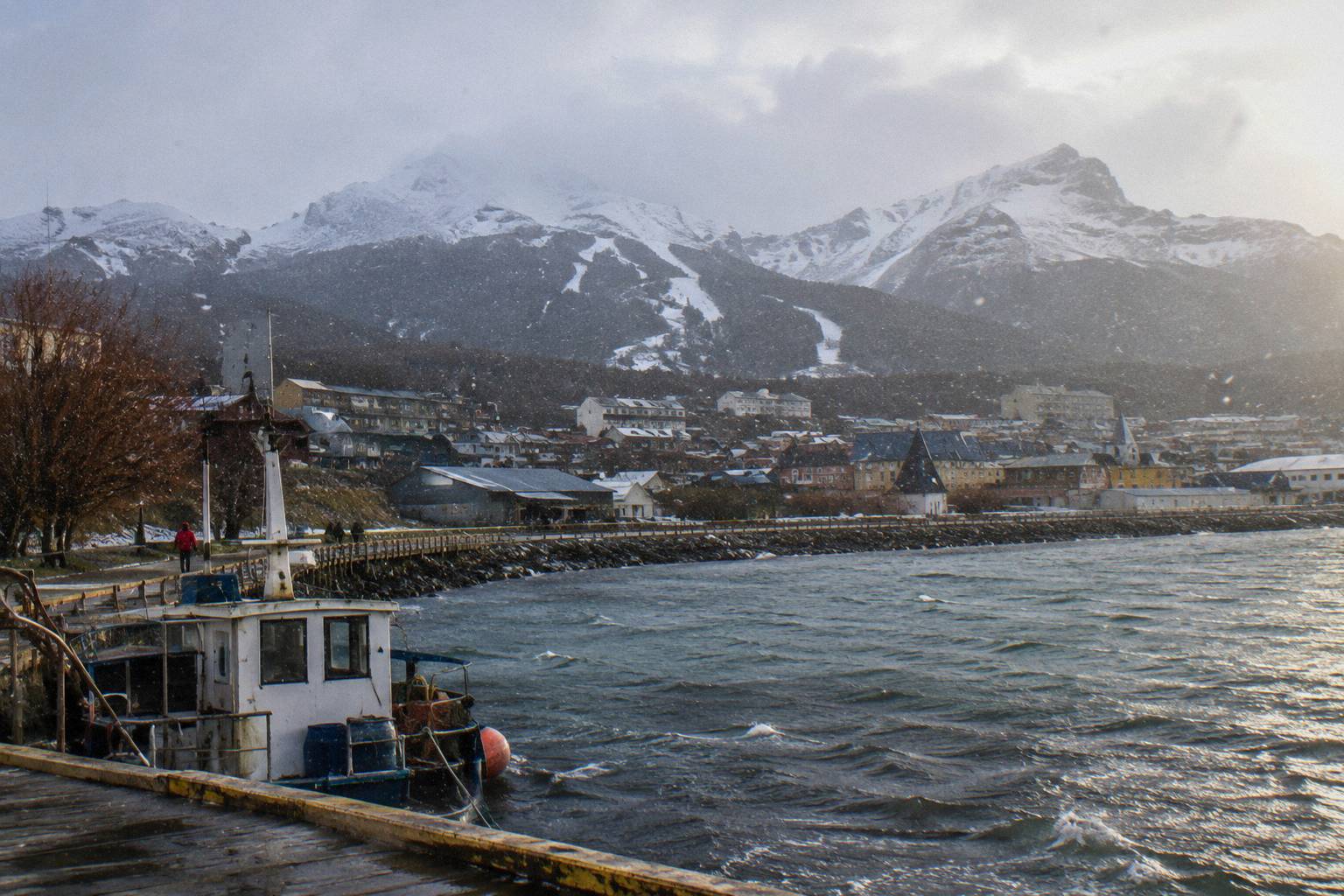
Closer to the White Continent, Ushuaia in September is a winter town rather than a cruise hub. The Cerro Castor ski season typically runs from mid-June to early October, so September still has lift-served snow, and the End of the World Train and Tierra del Fuego National Park both operate through the shoulder. It is a quiet month in the gateway city, and visiting then means you see the port at its emptiest, before the roughly 590 projected cruise calls of the season begin.
The third option is the one most September travellers actually take: stay home, and spend the month booking. If you want a second opinion on which of these three paths fits your dates, a free Antarctica cruise consultation will map your window against live 2027-28 availability.
Using September To Book The 2027-28 Antarctic Season
September is the month next season's inventory is on the table. Operator calendars typically release departures and early-booking discounts 12 to 18 months ahead, so September 2026 is when 2027-28 voyages are open with offers that commonly reach 10 to 30 percent off. Booking early secures better cabin selection and rates before the peak-December cabins go.
The timing matters more than most first-timers expect. Peak December and January sailings book furthest out, and last-minute discounts, where they exist, are limited in cabin choice and uncommon for peak-season dates. Early-booking offers are the reliable lever instead: operator calendars and deal trackers show early-bird discounts commonly reaching 10 to 30 percent for the 2026-27 and 2027-28 seasons, with reports of up to 40 percent on select unsold 2026-27 sailings. One 2026 cost guide puts the cheapest published Peninsula fares on mainstream expedition lines at roughly $9,000 to $12,000 per person, against entry-level shared-cabin berths from about $7,500.
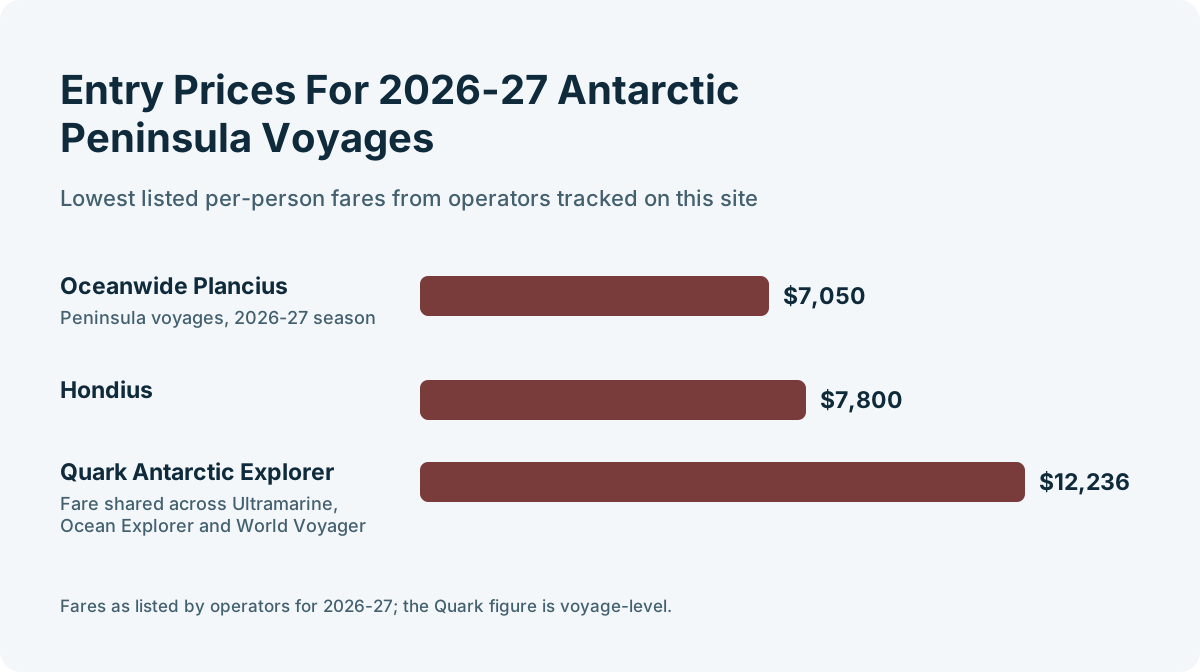
On this site's tracked operators, the entry points are clear. Oceanwide's Plancius lists Peninsula voyages from $7,050 per person for 2026-27, Hondius from $7,800, while Quark Expeditions' Antarctic Explorer voyage, a fare shared across Ultramarine, Ocean Explorer and World Voyager, lists from $12,236. Quark's fares are voyage-level rather than ship-exclusive, so treat that figure as the price of the itinerary, not of one hull.
| Ship | Class | Passengers | Ice class | From, per person | Voyage length | Departs from |
|---|---|---|---|---|---|---|
| HondiusOceanwide Expeditions | Small-Ship Budget | 170 | Polar Class 6 | from $7,800 | 11 to 19 days | Ushuaia |
| PlanciusOceanwide Expeditions | Small-Ship Budget | 108 | 1D | from $7,050 | 10 to 33 days | Ushuaia |
| UltramarineQuark Expeditions | Upscale Expedition | 199 | 1A+, PC6 | from $12,236 | 12 to 14 days | Buenos Aires, Ushuaia |
The cheapest way into a November or March sailing is usually one of the small budget ships, and Hondius is the one that keeps coming up for early-season value. She carries 170 passengers in 80 cabins, was built in 2019, and holds Polar Class 6, the notation her operator calls the first such registration in the world. Her Peninsula voyages run 11, 13 and 19 days from Ushuaia, and her published 2026-27 sailings run into March.
If you are weighing tiers rather than just prices, the site's full breakdown of what an Antarctica cruise costs covers fare ranges, single supplements and what the higher tiers actually add.
Which Antarctic Month Should You Aim For Instead?
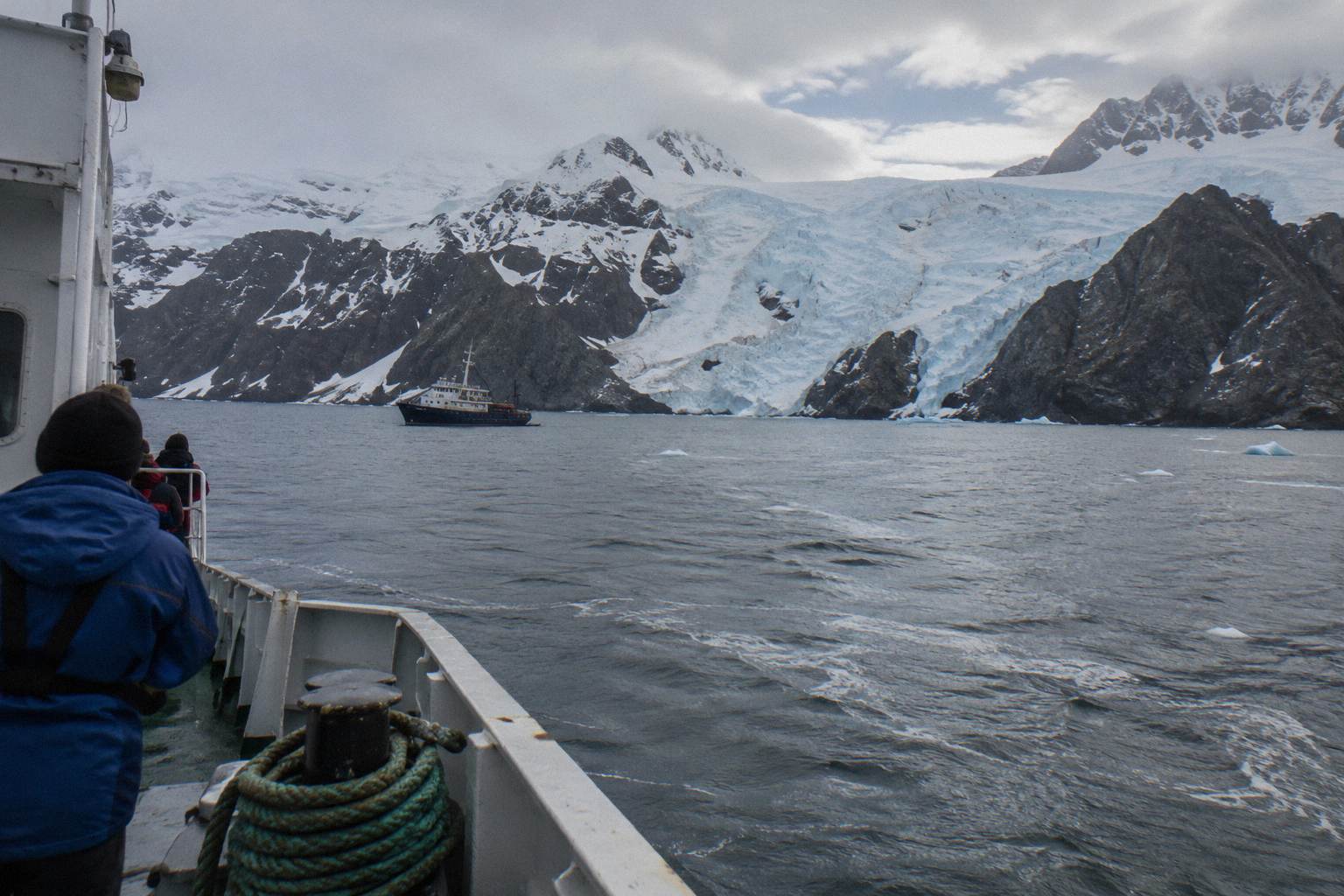
November suits photographers and value hunters, with pristine snow and shoulder pricing often 20 percent or more below peak. December and January bring the longest days, hatching chicks and peak fares. February is whale season and the best window for Antarctic Circle crossings, while March closes the season with discounts on late sailings. September, by contrast, offers nothing south of the Drake.
Here is the whole season at a glance:
| Month | Sailings from Ushuaia | Known for | Pricing pattern |
|---|---|---|---|
| November | First departures, e.g. Ortelius 3 Nov 2026, World Navigator 8 Nov | Courtship and nest building, pristine snow, more sea ice | Shoulder, often 20 percent or more below peak |
| December | Full season, holiday sailings | Longest daylight, 19 to 21 hours at the Peninsula; eggs and incubation | Peak, with a premium over Christmas and New Year |
| January | Full season | Warmest month, chicks hatching | Peak |
| February | Full season | Peak whale numbers, chick creches, least ice | Below the December-January peak |
| March | Last sailings, through late March | Whales, fledging penguins, sunsets | Shoulder, with late-March discounts reported |
Choosing between them is a genuine decision, which is why this site's month-by-month comparison exists: it weighs wildlife against price across all five sailing months. Cruises In Antarctica pages generally, and that guide specifically, exist because the month you pick changes the trip more than the ship you pick.
If September has taught you anything, it should be that timing is the whole game down there. November is the month that rescues a September traveller most cleanly, and the full guide to Antarctica in November covers the shoulder-season trade-offs, from ice-locked bays to the lower fares.
Once you have a month in mind but no ship, talk through your month choice free with someone who watches cabin availability across operators week to week.
Common Questions About Antarctica In September
Can you cruise to Antarctica in September?
No. Zero tourist voyages are confirmed for April through September, and about 98 percent of all Antarctic tourism voyages occur inside the October to April austral summer. The first passenger departures of the season leave Ushuaia in early November.
When does the Antarctica cruise season start?
The practical expedition season runs November to March. In 2026-27, the earliest confirmed Ushuaia departures include Ortelius on 3 November and World Navigator on 8 November; Oceanwide's Plancius only reached South America on 24 October after a late-September repositioning crossing.
Is Ushuaia worth visiting in September?
Yes, if you go for winter rather than cruising. The Cerro Castor ski season typically runs mid-June to early October, so September still has snow, and the End of the World Train and Tierra del Fuego National Park operate through the shoulder. Expect a quiet town before the season's port calls begin.
What about the Arctic in September?
September is a workable Arctic month. The Svalbard season runs about May to September and Greenland voyages July to September, so both are at their late-season edge. North Pole icebreaker trips run June to August and have finished by September.
Are there discounts for booking an Antarctica cruise in September?
Often, yes. Operator calendars typically release next season's departures and early-booking offers 12 to 18 months ahead, and early-bird discounts commonly reach 10 to 30 percent for 2027-28, with reports of up to 40 percent on select unsold 2026-27 sailings. Last-minute deals for peak December dates are uncommon.
More Antarctica By Month
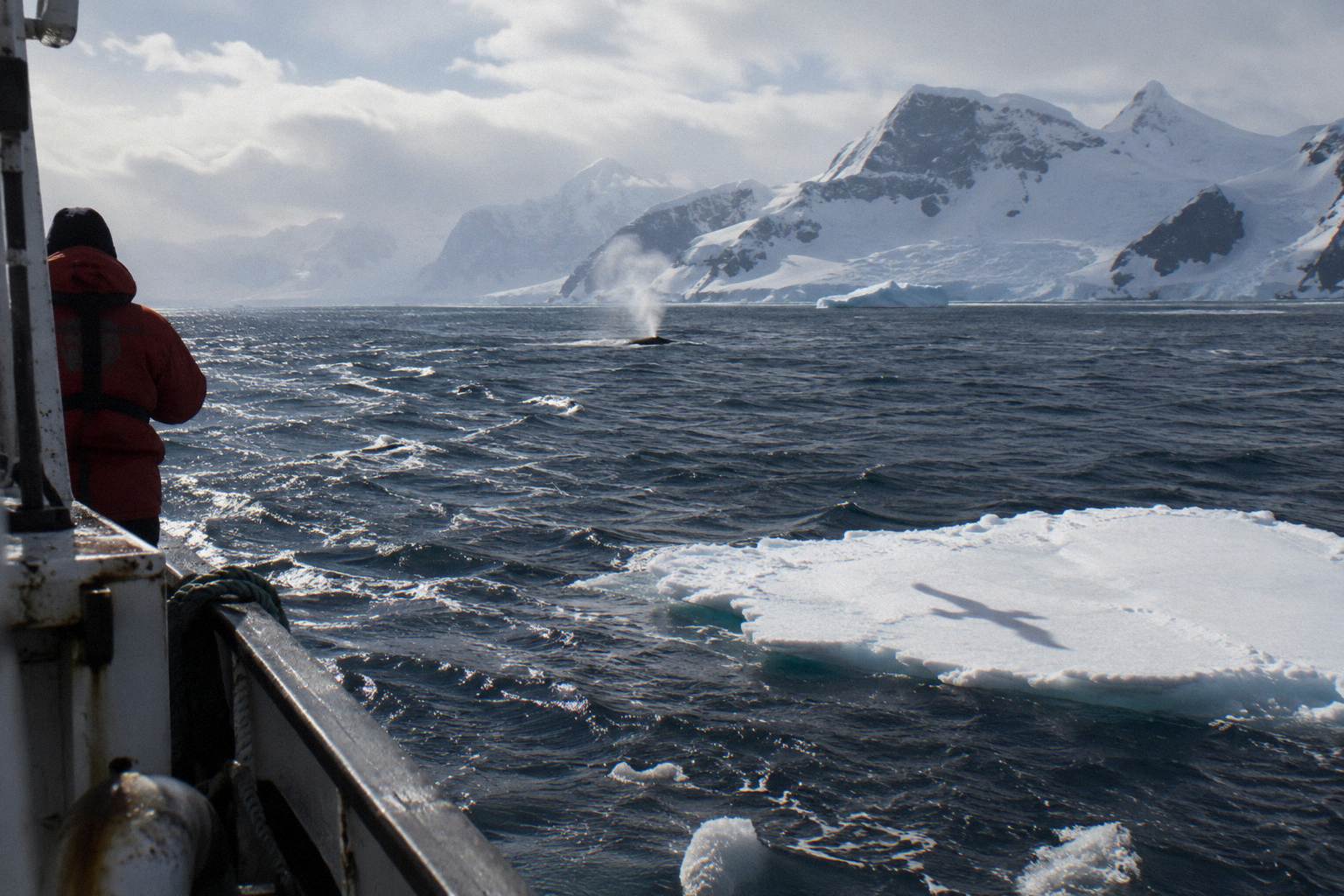 Antarctica In JanuaryHigh summer in Antarctica: warmest weather, penguin chicks, whales and peak fares.Read the guide
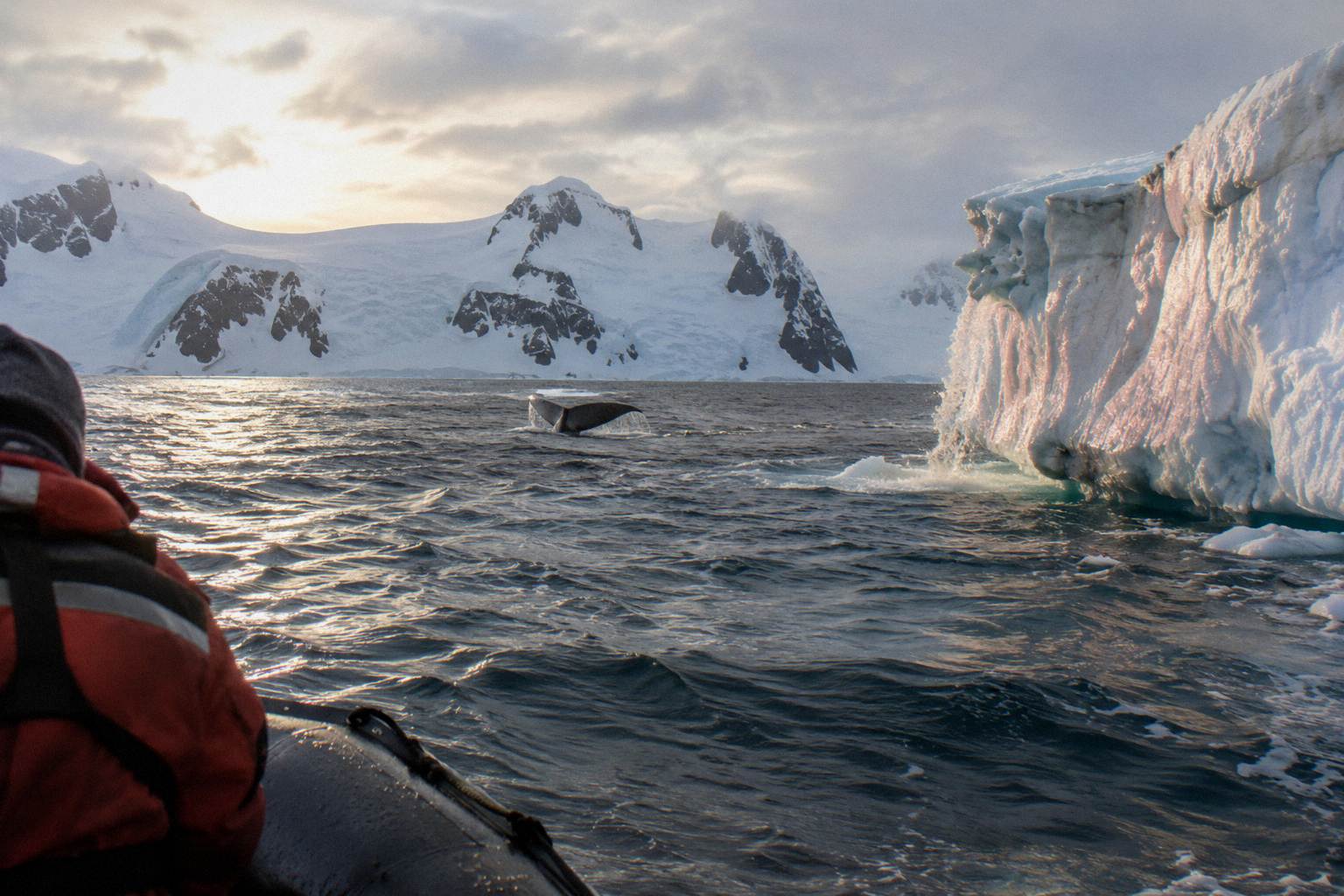 Antarctica In FebruaryLate-summer whales, chick creches, open ice and Circle crossings: what a February sailing gives you.Read the guide
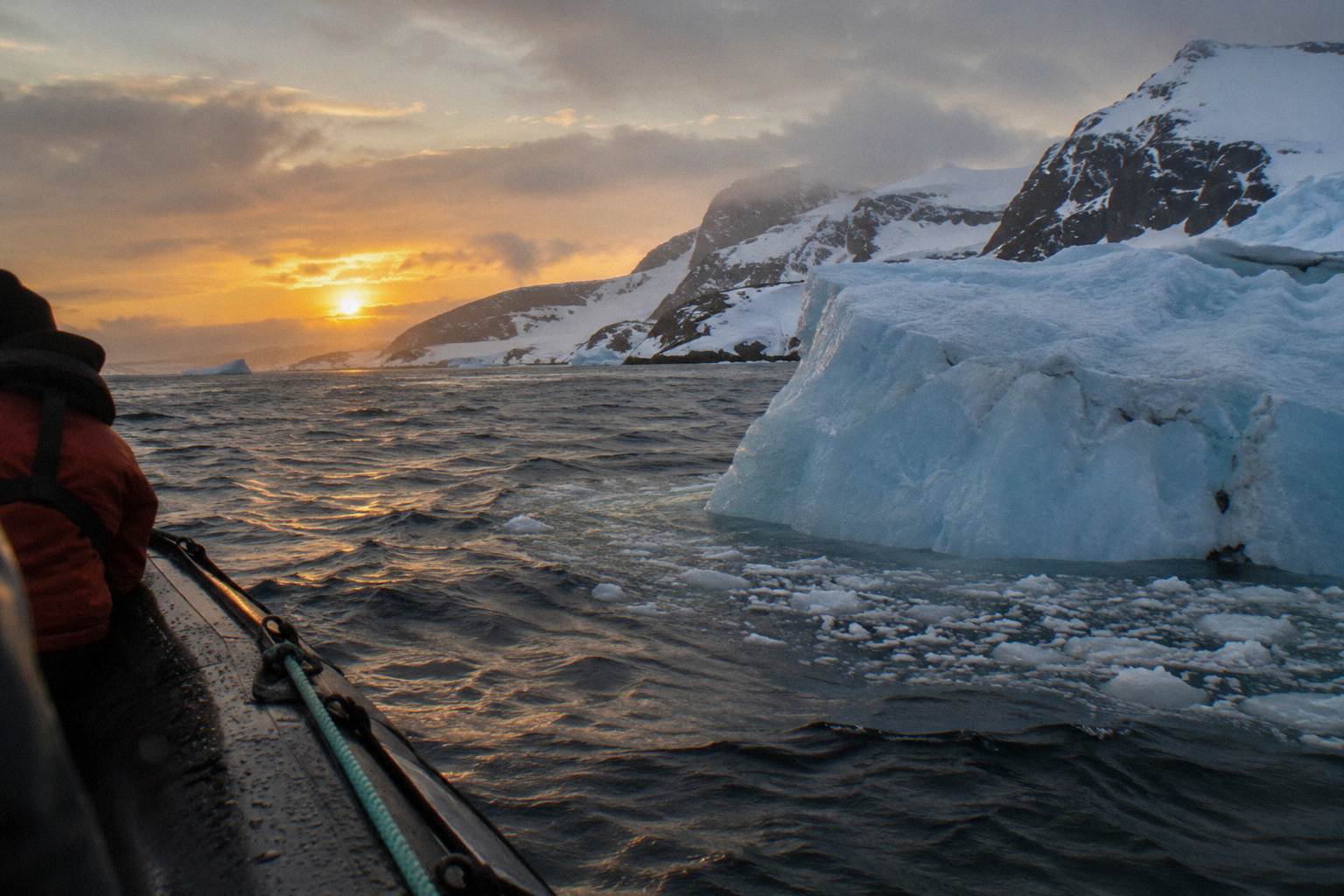 Antarctica In MarchEnd-of-season weather, wildlife and the last sailings of the Antarctic cruise year.Read the guide
 Antarctica In AprilApril has no Antarctic sailings. Here is why, and what to do with that travel window instead.Read the guide