Neko Harbour: Stepping Onto The Antarctic Continent
 By Oleg G.
Neko Harbour sits on the Antarctic continent itself, one of the few places a Peninsula voyage can put your boot on the actual landmass rather than an offshore island.
Quick answer: Neko Harbour is a landing site on the Antarctic Peninsula at about 64°50′S, 62°33′W, in Andvord Bay. It is one of the busiest landing sites of the season and one of the rare continental landings, home to a gentoo penguin colony under ATCM site guidelines that cap visitors at 100 ashore at a time with a 1:20 guide ratio.
Neko Harbour does something almost no other stop on a classic Antarctic Peninsula route can claim: it puts you on the continent of Antarctica itself. Most landings on a Peninsula voyage happen on islands, the South Shetlands, or the tip of the Peninsula around Paradise Bay, but Neko Harbour sits on the actual landmass, inside Andvord Bay at roughly 64°50′S, 62°33′W. The site combines gentoo penguins, glacier calving that shapes where you can stand, and guided walks to overlooks above the bay. It is one of the busiest landing sites of the season, and it operates under its own ATCM visitor guideline, which shapes everything about how a call there runs. This guide covers where the harbour is, why the continental landing matters, what the site rules allow, and which expedition cruises actually include it.
Where Is Neko Harbour And Why The Location Matters
Neko Harbour lies inside Andvord Bay on the Antarctic Peninsula at about 64°50′S, 62°33′W, and the landing is a cobble and sandy beach reached by Zodiac. Ships reach the site regularly through the core season from December to March, though ice and swell can affect access on any given day. The surrounding water is a known calving zone, which is precisely why the site rules treat certain beaches and areas as off-limits.
The location matters for one main reason: geography. The beach and the slopes above it are part of the Antarctic Peninsula landmass, not an offshore island. On a classic Peninsula cruise that mixes South Shetland stops such as Half Moon Island or Deception Island with Peninsula sites, Neko Harbour is the continental landing of the group. For many travellers that is a symbolic moment of the voyage. If the continent matters to you, it is worth checking which landing sites a specific voyage is likely to attempt before you commit to a ship, and a free consultation on your route options can tell you which itineraries build continental landings into their plans rather than leaving them to chance.
Neighbouring sites in the same sailing area include Paradise Bay and the Lemaire Channel, both covered in our Antarctic Peninsula cruise route guide.
Is Neko Harbour A Continental Antarctic Landing?
Yes. Neko Harbour is one of the relatively rare continental landing sites on the western Antarctic Peninsula, and it is the reason many expedition schedules treat a call there as a highlight. The distinction is real, not just a marketing line: the South Shetland Islands, including King George, Half Moon, Livingston and Deception islands, are all islands north of the Peninsula, and popular Peninsula-area stops such as Port Lockroy on Goudier Island are also island landings. Neko Harbour's beach is attached to the mainland of the Antarctic Peninsula, so stepping ashore there means stepping onto the continent of Antarctica.
The site's history is modest but visible. An Argentine refuge hut once stood at the harbour; remnants were removed after damage in 2010, so today the landing zone is essentially natural shoreline. There is no station, shop or museum here, unlike Port Lockroy with its post office. What you get is the landscape: glacier, ice and penguins.
Not every voyage gets a continental landing. Ice conditions, wind and the site's one-ship-at-a-time scheduling all influence whether a given call goes ahead, and the expedition team always carries alternates. If standing on the continent is a priority for your trip, say so when you are choosing a voyage, because itineraries that reach Andvord Bay give themselves more chances than routes that stay further north.
What A Neko Harbour Landing Actually Involves
A Neko Harbour landing means a wet Zodiac arrival onto a cobble and sandy beach, a short walk to the gentoo colony, and, when conditions allow, a guided climb to a viewpoint over the bay, with typically a couple of hours spent on shore. Under the ATCM site guideline, most recently revised in 2025, no more than 100 visitors may be ashore at one time, excluding guides, with a minimum staff-to-visitor ratio of 1:20 on land. Landings are not permitted between 22:00 and 04:00 local time except for organised overnight activities. Free roaming is allowed under supervision, but with clear cautions.
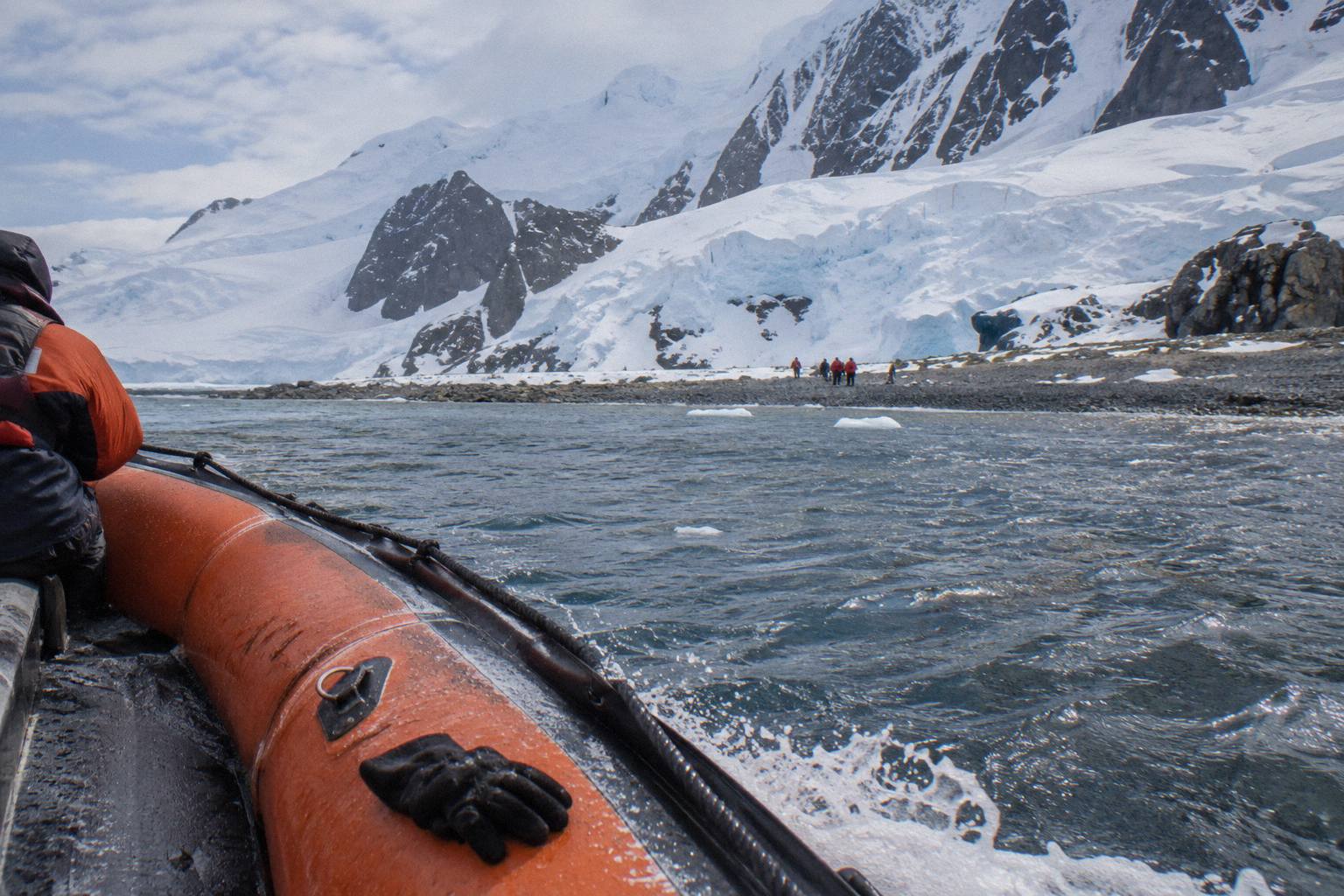
The landing itself is what expedition crews call a wet landing: the Zodiac noses onto the beach and you step out into shallow water, so waterproof boots are required. From the beach, guides lead walks toward the overlooks. The guideline instructs visitors to avoid certain beaches and areas because of calving-wave hazard and crevasses, and the expedition team marks these zones on the day. Guides position themselves along the route at the 1:20 ratio.
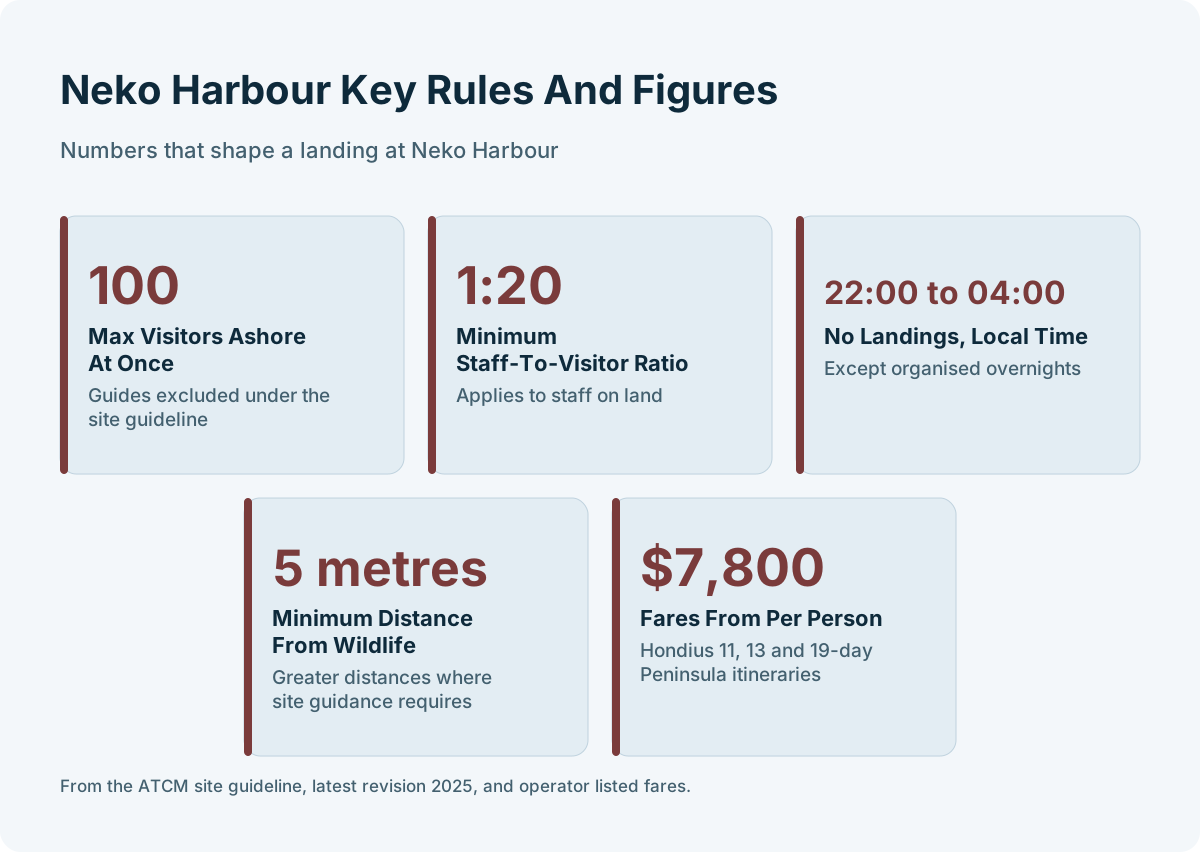
The general IAATO rules sit underneath the site-specific ones. Visitors must keep at least 5 metres from wildlife on land, with greater distances where species or site guidance requires, and boots and equipment must be cleaned before arrival and between sites as a biosecurity measure. Drones must not be flown near wildlife. None of this is optional: the operator's permit framework, including environmental documentation filed with national authorities, rests on these rules being followed, and guides enforce them firmly but cheerfully.
| Neko Harbour site fact | Detail |
|---|---|
| Location | Andvord Bay, Antarctic Peninsula, approx. 64°50′S, 62°33′W |
| Landing type | Continental (Peninsula mainland), wet Zodiac landing on cobble and sand beach |
| Site guideline | ATCM visitor guideline, latest revision 2025 |
| Ashore limit | Max 100 visitors at once, guides excluded |
| Guide ratio | Minimum 1:20 staff to visitors on land |
| Night curfew | No landings 22:00 to 04:00 local, except organised overnights |
| Wildlife | Gentoo penguin colony, kelp gulls, skuas, Weddell seals |
| Hazards | Glacier calving waves, crevasses; certain beaches and areas to be avoided |
| Best months | December to March, ice and conditions permitting |
The Gentoo Penguin Colony At Neko Harbour
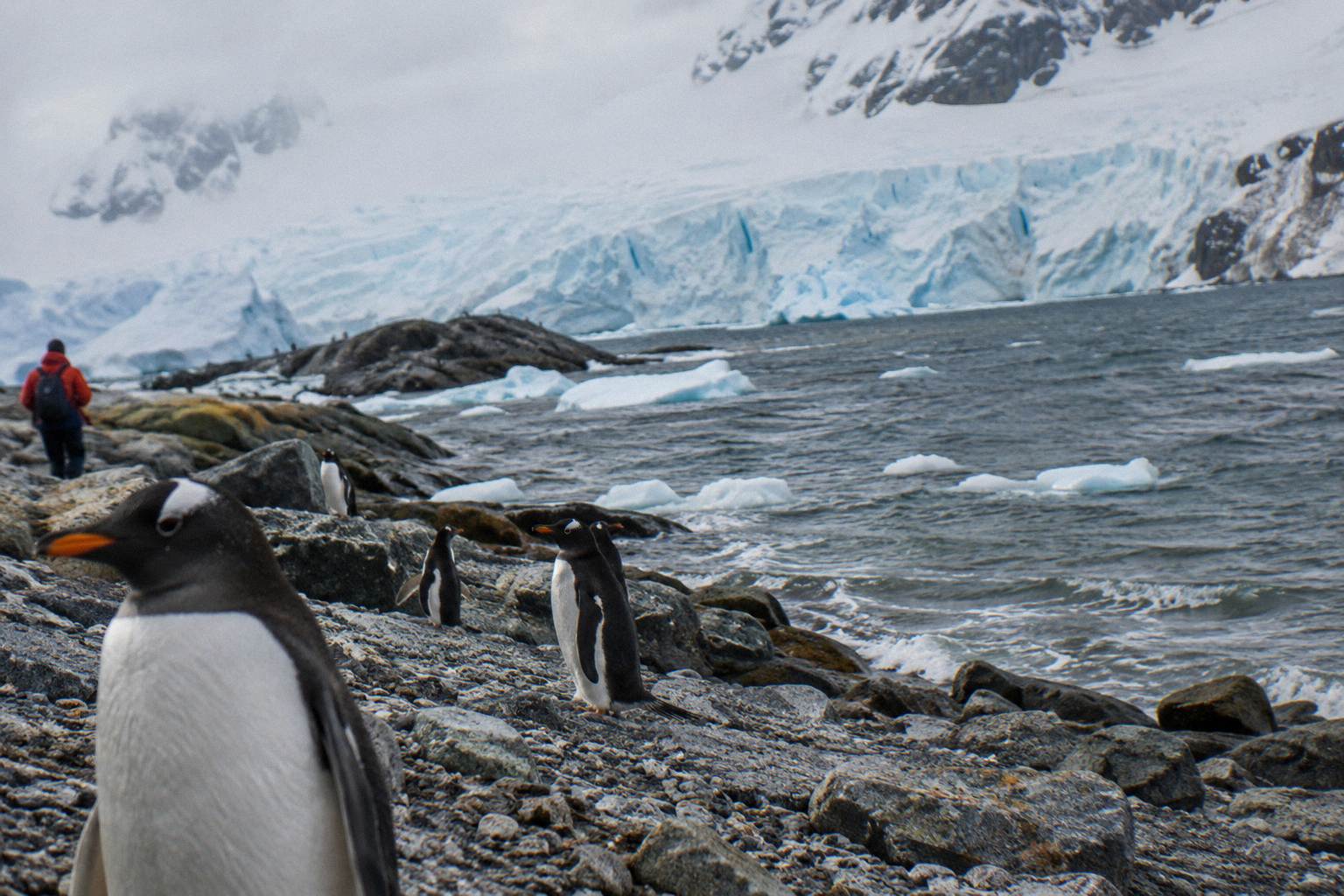
Neko Harbour is home to gentoo penguins, with kelp gulls and skuas around the colony and moss and algae on the ground, another reason for the site's strict visitor routing rules. Weddell seals are also on the site's wildlife list.
The colony's timing follows the standard Peninsula cycle. In November, birds are courting and building nests; by late December and into January, chicks are hatching and being fed; in February, the chicks gather in creches and grow toward fledging. March brings fledging and the gradual emptying of colonies as the season winds down. Which stage you see depends entirely on your travel month, and our guide to the best time to visit Antarctica breaks down those trade-offs month by month.
The 5-metre wildlife distance rule shapes how you experience the colony. You walk marked routes, you do not approach nests, and if a penguin walks up to you, you hold still rather than reaching out. The site guideline also protects the moss and algae on the slopes, which is one reason free roaming is supervised. The biosecurity requirement to clean boots and gear between sites exists partly to protect these plant communities and partly to prevent disease transmission between colonies, a concern that has grown with avian influenza protocols in recent seasons.
Glacier Calving And The Safety Rules In Effect
The glacier above Neko Harbour calves into the bay, and the site guideline explicitly warns visitors away from certain beaches and areas because of calving-wave danger and crevasses, making the hazard briefing a fixed part of every landing there. When a glacier face lets go, the falling ice displaces water that races across the bay as a wave, and the beach at the head of a calving bay is exactly where that water arrives. This is why the landing point, walking routes and no-go zones at Neko are chosen with the wave hazard in mind, and why guides are strict about where you stand and sit.
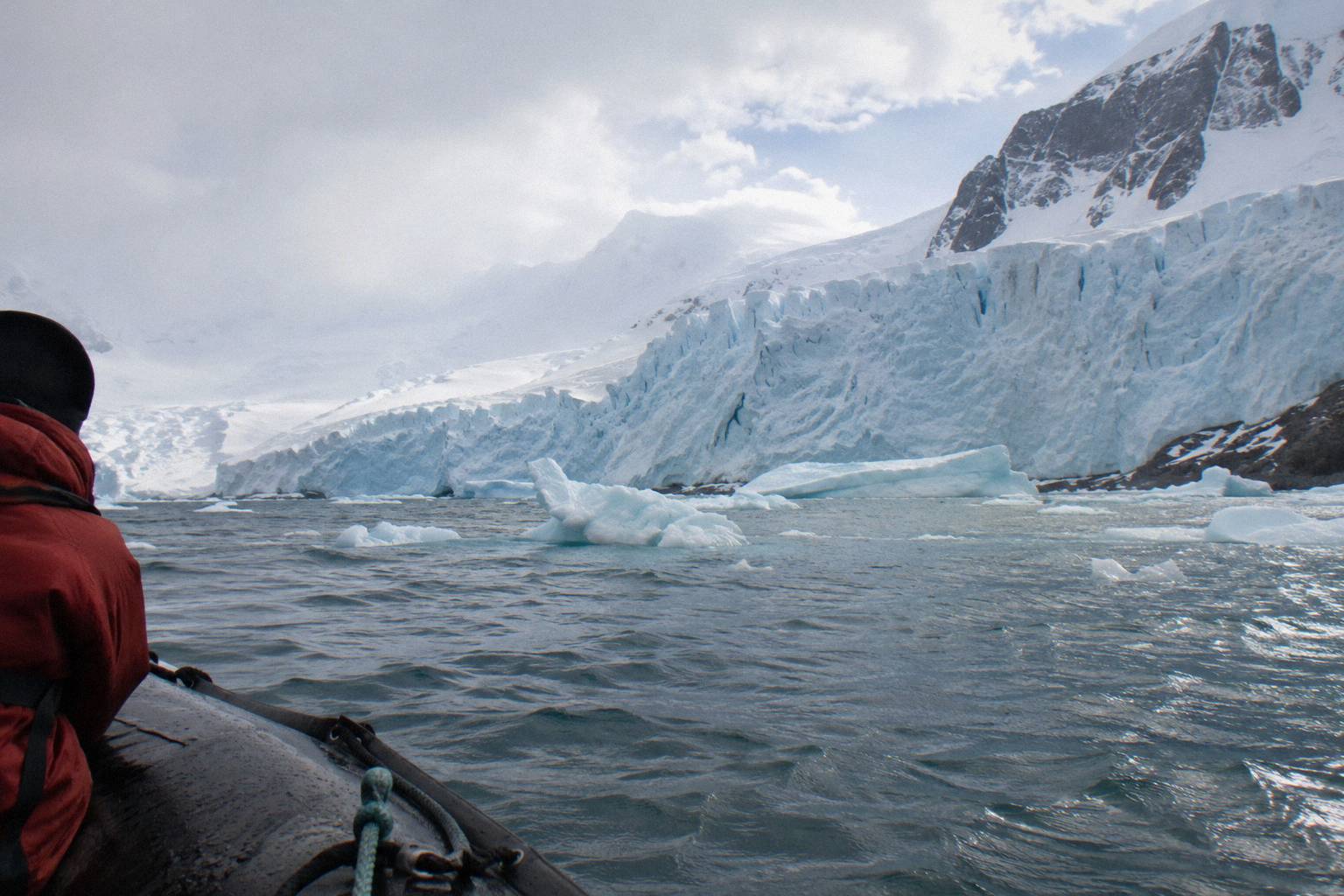
The practical rules are simple and non-negotiable. You stay on the routes the expedition team marks. You avoid the flagged beaches and areas. You keep clear of crevassed ground on the climb, and you follow your guide's positioning at all times. Current biosecurity protocols also restrict sitting or kneeling on the ground in wildlife areas, which at Neko has the side effect of keeping people upright and mobile, ready to move if the ice cracks.
Calving also affects whether the landing happens at all. Ice in the bay, swell, and the state of the glacier all feed into the expedition leader's go or no-go decision, made alongside the captain on the morning of the call. Every Peninsula itinerary carries alternates for exactly this reason, and a good expedition team will tell you honestly at the nightly briefing what the chances are. If you are weighing how much itinerary flexibility matters against ship comfort or price, that is a genuine decision point, and a conversation about your priorities costs nothing and carries no obligation.
The Hike To The Neko Harbour Viewpoint
The viewpoint walk at Neko Harbour is a guided route from the beach to overlooks above Andvord Bay, with a view of glacier, ice and ship. The site guidance allows free roaming only under supervision and warns about crevasses, so expect uneven ground and wear proper boots. Guides lead the walk in groups, in line with the site's supervised-roaming rule and its crevasse cautions.
From the top, the harbour arranges itself below you: the beach and colony, the grounded bergs, the ship at anchor, and the glacier wrapping the bay. On a clear day the light on the ice can hold for hours, and in high summer the long daylight means the view does not depend on catching a narrow window.
The hike is optional. Visitors who prefer to stay near the beach can watch the penguin traffic, or stay with a guide near the landing instead. That flexibility is one of the quiet strengths of the expedition model: the landing is not a forced march but a menu, and the team runs options in parallel. Ships with smaller passenger loads have an easier time running those options, because the 100-ashore limit means a larger vessel must rotate its guests, which shortens each person's time on the ground.
How Often Do Ships Land At Neko Harbour?
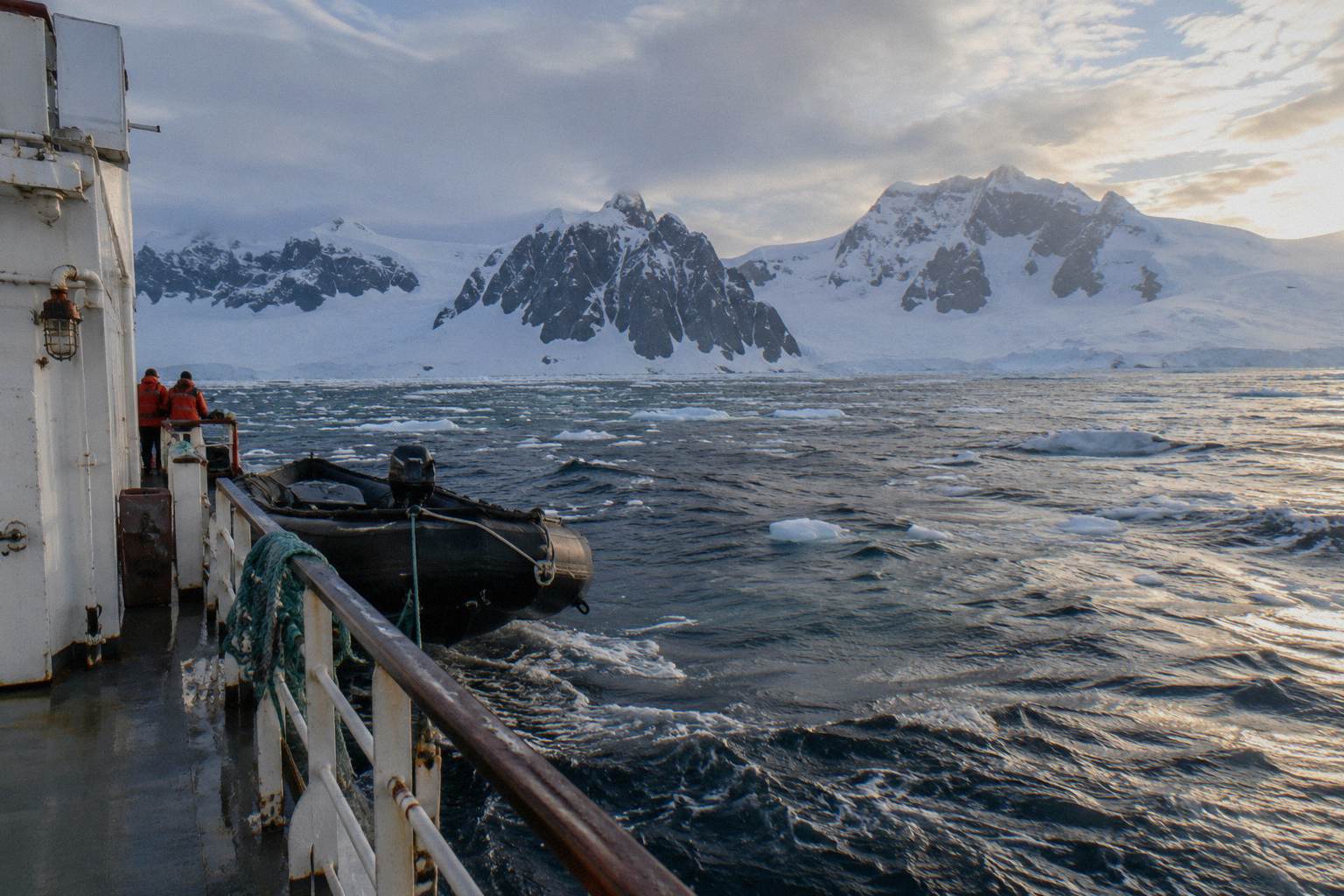
Neko Harbour is one of the busiest landing sites on the Antarctic Peninsula route, with ships calling regularly throughout the core December to March season. However, any single voyage's visit depends on ice conditions, weather, and IAATO's rule allowing only one vessel ashore at a time, so busy days can see several ships rotating through nearby sites while Neko hosts one at a time. Vessels carrying more than 500 passengers cannot make landings in Antarctica at all, which is why every ship that visits Neko is an expedition vessel within the IAATO landing categories.
| Factor | Effect on a Neko Harbour call |
|---|---|
| Ice conditions | Early-season ice and calving debris can block the bay or the landing beach |
| Weather and swell | Wind and swell at the gangway and beach can cancel Zodiac operations |
| Site scheduling | Only one ship at the site at a time; busy days force rotation with alternates |
| Season window | December to March is the reliable core; shoulder calls depend on ice |
| Passenger count | Ships over 100 aboard rotate groups; the 100-ashore cap limits each rotation |
| Guideline curfew | No landings 22:00 to 04:00 local, which effectively means daytime calls |
The month you choose changes both the odds of the call and what you see when it happens. December offers the longest daylight and fresh snow, with penguins on eggs. January brings hatching chicks. February brings less sea ice, more open coast, and peak whale numbers in krill-rich waters. March winds the season down with fledging chicks and shorter days. None of these guarantees a Neko landing, but published season guides describe less ice and better access from late January into February.
Which Ships And Voyages Include Neko Harbour
No operator guarantees Neko Harbour by name, but ships on full classic Peninsula itineraries are the ones with realistic chances. Oceanwide Expeditions' Hondius is a strong example: a 170-passenger, Polar Class 6 vessel sailing 11, 13 and 19-day Peninsula itineraries from Ushuaia, with fares from $7,800 per person on the operator's listed departures. At that passenger count the ship lands in two rotations under the 100-ashore cap, and it has a sheltered indoor Zodiac boarding platform.
Our full Hondius guide covers the ship in detail. Two other vessels worth comparing for this route are Quark Expeditions' Ultramarine, a 199-passenger ship with two helicopters and 20 Zodiacs, whose voyage-level Peninsula fares start at $12,236 shared across the Quark fleet, and Aurora Expeditions' Sylvia Earle, a 130-passenger Ulstein X-BOW ship whose Antarctica cards list fares from $19,566 per person twin share. Sylvia Earle's 130-guest load means only a small second rotation under the site cap.
| Ship | Class | Passengers | Ice class | From, per person | Voyage length | Departs from |
|---|---|---|---|---|---|---|
| HondiusOceanwide Expeditions | Small-Ship Budget | 170 | Polar Class 6 | from $7,800 | 11 to 19 days | Ushuaia |
| Sylvia EarleAurora Expeditions | Upscale Expedition | 130 | – | from $19,566 | 12 to 20 days | Ushuaia |
| UltramarineQuark Expeditions | Upscale Expedition | 199 | 1A+, PC6 | from $12,236 | 12 to 14 days | Buenos Aires, Ushuaia |
The choice between these ships is a genuine decision point: budget against cabin comfort against time ashore, plus the crossing question of sailing versus flying the Drake. Quark's fares are voyage-level and shared across Ultramarine, Ocean Explorer and World Voyager, so do not read the from-price as exclusive to one hull. If you want help weighing a smaller ship's longer landings against a larger ship's amenities and helicopter options, a free consultation on ship choice will lay the trade-offs against your budget and dates.
| Month | Conditions at Neko Harbour | What you are likely to see |
|---|---|---|
| December | Long daylight, fresh snow, ice still receding | Gentoos incubating eggs, pristine snowscapes, first whale arrivals |
| January | Ice opening up | Chicks hatching and being fed |
| February | Less sea ice, better access | Chicks in creches, whale numbers peaking |
| March | Season winding down, returning darkness | Fledging chicks, strong whale activity |
Whatever ship you choose, the practical advice is the same: book a full Peninsula itinerary rather than a shortened express route, travel with an operator that publishes its landing philosophy, and treat any single site, Neko included, as a strong possibility rather than a certainty. The continent will be there either way, and the bay has more than one way to show it to you. More on how the whole route fits together sits in our Antarctic landing sites guide, and the site's neighbours are covered in the Paradise Bay guide and the Lemaire Channel guide. For the wider context of what a voyage costs end to end, see our Antarctica cruise cost guide on Cruises In Antarctica.
Common Questions About Neko Harbour
Is Neko Harbour a continental landing?
Yes. The beach at Neko Harbour is part of the Antarctic Peninsula landmass itself, not an offshore island, which makes it one of the rare continental landings on a classic Peninsula itinerary.
What animals will I see at Neko Harbour?
A gentoo penguin colony on the slopes above the beach, kelp gulls and skuas around the colony, and Weddell seals along the shoreline and on ice, with whales more common across the Peninsula later in the season.
Why are some areas of Neko Harbour off-limits?
The glacier above the harbour calves into the bay, and the ATCM site guideline directs visitors away from certain beaches and areas because of calving-wave hazard and crevasses. Guides mark these zones on every landing.
How many people can be ashore at Neko Harbour at once?
The site guideline allows a maximum of 100 visitors ashore at any one time, excluding guides, with a minimum 1:20 expedition staff-to-visitor ratio on land.
When can ships land at Neko Harbour?
December to March is the core season. Landings are not permitted between 22:00 and 04:00 local time except for organised overnights, so calls are effectively daytime visits.
Is the hike to the viewpoint difficult?
The site guidance allows free roaming only under supervision and warns about crevasses, so expect uneven ground; the walk is done in guided groups. Staying near the beach with the penguins is always an option instead.
More Routes And Landings
 Peninsula CruisesThe classic Peninsula route explained: lengths, fares, landing sites and timing.Read the guide
 Antarctic CircleLonger, costlier voyages that push past 66 degrees south, and what the extra days buy.Read the guide
 South Georgia CruisesThe 18-to-22-day Falklands, South Georgia and Peninsula itinerary, the premium wildlife cruise.Read the guide
 Cruises From UshuaiaShips, routes, fares and arrival logistics for the world's main Antarctica departure port.Read the guide