November Or December For Antarctica? Snow, Courtship Or Long Days
 By Oleg G.
November and December both sit at the front of the Antarctic season, but they deliver different trips: one is the snow-and-courtship month at shoulder prices, the other the chicks-and-daylight month at peak fares. Here is how the two months compare, with every figure drawn from operator schedules and season data.
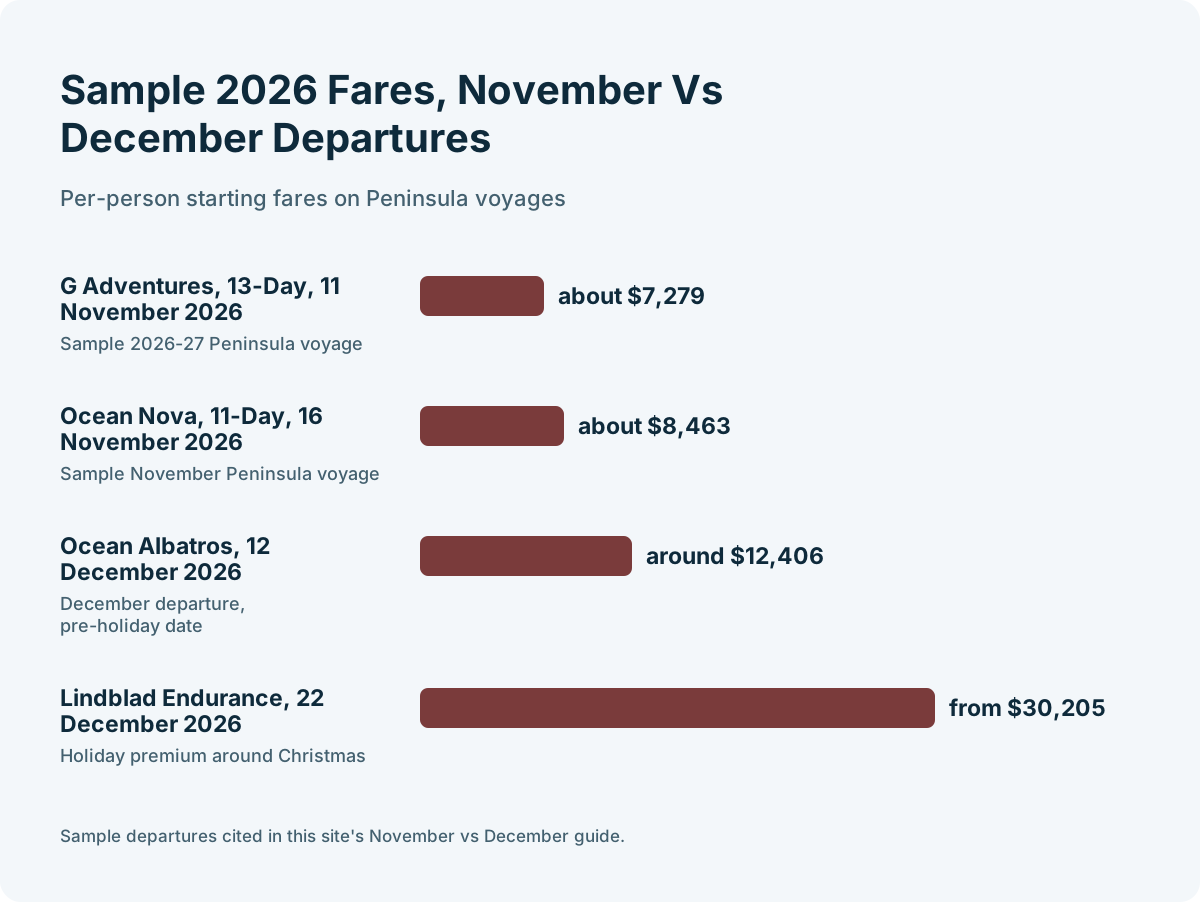
Quick answer: November brings courting penguins, deep snow and shoulder fares often 10 to 20 percent below peak. December brings the first chicks, receding ice, up to 20 or more hours of daylight and the season's highest holiday prices. Sample 2026-27 fares run from about $7,279 per person in November to $30,205 at the Christmas peak.
November Or December For Antarctica?
Neither month is a wrong answer, but they reward different travellers. November gives you courting penguins, deep fresh snow, quieter landing sites and fares typically 10 to 20 percent or more below peak, while December delivers the first chicks, receding ice, up to 20 or more hours of daylight and the season's highest prices around the holidays.
The Antarctic expedition cruise season runs November through March, and it is heavily concentrated in one region: the Antarctic Treaty Secretariat's tourism page reports that roughly 98 percent of all tourism voyages occur in the Antarctic Peninsula during the austral summer (Antarctic Treaty Secretariat). Both of the months compared here sit at the front of that window, which is why the choice comes up so often: travellers who want the earliest possible departure, or the cheapest, or the longest days, all end up weighing November against December.
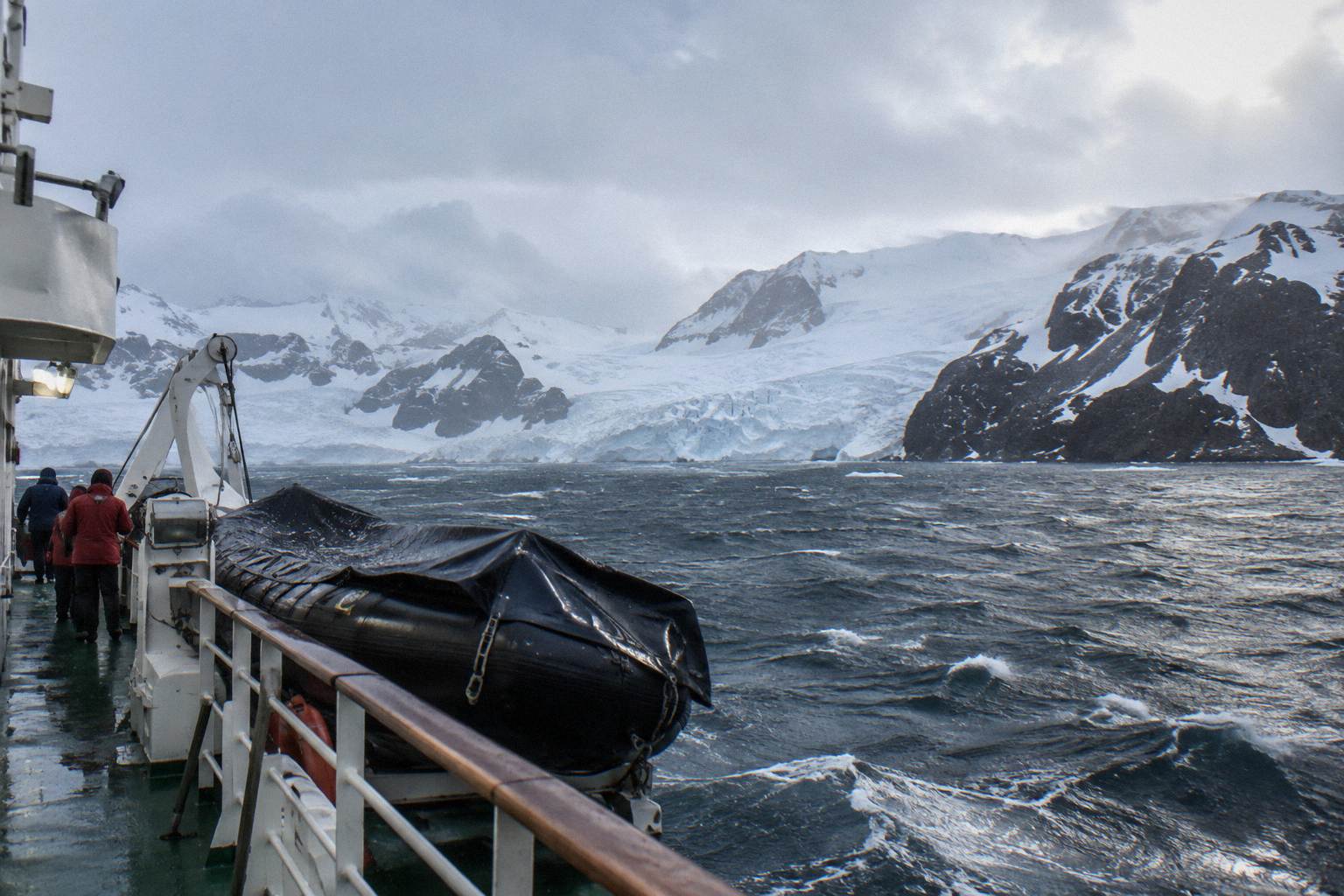
The two months are not two versions of the same trip. November is the shoulder: season reports describe greater sea ice coverage, snow on land, penguin courtship displays beginning, and fares typically 10 to 20 percent or more below peak, with lighter ship traffic and quieter landings. December is the ramp to peak: ice recedes and opens more coast, the first penguin chicks hatch around Christmas, daylight stretches past 20 hours, and prices climb to their highest point around the holidays.
After two years of researching operator schedules and fare pages for this site, my honest read is that neither month wins on every count, so check what the wildlife is doing in a month before letting its price decide. The month you pick changes what you stand on a Zodiac deck watching. The rest of this guide lays out the trade-offs with the numbers behind them.
How Do November And December Compare Side By Side?
Across wildlife, ice, daylight, temperature, price and crowding, the two months split cleanly. November is the snow-and-courtship month with cooler temperatures, roughly 17 to 18 hours of Peninsula daylight and shoulder-season fares; December is the chicks-and-daylight month with receding ice, 19 to 21 hours of light and peak pricing, especially over Christmas and New Year.
The table below pulls the comparison into one view. Every line reflects published season descriptions, operator listings and IAATO guidance; where a figure is published as a range, the range is printed as given.
| Aspect | November | December |
|---|---|---|
| Wildlife stage | Penguins courting, nest-building and laying eggs; whales less abundant as migration is ongoing | Egg incubation, then the first chicks hatching around Christmas; whale arrivals beginning |
| Sea ice and snow | More extensive sea ice, fresh deep snow, some landing sites snowed in or ice-blocked | Ice recedes and opens more coast |
| Daylight on the Peninsula | Roughly 17 to 18 hours | Roughly 19 to 21 hours, near-continuous at the Circle around 21 December |
| Peninsula temperatures | About 1 to 3°C highs, -2 to -4°C lows | About 3 to 4°C highs, -1 to 0°C lows |
| Typical fares | Shoulder season, often 10 to 20 percent or more below peak; samples from about $7,279 per person | Peak pricing, highest around Christmas and New Year; a 22 December departure from $30,205 |
| Ship traffic | Lighter traffic and quieter landings | More ships operating, reducing itinerary flexibility at popular sites |
Read the table as a set of trade-offs rather than a scoreboard. November's weaknesses, cooler temperatures and blocked sites, are the direct flip side of its strengths: the deep snow and extensive ice that make the landscape pristine also close some coast. December's higher fares and busier sites are the flip side of open water and peak wildlife activity. A cruise in either month will deliver landings, Zodiac cruising and penguin colonies; what changes is the stage of the breeding cycle you witness and how much daylight you get to witness it in.
If that single table already points you toward one month, the fastest next step is a quick conversation about how it maps to your dates and budget through a free Antarctica cruise consultation.
What Is Antarctica Like In November?
November is the pristine opening month: penguins court and build nests, snow lies deep and untouched, sea ice is at its most extensive, and ships are fewer, so landing sites feel quieter. Fares sit well below peak, with sample 2026-27 Peninsula voyages from about $7,279 per person.
Published seasonal descriptions agree on what early November looks like. Sea ice coverage is at its greatest, snow on land is fresh and deep, and some landing sites may remain snowed in or ice-blocked. The same conditions that limit access are what photographers come for: operator brochures describe October and November as offering maximum snow cover and pristine landscapes on landings, before a full season of foot traffic and melt. Temperatures on the Peninsula run about 1 to 3°C at the daytime high and -2 to -4°C at the low, and the gateway city of Ushuaia averages around 12°C highs and 4°C lows.
Wildlife in November is all about courtship. Adélie and gentoo penguins display courtship behaviours like stone-gifting and nest assembly on the Peninsula, king penguins lay eggs in South Georgia, and fur seals engage in mating rituals there too. Whales are the month's weak point: whales are less abundant in November because migration is still ongoing. Weddell seal pups appear on the ice early in the season, and fur and elephant seal activity builds through the summer.
The practical case for November is price and space. Sample fares include a 13-day G Adventures departure on 11 November 2026 at about $7,279 per person and an 11-day Ocean Nova departure on 16 November 2026 at about $8,463. Lighter ship traffic means quieter landings, and the IAATO rule that only one ship may visit a site at any one time bites less often when fewer vessels are operating. For a deeper month-by-month treatment, see the November in Antarctica guide.
One November-specific product stands out in the schedule. Oceanwide Expeditions runs Weddell Sea Emperor Penguin departures aboard Ortelius on 15 and 25 November 2026, using the ship's helicopters to reach the remote rookery when ice conditions allow, alongside an Antarctic Peninsula Basecamp departure from 3 to 15 November that bundles camping, kayaking, snowshoe hiking, mountaineering and photo workshops. Ortelius is a 108-passenger former research vessel, built in Gdynia in 1989, with an ice class of UL1 and Peninsula voyages listed from $7,800 per person; the full ship profile is in the Ortelius ship guide.
What Is Antarctica Like In December?
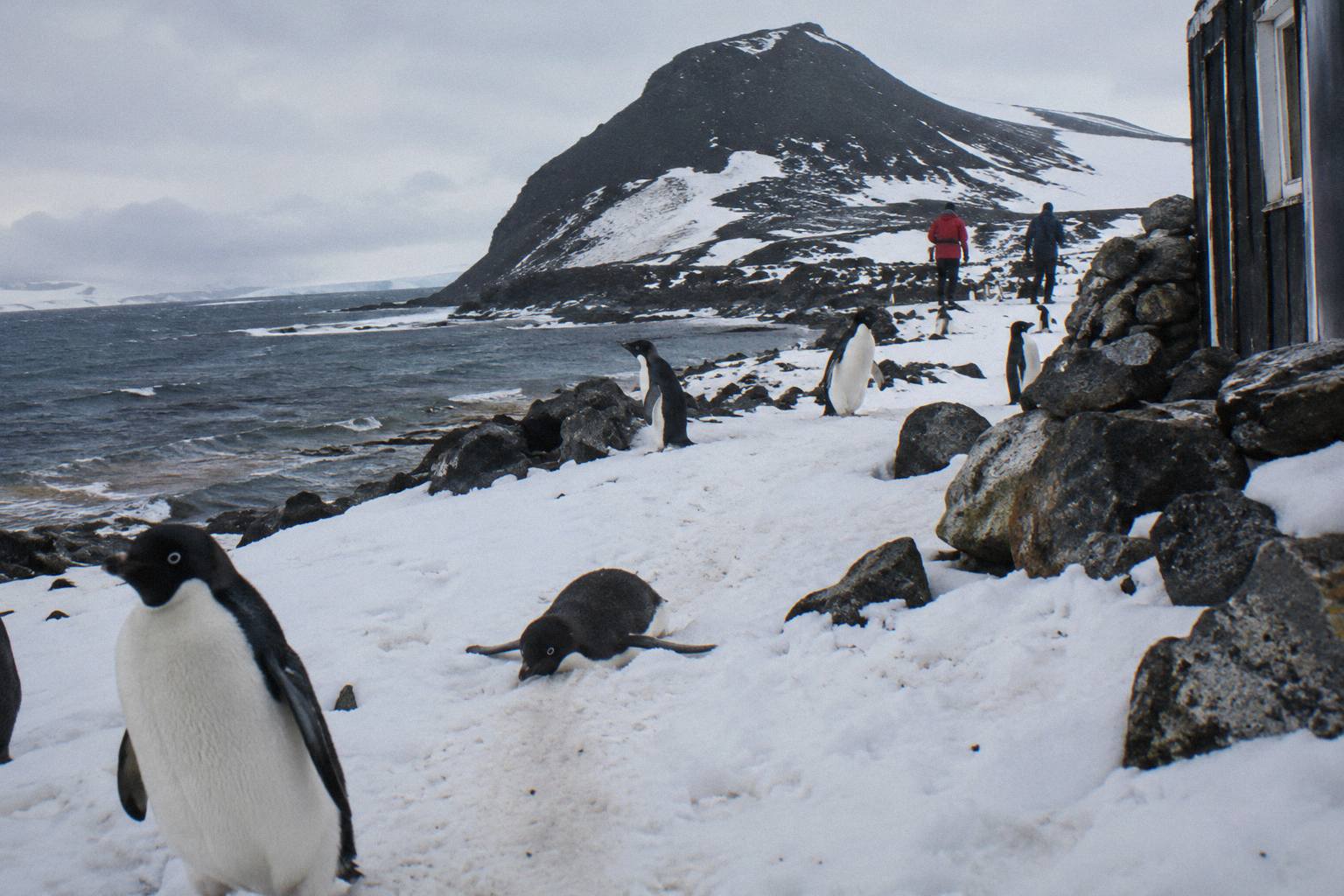
December is the month the season hits full stride. Ice recedes and opens more coast, the first penguin chicks hatch around Christmas, daylight stretches to 19 to 21 hours and near-continuous at the Circle, and whales begin arriving. It is also when holiday departures carry the season's biggest premiums.
The wildlife story in December is the one most travellers picture when they book an Antarctica cruise. Eggs are incubated through the month, and the first penguin chicks hatch later in December, around Christmas on the Peninsula. Whale arrivals begin, building toward the February and March peak. Season reports also note that more ships are operating by December, which reduces itinerary flexibility at the most popular sites: an expedition leader's Plan B landing is more likely to be taken in December than in November simply because another vessel may already hold the slot.
Daylight is December's superpower. The Peninsula sees roughly 19 to 21 hours of light, Port Lockroy's longest day runs about 21 hours 49 minutes on 21 December, the South Shetlands stretch to roughly 21 to 24 hours, and at the Antarctic Circle the sun does not set around the solstice. Even the gateway feels it: Ushuaia gets about 17 hours 17 minutes of daylight in late December. Practically, that leaves more usable hours for Zodiac outings and landings than in November, and photography light lingers all evening. Temperatures ease up too, to about 3 to 4°C highs and -1 to 0°C lows on the Peninsula.
The cost of all this is literal. Pricing peaks around Christmas and New Year, and the sample data shows it plainly: a Lindblad National Geographic Endurance departure on 22 December 2026 is listed from $30,205 per person, a holiday premium that published fare tracking describes as significantly above comparable shoulder fares, and an Ocean Albatros departure on 12 December 2026 starts around $12,406. A Poseidon Sea Spirit New Year voyage from 28-29 December runs from about $11,156 in a triple suite. If your heart is set on chicks and midnight light, the month-by-month detail continues in the December in Antarctica guide.
That holiday premium is the single biggest decision point between the two months, and it is worth getting current numbers for your exact dates before ruling December out.
Which Ships Sail In November And December?
Both months have full expedition schedules out of Ushuaia. In November, Oceanwide's Ortelius runs Basecamp and helicopter-supported Weddell Sea departures and Quark's Ultramarine sails Antarctic Explorer and helicopter voyages; in December, Ocean Albatros, Ultramarine and the wider fleet all sail, with holiday departures from around $12,406 per person.
November's schedule opens quickly. Atlas Ocean Voyages' World Navigator sails from 8 November 2026, G Adventures departs on 11 November and World Traveller follows on 12 November, so a traveller who wants the earliest possible berth has real choice within the season's first fortnight. Quark's Ultramarine sails Antarctic Explorer and helicopter voyages with November departures including 12 and 27 November, and Oceanwide's Ortelius covers the Basecamp and Emperor Penguin products described above.
December's fleet is largely the same ships at higher prices. Ultramarine appears in the sample data on 27 December Antarctic Explorer departures, and Ocean Albatros sails its 12 December departure from around $12,406. The roster lists Ocean Albatros as a standard expedition ship with a patented X-Bow, a kayak program and 10- and 11-day voyages from Ushuaia, but lists no standing fare, so a current price for her needs a consultation rather than a printed number.
Three ships illustrate the spread of what an early-season cruise can look like: the 108-guest former research vessel Ortelius at the budget end, the 199-guest helicopter-equipped Ultramarine at the upscale end, and the X-Bow Ocean Albatros in between.
| Ship | Class | Passengers | Ice class | From, per person | Voyage length | Departs from |
|---|---|---|---|---|---|---|
| OrteliusOceanwide Expeditions | Small-Ship Budget | 108 | UL1 | from $7,800 | 11 to 25 days | Ushuaia |
| UltramarineQuark Expeditions | Upscale Expedition | 199 | 1A+, PC6 | from $12,236 | 12 to 14 days | Buenos Aires, Ushuaia |
| Ocean AlbatrosAlbatros Expeditions (sold via Polar Latitudes) | Standard Expedition | – | 1A | – | 10 to 11 days | Ushuaia |
The right ship depends less on the month than on what you want to do on the water: helicopters and a wide activity menu point toward Ultramarine, a low fare and a small-ship atmosphere point toward Ortelius, and kayaking from a modern X-Bow hull points toward Ocean Albatros. If you are weighing which ship against which month, it helps to talk through month and ship choices with someone who can see live availability across all three.
How Much Cheaper Is November Than December?
On published 2026-27 sample fares, November runs roughly $7,279 to $8,463 per person for 11- to 13-day Peninsula voyages, while December and holiday departures climb from about $12,406 to $30,205 at the Christmas peak. Shoulder November is consistently the cheaper window for the same region.
The pattern holds across operators, not just within one fleet. The sample fares below come from published 2026-27 fare listings, and they show the same shape: November shoulder departures in the $7,000s and $8,000s, December fares from the $11,000s, and the 22 December holiday fare roughly four times the cheapest November berth.
| Departure | Month | Length | Sample fare per person |
|---|---|---|---|
| G Adventures Expedition, 11 November 2026 | November | 13 days | About $7,279 |
| Ocean Nova, 16 November 2026 | November | 11 days | About $8,463 |
| Ocean Albatros, 12 December 2026 | December | 12 days | About $12,406 |
| Poseidon Sea Spirit New Year voyage, 28-29 December 2026 | December | 11-12 days | From about $11,156 in a triple suite |
| Lindblad National Geographic Endurance, 22 December 2026 | December | 12 days | From $30,205 |
Two roster figures frame the same gap from the ship side. Ortelius lists Antarctic Peninsula voyages from $7,800 per person, while Ultramarine's Antarctic Explorer from-price of $12,236 is a voyage-level fare shared across Quark's Antarctic fleet, not a ship-exclusive number. Published offers for 2026-27 also show early-booking discounts commonly reaching 10 to 30 percent off, while November and March, as shoulder months, often run 20 percent or more below peak.
One caution before you chase the cheapest November berth: published fare guides note that last-minute discounts exist but are limited in availability and cabin choice, and uncommon for peak December sailings, which book 18 or more months ahead. Booking a cabin early is the reliable route to a low November fare; waiting for a December bargain is mostly not. Before committing to a fare in either month, it costs nothing to check the current numbers for your exact dates through a free consultation on fares.
Do Landings Suffer In Either Month?
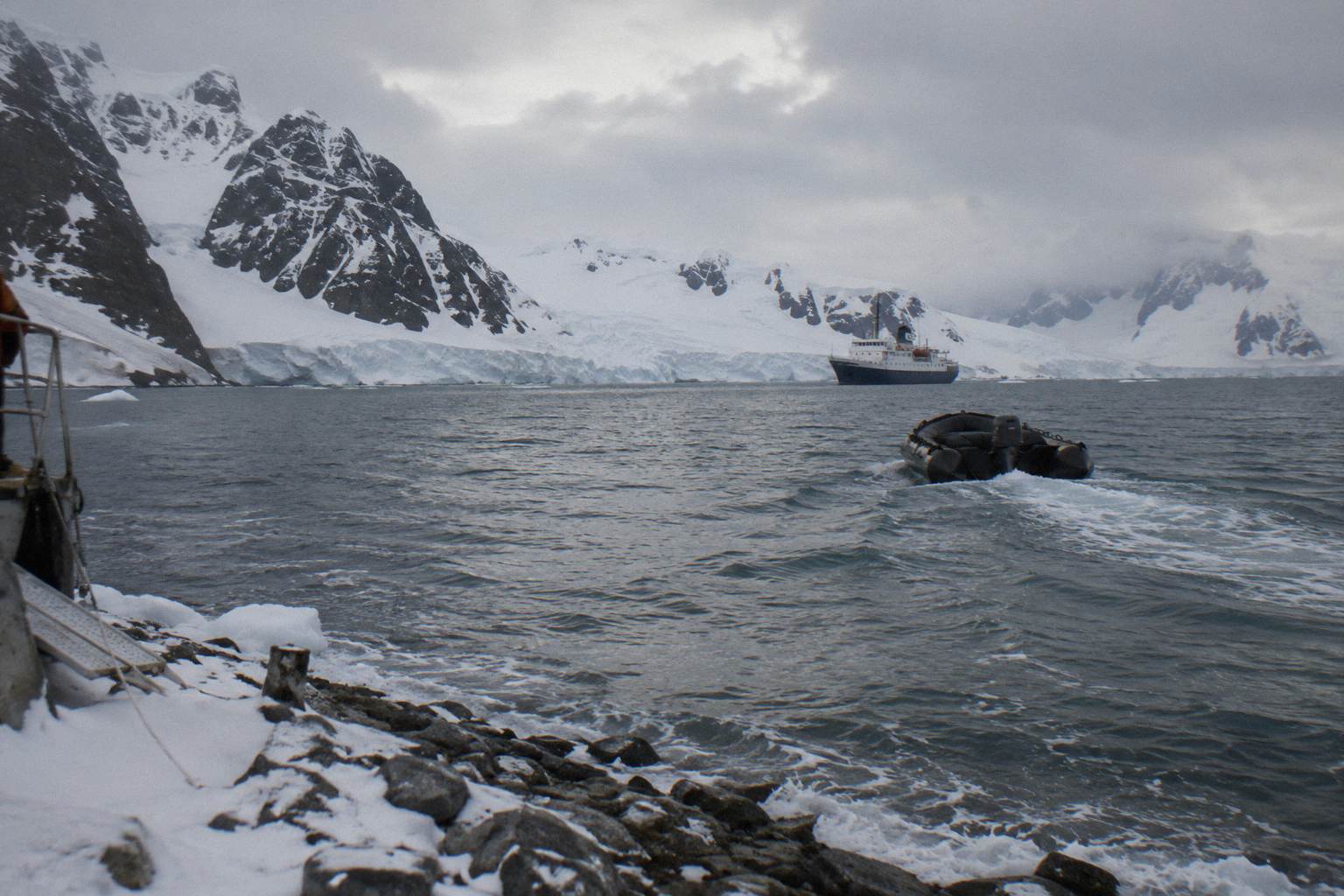
Landings happen in both months, but November carries more access risk: some sites stay snowed in or ice-blocked. December's receding ice opens more coastline. Under IAATO rules, no more than 100 passengers from a vessel may be ashore at one time, and only one ship may visit a site at a time, in every month.
The access difference is the least advertised part of the November versus December decision. Season reports state plainly that in November some landing sites may remain snowed in or ice-blocked, and that sea ice is at its most extensive early in the season. Expedition teams carry alternate plans, but a traveller fixated on one specific site, a particular chinstrap colony or a specific hike, has a better chance of reaching it from late December onward as ice recedes.
The rules that govern landings are the same in both months. IAATO's visitor guidelines state that a maximum of 100 passengers may be ashore from a vessel at any one time unless site-specific guidance requires fewer, that only one ship may visit a site at any one time, and that vessels carrying more than 500 passengers shall not make landings in Antarctica at all (IAATO visitor guidelines). A guide-to-visitor ratio of at least 1 to 20 applies during landings. What this means practically for your month choice: on a ship of 100 or fewer guests, everyone lands together; on larger vessels, groups rotate, and in December's heavier traffic the rotations compete with more ships for the same sites.
Which Month Should You Choose?
Choose November if you want pristine snow, courtship behaviour, quieter sites and the lowest fares, and if you can accept cooler temperatures and the chance that ice blocks some landings. Choose December if chicks, maximum daylight and open water matter more, and if holiday pricing and busier sites fit your budget and temperament.
The cleanest way to decide is to rank what you are actually going for. The table below matches traveller priorities to the month that serves them, using only the seasonal facts established above.
| If you want this | Pick | Because |
|---|---|---|
| Pristine snow and untouched landscapes | November | Maximum snow cover and fresh deep snow before the season wears it down |
| The lowest fare | November | Shoulder prices, samples from about $7,279 per person |
| An Emperor penguin attempt | November | Ortelius helicopter-supported Weddell Sea departures on 15 and 25 November 2026 |
| Penguin chicks | December | First chicks hatch around Christmas on the Peninsula |
| Maximum daylight | December | 19 to 21 hours on the Peninsula, near-continuous at the Circle around 21 December |
| Whale sightings | December | Arrivals begin in December and build toward the February peak |
| Quiet landings | November | Lighter ship traffic early in the season |
Two honest caveats complete the picture. First, whales are the one headline wildlife moment that improves markedly from November to December, so a whale-focused traveller should not let the November fare savings decide for them. Second, the holiday premium is avoidable within December itself: early-December departures sit well below the Christmas peak in published 2026-27 fares, so a traveller who wants December conditions without December holiday pricing can aim for the first two weeks. This is exactly the kind of trade-off the comparison library on Cruises In Antarctica exists to untangle.
Whichever way you lean, the month choice interacts with ship choice, cabin category and how far ahead you book, so it is worth settling all four together.
Common Questions About November Or December In Antarctica
Is November or December better for Antarctica?
Neither is better outright. November offers courting penguins, deep snow, quieter landing sites and shoulder fares often 10 to 20 percent or more below peak; December offers the first chicks around Christmas, receding ice, 19 to 21 hours of daylight and peak holiday pricing. The right month depends on whether snow and savings or chicks and daylight rank higher for you.
Is November too early for an Antarctica cruise?
No. The expedition season opens in early November, with departures from Ushuaia including World Navigator on 8 November 2026, G Adventures on 11 November and World Traveller on 12 November. The trade-offs are cooler temperatures, about 1 to 3°C highs on the Peninsula, and a chance that some landing sites remain snowed in or ice-blocked.
Can you see penguin chicks in December?
Later in the month, yes. The first chicks hatch around Christmas on the Antarctic Peninsula, with prime hatching for gentoo, Adélie and chinstrap penguins running late December into January. A very early December departure is more likely to show incubating adults than chicks.
How many hours of daylight are there in November and December?
The Peninsula sees roughly 17 to 18 hours of daylight in November and 19 to 21 hours in December. Port Lockroy's longest day runs about 21 hours 49 minutes on 21 December, the South Shetlands stretch to roughly 21 to 24 hours, and around the Antarctic Circle the sun does not set at the solstice.
Why is December more expensive than November?
Peak demand around Christmas and New Year. Sample 2026-27 fares run from about $7,279 per person for a 13-day November departure to $30,205 for a 22 December National Geographic Endurance departure, and published fare tracking describes holiday departures as significantly above comparable shoulder fares. Early December sits well below the Christmas peak.
More Antarctica By Month
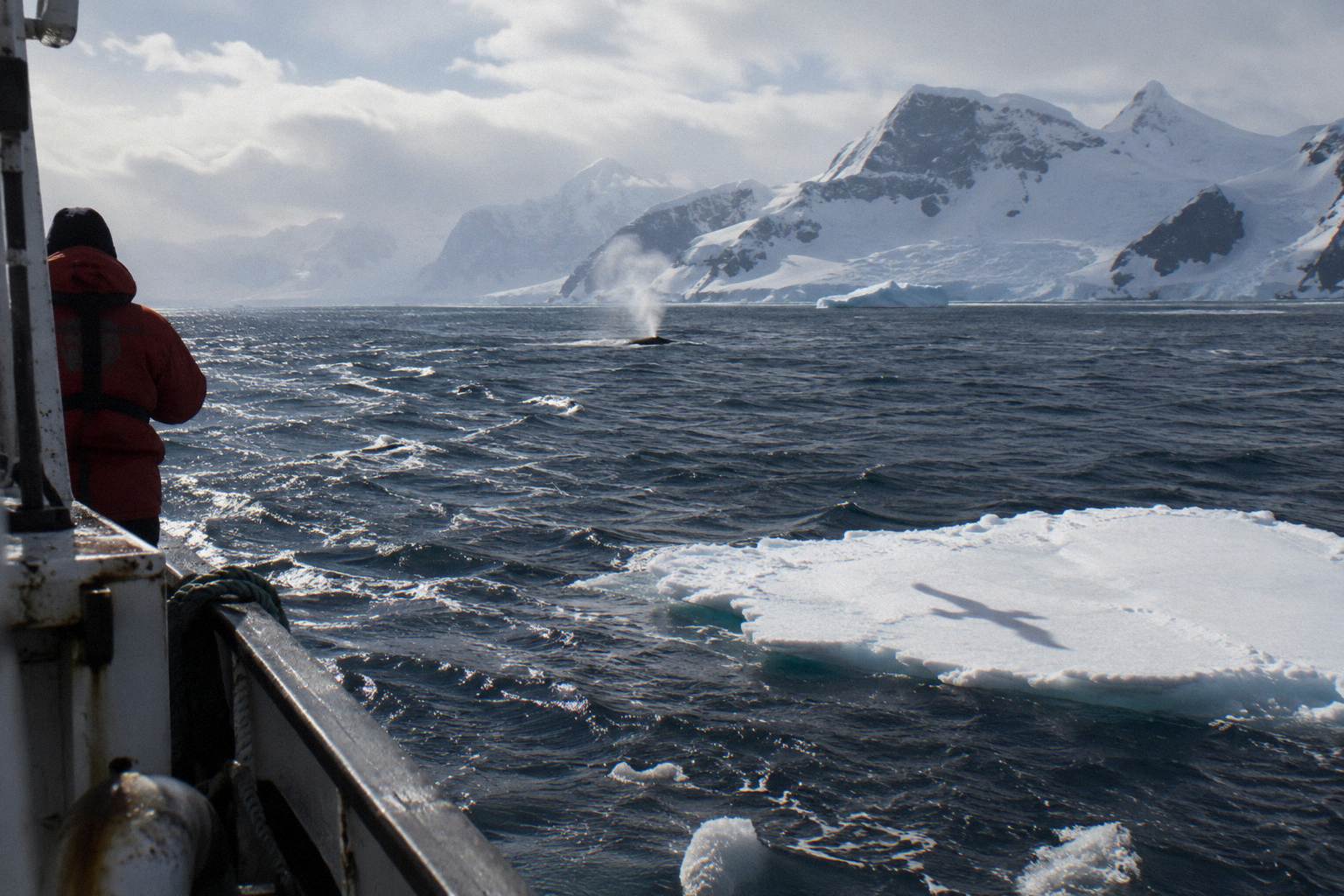 Antarctica In JanuaryHigh summer in Antarctica: warmest weather, penguin chicks, whales and peak fares.Read the guide
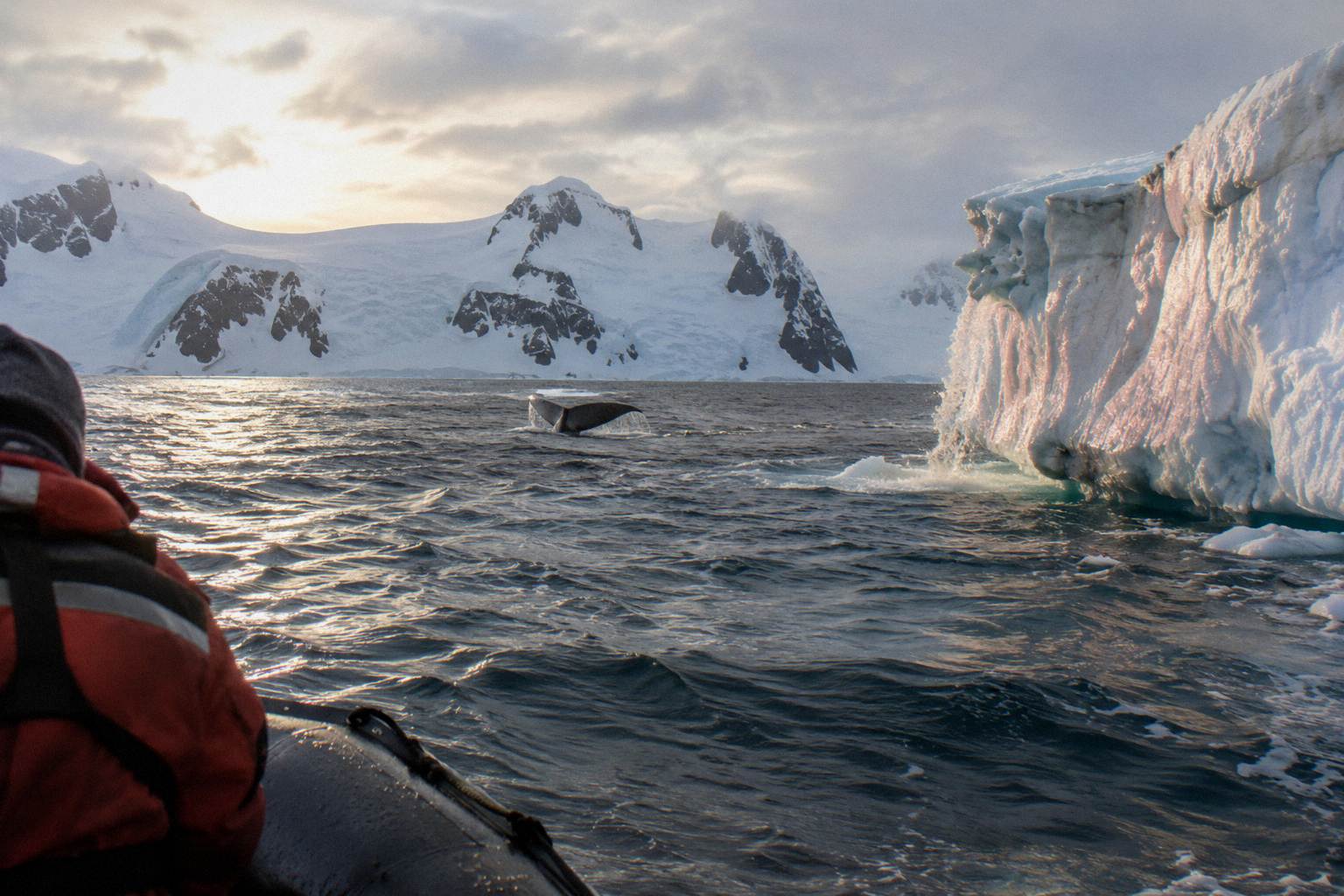 Antarctica In FebruaryLate-summer whales, chick creches, open ice and Circle crossings: what a February sailing gives you.Read the guide
 Antarctica In MarchEnd-of-season weather, wildlife and the last sailings of the Antarctic cruise year.Read the guide
 Antarctica In AprilApril has no Antarctic sailings. Here is why, and what to do with that travel window instead.Read the guide