Fly One Way, Sail The Other: Antarctica Air-Sail Voyages
 By Oleg G.
Most Antarctica voyages cross the Drake Passage twice by sea. A one-way fly-cruise crosses it once by charter aircraft and once by ship, which halves the open-ocean transit and keeps the classic sailing experience alive in one direction.
Quick answer: Antarctica21 air-cruises from Punta Arenas run 8 days from $13,795 per person. Quark sells fly/sail combinations on World Voyager and Ocean Explorer in the 9 to 10 day range, with examples around $15,640 to $18,295. One-way options pair a roughly two-hour flight to King George Island with a sailing leg across the Drake.
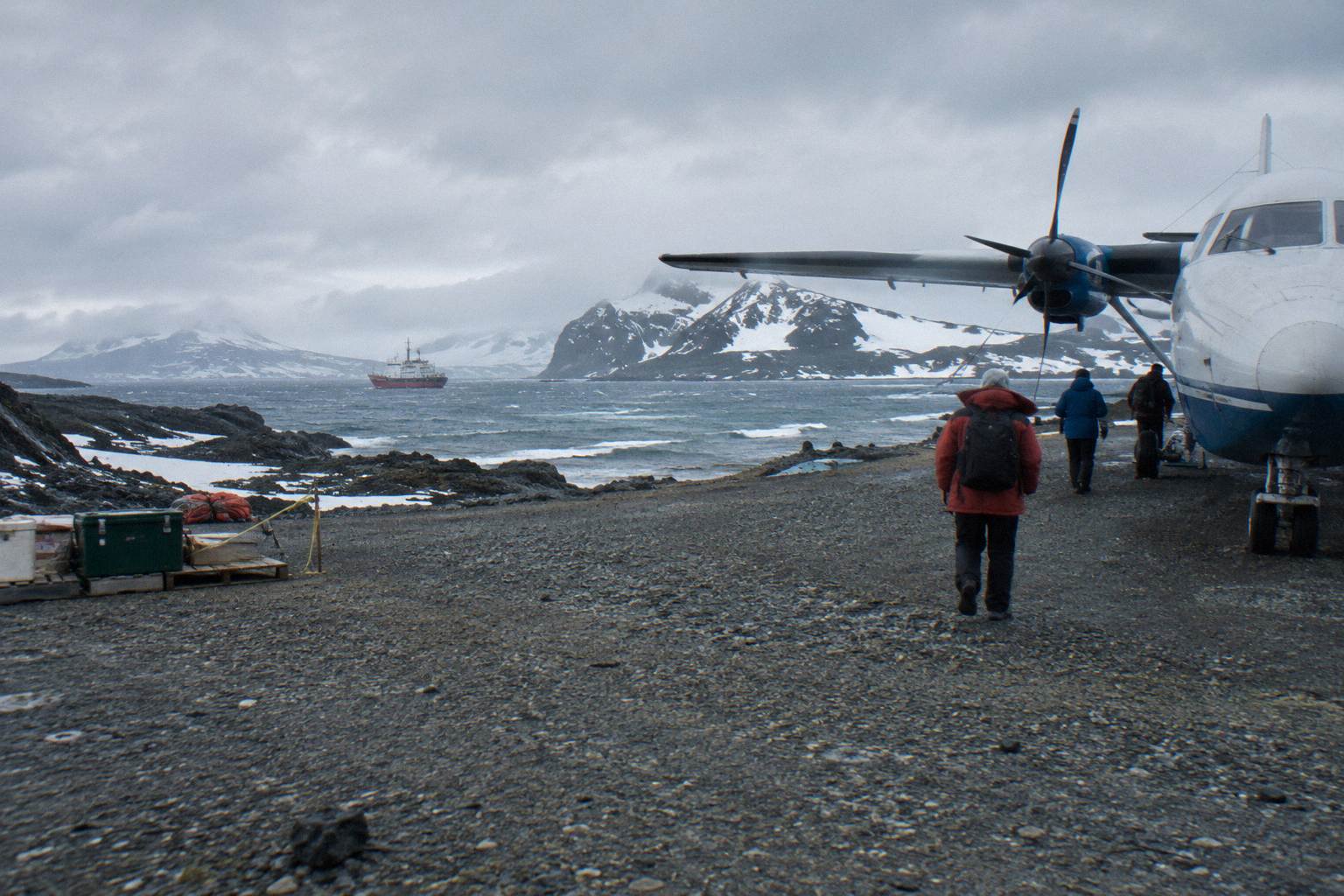
A ship crossing the Drake Passage in good conditions takes 18 to 24 hours, and in rougher seas 36 to 48 hours, according to Quark Expeditions' own Drake Passage guidance. Sailing it twice is the default on a classic Antarctic Peninsula voyage, which adds up to roughly four days of open water in total. Some travellers want the classic sailing once and would rather not repeat it. That is exactly what a one-way fly-cruise, sometimes called an air-sail or fly/sail voyage, is built for: a roughly two-hour charter flight between Punta Arenas and King George Island in one direction, and an expedition cruise across the Drake in the other.
The idea has been around for a while. Antarctica21 has run air-cruises with flights over the Drake since 2003, and the hybrid model now appears across several operators' 2026-27 Antarctica programs, from Quark's Fly South, Sail North variants and Lindblad's Antarctica Direct to Aurora Expeditions' Sail/Fly and Fly/Sail combinations. This guide sets out what the products actually are, which ships run them, what they cost, and how the trade-offs stack up against a full fly-cruise and a full sailing. The short version: you keep half the crossing, you pay for a charter flight, and you still need the buffer days that Antarctic weather demands.
What A One-Way Fly-Cruise To Antarctica Actually Is
A one-way fly-cruise is an Antarctica voyage in which the Drake Passage is flown in one direction and sailed in the other, typically 8 to 11 days total, boarding a charter flight of roughly two hours between Punta Arenas and King George Island instead of one of the two sea crossings. The flight lands on a gravel airstrip on King George Island in the South Shetlands, where your expedition ship waits and the Antarctic portion of the trip starts immediately. In the other direction you sail the full Drake Passage with the ship, or the reverse: sail south first and fly home at the end.
The mechanics matter for planning. The aircraft used on the Punta Arenas to King George Island route is a BAe 146 or Avro RJ regional jet of roughly 70 seats, operated by DAP, and baggage is restricted, typically around 20 kg checked plus a small carry-on, with soft bags preferred and excess luggage often not permitted. Antarctica21's Classic Antarctica Air-Cruise is the reference product: 8 days and 7 nights roundtrip Punta Arenas to King George Island, with listed fares from $15,995 in some listings and from $13,795 in others for the 2026-27 season. Operators require you to be in Punta Arenas the day before the flight, with briefings and biosecurity gear checks built into the schedule. IAATO's general visitor guidance still applies to every landing: a maximum of 100 passengers ashore from a vessel at any one time, a 1:20 guiding ratio while ashore, and careful boot and equipment cleaning between sites.
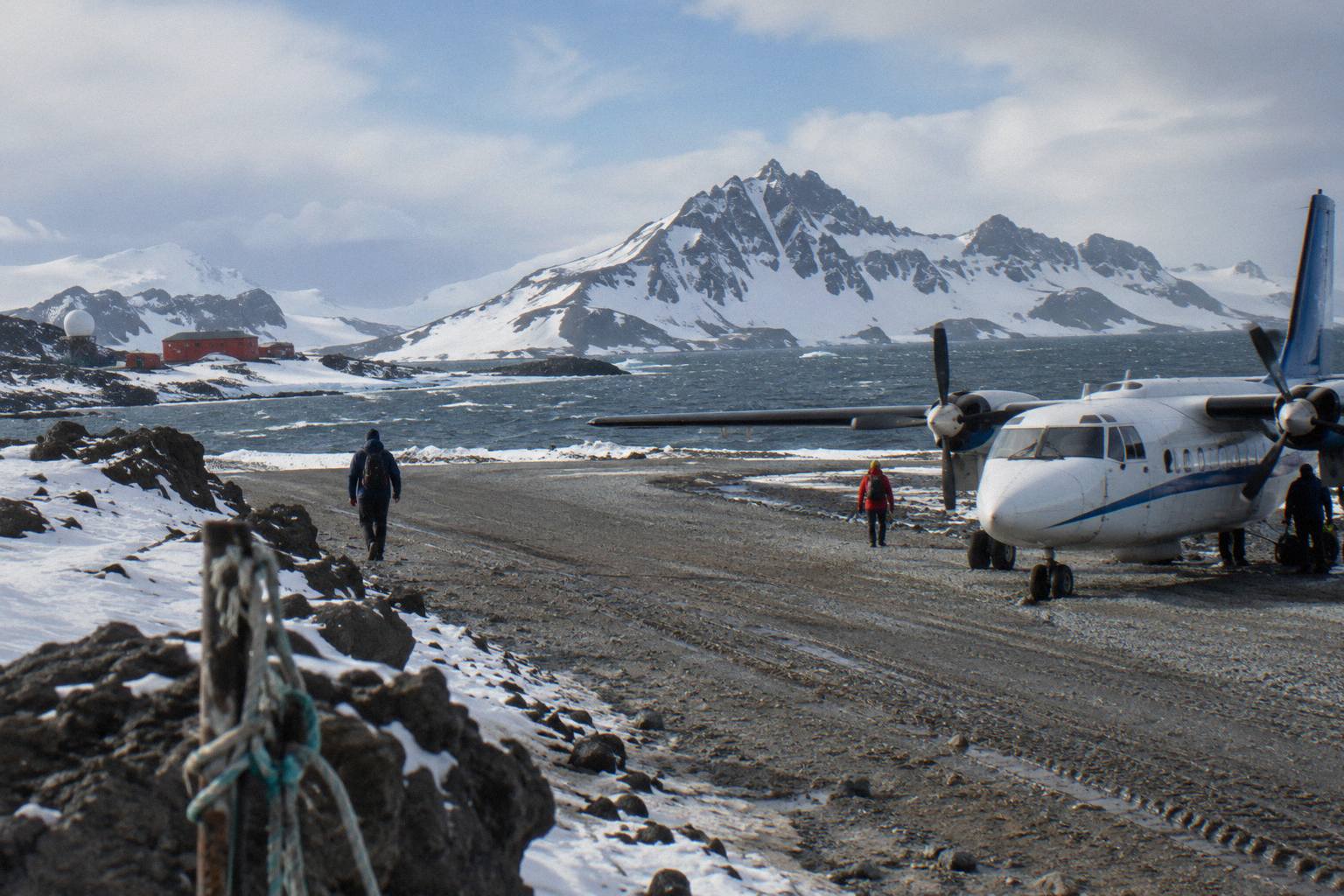
The one-way twist on that model is what this page is about. Antarctica21 also sells Air-Sail and Express options that fly one direction and sail the other on select departures. Quark sells "Antarctic Express: Fly South, Sail North" and fly/sail Crossing the Circle variants on ships such as World Voyager and Ocean Explorer. Aurora offers Sail/Fly and Fly/Sail combinations under names like Antarctic Explorer Express, running 8 to 9 or more days. If your priority is seeing the Drake once rather than twice, the full fly-cruise guide covers the round-trip flight version, and the Drake Passage crossing guide covers what the sailing leg itself feels like.
The flight leg is the part of an air-sail booking with the tightest constraints, and most of those constraints trace back to the airstrip itself. The table below pulls together what operators publish about the Punta Arenas to King George Island run.
| Detail | What Operators Publish |
|---|---|
| Aircraft | BAe 146 or Avro RJ regional jet, roughly 70 seats, operated by DAP |
| Flight time | About 2 hours from Punta Arenas to King George Island |
| Runway | Teniente Rodolfo Marsh Martin aerodrome on King George Island, a gravel strip |
| Checked baggage | Typically 20 kg |
| Carry-on | 5 to 7 kg, dimensions restricted |
| Bags | Soft bags preferred, excess often not permitted |
| If delayed | Hotel nights, meals and updates in Punta Arenas, with early departure allowed if conditions permit |
Which Operators Sell Air-Sail Voyages
The operators with published one-way fly or fly/sail products for the 2026-27 season are Antarctica21, Quark Expeditions, Aurora Expeditions and Lindblad Expeditions, with Silversea running round-trip fly-cruises from King George Island. Each pairs a charter flight with an expedition ship, but the direction, length and gateway differ. No dedicated fly-cruise product was identified for HX Hurtigruten Expeditions for 2026-27, which remains a sailing operator from Ushuaia.
Antarctica21 is the specialist. It operates air-cruises on the 88-guest Magellan Explorer and the new Magellan Discoverer, which debuts for the 2026-27 season, both flying from Punta Arenas to King George Island. The Classic Antarctica Air-Cruise runs 8 days and 7 nights; an Antarctica Express Air-Cruise runs 6 days and 5 nights, from $5,995 to $6,995 in listed fares. On select departures the company also sells Air-Sail and Express combinations, flying one way and sailing the other. Quark Expeditions offers fly-cruise options including "Antarctic Express: Fly South, Sail North" and fly/sail circle-crossing variants, on ships such as World Voyager and Ocean Explorer, with example 9 to 10 day fly/sail itineraries listed from roughly $15,640 to $18,295. Aurora Expeditions sells Sail/Fly and Fly/Sail versions of Antarctic Explorer Express on Douglas Mawson and Sylvia Earle, in the 8 to 9 day and up range.
Lindblad Expeditions offers Antarctica Direct itineraries that fly the Drake round trip or one way on National Geographic expedition ships, in the 7 to 9 night and up range. Silversea operates Silver Endeavour fly-cruises roundtrip from King George Island, for example 6 nights from roughly $21,600 to $21,900, with King George Island and Puerto Williams listed as its Antarctic gateways. The table below lines up the published products.
| Operator | Product | Ships | Length | Gateway / direction |
|---|---|---|---|---|
| Antarctica21 | Classic Antarctica Air-Cruise; Air-Sail and Express options | Magellan Explorer, Magellan Discoverer | 8 days / 7 nights (Classic); 6 days / 5 nights (Express) | Fly Punta Arenas to King George Island; sail one way on select departures |
| Quark Expeditions | Antarctic Express: Fly South, Sail North; fly/sail circle variants | World Voyager, Ocean Explorer | 9-10 day examples | Fly one way, sail the Drake the other |
| Aurora Expeditions | Antarctic Explorer Express (Sail/Fly, Fly/Sail) | Douglas Mawson, Sylvia Earle | 8-9 days and up | Sail one way, fly the other, or reverse |
| Lindblad Expeditions | Antarctica Direct: Fly the Drake Passage (roundtrip or one-way variants) | National Geographic expedition ships | 7-9 nights and up | Fly one or both ways |
| Silversea | Fly-cruise roundtrip King George Island | Silver Endeavour | 6 nights example | Fly both ways, no Drake sailing |
For the air-sail question, the Antarctica21 and Quark products are the closest fit, since both genuinely pair a sailing leg with a flight leg on the same booking. I spent a long stretch of my own Antarctic research going in circles on exactly this choice, and the detail that finally made it click was simple: the direction of the flight decides whether your first or last Antarctic day is the weather-dependent one.
Prices, Lengths And What The Air-Sail Fare Buys
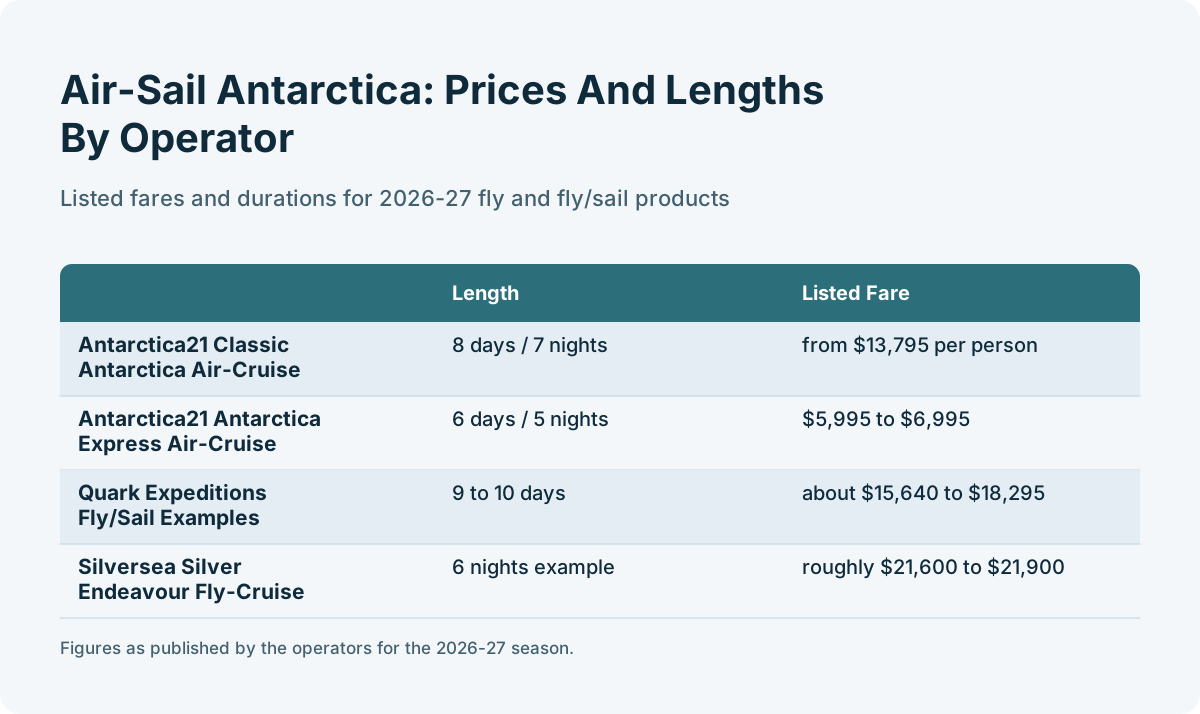
Expect fly products, one-way or round trip, to cost more than comparable sailings: Antarctica21's Classic Air-Cruise lists from $13,795 per person for 8 days, Quark's fly/sail examples run about $15,640 to $18,295 for 9 to 10 days, and charter flights are the main reason fly products carry a premium over comparable sailing voyages. Fly-the-Drake options typically add cost over sailing voyages because of the charter flights involved, one cost guide notes, and the trade is days at sea against dollars and weather risk.
The roster figures for the ships involved are consistent with that. Magellan Explorer, the 88-guest air-cruise ship, shows Antarctic voyages from $13,795 per person, with 8-day Classic Antarctica air-cruises. Magellan Discoverer, the new sister ship entering service for the 2026-27 season, shows the same from-price. Quark's fares are voyage-level and shared across Ultramarine, Ocean Explorer and World Voyager, from $12,236 per person for Antarctic Peninsula voyages, so a specific fly/sail departure on World Voyager or Ocean Explorer needs its fare checked against the actual itinerary. Silver Endeavour's King George Island fly-cruises are listed from roughly $21,600 to $21,900 for 6 nights, though the roster holds no verified fare for the ship. The figure below summarises how the published from-prices compare across the three fly-capable ships in this guide.
What the fare buys varies by operator, and published detail is patchy, so treat this as a checklist of what to ask rather than a promise. On Antarctica21 air-cruises, the charter flight between Punta Arenas and King George Island is part of the product, along with the shipboard expedition program; Chilean wines with meals are noted in related content, though the ship page publishes no full inclusion list. For Quark sailings, the fare includes meals, Zodiac excursions and some adventure activity options depending on voyage, while international flights to the gateway are extra and kayaking or camping add-ons are charged separately. Aurora's ship pages list house wine, beer and soft drinks with dinner plus 24-hour tea and coffee on Sylvia Earle and Greg Mortimer, though the Express fly products' inclusions need confirming per departure. Insurance with medical evacuation cover is required by major operators.
If the pricing structure above raises questions for your dates, a free consultation can price air-sail options against your budget, since fly/sail combinations are priced per departure and the listed examples only bracket the range.
One-Way Versus Full Fly-Cruise: The Real Trade-Offs
A full fly-cruise eliminates up to four days of sea transit by flying both directions, while a one-way air-sail voyage eliminates about two, keeping one Drake crossing; the full fly product buys more Antarctic time per day of holiday, while the one-way buys one sailing experience plus one weather-dependent flight instead of two. Both hinge on the same King George Island flight, which is where most of the practical differences show up.
The weather dependency cuts both ways. Fly-cruise flights to King George Island are frequently delayed by fog, low cloud or wind at the gravel airstrip; one source cites about 75 percent of flights departing on the scheduled day, based on more than 20 years of data, with delays of one or more days possible. Operators typically provide hotel nights, meals and updates in Punta Arenas during a delay. The full fly-cruise exposes you to that risk twice if both flights are weather-dependent; the one-way air-sail exposes you once, but the sailing leg carries its own schedule variability that the flight leg does not. Under Aurora's published contingency plan, if a return flight cannot operate, passengers typically remain on the ship and sail back across the Drake Passage to Ushuaia or an alternative port, which converts a fly product back into a sailing product with all the schedule consequences that implies.
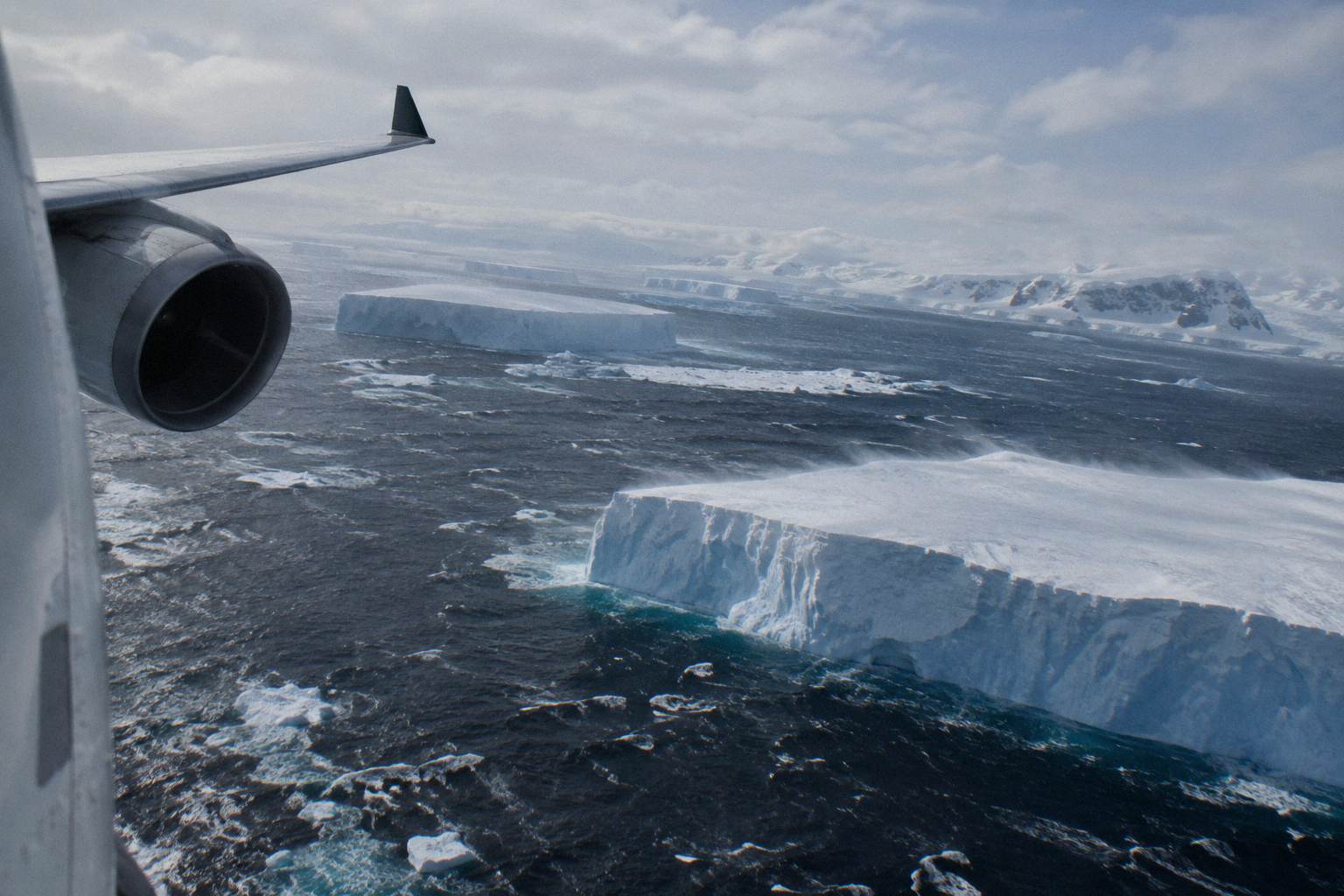
Time is the other axis. A full fly-cruise like Classic Antarctica Air-Cruise spends its 8 days almost entirely on and around the Peninsula, with roughly 4 to 6 days in Antarctica per the itinerary model. A one-way air-sail voyage spends 8 to 11 days on a similar Peninsula program plus one full Drake crossing, which means two sea days of lectures and open Southern Ocean. The Antarctic Peninsula cruise guide covers what those in-Antarctica days look like in detail.
The honest comparison is that the one-way option is a compromise in both directions. Against the full fly-cruise, you lose about two Peninsula days to the crossing. Against the full sailing, you lose the symmetry of the classic round trip and you take on flight risk. What you gain is exactly the thing many people are shopping for: the Drake seen once, properly, from the deck of an expedition ship, and never repeated.
One-Way Versus Sailing Both Ways
Sailing both ways means roughly four days of Drake transit on a classic Peninsula voyage, no flight risk at a gravel airstrip, and typically the lowest fares of the three models; flying one way cuts about two of those sea days, adds the charter flight cost, and concentrates the weather risk into a single flight leg. The choice usually comes down to how you feel about sea days and how tight your holiday time is.
The sailing case is straightforward. The two-day transit gives expedition teams time for their lecture program. Sailing both ways also means no baggage limit, no flight schedule, and a voyage that cannot be delayed by fog on a gravel runway. The cost case is real too: fly-the-Drake options typically add roughly $2,000 to $5,000 over comparable sailing voyages due to charter flights, so a one-way air-sail sits partway up that gap. On the other hand, four days of open ocean is a significant slice of a 10 to 12 day holiday, and seasickness risk on the crossing is a genuine factor for many travellers; about 30 percent of crossings see rough conditions and around 70 percent calmer ones in one widely cited summary of the passage.
To see the three models side by side with real roster and listing figures, the comparison below uses one published example of each.
| Model | Published example | Total days | Drake crossings by ship | Listed from price |
|---|---|---|---|---|
| Sail both ways | Plancius Peninsula voyage (Oceanwide Expeditions) | 10 or 11 | Two | From $7,050 per person |
| One-way air-sail | Quark fly/sail example (World Voyager or Ocean Explorer) | 9 to 10 | One | From about $15,640 per person |
| Full fly-cruise | Classic Antarctica Air-Cruise (Magellan Explorer) | 8 | None | From $13,795 per person |
The one-way case answers both. You get one crossing, ideally the one you care about, and you get the flight. The direction matters more than people expect. Flying south first means your first Antarctic day is the one exposed to a flight delay, and a one-day delay can cost a landing day at the start. Sailing south and flying home means the flight risk lands at the end, when a delay extends your trip rather than shortening it. Insurance covering trip interruption and delay is standard advice for exactly this reason.
Which Ship Suits A Fly-Sail Traveller
For one-way and hybrid products the published ship options are Magellan Explorer and Magellan Discoverer with Antarctica21's flights from Punta Arenas, World Voyager and Ocean Explorer with Quark's fly/sail variants, and Silver Endeavour for Silversea's fly-cruise model, so the ship choice is largely decided by which operator's flight and sailing combination fits your dates. The three ships worth comparing directly are the air-cruise specialist, the helicopter-equipped expedition ship and the luxury fly-cruise ship.
Magellan Explorer is the reference air-cruise vessel: 88 guests on air-cruises (96 on sea voyages), built 2019, LR PC6 ice class, 50 cabins across seven categories, most with private balcony, 10 Zodiacs, and a kayaking program, with fly-cruises from Punta Arenas to King George Island from $13,795 per person. Onboard there is a dining room with panoramic views, an observation lounge, library, sauna, gym and a presentation room. The newer Magellan Discoverer, PC6 ice class with up to 96 guests on sea voyages and 88 on air-cruises, joins for 2026-27 with wet and dry science labs, its own from-price also at $13,795.
Ultramarine, Quark's helicopter ship, is a different animal: 199 passengers, 128 metres, 1A+ and PC6 ice class, two twin-engine Airbus H145 helicopters on two helidecks, an internal Zodiac hangar with 20 Zodiacs and two ready rooms. Its Peninsula voyages show voyage-level fares from $12,236 per person, shared across the Quark fleet, and its fly-cruise stablemates are World Voyager and Ocean Explorer rather than Ultramarine itself, so a helicopter-focused traveller needs to check which ship each fly/sail departure actually uses. Silver Endeavour, at 220 guests with a PC6 ice-class rating, an all-suite ship, runs fly-cruises roundtrip from King George Island with Puerto Williams as its other gateway; 6-night voyages are listed from roughly $21,600 to $21,900. The side-by-side facts for the three are below.
| Ship | Class | Passengers | Ice class | From, per person | Voyage length | Departs from |
|---|---|---|---|---|---|---|
| Magellan ExplorerAntarctica21 | Fly-Cruise | 96 (88 in Antarctica) | LR PC6 | from $13,795 | 8 days | Punta Arenas (fly) to King George Island |
| UltramarineQuark Expeditions | Upscale Expedition | 199 | 1A+, PC6 | from $12,236 | 12 to 14 days | Buenos Aires, Ushuaia |
| Silver EndeavourSilversea | Luxury | 220 | PC6 | – | 6 to 13 days | King George Island, Puerto Williams |
Beyond that trio, the roster lists a handful of other ships that carry the air-sail and fly-cruise products named earlier in this guide, and their roster entries look like this.
| Ship | Operator | Guests | Ice class | Listed gateways | Published from-price |
|---|---|---|---|---|---|
| Magellan Discoverer | Antarctica21 | 88 | PC6 | Punta Arenas (fly) to King George Island | From $13,795 |
| World Voyager | Quark Expeditions | 168 | 1B | Buenos Aires, Ushuaia, Punta Arenas | From $12,236, voyage-level fare shared across Quark ships |
| Ocean Explorer | Quark Expeditions | 138 | 1A, PC6 | Ushuaia, Buenos Aires, Punta Arenas | From $12,236, voyage-level fare shared across Quark ships |
| Sylvia Earle | Aurora Expeditions | 130 | Not stated | Ushuaia | From $19,566 |
| Douglas Mawson | Aurora Expeditions | 130 | Not stated | Ushuaia | Not stated |
Choosing between them is less about luxury tiers than about the flight logistics each one implies. Magellan Explorer means Punta Arenas and the DAP charter, the 20 kg bag limit and a flight-first day. Silver Endeavour means the same airstrip on a larger luxury ship, with the gateways listed as King George Island and Puerto Williams. Quark's fly/sail products mean a Ushuaia sailing leg paired with a flight leg, which is the truest one-way product of the three. The wider ship roster on Cruises In Antarctica covers the whole region, but the air-sail niche touches only a handful of those ships. If that decision is circling without landing, talk through the ship options first, because the differences between the fly/sail departures are mostly schedule, not spec sheets.
Common Questions About One-Way Antarctica Fly-Cruises
Can you fly one way to Antarctica and sail back?
Yes. Antarctica21 sells Air-Sail and Express options that fly one direction and sail the other on select departures, Quark sells "Antarctic Express: Fly South, Sail North" and fly/sail circle-crossing variants on World Voyager and Ocean Explorer, and Aurora sells Sail/Fly and Fly/Sail Antarctic Explorer Express combinations. The flight leg runs roughly two hours between Punta Arenas and King George Island.
How much does a one-way fly-cruise to Antarctica cost?
Antarctica21's Classic Antarctica Air-Cruise lists from $13,795 per person for 8 days and 7 nights, with some listings showing from $15,995. Quark's 9 to 10 day fly/sail examples run from about $15,640 to $18,295. Fly-the-Drake options typically add roughly $2,000 to $5,000 over comparable sailing voyages because of the charter flights.
What happens if the King George Island flight is delayed or cancelled?
Flights are frequently delayed by fog, low cloud or wind at the gravel airstrip; one source citing more than 20 years of data puts about 75 percent of flights on the scheduled day, with delays of one or more days possible. Operators typically provide hotel nights and meals in Punta Arenas during a delay. If a return flight cannot operate, passengers typically remain on the ship and sail back across the Drake to Ushuaia or an alternative port.
Is flying one way better than sailing both ways?
It depends on what you want from the crossing. Sailing both ways gives you about four days of open ocean, seabirds and lectures, with no flight risk. Flying one way gives you one crossing and one flight, roughly two hours in the air instead of two days at sea in that direction, but concentrates weather risk into a single flight leg and adds charter flight cost.
Which ships operate one-way Antarctica fly-cruises?
For 2026-27 the published options are Antarctica21's Magellan Explorer and the new Magellan Discoverer flying from Punta Arenas, Quark's World Voyager and Ocean Explorer on fly/sail itineraries, Aurora's Douglas Mawson and Sylvia Earle on Sail/Fly and Fly/Sail Express departures, and Silversea's Silver Endeavour on roundtrip King George Island fly-cruises.
How many days should a one-way fly-cruise be?
The published products run 6 to 11 days total: Antarctica21's Express Air-Cruise at 6 days and 5 nights, the Classic Air-Cruise at 8 days and 7 nights, and Quark's fly/sail examples at 9 to 10 days with the sailing leg included. Buffer days in Punta Arenas before the flight are part of the schedule, since operators require arrival the day before with briefings and gear checks.
More Drake Passage
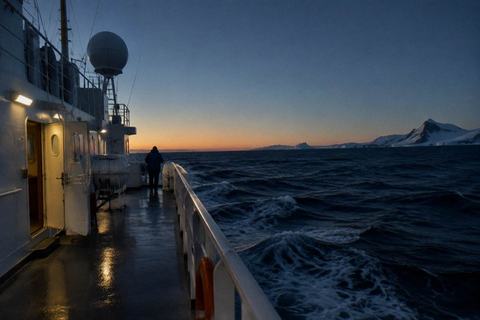 Drake Passage CrossingDuration, conditions, on-board routine and the fly-cruise alternative for the Drake Passage.Read the guide
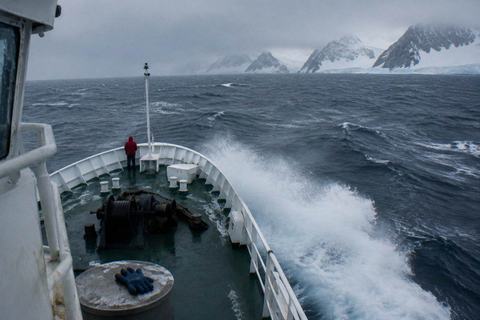 Is The Drake Dangerous?The honest answer on Drake Passage danger: incidents, ice class rules, and what ships do in bad weather.Read the guide
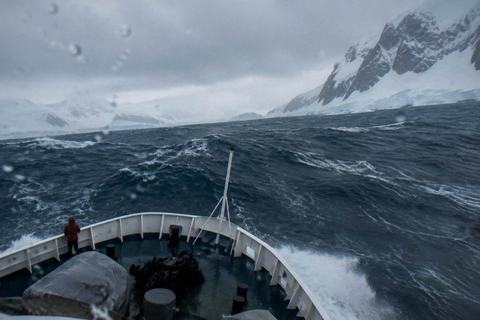 Drake Shake GuideHow rough the Drake Shake really is, what prevents seasickness, and how to skip the crossing entirely.Read the guide
 Fly The DrakeSkip the Drake Passage crossing with a two-hour flight to King George Island and more days on the Peninsula.Read the guide