Is It Cheaper To Fly Or Cruise To Antarctica?
 By Oleg G.
Sailing the Drake Passage is almost always the cheaper way to reach Antarctica. The fly-cruise shortcut skips two days of open ocean each way, and operators charge for that convenience, typically several thousand dollars more per person for a shorter trip.
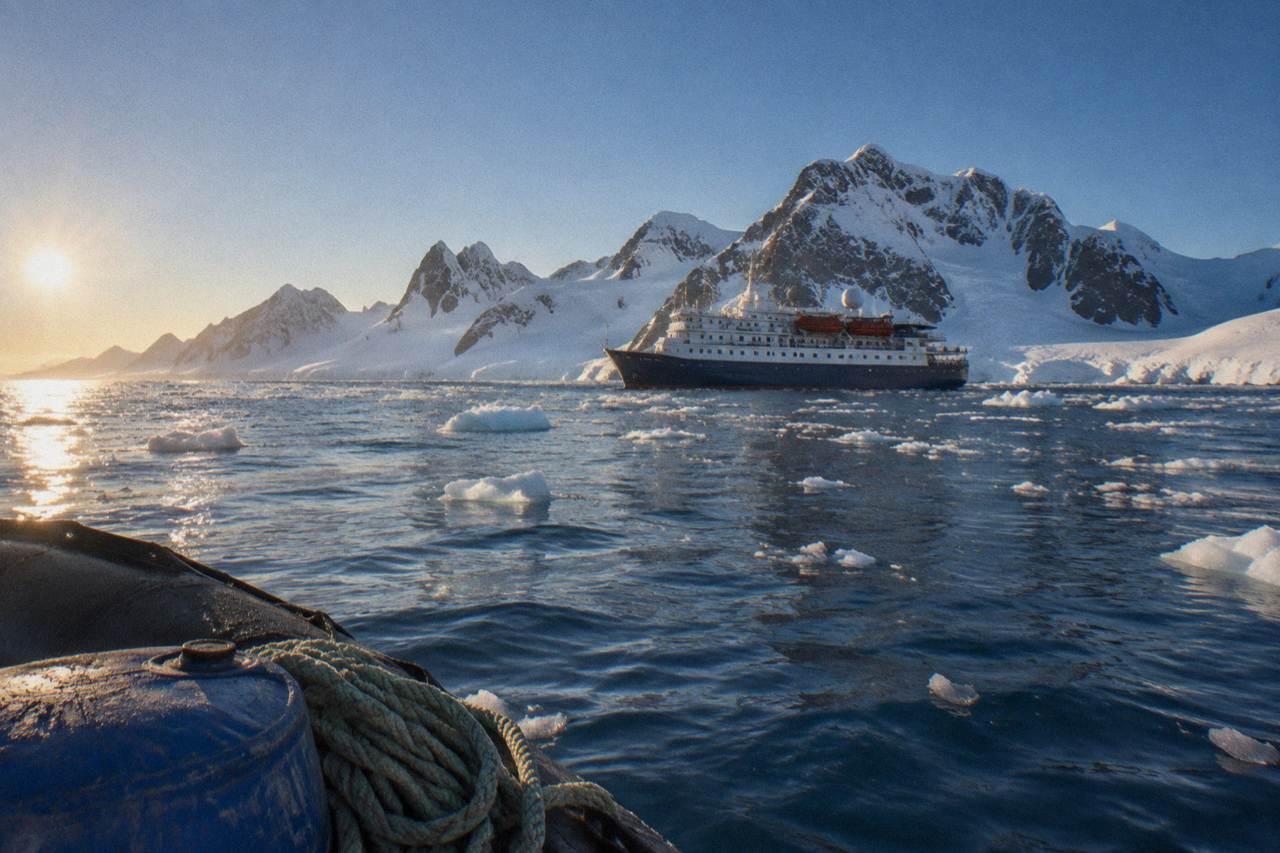
Sailing to Antarctica is cheaper than flying there, and the gap is not subtle. The cheapest sailing voyages on the 2026-27 roster start around $7,050 per person for a 10- or 11-day Peninsula round trip out of Ushuaia, while the shortest fly-cruise product on the roster, an 8-day air-cruise from Punta Arenas, starts at $13,795 per person. You pay more for a shorter trip, and the reason is simple: the charter flight to King George Island replaces two days at sea in each direction, and that aircraft seat is expensive.
That is the headline. The rest of this article is the fine print, because "cheaper" depends on what the fare includes, how many days you actually get on the Antarctic Peninsula, and what each route adds on top of the sticker price. Both routes are sold as an Antarctica cruise, but they are built differently from the moment you leave South America.
Is It Cheaper To Fly Or Cruise To Antarctica?
Yes, cruising is cheaper, often by thousands of dollars per person. On the 2026-27 roster, Oceanwide's 108-guest Plancius lists Peninsula voyages from $7,050 per person, while Antarctica21's Magellan Explorer fly-cruise starts at $13,795 for eight days. Flying buys you time and calm seas, not savings; operator comparisons show the fly-the-Drake option typically adds $2,000 to $5,000 over a comparable sailing voyage once length and cabin type are matched.
The comparison is not one fare against one fare, though. It is a cheap long trip against an expensive short one. A sailing voyage spends about two days crossing the Drake Passage in each direction, so an 11-day itinerary gives you roughly four days of transit and the rest around the South Shetland Islands and the Peninsula. A fly-cruise puts you on King George Island about two hours after leaving Punta Arenas, so an 8-day trip spends almost the whole week where you actually wanted to go.
Quark's own guidance on flying versus sailing notes that ship crossings take roughly 18 to 48 hours each way depending on conditions, while the flight takes about two hours. That is the trade in its purest form: the sailing fare includes the crossing as part of the product, and the fly-cruise fare includes a charter aircraft seat instead. Neither is a rip-off; they are simply different products with different cost structures.
If you are early in the planning stage and still weighing which route suits your budget and your stomach, a free consultation can compare both against your dates and cabin preferences, at no cost and with no obligation.
What A Sailing Voyage Actually Costs
The sailing tier starts at $7,050 per person on the current roster. Oceanwide Expeditions' three Ushuaia-based ships, Plancius, Ortelius and Hondius, anchor the bottom of the market, with Peninsula departures listed from $7,050, $7,800 and $7,800 respectively, while Lindblad's National Geographic ships start at $11,900 and Quark's Ocean Explorer at $12,236.
These are published starting fares, usually for a shared twin or triple cabin in the lowest category, and they move with the season. December and January departures cost more than November ones, and single travellers should expect supplements that one 2026 cost guide reports typically range from 25 percent extra to as much as double the twin rate.
What the sailing fare buys you is days. The classic product is a 10- to 12-day round trip out of Ushuaia: two days down the Drake, four to six days of landings and Zodiac cruising along the Peninsula and the South Shetlands, and two days back. IAATO rules cap landings at 100 passengers ashore at a time from any vessel and require a 1:20 guide-to-visitor ratio, so the small-ship experience on these voyages is regulated, not incidental.
The budget end of the sailing market is genuinely basic, and that is the honest way to describe it. Plancius was built in 1976 as a Dutch Navy oceanographic vessel and rebuilt as a passenger ship in 2009; Ortelius is a 1989 former Russian research vessel. You get the same landings and the same wildlife as the ship next door, but the cabins, food and onboard polish are modest. For many travellers that is a fair trade for thousands of dollars saved.
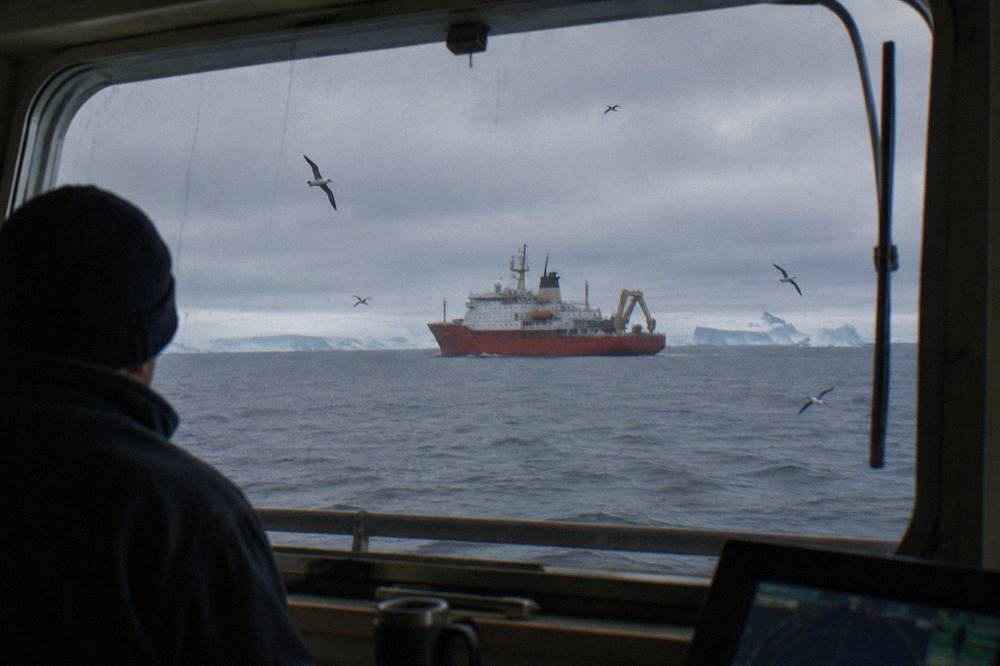
One cost note that surprises first-time planners: the sailing fare does not include your flights to Ushuaia. Most US travellers route through Buenos Aires, changing airports from the international EZE to the domestic AEP for the flight down to Ushuaia, and schedule data shows no direct US to Ushuaia service. A realistic all-in budget for a mid-range Peninsula trip, fare plus flights plus gear plus tips plus insurance, runs $12,000 to $25,000 per person according to one 2026 cost guide. The fare is the biggest piece, but it is not the whole picture.
What A Fly-Cruise Actually Costs
The fly-cruise tier starts at $13,795 per person on the current roster, for the 8-day Classic Antarctica air-cruise aboard Antarctica21's Magellan Explorer or its new sister ship Magellan Discoverer. Quark's Antarctic Express fly-the-Drake product, an 8-day itinerary, has been listed from $17,591 per person. There is no budget fly-cruise: every product in this category sits at or above the top of the sailing market's mid-range.
The Magellan Explorer is the reference ship here, and it is worth understanding what its fare covers, because the fly-cruise model bundles things a sailing voyage does not. The 8-day Classic Antarctica itinerary includes the roughly two-hour charter flight from Punta Arenas to King George Island, where you board the 88-guest ship directly, skipping the Drake Passage entirely in both directions. The ship was built in 2019, carries passengers in seven cabin categories, and runs a kayak program alongside the usual Zodiac landings.
The premium is structural. A charter aircraft to King George Island has a fixed cost that gets divided across a small number of passengers, and the operators also build in schedule risk: Antarctic weather can delay the charter flight in either direction, so the itineraries carry buffer that a sailing voyage does not need. You are paying for the aircraft, the weather insurance, and the compressed schedule all at once.
Multiple operator comparisons put the fly-the-Drake premium at roughly $2,000 to $5,000 over a comparable sailing voyage, and the roster fares bear that out when you match like with like. Quark's voyage-level fares, which are shared across Ultramarine, Ocean Explorer and World Voyager rather than being ship-exclusive, list the 11- to 12-day Antarctic Explorer sailing from $12,236, while the 8-day Antarctic Express fly-cruise has been listed from $17,591. The flying product lists higher for a shorter voyage.
If the fly-cruise premium fits your budget and the idea of two Drake crossings does not, talk through fly-cruise options with a specialist before committing; the consultation is free and there is no obligation to book anything.
The Real Price Gap, Fare By Fare
Comparing entry-level fares across the roster, the sailing route wins by a wide margin: Plancius at $7,050 per person against Magellan Explorer at $13,795, the cheapest berths on each route. Matching upscale against upscale tells the same story, with Quark's $12,236 sailing fare listed below the $17,591 fly-the-Drake price while giving you three more days of voyage.
Here is the fare-by-fare comparison from the roster side by side, using the lowest published per-person starting fares for the 2026-27 season.
| Ship | Operator | Route style | Voyage length | Starting fare (pp) |
|---|---|---|---|---|
| Plancius | Oceanwide Expeditions | Sail from Ushuaia | 10-11 days | $7,050 |
| Hondius | Oceanwide Expeditions | Sail from Ushuaia | 11 days | $7,800 |
| Ortelius | Oceanwide Expeditions | Sail from Ushuaia | 11 days | $7,800 |
| Ocean Explorer | Quark Expeditions | Sail from Ushuaia | 11-12 days | $12,236 |
| National Geographic Endurance | Lindblad Expeditions | Sail from Ushuaia | 12 days | $11,900 |
| Magellan Explorer | Antarctica21 | Fly-cruise from Punta Arenas | 8 days | $13,795 |
Read that table with one caution: the starting fares are the floor of each ship's cabin categories, not like-for-like cabins. A window cabin on Hondius and a balcony suite on Magellan Explorer are different products at different points inside each ship's fare range. The pattern holds regardless: at every quality tier, the sailing version of the trip lists for less than the flying version.
The trio below shows the spread most plainly: the budget sailing ship, the upscale sailing ship, and the fly-cruise ship, three ways to reach the same coastline at three price points.
| Ship | Class | Passengers | Ice class | From, per person | Voyage length | Departs from |
|---|---|---|---|---|---|---|
| Magellan ExplorerAntarctica21 | Fly-Cruise | 96 (88 in Antarctica) | LR PC6 | from $13,795 | 8 days | Punta Arenas (fly) to King George Island |
| HondiusOceanwide Expeditions | Small-Ship Budget | 170 | Polar Class 6 | from $7,800 | 11 to 19 days | Ushuaia |
| Ocean ExplorerQuark Expeditions | Upscale Expedition | 138 | 1A, PC6 | from $12,236 | 8 to 20 days | Ushuaia, Buenos Aires, Punta Arenas |
One subtlety in the Quark fares deserves its own sentence. Because those fares are voyage-level and shared across three ships, the $12,236 figure is the price of the Antarctic Explorer itinerary, not a ship-exclusive rate; the operator's search page lists it for both Ocean Explorer and World Voyager. When you compare a Quark sailing fare against a fly-cruise fare, you are comparing itineraries, which is exactly how the operators price them.
When Flying Still Makes Financial Sense
Flying can be the better value despite the higher fare when your total trip cost, not the cruise fare alone, is the unit of measurement. A fly-cruise eliminates up to four days of sea transit, and for travellers coming from North America or Europe those saved days carry real costs in hotels, meals and holiday allowance. If a sailing voyage demands an extra week of leave, the premium may buy back time you cannot otherwise get.
There is also the seasickness calculation, which is a financial question in disguise. A traveller who is anxious about the Drake crossing, or who cannot afford to arrive at a landing-day itinerary exhausted, is not comparing two identical products. The fly-cruise removes that variable entirely. The crossing itself is survivable for the vast majority of passengers, and one geographical explainer puts the calmer "Drake Lake" conditions at around 70 percent of journeys and the rougher "Drake Shake" at around 30 percent, but nobody can promise either for your dates.
Per-night figures make the price point from market data rather than roster arithmetic. One 2026 cost analysis of live 2027-28 itineraries across ten lines puts classic Antarctic sailings at roughly $950 to $2,600 per person per night in double occupancy, with the value tier anchored near $1,029 per night. Where a specific voyage falls inside that band depends on length, cabin and route, and the fly-the-Drake premium of roughly $2,000 to $5,000 sits on top of whichever point you choose. Sailing still wins on price at every tier of the roster; the per-night lens simply shows how much of either fare is really buying the Antarctic days themselves.
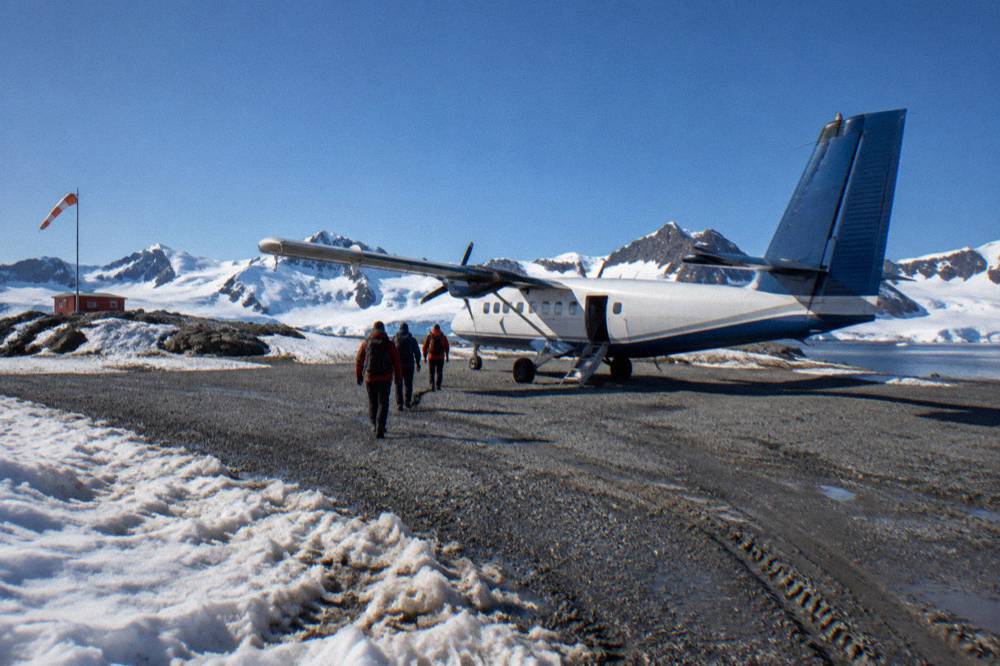
The honest summary is that flying is a rational purchase for people whose constraint is time or comfort, and an expensive one for people whose constraint is money. If you are firmly in the second group, the sailing market has the cheaper berths at every tier, and no promotional calendar changes that ordering.
Hidden Costs On Both Routes
Both routes carry costs beyond the fare, and they are not symmetrical. Fly-cruise passengers face a strict 20 kg checked baggage limit on the charter flight plus mandatory pre-flight hotel nights in Punta Arenas; sailing passengers face hotel nights in Ushuaia and weather risk on the Buenos Aires to Ushuaia domestic corridor. Insurance with high medical evacuation minimums is required or strongly recommended on both routes.
The insurance point is worth real attention. Operator requirements reported for the current season include evacuation coverage minimums that reach $500k on one line, with $250k and $150k minimums reported on others, and proof is often required before departure or at check-in. That coverage is not bundled into any base fare on either route, and for an older traveller it can add a meaningful amount to the total. Argentina also formally requires health coverage including evacuation for foreign visitors under its current rules, so this is a legal layer, not just an operator preference.
Gear is the other shared cost. Most expedition operators provide a complimentary parka, often yours to keep, and loan waterproof boots, so the clothing bill is smaller than many first-time travellers expect. You still need proper layers, and if you are sailing rather than flying, you have more luggage allowance to bring them.
On the sailing side, budget one or two hotel nights in Ushuaia before embarkation. Ushuaia's hotels ran at about 80 percent occupancy in January 2026 while the port handled 43,720-plus cruise passengers, and the Buenos Aires to Ushuaia flight corridor is weather-prone in peak season. Arriving the day before your ship sails is a risk, not a plan.
On the fly-cruise side, the pre-flight logistics are stricter, not looser. One operator requires guests to be at a named Punta Arenas hotel by early afternoon the day before the charter flight, with biosecurity and gear checks scheduled the same day. The 20 kg checked baggage limit on the charter segment is a hard constraint that sailing passengers simply do not face, and it shapes what you can pack.
Gratuities round out the picture: one 2026 cost guide reports tipping averages of about $16 per person per day, with a typical range of $15 to $25 unless the line prepays them. On a shorter fly-cruise that is fewer days of tips; on a longer sailing voyage it is more. Small amounts, but they belong in an honest budget.
Which Route Should You Actually Book?
If the fare is the deciding factor, book a sailing voyage: the cheapest Drake-crossing berths start around $7,050 to $7,800 per person against $13,795 to fly. If your deciding factor is time, seasickness or the number of days spent in Antarctic waters, the fly-cruise premium is the price of removing four transit days, and for many travellers it is worth paying.
My own read, after a long stretch of comparing every option on this market, is that the sailing voyage remains the default for a reason: it is the product most of the market can afford, and the crossing is part of the story rather than an obstacle to it. That is an impression, not a fact, and your own tolerance for open ocean should override it.
There is a middle path worth knowing about before you decide. Sail-and-fly hybrid itineraries cross the Drake by ship in one direction and fly the other, halving the open-ocean exposure while keeping part of the classic crossing. Lindblad's Antarctica Direct style itineraries and similar products from other lines work this way. If you want more on that middle ground, the fly the Drake guide covers it in detail.
The ship choice matters as much as the route choice at this point. The Hondius guide is a good starting point for the budget sailing tier, and the Magellan Explorer guide does the same for the fly-cruise side. Read both against your dates before you commit money anywhere.

Whatever you choose, book early rather than late. Peak December sailings are reported to book as far as 18 months ahead, and last-minute discounts, where they exist, come with limited cabin choice. Early-booking offers for the current and following seasons commonly reach 10 to 30 percent off, with deadlines that pass quietly. A free consultation through Cruises In Antarctica can tell you which promotions actually apply to the departure you want, without any obligation to book.
Common Questions About Fly Versus Cruise Costs
Is It Cheaper To Fly Or Cruise To Antarctica?
Cruising is cheaper. Sailing voyages on the 2026-27 roster start at $7,050 per person from Ushuaia, while fly-cruise products start at $13,795 for a shorter 8-day trip. Multiple operator comparisons put the fly-the-Drake premium at roughly $2,000 to $5,000 over a comparable sailing voyage.
Why Is The Fly-Cruise More Expensive If The Trip Is Shorter?
The fare includes a seat on a charter aircraft between Punta Arenas and King George Island, plus schedule buffer for Antarctic weather delays. That aircraft cost, divided across a small passenger list, is what you are paying for, along with the four days of Drake Passage transit you skip.
Do Sailing Fares Include Flights To Ushuaia?
Generally no. Most sailing fares start at the ship in Ushuaia, and you arrange your own flights, usually via Buenos Aires. Some upscale lines bundle hotel nights and charter flights within South America into the fare, so check what your specific voyage includes before comparing prices.
Is A Fly-Cruise Worth It If I Get Seasick?
For many seasick-prone travellers, yes. The fly-cruise removes the Drake Passage crossing entirely, about two days of open ocean in each direction. The premium is the price of that certainty, and only you can decide what four calm days are worth.
Are There Hidden Costs That Change The Comparison?
Yes. Both routes require travel insurance with high medical evacuation minimums, and fly-cruises add strict baggage limits, around 20 kg checked on the charter flight, plus mandatory pre-flight hotel nights in Punta Arenas. Sailing adds hotel nights in Ushuaia and weather risk on the domestic flight corridor.
Can I Split The Difference And Fly One Way?
Yes. Sail-and-fly hybrid itineraries cross the Drake by ship in one direction and fly the other, halving your open-ocean exposure while keeping part of the classic crossing. Several operators offer this format, and it blends the cost structures of both routes.