Antarctica Cruise Routes Explained: Peninsula, Circle, South Georgia And Beyond
 By Oleg G.
The route you choose determines how many days you actually spend in Antarctica, what wildlife you meet and what the voyage costs. Here is every major itinerary type, with lengths, from-prices and the traveller each one suits.
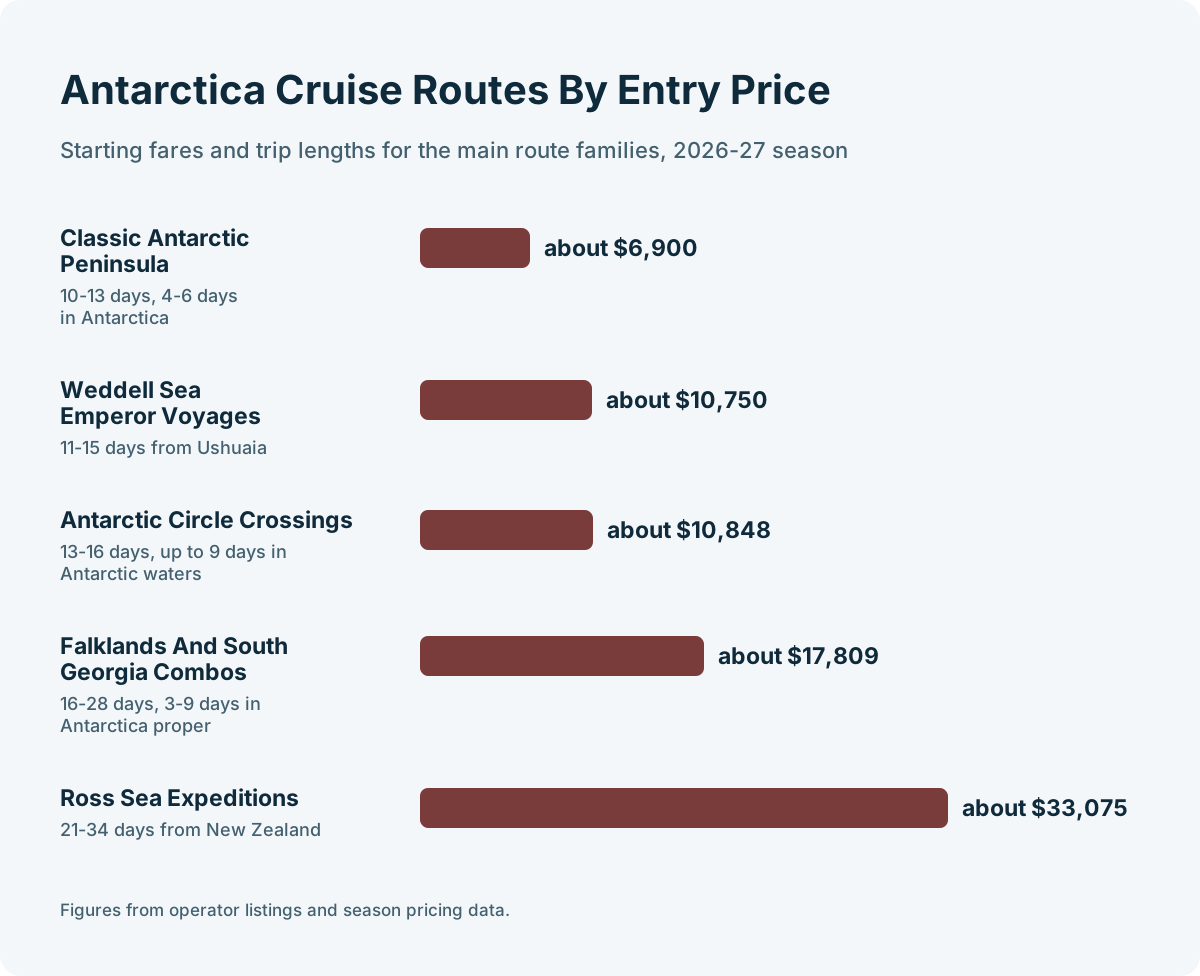
Quick answer: Antarctica cruise routes fall into six main types: the classic Peninsula loop (10-13 days, from about $6,900), Circle crossings (13-16 days, from about $10,848), Falklands and South Georgia combos (16-28 days, from about $17,809), Weddell Sea emperor voyages (11-15 days, from about $10,750), Ross Sea expeditions (21-34 days, from about $33,075) and fly-cruises (8-11 days, from about $17,726).
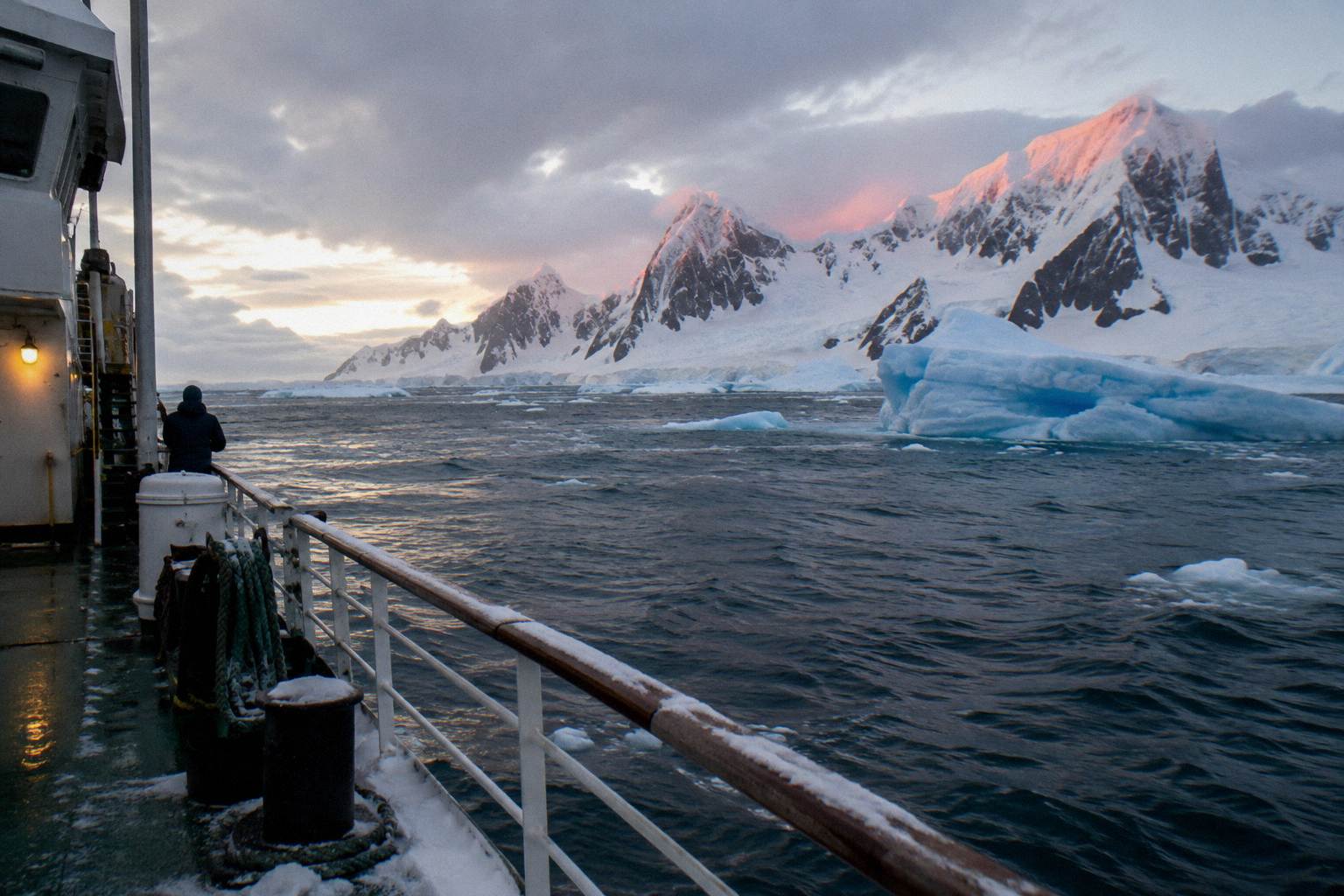
The single biggest decision in planning an Antarctica cruise is not the ship, the cabin or even the month. It is the route. A classic Peninsula voyage and a Ross Sea expedition are both sold as "Antarctica cruises", yet one runs 10 days and the other a month, one costs from about $6,900 and the other from about $33,075, and one spends four days among penguins while the other reaches historic expedition huts that few travellers ever reach. According to the Antarctic Treaty Secretariat, approximately 98 percent of all tourism voyages occur in the Antarctic Peninsula region, which means most of the itineraries you will encounter are variations on the same stretch of coast, and the rarer routes carry very different price tags.
This guide walks through every major route type for the 2026-27 season: how long each takes, how many days you actually spend in Antarctic waters, what each one costs at the entry level, and who each suits. The figures come from operator listings and season pricing data, and every route has a dedicated deep-dive guide on Cruises In Antarctica if you want the full detail.
What Are The Main Antarctica Cruise Routes?
Antarctica cruise routes group into six families: the classic Antarctic Peninsula loop (10-13 days, 4-6 days in Antarctica, from about $6,900), Antarctic Circle crossings (13-16 days, from about $10,848), Falklands and South Georgia combinations (16-28 days, from about $17,809), Weddell Sea emperor voyages (11-15 days, from about $10,750), Ross Sea expeditions from New Zealand (21-34 days, from about $33,075), and fly-cruise routes that skip the Drake Passage (8-11 days, from about $17,726).
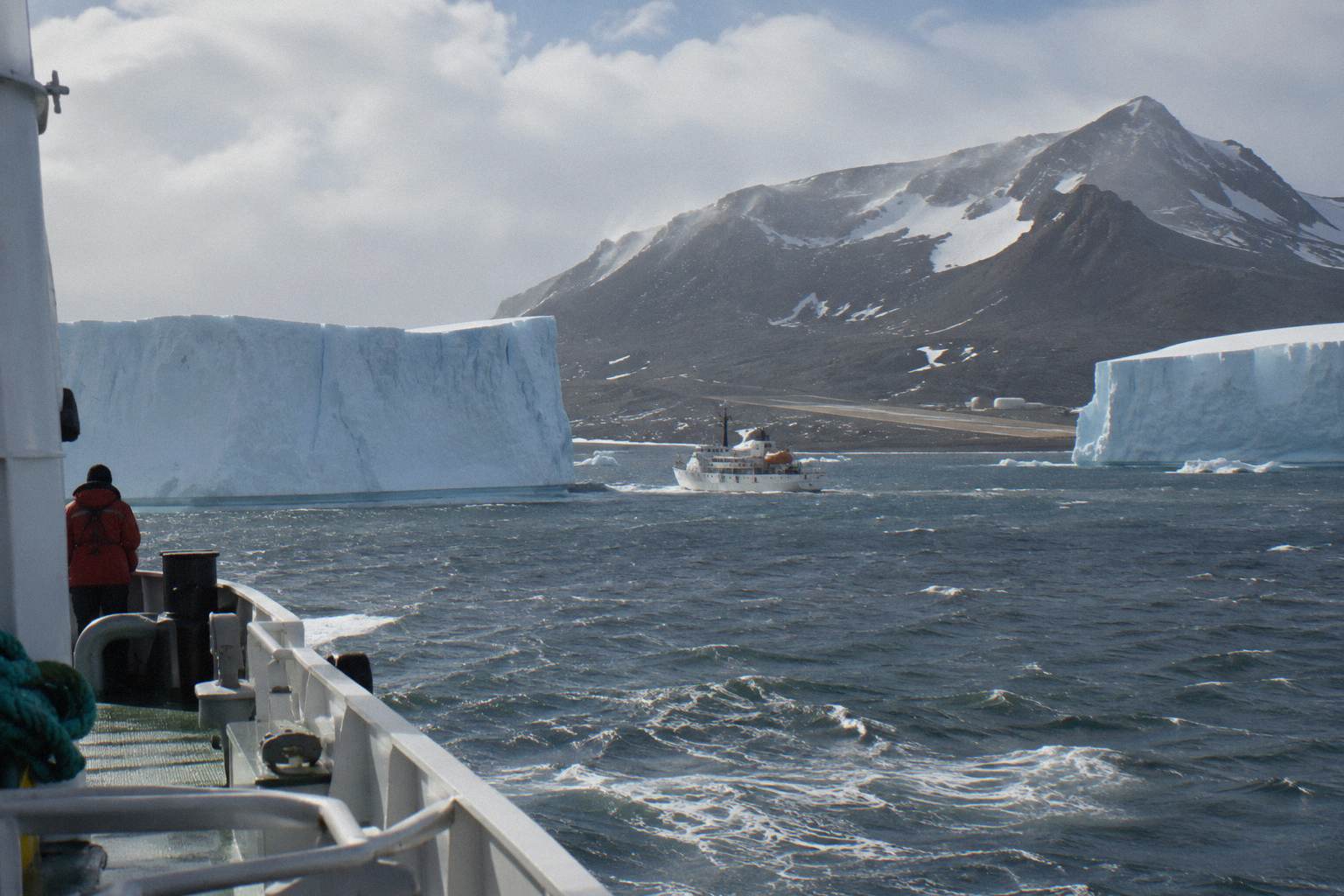
Most Peninsula voyages sail from Ushuaia in Argentina, cross the Drake Passage, and spend their Antarctic time among the South Shetland Islands and the western Peninsula. That is the classic route. The differences begin when operators push further: south across the Antarctic Circle at 66°33′S, east into the ice-choked Weddell Sea, or north-east to the Falkland Islands and South Georgia before reaching the Peninsula.
The rare routes are a different category of trip altogether. Ross Sea voyages depart from New Zealand or Australia, and visit the huts of Scott and Shackleton. Only a handful of departures run each season, against hundreds of Peninsula sailings, and their fares sit in a different bracket.
The Classic Antarctic Peninsula Route
The classic Peninsula route runs 10 to 13 days roundtrip from Ushuaia, spends 4 to 6 days in Antarctic waters, and starts from about $6,900 per person in a shared cabin, with the median fare around $13,499. It crosses the Drake Passage twice and suits most first-time visitors.
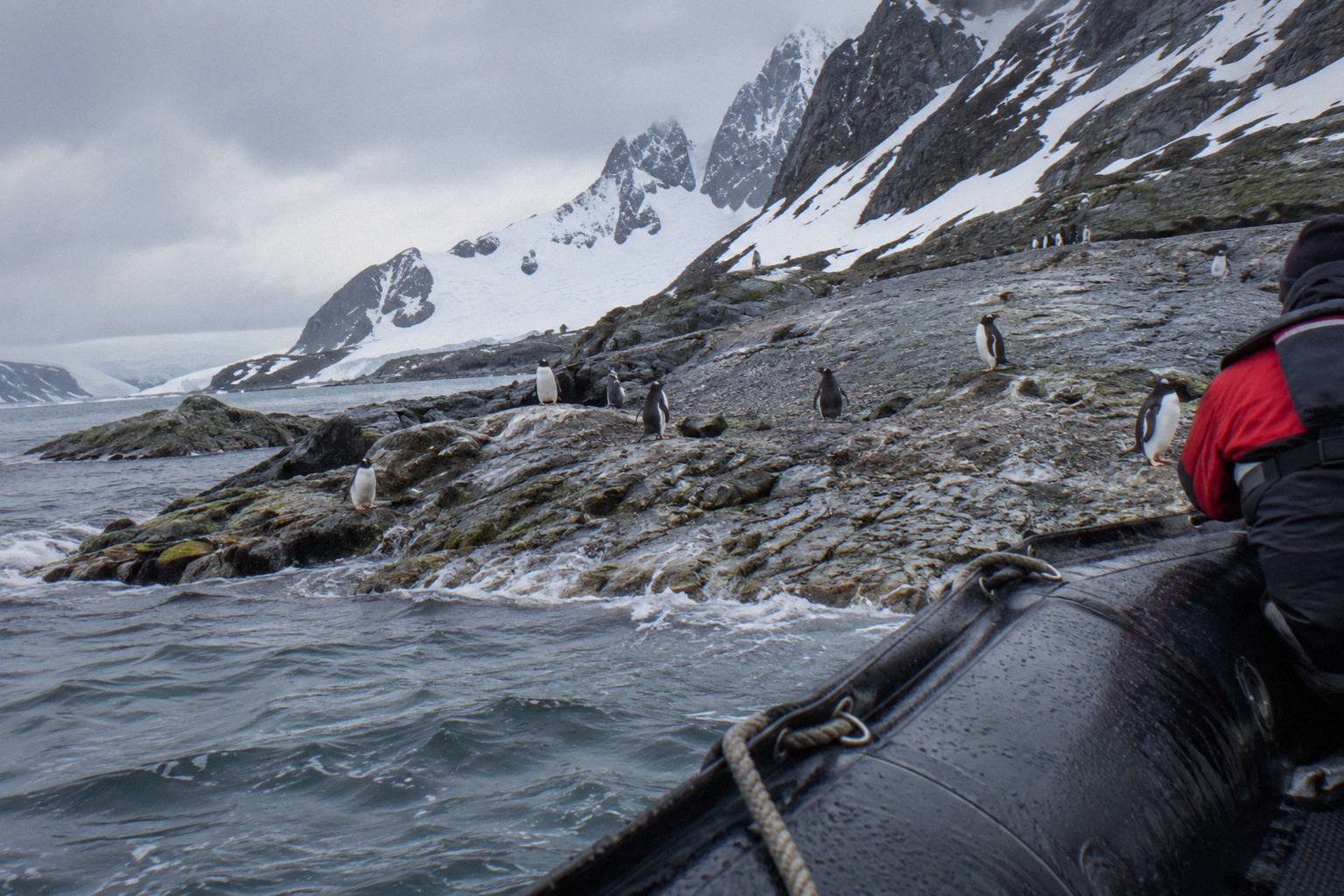
This is the workhorse itinerary of Antarctic tourism, and the one to book if this is your first polar voyage. After a Drake crossing that operators put at 18 to 24 hours in good conditions and 36 to 48 in rough seas, the ship spends its Antarctic days rotating among landing sites: penguin colonies on islands like Half Moon or Barrientos, the museum and post office at Port Lockroy, continental landings at spots like Neko Harbour, and scenic transits through channels such as the Lemaire when ice permits.
Pricing on this route spans a wide band. At the value end, Oceanwide Expeditions lists Peninsula departures from about $6,900 for a March 2027 sailing aboard Hondius, in a shared cabin. Mid-market expedition lines cluster nearer $12,000 to $14,000 for the same length of trip, and luxury ships sit higher still. The month matters as much as the line: November and March shoulder departures run 20 percent or more below peak December and January dates.
The budget tier of this route is where the 170-guest Hondius earns its reputation. The ship carries a Polar Class 6 hull, the first such registered vessel in the world by the operator's wording, sails 11, 13 and 19-day itineraries from Ushuaia, and lists Peninsula voyages from $7,800 per person.
If the classic loop is the route for you, the full site guide covers landing sites, ship choices and month-by-month pricing in detail at Antarctic Peninsula cruise planning. Choosing between a 10-day and a 13-day version of the same route is a genuine fork: the shorter trip trims Antarctic days to the minimum, while the longer one adds flexibility for weather. That trade-off is exactly the kind of question a free route consultation can settle in one conversation before you commit a deposit.
Antarctic Circle Crossing Routes
Circle routes extend the classic Peninsula itinerary south of 66°33′S, running 13 to 16 days with up to 9 days in Antarctic waters, and start from about $10,848 per person. Success depends on sea ice: late January and February offer the best odds, and no operator guarantees the crossing.
The Antarctic Circle is a line of latitude, 66°33′S, not a destination. Circle voyages run 13 to 16 days against 10 to 13 for the classic route, so the attempt adds roughly three days.
The honest framing is that the crossing itself is the point. Ice charts from bodies such as the US National Ice Center guide captains on how far south passage is possible, and in heavy ice years ships turn back short of the line. Published season guides describe less sea ice and better access for Circle crossings from late January into February.
Because a Circle attempt costs more than the classic loop and adds days of transit for a milestone you cannot pre-book, it suits travellers who have already seen the Peninsula, or who want the deeper-south experience as their one trip. If you are weighing a 13-day Circle sailing against a 10-day classic route at a similar total price, Antarctic Circle cruise routes breaks down the ice, timing and fare differences in full.
Falklands, South Georgia And Antarctica Combos
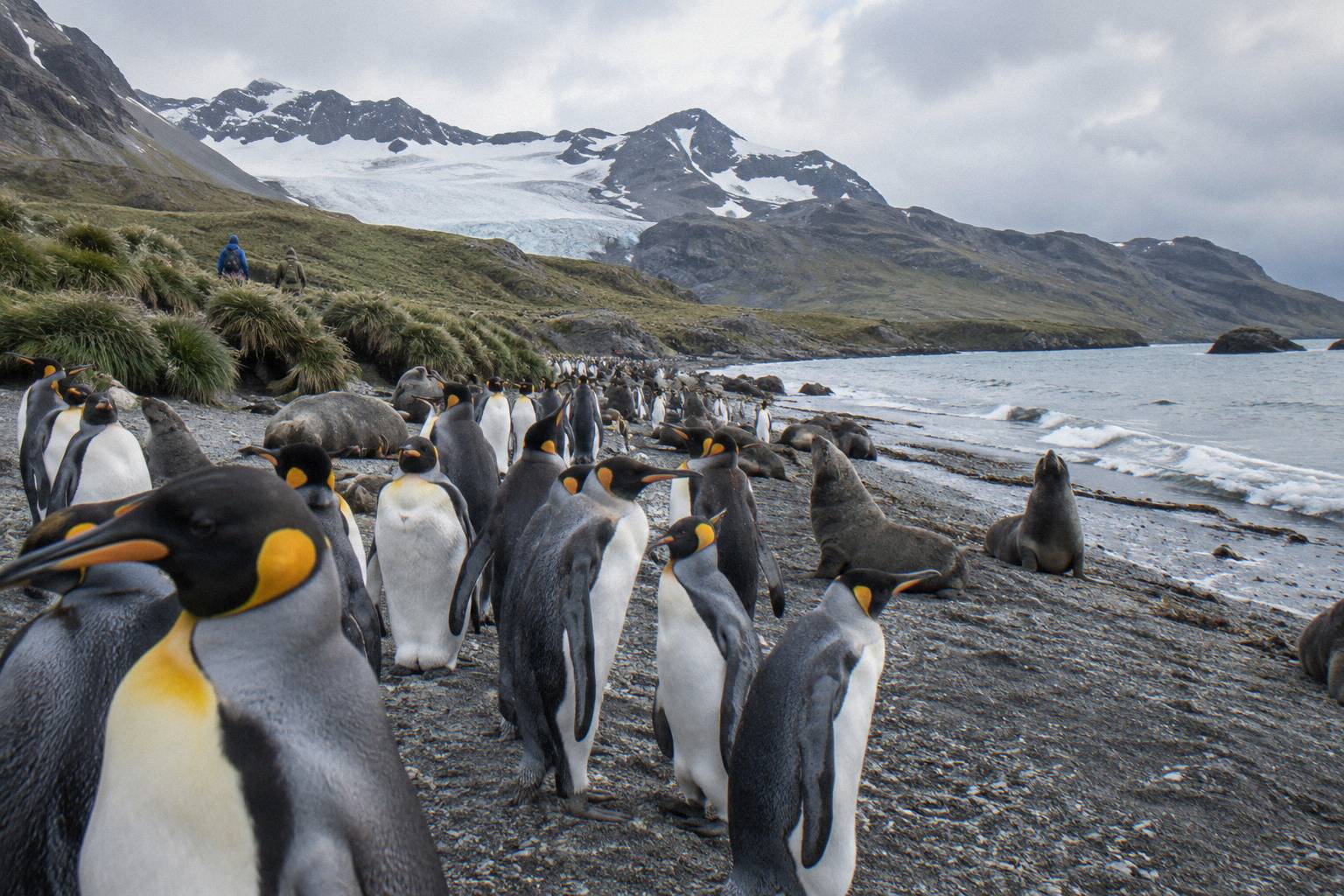
The three-destination combination runs 16 to 28 days from Ushuaia, spends 3 to 9 days in Antarctica proper, and starts from about $17,809 per person. It trades Antarctic days for the wildlife density of South Georgia, including king penguin colonies with hundreds of thousands of birds.
This is the route for wildlife over ice. The voyage typically sails east from Ushuaia to the Falkland Islands, then south-east to South Georgia, and only then crosses to the Antarctic Peninsula before returning through the Drake. South Georgia is the headline: sites such as St Andrews Bay hold king penguin colonies in the hundreds of thousands of pairs, and the island also carries the grave of Ernest Shackleton at Grytviken.
The trade-off is arithmetic. A 20-day Falklands, South Georgia and Antarctica itinerary typically dedicates only 3 to 9 of its days to the Peninsula itself, with the rest spent at sea or at the sub-Antarctic islands. For some travellers that is the whole appeal; for others it dilutes the continent. Fares reflect the length: entry pricing sits near $17,809, well above the classic loop, and the season's longest combos approach a month.
Timing matters on this route. King penguin breeding activity on South Georgia peaks November through January, with chicks visible through March, and seal pups are best viewed from mid-December to January. November departures catch courtship and maximum snow cover; January catches peak colony activity. The dedicated guide at South Georgia and Antarctica cruise routes covers the month-by-month wildlife calendar and the Shackleton-related sites, including the Fortuna Bay to Stromness walk offered on select sailings.
Weddell Sea And Emperor Penguin Routes
Weddell Sea routes run 11 to 15 days from Ushuaia and start from about $10,750 per person, pushing east of the Peninsula into pack ice to reach Adélie colonies and, on helicopter-equipped voyages, the Snow Hill emperor penguin rookery of roughly 4,000 breeding pairs. Operators note success rates below 50 percent in recent seasons because ice decides access.
The Weddell Sea is the dramatic side of the Peninsula. Heavy pack ice, tabular icebergs and the Antarctic Sound separate it from the western coast, and Paulet Island's Adélie colony is one of the listed sites. The prize, though, is the emperor penguin. The Snow Hill Island rookery sits on sea ice accessed by helicopter from ships such as Oceanwide's Ortelius or Quark's helicopter-equipped Ultramarine, and the operator's own notes put the odds of a successful landing below half in recent seasons because ice and weather close the window.
That uncertainty is priced in. These voyages cost more than the classic loop, from around $10,750 on Ortelius's 11-day emperor departures, and a buyer needs to accept that the headline experience may not happen. Quark's 14-day "Emperor Penguin Quest: Expedition to Snow Hill" aboard Ultramarine runs the same gamble with two twin-engine helicopters and a much larger ship, and reported one 2026 voyage with successful helicopter landings for 137 guests.
For a traveller choosing between the Weddell Sea and the classic western Peninsula, the question is whether emperors or more predictable landings matter more. The full site guide at Weddell Sea cruise routes covers the ice mechanics, the helicopter logistics and the honest odds in detail.
Ross Sea And East Antarctica Voyages
Ross Sea expeditions run 21 to 34 days from New Zealand or Hobart, spend 10 to 12 days in the Ross Sea region, and start from about $33,075 per person, with Heritage Expeditions' 28-day "In the Wake of Scott and Shackleton" as the reference itinerary. They visit the historic expedition huts, the Ross Ice Shelf and emperor colonies, and operate mainly in January and February.
This is the connoisseur's route, and the only one that reaches the far side of the continent. Sailing from Bluff, Queenstown, Dunedin, Invercargill or Hobart, the voyage can call at Macquarie Island with its royal penguins before entering the Ross Sea. Highlights include the Ross Ice Shelf and the historic huts: Scott's at Cape Evans and Hut Point, and Shackleton's at Cape Royds. Aurora Expeditions also runs a 26-day Ross Sea Odyssey from Hobart aboard Greg Mortimer, and Ponant operates a 21-night Ross Sea voyage aboard Le Soléal roundtrip from Dunedin.
Scarcity and length go together here. Only a handful of departures run each season against the hundreds of Peninsula sailings, and the voyages stretch to a month, pushing fares from about $33,075. East Antarctica routes, reaching Commonwealth Bay and Mawson's Huts, are rarer still and appear as part of extended Ross Sea or specialised itineraries.
For US-based travellers, the logistics stack up differently too: the journey to New Zealand or Australia adds long-haul flights to an already long voyage. The dedicated guide at Ross Sea cruise routes compares the operators, departure ports and hut-landing realities. If a month-long, five-figure expedition is on your shortlist, that is precisely the kind of high-stakes decision where talking through the options first pays for itself.
Fly-Cruise Routes That Skip The Drake Passage
Fly-cruise routes run 8 to 11 days, spend 4 to 6 days in Antarctica, and start from about $17,726 per person, using a roughly two-hour charter flight from Punta Arenas to King George Island to bypass both Drake crossings. Operators include Antarctica21, Quark, Silversea, Aurora and Lindblad, with weather delays at King George Island the main risk.
The fly-cruise is not a different geographic route so much as a different way of reaching the same one. Instead of two days at sea in each direction, guests fly from Punta Arenas in Chile to King George Island in the South Shetlands, board the ship there, and spend nearly the whole voyage in Antarctic waters. Antarctica21 runs the model on its Magellan Explorer air-cruises, an 8-day Classic Antarctica itinerary from $13,795 per person, and Quark, Silversea, Aurora and Lindblad all run variants, including one-way fly-and-sail combinations that cross the Drake by ship in one direction only.
The trade-offs are time versus money versus risk. Fly-cruises save up to four days of sea transit, which suits travellers with limited leave, but the fares sit well above the classic loop and the landing strip on King George Island is a gravel runway. One published source puts on-time departures at about 75 percent over more than 20 years of flights, with delays of a day or more when wind, fog or low visibility set in; operators typically provide hotel nights and meals in Punta Arenas when that happens.
Which Antarctica Cruise Route Suits You?
Match the route to your priorities: first-timers and value hunters take the classic Peninsula loop, milestone collectors and photographers add the Circle, wildlife maximisers choose Falklands and South Georgia, emperor penguin seekers accept the Weddell Sea odds, history enthusiasts commit to the Ross Sea, and time-poor travellers pay the premium to fly the Drake.
The comparison table below puts the six route families side by side using 2026-27 season figures from operator listings. Treat the from-prices as entry points in shared cabins on the value operators; mainstream expedition lines and luxury ships price meaningfully higher for the same routes.
| Route | Typical length | Days in Antarctica | From price (pp) | Best for |
|---|---|---|---|---|
| Classic Peninsula | 10-13 days | 4-6 days | ~$6,900 | First-timers, value |
| Antarctic Circle | 13-16 days | Up to 9 days | ~$10,848 | Milestone seekers |
| Falklands + South Georgia + Peninsula | 16-28 days | 3-9 days | ~$17,809 | Wildlife maximisers |
| Weddell Sea / emperors | 11-15 days | Not stated | ~$10,750 | Penguin specialists |
| Ross Sea (from NZ/Australia) | 21-34 days | 10-12 days | ~$33,075 | History enthusiasts |
| Fly-cruise (Drake skipped) | 8-11 days | 4-6 days | ~$17,726 | Time-poor travellers |
Ship choice interacts with route choice in ways worth checking before you book. The three ships below illustrate the spread across the classic Peninsula route: a value-tier PC6 vessel, a helicopter-equipped upscale ship, and a PC5 expedition ship.
| Ship | Class | Passengers | Ice class | From, per person | Voyage length | Departs from |
|---|---|---|---|---|---|---|
| HondiusOceanwide Expeditions | Small-Ship Budget | 170 | Polar Class 6 | from $7,800 | 11 to 19 days | Ushuaia |
| UltramarineQuark Expeditions | Upscale Expedition | 199 | 1A+, PC6 | from $12,236 | 12 to 14 days | Buenos Aires, Ushuaia |
| National Geographic EnduranceLindblad Expeditions (with National Geographic) | Standard Expedition | 138 | PC5 | from $10,800 | 12 to 22 days | Ushuaia |
A few pairing rules of thumb hold across operators. Budget ships like Hondius and Plancius carry some of the cheapest berths, and emperor-focused travellers need Quark's Ultramarine or Oceanwide's helicopter departures on Ortelius. And the bigger the ship, the more the 100-passengers-ashore rule forces rotations, which is why small-ship devotees accept simpler cabins for more time on the ice.
Season interacts with route too. Circle crossings favour the lower ice of late January and February; South Georgia wildlife peaks November to January; emperor voyages target November and December; and shoulder-month pricing in November and March can cut the classic route's cost by 20 percent or more. If you are flexible on month but fixed on route, that flexibility is worth real money.
The table below shows how the season's months line up against the route families, using the 2026-27 departure patterns from operator listings. Use it to narrow the calendar before you narrow the ships.
| Month | Routes at their best | Routes to avoid | Pricing pattern |
|---|---|---|---|
| November | Weddell Sea emperors, South Georgia courtship, pristine snow landings | Circle attempts (early ice) | Shoulder pricing, often 20%+ below peak |
| December | Peninsula landings, first penguin chicks, South Georgia activity | None, but holiday sailings carry premiums | Highest around Christmas and New Year |
| January | Hatching penguin chicks, South Georgia chicks | None | Peak pricing |
| February | Circle crossings (less ice), peak whales, chick crèches | Emperor voyages (none listed) | Not stated |
| March | Whales, fledging chicks, late-season discounts | None | Shoulder pricing, often 20%+ below peak |
One more practical comparison helps at the booking stage. The same route can be bought at very different price points depending on the ship class, and the roster below shows how three representative vessels on the classic Peninsula route compare on the facts that matter most: capacity, ice class and entry fare.
| Ship | Operator | Passengers | Ice class | Peninsula from-price (pp) |
|---|---|---|---|---|
| Hondius | Oceanwide Expeditions | 170 | Polar Class 6 (equivalent 1A-Super) | From $7,800 |
| Ultramarine | Quark Expeditions | 199 | 1A+, PC6 | From $12,236 (voyage-level, shared across three Quark ships) |
| National Geographic Endurance | Lindblad Expeditions | 138 | PC5 (Category A) | From $11,900 |
Note that the Quark fare is voyage-level and shared across Ultramarine, Ocean Explorer and World Voyager, so it should not be read as a ship-exclusive price. The Lindblad figure is the "Starting from" card on the ship page for the 12-day Voyage to Antarctica. Where a ship's fare is not published, a current number needs a consultation rather than a printed estimate.
Common Questions About Antarctica Cruise Routes
What are the main Antarctica cruise routes?
The six main route families are the classic Antarctic Peninsula loop (10-13 days, from about $6,900), Antarctic Circle crossings (13-16 days, from about $10,848), Falklands and South Georgia combinations (16-28 days, from about $17,809), Weddell Sea emperor penguin voyages (11-15 days, from about $10,750), Ross Sea expeditions from New Zealand or Australia (21-34 days, from about $33,075), and fly-cruises that skip the Drake Passage (8-11 days, from about $17,726).
How many days do you actually spend in Antarctica on a cruise?
On the classic Peninsula route, 4 to 6 days of a 10 to 13-day voyage. Circle routes extend that to up to 9 days. Ross Sea voyages spend 10 to 12 days in the Antarctic region, while Falklands and South Georgia combos typically dedicate only 3 to 9 days to the Peninsula itself, with the rest spent at the sub-Antarctic islands and at sea.
Which Antarctica cruise route is cheapest?
The classic Antarctic Peninsula route from Ushuaia, with 2026-27 fares starting around $6,900 per person in a shared cabin on value operators such as Oceanwide Expeditions, rising to roughly $12,000 to $14,000 on mainstream expedition lines. Shoulder-season departures in November and March price 20 percent or more below peak December and January dates.
Can you cross the Antarctic Circle on a cruise?
Yes, on dedicated 13 to 16-day Circle itineraries from about $10,848 per person. The crossing depends on sea ice, and no operator guarantees it; late January and February, with less sea ice, offer better access, and ships turn back short of the line in heavy ice years.
Which route is best for emperor penguins?
Weddell Sea voyages that use helicopters to reach the Snow Hill Island rookery of roughly 4,000 breeding emperor penguin pairs, running 11 to 15 days from about $10,750. Operators note success rates below 50 percent in recent seasons because sea ice and weather decide access, so book expecting the attempt rather than the guarantee.
Do any Antarctica cruises leave from outside South America?
Yes. Ross Sea voyages depart from New Zealand ports such as Bluff, Queenstown and Dunedin, or from Hobart in Australia, and run 21 to 34 days from about $33,075. They are the only tourist routes reaching the Ross Ice Shelf and the historic huts of Scott and Shackleton, with only a handful of departures each season.
More Routes And Landings
 Peninsula CruisesThe classic Peninsula route explained: lengths, fares, landing sites and timing.Read the guide
 Antarctic CircleLonger, costlier voyages that push past 66 degrees south, and what the extra days buy.Read the guide
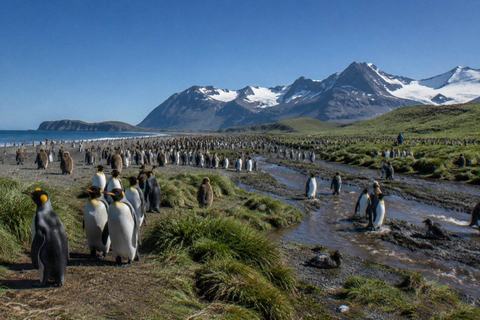 South Georgia CruisesThe 18-to-22-day Falklands, South Georgia and Peninsula itinerary, the premium wildlife cruise.Read the guide
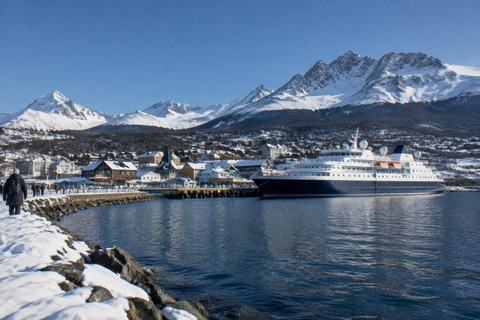 Cruises From UshuaiaShips, routes, fares and arrival logistics for the world's main Antarctica departure port.Read the guide