Going Back To Antarctica: Ideas For A Second Trip
 By Oleg G.
The first voyage shows you the Peninsula. The second is where you choose between emperors, South Georgia, the Circle and the Ross Sea; here is how those routes compare on length, price and payoff.
Quick answer: A second Antarctica trip works best when it changes the route rather than the ship: South Georgia and Falklands combos run 16 to 28 days from roughly $17,809, Weddell Sea emperor voyages to Snow Hill start near $10,750, and Ross Sea expeditions stretch 26 to 34 days from about $33,075. Kayaking adds roughly $1,995 on Quark.
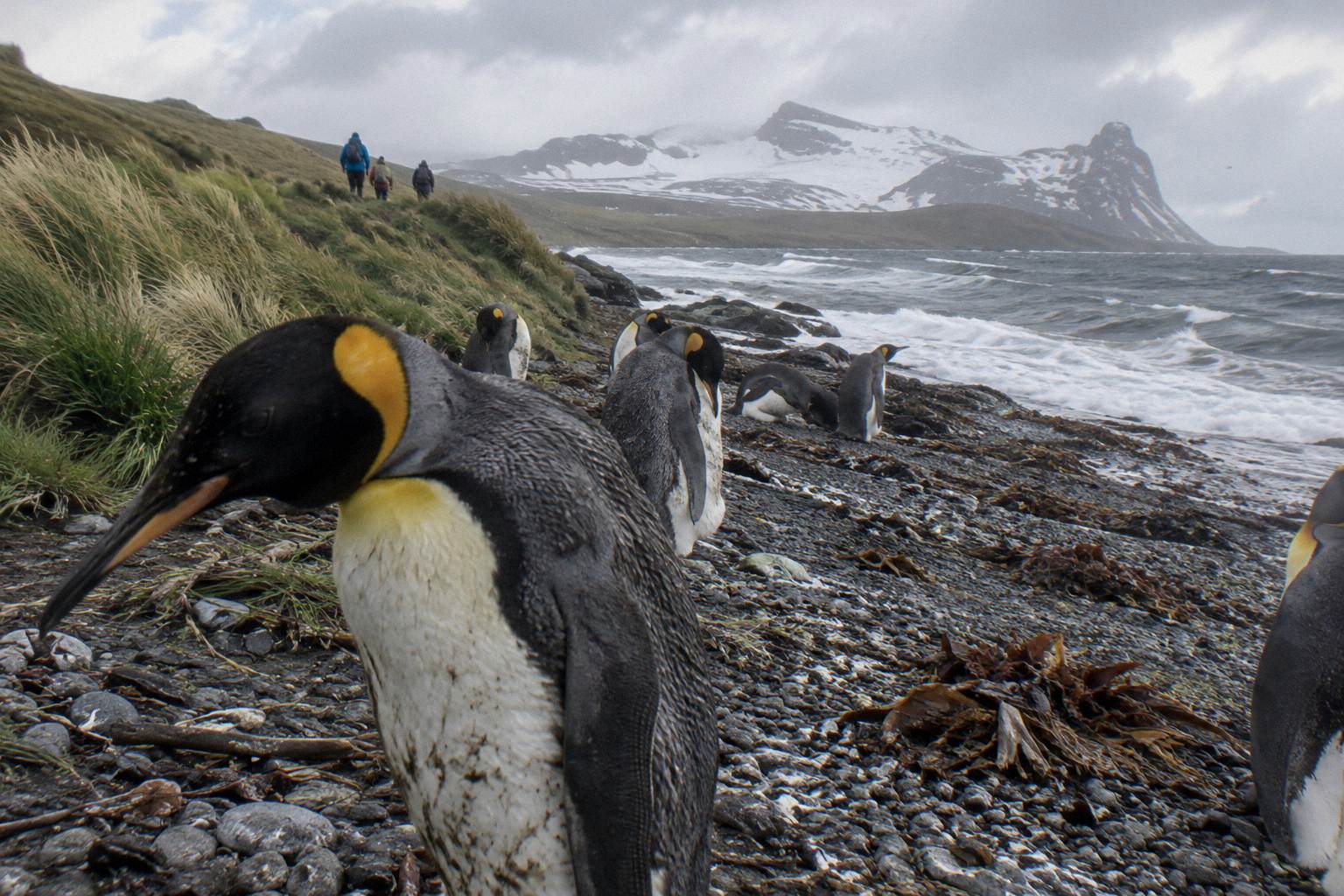
A first Antarctic voyage almost always follows one shape: ten to thirteen days out of Ushuaia, four to six of them in Antarctic waters, and a highlight reel built on gentoo colonies, Zodiac runs and the Lemaire Channel. That is not a complaint. It is what the classic route delivers, and it is why so many people step off the ship already planning the return. The second trip is where the map opens.
Here at Cruises In Antarctica we track operator schedules across the fleet, and it took one voyage of my own plus two years of route comparison to accept an obvious truth: repeating the first expedition cruise on a slightly nicer ship buys comfort, not a new Antarctica. A different corner of the continent buys you the new Antarctica. This guide walks through the four routes that justify going back, the activities that change the same coastline, and the ships built for each job.
What To Change On A Second Antarctic Voyage
The mistake to avoid is repeating the first itinerary on a nicer ship. Change the geography instead: South Georgia adds king penguins and albatross on 16-to-28-day combos, the Weddell Sea adds helicopter access to roughly 4,000 emperor pairs at Snow Hill, the Ross Sea adds huts and ice shelf on 26-to-34-day expeditions, and the Circle run pushes past 66°33′S. New activities deepen whatever route you pick.
Part of why first trips converge is structural rather than personal. Antarctic tourism runs under IAATO and Antarctic Treaty rules that shape every operator's plan the same way: a maximum of 100 passengers ashore from a vessel at any one time, at least one guide for every twenty visitors, only one ship at a site at a time, and no landings at all from vessels carrying more than 500 passengers (the general visitor guidelines state each rule outright). Given those limits, almost every classic sailing works the same short menu of western Peninsula sites. On voyage two, the lever you actually control is where the ship points.
One 2026 route-and-price survey lays out the realistic second-trip menu, and it is worth reading as a decision table rather than a wish list. Length is the real currency: every step up in geography costs days, and days cost money.
| Route | Typical length | Days in Antarctica | Reported from-price |
|---|---|---|---|
| Classic Peninsula (the first trip) | 10-13 days | 4-6 | from about $6,900 |
| Antarctic Circle crossing | 13-16 days | up to 9 | from about $10,848 |
| Falklands, South Georgia and Peninsula | 16-28 days | 3-9 | from about $17,809 |
| Weddell Sea emperors (Snow Hill) | 11-15 days | varies with ice | from about $10,750 |
| Ross Sea from New Zealand or Australia | 26-34 days | 10-12 | from about $33,075 on a 28-day sailing |
| Fly-cruise Peninsula | 8-11 days | 4-6 | from about $17,726 |
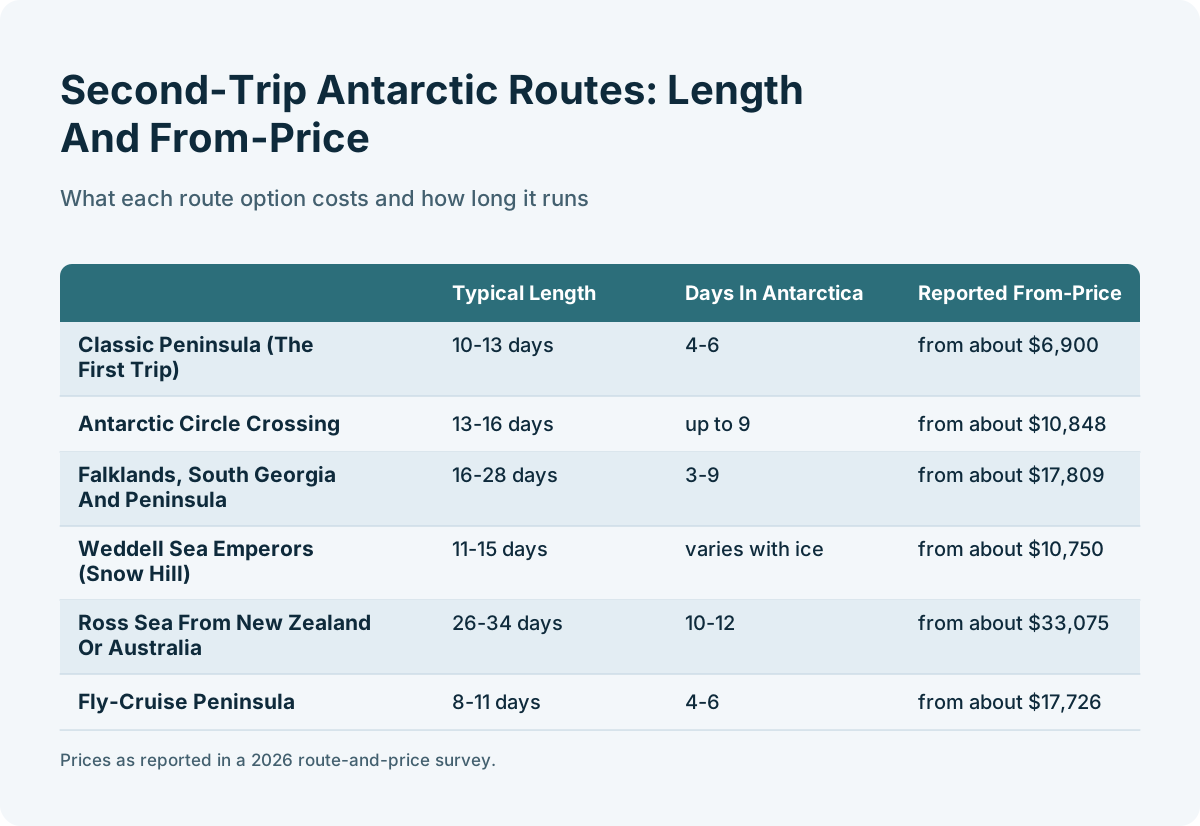
The pattern in those numbers is simple. If your first trip was ten or eleven days, the sweet spot for the second is thirteen to twenty: long enough for South Georgia or a Circle run, short enough that you are not spending a month of leave. The sections below take each route in turn, then the activities and ships that pair with them.
South Georgia And The Falklands: The Wildlife Upgrade
Falklands, South Georgia and Peninsula combos run 16 to 28 days with three to nine days in Antarctica, reported from about $17,809 per person. The islands carry the wildlife weight: king penguins at Volunteer Point, black-browed albatross and rockhopper colonies in the Falklands, and Grytviken, where Shackleton is buried, in South Georgia. One Oceanwide 20-night sailing has been listed from about $12,100 on sale.
This is the most popular return route for a reason. The first Peninsula trip shows you gentoos, chinstraps and maybe Adélies; South Georgia adds king penguins and a summer whale gathering that British Antarctic Survey work puts at more than 30,000 animals, mostly humpbacks. The Falklands leg usually works Stanley plus West Point, Carcass or Saunders, where black-browed albatross share the cliffs with rockhopper penguins. Our South Georgia and Falklands cruise guide breaks down the landing sites in detail.
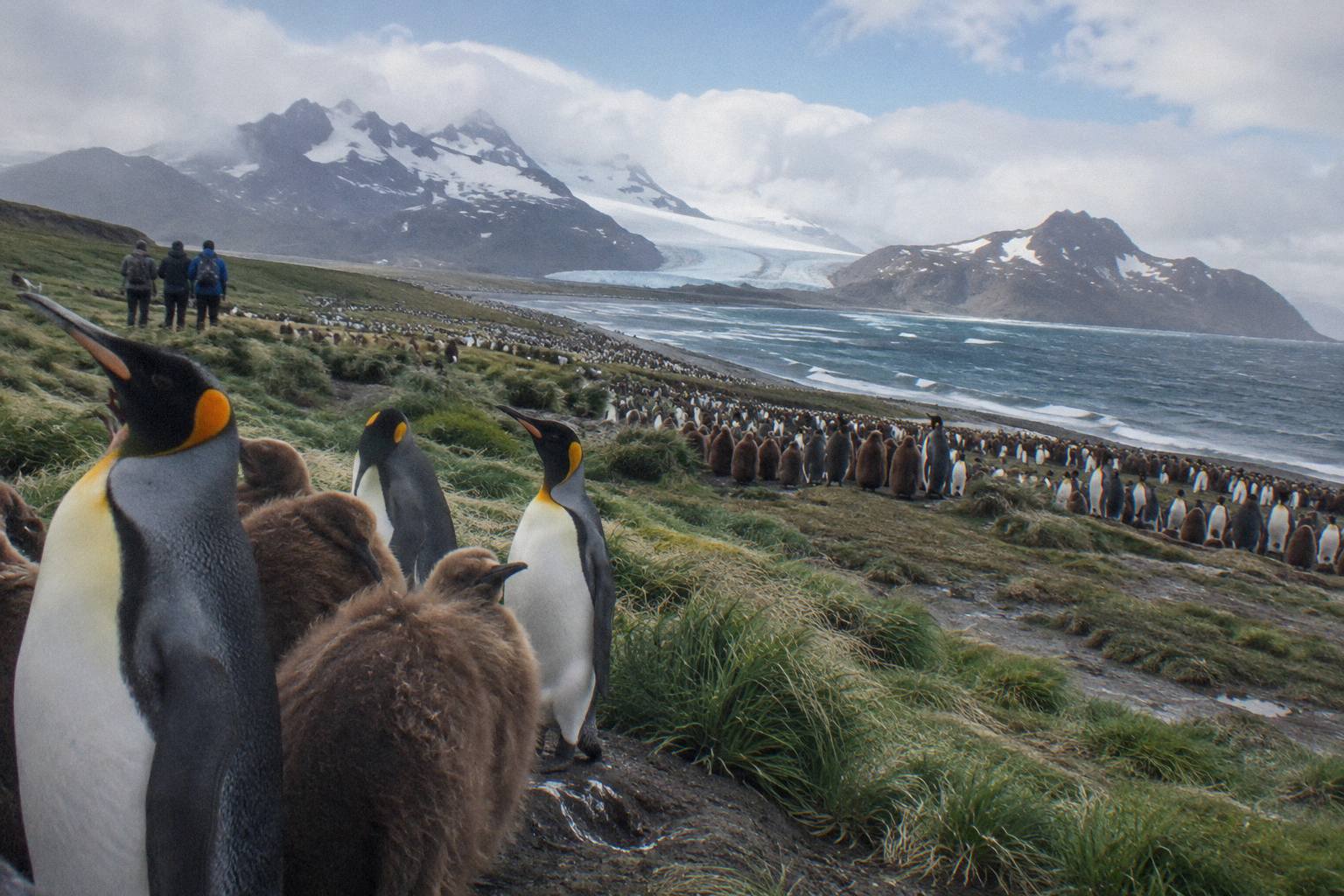
The historical thread matters here too. Select itineraries include King Haakon Bay, where Shackleton landed after the open-boat journey, Grytviken with his grave, and the Fortuna Bay to Stromness walk that retraces the final leg of his crossing. Further south, Elephant Island's Point Wild, where his men waited, is a landing that rarely works; ships usually Zodiac cruise the point instead, which is worth knowing before you book a voyage that advertises it.
Sample departures include an Oceanwide Falklands, South Georgia and Peninsula voyage in October and November 2026 and a Hondius sailing from January to February 2027, and the commitment is real: you are choosing a 16-to-28-day expedition cruise over a second short Peninsula sailing, usually at a fare step of several thousand dollars per cabin. That length-versus-payoff trade is the single biggest decision on a return trip.
Weddell Sea Emperors: The Snow Hill Voyage
Snow Hill Island holds roughly 4,000 emperor penguin breeding pairs on sea ice, and tourist ships reach them by helicopter. Voyages run 11 to 15 days, reported from about $10,750 on Oceanwide's Ortelius; Quark's 14-day Emperor Penguin Quest on Ultramarine has been reported at roughly $27,571 to $30,490. Operator notes put recent landing success under 50 percent because ice decides.
No first trip shows you emperors. They breed on sea ice in the Weddell Sea side of the Peninsula, out of reach of Zodiac operations, so the only tourist access is by air. Ships position offshore and helicopters ferry small groups to the ice edge near the colony, a method used by operators including Oceanwide, whose Weddell Sea program (described on the operator's own cruise pages) runs Ortelius on 11-day emperor voyages with 2026 departures listed for November 25 and December 5. The window is early season by design: that is when the fast ice still holds the colony.
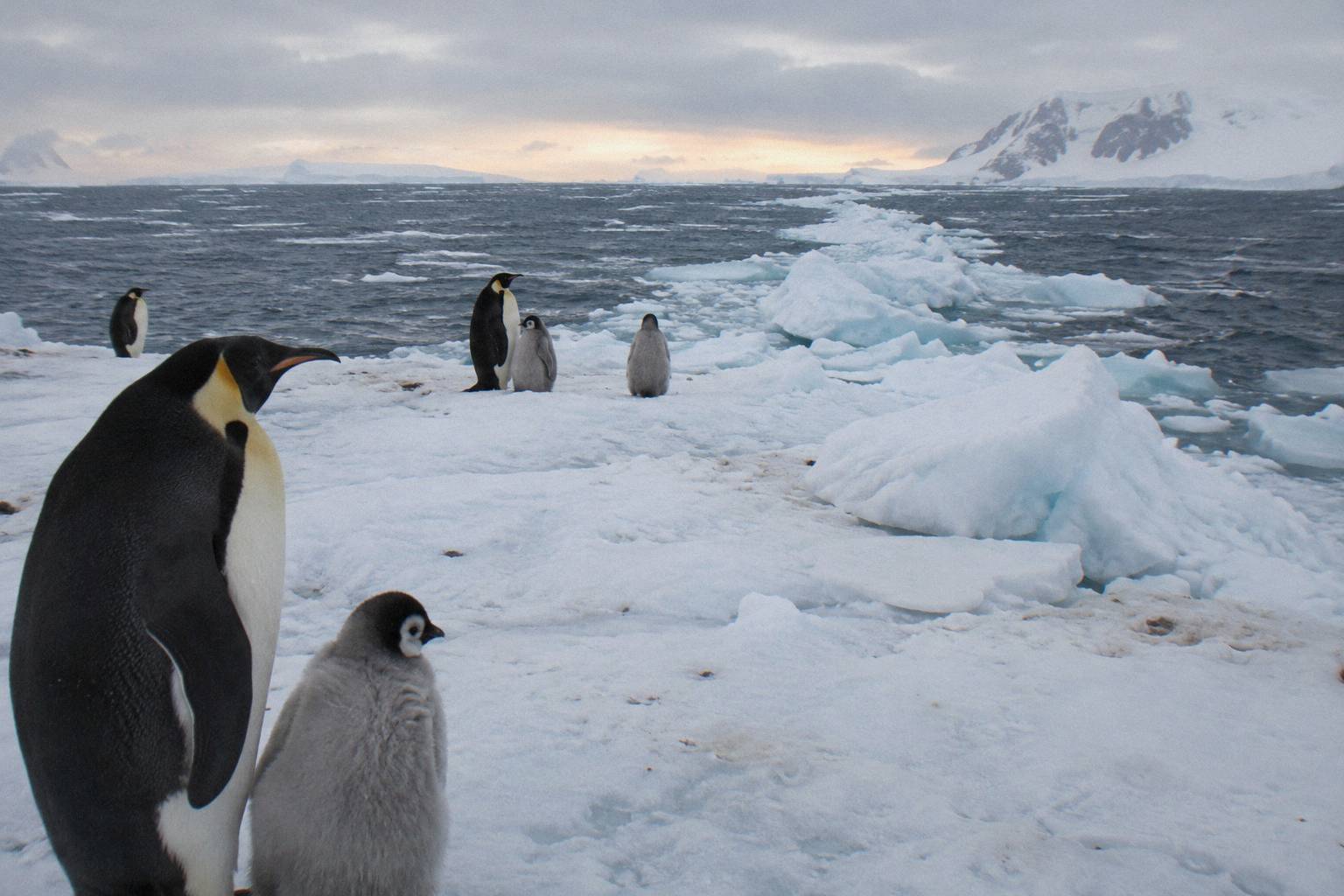
On the upscale end, Quark's 14-day Emperor Penguin Quest: Expedition to Snow Hill runs aboard Ultramarine, and one 2026 sailing completed helicopter landings for 137 guests. The ship is built for exactly this: 199 guests, ice class 1A+ (PC6), two twin-engine Airbus H145 helicopters on two helidecks, an internal hangar for 20 Zodiacs and two ready rooms that turn groups around fast. A 2026 cost report puts that voyage at roughly $27,571 to $30,490 per person depending on promotion, which is the premium tier of the emperor market next to Ortelius at about $10,750.
Two honest caveats. Recent seasons have seen landing success under 50 percent per operator notes, and no operator sells the landing as certain; you are buying the attempt plus a spectacular Weddell Sea of tabular bergs either way. If you are weighing a $10,750 Ortelius berth against a $27,571-plus Ultramarine one, that is a genuine decision moment for compare Snow Hill voyage options with someone who tracks both fleets.
The Ross Sea From New Zealand Or Australia
Ross Sea expeditions from Bluff, Queenstown, Dunedin or Hobart run 26 to 34 days and spend 10 to 12 days in Antarctic waters, from about $33,075 for Heritage Adventurer's 28-day In the Wake of Scott and Shackleton. The season sits mainly in January and February. The route delivers the Ross Ice Shelf, McMurdo, emperor colonies and the historic huts of Scott and Shackleton.
This is the deepest commitment in Antarctic cruising, and the most different. Instead of the Peninsula you get the far side of the continent: the Ross Ice Shelf, the McMurdo area, emperor colonies, and the huts that anchor the whole heroic-age story, Scott's at Cape Evans and Hut Point and Shackleton's at Cape Royds. Heritage Expeditions, the operator most associated with the route, runs its 28-day In the Wake of Scott and Shackleton from New Zealand ports in the January-to-February window aboard Heritage Adventurer, a 1991-built, 1A Super ice-class ship carrying 140 guests, with fares reported from about $33,075. Our full Ross Sea cruise guide covers the ports and hut sites.
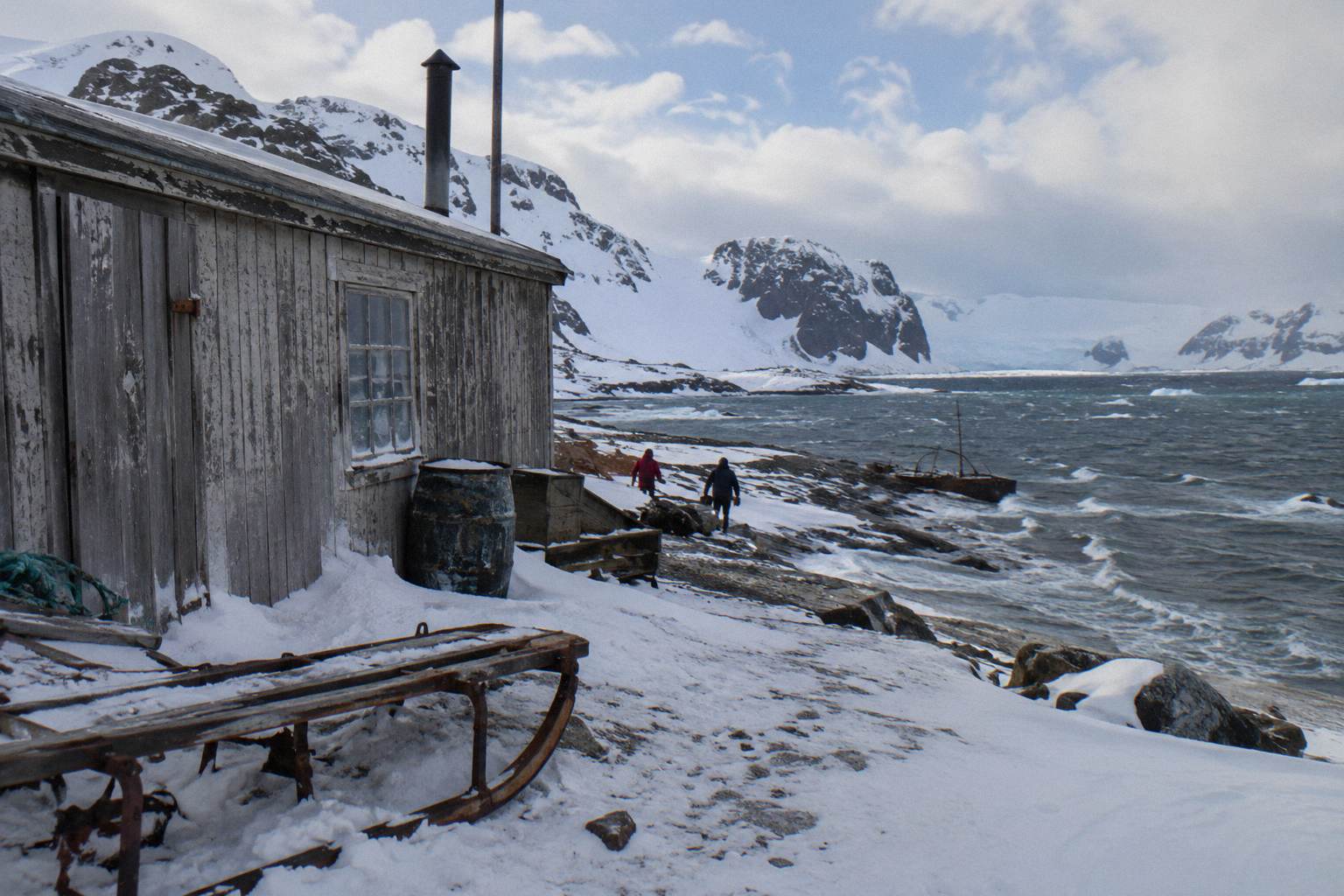
The sub-Antarctic islands are not a footnote on this route; they are half the trip. Longer voyages, including Aurora's 26-day Ross Sea Odyssey from Hobart aboard Greg Mortimer, thread Macquarie Island with its royal penguins, the Auckland and Campbell islands, and sometimes Commonwealth Bay, where Mawson's huts stand. Departures on these longer East Antarctic and sub-Antarctic routes are few each season, so the booking calendar matters more here than anywhere else in Antarctica.
Be clear-eyed about the practicalities: 26 to 34 days away, a five-figure fare, long open-ocean legs to reach 10 to 12 days in the Ross Sea region, and a short January-to-February window of dates. For most returning travellers this is the once-in-a-lifetime second trip rather than the default one, and it rewards planning a year or more ahead.
Antarctic Circle Crossings And Shorter Return Options
Circle voyages run 13 to 16 days with up to nine days in Antarctica, reported from about $10,848, and the crossing of 66°33′S is sold as an attempt, not a promise. Time-pressed returners have a fly-cruise alternative: 8 to 11 days with four to six Antarctic days, from about $17,726 on Quark's World Voyager, skipping the Drake Passage entirely.
The Circle run is the natural next step up from a classic itinerary, and the numbers explain why: 13 to 16 days total, up to nine of them in Antarctic waters, which nearly doubles your time south compared with a first trip. Operators list the crossing of 66 degrees 33 minutes south as an attempt woven into the voyage rather than a scheduled event, so treat the latitude line as a bonus on top of the extra days, not the purchase itself. Our Antarctic Circle crossing guide compares the specific itineraries.
The fly-cruise deserves more respect from second-timers than it usually gets. Because you have already done the Drake, the argument for repeating four days of it is weaker, and an 8-to-11-day fly-cruise with four to six Antarctic days, reported from about $17,726 aboard Quark's World Voyager, trades the sailing days for ice time. World Voyager itself is a comfortable argument: 168 guests, all-balcony suites, 18 Zodiacs, a spa and pool deck, and a Science Hub, on voyages of 8 to 14 days.
Which shape fits depends on one honest question: are you buying latitude, or buying hours in the ice? At their reported floors a Circle voyage (from about $10,848) actually undercuts the fly-cruise (from about $17,726) by roughly $7,000, and the two spend that money in completely different places.
Activity Upgrades: Kayaking, Camping And Heli Landings
Kayaking runs about $1,995 as a Quark add-on, about $1,099 with G Adventures, and comes free on Oceanwide's Basecamp voyages aboard Hondius and Plancius. Overnight camping adds roughly $399 to $495 for one night ashore. The polar plunge is typically included. Helicopter landings are included on select Ultramarine itineraries. Limited-capacity activities fill at booking, not on board.
If a new route is not in the budget, a new relationship with the same coastline is. Paddling a kayak among bergy bits, sleeping one night on the continent, or joining a heli-landing changes the texture of a Peninsula week more than a suite upgrade ever will. The pricing is surprisingly tiered, as the table shows.
| Activity | Reported cost | Where it runs |
|---|---|---|
| Sea kayaking | about $1,995 per voyage on Quark; about $1,099 on G Adventures; included on Oceanwide Basecamp | Quark, Oceanwide, Aurora, Poseidon, G Adventures |
| Overnight camping | roughly $399 to $495 per person, usually one night | Oceanwide Basecamp, Quark, Aurora, G Adventures |
| Polar plunge | typically included where offered | Quark, Oceanwide, Aurora, Lindblad |
| Helicopter landings | included on select itineraries | Ultramarine emperor and heli voyages |
| Citizen science | free to join | Happywhale, Penguin Watch, FjordPhyto programs |
The Basecamp concept is the value play. Oceanwide bundles camping, kayaking, snowshoeing, mountaineering and a photo workshop into the fare on designated Basecamp departures aboard Hondius and Plancius, which turns a mid-priced cabin into an all-activity trip. Kayaking elsewhere is an add-on with small group sizes, typically eight to twelve paddlers, and multiple outings per voyage when conditions allow.
One operational rule matters more than any price: kayaking, camping and heli-landings are capacity-limited and generally reserved at booking or shortly after, because spaces fill early. The plunge, by contrast, is usually a sign-up on board. Citizen science options such as Happywhale whale photo-ID, Penguin Watch and FjordPhyto cost nothing and give your second trip a purpose beyond ticking latitude; our Antarctica kayaking guide covers gear and skill requirements for the paddling end of things.
Three Ships That Fit A Return Voyage
Three roster ships unlock three different second trips. Ultramarine, with 199 guests, ice class 1A+ (PC6) and two Airbus H145 helicopters, exists for Snow Hill and heli-assisted voyages. Hondius, 170 guests in Polar Class 6 from $7,800, carries the free-activity Basecamp concept. Ocean Explorer, 138 guests with 15 Zodiacs and near-universal verandas, stretches to 20-day itineraries. Quark fares are voyage-level and shared, not ship-specific.
Ultramarine has been covered above in its natural habitat, the Weddell Sea; the short version is that no other ship in this trio can put you in a helicopter. Hondius is the opposite proposition. Oceanwide's 2019-built flagship, the first-registered Polar Class 6 vessel in the world in the operator's own wording, carries 170 guests in 80 cabins on voyages of 11, 13 and 19 days from Ushuaia, from $7,800 per person, and its Basecamp departures wrap the free activity program around the sailing. For a second trip built on doing rather than watching, it is the entry point.
Ocean Explorer is the flexible middle. At 138 guests with 15 Zodiacs, a bow-level library and almost every cabin carrying a veranda, it runs the widest length range of the three, 8 through 20 days, from Ushuaia, Buenos Aires and Punta Arenas, which makes it a natural hull for a fly-sail combo or a longer Falklands-and-South Georgia shape. One note on Quark money: fares like the $12,236 Antarctic Explorer starting price are set at the voyage level and shared across Ultramarine, Ocean Explorer and World Voyager, so you choose the ship for its hardware, not for a cheaper sticker.
| Ship | Class | Passengers | Ice class | From, per person | Voyage length | Departs from |
|---|---|---|---|---|---|---|
| UltramarineQuark Expeditions | Upscale Expedition | 199 | 1A+, PC6 | from $12,236 | 12 to 14 days | Buenos Aires, Ushuaia |
| HondiusOceanwide Expeditions | Small-Ship Budget | 170 | Polar Class 6 | from $7,800 | 11 to 19 days | Ushuaia |
| Ocean ExplorerQuark Expeditions | Upscale Expedition | 138 | 1A, PC6 | from $12,236 | 8 to 20 days | Ushuaia, Buenos Aires, Punta Arenas |
What A Second Trip Costs
Plan on tiers: Oceanwide Peninsula berths from $7,050 to $7,800 for the same waters you already know; about $10,750 to $17,809 for the classic return routes of emperors, the Circle and South Georgia; and roughly $27,571 to $33,075 for Snow Hill on Ultramarine or a 28-day Ross Sea expedition. Repeat-guest savings are reported at Oceanwide, Quark, Aurora and HX, but no percentage is verified, so ask your operator.
The honest way to budget a return voyage is against what you paid the first time. If your maiden trip was a shared-quad Peninsula berth, the second-trip routes below look like a different sport; if it was a balcony suite, the step is smaller than you fear.
| Tier | Example voyage | Listed or reported from-price |
|---|---|---|
| Peninsula baseline | Plancius, Oceanwide, 10-to-33-day range | from $7,050 per person |
| Peninsula baseline | Hondius, Oceanwide, 11 to 19 days | from $7,800 per person |
| Mainstream return routes | Ortelius emperors, Circle runs, South Georgia combos | about $10,750 to $17,809 |
| Quark voyages, fare shared fleet-wide | Antarctic Explorer, 11-12 days | from $12,236 per person |
| Premium emperors | Ultramarine, 14-day Snow Hill quest | reported $27,571 to $30,490 |
| The long way south | Heritage Adventurer, 28-day Ross Sea | from about $33,075 |
Two footnotes keep this table honest. The Oceanwide and Quark starting fares come from the operators' own listings for lowest-category cabins, while the South Georgia, Circle, Ortelius, Ultramarine and Heritage figures come from 2026 route and cost reports, so treat them as planning ranges rather than quotes. And on loyalty: repeat-guest savings at Oceanwide, Quark, Aurora and HX are reported to vary by promotion, and no verified percentage is published for any of them, so this is a case of asking your operator before you pay, not after. If you want a current read on what a returning-guest fare looks like across several lines, you can plan your return voyage through a free consultation, with no obligation attached.
Common Questions About Returning To Antarctica
Is a second Antarctica trip worth it?
For most returning travellers, yes, provided the route changes. The four upgrades that consistently justify the fare are South Georgia's king penguins and albatross, the Snow Hill emperors, a Circle crossing with up to nine Antarctic days, and the Ross Sea huts and ice shelf on 26-to-34-day expeditions.
Can you see emperor penguins on an Antarctica cruise?
Yes, on Weddell Sea voyages to the Snow Hill Island colony, reached by helicopter rather than Zodiac. Departures cluster in November and early December, voyages run 11 to 15 days from about $10,750 on Ortelius, and operator notes put recent landing success under 50 percent because sea ice decides access.
How much does a South Georgia and Antarctica cruise cost?
Falklands, South Georgia and Peninsula combos are reported from about $17,809 per person for 16-to-28-day voyages, with one Oceanwide 20-night sailing listed from about $12,100 on sale. Cabins in higher categories and holiday departures sit well above those floors.
How long is a Ross Sea cruise?
Ross Sea expeditions run 26 to 34 days total and spend 10 to 12 days in Antarctic waters. Heritage Adventurer's 28-day In the Wake of Scott and Shackleton is the reference itinerary, sailing from New Zealand ports mainly in January and February, from about $33,075.
Do Antarctica cruise lines give returning-guest discounts?
Repeat-guest savings are reported at Oceanwide, Quark, Aurora and HX, but they vary by promotion and no verified percentage is published for any of them. Ask your operator, or raise it in a free consultation, before you commit to a fare.
What month is best for a Snow Hill emperor voyage?
November into early December. The 2026 helicopter departures on Ortelius were listed for November 25 and December 5, and the colony is only reachable while the fast ice holds, which is exactly what the early-season window provides.
More Antarctica Versus Other Polar Trips
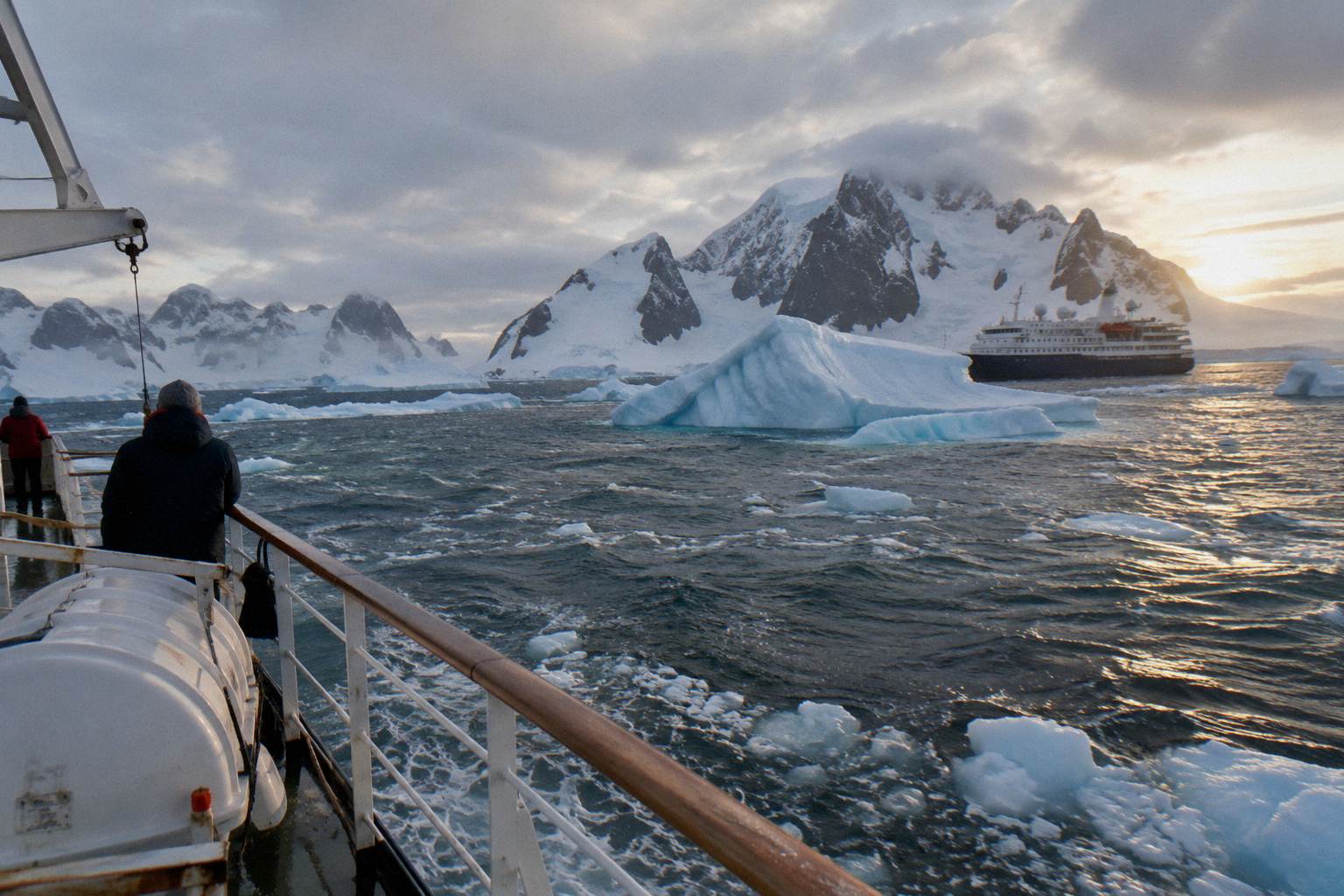 Antarctica Vs ArcticSeasons, wildlife, cost and length compared, plus Svalbard, Greenland and the North Pole.Read the guide
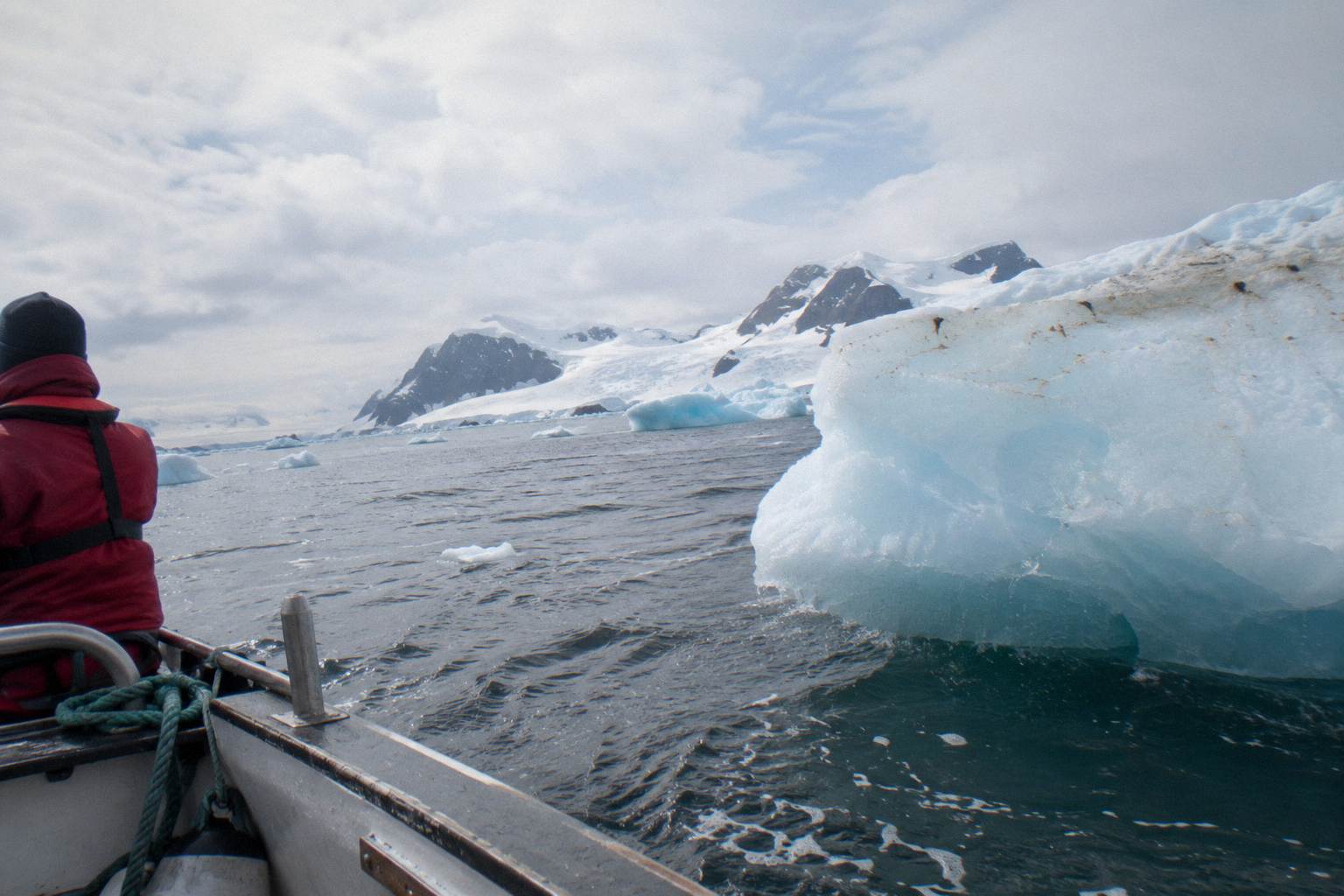 Antarctica Vs GalapagosSeasons, costs, ship rules and wildlife styles compared honestly for wildlife travellers torn between the two voyages.Read the guide
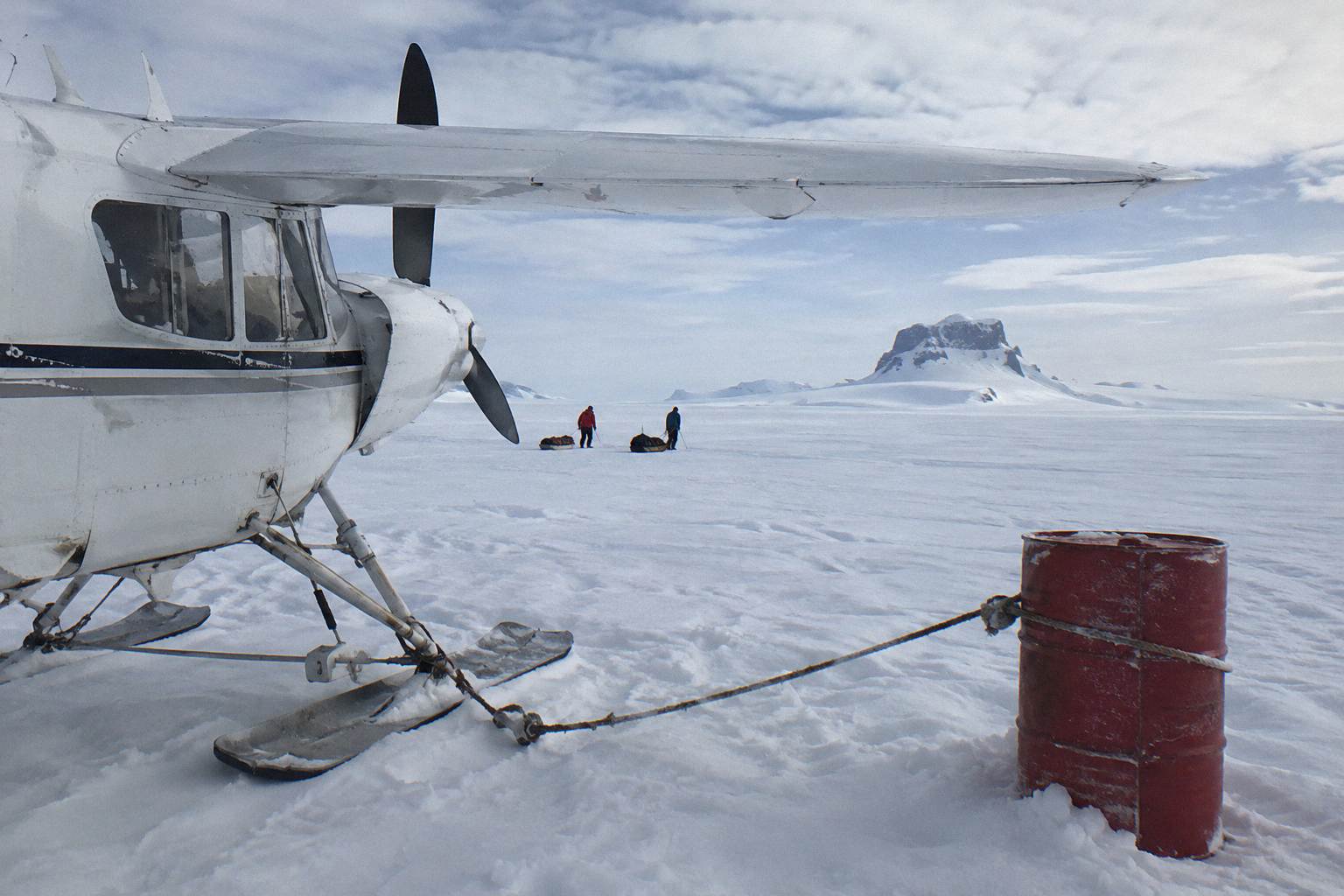 South Pole TripsHow tourists actually reach the South Pole: flights, ski expeditions, luxury camps, and what it all costs.Read the guide
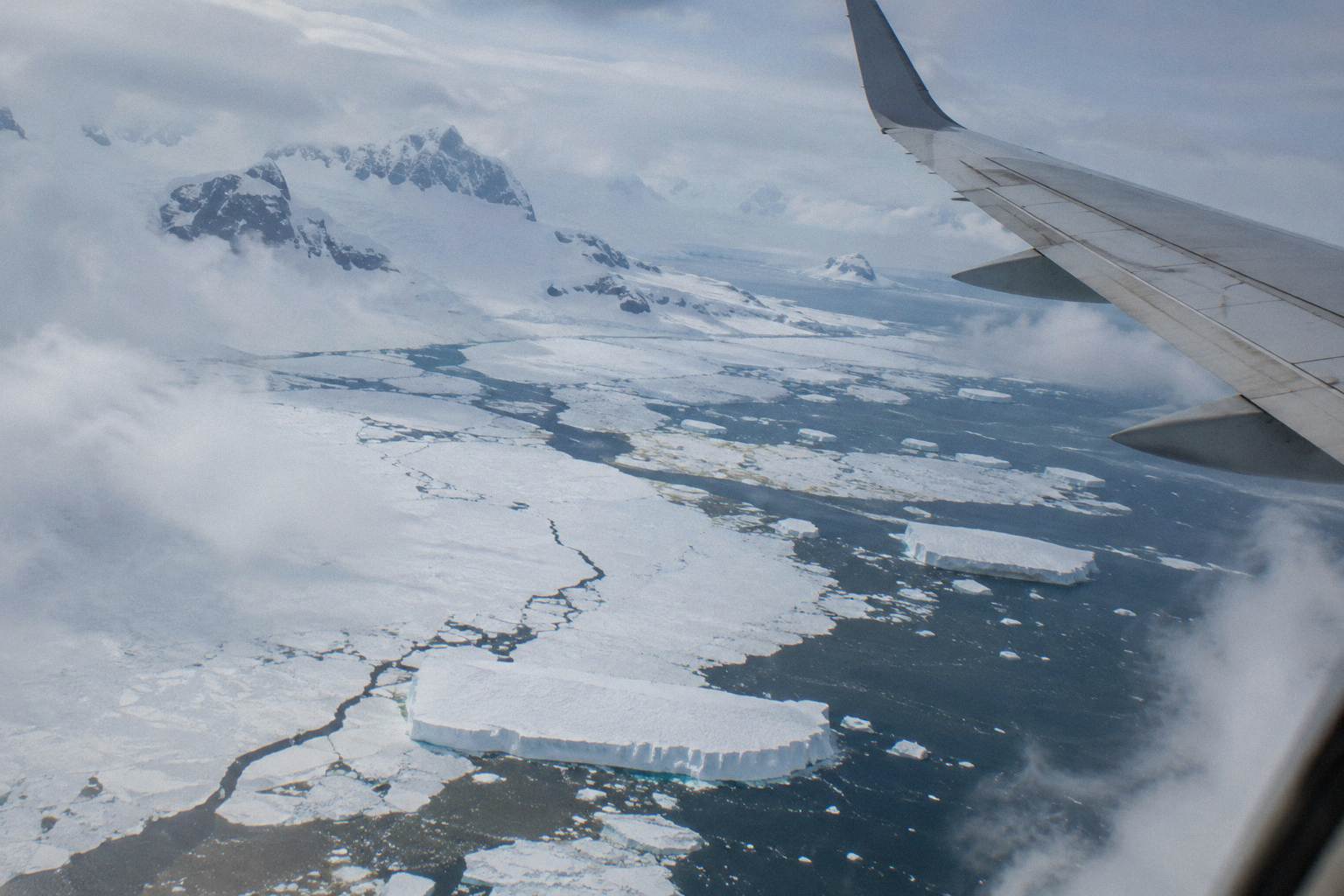 Sightseeing FlightsOverflights, day trips and fly-cruises that show you Antarctica without a full Drake Passage voyage.Read the guide