Antarctica From New Zealand And Australia: Ross Sea Voyages Or Fly To South America
 By Oleg G.
Australasian travellers have two genuinely different ways to reach Antarctica: long, rare Ross Sea voyages that depart from your own region, or a flight to South America and a classic Peninsula cruise.
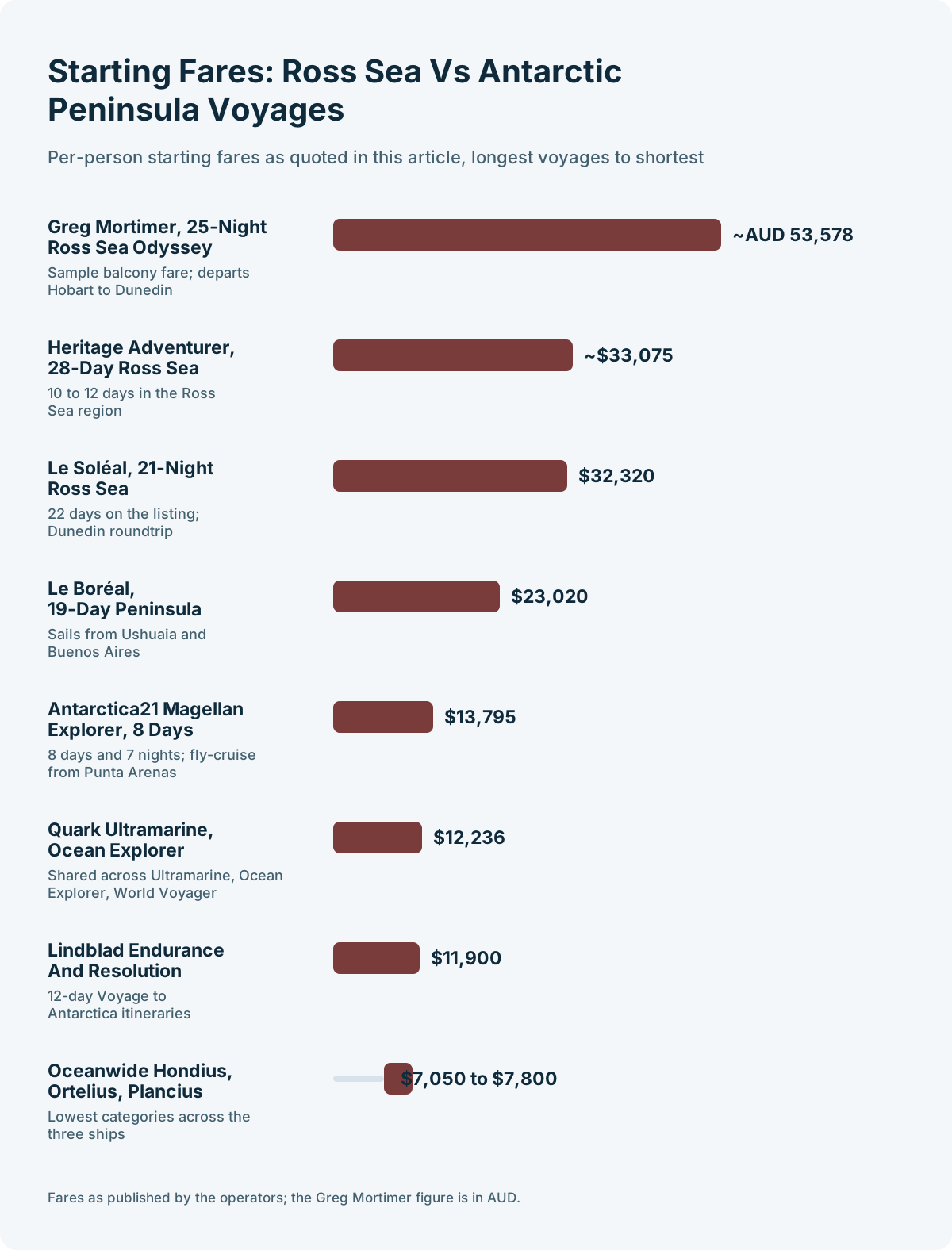
Quick answer: No cruise departs directly for the Antarctic Peninsula from Australia or New Zealand. The regional option is the Ross Sea: Heritage Expeditions sails 28-day voyages from New Zealand ports, recorded from $33,075, and Aurora and Ponant also operate from Hobart and Dunedin. Flying to Ushuaia opens Peninsula voyages from $7,050.
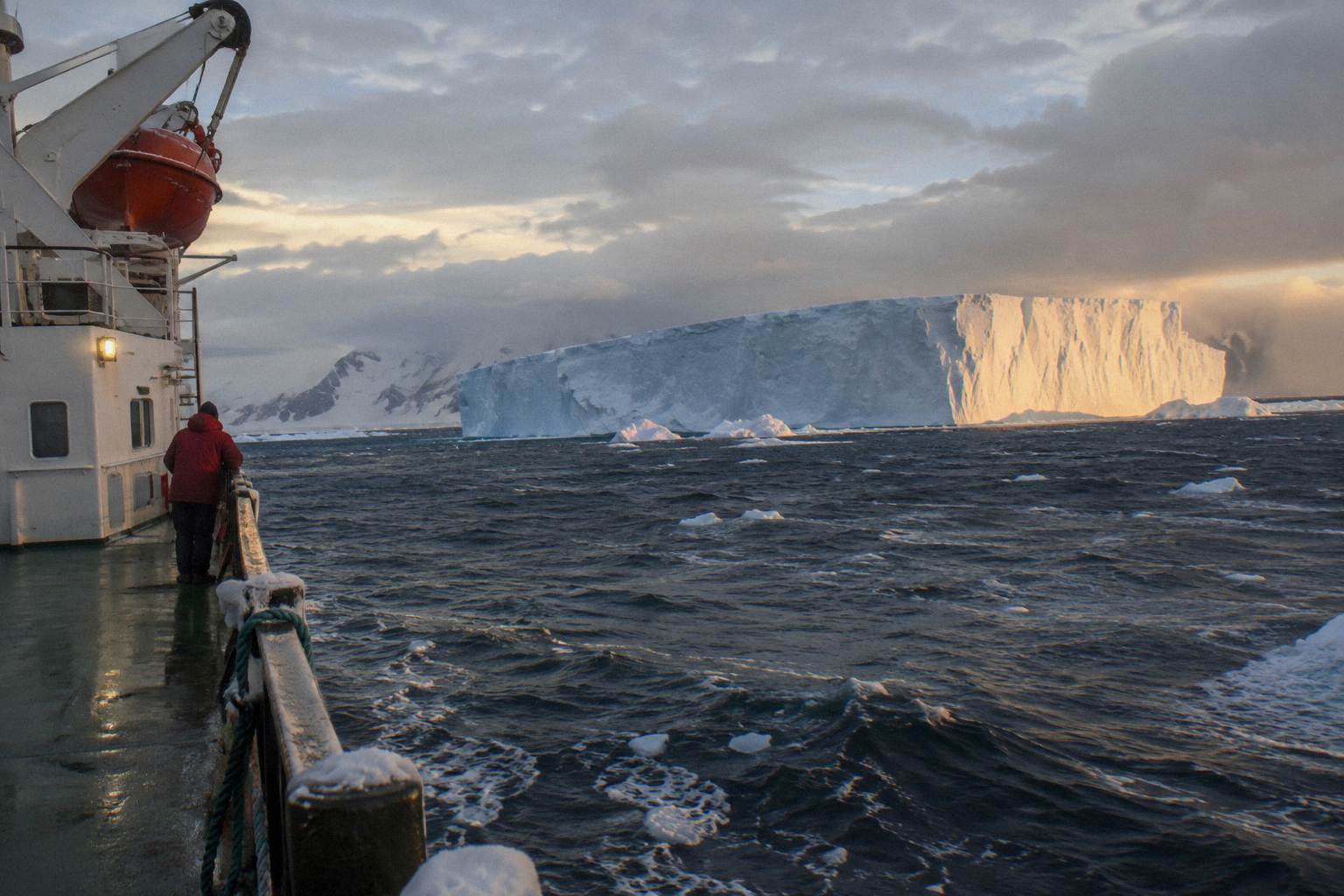
Most travellers who ask about an Antarctica cruise from Australia or New Zealand discover a hard geographic truth early: the Antarctic Peninsula, where almost all expedition cruising happens, lies on the opposite side of the continent from Australasia. Your own regional frontier is the Ross Sea, reached by a handful of long, expensive voyages each southern summer. The alternative is a flight to Buenos Aires or Punta Arenas and a classic Peninsula expedition from Ushuaia. Both are real options, they suit completely different travellers, and the purpose of this guide is to lay out exactly what each one costs in money, time and annual leave.
Can You Cruise To Antarctica Directly From New Zealand Or Australia?
Yes, but only to the Ross Sea and East Antarctica, on a handful of departures each season. Heritage Expeditions operates 28-day voyages from New Zealand ports on Heritage Adventurer, Aurora Expeditions runs a 25-night Ross Sea Odyssey departing Hobart on Greg Mortimer, and Ponant sails a 21-night Ross Sea itinerary roundtrip from Dunedin on Le Soléal. None of these voyages reach the Antarctic Peninsula, which lies on the far side of the continent.
The geography explains the scarcity. The Ross Sea sits on the Pacific side of Antarctica, and the voyages that reach it are among the longest and most expensive expeditions in Antarctic tourism. Heritage Expeditions publishes 28-day "In the Wake of Scott & Shackleton" itineraries departing from New Zealand ports, with 10 to 12 days actually spent in the Ross Sea region. Aurora Expeditions' 25-night Ross Sea Odyssey departs Hobart on 14 December 2026, returning to Dunedin, and includes Macquarie Island and the Ross Sea. Ponant's Le Soléal operates the 21-night "Scott & Shackleton's Antarctic - Ross Sea Expedition" roundtrip from Dunedin.
These voyages are rare by design. The routes cross the Southern Ocean and the sub-Antarctic islands, and the Ross Sea season compresses into January and February, when the ice retreats far enough for access. The reward is a version of Antarctica most Peninsula travellers never see: the Ross Ice Shelf, the historic huts of Scott and Shackleton at Cape Evans and Cape Royds, and emperor penguin colonies associated with the region's sea ice.
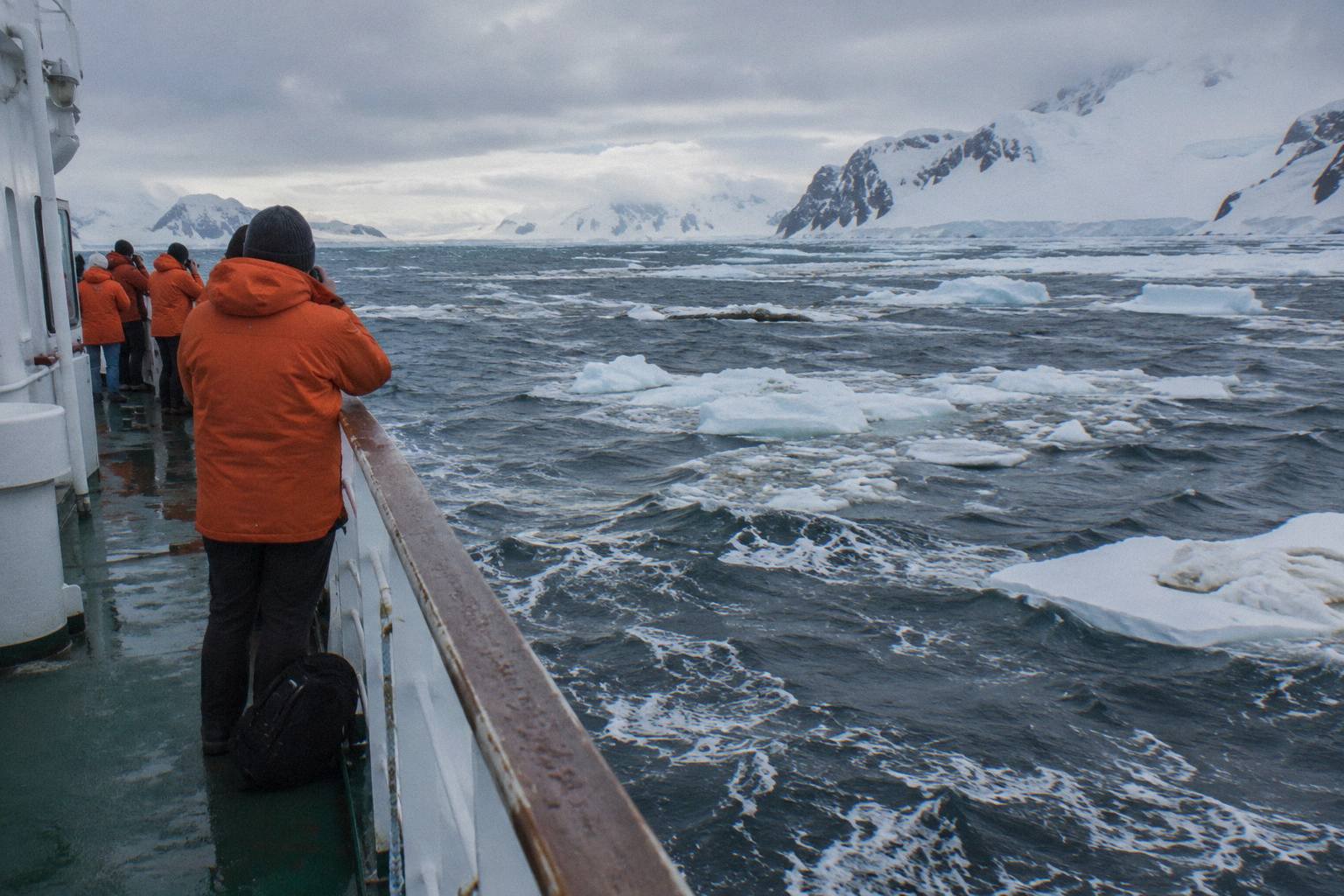
The IAATO framework governs these voyages exactly as it does Peninsula cruises: vessels carrying more than 500 passengers cannot make landings, no more than 100 passengers may be ashore at a time, and the guide-to-visitor ratio is at least 1:20. The International Association of Antarctica Tour Operators publishes the vessel categories and membership that define what a compliant landing operation looks like.
If the Ross Sea timing or price does not fit your plans, the realistic alternative is flying. Our guide to the classic Peninsula routes covers what waits at the other end of that flight, and the rest of this article weighs the two doors against each other honestly.
What Does A Ross Sea Voyage From New Zealand Or Australia Look Like?
A Ross Sea voyage is a 21-to-34-night commitment that spends ten to twelve days in Antarctic waters, visits sub-Antarctic islands along the way, and starts around $33,075 per person on Heritage Expeditions' 28-day itinerary. The balance is sea crossing and island time, and that is the point: on these routes the journey is the itinerary, and the ship is your home for a full month.
Heritage Expeditions is the region's anchor operator. Its ship Heritage Adventurer carries 140 passengers, was built in 1991, holds 1A Super ice class, operates with 14 Zodiacs, and lists Ross Sea exploration and historic hut visits as signature features. No cabin-level fare is published for the ship, so a specific cabin price needs a consultation, but Heritage lists the 28-day voyages from approximately $33,075 per person. Aurora's Greg Mortimer and Ponant's Le Soléal provide the main alternatives, with lengths running 21 to 34 nights and one Australian-departure sample priced from roughly AUD 53,578 for a balcony cabin.
The day-to-day rhythm differs from a Peninsula cruise in character, not just length. Where a Peninsula voyage typically offers one or two landings on most days, a Ross Sea voyage offers fewer landings, more sea days, and more history: the anchors are the conservation huts of the heroic age, the Ross Ice Shelf, and emperor penguin opportunities that the Peninsula cannot match. Macquarie Island, with its royal penguin colonies, is a regular waypoint on the Australian departures. You are buying an expedition in the older sense of the word, and the pace reflects that.
Packing and expectations matter here too. January and February bring the most reliable access, but ice and weather still force changes, and a flexible temperament is part of the ticket price. The voyages also carry a stronger historical dimension than most Antarctic sailings, with Scott's and Shackleton's huts among the highlights.
If you are weighing this against a Peninsula itinerary, the honest comparison is between a rare, long, history-focused expedition and a shorter, wildlife-dense, cheaper one. That choice, between roughly 28 days and a five-figure fare on one side and about 11 days from $7,800 on the other, is the single biggest decision in this article, and it is worth talking it through with a specialist before committing either way.
Which Ships Operate Ross Sea And East Antarctica Voyages?
Three operators carry most of the published schedule: Heritage Expeditions on Heritage Adventurer from New Zealand, Ponant on Le Soléal from Dunedin, and Aurora Expeditions on Greg Mortimer from Hobart, with Scenic Eclipse also listed for East Antarctica and Ross Sea voyages from New Zealand or Hobart ports in some seasons. The fleet is small because the route is demanding, and berths are correspondingly scarce.
| Ship | Operator | Voyage | Departure Ports | Fare |
|---|---|---|---|---|
| Heritage Adventurer | Heritage Expeditions | 28 days, 10-12 in the Ross Sea region | Bluff/Queenstown or Dunedin/Invercargill | from ~$33,075 |
| Greg Mortimer | Aurora Expeditions | 25-night Ross Sea Odyssey | Hobart to Dunedin | sample from ~AUD 53,578 (balcony) |
| Le Soléal | Ponant | 21-night Scott & Shackleton voyage, 22 days on the listing | Dunedin roundtrip | from $32,320 |
| Scenic Eclipse | Scenic | East Antarctica/Ross Sea, varies by season | New Zealand or Hobart ports | Not stated |
A note on the Scenic position: the operator's marketing lists Ross Sea and East Antarctica destinations among its offerings, but 2026-27 specifics are only partially confirmed, so treat that option as indicative until you verify current schedules. Ponant's Le Soléal listing shows Ross Sea and New Zealand sub-Antarctic voyages as its Antarctic programme. Heritage Expeditions remains the operator with the deepest regional specialisation, and its New Zealand departures make it the natural first call for Kiwi travellers.
For a sense of how these regional ships stack against vessels you might fly to board, the trio below contrasts Heritage Adventurer with two Peninsula-based expedition ships from our roster.
| Ship | Class | Passengers | Ice class | From, per person | Voyage length | Departs from |
|---|---|---|---|---|---|---|
| Heritage AdventurerHeritage Expeditions | Upscale Expedition | 140 | 1A Super | – | 28 days | Queenstown/Invercargill New Zealand |
| Le BoréalPonant | Luxury | 264 | – | from $23,020 | 19 days | Ushuaia, Buenos Aires |
| HondiusOceanwide Expeditions | Small-Ship Budget | 170 | Polar Class 6 | from $7,800 | 11 to 19 days | Ushuaia |
Heritage Adventurer's 1A Super ice class and 14-Zodiac configuration are built for exactly this work. Le Boréal, Ponant's luxury vessel, sails 19-day itineraries from Ushuaia and Buenos Aires from $23,020 per person, while Oceanwide's Hondius, a Polar Class 6 ship carrying 170 passengers in 80 cabins, anchors the budget end of Peninsula cruising from $7,800. The contrast is stark: the Australasian ship exists for the Ross Sea; the other two exist for the Peninsula and the Drake Passage, with all the wildlife density that implies.
Flying To South America: The Peninsula Alternative
Flying to South America multiplies your options: most Antarctic Peninsula expedition voyages on our roster depart from Ushuaia, at the southern tip of Argentina, with fares from about $7,050 and voyage lengths of eight to fourteen days. For most Australasian travellers this is the practical route to a first Antarctic experience, because it trades long-haul flights for frequency, choice and price.
The flight routing is the price you pay. From Australasia you fly to Buenos Aires, then connect onward to Ushuaia, typically on a domestic flight from the Aeroparque city airport. Published schedules show a flying time of roughly 3 hours 40 minutes between Buenos Aires and Ushuaia, with Aerolineas Argentinas operating multiple daily frequencies and JetSMART serving the route several times a week. Operators that bundle charter flights between Buenos Aires and Ushuaia into their packages include Viking, HX, Atlas Ocean Voyages, Seabourn, Ponant and Scenic, which simplifies the connection considerably.
Once in Ushuaia the full Peninsula market opens up. Oceanwide Expeditions' Hondius, Ortelius and Plancius sail voyages from $7,050 to $7,800 per person in the lowest categories. Quark's Ultramarine, Ocean Explorer and World Voyager sail from $12,236, a voyage-level fare shared across the three ships. Lindblad's National Geographic Endurance and Resolution sail 12-day Voyage to Antarctica itineraries from $11,900. The Antarctic Treaty Secretariat's tourism overview notes that roughly 98 percent of Antarctic tourism voyages occur in the Peninsula region during the austral summer, which is precisely why the infrastructure and the fares concentrate there.
There is also a second South American door. Punta Arenas in Chile is the gateway for fly-cruise programmes: Antarctica21 operates air-cruises from there on Magellan Explorer and the new Magellan Discoverer, flying guests to King George Island in about two hours and eliminating the Drake Passage entirely. The roster records Magellan Explorer's Classic Antarctica air-cruise, 8 days and 7 nights, from $13,795 per person. For an Australasian traveller already facing long flights, pairing them with a charter hop instead of a two-day crossing is an attractive shape of trip.
The trade-off is honest: you spend long days in transit each way, you cross the Drake Passage by ship unless you pay for the fly-cruise alternative, and you see the Peninsula rather than the historic Ross Sea. But you see it for a fraction of the cost and a fraction of the holiday leave. Our Drake Passage crossing guide covers what that crossing involves in detail.
How Do The Two Routes Compare On Cost And Time?
A Ross Sea voyage costs from $33,075 and runs 21 to 34 nights; a Peninsula voyage costs from $7,050 on the roster's budget ships and runs roughly ten to nineteen days, before international flights in either direction. The two routes sit in different brackets of both money and annual leave, and no amount of shopping around closes the gap, because the difference is the route itself.
| Factor | Ross Sea from NZ/Australia | Peninsula from South America |
|---|---|---|
| Voyage length | 21-34 days | 10-19 days |
| Fare range (from) | ~$33,075 (Heritage 28-day) | from $7,050 (Plancius) |
| Departures per season | A handful | The overwhelming majority of Antarctic voyages |
| Landings | Fewer, ice and weather dependent | 1-2 on most days |
| Signature sights | Historic huts, Ross Ice Shelf, emperor penguins | Penguin colonies, Lemaire Channel, whale feeding grounds |
| Leave required | 4-5 weeks | 2-3 weeks |
| Best for | History and wilderness devotees | First-timers, wildlife, budget |
A third table helps place the three realistic doors side by side. Direct Ross Sea departures, the classic Ushuaia sailing and the Punta Arenas fly-cruise each deliver a different amount of Antarctica for the leave you spend.
| Door | Gateway and routing | Total voyage length | Days in Antarctic waters | Fare from |
|---|---|---|---|---|
| Ross Sea direct | Depart Bluff, Dunedin, Invercargill or Hobart | 21-34 days | 10-12 | ~$33,075 (Heritage Adventurer, 28 days) |
| Peninsula by ship | Fly to Buenos Aires, connect to Ushuaia, sail the Drake | 10-13 days | 4-6 | $7,050 (Plancius) |
| Peninsula fly-cruise | Fly to Punta Arenas, charter flight to King George Island | 8 days (Magellan Explorer Classic Antarctica) | 4-6 | $13,795 (Magellan Explorer) |
Read that middle column carefully. The Peninsula voyage from South America spends 4 to 6 days in Antarctic waters on a classic itinerary; the Ross Sea voyage spends 10 to 12. In total, the regional option delivers more Antarctic days, at the cost of far more sea days to reach them. Neither is objectively better; they are different products.
Which Traveller Should Choose Which Route?
Choose the Ross Sea if the historic huts, the Ross Ice Shelf and a genuine month-long expedition narrative matter more to you than daily landings or budget; choose the Peninsula if you want the fullest choice of ships and dates, a shorter trip, or the lowest fares on the roster. The routes suit different temperaments, and honest self-assessment matters more here than any ship specification.
The Ross Sea traveller has patience, leave and budget. They accept that Southern Ocean conditions can be rough, that itinerary flexibility is the norm rather than the exception, and that a single departure may be the season's only chance if weather intervenes. What they get in return is Antarctica as the heroic-age explorers knew it: the huts of Scott and Shackleton, the vast Ross Ice Shelf, and the sense of a continent rather than a cruise destination. The sub-Antarctic island stops, from Macquarie to the Auckland and Campbell islands, add a second layer of wildlife.
The Peninsula traveller optimises for certainty and value. With the overwhelming majority of departures across dozens of ships, they can match a vessel to their budget and travel style, and roughly 98 percent of Antarctic tourism voyages happen in the Peninsula region. The Ross Sea traveller can sail from home; the Peninsula traveller pays for long-haul flights but far less for the voyage itself.
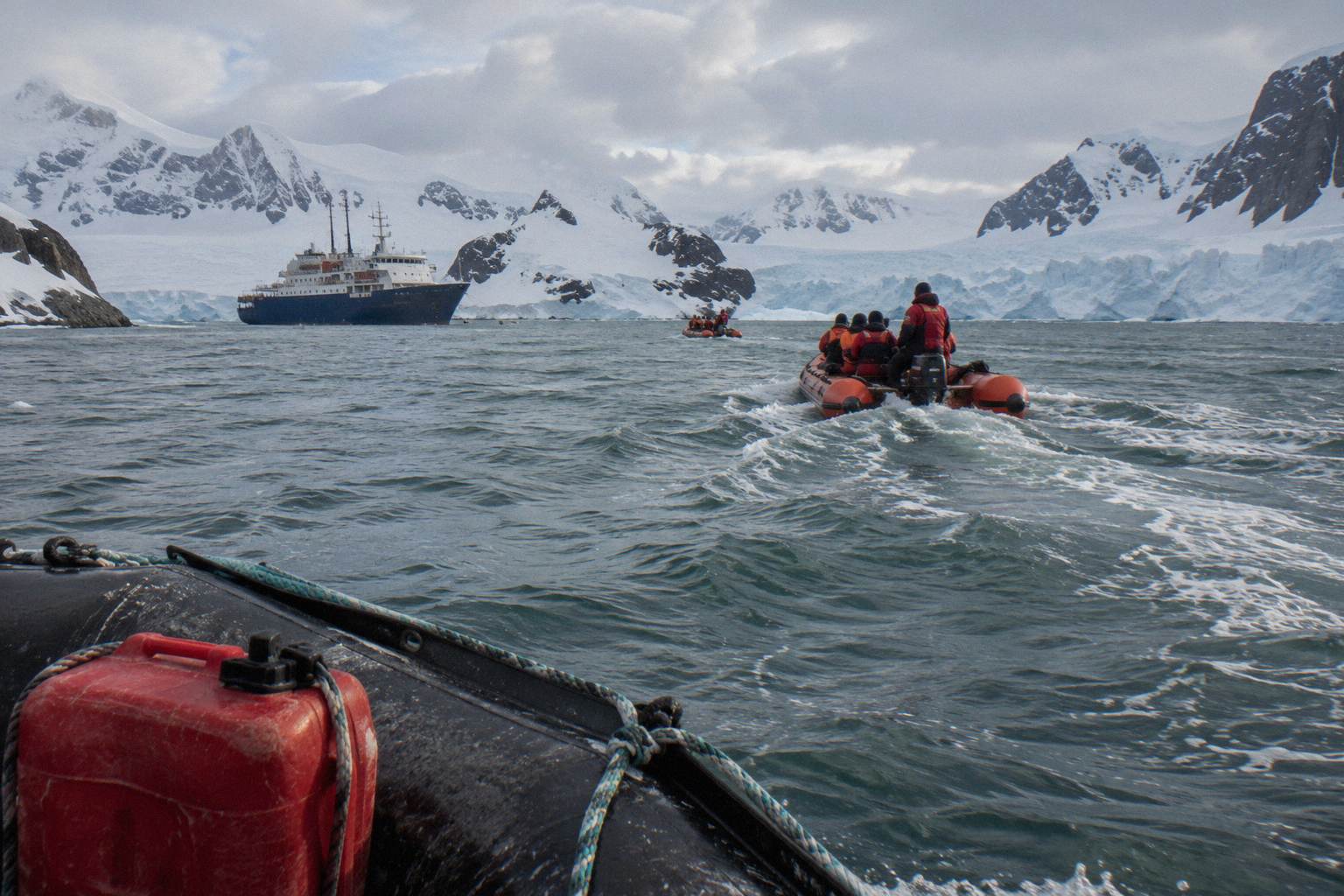
A middle path exists for some Australasians: East Antarctica and sub-Antarctic island voyages, which our East Antarctica and sub-Antarctic islands guide covers in detail. These sailings reach Macquarie Island and the Commonwealth Bay region and sometimes depart from Australian or New Zealand ports, giving a taste of the deep south without the full Ross Sea commitment.
What About East Antarctica And The Sub-Antarctic Islands?
East Antarctica voyages from Australia and New Zealand add Macquarie Island, the Auckland and Campbell islands, and Commonwealth Bay to the map, typically as part of the same long Ross Sea or dedicated sub-Antarctic itineraries operated by Aurora, Scenic, Ponant and Heritage. They are rare, a few departures per season at most, and priced in the same bracket as the Ross Sea voyages they share ships with.
Macquarie Island is the headline for Australian departures. Aurora's Ross Sea Odyssey from Hobart includes it, and the island is known for its royal penguins. Published itineraries also list Mawson's Huts at Commonwealth Bay and the Auckland and Campbell islands among the waypoints of these longer voyages, along with the emperor colonies of the Ross Sea itself. For a birder, the sub-Antarctic leg alone can justify the fare.
The seasonal window matters more here than anywhere else in Antarctica. January and February are the main months for the Ross Sea routes, according to operator schedules, and the weekly Antarctic synopses published by the US National Ice Center track the sea ice those voyages depend on. Access to the far south is never promised. Book these voyages for their whole shape, not for a specific landing.
Frequency is the other constraint. Operators run Ross Sea and East Antarctica itineraries far less often than Peninsula routes, with only a few departures per season. If your heart is set on a specific ship, a specific hut or a specific month, the calendar may make the decision for you before any budget discussion begins.
How Should You Book Either Route From Australasia?
Book a Ross Sea voyage as early as you can, because the departures are few and the berths fewer; for Peninsula voyages, book twelve to eighteen months ahead for peak December and January dates if you want the pick of ships and cabins, and look at shoulder months if price is the priority. The booking mechanics differ sharply between the two routes.
Ross Sea berths are scarce by any measure. A single operator may run only a few departures a season on a 140-passenger ship, so the choice of ship and cabin largely decides itself: take what is available for your year, or wait for the next one. When a berth opens on a Heritage departure, the decision window is short, and travellers who arrive with dates, insurance and budget already sorted move fastest.
Peninsula bookings reward comparison shopping across the roster, and that is where a free consultation on routes and ships earns its keep: matching your dates, budget and motion tolerance to the right vessel is a research job in itself. This is the service Cruises In Antarctica exists to support, at no cost and with no obligation, before you commit to either side of the continent.
Deposits and payment terms differ by operator and are worth checking before you commit: published Quark terms call for a 25 percent deposit with final payment well before departure, and Oceanwide taking a 20 percent deposit with the balance due 60 days out. Insurance with medical evacuation coverage is required by major operators, with minimums that vary by line, and the long Southern Ocean legs of a Ross Sea voyage make that cover more than a formality.
Common Questions About Antarctica From New Zealand And Australia
Can you cruise to Antarctica from Australia?
Only to the Ross Sea and East Antarctica, on rare long voyages. Aurora Expeditions runs a 25-night Ross Sea Odyssey from Hobart, and Scenic lists East Antarctica itineraries from New Zealand or Hobart ports. The Antarctic Peninsula is not reached from Australian ports.
Can you cruise to Antarctica from New Zealand?
Yes. Heritage Expeditions sails 28-day Ross Sea voyages from New Zealand ports such as Bluff/Queenstown or Dunedin/Invercargill on Heritage Adventurer, and Ponant operates a 21-night Ross Sea roundtrip from Dunedin on Le Soléal, recorded from $32,320. Departures are few, mostly in January and February.
How much does a Ross Sea cruise cost?
Heritage Expeditions lists its 28-day voyage from approximately $33,075 per person, and Aurora's Australian-departure sample from roughly AUD 53,578 for a balcony. A berth-level fare for a specific departure needs a consultation.
Is it cheaper to fly to South America for a Peninsula cruise?
Almost always. Peninsula voyages start from $7,050 to $7,800 on Oceanwide's budget ships, against roughly $33,075 for the direct Ross Sea route. Add long-haul flights to South America to the Peninsula figure.
What is the difference between the Ross Sea and the Antarctic Peninsula?
The Ross Sea offers historic explorer huts, the Ross Ice Shelf and emperor penguin opportunities on long voyages with few departures. The Peninsula offers dense wildlife, one or two landings on most days, the overwhelming majority of departures, and a fraction of the fare.
How long is the cruise from New Zealand to Antarctica?
Heritage Expeditions' full voyage runs 28 days, of which 10 to 12 days are spent in the Ross Sea region, with the balance on sub-Antarctic islands and at sea. Ponant's version runs 21 nights roundtrip from Dunedin.
More Routes And Landings
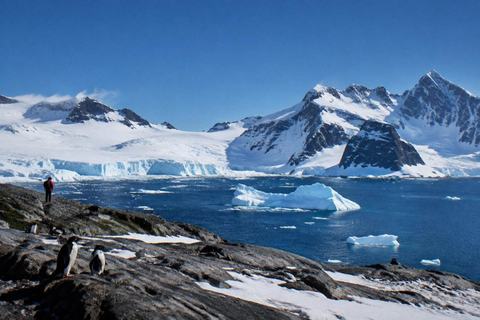 Peninsula CruisesThe classic Peninsula route explained: lengths, fares, landing sites and timing.Read the guide
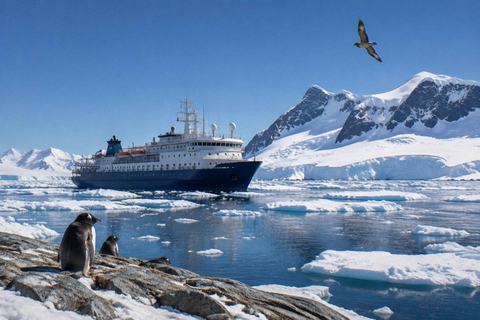 Antarctic CircleLonger, costlier voyages that push past 66 degrees south, and what the extra days buy.Read the guide
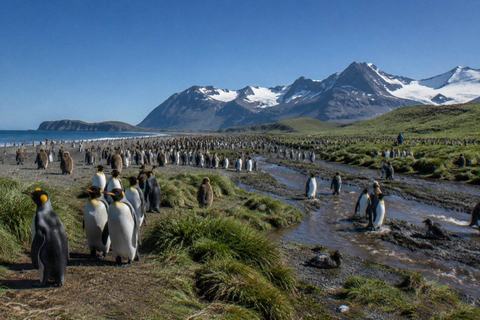 South Georgia CruisesThe 18-to-22-day Falklands, South Georgia and Peninsula itinerary, the premium wildlife cruise.Read the guide
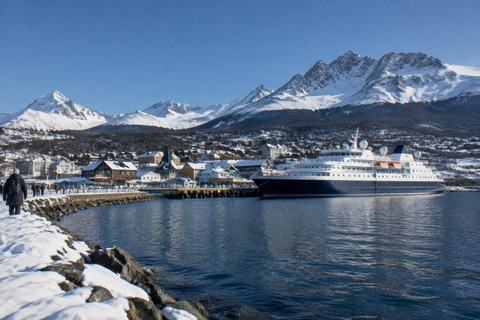 Cruises From UshuaiaShips, routes, fares and arrival logistics for the world's main Antarctica departure port.Read the guide