East Antarctica And The Sub-Antarctic Islands: Rare Voyages Explained
 By Oleg G.
Beyond the Antarctic Peninsula lies a far larger, far emptier coastline: East Antarctica, the sub-Antarctic islands south of New Zealand and Australia, and the Ross Sea. Only a handful of voyages run there each season, they take three weeks or more, and they cost from roughly $32,000 per person. Here is what is actually on offer.
Quick answer: East Antarctica voyages sail from New Zealand or Hobart for 21 to 34 nights, visiting Macquarie, Auckland and Campbell islands, Commonwealth Bay and the Ross Sea. Operators include Heritage Expeditions, Ponant, Aurora Expeditions and Scenic. Sample fares start around $32,000 to $33,075 per person, with departures concentrated in January and February.
What Is An East Antarctica Cruise?
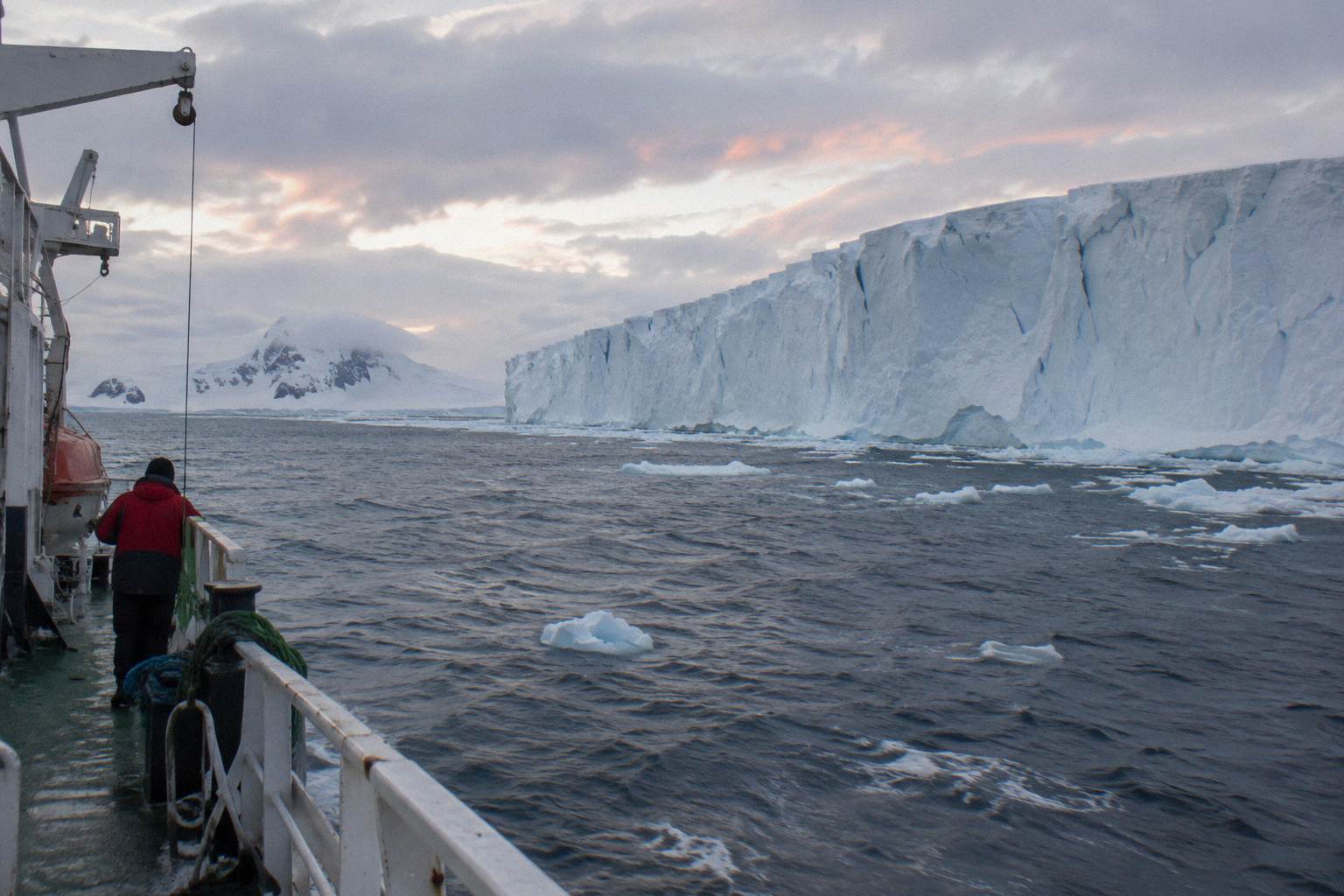
An East Antarctica cruise is a 21- to 34-night expedition that departs from New Zealand or Australia and works the far side of the continent: the sub-Antarctic islands, Commonwealth Bay, and the Ross Sea. Only a handful of departures run each season, concentrated in January and February, and sample fares start around $32,000 to $33,075 per person. Departures are rare.
Roughly 98 percent of Antarctic tourism voyages, by the Antarctic Treaty Secretariat's own summary, happen on the Peninsula side of the continent during the austral summer. The classic Antarctic Peninsula cruise runs 10 to 13 days from Ushuaia. East Antarctica inverts every one of those numbers. Instead of a two-day Drake Passage crossing you spend many consecutive days in the Southern Ocean, and instead of a choice among dozens of ships you choose among a few departures on a few vessels.
The rewards are correspondingly rare. These itineraries reach places a Peninsula voyage never touches: Macquarie Island with its royal penguin colonies, the Auckland and Campbell island groups, the historic huts of the Ross Sea era, and, on rare itineraries, Commonwealth Bay with Mawson's Huts. With emperor colonies and the Ross Ice Shelf on the Ross Sea highlights list, the wildlife and history on offer are different in kind, not just in scenery.
It helps to think of these voyages as three overlapping products. A Ross Sea itinerary focuses on the southern Ross Sea and its historic sites. An East Antarctica and sub-Antarctic islands itinerary, such as Aurora Expeditions' 26-day Ross Sea Odyssey departing Hobart on 14 December 2026 aboard Greg Mortimer, threads Macquarie Island and the Ross Sea into a voyage from Hobart to Dunedin. And the longest versions, up to 34 nights, combine everything. The Antarctica cruise routes explained guide covers where each route sits relative to the Peninsula; this page covers the deep-south option in full.
If the scale of that commitment is what you are weighing, a free consultation on these voyages costs nothing and can quickly tell you whether any of the few annual departures matches your calendar.
Which Sub-Antarctic Islands Do These Voyages Visit?
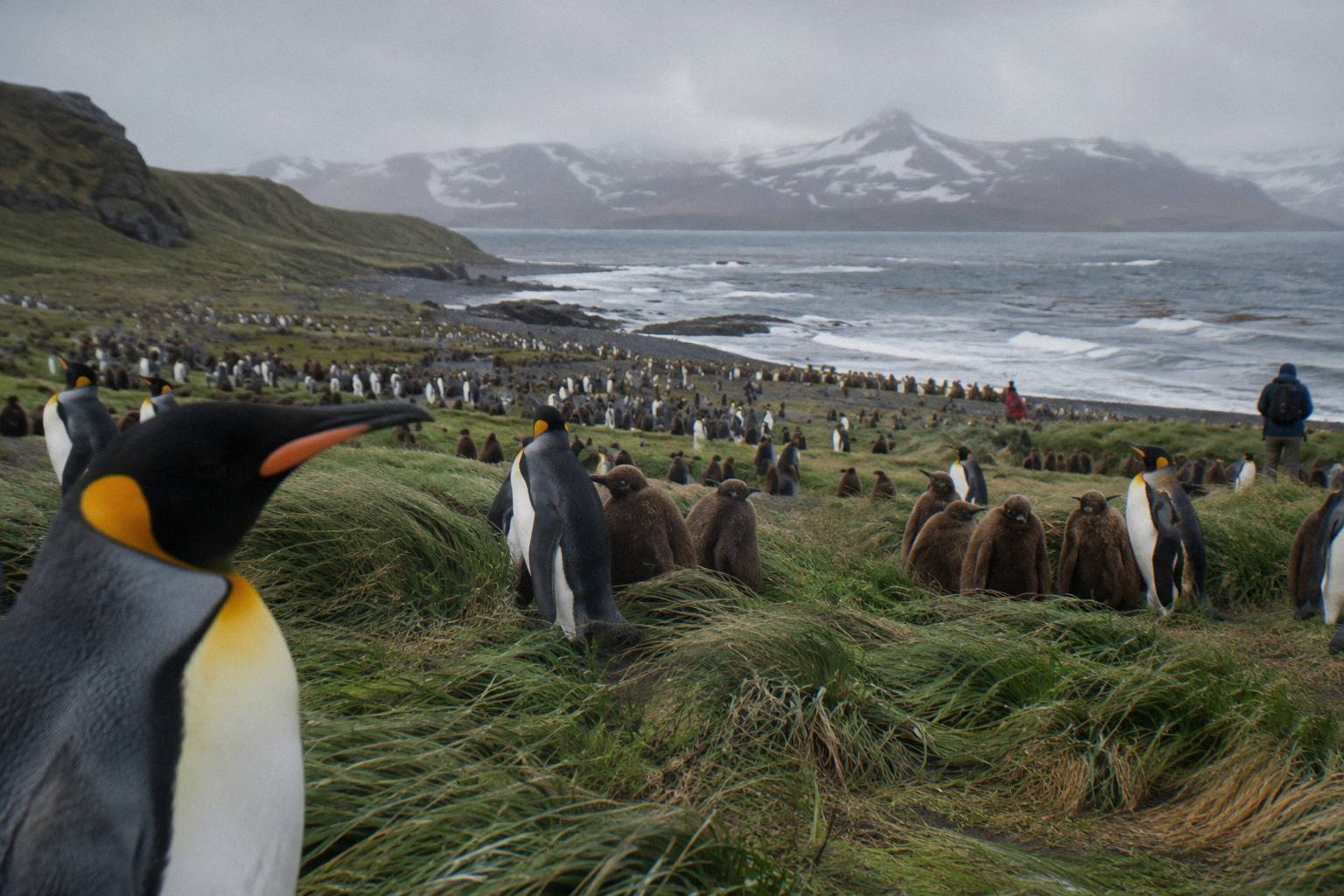
The island stops on East Antarctica itineraries are Macquarie Island, the Auckland Islands and Campbell Island, all south of New Zealand and Australia. Macquarie Island is the wildlife headline, home to royal penguin colonies, while the Auckland and Campbell island groups also appear on Ross Sea or dedicated longer voyages. Not every departure visits all three.
Macquarie Island is known for royal penguins, and Aurora Expeditions' Ross Sea Odyssey from Hobart includes it. Landings depend on weather and swell like everywhere else in the far south.
The New Zealand sub-Antarctic islands, the Auckland group and Campbell Island, sit south of the mainland and are reached on voyages departing from Bluff, Queenstown, Dunedin or Invercargill. The operator materials for these routes describe the islands as included in Ross Sea or dedicated longer voyages rather than as a standalone cruise product. Because only a few ships call each season, the landing experience is quiet in a way the Peninsula's busiest sites are not.
How these islands fit into an itinerary matters more than their names. Reaching them adds sea days to voyages that already run 21 to 34 nights. The table below shows what each island group contributes to a voyage.
| Island group | Administered by | What you see there | Typical role in the itinerary |
|---|---|---|---|
| Macquarie Island | Not stated | Royal penguins | Stop on Aurora's Hobart departure |
| Auckland Islands | Not stated | Not stated | Ross Sea or dedicated longer voyages |
| Campbell Island | Not stated | Not stated | Ross Sea or dedicated longer voyages |
If penguin colonies are the reason you are considering the far south, note that the royal penguins of Macquarie and the emperor penguins of the Ross Sea side are different experiences from the Peninsula's gentoo and chinstrap colonies covered in the Antarctica wildlife cruise guide.
Commonwealth Bay And The Mawson Huts
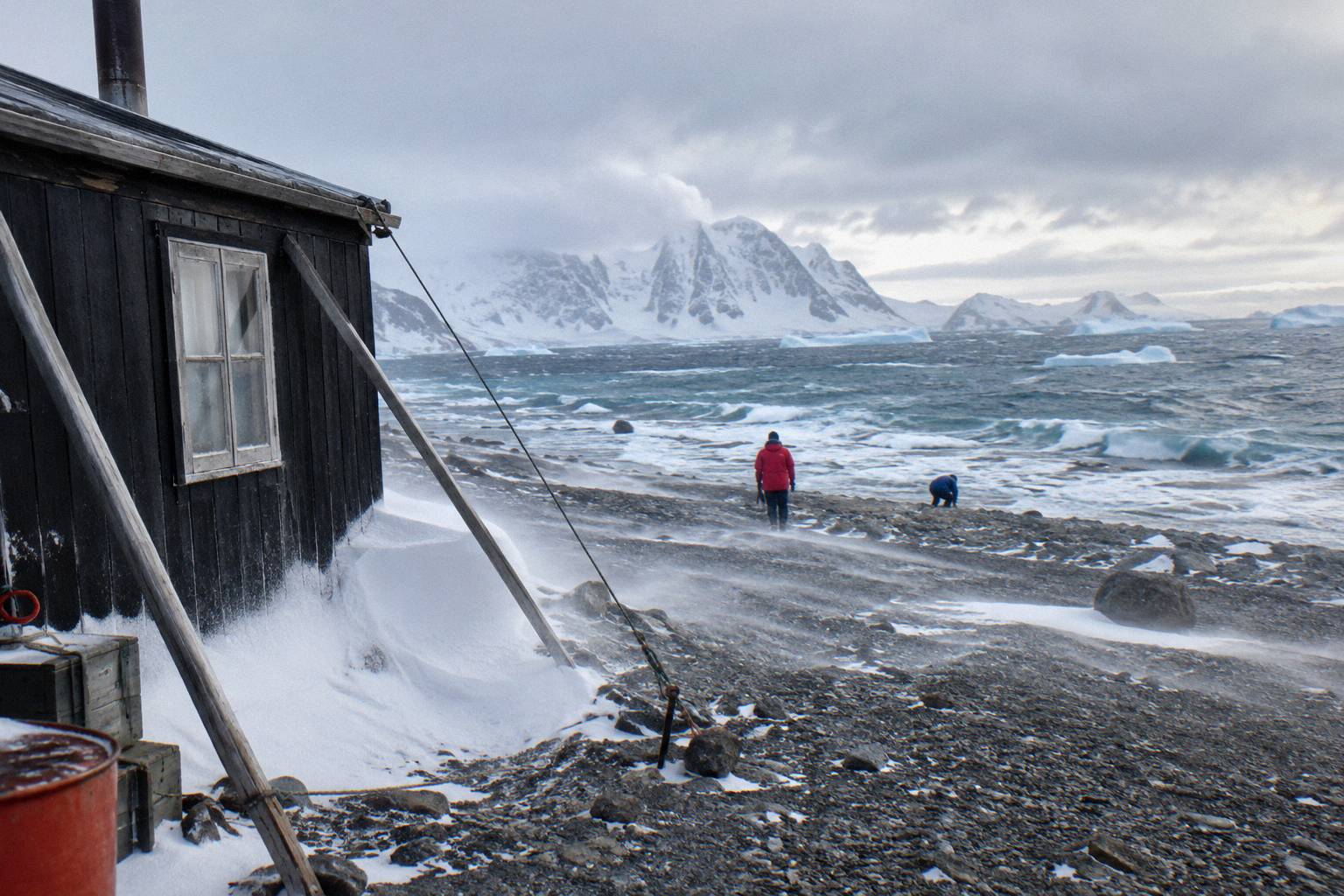
Commonwealth Bay holds Mawson's Huts, the signature East Antarctic site that no Peninsula voyage offers. Operators describe it as rare and part of extended Ross Sea or specialised itineraries, not a standard call.
Mawson's huts at Commonwealth Bay are the historic centrepiece of these itineraries. The operator materials for these routes list "Mawson's Huts at Commonwealth Bay" alongside Macquarie and the New Zealand islands as the defining inclusions of East Antarctica and sub-Antarctic voyages.
The catch is that operators describe Commonwealth Bay as rare and part of extended itineraries, so a voyage can deliver everything else on its list and still not include the bay. That is the honest trade-off of the route: the sites are extraordinary, and the schedule is a plan rather than a promise. The same is true of the Ross Sea's historic huts, and the expedition team's daily flexibility matters.
For travellers weighing history as the main reason to go, the choice is between this coast and the Ross Sea's Scott and Shackleton sites, covered in the Ross Sea cruise guide. Some long itineraries combine both regions, at the cost of more sea days.
Who Sails East Antarctica, And How Often?
The operators running East Antarctica and Ross Sea voyages are Heritage Expeditions, Ponant, Aurora Expeditions and Scenic, with departures from Bluff, Queenstown, Dunedin or Invercargill in New Zealand and Hobart in Australia. Frequency is low: a handful of departures per season in total, concentrated in January and February, versus hundreds of voyages to the Peninsula.
Heritage Expeditions is the specialist of the group. Its ship Heritage Adventurer, a 1991-built vessel with an ice class of 1A Super and capacity for 140 guests, runs the 28-day "In the Wake of Scott and Shackleton" itinerary with January and February 2027 departures, spending 10 to 12 days in the Ross Sea region. The ship carries 14 Zodiacs and lists historic hut visits among its core features, and it sails from the New Zealand ports of Queenstown and Invercargill. Heritage lists the 28-day voyage from about $33,075 per person. Other pages covering the same trip are gathered on Cruises In Antarctica.
Ponant positions Le Soléal on Ross Sea voyages roundtrip from Dunedin, including the 21-night "Scott and Shackleton's Antarctic, Ross Sea Expedition" departing 25 January 2027, listed from $32,320 per person. Aurora Expeditions runs the 26-day Ross Sea Odyssey from Hobart on Greg Mortimer, departing 14 December 2026 and returning to Dunedin, and Scenic offers East Antarctica and Ross Sea voyages from New Zealand or Hobart ports. Between them, that is the market: four operators, a few sailings, one short window.
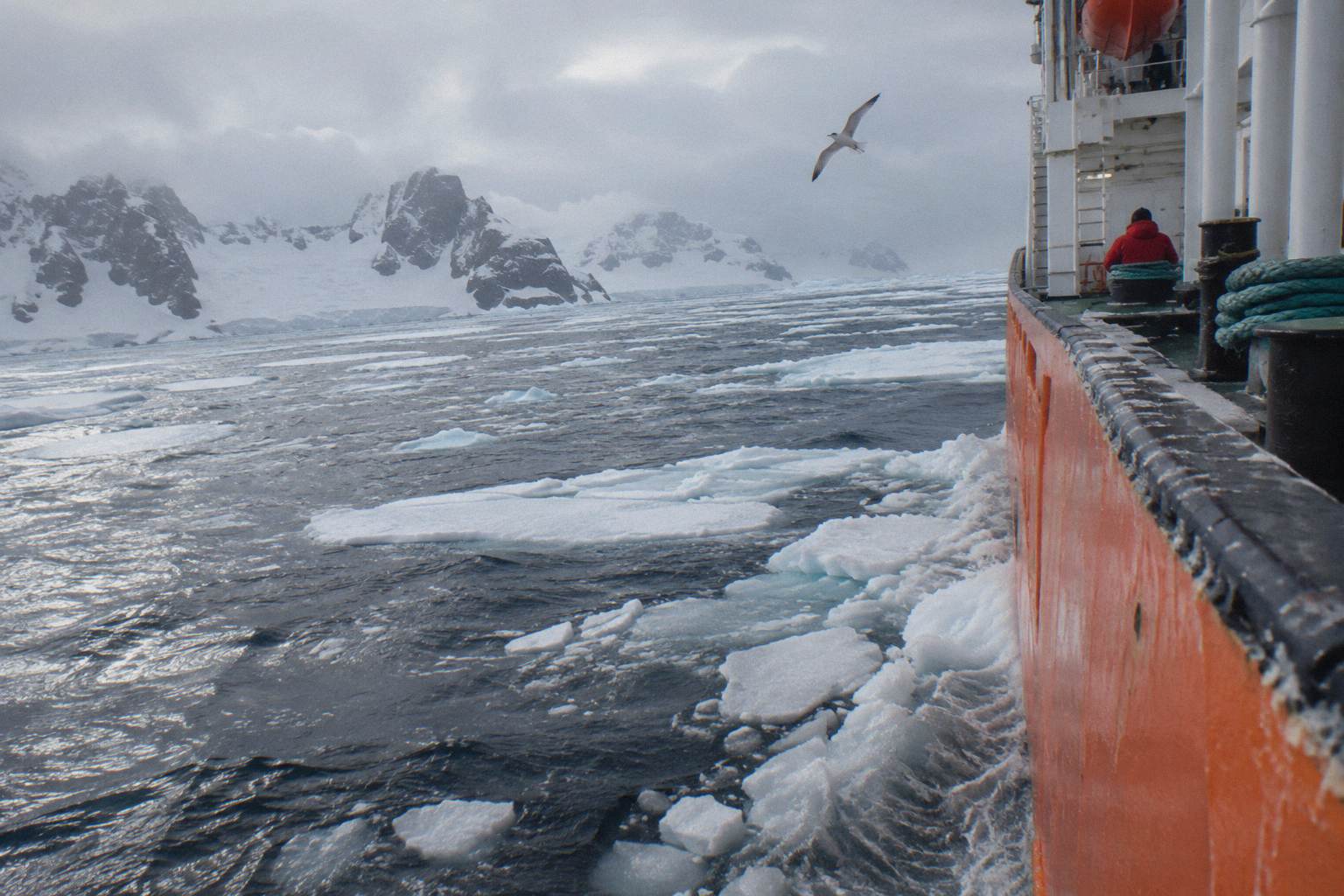
The scarcity has a planning consequence that surprises Peninsula veterans. IAATO's own data for the 2025-26 season recorded 113,518 total visitors, of whom 85,195 made landed visits, and nearly all of that volume flows to the Peninsula side. East Antarctica's few departures sit inside that number. If you are deciding between this route and a Peninsula sailing, talk through the options with a specialist before committing either way.
How Long Do These Voyages Take, And What Do They Cost?
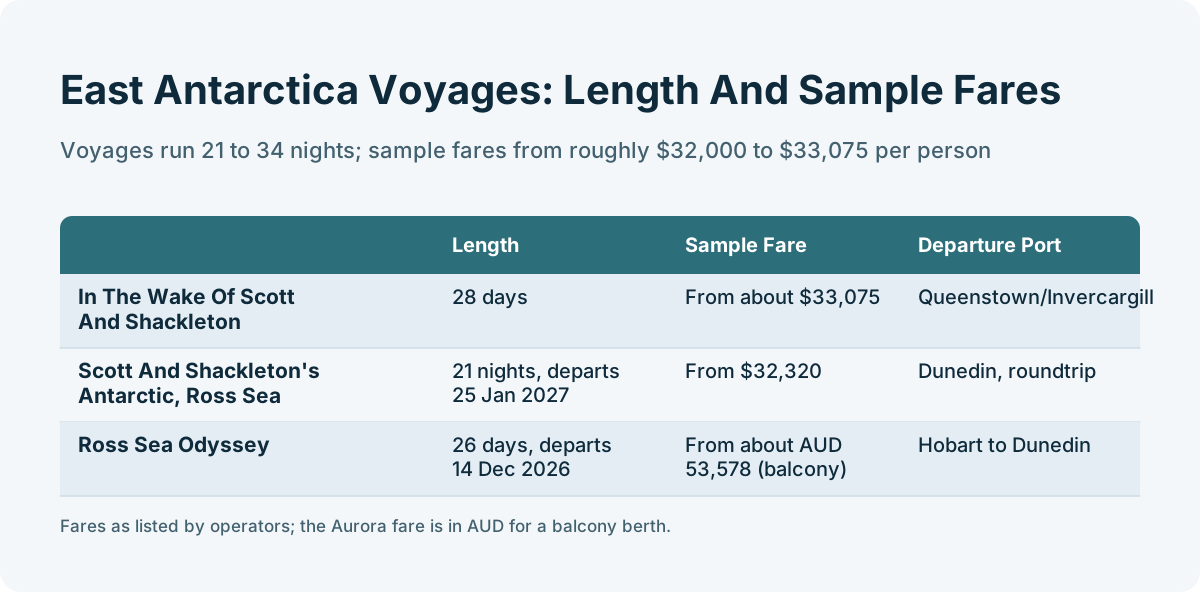
East Antarctica and Ross Sea voyages run 21 to 34 nights, with sample fares from roughly $32,000 to $33,075 per person and higher for balcony cabins. Heritage Expeditions' 28-day voyage is listed from about $33,075, Ponant's 21-night Ross Sea expedition from $32,320, and Aurora's 26-day Odyssey from about AUD 53,578 for a balcony berth.
Spread across four weeks at sea, these fares land in similar territory to upscale Peninsula voyages once their much shorter length is accounted for. What you are buying is not luxury per night but reach: sea days in the Southern Ocean, sub-Antarctic islands, and a stretch of coastline that the overwhelming majority of Antarctic visitors never see. The cost guides on this site cover how the mainstream market is priced in the Antarctica cruise cost guide; this route simply sits at the top of every band.
| Voyage | Operator and ship | Length | Departure port | Sample fare |
|---|---|---|---|---|
| In the Wake of Scott and Shackleton | Heritage Expeditions, Heritage Adventurer | 28 days | New Zealand (Queenstown/Invercargill) | From about $33,075 |
| Scott and Shackleton's Antarctic, Ross Sea Expedition | Ponant, Le Soléal | 21 nights, departs 25 Jan 2027 | Dunedin, roundtrip | From $32,320 |
| Ross Sea Odyssey | Aurora Expeditions, Greg Mortimer | 26 days, departs 14 Dec 2026 | Hobart to Dunedin | From about AUD 53,578 (balcony) |
| East Antarctica and Ross Sea voyages | Scenic, Scenic Eclipse | Varies | New Zealand or Hobart | Not stated |
Two caveats on reading that table. First, the Aurora figure is published in Australian dollars in its source market, and currency movement shifts the US figure; treat it as a planning range, not a quote. Second, Scenic's East Antarctica fares are not published in the listings read for this guide, so a consultation is the honest route to a current number. In every case the fare covers the expedition itself, and international flights to New Zealand or Australia, insurance with medical evacuation cover, and any pre-voyage nights are additional items to budget separately.
Which Ship Should You Choose For A Deep-South Voyage?
For East Antarctica and the Ross Sea the realistic choice is Heritage Adventurer, the 140-guest ship with 1A Super ice class and 14 Zodiacs, or Ponant's Le Soléal on the Dunedin roundtrip. Ship choice matters here, because the vessel is your home for three to four weeks and its ice class and Zodiac operation determine what you reach.
Heritage Adventurer is the natural benchmark. Built in 1991 and carrying 140 guests, it holds an ice class of 1A Super, and its 28-day itinerary is built around the historic huts and emperor territory of the Ross Sea. The comparison below sets it against two other ships travellers often weigh when moving beyond the Peninsula: Ponant's Le Boréal, a 264-guest luxury vessel whose Antarctic programme includes the 18-night Great Austral Loop from $23,020, and Quark's Ultramarine, a 199-guest helicopter-equipped ship whose 14-day Emperor Penguin Quest voyages aim for the Snow Hill colony by helicopter.
| Ship | Class | Passengers | Ice class | From, per person | Voyage length | Departs from |
|---|---|---|---|---|---|---|
| Heritage AdventurerHeritage Expeditions | Upscale Expedition | 140 | 1A Super | – | 28 days | Queenstown/Invercargill New Zealand |
| Le BoréalPonant | Luxury | 264 | – | from $23,020 | 19 days | Ushuaia, Buenos Aires |
| UltramarineQuark Expeditions | Upscale Expedition | 199 | 1A+, PC6 | from $12,236 | 12 to 14 days | Buenos Aires, Ushuaia |
The honest read of that comparison is that only one of the three is an East Antarctica ship. Heritage Adventurer sails the Ross Sea itinerary itself; Le Boréal's listed Antarctic voyage is the Great Austral Loop from Ushuaia or Buenos Aires; and Ultramarine's emperor ambition is served by helicopters from the Weddell Sea side, a completely different geography. Travellers who want emperor penguins without the 28-day commitment can look at a Weddell Sea emperor voyage instead, covered in the Weddell Sea cruise guide.
That is a genuine decision point, and it is worth getting right before you put a deposit down. Get help choosing between these routes through the free consultation, which can lay the itineraries side by side against your dates.
Who Should Book An East Antarctica Voyage?
This route suits returning Antarctic travellers, history-focused visitors and long-voyage sailors who have three to five weeks and a budget from roughly $32,000 per person. It does not suit first-time visitors who want maximum landing days per dollar, or anyone for whom three weeks without a reliable port call is a cost rather than a romance. The honest test is whether the sea days excite you.
The profile of the happy East Antarctica passenger is specific. You have usually been to the Peninsula already, or you have thought hard about it and concluded that the crowds and the short itineraries are not what you are after. You want royal penguins, albatross, Mawson's huts and the Ross Sea's historic sites, and you accept that ice and weather may rewrite the plan. You can take 21 to 34 nights away, and roughly $32,000 to $33,075 per person, before flights and insurance.
First-timers should think carefully. A classic Peninsula voyage delivers more landings in fewer days at a fraction of the price, and the plan your first Antarctica cruise guide is the better starting point if you have never sailed south. East Antarctica answers a different question: not "what is Antarctica like?" but "what does the far side of the continent, the one almost nobody visits, hold?" The handful of people who sail there each season, inside IAATO's 85,195 landed visitors, are choosing rarity over efficiency.
| Traveller type | Is East Antarctica right? | Why |
|---|---|---|
| Returning Peninsula visitor | Yes | Delivers a genuinely different coast, wildlife and history |
| History-focused traveller | Yes | Mawson, Scott and Shackleton sites are the core draw |
| First-time visitor on a budget | No | Peninsula voyages give more landings per dollar |
| Short-holiday traveller | No | 21 to 34 nights is the minimum realistic commitment |
| Seabird and penguin enthusiast | Yes | Macquarie's royal penguins and sub-Antarctic albatross |
| Traveller needing a fixed itinerary | Cautious | Ice and weather routinely reshape these voyages |
Common Questions About East Antarctica Voyages
How long is an East Antarctica cruise?
These voyages run 21 to 34 nights. Heritage Expeditions' Ross Sea voyage is 28 days, Aurora's Ross Sea Odyssey is 26 days, and Ponant's Ross Sea expedition is 21 nights. The length comes from the Southern Ocean crossings and the sub-Antarctic island stops, not from time in Antarctica itself.
How much does an East Antarctica cruise cost?
Sample fares start around $32,320 per person for Ponant's 21-night Ross Sea expedition and about $33,075 for Heritage Expeditions' 28-day voyage. Aurora's 26-day Odyssey is listed from about AUD 53,578 for a balcony berth. International flights, insurance and pre-voyage nights are additional.
Which islands do East Antarctica cruises visit?
The sub-Antarctic stops are Macquarie Island, home to royal penguin colonies, and the New Zealand sub-Antarctic Auckland and Campbell island groups. Which islands a given voyage visits depends on its departure port and route, so check the specific itinerary.
Who operates East Antarctica voyages?
Heritage Expeditions, Ponant, Aurora Expeditions and Scenic. Departures are from New Zealand ports including Bluff, Queenstown, Dunedin and Invercargill, and from Hobart in Australia. Only a handful of sailings run each season, concentrated in January and February.
Can you visit the Mawson huts on a cruise?
Yes, on the East Antarctica itineraries that include Commonwealth Bay, where Mawson's Huts stand. Operators describe these itineraries as rare, and access depends on ice and weather.
Is East Antarctica better than the Antarctic Peninsula?
They are different products. The Peninsula offers more landings, more ships and lower fares; East Antarctica offers rarity, royal penguins, historic huts and a coastline almost no tourist sees.
More Routes And Landings
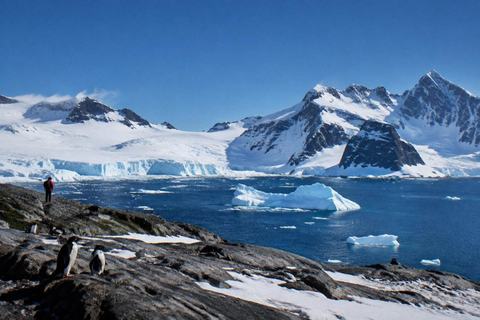 Peninsula CruisesThe classic Peninsula route explained: lengths, fares, landing sites and timing.Read the guide
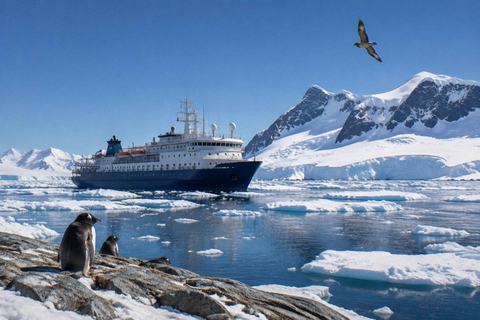 Antarctic CircleLonger, costlier voyages that push past 66 degrees south, and what the extra days buy.Read the guide
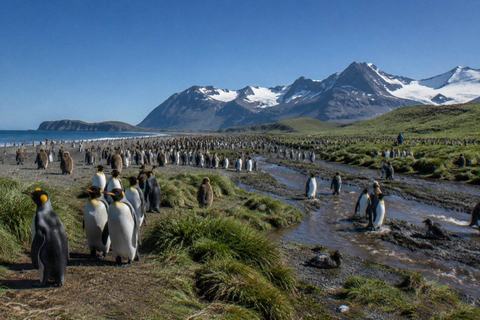 South Georgia CruisesThe 18-to-22-day Falklands, South Georgia and Peninsula itinerary, the premium wildlife cruise.Read the guide
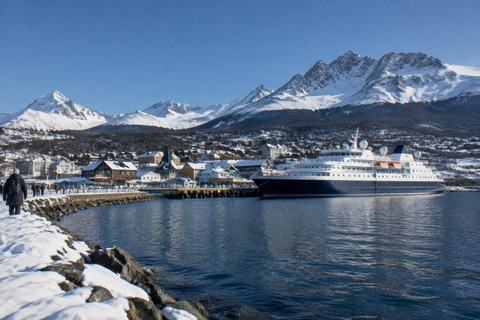 Cruises From UshuaiaShips, routes, fares and arrival logistics for the world's main Antarctica departure port.Read the guide