Antarctica Travel Insurance: Medical Evacuation Cover Explained
 By Oleg G.
Antarctica cruise operators require medical evacuation cover, so insurance is a booking step, not an afterthought. Here is what the requirements actually say, what a policy should include, and where standard travel insurance falls short.
Quick answer: Most Antarctica expedition operators require proof of insurance including medical evacuation before you board, and the minimum evacuation amount varies by operator, so confirm the figure in its pre-departure paperwork. Travel cover including medical evacuation is required or recommended by most operators and is never included in base fares, so budget for it alongside the cruise fare.
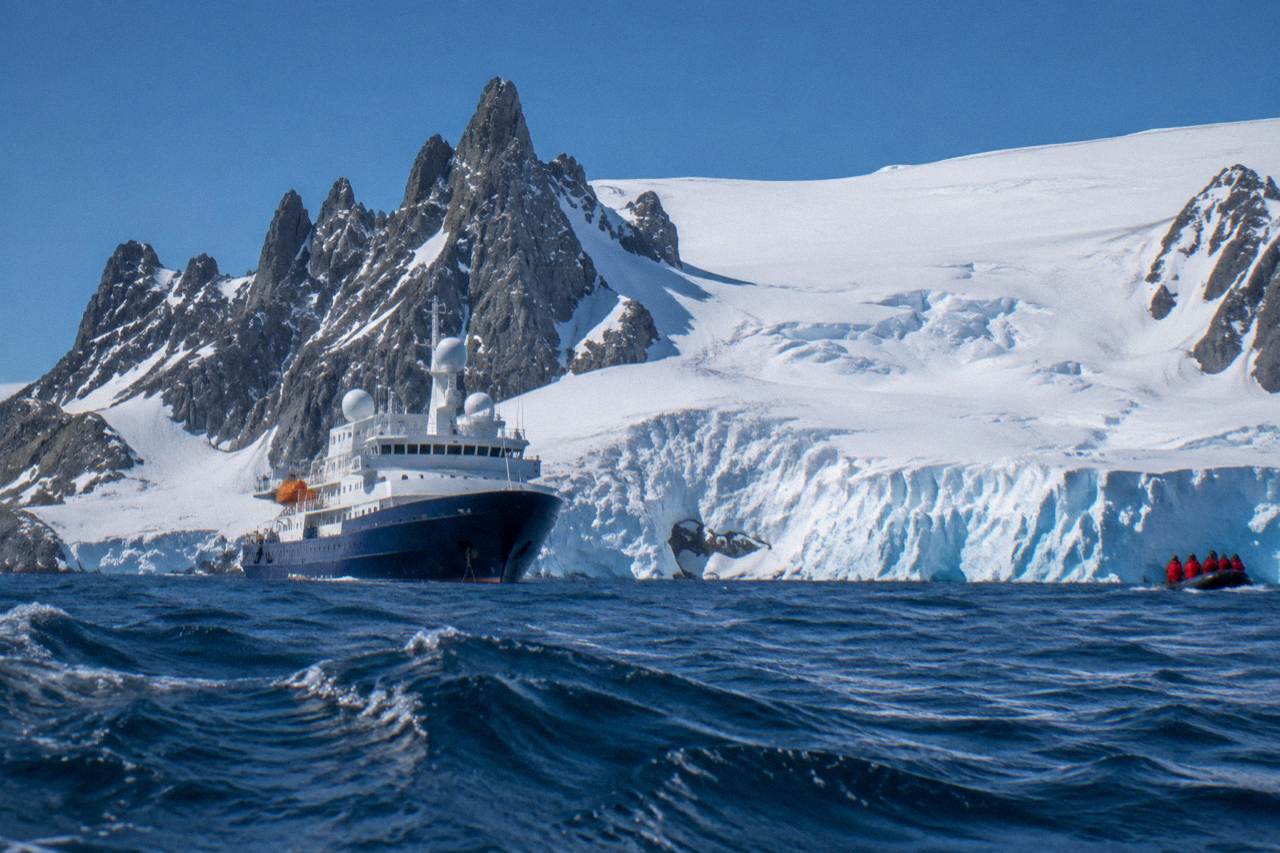
Insurance for an Antarctica cruise is not a formality you sort out the week before departure. It is a booking step, because the operator will typically ask for proof of cover, including medical evacuation, before you board. The cruise itself sits at the centre of this: the fare you pay for the voyage does not include the cover the operator demands, and the remote, ship-based nature of the itinerary is exactly why the requirement exists. The voyage and ship comparisons across Cruises In Antarctica all assume this box is ticked, and this guide explains what ticking it actually means.
Why Operators Require Medical Evacuation Cover
Antarctica has no hospitals, no rescue infrastructure on call at every landing, and no way to walk out of an emergency, so operators require insurance with medical evacuation cover before passengers board. Major operators impose high medical evacuation minimums plus full trip-cost cancellation cover, and proof is often required before departure or at check-in.
The reasoning is geographic before it is commercial. The Antarctic Peninsula, where roughly 98 percent of tourism voyages occur during the austral summer according to the Antarctic Treaty System's tourism page, is days of sailing from the nearest full hospital in Ushuaia or Punta Arenas. A serious medical event on board means either a ship diversion or an air evacuation coordinated from the vessel, and both are expensive operations that the operator will not absorb into a cruise fare. The insurance requirement shifts that cost onto a policy that can actually pay it.
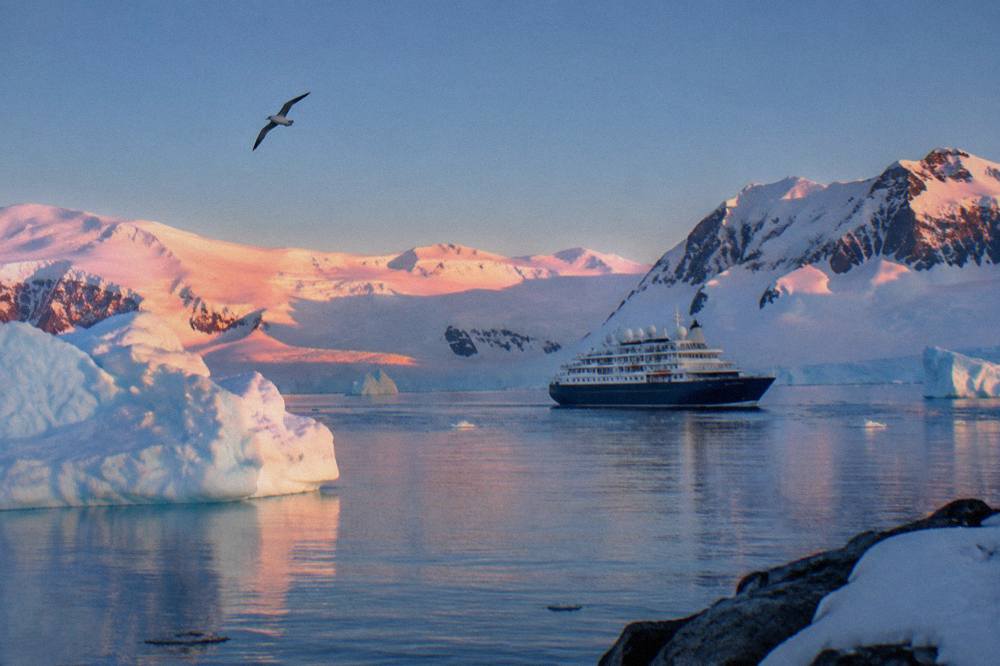
There is a second layer many travellers miss. Argentina formally requires health and medical coverage, including evacuation, for foreign visitors under a 2025 rule update, so even the gateway country has its own expectations before you reach the ship. Travel insurance including medical evacuation is required or recommended by most operators and is not included in base fares, which is why insurance belongs in the budget from the day you start comparing voyages rather than after you have booked one.
If you are still weighing which voyage to book in the first place, a free consultation on ship choice can settle the itinerary question before you buy a policy built around a specific departure.
What Operators Actually Ask You To Prove
Operators ask for three things: an insurance policy with a stated medical evacuation minimum, cancellation cover tied to the full trip cost of the voyage, and proof of both at a defined checkpoint before departure or at check-in. The dollar minimum varies by operator, so the binding figure is the one in your operator's pre-departure paperwork.
The shape of the requirement is clear even where no dollar figure is published for every line. According to a specialist expedition insurance comparison, the major operators impose high medical evacuation minimums, ask for cancellation cover matching the full trip cost, and check the proof either in pre-departure paperwork or at check-in on the ground. That is a different ask from a warm-water cruise, where the fine print often leaves insurance to the traveller's discretion. Here the cruise itself is conditional on the policy.
The variation between operators is real but narrow in kind. Operators differ in the evacuation minimum they demand and in whether proof is demanded before departure or at the ship, not in whether they demand it at all, and other lines on the roster, including Oceanwide Expeditions, Aurora Expeditions, and the luxury brands, also require or strongly recommend full cover without printing a verified minimum in the sources on file. So the practical sequence for any booking is the same: find the operator's pre-departure documentation, locate the stated minimum, and treat that number as the floor for the policy you buy.
If a policy you already hold meets or exceeds the operator's number, you may not need a new one; if it falls short, the gap is the first thing to close.
What A Good Policy Should Include
A policy for an Antarctica cruise should include medical evacuation at or above the operator's minimum, cancellation and interruption cover for the full trip cost, baggage and gear cover, and 24-hour emergency assistance, described generically here because premiums and insurer names vary and no specific insurer is endorsed by this site.
Start with evacuation. The cover needs to name medical evacuation explicitly and at a figure the operator accepts, and it should account for the reality that evacuation from the Peninsula can involve ship diversion, helicopter transfer, or a long positioning flight to hospital care in South America. Cancellation and interruption cover comes next: an Antarctica voyage is a significant purchase, with entry-level expedition berths on Drake-crossing itineraries beginning at roughly $7,500 to $8,995 per person for 10 to 11 days, and a realistic all-in budget for a mid-range Peninsula trip of $12,000 to $25,000 per person including fare, flights, gear, tips, and insurance. The trip-cost figure you insure should match that full picture, not just the cruise fare.
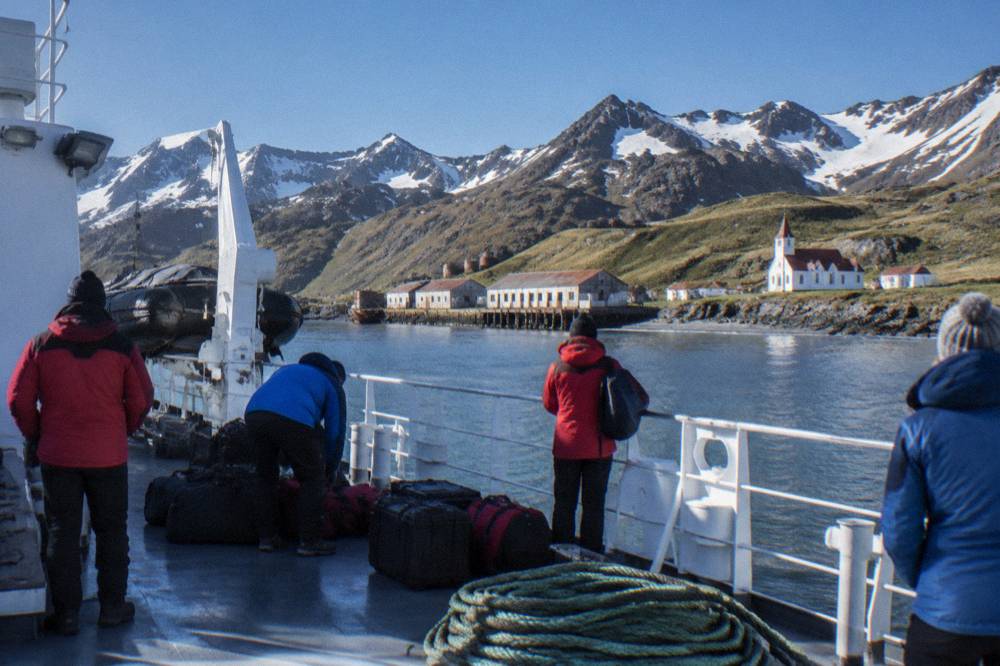
Beyond the two big items, look at the details that matter specifically for a polar expedition:
| Cover element | What to check | Why it matters for Antarctica |
|---|---|---|
| Medical evacuation | Named explicitly, at or above the operator's minimum | No hospitals on the continent; rescue involves ship or aircraft |
| Trip cancellation and interruption | Cover tied to full trip cost, including flights and pre-cruise stays | Gateway flight delays and weather are common risks |
| Baggage and gear | Cover for expedition clothing and camera equipment | Parkas, boots, and optics are costly to replace mid-trip |
| Emergency assistance | 24-hour assistance line with polar experience | Coordination matters as much as the payout |
| Pre-existing conditions | Disclosure requirements and waivers | Undisclosed conditions can void the medical cover |
One practical note on gear: most expedition operators provide a complimentary parka, often yours to keep, and loan waterproof boots, so the clothing you actually insure is less than you might fear. The items worth covering are the ones the operator does not supply, and a full packing approach is covered in the Antarctica packing list guide.
What Standard Travel Insurance Misses
A standard leisure travel policy often fails for Antarctica in three ways: the medical evacuation limit is set for city hospitals rather than remote rescue, the policy excludes travel to regions without established medical care, and the cancellation cover is capped below the true trip cost once flights, hotels, and the cruise fare are added together.
The first failure is the most common. A policy written for a European city break might carry an evacuation limit that looks generous in that context but sits below the minimum an expedition operator demands. The second is subtler: some policies restrict or exclude cover in remote regions or for adventure activities, and Zodiac landings, kayaking, and the polar plunge can all fall under activity clauses that a casual reader skips. The third bites at claim time, when a traveller insures the cruise fare but not the international flights, the Buenos Aires or Punta Arenas hotel nights, and the pre-cruise buffer stay, and discovers the cancellation payout covers only part of the loss.
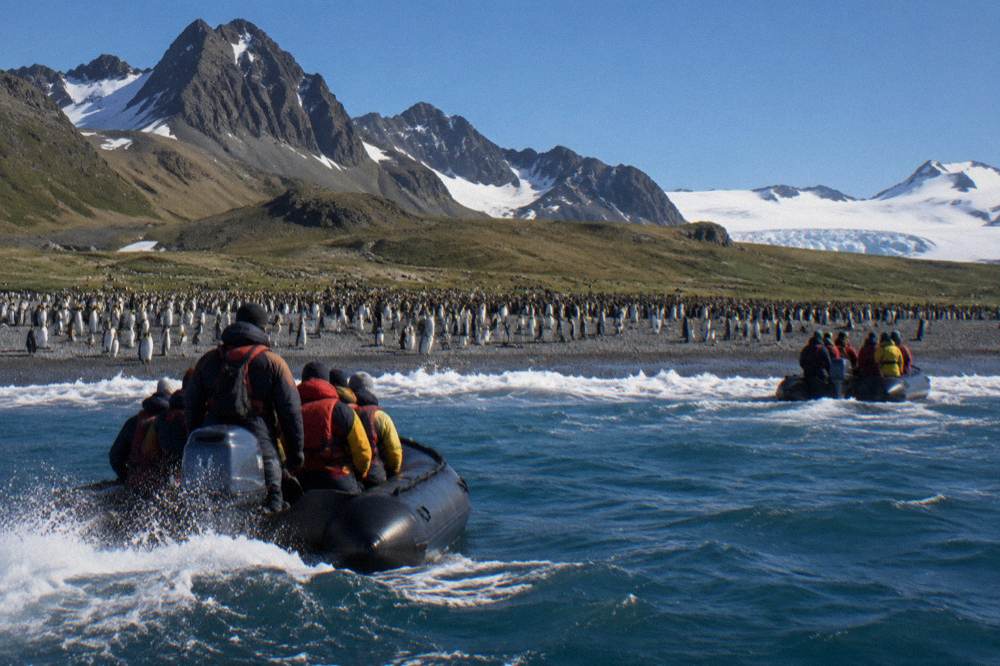
The buffer stay deserves its own sentence, because it is an insurance-adjacent decision that also protects the cruise itself. Ushuaia reached about 80 percent hotel occupancy in January 2026 amid more than 43,720 cruise passengers, and the standard advice on the Buenos Aires to Ushuaia corridor is to arrive at least one night, ideally two, before embarkation, because weather and flight disruption on the domestic leg are real risks. If a delayed domestic flight makes you miss the ship, it is the trip interruption cover that pays, but only if the flights and hotel nights were inside the insured trip cost in the first place.
When you are matching a policy to a specific departure, help choosing the right voyage comes first: the itinerary, the gateway city, and the crossing style all change what the insurance needs to cover.
How The Crossing And The Ship Affect Your Cover
The Drake Passage crossing and your choice of ship both shape the insurance picture: a two-day sailing each way adds open-ocean risk and itinerary exposure that a two-hour charter flight to King George Island removes, while the ship's size and equipment determine how a medical event is handled on board.
The crossing matters because of time and exposure. Expedition ships typically take about two days to cross the Drake Passage each way, with actual time varying by weather, sea state, and vessel speed, according to Quark Expeditions' crossing guide, while a fly-cruise charter flight from Punta Arenas to King George Island takes roughly two hours and skips the open-ocean passage entirely. For insurance purposes, the sailing option means four more days of remote transit where a diversion is slow and costly, and the fly-cruise option means a different risk: the charter flight itself is weather-dependent, so delays and cancellations on that leg are a covered-event question worth reading closely. The trade-offs are laid out in detail in the Drake Passage crossing guide.
The three styles compare like this from an insurance standpoint:
| Crossing style | Time involved | Main insurance question |
|---|---|---|
| Sail the Drake both ways | About two days each way, varying with weather and speed | Four days of remote transit where a diversion is slow and costly |
| Fly-cruise via King George Island | Roughly a two-hour charter flight each way | Weather-dependent charter delays and cancellation cover on that leg |
| Sail one way, fly the other | One crossing by ship, one by air | Whether both legs sit inside a single insured trip |
The ship matters because of capability. A vessel with a doctor and a proper clinic on board handles a medical event differently from a smaller ship that must divert sooner, and the roster shows a wide spread: the Hondius carries 170 passengers in 80 cabins as the first-registered Polar Class 6 vessel in the world in the operator's wording, while the National Geographic Endurance carries 138 with a PC5 ice class and a patented X-Bow, and the Ocean Explorer carries 138 with 15 Zodiacs and nearly all cabins fitted with verandas. None of these details change the operator's insurance minimum, but they change what the evacuation scenario looks like if it ever happens.
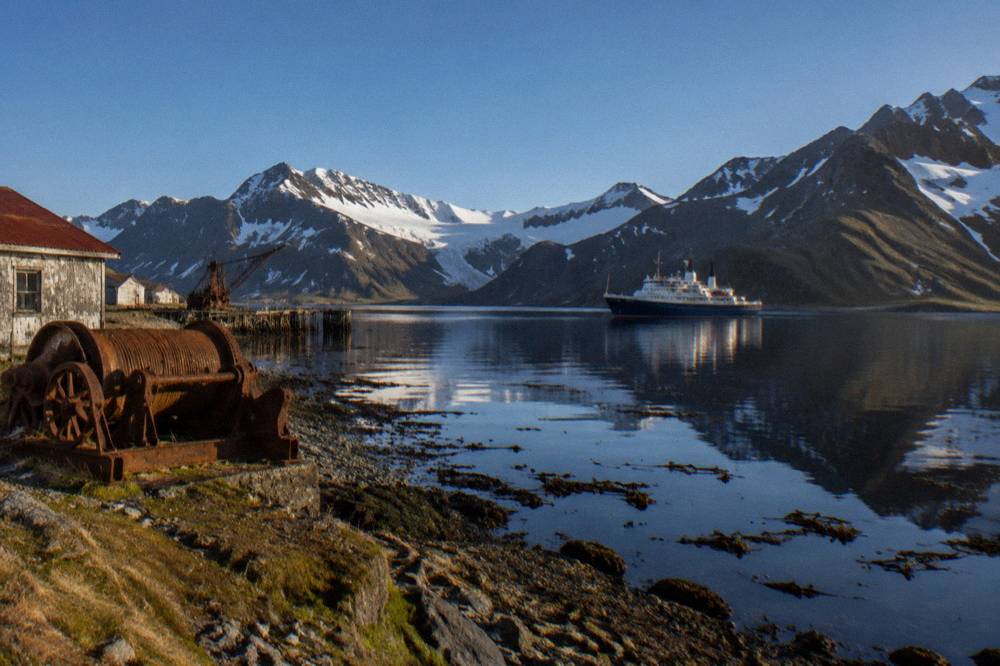
The Hondius is worth a closer look as the featured budget-conscious option, because it illustrates how ship choice and insurance cost sit together. It sails from Ushuaia on voyages of 11, 13, and 19 days with Antarctic Peninsula fares on the operator's page from $7,800 per person, which anchors the lower end of the market where the insurance premium is a proportionally larger slice of the total budget. More detail on the vessel is in the Hondius Antarctica guide.
Comparing Ships And Their Cover Requirements
Across the three ships compared here, the insurance requirement travels with the operator rather than the vessel: Quark Expeditions sets the bar for the Ocean Explorer, Lindblad Expeditions sets it for the National Geographic Endurance, and Oceanwide Expeditions sets it for the Hondius, so the evacuation minimum you must meet depends on which line you book, not which cabin you choose.
This is a comparison where the insurance requirement, not the cabin, can be the deciding factor for a traveller who already holds a policy. An existing policy that clears one operator's evacuation minimum can fall short of another's, and the only way to know is to put your policy limit and each operator's stated minimum side by side before you pay a deposit. Knowing that before booking is worth more than any deck plan comparison.
| Ship | Class | Passengers | Ice class | From, per person | Voyage length | Departs from |
|---|---|---|---|---|---|---|
| HondiusOceanwide Expeditions | Small-Ship Budget | 170 | Polar Class 6 | from $7,800 | 11 to 19 days | Ushuaia |
| National Geographic EnduranceLindblad Expeditions (with National Geographic) | Standard Expedition | 138 | PC5 | from $11,900 | 12 to 22 days | Ushuaia |
| Ocean ExplorerQuark Expeditions | Upscale Expedition | 138 | 1A, PC6 | from $12,236 | 8 to 20 days | Ushuaia, Buenos Aires, Punta Arenas |
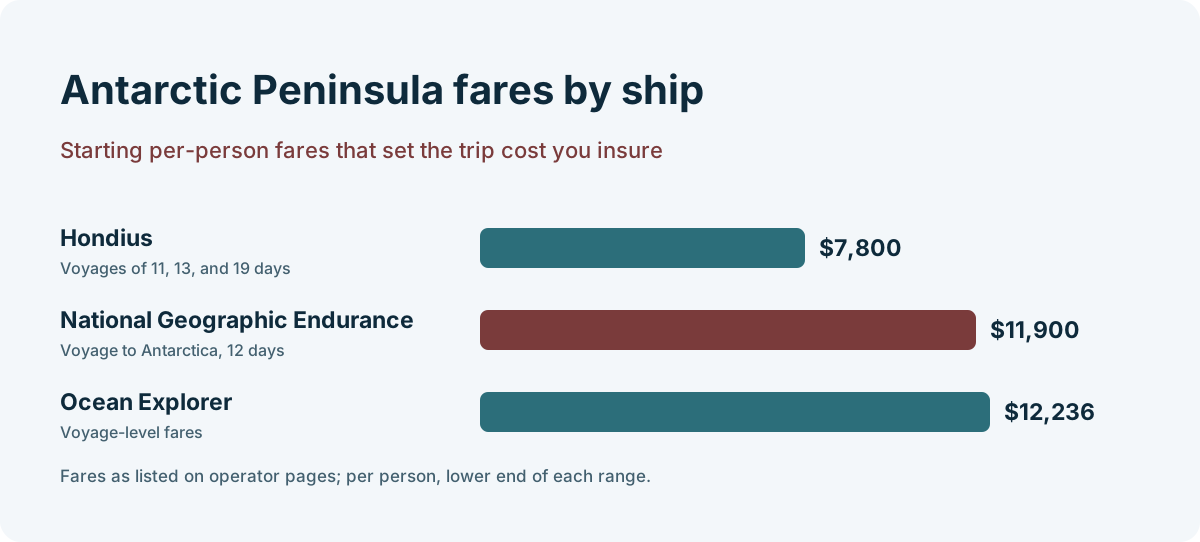
The fares also spread across a range that affects the trip-cost figure you insure. The National Geographic Endurance's Voyage to Antarctica starts from $11,900 per person for 12 days, the Ocean Explorer shares Quark's voyage-level fares from $12,236 per person, and the Hondius starts from $7,800 per person, so the cancellation cover a traveller needs can differ by thousands of dollars before flights and hotels are even added. The broader cost picture, including how fares, flights, gear, tips, and insurance add up, is covered in the Antarctica cruise cost guide.
What Insurance Costs Relative To The Trip
No specific premiums or insurer names are printed here because they vary by traveller, but the budgeting logic is firm: insurance is one of five cost lines in a realistic all-in Peninsula trip budget of $12,000 to $25,000 per person, alongside the fare, flights, gear, and tips, and it should be priced before the voyage is booked rather than after.
The reason to price it early is that the trip-cost figure drives the premium, and the trip-cost figure is only final once you know the ship, the departure, and the gateway routing. A traveller who books first and insures later often under-insures the flights and the pre-cruise hotel nights, or misses an early-booking window entirely. Early-booking offers for the 2026-27 and 2027-28 seasons commonly reach 10 to 30 percent off according to operator calendars and deal trackers, and last-minute discounts exist but are limited in availability and cabin choice and are uncommon for peak December sailings, which book 18 or more months ahead. Insurance has its own timing logic in the opposite direction: buy it soon after booking so the cancellation cover is active during the long gap between deposit and departure.
Two smaller cost lines belong in the same conversation. Recommended tips average about $16 per person per day, and gratuities typically run $15 to $25 per person per day unless prepaid by the line, so a 12-day voyage carries a few hundred dollars that some travellers fold into their cash planning rather than their insured trip cost. Fuel surcharges are rare or minimal in published 2026-27 pricing, which means the fare you see is close to the fare you insure, a small mercy in an otherwise expensive planning process.
| Trip budget line | Typical planning range or figure | Insurance relevance |
|---|---|---|
| Expedition cruise fare | From about $7,800 pp (Hondius) upward across the roster | Core of the trip-cost figure for cancellation cover |
| Flights and gateway hotels | Varies by routing; buffer nights advised in Ushuaia or Punta Arenas | Include in trip cost or interruption cover will fall short |
| Gear | Parka often provided, boots usually loaned; own layers and optics | Baggage cover for items the operator does not supply |
| Tips | About $16 pp per day average; $15 to $25 typical range | Cash planning, not usually insured |
| Insurance premium | Not on file; price with a broker or insurer directly | Must include evacuation at the operator's minimum |
When To Buy And What Documents To Carry
Buy the policy within days of booking the voyage so cancellation cover is active during the long run-up, confirm the operator's evacuation minimum in writing before purchase, and carry both the policy documents and the emergency assistance number separately from your main luggage, because proof of cover is checked at a defined point before or at embarkation.
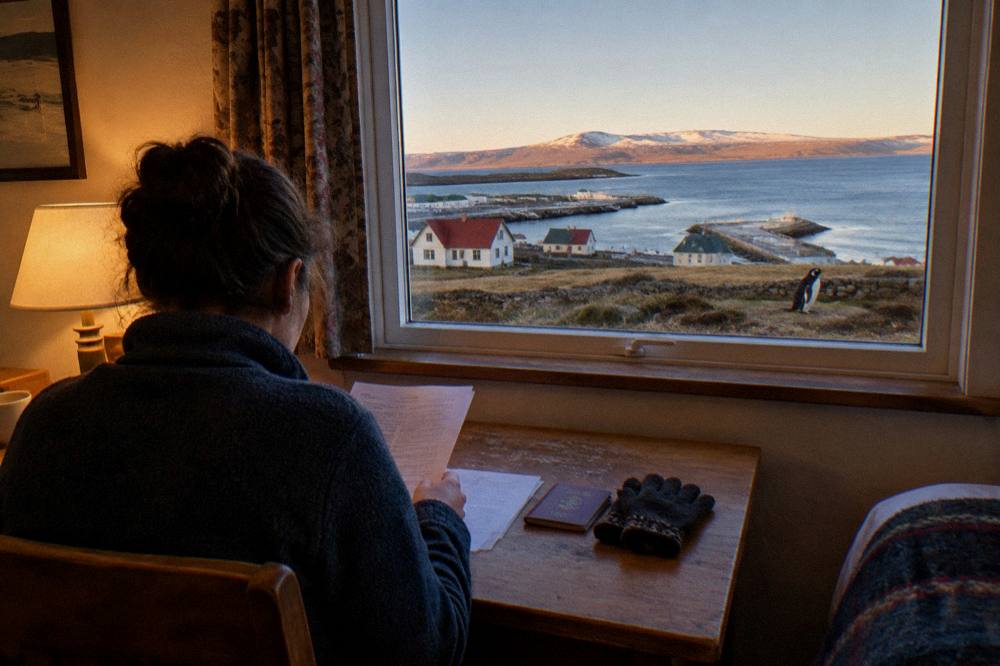
The sequence matters. First, confirm the operator's minimum from its pre-departure documentation, since the general requirement is consistent across operators but the binding figure is the one in your line's own paperwork. Second, price a policy that meets or exceeds that minimum and covers the full trip cost including flights and hotels. Third, keep the proof: operators ask for it before departure or at check-in, and a policy document buried in a checked bag that missed the charter flight is not proof anyone can read quickly.
For fly-cruise passengers the discipline is even tighter, because Polar Latitudes, for example, requires fly-cruise guests to arrive at their Punta Arenas hotel by 14:00 the day before the charter flight, with a strict 20 kg checked baggage limit on the flight to King George Island, so document planning and luggage planning have to happen together. Sailing passengers face the mirror version of the same problem in Ushuaia, where the port and the airport both run close to capacity in peak weeks and a missed connection cascades fast.
The last decision point in the whole planning chain is matching the policy to the voyage, and that is where a conversation helps: free advice on your Antarctica plans covers the ship, the season, and the crossing style in one go, with no obligation attached.
Common Questions About Antarctica Travel Insurance
Is Travel Insurance Mandatory For An Antarctica Cruise?
Most expedition operators require proof of insurance including medical evacuation cover before you board, with minimums that vary by line. Argentina also formally requires health and medical coverage, including evacuation, for foreign visitors. Treat it as a booking step, not an optional extra.
How Much Medical Evacuation Cover Do I Need?
The minimum varies by operator, and a high medical evacuation minimum is standard, though operators do not publish one dollar figure for every line. Check your operator's pre-departure documentation for the binding number, and buy cover at or above it.
Does My Cruise Fare Include Insurance?
No. Travel insurance including medical evacuation is required or recommended by most operators and is not included in base fares. Budget for it alongside the fare, flights, gear, and tips.
Does Standard Travel Insurance Work For Antarctica?
Often not. Standard policies can carry evacuation limits set for city hospitals, exclude remote regions or adventure activities such as Zodiac landings and kayaking, and cap cancellation cover below the true trip cost once flights and hotels are included. Read the exclusions before relying on an existing policy.
Should I Insure Just The Cruise Fare Or The Whole Trip?
The whole trip. Cancellation and interruption cover tied to the full trip cost, including international flights, domestic connections, and pre-cruise hotel nights, is what operators require and what actually protects you if a gateway delay makes you miss the ship.
When Should I Buy Antarctica Travel Insurance?
Within days of booking the voyage, so cancellation cover is active during the long gap between deposit and departure. Peak December sailings book 18 or more months ahead, so the active-cover window is long.