Can You Visit Antarctica? Rules, Permits, And Who Can Go
 By Oleg G.
Yes, tourists visit Antarctica every year, and no personal permit stands between you and the continent. The rules sit with the operator, not the passenger. Here is exactly what governs a visit and who qualifies to make one.
Quick answer: Yes. Antarctica received 85,195 landed visitors in the 2025-26 season, and any traveller can join an IAATO-member expedition cruise. You need no personal permit; your operator files environmental documentation with the EPA and follows IAATO landing rules, including a maximum of 100 passengers ashore at a time.
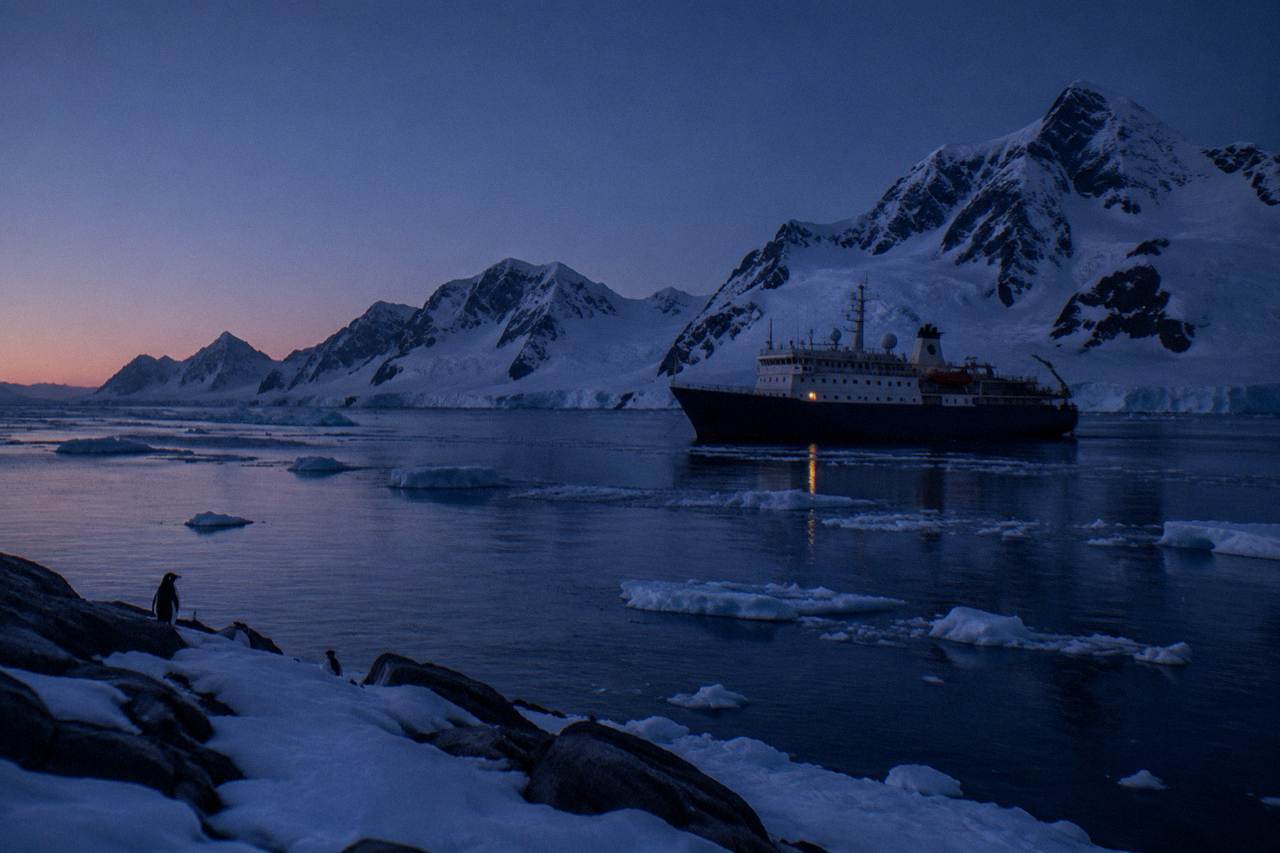
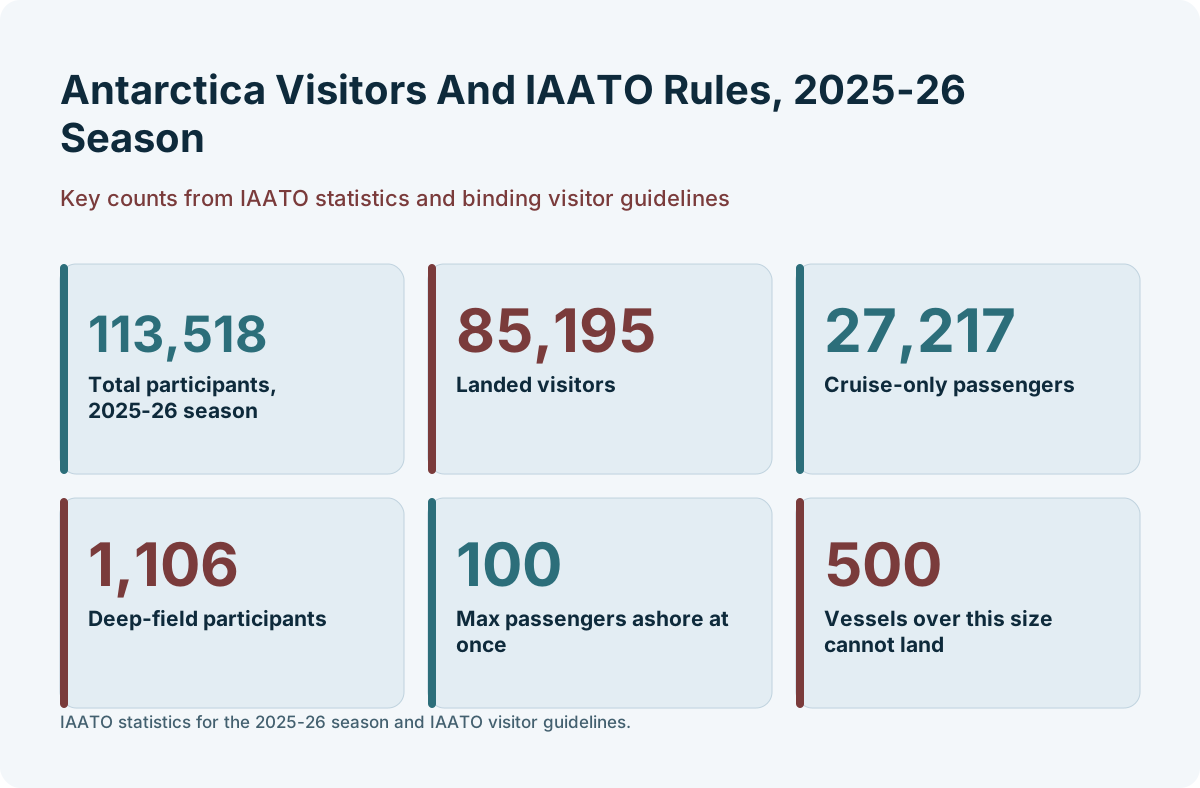
The short answer is yes, and it has been yes for decades. Antarctica is not a closed continent, a scientific preserve with a waiting list, or a place that requires government clearance for ordinary travellers. In the 2025-26 season, IAATO recorded 85,195 landed visitors alongside 27,217 cruise-only passengers and 1,106 deep-field participants, a total of 113,518 people. Almost all of them were paying tourists on an expedition cruise booked the way you would book any other voyage.
What surprises most first-time researchers is where the paperwork sits. There is no Antarctic visa, because no country owns Antarctica, and there is no personal permit you apply for as a passenger. The obligations fall on the operator: the cruise line files environmental documentation with the US Environmental Protection Agency when it plans an expedition, and it must operate under IAATO's landing rules. Your job is to book a legitimate voyage, hold a valid passport for Argentina or Chile depending on your gateway, and follow the conduct rules once you are ashore.
This guide walks through the actual rules, the permits that exist and who handles them, who can and cannot go, and what a visit looks like in practice on a real ship. If you are weighing whether an Antarctic expedition cruise is feasible for you, the answer is almost certainly yes, and the details below tell you what that yes involves.
Can You Visit Antarctica As A Tourist?
Yes, tourism to Antarctica is legal, established and growing. The Antarctic Treaty system anticipates tourism, IAATO coordinates it industry-wide, and 85,195 people landed on the continent in the 2025-26 season alone. There is no eligibility test, no citizenship requirement and no quota for visitors. Anyone who can reach southern Argentina or Chile can go.
The Antarctic Treaty reserves the continent for peace and science, but it has never banned tourism. The treaty's Protocol on Environmental Protection and the visitor guidelines adopted under it treat tourism as a legitimate activity, provided it is conducted with minimal environmental impact. IAATO, the International Association of Antarctica Tour Operators, is the industry body that turns those principles into operational rules: vessel standards, landing limits, site rotation, wildlife distances and biosecurity procedures. Every reputable expedition cruise to the Peninsula is run by an IAATO member, and the operator carries the compliance burden, not you.
The numbers confirm how ordinary this has become. IAATO's statistics for the 2025-26 season show 113,518 total participants, of whom 85,195 made landings. The vast majority travelled on small and mid-sized expedition ships departing from Ushuaia in Argentina, with a smaller fly-cruise share from Punta Arenas in Chile. Tourism is concentrated in the Antarctic Peninsula, which handles roughly 98 percent of all tourism voyages according to the Antarctic Treaty Secretariat, all within the austral summer window from October to April.
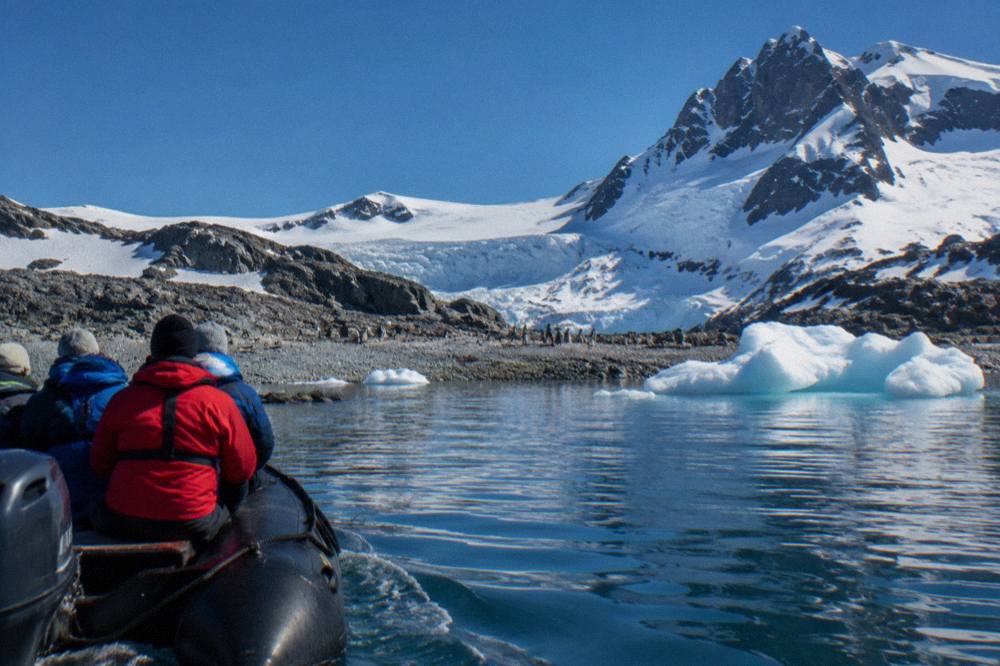
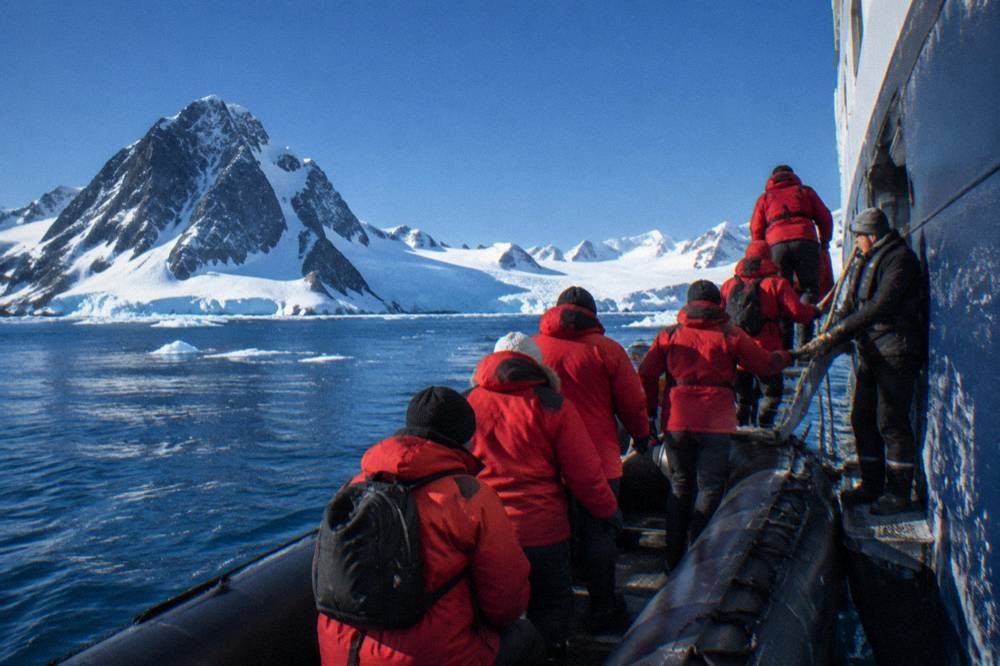
Who actually goes? The honest answer is: ordinary people with the budget and the time. Travellers range from students who save for years to retirees crossing a lifetime goal off the list, and the age spread on a typical Peninsula sailing is wide. Fitness requirements are modest for a standard Peninsula itinerary; you need to be able to step into a Zodiac from a gangway and walk over uneven, sometimes slippery ground. If you can manage a walk on a pebble beach, you can make an Antarctic landing. Travellers with genuine concerns about mobility or health can read more in our guide to Antarctica cruises for seniors, and the practicalities of reaching the gateway cities are covered in how to get to Antarctica.
Do You Need A Permit To Visit Antarctica?
No personal permit exists for Antarctic tourists. The applicable environmental documentation is filed by the tour operator, not the passenger: US-based operators submit environmental impact assessments to the EPA. As a visitor, your only paperwork is a valid passport for your gateway country and whatever your own country requires for travel.
This is the point where misinformation multiplies online. You will read that you need a "permit to visit Antarctica," and the claim has a kernel of truth wrapped in a misunderstanding. Under the Antarctic Treaty's Environmental Protocol, anyone organising an activity in Antarctica, including a tour operator, must prepare an environmental evaluation first. In the United States, this is the requirement the EPA administers: as the agency states, "when nongovernmental operators (including tour operators) plan to conduct expeditions to Antarctica, they are required to submit environmental documentation to EPA." The operator files it. The passenger never sees it.
What you handle yourself is entirely conventional. US citizens enter Argentina visa-free for up to 90 days with a valid passport, and enter Chile visa-free for up to 90 days on a tourist passport. Other nationalities should check the same two countries' rules, because every classic Peninsula cruise starts or ends in one of them: Ushuaia in Argentina for sailings, Punta Arenas in Chile for fly-cruises. One practical note from the gateway itself: Argentina now formally requires health and medical coverage, including evacuation, for foreign visitors, and every serious operator requires travel insurance with medical evacuation cover anyway. Our Antarctica travel insurance guide covers what the operators demand.
The division of responsibility looks like this:
| Who | What they handle | What you do |
|---|---|---|
| The tour operator | Environmental documentation filed with the EPA, IAATO membership and compliance, vessel polar certification, expedition staff | Nothing; it is included in the voyage |
| The operator, again | Biosecurity gear checks, landing briefings, site scheduling with other ships | Attend the mandatory briefing, follow the rules ashore |
| You | Passport valid for Argentina or Chile, travel insurance with medical evacuation, flights to the gateway city | Book, pack, show up a day early |
| Your government | Nothing Antarctica-specific for tourists | Check routine passport and visa rules for Argentina and Chile |
One caution: do not book a voyage with an operator that cannot demonstrate IAATO membership. The rules that make Antarctic landings safe and sustainable, from the 100-passenger landing cap to the one-ship-per-site scheduling, are IAATO mechanisms, and an operator outside the association is a genuine red flag. If you are unsure how to verify an operator before committing, a free consultation can vet operators for you, at no cost and with no obligation.
What Rules Apply When You Are There?
IAATO's visitor rules are strict but simple: no more than 100 passengers from a vessel ashore at one time, a 1:20 guide-to-visitor ratio, at least 5 metres from wildlife, and full biosecurity cleaning of boots and gear before and between landings. Vessels carrying more than 500 passengers cannot make landings at all. These are binding conditions of every IAATO voyage, not suggestions.
The landing rules are the backbone of Antarctic tourism. Under the visitor guidelines adopted through the Antarctic Treaty Consultative Meetings, a maximum of 100 passengers may be ashore from a vessel at any one time unless site-specific guidance requires fewer, and at least one actively guiding staff member must accompany every 20 visitors. Only one ship may visit a landing site at any one time, which is why your expedition team coordinates with other vessels by radio every day. And vessels carrying more than 500 fare-paying passengers are prohibited from making landings in Antarctica at all, which is why the big mainstream cruise ships you see listed for the region are cruise-only: they sail past the continent and never put anyone ashore.
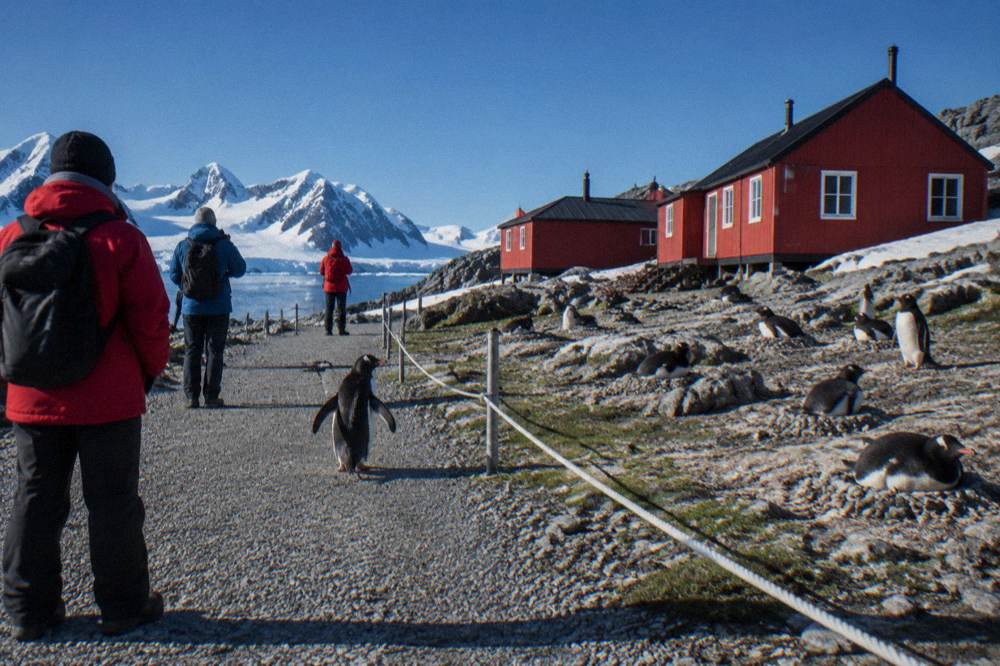
Your personal conduct ashore follows the same guidelines. Keep at least 5 metres from wildlife on land, and more where species or site guidance requires it; nesting birds, molting penguins and stressed animals all demand greater distance. Do not use drones near wildlife. Wash boots and clean all equipment, including clothes, bags, tripods, tents and walking sticks, before bringing them to Antarctica, and clean again between sites, which is why every expedition ship has a boot-wash station you pass through on every Zodiac return. You may not sit or kneel on the ground in wildlife areas, a rule tightened under avian influenza biosecurity protocols, and nothing may be removed from the continent: no rocks, no bones, no souvenirs.
| IAATO rule | What it means for you |
|---|---|
| Max 100 passengers ashore at once | Larger ships rotate landing groups; on ships under 100 guests everyone lands together |
| 1:20 guide-to-visitor ratio minimum | There is always a guide within sight on any landing |
| One vessel per site at a time | Your itinerary is coordinated daily with other ships |
| No landings from vessels over 500 passengers | Big cruise ships offer scenic sailing only, no landings |
| 5 metres from wildlife, more where required | Guides position you; never approach or block animal paths |
| Full biosecurity between sites | Mandatory boot and gear washes on every return to the ship |
| Nothing removed, nothing left behind | No souvenirs, no litter, no feeding or touching animals |
The scale of the operation surprises people who expect a wilderness free of oversight. IAATO membership stood at 140 in the most recent season data, covering 54 operators, and the association runs a ship scheduler so that landing sites are not overwhelmed. In the 2025-26 season the system absorbed 85,195 landed visitors across the Peninsula without widespread site closures, operating under enhanced biosecurity monitoring throughout. For a deeper look at where these rules play out, our guide to Antarctic landing sites covers the places you are most likely to stand on the continent.
Who Can Go, And Are There Restrictions?
There are no age limits, citizenship restrictions or health requirements imposed by Antarctica itself. Children can and do travel, though some operators set minimum ages, typically around 8 to 12. The real restrictions are practical: the cost of an expedition cruise, the physical demands of Zodiac boarding, and medical clearance standards that some operators apply to certain voyages.
Nobody checks your passport nationality at the bottom of the world, because no sovereign state controls the continent. A visitor from the United States, a visitor from Japan and a visitor from Brazil all follow exactly the same process: book an IAATO voyage, reach Ushuaia or Punta Arenas, board. The only nationality-related paperwork is at the gateways, and for US citizens both Argentina and Chile are visa-free for 90-day tourist stays. Our piece on whether US citizens can visit Antarctica goes through the US-specific details.
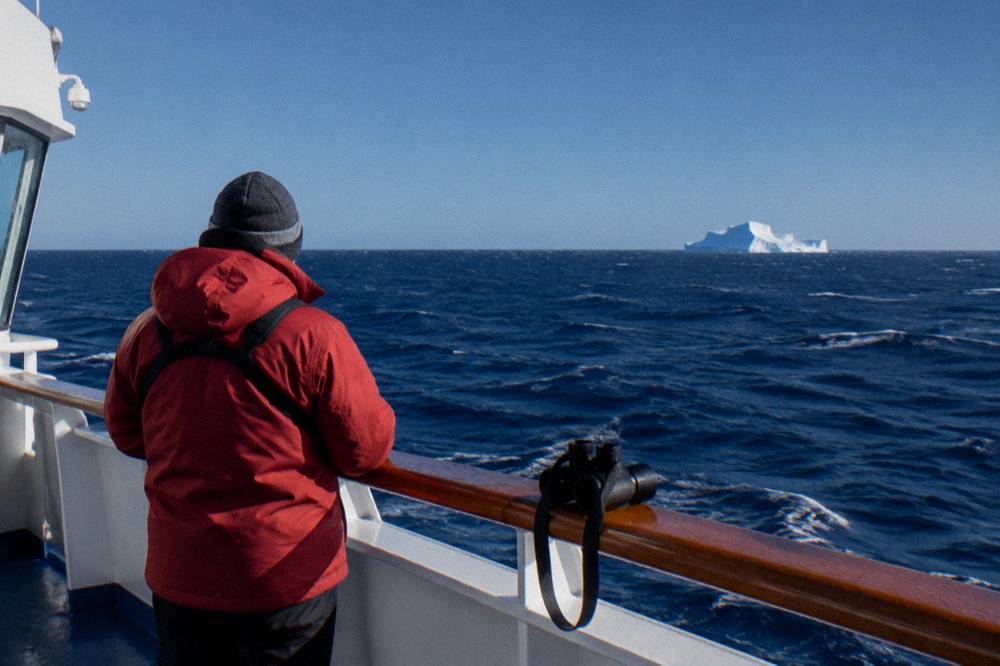
Age is the most common question after eligibility. Operators set their own policies, and families do sail: some lines welcome children from around age 8 or 12, while others position themselves firmly at the adult traveller. On the far end, there is no upper age limit on standard Peninsula voyages, and the demographic on a typical sailing skews older. The genuine constraints are physical and medical rather than bureaucratic. Zodiac boarding involves a short step from a moving gangway into a moving boat, and landings involve walking on uneven, wet or icy terrain with no paths and no handrails. Operators can require a medical declaration for remote itineraries such as Ross Sea voyages, where the ship may be days from any evacuation capability.
The honest limiting factor is money and time. Entry-level berths on Drake-crossing itineraries begin at roughly $7,500 to $8,995 per person in a shared twin or triple cabin on a budget small ship, and the cheapest published Peninsula fares on mainstream expedition lines run from about $9,000 to $12,000 per person, with luxury lines far above that. Add international flights, insurance, gear and tips, and a realistic all-in budget for a mid-range trip is $12,000 to $25,000 per person. Our Antarctica cruise cost guide breaks every line item down, and if the entry figures feel out of reach, the strategies in how to find a cheap Antarctica cruise can bring a voyage closer than you might expect.
If you are trying to work out which category of ship and price fits your situation, it is worth talking through your options with a specialist before committing to a specific voyage; the consultation is free.
Can You Visit Antarctica Without A Cruise?
Not realistically as an ordinary tourist. The only practical ways to reach Antarctica are an expedition cruise, a fly-cruise that flies you to King George Island before boarding, or rare deep-field air and overland products that cost many times a cruise fare. Around 98 percent of Antarctic tourism is by ship.
The ship is not just the most common option, it is close to the only one. The Antarctic Treaty Secretariat notes that approximately 98 percent of all tourism voyages occur in the Antarctic Peninsula during the austral summer, and IAATO's visitor data reflects that concentration: of 113,518 total participants in 2025-26, 1,106 were deep-field or air visitors, the first time that figure crossed a thousand. Those deep-field products, ski expeditions to the South Pole, mountaineering trips, flights to emperor penguin colonies at the edge of the continent, exist, but they are specialist undertakings priced far beyond any cruise and carrying fitness requirements that exclude most travellers.
The meaningful choice for a normal visitor is between crossing the Drake Passage by ship and flying over it. A sailing voyage gives you two days at sea each way, roughly 18 to 48 hours per crossing depending on conditions, which is part of the experience even when the passage is rough. A fly-cruise, such as the Antarctica21 air-cruise model running since 2003, replaces the crossing with a roughly two-hour charter flight from Punta Arenas to King George Island, trading the sea transit for weather-dependent flights and strict baggage limits, typically 20 kg checked on the charter. Our comparison of flying versus sailing the Drake lays out the trade-offs honestly, including the fact that fly-cruise fares usually run a few thousand dollars higher than comparable sailing voyages.
What Does A Visit Look Like On An Actual Ship?
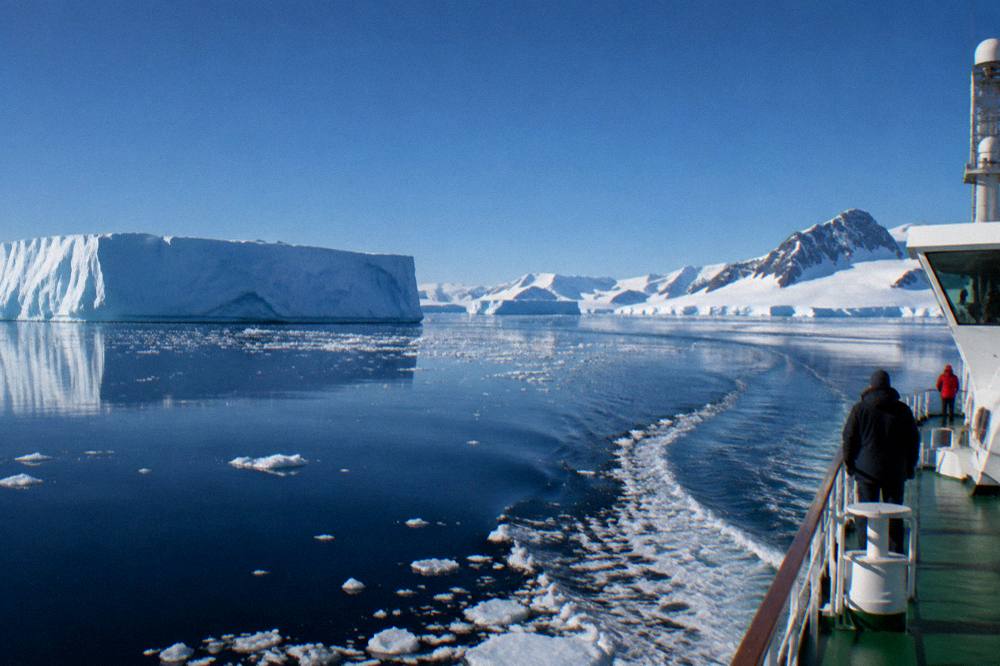
A classic Peninsula expedition cruise runs 10 to 12 days from Ushuaia, spends about four to six days on landings and Zodiac cruises in the South Shetland Islands and along the western Peninsula, and rotates passengers ashore in groups under the 100-person cap. Ships range from 90-guest budget vessels to 200-plus-guest upscale expedition ships, and fares run from $7,050 per person on a budget small ship to over $30,000 on luxury expeditions.
To make this concrete, consider what the roster actually offers. At the accessible end sits Oceanwide Expeditions' Hondius, a 170-guest ship built in 2019 and the first-registered Polar Class 6 passenger vessel in the world in the operator's own wording, with Antarctic Peninsula departures listed from $7,800 per person. At the premium end, Lindblad's National Geographic Endurance carries 138 guests on voyages from $11,900 per person, bundled with a pre-cruise Buenos Aires hotel, the charter flight to Ushuaia, drinks and gratuities. And in the fly-cruise category, Antarctica21's Magellan Explorer takes 88 guests on eight-day air-cruises from $13,795 per person, flight from Punta Arenas included. Each represents a different answer to the same question: what does a legal, well-run Antarctic visit cost and feel like? For a very different itinerary, the guide to visiting McMurdo Station as a tourist explains what Ross Sea expedition cruises can actually offer compared with these Peninsula voyages.
The comparison is easier to read side by side. All three run scheduled 2026-27 seasons confirmed on their operator pages, and together they frame the three realistic ways an ordinary visitor reaches the continent: sail the Drake on a budget, sail it with every logistic bundled, or skip the crossing by air.
| Ship | Operator | Guests | Style | Peninsula fare from | Notes |
|---|---|---|---|---|---|
| Hondius | Oceanwide Expeditions | 170 | Small-ship budget | $7,800 pp | Polar Class 6, built 2019, sails from Ushuaia |
| National Geographic Endurance | Lindblad Expeditions | 138 | Standard expedition | $11,900 pp | PC5, X-Bow hull, hotel and charter flight bundled |
| Magellan Explorer | Antarctica21 | 88 | Fly-cruise | $13,795 pp | 8-day air-cruise, flight to King George Island included |
| Ship | Class | Passengers | Ice class | From, per person | Voyage length | Departs from |
|---|---|---|---|---|---|---|
| HondiusOceanwide Expeditions | Small-Ship Budget | 170 | Polar Class 6 | from $7,800 | 11 to 19 days | Ushuaia |
| National Geographic EnduranceLindblad Expeditions (with National Geographic) | Standard Expedition | 138 | PC5 | from $11,900 | 12 to 22 days | Ushuaia |
| Magellan ExplorerAntarctica21 | Fly-Cruise | 96 (88 in Antarctica) | LR PC6 | from $13,795 | 8 days | Punta Arenas (fly) to King George Island |
Aboard any of them, the rhythm is the same. Days at sea are filled with lectures from the expedition team, and landing days start early: the staff reads the weather, the ship's position and the site rotation, then announces the plan at breakfast. Passengers rotate through the boot room in groups, and if the ship carries more than 100 guests, half the ship lands while the other half Zodiac-cruises, then they swap. On a ship like Hondius with 170 guests, that rotation is simply part of the daily schedule. On the water you might cruise past icebergs and humpbacks; ashore you stand at the mandated distance from a gentoo colony while a guide answers questions. In two years of researching every option for Cruises In Antarctica, the consistency of that daily rhythm across ships and price points is the thing that stands out most: the continent delivers the same experience whether the fare started around $7,800 or around $19,566, and the fare mostly buys the cabin, the ship and the staff ratio, not better wildlife.
Season timing matters as much as ship choice. Voyages run from mid-October to mid-March: early season brings the most dramatic sea ice and courting penguins, December and January bring hatching chicks and the warmest weather, and February to March brings peak whale sightings. No month is dramatically better or worse for the Drake Passage itself, so the choice is really about what you want to see, a question our best time to visit Antarctica guide answers month by month.
If reading this confirmed that a visit is possible for you, the next decision is which voyage matches your dates, budget and tolerance for the Drake Passage. Start with a free, no-obligation consultation and let a specialist narrow the field before you commit.
Common Questions About Visiting Antarctica
Can You Visit Antarctica As A Tourist?
Yes. Tourism is legal, established and coordinated through IAATO. In the 2025-26 season, 85,195 visitors landed on the continent, and roughly 98 percent of tourism voyages go to the Antarctic Peninsula during the austral summer.
Do You Need A Permit To Visit Antarctica?
No personal permit exists for tourists. Environmental documentation is filed by the tour operator, not the passenger; US-based operators submit it to the EPA. You only need a valid passport for your gateway country, Argentina or Chile, plus travel insurance.
Can US Citizens Visit Antarctica?
Yes. There is no Antarctica-specific requirement for US citizens. You enter Argentina or Chile visa-free for up to 90 days on a tourist passport, then board your expedition cruise from Ushuaia or Punta Arenas.
Is There An Age Limit For Visiting Antarctica?
Antarctica itself imposes no age limits. Operators set their own minimum ages, commonly around 8 to 12 for children, and there is no upper limit on standard Peninsula voyages. Physical capability for Zodiac boarding and uneven terrain matters more than age.
Can You Visit Antarctica Without A Cruise?
Only through rare deep-field air or overland products, which reached just 1,106 participants in the 2025-26 season and cost far more than any cruise. For practical purposes, the choice is between a sailing expedition cruise and a fly-cruise.
What Rules Do Visitors Have To Follow In Antarctica?
IAATO rules apply on every landing: no more than 100 passengers ashore at a time, a 1:20 guide ratio, at least 5 metres from wildlife, full biosecurity cleaning of boots and gear, and nothing removed from the continent. Vessels over 500 passengers cannot land at all.