How To Get To Antarctica: Ships, Planes, And Gateways
 By Oleg G.
You cannot fly to Antarctica as a regular tourist and there are no hotels, so nearly everyone arrives on a scheduled expedition cruise or a fly-cruise charter. This guide lays out every route: which gateway city to fly into, how the Ushuaia and Punta Arenas departures work, and what each option costs and takes.
Quick answer: There is no scheduled air service to Antarctica for tourists, so you get there two ways: an expedition cruise from Ushuaia or a fly-cruise that charters roughly two hours from Punta Arenas to King George Island. Nearly all voyages run October to March. Published 2026-27 fares run from about $7,800 per person on a sailing expedition.
How Do You Actually Get To Antarctica?
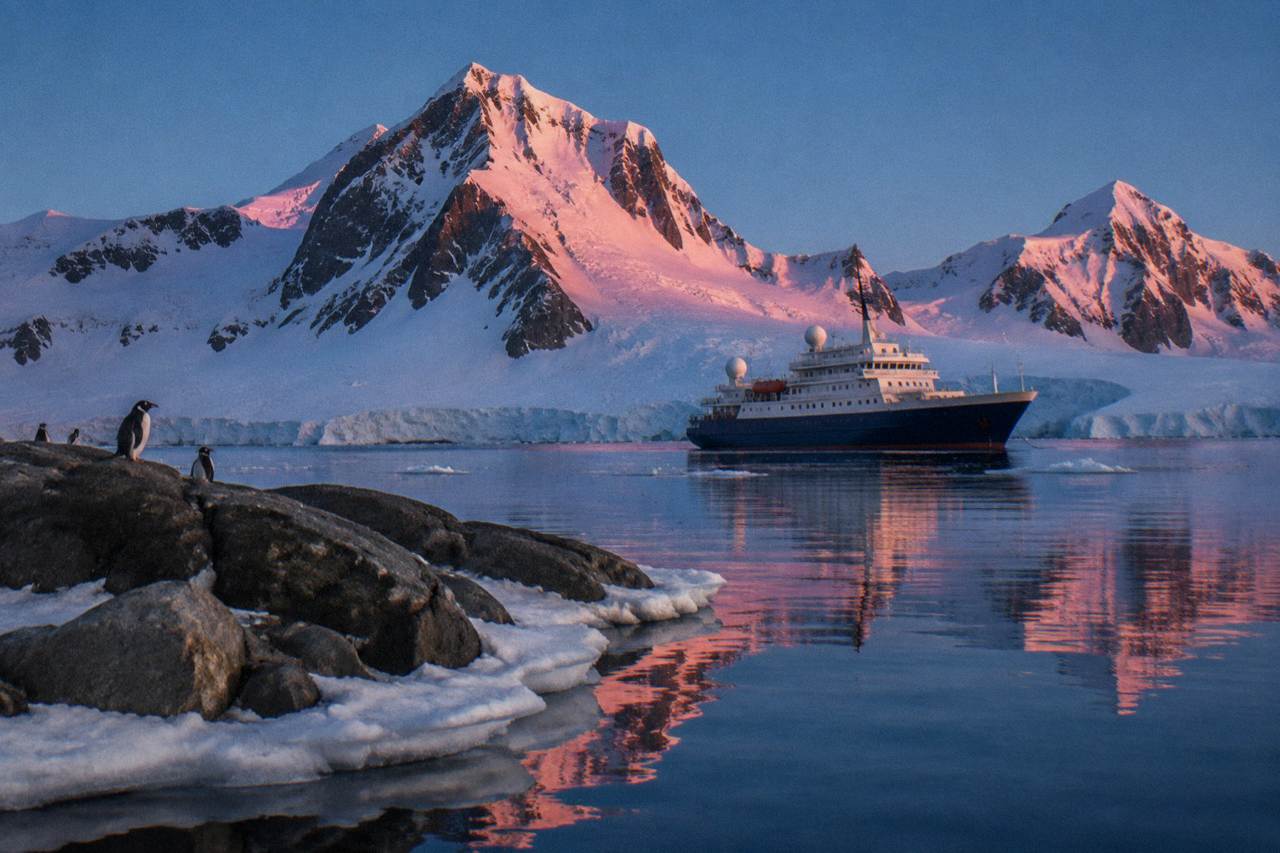
There is no scheduled airline route to Antarctica, so every visitor arrives by expedition cruise ship or by a fly-cruise charter flight. The classic route is a ship from Ushuaia across the Drake Passage. The alternative is a charter flight of roughly two hours from Punta Arenas to King George Island, where you board your vessel on the spot. Around 98 percent of tourism voyages happen in the Antarctic Peninsula during the austral summer.
That 98 percent figure comes from the Antarctic Treaty Secretariat's own tourism page, which notes that almost all tourism voyages occur on the Peninsula during the seven-month austral summer window of October to April. In practice, that means your planning question is not "which part of Antarctica" but "which gateway city and which style of arrival". The Antarctic Treaty system's tourism overview is worth reading in full if you want the regulatory backdrop, because the same rules shape what your cruise can and cannot do once you arrive.
The numbers for the season just finished give a sense of scale. IAATO recorded 113,518 total visitors for 2025-26, of whom 85,195 actually stepped ashore, 27,217 were cruise-only, and 1,106 travelled deep-field by air. So the overwhelmingly dominant way to get to Antarctica is a small or mid-size expedition cruise that makes landings, and that is the product this whole site is about: the ship, the voyage, the cabin you book.
Two gateways matter, and one supporting hub. Ushuaia in Argentina is the port of departure for most sailing expeditions. Punta Arenas in Chile is the base for fly-cruise departures. Buenos Aires is the international hub almost everyone flies through first. The rest of this guide walks each of them in the order you would actually use them.
What Are The Gateway Cities For An Antarctica Cruise?
Ushuaia is the world's main Antarctic gateway, serving the majority of sailing departures, while Punta Arenas handles the fly-cruise market with charter flights to King George Island. Almost every itinerary also routes through Buenos Aires or, less often, Santiago de Chile, because there are no direct flights from the United States to either gateway. You choose the gateway by choosing your arrival style: sail the Drake Passage or fly over it.
The roster of ships on this site shows the pattern clearly. Oceanwide Expeditions sails Hondius, Ortelius and Plancius from Ushuaia. Lindblad's National Geographic Endurance and Resolution depart from Ushuaia. Ponant's luxury ships use Ushuaia and Buenos Aires. Antarctica21's Magellan Explorer and the new Magellan Discoverer run fly-cruises from Punta Arenas. Silversea uses Puerto Williams and King George Island. Quark's Ocean Explorer lists Ushuaia, Buenos Aires and Punta Arenas among its ports, which reflects the mixed sailing and fly-cruise product that operator now runs.
| Gateway | Country | What departs from here | Who uses it |
|---|---|---|---|
| Ushuaia | Argentina | Sailing expedition cruises across the Drake Passage | Oceanwide, Lindblad, Ponant, Quark, Aurora, HX, Atlas, Poseidon, Antarpply, G Adventures |
| Punta Arenas | Chile | Fly-cruise charter flights to King George Island | Antarctica21, Polar Latitudes, some Quark and Lindblad fly options |
| Buenos Aires | Argentina | International arrivals, pre-cruise hotels, charter flights to Ushuaia | Nearly all US and European travellers |
| Puerto Williams | Chile | Fly-cruise departures and Silversea's southernmost hotel | Silversea |
One planning note that surprises people: the gateway choice is usually locked in by the voyage, not the other way round. You do not pick Ushuaia and then find a ship; you pick a ship and itinerary, and the operator tells you where to be and when. Lindblad, for example, bundles a pre-cruise Buenos Aires hotel night and a charter flight from Buenos Aires to Ushuaia into its voyage price, according to one 2026 cost guide, which removes a whole layer of self-connection risk. Other operators leave the journey to Ushuaia entirely to you.
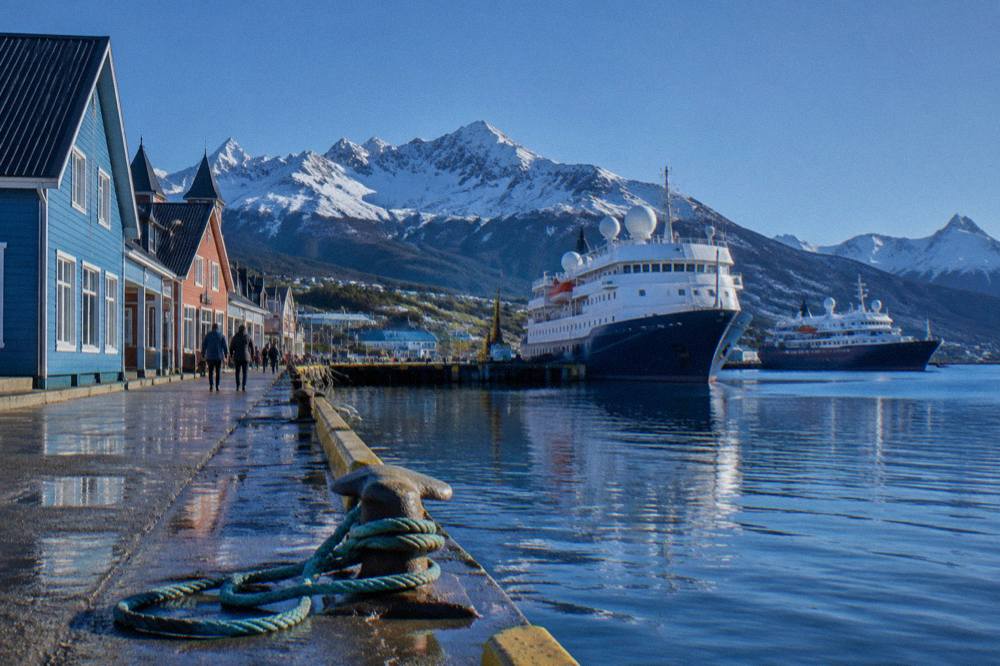
That self-connection risk is real enough to plan around. Ushuaia sits at the end of a weather-prone domestic air corridor, and port reporting for the 2026 season describes January hotel occupancy in the town at about 80 percent while it handled more than 43,720 cruise passengers. The standard advice, which the port coverage echoes, is to arrive at least one and ideally two nights before your cruise departs, because a delayed Buenos Aires to Ushuaia flight is the single most common way a tightly-planned itinerary goes wrong. If you want the full picture of the town itself, our guide to cruising to Antarctica from Ushuaia covers the port, the hotels and the pre-embarkation routine.
The gateway decision is the first real fork in an Antarctica plan, and it cascades through everything downstream: your international flights, your buffer nights, your voyage length and your fare. If you already know you want the cheapest berth or the shortest possible trip, the gateway effectively picks itself. If you are genuinely torn between sailing and flying, that tension is worth resolving before anything else is booked.
How Do You Get To Ushuaia?
There are no direct flights from the United States to Ushuaia, so you fly into Buenos Aires first, then connect on a domestic flight from the city's Aeroparque airport. Aerolineas Argentinas operates about 27 weekly flights on the route and the low-cost carrier JetSMART also serves it, with departures spread across the day. You should plan an overnight buffer in Ushuaia before embarkation.
The mechanics are simple but unforgiving. International long-haul flights land at Ezeiza (EZE); the domestic flights to Ushuaia (USH) mostly leave from Aeroparque (AEP), a separate airport across the city. Schedule analyses of the 2026 season recommend a buffer of four to five hours or more between airports for the transfer, and that assumes everything runs on time. In peak season it often does not, which is the whole argument for arriving a day early and treating Buenos Aires or Ushuaia as part of the trip rather than a connection to be survived.
| Step | Route | Notes |
|---|---|---|
| 1. Long-haul flight | US or Europe to Buenos Aires EZE | Daily widebody service from major hubs |
| 2. Airport transfer | EZE to AEP | Allow four to five hours or more between flights |
| 3. Domestic flight | AEP to USH | Aerolineas Argentinas about 27 weekly; JetSMART several weekly |
| 4. Buffer night | Hotel in Ushuaia | One night minimum, two recommended |
| 5. Embarkation | Ushuaia port | Usually afternoon of departure day |
Once you are in Ushuaia, the town does a lot of the work for you. Expedition operators run gear checks and briefings, the port is minutes from the hotels, and our pieces on where to stay in Ushuaia and what to do in Ushuaia before you sail cover the practical side. Across every operator's schedule, the town in high season reads as a single-purpose staging camp: half the people in any restaurant are comparing parkas and landing boots.
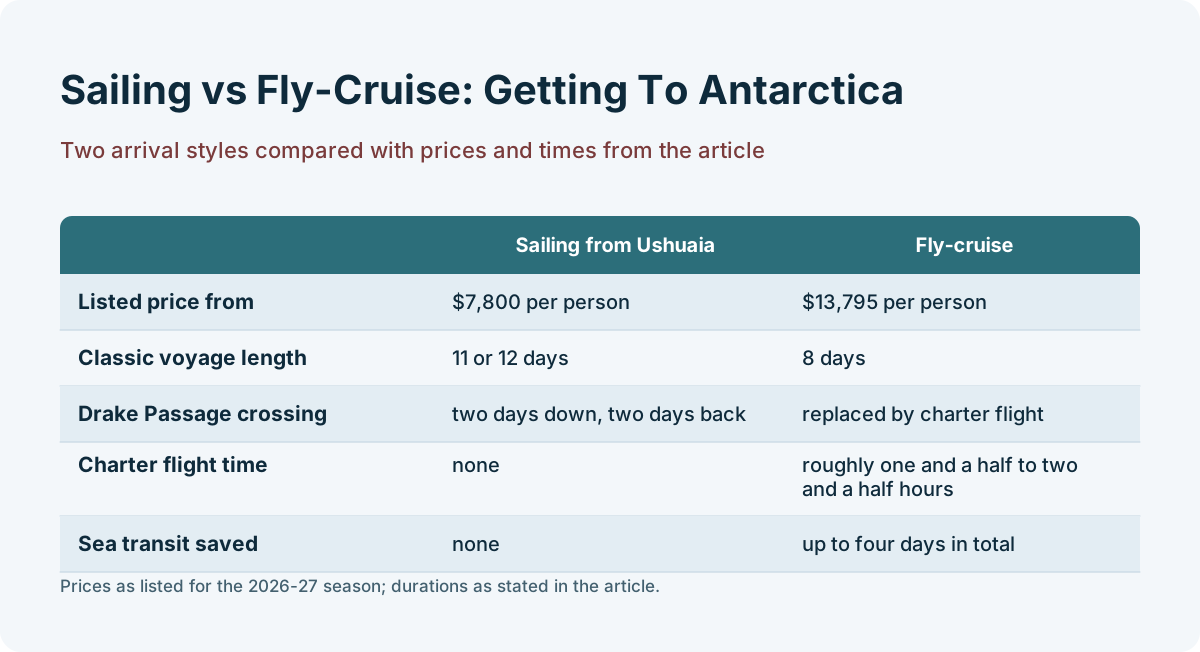
The ship you board from Ushuaia matters as much as the flight plan. A representative budget option is Hondius, Oceanwide's 170-guest vessel built in 2019 and classed Polar Class 6, with Antarctic Peninsula voyages listed from $7,800 per person for the 2026-27 season. That is a genuine sailing expedition: two days down, several days of landings, two days back. If that price-and-style combination sounds like your kind of trip, it is worth comparing the small-ship budget tier properly before committing.
What Is The Fly-Cruise Option From Punta Arenas?
A fly-cruise replaces the two-day Drake Passage crossing in each direction with a charter flight of roughly one and a half to two and a half hours from Punta Arenas to King George Island in the South Shetlands, where you board your expedition ship already in Antarctic waters. Antarctica21 pioneered the model in 2003, and its 8-day Classic Antarctica air-cruise is listed from $13,795 per person. The trade-offs are cost and weather dependence.
The flight is the point. You land on a gravel airstrip on King George Island, walk or Zodiac a short distance to your ship, and your voyage begins with landings rather than open ocean. The saving is up to four days of sea transit in total, which is why fly-cruise itineraries fit a classic Peninsula experience into 8 days where a sailing version needs 11 or 12. Multiple operator comparisons put the premium at roughly $2,000 to $5,000 over a comparable sailing voyage, largely because of the charter flight cost. The wider set of guides lives on Cruises In Antarctica.
The catch is that Antarctic weather does not guarantee schedules. Charter flights to King George Island are weather-dependent, and operators build buffer days into their programs for exactly this reason. Fly-cruise passengers also face strict baggage rules: Polar Latitudes, for instance, requires guests to be in Punta Arenas by 14:00 the day before the flight and caps checked baggage at 20 kg on the charter segment. The pre-flight overnight in Punta Arenas is mandatory across the fly-cruise operators, with biosecurity and gear checks the day before departure.
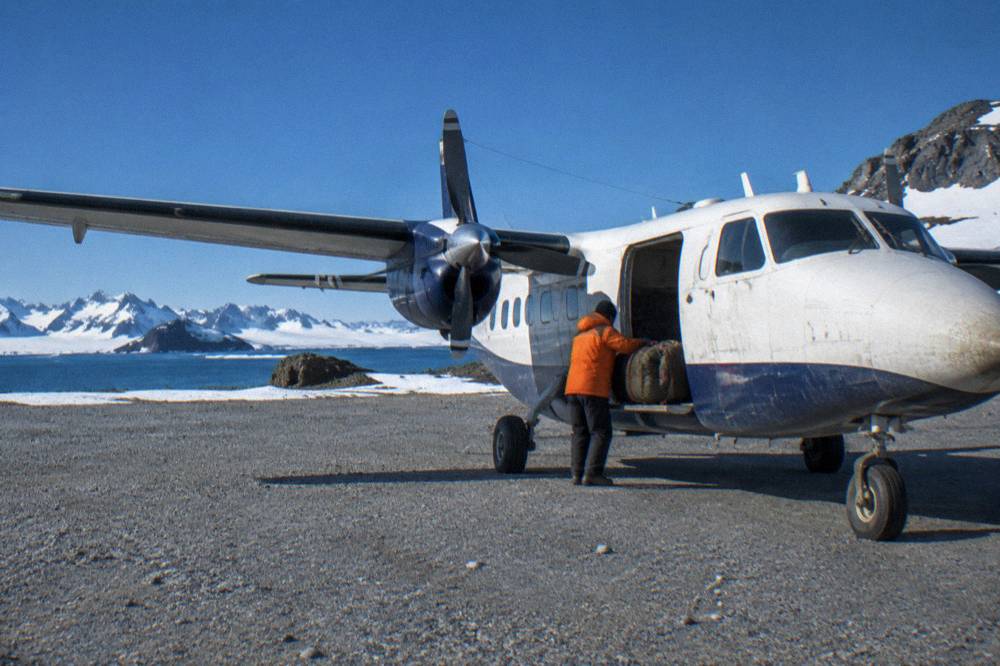
Antarctica21 is the operator most identified with the model, and its 2026-27 season is a big one: 52 to 53 expeditions and roughly 3,300 passengers, with the newly built Magellan Discoverer joining the fleet for its first Antarctic season. The Magellan Explorer, its established ship, carries 88 guests on air-cruises and offers seven cabin categories plus a kayak program. If the idea of skipping the Drake entirely appeals, the choice between fly and sail is exactly the kind of decision a free consultation can settle quickly, because it comes down to your dates, your budget and your tolerance for schedule risk.
For a fuller treatment of the trade-offs, including the hybrid option of sailing one way and flying the other, see our dedicated guide to flying versus sailing the Drake Passage.
Sailing Versus Flying: Which Route Suits You?
Sail from Ushuaia if you want the lowest fares, the widest choice of ships and dates, and the full classic crossing; fly from Punta Arenas if your calendar is short and you would rather pay a premium than risk two rough days at sea. The sailing route takes about 18 to 48 hours each way depending on conditions, according to Quark Expeditions' own guidance, while the flight is about two hours. Neither is objectively better; they are different products.
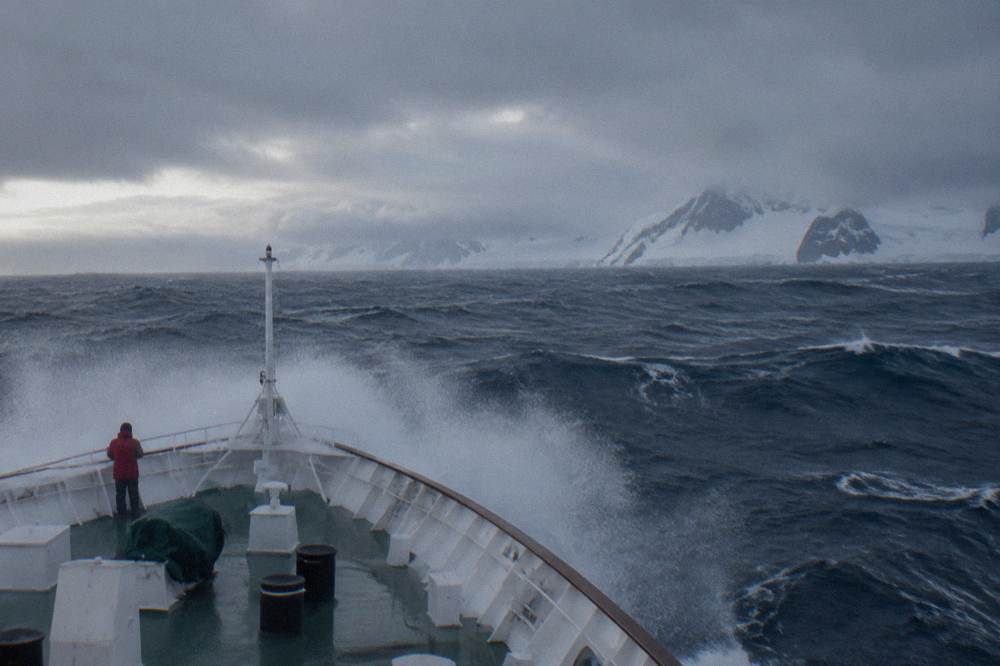
The Drake Passage has a reputation it partly deserves. Typical swells average 3 to 5 metres, and rough conditions occur on roughly 30 percent of crossings by one widely-cited estimate, with the calm "Drake Lake" state on the other 70 percent. Quark's flying-versus-sailing explainer gives the crossing window as 18 to 48 hours each way. Modern expedition ships mitigate a lot of this: several vessels in the roster carry X-BOW hulls, and Poseidon's Sea Spirit was retrofitted in 2019 with retractable zero-speed fin stabilizers that dampen roll even at anchor.
| Factor | Sail from Ushuaia | Fly-cruise from Punta Arenas |
|---|---|---|
| Typical voyage length | 10 to 12 days | 8 days |
| Drake Passage | Two crossings by sea, 18-48 hours each | Skipped by charter flight, about 2 hours |
| Entry fare, 2026-27 | From about $7,800 pp (Hondius) | From $13,795 pp (Magellan Explorer) |
| Schedule risk | Weather affects sea days, not the schedule shape | Charter flight is weather-dependent |
| Ship choice | Dozens of vessels across all classes | A handful of dedicated fly-cruise ships |
| Time in Antarctica | Roughly 4 to 6 landing days | Similar, compressed into fewer total days |
My honest impression from two years of comparing every option on the market is that the crossing is part of the trip for most people who sail, and an obstacle for most people who fly, and both positions are reasonable. The sailing route also buys you something no flight can: two days of seabirds, lectures and downshifting before the first landing. Our guide to the Drake Passage crossing covers what those days are actually like, and our piece on whether the Drake Passage is dangerous addresses the safety question with the incident record rather than folklore.
Which Ships Can Take You There?
Any IAATO-member expedition vessel under the landing rules can carry you to Antarctica, but the ship you choose determines your gateway, your price and your experience. A budget sailing ship like Hondius (from $7,800) departs Ushuaia; a fly-cruise ship like Magellan Explorer (from $13,795) departs Punta Arenas; an upscale sailing ship like Quark's Ocean Explorer (from $12,236, voyage-level fare shared across three Quark ships) offers helicopters and a hangar full of Zodiacs.
The regulatory frame matters here. IAATO rules prohibit vessels carrying more than 500 fare-paying passengers from making landings in Antarctica, cap passengers ashore at 100 from any one vessel at a time, and require a one-to-twenty guide-to-visitor ratio. The general visitor guidelines spell this out. In practice that means every ship on this site's roster is a genuine expedition product: the biggest, HX's 490-guest Fridtjof Nansen and Roald Amundsen, sit just under the landing limit, and most carry far fewer.
The three ships below span the realistic spread of "how you get there" options: a small-ship budget sailing expedition, a fly-cruise air-cruise vessel, and an upscale sailing ship with aviation capability. Compare them on the dimensions that actually differ rather than on brochure language.
| Ship | Class | Passengers | Ice class | From, per person | Voyage length | Departs from |
|---|---|---|---|---|---|---|
| HondiusOceanwide Expeditions | Small-Ship Budget | 170 | Polar Class 6 | from $7,800 | 11 to 19 days | Ushuaia |
| Magellan ExplorerAntarctica21 | Fly-Cruise | 96 (88 in Antarctica) | LR PC6 | from $13,795 | 8 days | Punta Arenas (fly) to King George Island |
| Ocean ExplorerQuark Expeditions | Upscale Expedition | 138 | 1A, PC6 | from $12,236 | 8 to 20 days | Ushuaia, Buenos Aires, Punta Arenas |
Ocean Explorer deserves a specific word because it blurs categories: a 138-guest upscale ship with 15 Zodiacs, veranda cabins and a bow-level library, sailing voyages of 8 to 20 days from Ushuaia, Buenos Aires and Punta Arenas. Its published fare of $12,236 is voyage-level and shared across Quark's Antarctic Explorer program with World Voyager, so do not treat it as a ship-exclusive price. If you are weighing an upscale sailing cruise against a cheaper small-ship berth, that comparison is a good moment to talk through the options with a specialist before you commit a five-figure fare.
How Long Does The Whole Journey Take?
Count the door-to-door journey, not the voyage length. A classic 11 or 12-day sailing expedition from Ushuaia means two international travel days, one or two buffer nights, then about four days of Drake transit round trip and four to six days of landings. An 8-day fly-cruise from Punta Arenas compresses the whole thing to roughly ten days from home. Longer combinations with the Falklands and South Georgia run 19 to 23 days.
The arithmetic is unforgiving and worth doing early. From a US East Coast departure, you are looking at an overnight flight to Buenos Aires, a possible hotel night there, a domestic flight down to Ushuaia, a buffer night in town, and only then does the voyage start. For a 12-day voyage that is roughly 15 or 16 days away from home in total. The fly-cruise route trims the voyage to 8 days but adds the mandatory Punta Arenas overnight, so the total trip lands around 11 or 12 days. Neither route is a long-weekend proposition.
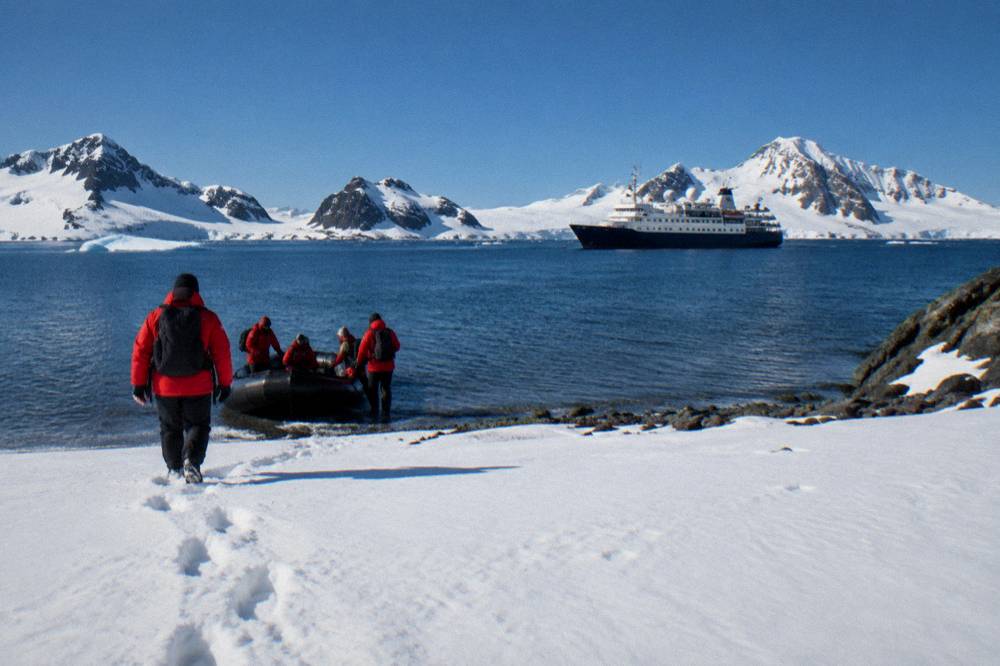
Season timing interacts with length. Voyages run mid-October to mid-March, and the wildlife calendar shifts across that window: courtship and nest-building in November, chicks hatching from mid-December, peak whale activity from mid-January onward, and molting penguins plus strong whale sightings in February and March. A longer February voyage buys more whales; a shorter November one buys pristine snow and courting penguins. Our guide to the best time to visit Antarctica works through the full calendar.
What Documents And Rules Apply?
US citizens need no visa for Argentina or Chile for tourist stays of up to 90 days, just a valid passport, and no visa exists for Antarctica itself because no state owns it. What does apply is operator-level paperwork: travel insurance with medical evacuation cover at minimums that vary by operator, plus biosecurity cleaning of every item of gear you bring.
The visa picture is straightforward. The US State Department's country information confirms visa-free tourist entry to both Argentina and Chile for up to 90 days. Argentina formally requires health or medical coverage, including evacuation, for foreign visitors under its 2025 rule update. On the Antarctic side, the operator handles environmental documentation: the EPA requires tour operators to submit environmental impact assessments for expeditions, so there is no passenger-level permit to chase.
The insurance requirement is the one that catches people. An expedition insurance comparison notes that major operators impose high medical evacuation coverage minimums plus full trip-cost cancellation cover, and proof is often required before departure or at check-in. The minimums differ from line to line, so check your operator's stated figure before buying a policy. Base cruise fares do not include this. Our guide to Antarctica travel insurance covers the policies in detail.
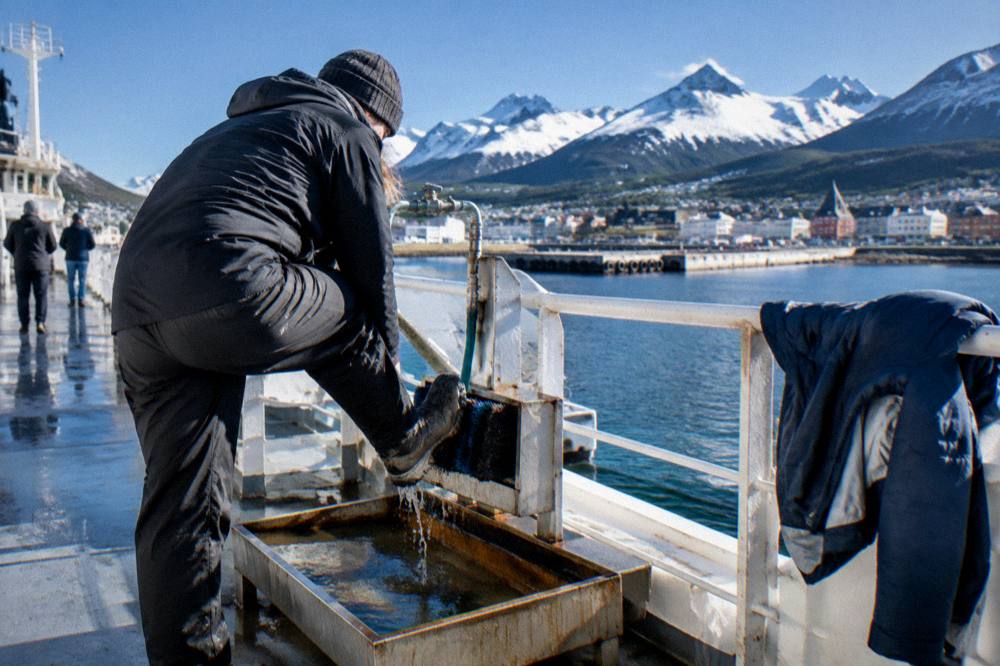
Biosecurity is the other quiet rule. The Antarctic Treaty visitor guidelines require you to carefully wash boots and clean all equipment, including clothes, bags, tripods, tents and walking sticks, before bringing them to Antarctica, and to clean again between landing sites. You also keep at least 5 metres from wildlife on land, and drones must not be used near animals. None of this costs money; all of it is enforced by your expedition team.
Common Questions About Getting To Antarctica
Can You Fly To Antarctica?
Not on a scheduled airline. Tourist access by air is limited to charter flights on fly-cruise programs, typically from Punta Arenas to King George Island in about two hours, plus a small deep-field segment, 1,106 participants in 2025-26. Everyone else arrives by ship.
What Is The Cheapest Way To Get To Antarctica?
A sailing expedition cruise from Ushuaia in a shared twin or triple cabin. Entry-level berths on Drake-crossing voyages begin at roughly $7,500-$8,995 per person for 10 to 11 days, and the roster's lowest published entry fare for 2026-27 is Plancius at $7,050, with Hondius from $7,800.
Do You Need A Visa For Antarctica?
No visa exists for Antarctica itself because no country owns it. US citizens enter Argentina and Chile visa-free for up to 90 days with a valid passport. Your operator handles the environmental documentation required under the Antarctic Treaty system.
How Long Does It Take To Get To Antarctica?
Door to door, a classic 11 or 12-day sailing expedition means about 15 or 16 days away from home including flights and buffer nights. The Drake Passage crossing itself takes 18 to 48 hours each way depending on conditions, according to Quark Expeditions' guidance.
Which City Do You Fly To For An Antarctica Cruise?
Buenos Aires for almost all sailing departures from Ushuaia, connecting onward to Ushuaia on a domestic flight. Santiago de Chile or directly to Punta Arenas for fly-cruise programs. There are no direct flights from the United States to either gateway.
Can You Get To Antarctica Without Crossing The Drake Passage?
Yes, on a fly-cruise. A charter flight of roughly two hours from Punta Arenas to King George Island skips the passage entirely, at a premium of roughly $2,000-$5,000 over comparable sailing voyages. Sail-and-fly hybrids cross by ship one way and fly the other.
Choosing between the gateways, the crossing and the ship is the single biggest decision in Antarctic travel planning, and it is exactly the kind of multi-variable problem a specialist untangles in minutes. If you would like help weighing a sailing expedition against a fly-cruise for your dates, request a free consultation and a vetted expedition-cruise agency partner will walk through the options with you, at no cost and with no obligation. Cruises In Antarctica exists to make that first decision easier, and everything else follows from it.