Aurora Expeditions Antarctica: X-BOW Ships And Small-Group Voyages
 By Oleg G.
Aurora Expeditions is the Australian small-ship operator behind Greg Mortimer, Sylvia Earle and the new Douglas Mawson, three Ulstein X-BOW vessels that sail the Antarctic Peninsula, the Ross Sea and East Antarctica each season. This guide sets out what the operator publishes, what it does not, and where it fits in a shortlist.
Quick answer: Aurora Expeditions sails three X-BOW expedition ships to Antarctica in 2026-27: Greg Mortimer and Sylvia Earle on Peninsula itineraries of roughly 12 to 14 days, and Douglas Mawson on 34-day voyages. Published Antarctica fares read on the ship cards start at $19,521 per person twin share for a 12-day sailing. The operator caps guest numbers around 130 on expedition.
Who Is Aurora Expeditions?
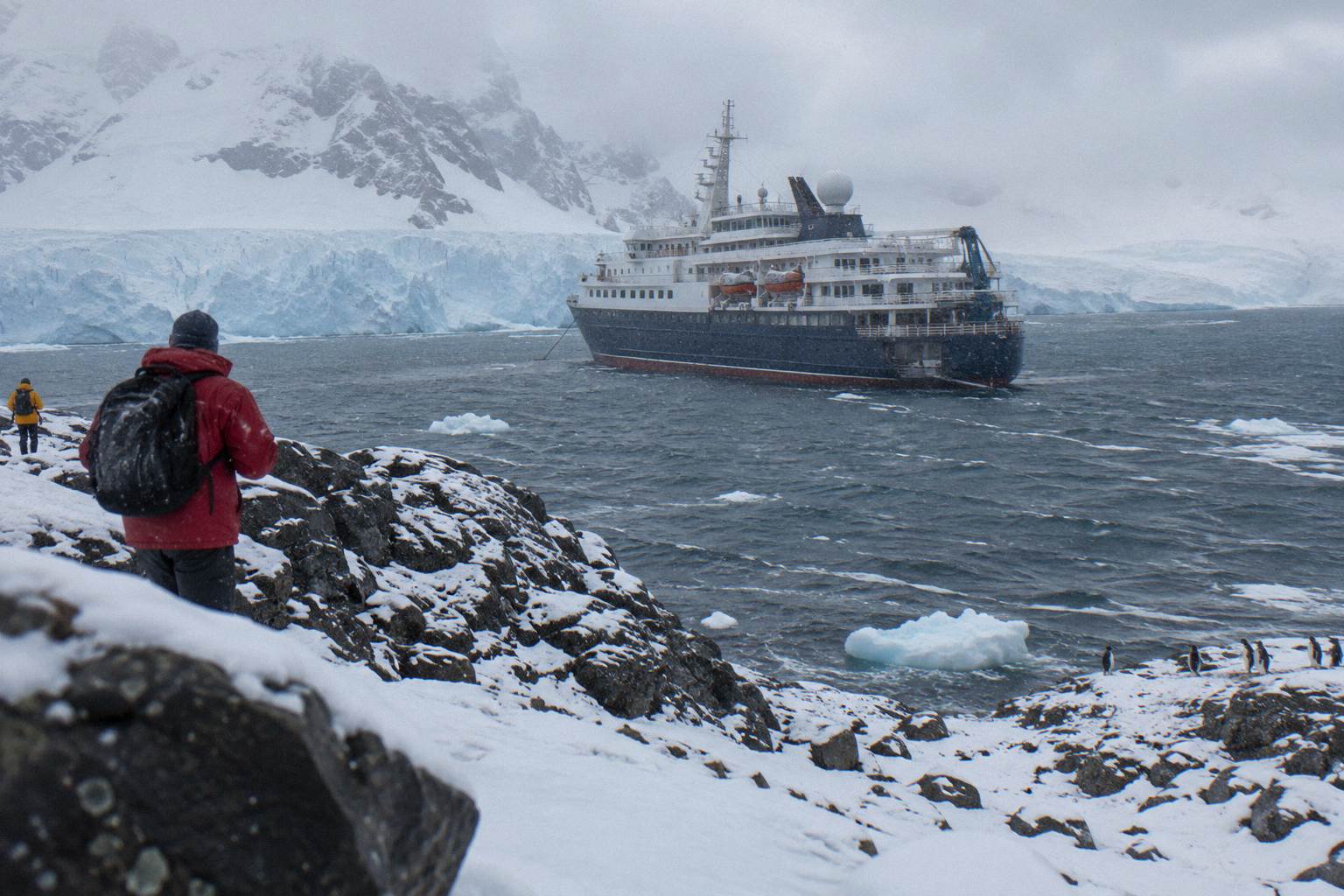
Aurora Expeditions is an Australian expedition cruise operator with more than 35 years of polar experience. The company is also a member of IAATO, the industry body that regulates Antarctic tourism, meaning its voyages operate under the rules and guidelines set for travel to the region. Its Antarctica programme for 2026-27 runs on three small purpose-built ships, Greg Mortimer, Sylvia Earle and the newbuild Douglas Mawson, all with Ulstein X-BOW hulls. The operator's own positioning is the small-ship, activity-heavy end of the market: kayaking and camping alongside the usual Zodiac landings, and roughly 130 guests aboard on expedition. It sits in the upscale expedition tier, above the budget small-ship operators and below the all-suite luxury lines.
The company describes itself as Australian, with its headquarters in Australia, and positions 35-plus years of experience at the front of its marketing. IAATO, the industry body that regulates Antarctic tourism, lists it in the public membership directory alongside the other operators in this market. Its vessels are purpose-built for polar water rather than converted research or navy ships, which separates it from the budget tier where several older conversions still sail.
What that means for a buyer is a consistent house style. Every Aurora ship carries roughly the same guest count, the same X-BOW hull concept, and the same activity menu, so choosing between them is mostly a matter of build year, itinerary and price rather than a choice between fundamentally different products. If you want to understand how the whole market splits before narrowing down, the guide to Antarctica cruise ships covers every vessel and class.
Aurora's ships are all on the small end of the fleet scale, and Cruises In Antarctica covers them alongside every other operator in the market so you can compare like with like. IAATO's own figures put total Antarctic tourism at 113,518 visitors in the 2025-26 season, and roughly 98 percent of voyages reach the Antarctic Peninsula. Aurora's share of that is a boutique slice: 27 voyages across the three ships for 2026-27, per one September 2026 trade report.
Which Ships Does Aurora Expeditions Sail To Antarctica In 2026-27?
Aurora Expeditions sails three ships to Antarctica in the 2026-27 season: the Greg Mortimer, built in 2019; the Sylvia Earle, built in 2022; and the Douglas Mawson, built in 2025. Travelers booking an Antarctic voyage with Aurora that season can choose among these three vessels, each operating under the Aurora Expeditions name. All three carry Ulstein X-BOW hulls and roughly 130 guests on expedition, though Douglas Mawson lists a maximum of 154 and sails longer 34-day voyages. Published fares from the ship cards start at $19,521 per person on Greg Mortimer and $19,566 on Sylvia Earle; Douglas Mawson's current fare is not published on its ship page and needs a direct check.
| Ship | Built | Guests on expedition | Cabins | Length | Hull | Voyage days | From per person |
|---|---|---|---|---|---|---|---|
| Greg Mortimer | 2019 | 130 | 76 | 104 m | Ulstein X-BOW | 12/13/14/23/26 | $19,521 |
| Sylvia Earle | 2022 | 130 | 71 | 104 m | Ulstein X-BOW | 12/13/20 | $19,566 |
| Douglas Mawson | 2025 | 130 (154 maximum) | not stated | not stated | Ulstein X-BOW | 34 | Not stated |
The two older sisters are close twins in practice. Greg Mortimer carries 76 cabins and Sylvia Earle 71, both around 104 metres, both with 15 Zodiacs and four dedicated boarding doors for faster launch and recovery. Aurora's ship page states that 85 percent of Greg Mortimer's staterooms have a balcony; on Sylvia Earle the balcony stateroom categories run from Superior down through A, B and C, including a solo category. Where they differ is fit-out detail: Sylvia Earle adds a Citizen Science Center, a heated pool and a ski and snowboard touring programme that the older ship does not list in the same form.
Douglas Mawson is the fleet's new build, delivered in 2025. Its ship page lists 34-day voyages, and Aurora also runs fly-the-Drake express options and Christmas and New Year Circle-crossing departures on it. The operator's ship page gives 154 guests maximum and 130 on expedition, and no Antarctic fare is published on the pages we read. If you want the newest Aurora hull, this is the ship to ask about, and a current fare needs a free consultation to confirm before you plan a budget around it.
For a side-by-side read of the three vessels on the site's own ship data, the comparison below draws the same roster figures this guide uses, so you can see capacity, build year and voyage lengths together rather than scrolling between pages.
| Ship | Class | Passengers | Ice class | From, per person | Voyage length | Departs from |
|---|---|---|---|---|---|---|
| Greg MortimerAurora Expeditions | Upscale Expedition | 130 | – | from $19,521 | 12 to 26 days | Ushuaia |
| Sylvia EarleAurora Expeditions | Upscale Expedition | 130 | – | from $19,566 | 12 to 20 days | Ushuaia |
| Douglas MawsonAurora Expeditions | Upscale Expedition | 154 (130 in Antarctica) | – | – | 34 days | Ushuaia |
That table is the quick reference; the sections below carry the detail behind each number, from the itinerary calendar to the fare inclusions. If the fleet summary already points you toward one ship, the next decision is which sailing date and route, and that is where the itineraries come in.
What Itineraries, Lengths And Ports Does Aurora Expeditions Offer?
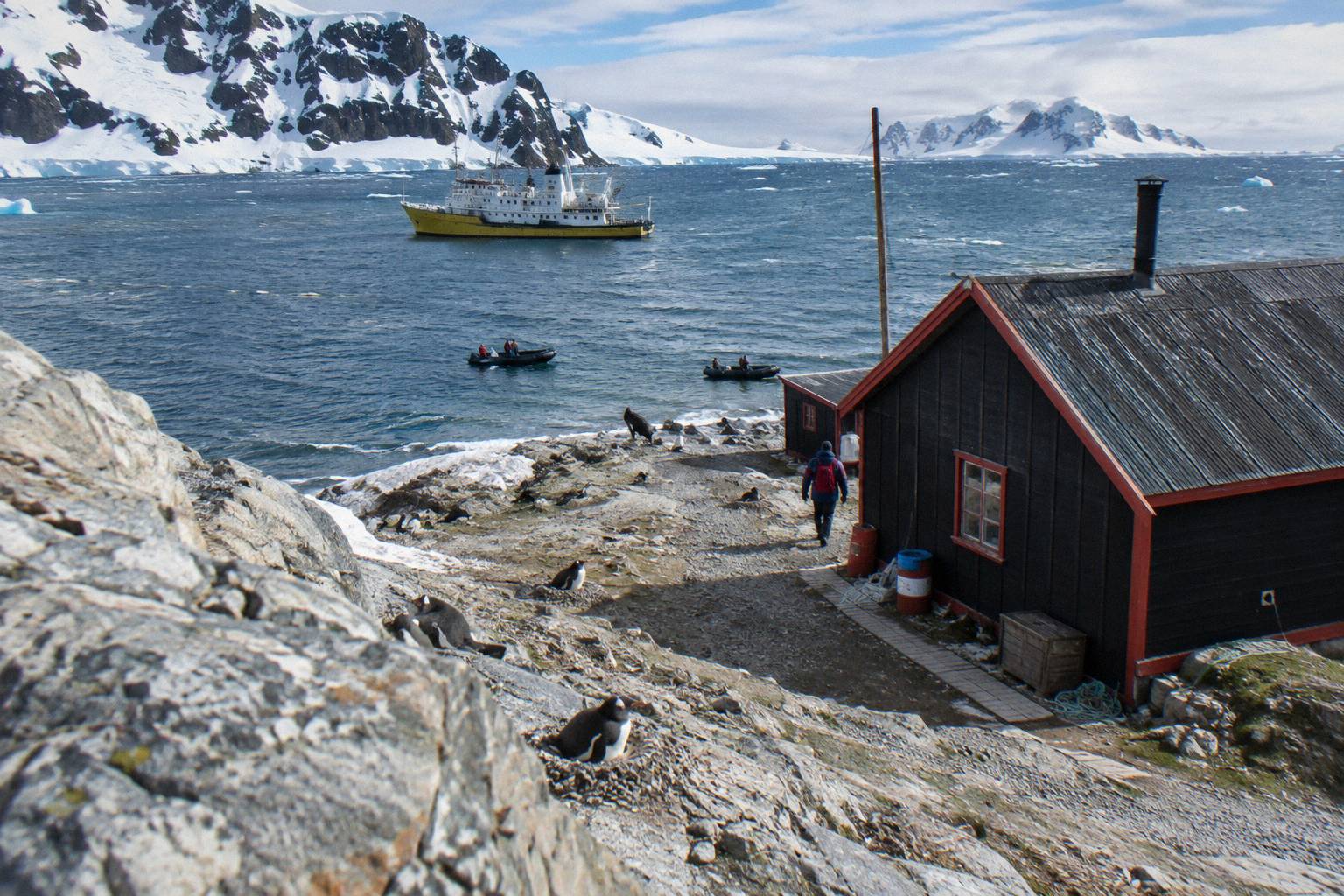
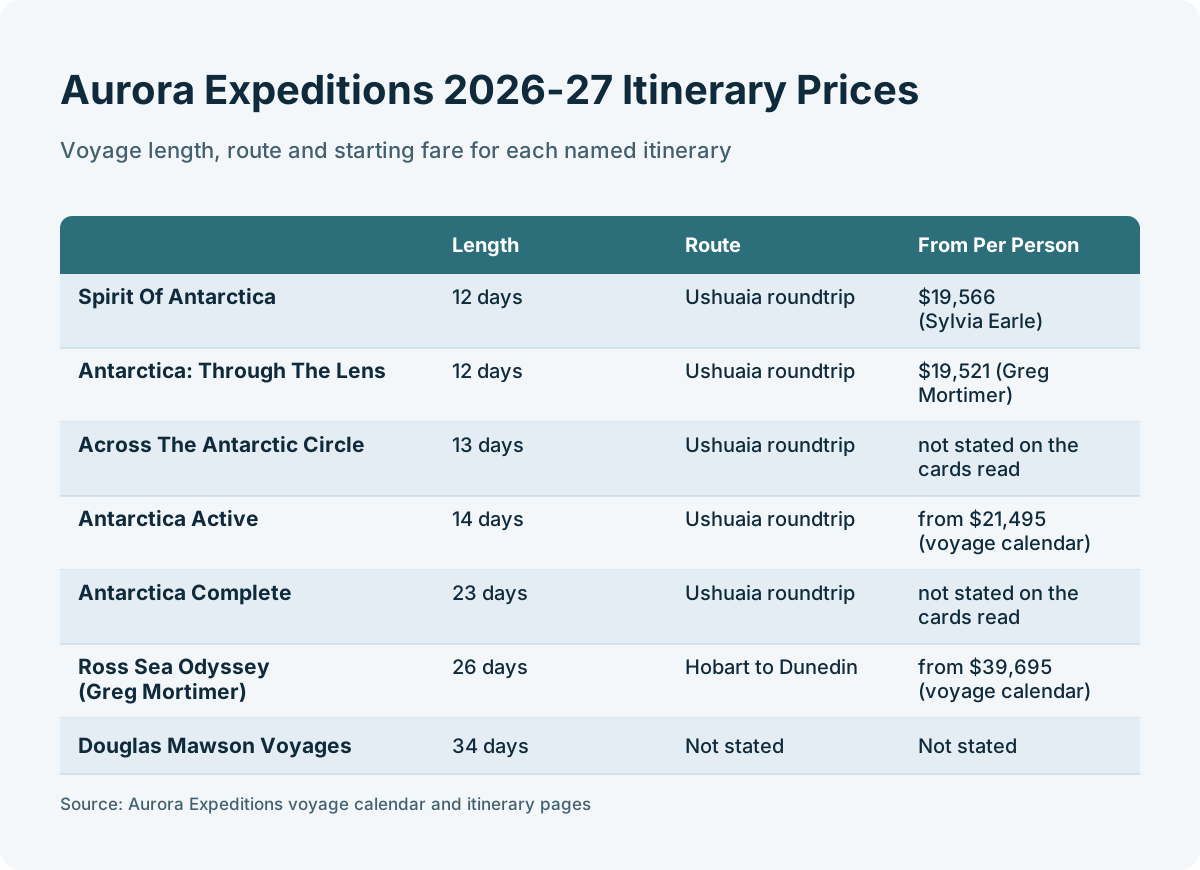
Aurora Expeditions builds its core product around Antarctic Peninsula voyages lasting 12 to 14 days, which sail roundtrip from Ushuaia or travel one way to Punta Arenas, and its named itineraries include Spirit of Antarctica, Antarctica Active, and Across the Antarctic Circle. Longer options run to 20, 23 and 26 days, including the Ross Sea Odyssey from Hobart on Greg Mortimer, and Douglas Mawson's 34-day voyages. The operator also markets sail-and-fly express variants that cut one Drake Passage crossing, which shortens the trip to 8 or 9 days.
| Itinerary | Length | Route and ports | From per person |
|---|---|---|---|
| Spirit of Antarctica | 12 days | Ushuaia roundtrip | $19,566 (Sylvia Earle) |
| Antarctica: Through the Lens | 12 days | Ushuaia roundtrip | $19,521 (Greg Mortimer) |
| Across the Antarctic Circle | 13 days | Ushuaia roundtrip | not stated on the cards read |
| Antarctica Active | 14 days | Ushuaia roundtrip | from $21,495 (voyage calendar) |
| Antarctica Complete | 23 days | Ushuaia roundtrip | not stated on the cards read |
| Ross Sea Odyssey (Greg Mortimer) | 26 days | Hobart to Dunedin, 14 December 2026 | from $39,695 (voyage calendar) |
| Douglas Mawson voyages | 34 days | Not stated | Not stated |
The named itineraries come from Aurora's own voyage calendar and itinerary pages. Spirit of Antarctica is the standard Peninsula loop: the Drake Passage, the South Shetland Islands and the western Peninsula, with landings chosen day by day. Across the Antarctic Circle aims to push south of 66 degrees 33 minutes south where the ice allows, and Antarctica Complete runs 23 days from Ushuaia. The photography itinerary, Antarctica: Through the Lens, is a 12-day voyage built around photography.
The Ross Sea product is the outlier in Aurora's fleet. The 26-day Ross Sea Odyssey on Greg Mortimer departs Hobart on 14 December 2026 and finishes in Dunedin, New Zealand, with Macquarie Island and the Ross Sea on the route; Ross Sea departures across the market are few each season. The deep-dive guide to the Ross Sea cruise covers the route in full. Aurora also lists Epic Antarctica at 32 to 34 days on Greg Mortimer.
Departure ports matter more here than on most routes. The Peninsula voyages leave from Ushuaia in Argentina, occasionally ending in Punta Arenas in Chile on one-way sailings, and both gateways are covered in detail in getting to Ushuaia. The express products, Antarctic Explorer Express and the fly-the-Drake variants on Sylvia Earle and Douglas Mawson, run 8 to 9-plus days: you sail one crossing and fly the other, halving your time on the Drake. Whether that trade suits you is a real decision point, and the guide to fly or cruise the Drake works through it.
How Much Does An Aurora Expeditions Antarctica Cruise Cost?
Expect to pay from $19,521 per person twin share for an Aurora Expeditions Antarctica cruise, the lowest fare captured on Aurora's own ship cards. That price applies to a 12-day photography voyage aboard the Greg Mortimer, while a Spirit of Antarctica sailing aboard the Sylvia Earle was listed at $19,566. Aurora's itinerary pages have shown Spirit of Antarctica from about $15,436 twin share with seasonal offers of up to 35 percent, so the card figures are not the whole price range. A current fare for Douglas Mawson is not published and needs a direct check before any budget planning.
The operator's own pages show a wide spread by itinerary. Aurora's voyage calendar lists Antarctica Active from USD $21,495 per person, and the 26-day Ross Sea Odyssey from USD $39,695. Those are programme-highs at the long end. Third-party price trackers that sample Aurora's 12-day sailings report twin fares starting around $13,195 to $17,006, but those readings are not from the operator's own ship cards, so treat them as market context rather than a quote you can book.
Cabin category moves the price more than the ship does. On Greg Mortimer, 85 percent of staterooms carry a balcony, and the categories climb from Aurora Stateroom twin and triple share through balcony categories to Captain's and Junior Suites. Sylvia Earle follows the same ladder. Specialist listings show dedicated solo staterooms at no single supplement on both ships, which is unusual at this tier: most operators charge a single supplement that market roundups put anywhere from 25 percent to double the twin rate.
What you get for the money is the upscale expedition package rather than the luxury one. Aurora sits below the all-suite lines on price per day, and above the budget small-ship operators, a spread worked through in is a nicer ship worth it for Antarctica. If your budget is fixed and the question is which tier to buy into at all, the cost guide at how much an Antarctica cruise costs is the right starting point before you narrow to a specific operator. When you are ready to compare real quotes across operators, our free Antarctica cruise consultation puts current fares in front of you with no obligation.
What Is Included And Excluded In An Aurora Fare?
Aurora fares bundle house wine, beer and soft drinks with dinner, 24-hour tea, coffee and snacks, plus the Zodiac excursions and expedition programme, and the ship pages itemise these inclusions clearly; anything beyond them should be checked against your own ship's page before you book. The ship pages also list a wide activity menu. Gratuities, parkas, boots and international flights are not itemised on the ship pages, so they need confirming at the time of booking before you compare Aurora against an all-inclusive competitor.
| Item | Status on Aurora's published pages |
|---|---|
| All meals aboard | Not itemised on the ship pages |
| House wine, beer and soft drinks with dinner | Included, per ship page |
| 24-hour tea, coffee and snacks | Included, per ship page |
| Zodiac excursions and landings | Included |
| Kayaking, camping, snowshoeing, snorkelling, paddling | Listed on the ship pages as ship activities |
| Gratuities | Not stated on the pages read |
| Waterproof parka and boots | Not stated on the pages read |
| International and gateway flights | Not stated as included on the ship pages |
| Travel insurance | Not included; a separate requirement |
The honest read is that Aurora under-publishes its inclusions compared with the luxury lines, which itemise everything from gratuities to charter flights. That cuts both ways. It means you should confirm the fine print before you compare Aurora against an all-inclusive operator, and it also means the sticker fare can look higher than the real gap once you add the excluded items to a competitor's price. A structured way to do that comparison is the checklist in how to compare Antarctica cruise quotes.
One inclusion worth singling out is insurance. Antarctic operators across the market require medical evacuation cover, and third-party comparisons of operator terms show minimums that vary by line, with several major operators requiring evacuation cover well into six figures per person. Aurora's own specific requirement is not on the pages we read, so confirm it at booking rather than assuming a standard policy clears the bar. The guide to Antarctica travel insurance explains what the operators look for.
What Sets The Aurora Approach Apart?
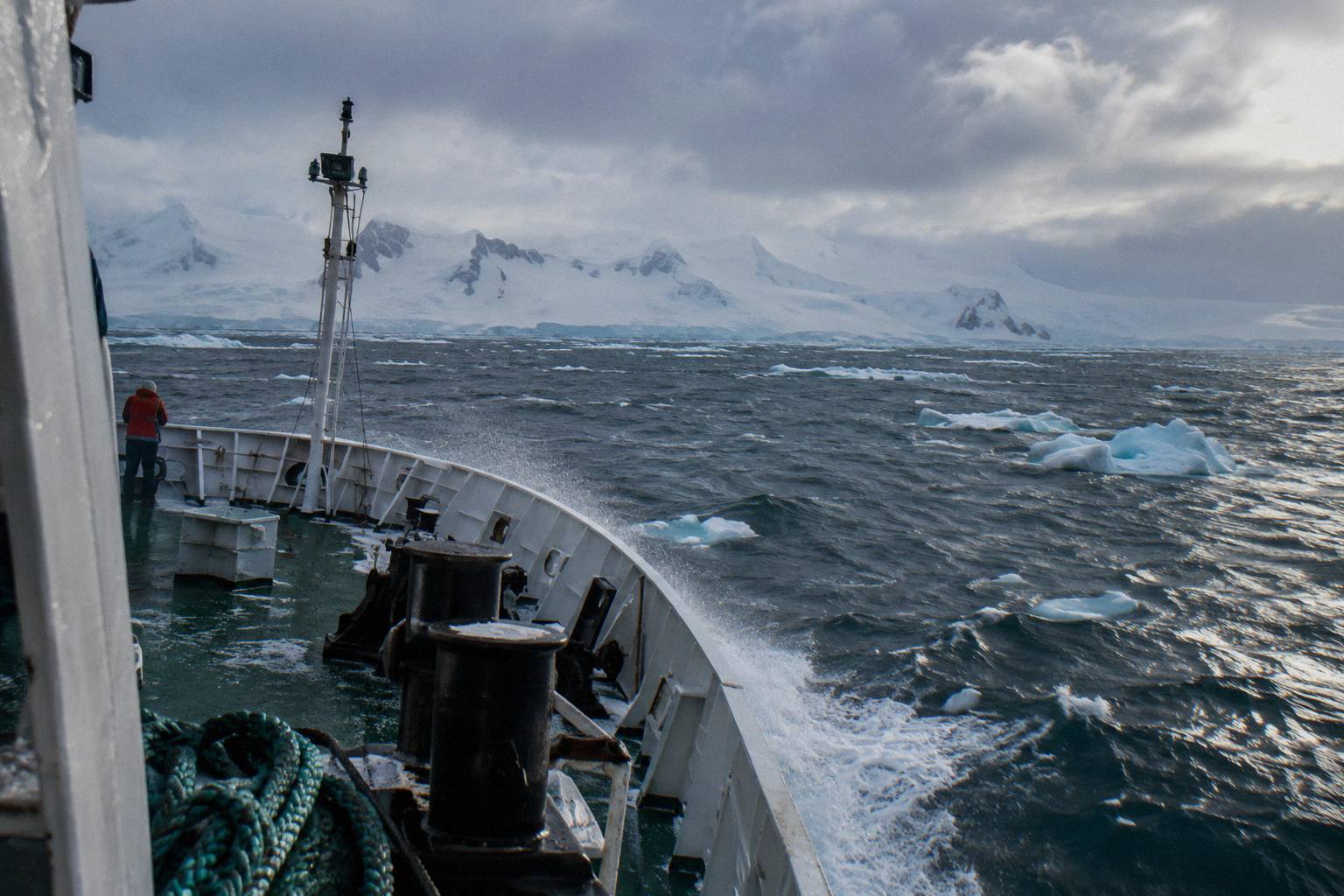
Aurora stands apart for three reasons: every ship in the fleet carries an Ulstein X-BOW hull, the ship pages list a long activity menu, and the ships carry roughly 130 guests supported by 15 Zodiacs and four boarding doors. The X-BOW is an inverted bow design claimed to reduce slamming, pitch and vibration in open water, which matters on a crossing with a reputation for rough conditions. The activity programme and the small guest count shape daily life aboard more than any lounge or spa.
The X-BOW claim is the operator's, and no independent performance figures for it are published, so take the comfort promise as marketing with a plausible mechanism rather than a tested number. What is verifiable is that all three Aurora ships carry the design, which is not true across the market: only a handful of competitors, including Ocean Albatros and the Lindblad National Geographic sisters, list it. The mechanics of X-BOW hulls and stabilisers are explained in X-BOW and stabilisers.
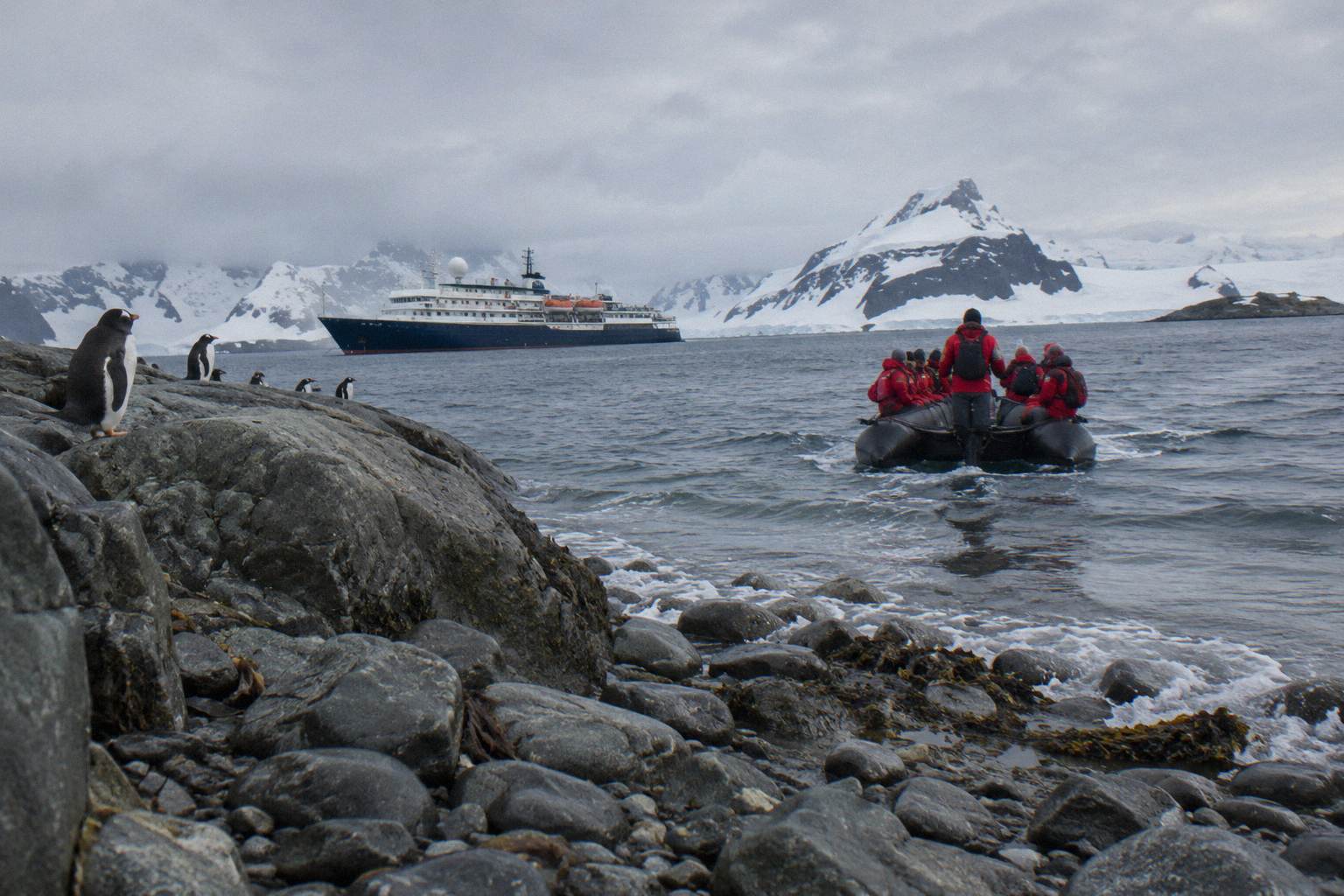
The activity menu is where Aurora earns its price tier. On Sylvia Earle the ship page lists sea kayaking, camping, snowshoeing, snorkelling, paddling, ski and snowboard touring, a polar plunge and a citizen science programme, alongside 15 Zodiacs launched through four doors. Greg Mortimer's page lists the similar set with scuba diving on select itineraries. On some budget lines, kayaking and camping are paid add-ons; on Aurora the ship pages list them among the ship's activities.
The guest count shapes the landing rhythm. IAATO rules cap 100 passengers ashore at a time at most sites, and with about 130 guests aboard, Aurora landings run as a quick rotation rather than the multi-shift shuffle the 200-plus-passenger ships need. IAATO guidance also sets a minimum of one guide per 20 visitors ashore. Both rules are explained in plain terms in the expedition team ratio guide. Small-ship trade-offs are real, though: less tonnage means more motion in open water than on the big stabilised ships, a point worked through in small-ship Antarctica cruising.
What Is New For Aurora Expeditions In 2026-27?
For the 2026-27 season, Aurora Expeditions has scheduled 27 Antarctica voyages across its three ships, with 18 scientists sailing on 11 of them to add research depth to the trips. The other headline is reach: the programme runs from the Peninsula to the Ross Sea and East Antarctica. The operator calls this a return to the Ross Sea and East Antarctica, with Greg Mortimer sailing the Ross Sea Odyssey from Hobart. The season runs November to March, the standard Antarctic window, and the programme reaches from the Peninsula to the far side of the continent.
The science programme is a genuine differentiator rather than a brochure line. The trade report that detailed the season lists whale ecology, penguin research, biodiversity and colossal squid projects among the onboard science work. For travellers that means lectures and deck time with working researchers on nearly half the departures. Aurora also runs a Young Adventurers programme, a contrast with the adults-only stance Viking takes with its 18-plus minimum.
The fleet story matters to anyone planning a year or two out. Greg Mortimer arrived in 2019, Sylvia Earle in 2022 and Douglas Mawson in 2025, and Aurora has announced no fourth Antarctic hull. If your question is how Aurora compares with the other upscale operators, the head-to-head at Aurora vs Quark is the sibling comparison worth reading next.
Solo Travel, Families And Minimum Age On Aurora
Aurora publishes dedicated solo staterooms at no single supplement: up to 10 solo cabins per sailing, with solo balcony categories A, B and C on Greg Mortimer and dedicated solo balcony staterooms on select Sylvia Earle categories. That is a strong position, since market roundups put typical single supplements at 25 percent to double the twin fare. The minimum age is less clearly published: one 2026 policy roundup lists Aurora at six plus, but the operator's own pages do not state it in the sections we read.
The solo cabin policy deserves a plain explanation because it is rare at this tier. Most expedition operators either charge a supplement or, occasionally, waive it on selected departures. Aurora builds solo cabins into the deck plans of both main ships and prices them without a supplement, which changes the maths for a single traveller comparing operators. Solo-specific details across the whole market, including which lines waive supplements and when, are laid out in solo travel in Antarctica.
On age, the honest position is that you should confirm at booking. The 2026 coverage citing a six-plus minimum for Aurora is a secondary source; the operator's own expedition pages we read do not state a minimum age, and Aurora markets its Young Adventurers programme, which implies families are accepted rather than excluded. If a children policy decides your booking, put that question to the operator or to a specialist before you commit. Our consultation can confirm the current policy for your specific sailing.
For travellers at the other end of the age range, Aurora's pages state no upper age limit, and no searched operator page across the market states one either. The practical gate is the medical form: Antarctic operators generally require a signed fitness declaration, and the senior-specific considerations are covered in Antarctica cruises for seniors.
Who Should Book Aurora, And Who Should Look Elsewhere?
Aurora suits active travellers who want a small ship, a heavy activity menu and a solo-friendly fare structure, and who accept a polished-but-not-luxury product at published from-fares of $19,521 to $21,495 per person for a 12 to 14 day Peninsula voyage. It is the wrong pick for a traveller who wants a submarine, a helicopter on the Peninsula route, an all-suite butler ship, or the rock-bottom berth price at the budget end of the market.
The fit is clearest for three traveller types. Activity-first travellers get kayaking, camping, snorkelling and ski touring as ship programmes rather than add-ons. Solo travellers get the no-supplement cabins. And long-route travellers get the Ross Sea Odyssey on Greg Mortimer, a route only a few operators, Heritage Expeditions among them, run each season. If that is you, start with the Douglas Mawson guide and the Greg Mortimer guide, or the sister-ship comparison at Sylvia Earle vs Greg Mortimer.
Who should look elsewhere, honestly. A traveller whose priority is a luxury hotel at sea should look at Silversea, Seabourn or Scenic, where open bars, butlers and multiple dining venues are the standard product; that comparison starts at luxury Antarctica cruises. A traveller who wants helicopters for flightseeing and landings on the Peninsula should look at Quark's Ultramarine, which carries two twin-engine helicopters. And a budget-first traveller should start with the Oceanwide fleet, whose from-prices on the roster read at $7,050 to $7,800 per person, in cheap Antarctica cruises.
The one thing not to do is buy on price alone. The gaps between tiers in this market are real: different guide ratios, different ice classes, different cabin sizes, different activity menus. Aurora's position is the middle of the upscale tier with an unusually strong solo policy, and that is a defensible reason to shortlist it, ask for a quote, and put it beside two competitors rather than the whole field. That is exactly what our free consultation is for, and it carries no obligation: shortlist with a free consultation and we will tell you which sailings we would price.
Common Questions About Aurora Expeditions Antarctica
Which Aurora Expeditions ships sail to Antarctica in 2026-27?
Three ships: Greg Mortimer (built 2019), Sylvia Earle (built 2022) and Douglas Mawson (built 2025). All three carry Ulstein X-BOW hulls and roughly 130 guests on expedition, though Douglas Mawson lists a maximum of 154. Greg Mortimer and Sylvia Earle sail the Peninsula itineraries of roughly 12 to 14 days, Greg Mortimer also runs the 26-day Ross Sea Odyssey, and Douglas Mawson is listed on 34-day voyages.
How much does an Aurora Expeditions Antarctica cruise cost?
The lowest fares captured on the operator's ship cards were $19,521 per person twin share for a 12-day photography voyage on Greg Mortimer and $19,566 for Spirit of Antarctica on Sylvia Earle. Aurora's itinerary pages have shown Spirit of Antarctica from about $15,436 twin share with seasonal offers of up to 35 percent, and the voyage calendar lists Antarctica Active from $21,495 and the 26-day Ross Sea Odyssey from $39,695. A current fare for Douglas Mawson is not published.
What is included in an Aurora Expeditions fare?
The ship pages itemise house wine, beer and soft drinks with dinner, plus 24-hour tea, coffee and snacks. Zodiac excursions, landings and the activity programme, including kayaking, camping and snowshoeing, are part of the fare. Gratuities, parkas, boots and flights are not itemised on the pages we read, so confirm them at booking rather than assuming either way.
Does Aurora Expeditions charge a single supplement?
Aurora publishes dedicated solo staterooms at no single supplement, up to 10 per sailing, with solo balcony categories A, B and C on Greg Mortimer and dedicated solo balcony staterooms on select Sylvia Earle categories. This is unusual: market roundups put typical single supplements across the industry at 25 percent to double the twin rate.
What is the minimum age on Aurora Expeditions Antarctica voyages?
One 2026 policy roundup lists Aurora's minimum age at six years, and the operator runs a Young Adventurers programme aimed at families. Aurora's own ship pages we read do not state a minimum age, so confirm the current policy for your specific sailing at booking.
Is Aurora Expeditions the same company as AE Expeditions?
Yes. Aurora Expeditions is a single Australian expedition cruise operator, an IAATO member, with its Antarctica programme run on the three ships named above. Trade coverage sometimes refers to it as AE Expeditions or Aurora Expeditions interchangeably; they are the same company and the same fleet.
More Ship And Line Guides
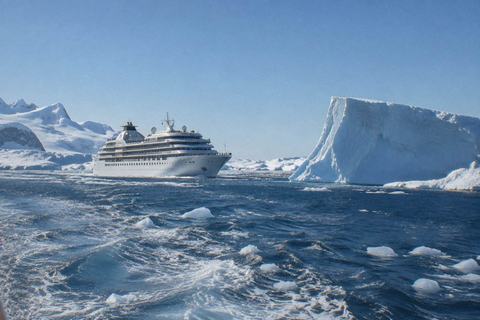 Mainstream LinesBig-brand Antarctica cruises sail past but never land; here is why, and what to book instead.Read the guide
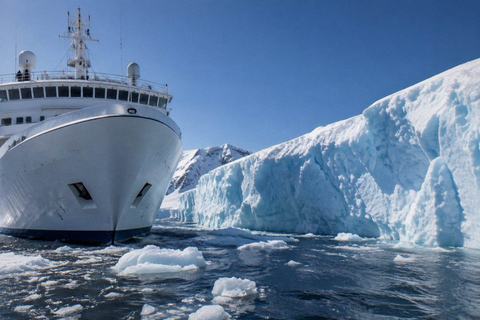 Viking AntarcticaViking Octantis and Polaris explained: specs, itineraries, fares and how they compare.Read the guide
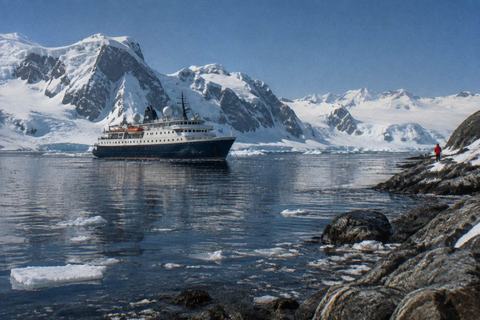 Silversea AntarcticaSilversea's three Antarctic ships, their voyages and how they compare with rival luxury lines.Read the guide
 Seabourn AntarcticaSeabourn's two expedition ships in Antarctica: what is verified, what is not, and how they compare.Read the guide