Ross Sea Cruise: The Long Voyage To Scott And Shackleton Huts
 By Oleg G.
The Ross Sea is the far side of Antarctica, the sector reached from New Zealand and Australia rather than South America. Voyages there run three to five weeks, call at the historic huts of Scott and Shackleton, and sail a fraction of the departures that head for the Antarctic Peninsula.
Quick answer: A Ross Sea cruise is an expedition voyage of roughly 21 to 34 days that departs from New Zealand or Hobart, spends around 10 to 12 days in Antarctic waters, and targets the Ross Ice Shelf, the McMurdo area and the preserved huts of Scott and Shackleton. Season 2026-27 departures cluster in January and February, with published fares from around $32,320 per person.
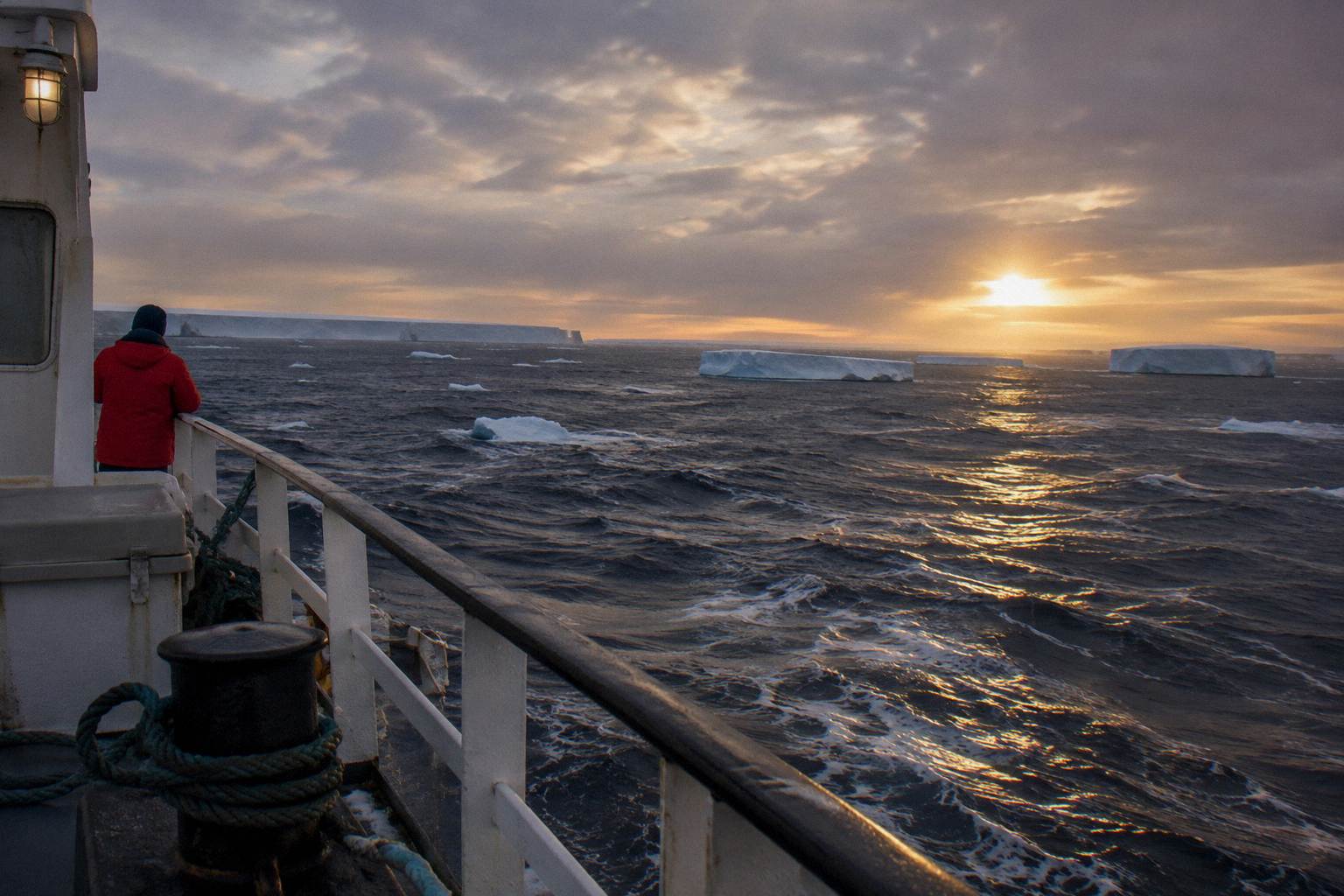
What Is A Ross Sea Cruise And Why Is It Different?
A Ross Sea cruise is an expedition voyage into the Pacific-facing sector of Antarctica, reached from New Zealand or Australia rather than from South America. Trips run roughly 21 to 34 days in total with about 10 to 12 days in Antarctic waters, and the draws are the Ross Ice Shelf, the historic huts of the Scott and Shackleton era, and emperor penguin colonies. Departures are limited, and the season window is short.
Almost all Antarctic tourism happens somewhere else. The Antarctic Treaty Secretariat notes that approximately 98 percent of tourism voyages occur in the Antarctic Peninsula region during the seven-month austral summer from October to April (Antarctic Treaty system tourism page). The Ross Sea, by contrast, sees only a handful of expedition departures in a typical season, and those voyages are long: even the shortest Ross Sea itineraries on the 2026-27 books run to three weeks or more.
The difference is geography. Peninsula voyages leave Ushuaia or Punta Arenas, cross the Drake Passage in about two days, and reach wildlife-rich islands within a week. Ross Sea voyages leave Bluff, Queenstown, Dunedin or Invercargill in New Zealand, or Hobart in Australia, and spend many more days crossing the Southern Ocean before the first Antarctic landfall. What that buys is a version of Antarctica most Peninsula travellers never see: the Ross Ice Shelf, the McMurdo area, and shore visits to the historic huts of Scott and Shackleton.
It is also the cruise route to those huts. The Ross Sea itinerary pattern is described in detail in our guide to Antarctica cruises from New Zealand and Australia, which covers the departure ports and the sub-Antarctic stepping stones used on the way south.
Which Ships Sail The Ross Sea In 2026-27?
The 2026-27 Ross Sea roster is small. Heritage Expeditions operates Heritage Adventurer, a 140-guest, 1A Super ice-class ship built in 1991, on its 28-day In the Wake of Scott and Shackleton voyage from Queenstown or Invercargill. Ponant schedules Le Soléal on a 22-day Scott and Shackleton Antarctic Ross Sea Expedition departing Dunedin. Aurora, Quark, Oceanwide and Scenic also list Ross Sea or Weddell-Ross itineraries, on voyages of 21 to 34 days.
Heritage Adventurer is the ship most closely associated with the route. Operator pages describe a 28-day voyage in the wake of Scott and Shackleton in January and February 2027, with 10 to 12 days spent in the Ross Sea region itself, visits to historic huts, and a fleet of 14 Zodiacs for landings. The ship carries 140 passengers, was built in 1991, and holds a 1A Super ice class. Heritage's own Ross Sea page lists the 28-day voyage from about $33,075 per person.
Ponant's Ross Sea product runs on Le Soléal, which the roster lists at 22 voyage days with a from-fare of $32,320 per person for the Scott and Shackleton Antarctic Ross Sea Expedition departing on 2027-01-25. Aurora Expeditions operates the 26-day Ross Sea Odyssey from Hobart aboard Greg Mortimer, returning to Dunedin via Macquarie Island, with voyage days of 12, 13, 14, 23 and 26 listed on the roster and a lowest Antarctic from-fare of $19,521 for a 12-day Peninsula voyage. Quark's Ultramarine, with 199 passengers, two twin-engine helicopters and 20 Zodiacs, holds a lowest Antarctic from-fare of $12,236, but that fare belongs to the 11 to 12 day Antarctic Explorer Peninsula voyage, not to a Ross Sea sailing.
The three ships below give a sense of how differently operators configure Antarctic voyages. None of the fares in the table belongs to a Ross Sea itinerary: the Le Boréal and Ultramarine figures are for other Antarctic voyages, and the table shows no Heritage Adventurer fare, although Heritage lists its 28-day Ross Sea voyage from about $33,075.
| Ship | Class | Passengers | Ice class | From, per person | Voyage length | Departs from |
|---|---|---|---|---|---|---|
| Heritage AdventurerHeritage Expeditions | Upscale Expedition | 140 | 1A Super | – | 28 days | Queenstown/Invercargill New Zealand |
| Le BoréalPonant | Luxury | 264 | – | from $23,020 | 19 days | Ushuaia, Buenos Aires |
| UltramarineQuark Expeditions | Upscale Expedition | 199 | 1A+, PC6 | from $12,236 | 12 to 14 days | Buenos Aires, Ushuaia |
Le Boréal, included in that comparison as Ponant's 264-guest luxury ship, sails The Great Austral Loop rather than the Ross Sea, an 18-night Great Austral Loop voyage from $23,020 per person departing 2026-11-12. The point of the comparison is that the Ross Sea sits at the far end of the spectrum: it is a specialist itinerary on a small number of vessels, not a standard product every line runs.
If the hut visits and the ice shelf are the reasons you are considering this route, the ship choice effectively makes itself through which operator's dates fit your calendar. A free consultation can surface the 2026-27 Ross Sea berths that are actually available before you commit to a specific line: help me pick a Ross Sea ship.
Where Do Ross Sea Voyages Depart From?
Ross Sea voyages depart from New Zealand or Australia, not from South America. The ports used in 2026-27 are Bluff or Queenstown, Dunedin or Invercargill in New Zealand, and Hobart in Australia, with the sub-Antarctic islands used as stops on the way south.
Heritage Expeditions lists Queenstown and Invercargill as its ports for the 28-day Ross Sea voyage. Ponant's Ross Sea itinerary on Le Soléal departs Dunedin. Aurora's Ross Sea Odyssey departs Hobart and returns to Dunedin, taking in Macquarie Island on the crossing. None of these routings touch Ushuaia, which is the practical difference from every Peninsula product: the logistics are trans-Tasman rather than trans-Andean.
For most travellers the first leg is a flight to the embarkation city in New Zealand or Australia. Buffer nights matter here, because a missed connection on a 28-day voyage cannot be fixed by joining the ship a day later. Our getting to Ushuaia guide covers the South American gateway pattern; the New Zealand and Australian side is simpler, but the stakes are higher.
The Southern Ocean crossing itself takes in the sub-Antarctic islands as waypoints, which is why these voyages carry a wildlife payload that pure open-ocean sailing would not. That side of the itinerary is covered in its own section below.
How Long Is The Voyage And What Does It Cost?
A Ross Sea voyage runs 21 to 34 days in total, with roughly 10 to 12 days actually spent in the Ross Sea region. Published 2026-27 fares start from around $32,320 per person on Le Soléal for the 22-day Scott and Shackleton expedition, and from approximately $33,075 for a 28-day Heritage Expeditions voyage. That is several times the cost of the classic Peninsula trip.
The roster and route data frame the gap plainly. A classic Antarctic Peninsula expedition runs 10 to 13 days with 4 to 6 days in Antarctic waters, and 2026-27 from-fares start at roughly $7,050 to $7,800 per person on the budget small ships. Antarctic Circle crossing voyages run 13 to 16 days. The Falklands, South Georgia and Peninsula combinations run 16 to 28 days. The Ross Sea sits above all of them in length and price.
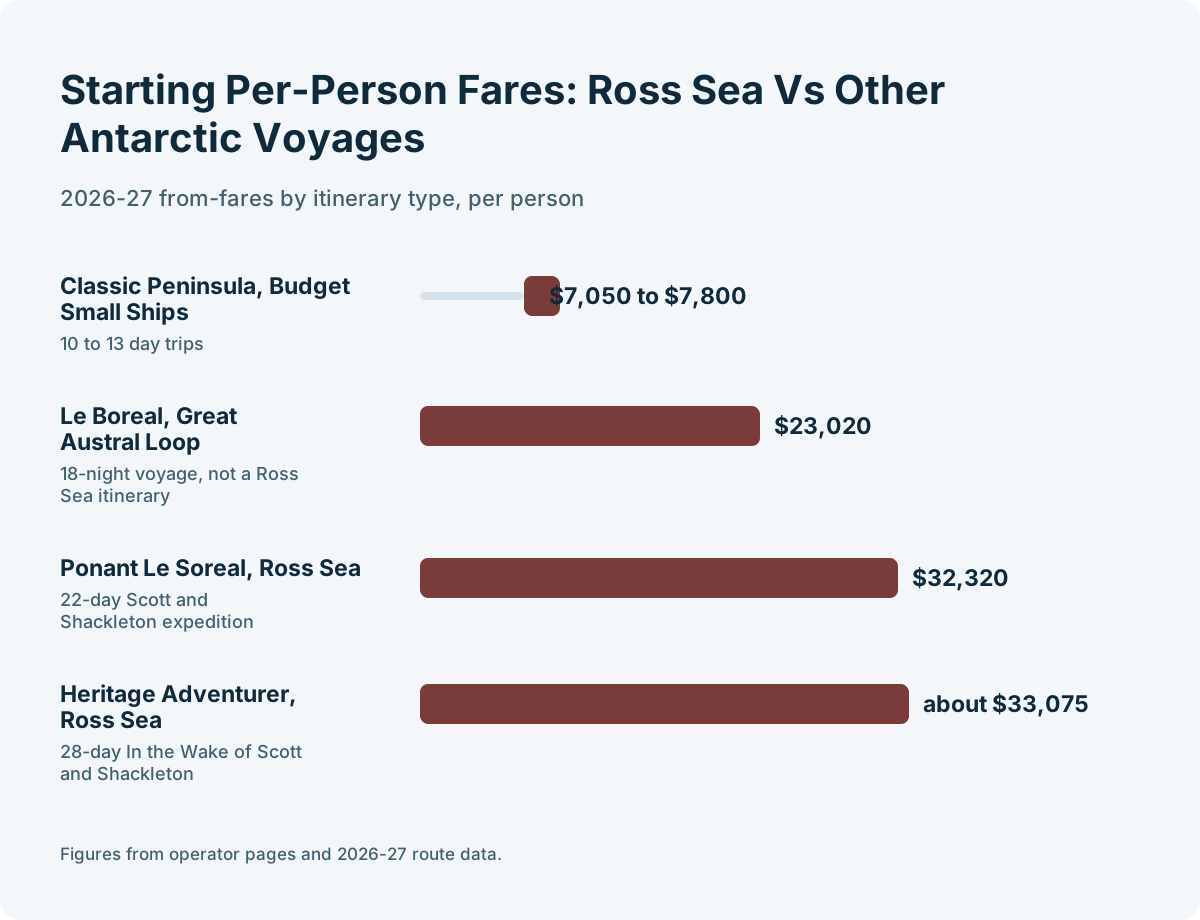
The table sets the route types side by side using the 2026-27 figures from the roster and operator route data.
| Itinerary type | Total length | Days in Antarctic waters | 2026-27 starting fare, per person |
|---|---|---|---|
| Classic Antarctic Peninsula | 10 to 13 days | 4 to 6 | from about $7,050 (Plancius) |
| Antarctic Circle crossing | 13 to 16 days | up to 9 | from about $10,848 |
| Falklands, South Georgia and Antarctica | 16 to 28 days | 3 to 9 | from about $17,809 |
| Weddell Sea and Snow Hill emperor voyages | 11 to 15 days | Not stated | from about $10,750 (Ortelius) |
| Ross Sea from New Zealand or Australia | 21 to 34 days | 10 to 12 | from about $32,320 (Le Soléal, 22 days) |
A 28-day Heritage voyage is more than twice the length of a 12-day Peninsula sailing, so the per-night comparison is less dramatic than the headline fare, but the absolute spend is in a different bracket.
Fares also differ in what they bundle, so two Ross Sea quotes that look similar are worth comparing line by line: compare my Ross Sea quotes.
What Are The Highlights: Ross Ice Shelf, Historic Huts And McMurdo?
The Ross Sea itinerary delivers three things no Peninsula voyage can: the Ross Ice Shelf; the historic expedition huts, including Scott's huts at Cape Evans and Hut Point and Shackleton's hut at Cape Royds; and the McMurdo area, with emperor penguin colonies listed among the highlights. Wildlife is present, but the draw is ice and history.
The huts are the unique cargo of this route. Scott's huts at Cape Evans and Hut Point and Shackleton's hut at Cape Royds are on the published itineraries, with the Ross Ice Shelf and McMurdo in the same region. Operator materials for the 28-day voyages list hut visits as itinerary highlights, alongside Zodiac cruising and landings that follow the sea ice rather than a fixed schedule. Emperor colonies are listed among the Ross Sea highlights, and as on every Antarctic route, access depends on ice and weather.
Landings on any Antarctic voyage follow IAATO rules: a maximum of 100 passengers ashore from a vessel at any one time, a minimum 1:20 ratio of actively guiding staff to visitors, and no landings at all from vessels carrying more than 500 passengers (IAATO visitor guidelines). On a 140-passenger ship like Heritage Adventurer, that means the whole ship can rotate through a hut landing in a small number of groups rather than the heavy rotations a larger vessel would need.
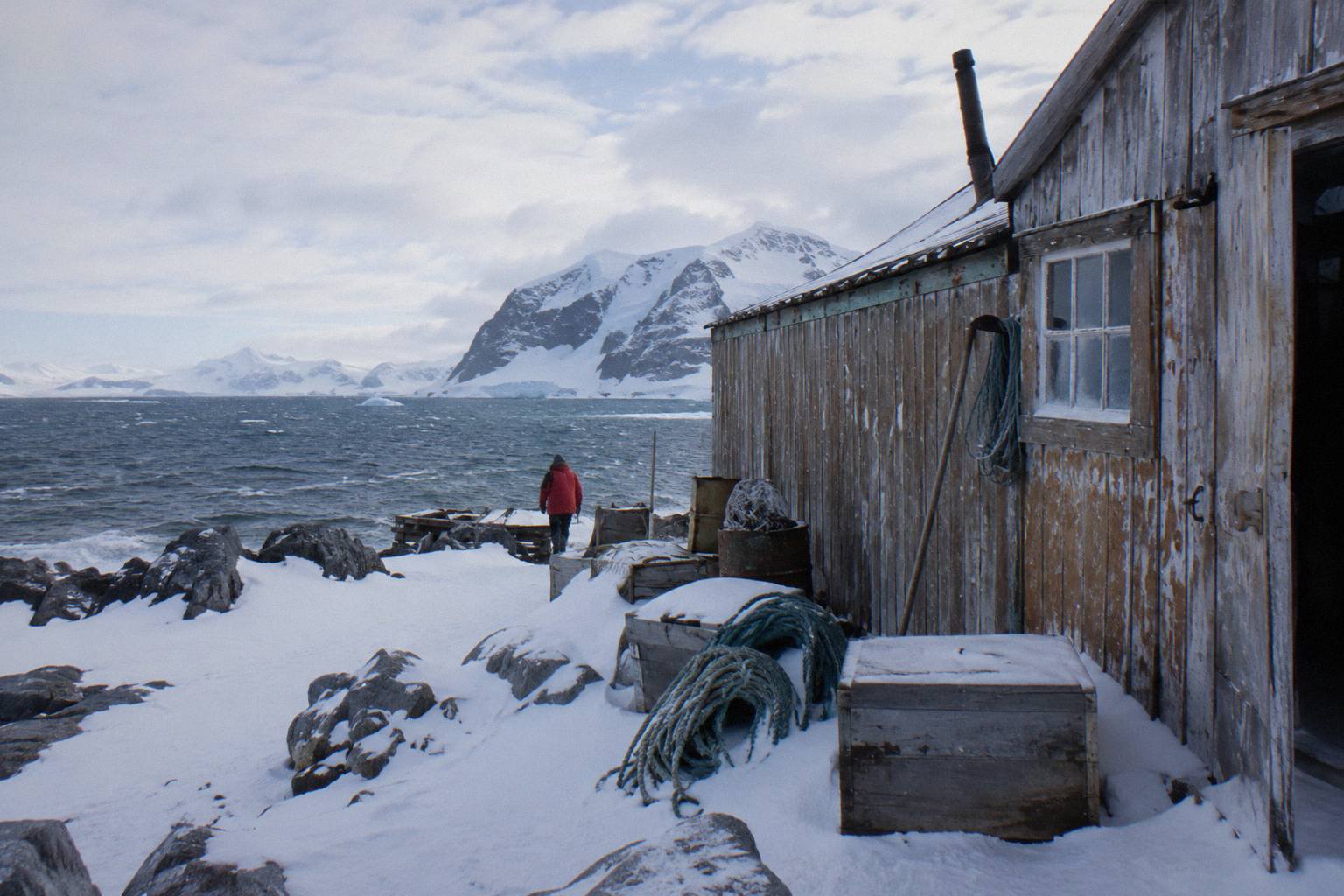
The wildlife trade-off is real and worth stating plainly. Peninsula voyages offer dense colonies of gentoo, chinstrap and Adélie penguins with short sailing distances between sites; the Ross Sea offers fewer landings, longer stretches at sea, and a landscape that most cruise travellers will never see. The emperor penguin is the prize species, and sightings are never promised, since the colonies sit on remote sea ice whose accessibility changes year to year. For travellers weighing emperor penguins against easier penguin viewing, our best place to see penguins breakdown covers both sides.
For United States travellers there is a paperwork angle worth knowing: American-based operators are required to submit environmental documentation to the Environmental Protection Agency for nongovernmental Antarctic expeditions (EPA programme page). The operator handles this; it is not a passenger task, but it is a reminder that Antarctic voyages run under permit regimes.
When Is The Ross Sea Season?
Ross Sea voyages operate mainly in January and February, per the operator listings. The wider Antarctic tourism season runs October to April, but the deep-itinerary departures are concentrated: 2026-27 Ross Sea sailings on the roster include Ponant's departure on 2027-01-25 and Heritage's January and February 2027 voyages.
Published sources place the Ross Sea season mainly in January and February, with some Ross Sea options listed for February and March, and the 2026-27 departures fit that pattern: Aurora's Ross Sea Odyssey leaves Hobart on 14 December 2026, Ponant's Le Soléal sails on 2027-01-25, and Heritage's voyages depart in January and February 2027. None of the listings read for this guide show a Ross Sea shoulder-season discount like the November and March fares on Peninsula sailings.
| Month | Ross Sea status | Antarctic tourism status overall |
|---|---|---|
| November | No departures in the listings read | Season opens; courtship and nest-building on the Peninsula |
| December | Aurora departs Hobart 14 December 2026 | Ice opening up on Peninsula routes; chicks begin hatching mid-month |
| January | Core Ross Sea window | Hatching and chicks; channels mostly ice-free |
| February | Core Ross Sea window | Whale numbers peak; Circle crossings more feasible |
| March | Some Ross Sea options listed for February and March | Whale activity continues; fledging penguins |
| April to September | No tourist voyages | Season closed across Antarctica |
Bookings for the following season's Ross Sea voyages open well ahead of departure, typically 12 to 18 months out. Ponant's 22-day expedition departing 2027-01-25 and Heritage's January and February 2027 sailings are the published 2026-27 anchors, and both carry far fewer berths than the dozens of Peninsula departures running in the same months.
The season question ties directly to the route question: if your travel dates fall in November, the listings read for this guide show no Ross Sea departure, and the Peninsula or a fly-cruise is the realistic Antarctic trip. That is a common planning fork on this route, and it is exactly where a short conversation saves months of chasing the wrong itineraries: check my dates against the season.
Which Sub-Antarctic Islands Do You Stop At?
The crossing to the Ross Sea doubles as a sub-Antarctic itinerary. Voyages from New Zealand and Australia can call at Macquarie Island with its royal penguins, and Auckland and Campbell islands appear on Ross Sea or dedicated longer voyages. Commonwealth Bay and Mawson's Huts appear on East Antarctic voyages rather than the standard Ross Sea loop.
Macquarie Island is the signature stop. Aurora's Ross Sea Odyssey from Hobart lists it on the route south, and the island is known for royal penguins. Auckland and Campbell islands also appear on Ross Sea and dedicated longer voyages from the region.
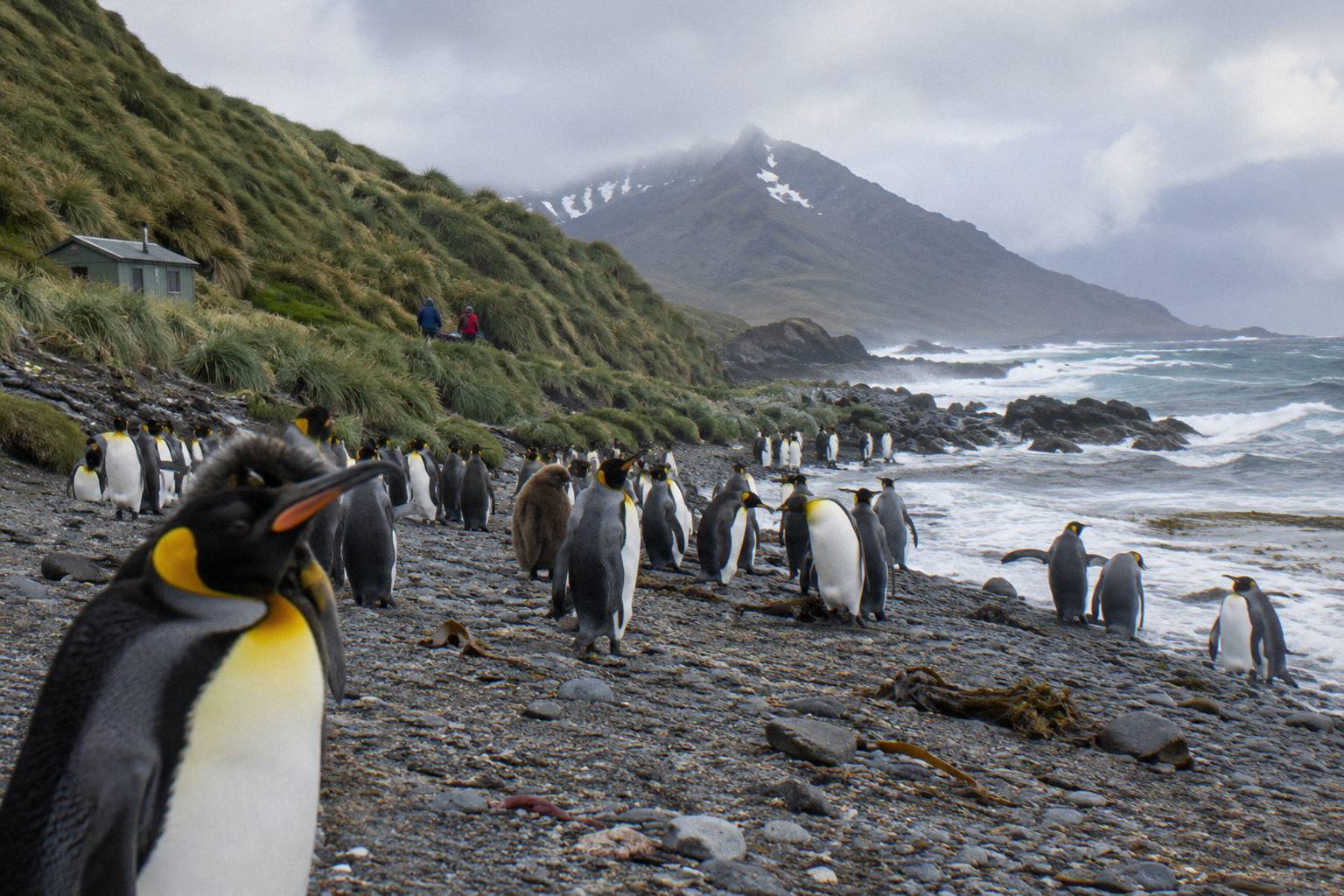
The distinction to watch is between the Ross Sea loop and the East Antarctic routings. Commonwealth Bay and Mawson's Huts belong to East Antarctic itineraries, which are rarer still and appear on longer voyages, as covered in our guide to East Antarctica and the sub-Antarctic islands. Operators listed for the wider region include Heritage Expeditions, Aurora Expeditions on Greg Mortimer, Scenic and Ponant, with only a few departures in a season.
| Sub-Antarctic stop | What you see | Which voyages include it |
|---|---|---|
| Macquarie Island | Royal penguins | Aurora's Ross Sea Odyssey from Hobart |
| Auckland Islands, Campbell Islands | Not stated | Ross Sea or dedicated longer voyages |
| Commonwealth Bay, Mawson's Huts | Mawson's Huts | East Antarctic routings on longer voyages |
These stops are not filler. On a 28-day voyage, the sub-Antarctic days are a substantial share of the experience, and travellers booking purely for Antarctica should know that some landings on a Ross Sea itinerary happen before the ship ever sights Antarctic ice.
Who Is A Ross Sea Cruise Right For?
A Ross Sea cruise suits travellers who can commit three to five weeks, who rank historic sites and remote ice above penguin-colony density, and who are comfortable with long sea days in open Southern Ocean conditions. It suits repeat Antarctica visitors chasing the far side and history-focused first-timers with the time. It does not suit anyone who wants a short, wildlife-dense first taste of Antarctica.
The honest framing for a first-time visitor is that the Peninsula delivers more Antarctic landings per day: Zodiac landings among penguins, short transits, and the possibility of an Antarctic Circle crossing on a 13 to 16 day voyage, all at a fraction of the Ross Sea fare. Our Antarctic Peninsula cruise and Antarctic Circle cruise guides cover that side of the market in detail. The Weddell Sea, reached from South America, offers emperor penguin voyages on 11 to 15 day itineraries from around $10,750 if Snow Hill access is the priority, as covered in our Weddell Sea cruise guide.
The Ross Sea buyer is usually one of two people. The first is the returner who has already done the Peninsula and wants the expedition history, the ice shelf and the exclusivity of a route that only a handful of ships serve. The second is the history or Shackleton obsessive, for whom Cape Royds and Cape Evans are the point of the entire continent, and for whom 28 days at sea is a fair price for the huts. Both types book far ahead, because the 2026-27 berths on these ships number in the hundreds, not the thousands.
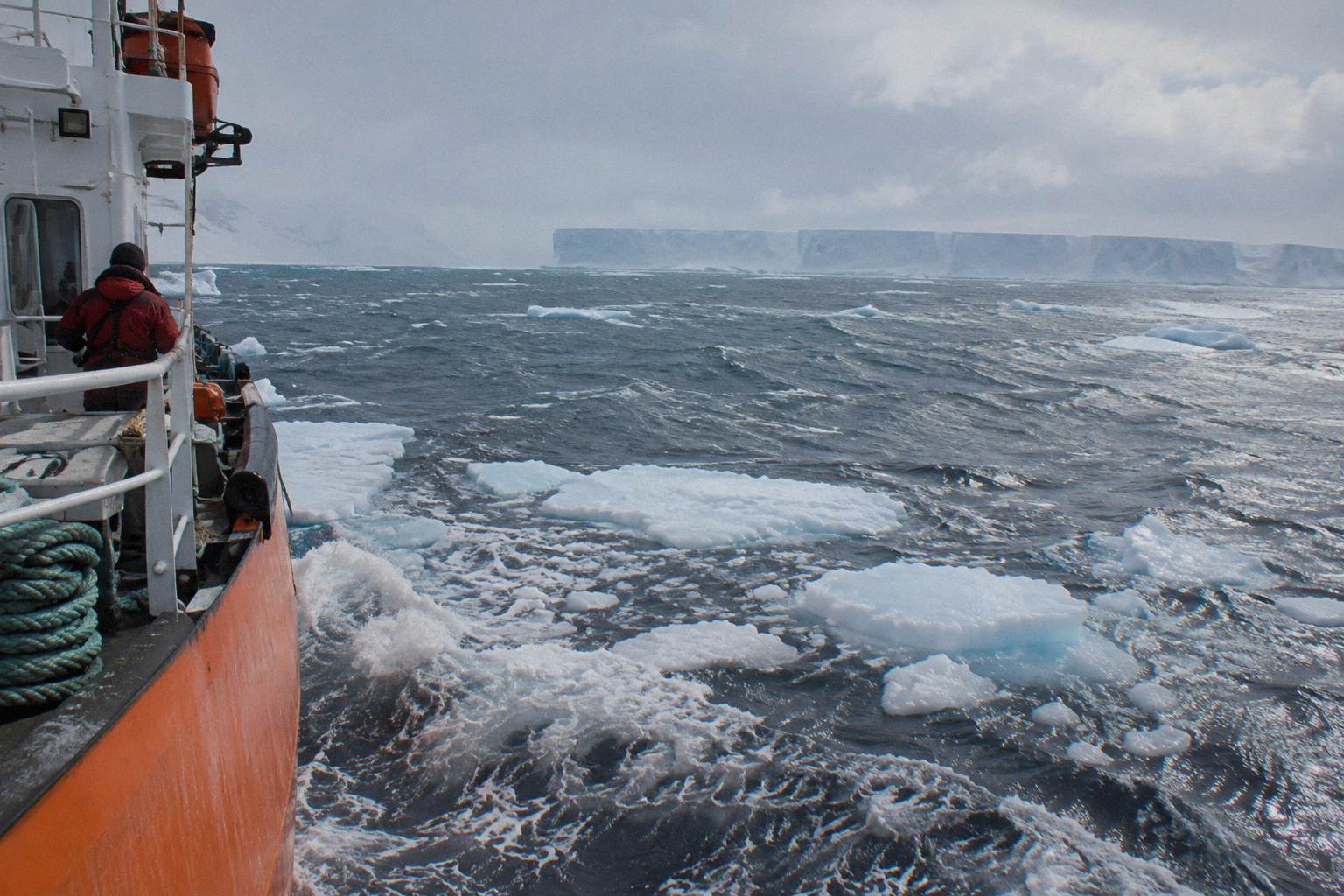
Age and fitness matter less here than patience. Landings follow the same 100-passenger and 1:20 rules that apply across Antarctica, and the main physical demand is sea state on the crossings. What the route does demand is schedule flexibility in both directions, since ice and weather can add or subtract days anywhere in a month-long itinerary.
If you recognise yourself in that profile, the practical next step is not a booking engine but a conversation: the 2026-27 Ross Sea field is only a handful of ships deep, and matching your dates to the right one is a planning exercise, not a checkout. The site's own route library at Cruises In Antarctica covers the South American alternatives in depth, and the free consultation below puts the Ross Sea options in front of you with no obligation attached.
Common Questions About A Ross Sea Cruise
How long is a Ross Sea cruise?
Ross Sea voyages run 21 to 34 days in total, with roughly 10 to 12 days spent in the Ross Sea region. The shortest published 2026-27 example is Ponant's 22-day expedition on Le Soléal departing 2027-01-25; Heritage Expeditions' hut-focused voyage runs 28 days.
How much does a Ross Sea cruise cost?
Published 2026-27 fares start from $32,320 per person on Le Soléal for the 22-day Scott and Shackleton Antarctic Ross Sea Expedition, and from approximately $33,075 for a 28-day Heritage Expeditions voyage. Classic Peninsula voyages, by comparison, start around $7,050 to $7,800 per person.
Which ports do Ross Sea voyages leave from?
Bluff or Queenstown, Dunedin or Invercargill in New Zealand, and Hobart in Australia. No Ross Sea voyage departs from Ushuaia or Punta Arenas; those ports serve the Antarctic Peninsula and the Weddell Sea.
When is the best time for a Ross Sea cruise?
Mainly January and February, per the operator listings, with some options in February and March. The wider Antarctic season runs October to April, but the Ross Sea window is far narrower, and there are no tourist voyages anywhere in Antarctica between April and September.
Can you visit Scott and Shackleton's huts on a cruise?
Yes, and the huts are the defining highlight of the route. Scott's huts at Cape Evans and Hut Point and Shackleton's hut at Cape Royds are listed as itinerary highlights on the 28-day voyages. Access follows IAATO landing rules, with no more than 100 passengers ashore at a time and a minimum 1:20 guide ratio.
Is a Ross Sea cruise worth it for a first Antarctica trip?
Usually not. First-time visitors wanting penguins, landings and short itineraries get more per day from a 10 to 13 day Peninsula voyage at a much lower fare. The Ross Sea suits returners and travellers specifically motivated by the expedition history, the ice shelf and the remoteness.
More Routes And Landings
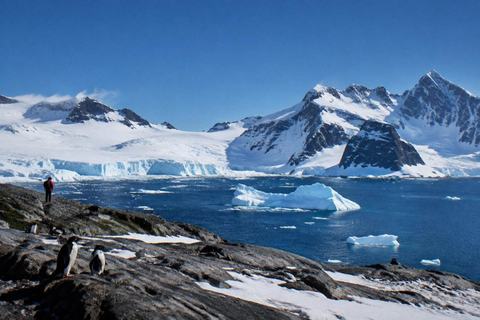 Peninsula CruisesThe classic Peninsula route explained: lengths, fares, landing sites and timing.Read the guide
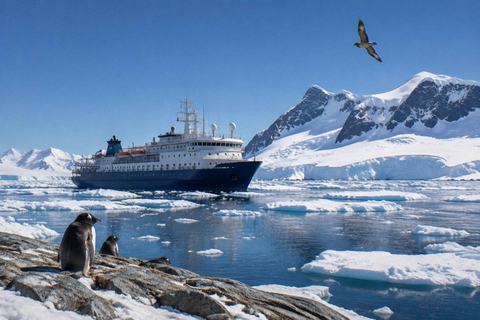 Antarctic CircleLonger, costlier voyages that push past 66 degrees south, and what the extra days buy.Read the guide
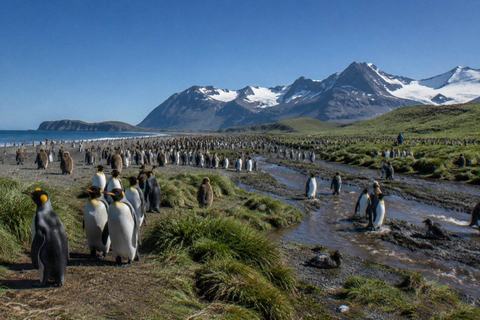 South Georgia CruisesThe 18-to-22-day Falklands, South Georgia and Peninsula itinerary, the premium wildlife cruise.Read the guide
 Cruises From UshuaiaShips, routes, fares and arrival logistics for the world's main Antarctica departure port.Read the guide