Plancius Vs G Adventures Expedition: Which Budget Ship Wins?
 By Oleg G.
The Oceanwide Plancius and the G Adventures Expedition sit at the bottom of the Antarctica cruise price table, but they are different products: a Dutch research-vessel conversion with a big activity menu, and a group-tour ship with a strong expedition team.
Quick answer: Plancius carries 108 passengers from $7,050 per person on Oceanwide's published Peninsula fares, with a Basecamp activity programme that includes camping, kayaking and mountaineering. The Expedition carries 128 from about $7,439 on fares reported but not operator-verified, with Zodiac excursions and expert guides. Both are true budget expedition cruises; the difference is activities and itinerary range.
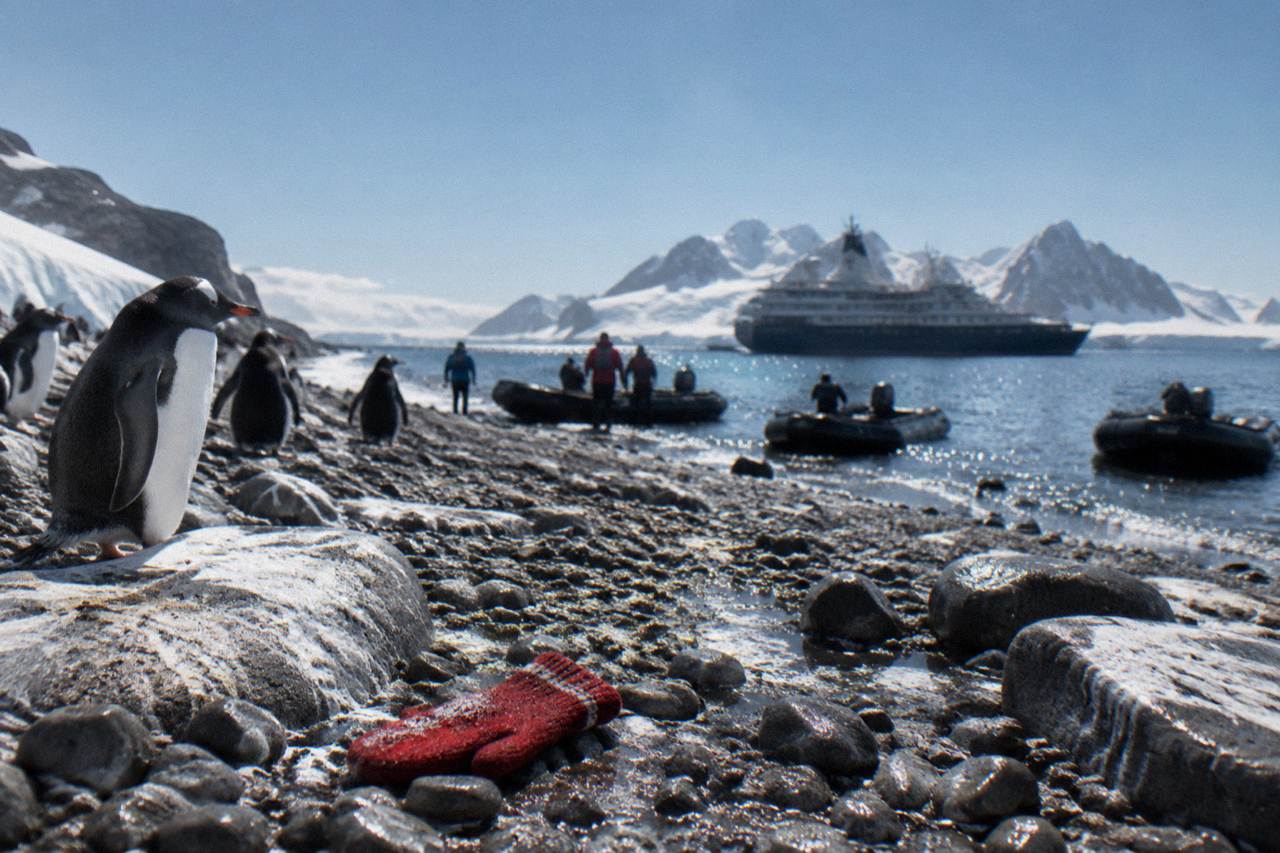
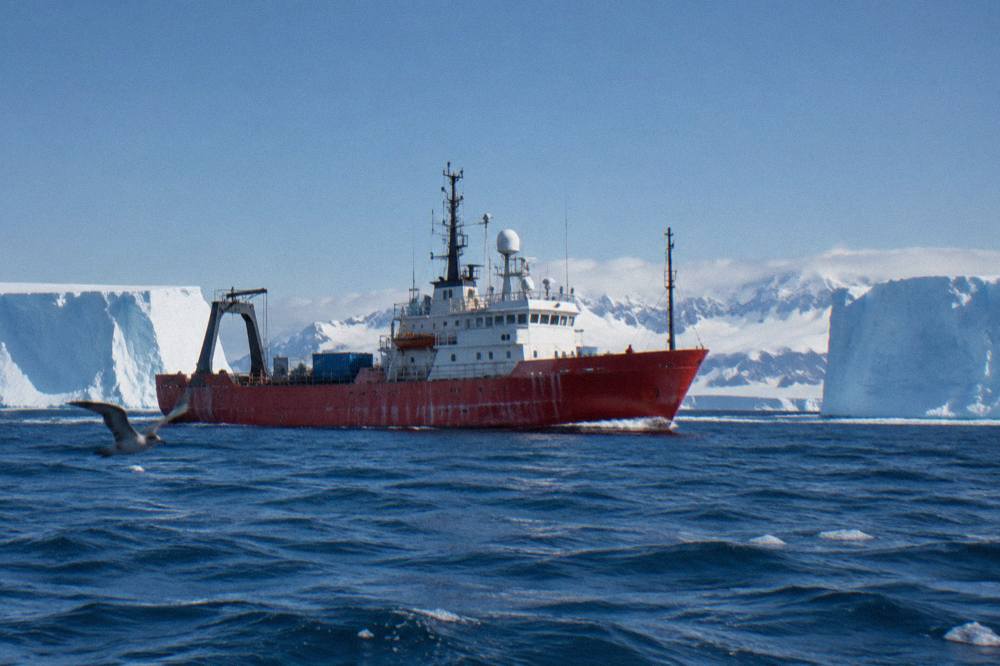
Two ships anchor the entry price of Antarctic expedition cruising. Oceanwide Expeditions' Plancius, a converted Dutch Navy oceanographic vessel rebuilt for passengers in 2009, and G Adventures' Expedition, a 1976-built ship marketed squarely at the group-traveller end of the market (see Navigator Vs Traveller). Both sail from Ushuaia, both carry well under 200 passengers, and both publish fares that sit thousands of dollars below the upscale expedition ships. This comparison lays out what the operators' own pages actually say about each vessel, where the published record goes quiet, and which traveller each ship genuinely suits.
Quick Facts Side By Side
Plancius is the cheaper and better-documented ship on the published numbers: Oceanwide lists a from-fare of $7,050 per person and voyages spanning 10 to 33 days, while the Expedition's fare of about $7,439 comes from a trade report rather than the operator's price page. Neither ship is luxurious, and the real choice comes down to activities, itinerary length and schedule depth.
The side-by-side picture looks like this.
| Specification | 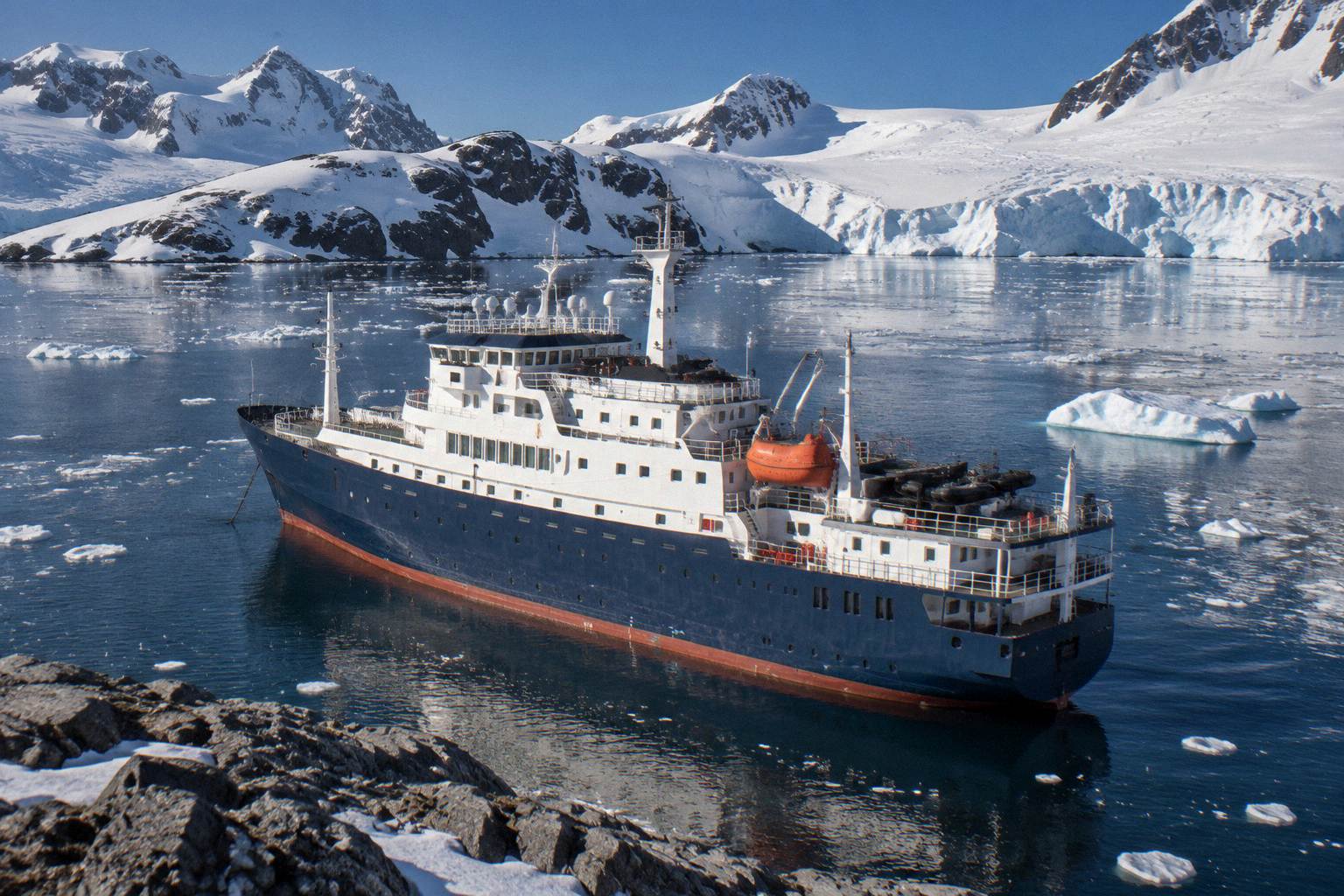 PlanciusOceanwide Expeditions PlanciusOceanwide Expeditions | 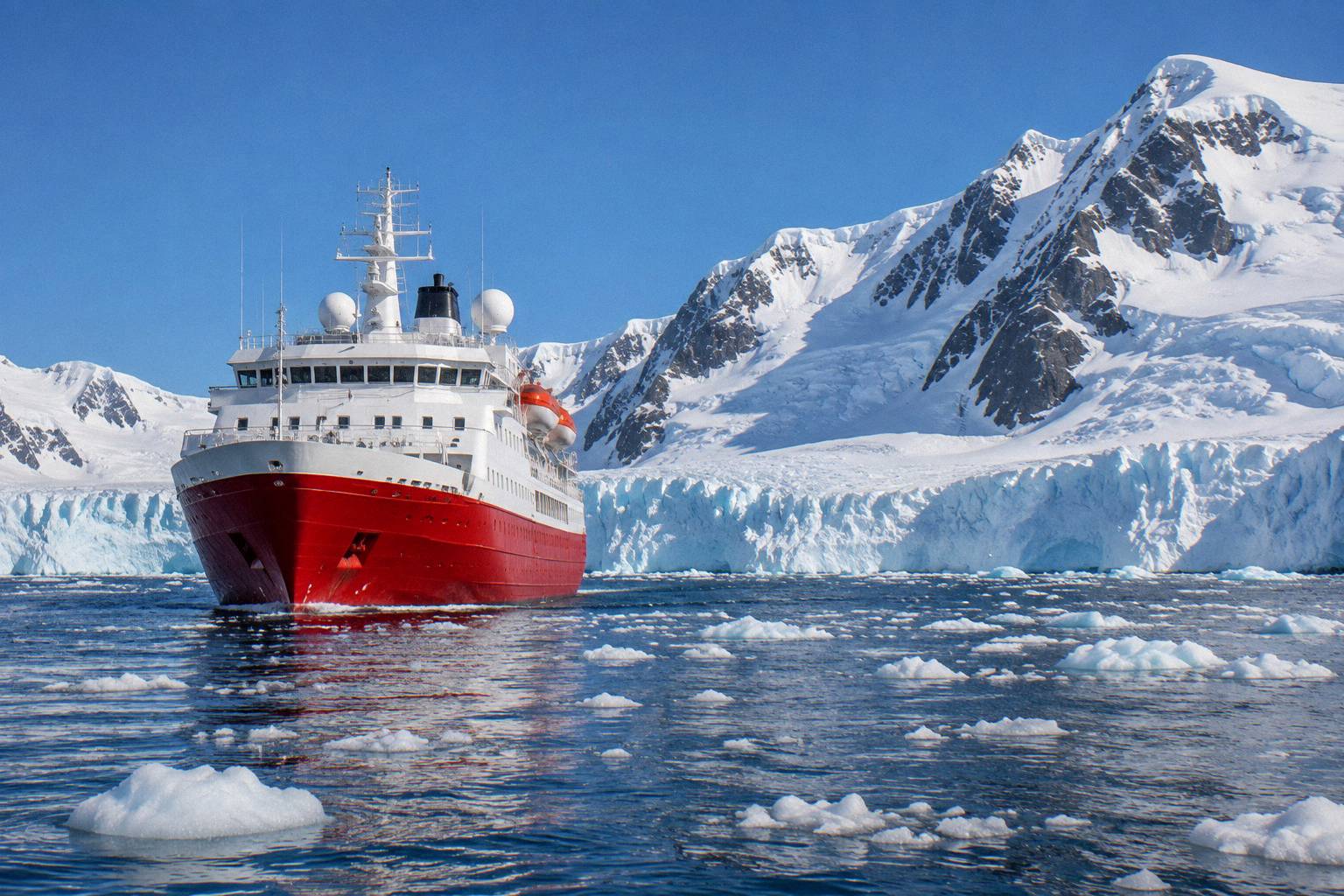 Expedition (G Adventures)G Adventures Expedition (G Adventures)G Adventures |
|---|---|---|
| Operator | Oceanwide Expeditions | G Adventures |
| Class | Small-Ship Budget | Small-Ship Budget |
| Passengers | 108 | 128 |
| Built | 1976 | 1976 |
| Ice class | 1D | Ice Class 1A |
| From, per person | from $7,050 | from $7,439 |
| Departs from | Ushuaia | Ushuaia |
| Voyage length | 10 to 33 days | 11 to 14 days |
| Next step | Get a free quote for Plancius | Get a free quote for Expedition (G Adventures) |
A few of those fields deserve a caveat. The Expedition's fare is reported rather than operator-published, and G Adventures' own ship pages do not state a cabin count or a length in metres, so this guide prints no number for those fields. Plancius, by contrast, has one of the most fully documented ship pages in the budget segment, which is why the ship profiles on Cruises In Antarctica lean on operator-published detail rather than reported figures.
Who Each Ship Is Built For
Plancius is built for hands-on travellers who want to camp, kayak and hike on the White Continent at the lowest possible fare, while the Expedition is built for people who want a guided group experience, a familiar tour-operator structure and Zodiac landings without an extensive add-on activity menu. Neither ship suits travellers who expect balconies, spas or fine dining; both suit travellers who would rather spend on the destination than the vessel.
Plancius started life as a Dutch Navy oceanographic research vessel, built in 1976 and rebuilt as a passenger ship in 2009. Oceanwide's ship page leans into that heritage: the operator describes a vessel with an ice-class notation of 1D under Lloyd's classification, 108 passengers in 50 cabins, and a Basecamp voyage concept in which camping, kayaking, snowshoeing and hiking, mountaineering and a photo workshop are included activities rather than paid extras. That activity list is unusual at this price point, and it is the single strongest reason a fit, active traveller picks this ship. The vessel is also among the most itinerary-flexible budget ships in Antarctica, with Oceanwide's published schedule running from 10-day Peninsula discovery voyages to a 33-day Falklands, South Georgia and Antarctic Peninsula combination.
The Expedition, sold by G Adventures, is a different proposition. The operator's listing shows it at 128 passengers with an Ice Class 1A hull, built in 1976, sailing 11- and 14-day voyages from Ushuaia. Its stated features are Zodiac excursions and expert guides, which is the classic small-ship expedition formula, but the operator does not publish the per-ship amenity detail that Oceanwide does: no cabin count, no length, no dining venue list appears on the pages we can verify. What G Adventures does bring is a group-tour infrastructure and a price that a trade report places from about $7,439 per person for the 11-day Antarctica Classic itinerary. For a traveller who wants a supported, sociable expedition cruise with a known brand behind it, that package works.
If the budget framing is what drew you here, both ships also sit inside the wider field covered in our cheap Antarctica cruise guide, where every operator's published entry fare is mapped side by side in our Antarctica cruise cost breakdown.
Cabins And Suites
Neither ship has balconies in any cabin category, and both keep cabins deliberately simple: Plancius publishes five categories from a quadruple porthole up to a superior with a double bed and sofa bed, while the Expedition's cabin categories are not published in the sources we can verify. On Plancius, the cheapest berths are shared quad cabins, the sharing categories that keep entry fares down at this tier.
Oceanwide's cabin page for Plancius lists the full inventory, and it is worth reading closely because the spread is wide: a Quadruple Porthole at roughly 12 square metres with two upper and two lower berths, a Twin Porthole, a Twin Window, a Twin Deluxe with two windows in a corner position, and a Superior of about 21 to 23 square metres with a double bed plus a sofa bed. No category has a balcony, as Oceanwide's own cabin page for Plancius makes clear. That is normal for a 1976 research-vessel conversion, and it is the honest trade-off for the fare.
| Plancius cabin category | Berths | Approx. size | Window type |
|---|---|---|---|
| Quadruple Porthole | 2 upper, 2 lower | ~12 m² | 1 porthole |
| Twin Porthole | 2 lower | ~12 m² | 1 porthole |
| Twin Window | 2 lower | ~12.5-13.5 m² | 1 window |
| Twin Deluxe | 2 lower | 13.5 m² | 2 windows |
| Superior | 1 double + sofa bed | ~21-23 m² | 2 windows |
For the Expedition, G Adventures does not publish a cabin-category breakdown on the pages available to us, so this comparison states nothing about its cabin sizes or categories rather than guessing. What the operator's listing does publish is the passenger count, 128, which on a ship of this era typically means a mix of shared and twin berths, but that inference is ours and should be checked against the live listing before you book. If cabin configuration matters to your decision, this is exactly the kind of detail a free consultation can check for you against the current deck plans.
Food, Lounges, And Life Onboard
Plancius publishes its public spaces: a restaurant and lecture room on deck 3 and a spacious observation lounge with a bar on deck 5 with large panoramic windows. The Expedition's dining and lounge detail is not published in the verifiable sources, so this section can only describe one ship fully, and says so plainly.
Life on Plancius is functional and centred on the view. The deck 5 observation lounge is the social heart of the ship, with panoramic glazing that does the heavy lifting on Drake Passage days; the deck 3 restaurant doubles as the lecture room, which tells you the priorities: talks, briefings and meals, in that order. Oceanwide suggests gratuities of 10 to 15 euros or dollars per passenger per day as a blanket contribution, and its ship page does not itemise drinks, parkas or boots as inclusions, so budget for those separately.
On the Expedition, the operator's marketing describes a polar library, a lounge and a programme of lectures from its expedition team, but none of that appears as verified per-ship detail in the sources we hold, so we do not print it as fact. What can be said is structural: at 128 passengers the ship is small enough that everyone eats together, knows the expedition staff by name within a day, and gets the same briefings regardless of cabin grade. If onboard polish is a priority, neither of these ships is the right answer, and our Antarctica luxury cruise guide covers the tier above.
Itineraries And Routes
Plancius has the far wider route map: Oceanwide publishes voyages of 10 to 33 days from Ushuaia, including Falklands and South Georgia combinations, while the Expedition's verified schedule covers 11- and 14-day Antarctic Peninsula voyages from Ushuaia. Both ships cross the Drake Passage by sea in each direction, adding roughly two days of transit on either side of the Peninsula.
The schedule difference matters more than most travellers realise. A 10- or 11-day Peninsula voyage gives you roughly four to six days of landings in the South Shetland Islands and the western Peninsula, the classic route described in our Antarctic Peninsula cruise guide. Plancius can also take you much further: a 19- or 21-day Falklands and South Georgia itinerary, or a 33-day full combination, options the Expedition's published schedule does not match. Both ships reach the continent the classic way, and our Drake Passage crossing guide covers what those sea days actually involve. The concentration is industry-wide: approximately 98 percent of tourism voyages occur in the Antarctic Peninsula during the austral summer from October to April, according to the Antarctic Treaty Secretariat's tourism overview.
| Ship | Voyage lengths (published) | Departure port | From fare per person |
|---|---|---|---|
| Plancius | 10 / 11 / 13 / 15 / 19 / 21 / 33 days | Ushuaia | $7,050 |
| Expedition (G Adventures) | 11 / 14 days | Ushuaia | ~$7,439 (reported, not operator-published) |
Plancius's $7,050 figure is the lowest from-fare among Oceanwide's Antarctic Peninsula departures for the 2026-27 season on the operator's own cruise listing. The Expedition's figure comes from a trade report of the 11-day Antarctica Classic itinerary and should be treated as indicative until confirmed on the live listing.
Expedition Team, Landings, And Activities
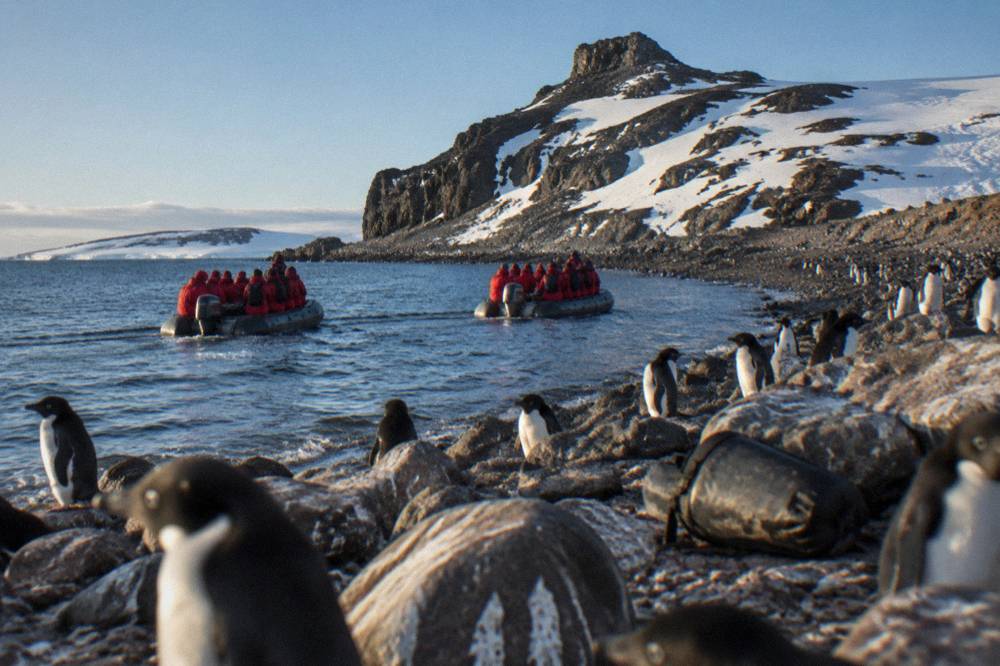
Plancius carries 10 Mark V Zodiacs and, on Basecamp departures, includes camping, kayaking, snowshoeing, mountaineering and a photo workshop; the Expedition lists Zodiac excursions and expert guides. Both operate under the same IAATO rules: a maximum of 100 passengers ashore from a vessel at any one time, a 1:20 guide-to-visitor ratio, and no landings from vessels carrying more than 500 passengers.
Those landing rules, set out in the Antarctic Treaty visitor guidelines published by IAATO, are what make ship size the real variable in Antarctic cruising. At 108 and 128 passengers respectively, both Plancius and the Expedition can put everyone ashore at once within the 100-passenger cap, with rotation only at the busiest sites. That is a genuine advantage over the 200-plus-passenger ships, where half the ship waits while the other half lands.
The activity difference is where the two products diverge. Oceanwide's Basecamp concept, offered on specific Plancius departures, turns the ship into a floating activity base: passengers camp overnight on the Peninsula, kayak among icebergs, snowshoe up ridgelines and join a mountaineering programme, all listed as included on those voyages. The operator also runs helicopter-supported voyages on its sister ship, covered in our Ortelius ship guide, though Plancius itself carries no helicopters and we state nothing about such a programme on the Expedition, whose source pages list only Zodiac excursions and expert guides.
If included activities are the reason you are leaning toward Plancius, note that they run on named Basecamp departures only, not on every sailing, so matching your dates to the right voyage is a real decision point. A consultation can match your dates to Basecamp departures at no cost.
Prices And What The Fare Includes
Plancius starts at $7,050 per person on Oceanwide's published Peninsula fares and the Expedition at roughly $7,439 on a reported fare, a gap of a few hundred dollars that is smaller than the gap in what each voyage includes: Plancius's Basecamp departures fold in the activity programme, while both operators leave items like flights, insurance and some gear outside the base fare. Neither operator publishes a full drinks-and-gratuities inclusion on its ship pages.
The honest way to read these fares is as a floor, not a total. A realistic all-in budget for a 10- to 12-day mid-range Peninsula trip, covering fare, flights, gear, tips and insurance, runs to $12,000 to $25,000 per person according to one 2026 cost guide, and the same logic applies at the budget tier. Oceanwide suggests 10 to 15 euros or dollars per passenger per day in gratuities; insurance with high medical evacuation minimums is required by the major operators and is never in the base fare.
| Cost item | Plancius (Oceanwide) | Expedition (G Adventures) |
|---|---|---|
| Published from-fare | $7,050 pp | Not operator-published; reported ~$7,439 pp |
| Gratuities guidance | 10-15 EUR/USD per passenger per day | Not stated on pages we hold |
| Parka / boots | Not itemised on ship page | Not stated on pages we hold |
| Flights to Ushuaia | Not included | Not included |
| Insurance | Required, not included | Required, not included |
Single travellers should also check the supplement policy before comparing fares: sharing options in lower categories are what keep the entry price down on both ships, and a solo traveller in a private cabin can pay a materially different number than the headline from-fare.
The Real Differences
Six contrasts decide this pairing: itinerary range, activity inclusions, documentation transparency, hull classification, fare transparency and group culture. Where the ships are near-identical is equally important: both are 1976-built, both carry just over a hundred passengers, both sail from Ushuaia and both deliver the same regulated landing experience.
- Itinerary range. Plancius publishes seven voyage lengths up to 33 days including South Georgia; the Expedition's verified schedule covers 11- and 14-day Peninsula routes only.
- Included activities. Plancius's Basecamp departures include camping, kayaking, snowshoeing and hiking, mountaineering and a photo workshop; the Expedition's sources list Zodiac excursions and expert guides only.
- Published detail. Oceanwide documents cabins, sizes, lounges and gratuities on its own pages; G Adventures publishes far less per-ship detail, which makes pre-booking research harder.
- Ice class. Plancius carries a Lloyd's 1D notation at a 5-metre draught; the Expedition is listed at Ice Class 1A. These are different notation systems and neither number should be read as a simple ranking.
- Fare transparency. Plancius's $7,050 is operator-published; the Expedition's ~$7,439 is trade-reported and needs confirming on the live listing.
- Group culture. The Expedition runs on a group-tour model with a strong staff-to-guest emphasis; Plancius draws a mix of independent European and North American travellers with a heavier activity skew.
Where they are near-identical: both are 1976-built workhorses, both lack balconies entirely, both cross the Drake by sea over roughly two days each way in typical conditions, and both operate under the same IAATO landing caps. If you simply want the cheapest reliable berth to the Peninsula, either ship delivers that, and the choice can reasonably come down to departure dates and cabin availability.
Which One To Choose By Travel Style
Choose Plancius if you want included activities, a longer-route option or a fully documented ship; choose the Expedition if you want a group-tour structure, a familiar operator and a straightforward Peninsula voyage. The mapping below is a starting point, not a verdict, because dates, cabin availability and the Basecamp calendar often decide the question in practice.
| Traveller type | Better fit | Why |
|---|---|---|
| Active traveller who wants to camp or kayak | Plancius | Basecamp departures include the activity programme |
| First-timer on a strict budget | Either | Both deliver the classic Peninsula landing experience under the fare floor of most lines |
| Traveller wanting South Georgia | Plancius | 19- to 33-day combinations published; the Expedition's verified schedule does not match this |
| Group-tour traveller | Expedition | G Adventures' structure, staff emphasis and sociable model |
| Solo traveller watching the supplement | Plancius | Quad and twin-share categories published, making the sharing options visible before you book |
| Traveller who needs full pre-booking detail | Plancius | Cabins, sizes, lounges and gratuities all published by the operator |
Whichever way you lean, the practical next step is the same: check the actual departure calendar for your travel window, because the Basecamp voyages and the cheapest quad berths are the first to fill. A free consultation covers both ships' live schedules and there is no obligation attached.
Common Questions About Plancius Vs The G Adventures Expedition
Plancius Vs G Adventures Expedition: which budget ship wins?
There is no single winner. Plancius wins on itinerary range, included Basecamp activities and published detail; the Expedition wins for travellers who want a group-tour structure with a familiar operator. Both deliver the same regulated landing experience at the bottom of the Antarctic fare table.
Which ship is cheaper, Plancius or the Expedition?
Plancius has the lower operator-published from-fare, $7,050 per person for a Peninsula voyage. The Expedition's reported fare of about $7,439 is not operator-published and should be confirmed on the live listing before you compare totals.
Do either Plancius or the Expedition have balconies?
No. Plancius's published cabin categories run from a quadruple porthole to a superior with windows, none with a balcony. The Expedition's cabin categories are not published in the verifiable sources, but the ship is not marketed with balconies.
Can I go kayaking or camping on either ship?
Yes on Plancius, on its Basecamp departures, where camping, kayaking, snowshoeing and hiking, mountaineering and a photo workshop are included activities. The Expedition's source pages list Zodiac excursions and expert guides and state no kayaking or camping programme.
How many passengers do the two ships carry?
Plancius carries 108 passengers in 50 cabins; the Expedition carries 128. Both are comfortably under the 100-passengers-ashore IAATO cap, so everyone can land at once at most sites.
Do both ships sail from Ushuaia?
Yes. Both ships' Antarctic voyages depart from Ushuaia, Argentina, and both cross the Drake Passage by sea rather than flying.
More Head To Head Comparisons
 Silversea Vs SeabournTwo ultra-luxury expedition lines compared: ships, routes, expedition programmes and fare value.Read the comparison
 Viking Vs SilverseaTwo premium expedition lines compared on specs, routes, activities and published fares.Read the comparison
 Viking Vs HXViking's twin 378-guest ships against HX's Fram and hybrid fleet, compared on price, cabins and landings.Read the comparison
 Quark Vs OceanwideUpscale helicopters versus small-ship value: how the two Antarctic specialists really differ.Read the comparison