Do Ships Still Sink In The Drake Passage?
 By Oleg G.
The short answer is that no verified sinking has been reported of a modern Antarctic expedition cruise ship in the Drake Passage. The incidents that did happen, a fatal wave strike on the Viking Polaris in 2022, a power loss on the Clelia II in 2025, are serious and worth understanding before you book a crossing.
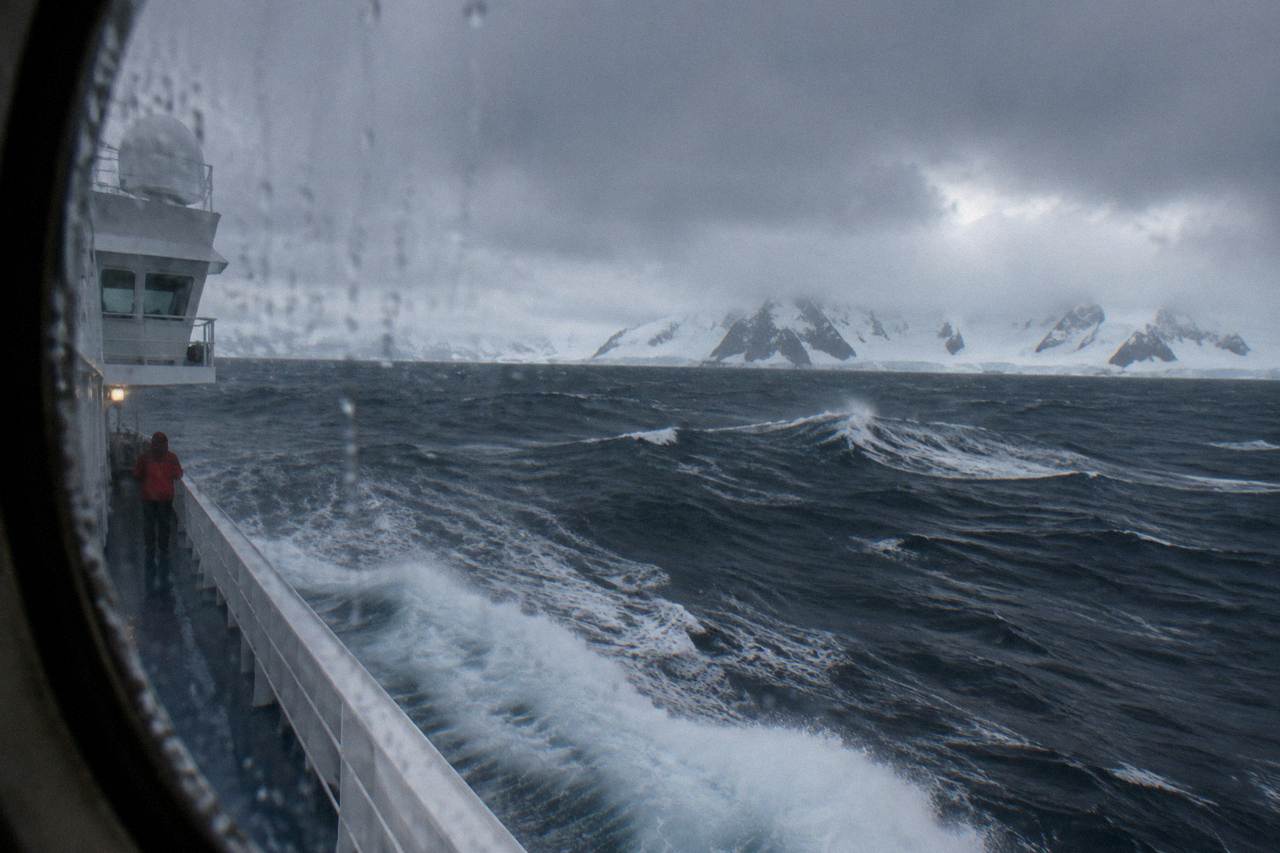
The Drake Passage is the stretch of water between Cape Horn and the Antarctic Peninsula, and it has a reputation that precedes any cruise you might book there. Swells average 3 to 5 meters, severe conditions have been documented at 13 to 15 meters, and roughly 30 percent of crossings earn the nickname "Drake Shake" while the calmer 70 percent get called "Drake Lake". For anyone pricing an Antarctica cruise, the question of whether ships actually sink there is a fair one, and the documented record gives a clear answer.
Do Ships Still Sink In The Drake Passage?
No expedition cruise ship operating to Antarctica has sunk in the Drake Passage in the modern era, and the verified incident record the sources show contains no sinking at all for these vessels. The worst dated events are a breaking wave that shattered seven stateroom windows on the Viking Polaris in November 2022, killing one passenger, and a partial engine power loss on the Clelia II in October 2025. Both ships stayed afloat and completed or safely ended their passages.
That distinction matters. A reputation for rough water is not the same thing as a record of lost ships, and the Drake has the first without much of the second in the modern expedition era. The vessels that do cross it today are ice-strengthened or polar-classed, crewed for heavy weather, and routed by weather forecasting that simply did not exist when the passage earned its name. The incidents that did occur are worth knowing in full, because they describe the real risks: broken glass, injuries, and delays, not vessels going down.
The question usually surfaces at a specific moment: when a reader is comparing a sailing itinerary against a fly-cruise, or weighing a ship choice against a price. If that is where you are, the honest framing is that the Drake is uncomfortable more often than it is dangerous, and that the documented failures are rare, public, and investigated by maritime authorities. A free conversation about your own tolerance for open-ocean conditions can help you decide whether to sail it, fly over it, or split the difference: talk through your crossing options.
What The Historical Record Actually Shows
The verified modern incidents on record are the Viking Polaris wave strike of 29 November 2022, the Clelia II power loss of October 2025, and the research vessel Nuyina grounding of October 2025, and none of the three is a sinking. No source in the verified record documents an expedition cruise ship going down in the passage. Historical losses belong to the age of sail and early steam, not to modern expedition cruising.
The three dated incidents are worth setting out precisely, because they are what people are usually half-remembering when they ask this question. On 29 November 2022, the Viking Polaris was struck by a breaking wave southeast of Cape Horn while crossing the Drake. Seven stateroom windows shattered, one passenger died, and eight people were injured. The ship returned to port; it did not sink. The accident was investigated formally, and the incident remains the gravest modern event on this route.
In October 2025, the Clelia II, a small expedition vessel with a history of Drake Passage trouble, lost power in one engine after heavy weather with 50-knot winds and waves of 7 to 8 meters. She was assisted while limping toward Ushuaia and regained sufficient mobility before reaching port. Also in October 2025, the Australian research and supply vessel Nuyina briefly grounded off Heard Island, well outside the Drake, sustaining scratches, paint damage, and lost instruments on her retractable keel, then continued Antarctic operations after inspections. That one is a reminder that even government polar vessels have bad days, but again, no sinking.
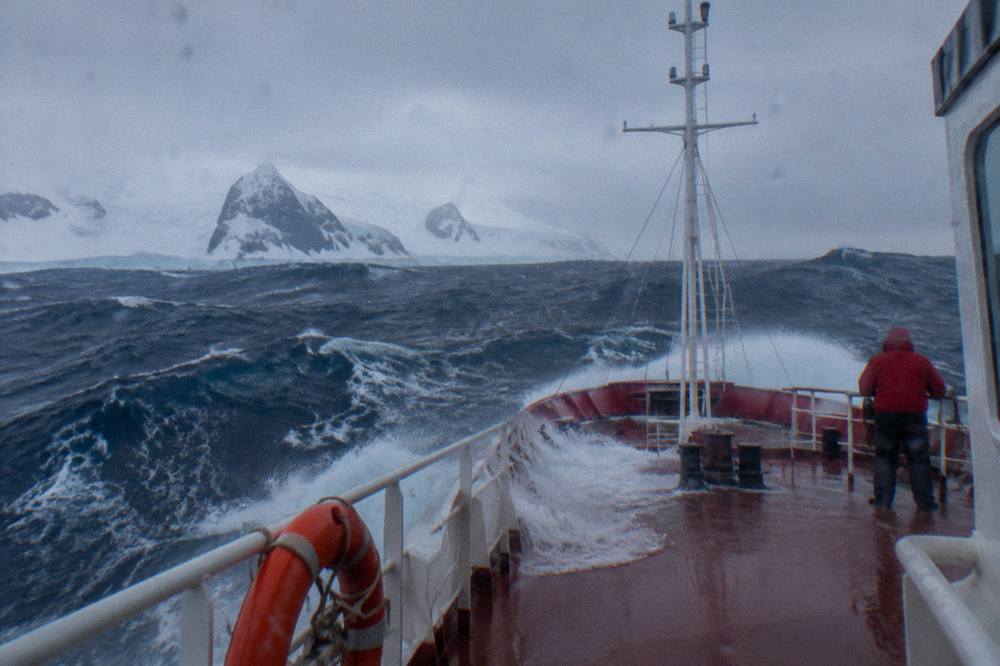
For context on how rare even these events are: the 2025-26 season recorded 113,518 total Antarctic visitors according to IAATO, of whom 85,195 made landings, and the overwhelming majority of those people crossed the Drake by ship. Against that volume, the documented incident list is remarkably short, and the fatal events are rarer still. The IAATO statistics pages track visitor numbers, not accidents, but the absence of sinking events in the public record across seasons of operations is itself the finding.
Here are the dated, attributed incidents in one place:
| Date | Vessel | Event | Outcome |
|---|---|---|---|
| 29 Nov 2022 | Viking Polaris | Breaking wave southeast of Cape Horn shattered seven stateroom windows | One passenger died, eight injured; ship returned to port, did not sink |
| Oct 2025 | Clelia II | Engine power loss in heavy weather, 50-knot winds, 7-8 m waves | Assisted toward Ushuaia, regained mobility, reached port |
| 13 Oct 2025 | RSV Nuyina (research vessel) | Brief grounding off Heard Island, drop keel contacted seabed | Limited damage, continued operations after inspection |
The pattern across all three is the same: damage and disruption, not loss of the vessel. That is the honest shape of Drake Passage risk in the modern era.
Why The Passage Earned Its Reputation Anyway
The Drake Passage is a genuine meteorological bottleneck where the Atlantic, Pacific, and Southern Oceans meet with no land to slow the swell, and it was crossed for a century by vessels with none of the design, forecasting, or regulation that modern expedition ships carry. Its reputation comes from that era and from the discomfort of modern crossings, not from a modern record of sunken cruise ships.
The physical explanation is simple. The Southern Ocean is the only ocean where wind can circle the globe uninterrupted, and the Drake concentrates that energy into a narrow gap between Cape Horn and the Peninsula. Swells of 3 to 5 meters are ordinary, and documented severe conditions reach 13 to 15 meters. Crossings take about two days each way in normal conditions, with the range running from roughly 18 hours in fast, favorable weather to 48 hours in rough seas, according to Quark Expeditions' own guidance on flying versus sailing the passage. One reported fast crossing with following winds took about a day, with a maximum wave of 11 feet.
The reputational era is the important part. Sealers and whalers went through the Drake in vessels that would fail any modern survey, and the losses from that period are real. But an expedition cruise booked for the 2026-27 season is a different product entirely: the ships are classed for polar water, the operators work under IAATO rules, and the crossings are weather-routed with days of advance forecasting (see Le Commandant Charcot). The fear people bring to the question is inherited from a fleet that no longer exists.
How Modern Expedition Ships Are Built For The Crossing
Modern Antarctic expedition ships are built to polar-class or ice-strengthened standards that far exceed what the open Southern Ocean demands, and they carry the equipment that historically separated survival from disaster: redundant engines, stabilizers, damage control, and satellite weather routing. The Hondius, for example, was the first-registered Polar Class 6 vessel in the world. Nothing in the verified record shows a ship built to these standards sinking in the Drake.
The class systems are worth understanding, because they are the concrete answer to this question. Polar Class 6, the standard the Hondius carries, is an International Maritime Organization category for ships operating in medium first-year ice. The National Geographic Endurance and Resolution carry PC5, a higher category still. These are hulls, steel thicknesses, and compartment layouts designed for being hit by ice, which is a harder problem than open-ocean waves. A hull built for ice does not fold in a Drake swell. More of these guides are collected on Cruises In Antarctica.
Then there is the equipment that addresses the passage specifically. The Sea Spirit, a Poseidon Expeditions vessel, carries retractable fin stabilizers that reduce roll both underway and at anchor, retrofitted in 2019. Newer expedition ships carry zero-speed stabilizers, some 50 percent larger than standard, along with X-BOW hull designs and dynamic positioning to manage motion in heavy weather. The X-Bow hulls on ships like the Sylvia Earle and the National Geographic Endurance are shaped to pierce rather than ride over head seas, which changes how the ship takes energy out of a wave.
The Hondius is a useful example of the whole picture. Built in 2019, registered as the first Polar Class 6 vessel in the world, carrying 170 passengers in 80 cabins from Ushuaia, it is a small-ship budget option with Peninsula voyages from $7,800 per person. Its class certificate is the same standard the IMO applies to ice operations, and its operator's 2026-27 schedule is confirmed on the operator's own pages. If you want to see the full profile, the Hondius guide page covers cabins, fares, and departures in detail.
None of this makes the Drake pleasant. It makes it survivable in a structured, engineered way, which is exactly what the incident record shows: damaged windows and lost engines on older or unlucky vessels, and no sinkings of classed expedition ships at all.
Does Ship Size Or Age Change Your Risk?
The verified record suggests age and maintenance history matter more than size: the Clelia II, an older small vessel, is the recent cruise ship that got into trouble, while larger and newer ships have no comparable Drake incidents on record. The 2022 Viking Polaris event was a wave strike on a new ship, which shows that no vessel is exempt from extreme weather, but also that a modern hull can take a serious blow without foundering.
The regulatory layer reinforces this. IAATO rules prohibit vessels carrying more than 500 fare-paying passengers from making landings in Antarctica, which pushes the fleet toward smaller, ice-capable ships, and caps landings at 100 passengers ashore at a time with a 1:20 guide ratio. The ships that actually sail the Drake on expedition itineraries are therefore compact, polar-classed, and built for the work. The big-box cruise ships that do appear in the region are cruise-only, and per the verified IAATO guidance they do not land guests at all.
Within that fleet, the differences that matter for a nervous reader are hull class, build date, and stabilizer fit. A 1976-built converted navy vessel like the Plancius, an ice class 1D ship, crosses the Drake safely every season, but it will move more and feel more basic than a 2022-built PC5 ship like the SH Vega. Neither category has a sinking on record. The choice between them is about comfort and price, roughly $7,050 per person at the bottom of the Oceanwide range versus more for newer tonnage, not about survival.
This is a genuine decision point, and it is one where a short conversation can save weeks of forum reading: match a ship to your comfort level with someone who knows which vessels carry which class standards.
How To Manage The Crossing If It Worries You
The practical options are well established: sail the Drake both ways and accept two days each way, fly over it entirely on a roughly two-hour charter to King George Island, or take a hybrid that sails one way and flies the other. Fly-cruise itineraries typically add about $2,000 to $5,000 over comparable sailing voyages, and they trade the crossing experience for weather dependency on the flight side.
The fly-cruise model is the direct answer for a reader whose real question is fear. Antarctica21 has run air-cruises since 2003, flying guests from Punta Arenas to King George Island in about two hours and boarding the ship there. The Magellan Explorer, an 88-guest fly-cruise ship built in 2019, runs 8-day Classic Antarctica air-cruises from $13,795 per person, with the flight from Punta Arenas included in the model. Its new fleet mate Magellan Discoverer, PC6-classed, joins for the 2026-27 season with its maiden voyage in December 2026. Operators like Quark and Lindblad also run sail-and-fly hybrids that cross by ship one way and fly the other, halving the open-ocean exposure.
The trade-offs are honest ones. Fly-cruises cost more, they add a strict 20 kg checked baggage limit on the charter flight, and they depend on flyable weather at King George Island, which is not guaranteed. Sailing itineraries are cheaper, longer in days, and give you the seabirds and the experience of the passage itself, at the price of up to 48 hours of possible rough water each way. Neither choice is the safe one and the other dangerous; both are safe, and the difference is comfort, cost, and what you want from the journey.
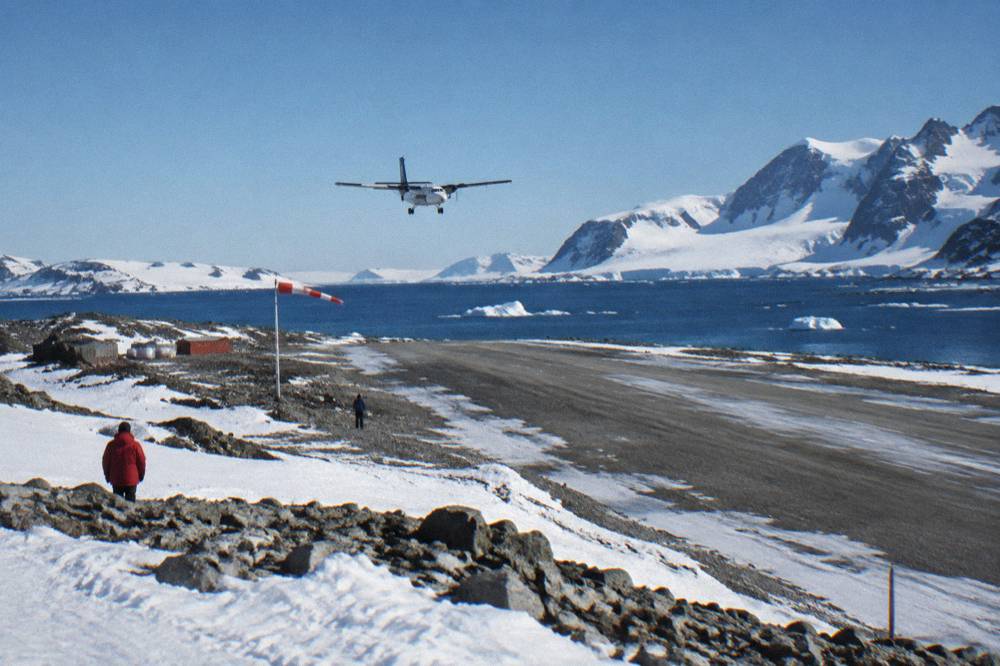
For the sailing option, timing and preparation matter more than ship choice. No single month is reliably calmer; conditions stay unpredictable across the season, though December to February generally offers more stable windows. The standard advice on stabilizers, medications, and a cabin low and midships applies to every vessel on the Drake, and the Drake Passage crossing guide covers the practical preparation in full.
What A Sinking Would Actually Require
For a modern expedition ship to sink in the Drake, several independent protections would have to fail at once: a hull built to polar-class standards would have to be breached, the watertight compartment design would have to fail to contain the flooding, and the ship's distress systems and the region's search-and-rescue coordination would have to fail simultaneously. The 2022 Viking Polaris incident is the closest modern test of the first link, and the hull and compartments held.
This is not a guarantee, and no honest source will offer one. The Viking Polaris event proved that a rogue-scale wave can break glass and kill someone on a modern ship, and that is a real risk that no engineering removes. What it also proved is that the ship survived the strike, returned to port, and that the event triggered formal investigation and design scrutiny rather than being absorbed as a cost of doing business. The regulatory system around Antarctic cruising, including the environmental documentation operators must file and the IAATO operational rules, exists precisely to keep the incident list this short.
The honest bottom line for a reader planning a cruise: the Drake Passage is the most uncomfortable part of almost every Antarctic itinerary, and it is not the part that should drive your ship choice. Cabin comfort, itinerary length, landing frequency, and price vary enormously between vessels, and those are the differences that will actually shape your trip. The safety record is remarkably uniform across the fleet.
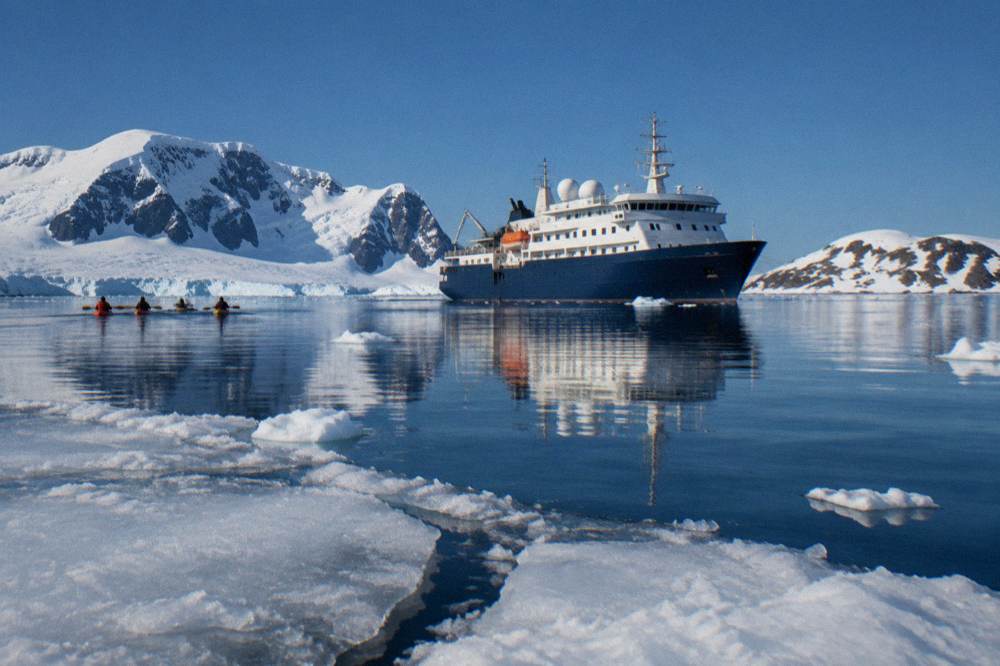
Here is how three very different ships that all cross or bypass the Drake compare:
| Ship | Operator | Passengers | Ice class | Route style | From (per person) |
|---|---|---|---|---|---|
| Hondius | Oceanwide Expeditions | 170 | Polar Class 6 | Sails the Drake from Ushuaia | $7,800 |
| National Geographic Endurance | Lindblad Expeditions | 138 | PC5 | Sails the Drake from Ushuaia | $11,900 |
| Magellan Explorer | Antarctica21 | 88 | LR PC6 | Fly-cruise from Punta Arenas | $13,795 |
| Ship | Class | Passengers | Ice class | From, per person | Voyage length | Departs from |
|---|---|---|---|---|---|---|
| HondiusOceanwide Expeditions | Small-Ship Budget | 170 | Polar Class 6 | from $7,800 | 11 to 19 days | Ushuaia |
| National Geographic EnduranceLindblad Expeditions (with National Geographic) | Standard Expedition | 138 | PC5 | from $11,900 | 12 to 22 days | Ushuaia |
| Magellan ExplorerAntarctica21 | Fly-Cruise | 96 (88 in Antarctica) | LR PC6 | from $13,795 | 8 days | Punta Arenas (fly) to King George Island |
The spread tells the story of the whole market in one row each: a Polar Class 6 budget ship that sails it, a PC5 ship that sails it in more comfort, and a PC6 fly-cruise that skips the open ocean entirely. All three are engineered for the environment they operate in.
If the crossing question is what is holding you back from booking, it is worth settling it with real numbers for your dates rather than with forum folklore. A free consultation on which crossing style suits you costs nothing and carries no obligation.
Common Questions About Drake Passage Safety
Do Ships Still Sink In The Drake Passage?
No verified source documents a modern expedition cruise ship sinking in the Drake Passage. The dated incidents on record are the Viking Polaris wave strike of November 2022, which killed one passenger but did not sink the ship, and the Clelia II power loss of October 2025, which ended with the vessel reaching port safely.
Is The Drake Passage The Most Dangerous Part Of An Antarctica Cruise?
It is the roughest part for most sailings, with swells averaging 3 to 5 meters and about 30 percent of crossings running rough, but it is not where the documented modern harm has occurred. The 2022 Viking Polaris fatality happened in the passage, however, so the risk is real even if sinkings are not.
Can You Avoid Crossing The Drake Passage Entirely?
Yes. Fly-cruise operators fly guests from Punta Arenas to King George Island in about two hours, and hybrid itineraries sail one way and fly the other. Fly-cruises typically cost about $2,000 to $5,000 more than comparable sailing voyages and carry a 20 kg checked baggage limit on the charter flight.
How Rough Is A Typical Drake Crossing?
Crossings take roughly 18 to 48 hours each way depending on conditions. Around 70 percent of journeys run calm enough to be called Drake Lake, and the other 30 percent earn the Drake Shake label, with typical swells of 3 to 5 meters and severe documented conditions reaching 13 to 15 meters.
Does A Bigger Ship Make The Crossing Safer?
The verified record does not show size as the deciding factor. The vessels that have run into trouble in the passage were older small ships, while large cruise ships over 500 passengers are barred from Antarctic landings entirely. Ice class, build date, and stabilizer fit matter more than length.
What Happened To The Viking Polaris?
On 29 November 2022, a breaking wave struck the ship southeast of Cape Horn during a Drake crossing, shattering seven stateroom windows. One passenger died and eight were injured. The ship returned to port and did not sink, and the accident was formally investigated.