Do Cruise Ships Go Through The Drake Passage?
 By Oleg G.
Most expedition cruises to Antarctica cross the Drake Passage, but fly-cruise options let you skip it. Here's what you need to know about which ships cross, how long it takes, and how to choose the right voyage for your comfort and budget.
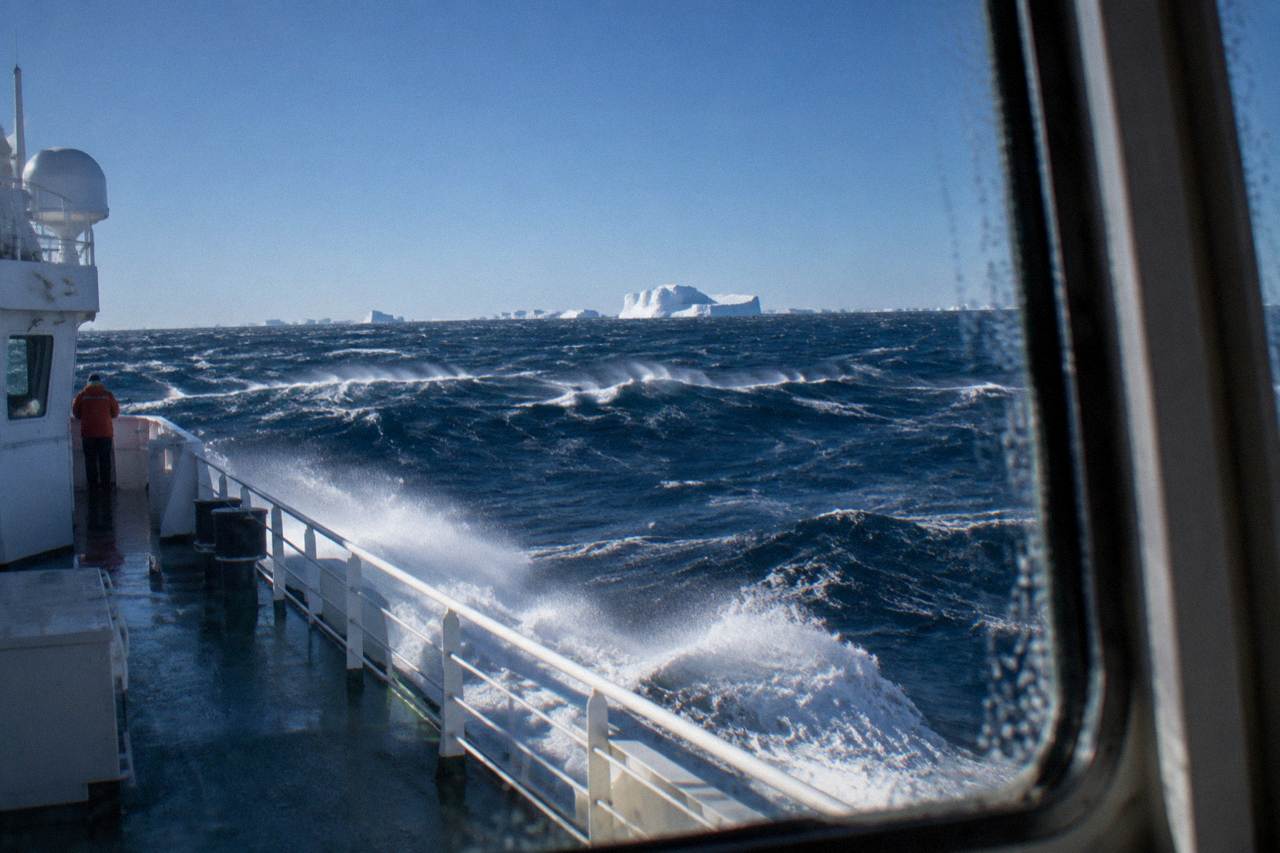
If you look at a map of South America and Antarctica, the Drake Passage is the stretch of ocean that separates Cape Horn from the South Shetland Islands. For anyone planning a trip to the White Continent, the question of whether cruise ships actually cross this legendary body of water is one of the first practical decisions. At Cruises In Antarctica, we have researched every option for the 2026-27 season and beyond, and the short answer is clear: the vast majority of expedition cruise ships that depart from Ushuaia for the Antarctic Peninsula do cross the Drake Passage. However, there are also fly-cruise alternatives that skip it entirely, and a handful of larger cruise-only vessels that cross but never let passengers step ashore (see Packing List). Understanding which ships cross, what the experience is like, and how to choose the right voyage for your comfort and budget is the first step toward a successful Antarctica trip.
Do Cruise Ships Go Through The Drake Passage?
Yes, nearly all expedition cruise ships from Ushuaia cross the Drake Passage, a two-day transit each way. Modern stabilizers and advanced hulls make it comfortable. Fly-cruise options from Punta Arenas skip it with a two-hour flight to King George Island, while large cruise-only ships cross but never land.
The classic Antarctic cruise itinerary begins in Ushuaia, the southernmost city in the world, and heads south across the Drake Passage. According to IAATO, approximately 98% of all tourism voyages occur in the Antarctic Peninsula during the austral summer, and the vast majority of those involve a Drake crossing. The passage itself connects the Atlantic and Pacific Oceans and is known for some of the roughest seas on the planet, but the reality is more nuanced. Modern expedition ships are purpose-built for these conditions, and many travelers find the crossing to be a manageable, even exhilarating, part of the adventure.
The crossing is not a single uniform experience. The Drake can be calm, often called the "Drake Lake," about 70% of the time, with swells of one to two meters. The rougher "Drake Shake" occurs roughly 30% of crossings, with swells averaging three to five meters and occasionally reaching much higher in storms. Expedition ships typically take 36 to 48 hours to complete the transit, though in optimal conditions a crossing can be as short as 18 to 24 hours, according to Quark Expeditions. The key is that every expedition ship in the Ushuaia-based fleet is designed to handle these conditions safely.
Which Ships Cross The Drake Passage?
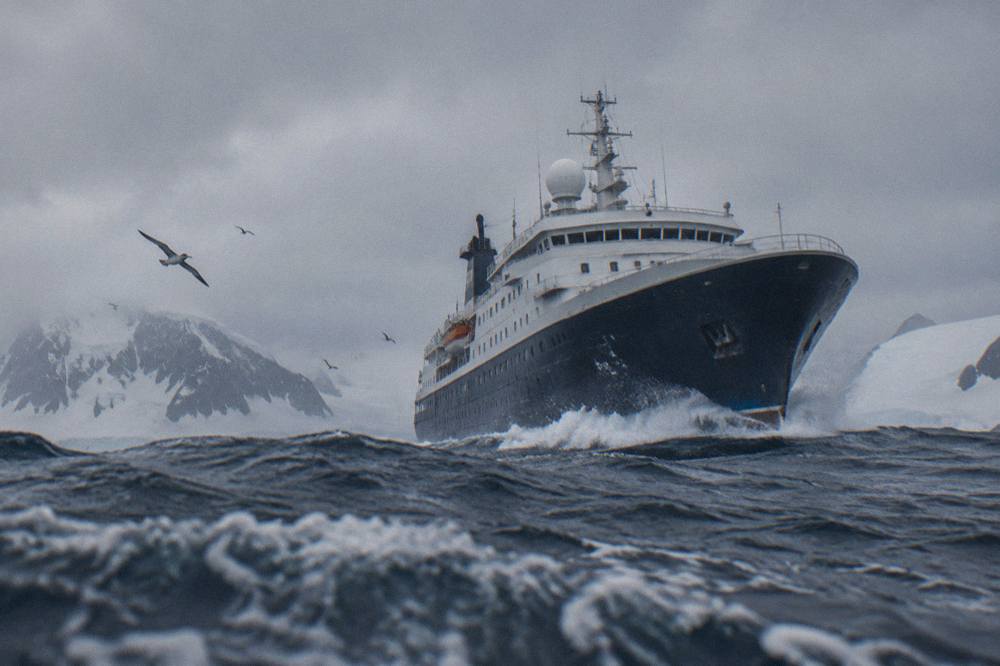
Ships crossing the Drake Passage fall into three groups: expedition ships (90-200 passengers) that land, larger expedition vessels (200-500) that also land, and mainstream cruise ships (500+) that cross but never allow landings. Fly-cruise ships skip it entirely.
The core of the Antarctic fleet is the expedition cruise segment. These are ships like the National Geographic Endurance (138 passengers, PC5 ice class), the Hondius (170 passengers, Polar Class 6), and the Ocean Explorer (138 passengers, PC6). All three depart from Ushuaia and cross the Drake Passage as part of their standard itineraries. The Endurance, built in 2021, features a patented X-Bow that reduces pitching and slamming in head seas, a design shared by several newer expedition vessels. Hondius, launched in 2019, was the first-registered Polar Class 6 vessel in the world and carries 170 guests in 80 cabins. Ocean Explorer, part of the Quark Expeditions fleet, has almost all cabins with verandas and a bow-level library, and its 2026-27 Antarctic Explorer voyages start at $12,236 per person, a fare shared across Quark’s three Peninsula ships.
These ships typically spend four full days in transit across the Drake on a classic 11- or 12-day Peninsula itinerary, with the remaining days dedicated to Zodiac landings and wildlife viewing. The crossing is an integral part of the expedition; it is when the expedition team delivers lectures on geology, biology, and polar history, and when passengers can spot albatrosses, petrels, and the first icebergs.
Beyond the expedition segment, there are larger ships that also make landings. Viking Octantis and Viking Polaris, for example, carry 378 guests each and have Polar Class 6 hulls. They cross the Drake on their Antarctic Explorer itineraries, which depart from Buenos Aires and Ushuaia. While larger, they still comply with IAATO’s rule limiting landings to 100 passengers at a time, so they operate a rotation system. Ships in this category offer more onboard amenities, such as multiple dining venues, submarines, and expansive observation lounges, but the core experience of crossing the Drake remains similar.
Then there are the mainstream cruise ships that visit Antarctica only for scenic cruising. Vessels carrying more than 500 passengers are prohibited from making landings under IAATO regulations. These ships, often part of larger cruise lines, sail through the Drake Passage and along the Peninsula, offering views from the deck but no Zodiac excursions or shore landings. While they are typically less expensive, they lack the immersive expedition experience. For travelers who want to step onto the continent, an expedition ship that crosses the Drake is the standard choice.
Other expedition ships in this segment include the National Geographic Resolution (126 passengers, PC5), a sister ship to the Endurance that also features the X-Bow design, and the Plancius (108 passengers), a long-standing workhorse of the Antarctic fleet. Quark’s Ultramarine carries 199 guests and is equipped with helicopters, while the World Voyager, the third of Quark’s Peninsula ships sharing the $12,236 starting fare, carries 199 guests as well. Also crossing the Drake on standard Peninsula itineraries is the Fram, which sails larger-vessel itineraries with landings in rotating groups under the 100-passenger rule. Antarctica21's Magellan Explorer is the exception, because it flies over the passage.
For travelers weighing ship size against comfort, the smaller expedition vessels tend to offer faster Zodiac deployments and a lower guest-to-guide ratio, while the larger landing vessels add amenities such as multiple restaurants, spas, and science centers. Both categories deliver the same fundamental Drake Passage experience: two days crossing each way, with lecture programs, wildlife watching from open decks, and the anticipation of the first icebergs near the Antarctic Convergence. The choice between them usually comes down to cabin style, onboard programming, and price rather than the crossing itself.
What Is The Drake Passage Crossing Like?
The Drake Passage crossing is a two-day open-ocean transit that can range from glassy calm to stormy with swells over 10 meters. Most modern expedition ships handle it well thanks to stabilizers, ice-strengthened hulls, and advanced weather routing. Passengers can expect lectures, wildlife spotting, and time to acclimate before arrival in Antarctica.
The reputation of the Drake Passage is built on extremes. The "Drake Shake" can produce waves of 13 to 15 meters in severe conditions, though the average swell is closer to three to five meters. A 2025 article in Geographical noted that the calmer "Drake Lake" occurs about 70% of the time. The actual sea state depends on the weather systems converging in the Southern Ocean, and no single month is guaranteed to be calmer than another, though the austral summer (December to February) generally offers more stable windows.
The experience onboard varies by ship design. Newer vessels like the National Geographic Endurance and the Ocean Explorer incorporate zero-speed stabilizers that work even when the ship is stationary, reducing roll significantly. The X-Bow, found on ships like the Endurance and the Scenic Eclipse, slices through waves rather than rising over them, which minimizes the jarring motion that can cause seasickness. On older ships, such as the Hondius or the Plancius, the ride can be more pronounced, but both are still equipped with stabilizers and ice-strengthened hulls.
During the crossing, the expedition team keeps passengers busy with mandatory safety briefings, IAATO biosecurity protocols, and educational presentations. You will learn how to clean your boots and outerwear to prevent introducing non-native species, and you will receive guidance on maintaining a five-meter distance from wildlife. Many ships also offer yoga classes, photography workshops, and time on the bridge to watch for seabirds. The first iceberg sighting, usually on the second day, is a highlight that signals the approach to the South Shetland Islands.
Fly-Cruise Alternatives: Skipping The Drake Entirely
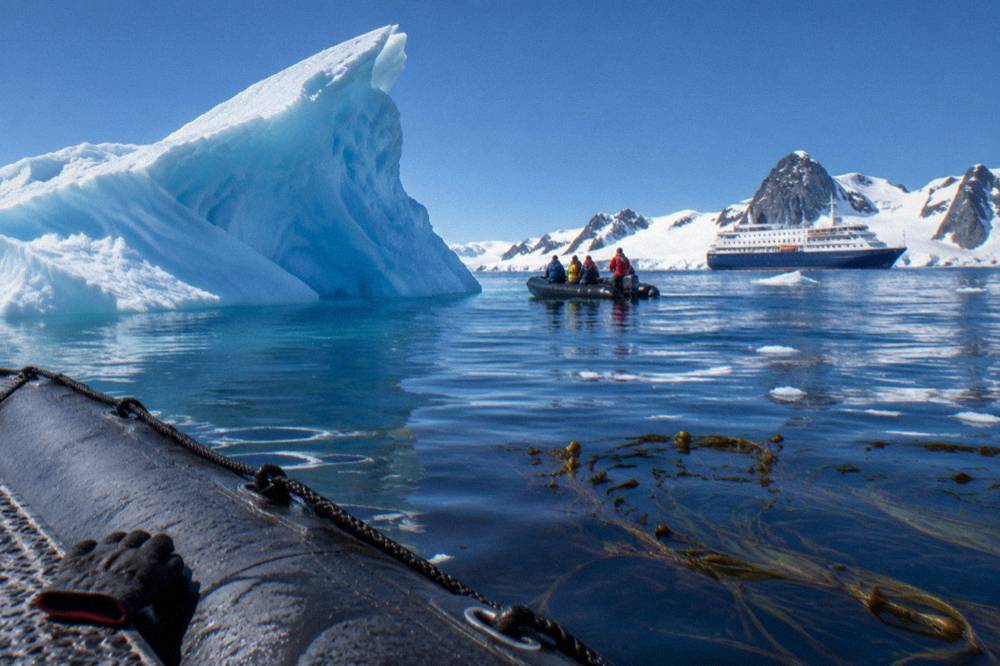
Fly-cruise itineraries replace the two-day Drake crossing with a two-hour charter flight from Punta Arenas to King George Island, where passengers board an expedition ship already waiting in Antarctic waters. This eliminates the open-ocean transit and is ideal for travelers with severe seasickness concerns or limited time. The trade-off is a higher cost and weather-dependent flights.
Antarctica21 pioneered the fly-cruise model in 2003 and now operates two ships, the Magellan Explorer and the new Magellan Discoverer, both carrying 88 to 96 guests. Their Classic Antarctica air-cruise lasts eight days and seven nights, with flights from Punta Arenas to Frei Station on King George Island. The Magellan Explorer’s 2026-27 departures start at $13,795 per person. The Magellan Discoverer, built in Chile and starting its first Antarctic season in December 2026, offers the same itinerary and pricing. Both ships are PC6 ice class and carry kayaks for excursions.
Other operators offer partial fly-cruise options. Quark Expeditions' Antarctic Express itinerary flies one way across the Drake and sails the other, reducing the total sea time to about one and a half days. Lindblad Expeditions’ Antarctica Direct program also includes a fly-sail combination. These hybrid trips give travelers a taste of the Drake without committing to four full days at sea.
The fly-cruise model does have limitations. Flights are weather-dependent, and delays of a day or more can occur. Baggage is strictly limited to 20 kilograms on the charter flight, and passengers must arrive in Punta Arenas the day before for a mandatory briefing and biosecurity check. The cost is generally $2,000 to $5,000 more than a comparable sailing-only itinerary, though the time saved can be significant. For travelers who want to maximize their time in Antarctica or who are anxious about seasickness, the premium is often worth it.
A brief chat with an expedition specialist can clarify whether the extra cost of a fly-cruise aligns with your priorities, especially when comparing the total trip length and the value of avoiding the Drake.
How To Choose Between Sailing And Flying The Drake
The decision to sail or fly the Drake Passage comes down to budget, time, seasickness tolerance, and the desire for a classic expedition experience. Sailing is less expensive and includes the full expedition immersion, while flying saves two days each way and avoids rough seas. Hybrid options split the difference.
Cost is often the first filter. A traditional 11-day sailing expedition on a ship like the Ocean Explorer starts at $12,236 per person, while a comparable fly-cruise on the Magellan Explorer starts at $13,795 for an 8-day trip. On a per-day basis, the fly-cruise is more expensive, but the total outlay is similar when you factor in the shorter duration. However, sailing itineraries typically include more landing days, often four to six, compared to three or four on a fly-cruise, because the transit days are replaced by flight logistics.
Seasickness is a major factor for many travelers. The Drake Passage can be rough, and even with modern stabilizers, some people are simply prone to motion sickness. If you know you get seasick on ferries or small boats, a fly-cruise or a hybrid with only one Drake crossing may be the wiser choice. Prescription patches and over-the-counter medications do help, but they are not a guarantee. The 2022 Viking Polaris incident, in which a breaking wave shattered stateroom windows and caused a fatality, is a rare but sobering reminder of the Drake’s power, though such extreme events are statistically very uncommon.
Time constraints also matter. A fly-cruise can be done in as little as eight days door-to-door from Punta Arenas, while a sailing expedition requires at least 11 days, plus travel to Ushuaia. If you have only a week of vacation, flying is the only practical option. On the other hand, many travelers find the two days at sea to be a valuable buffer that allows them to decompress, learn from the expedition team, and build anticipation before the first landing.
The classic expedition experience is another consideration. Crossing the Drake by ship is a rite of passage for polar travelers. It connects you to the history of explorers like Shackleton and Amundsen, and the gradual transition from open ocean to pack ice is something you miss when you fly. If that narrative matters to you, sailing is the way to go.
The Drake Passage On A Traditional Expedition Ship: A Comparison
Three ships that cross the Drake on classic Ushuaia-based itineraries illustrate the range of options: the National Geographic Endurance (upscale, 138 passengers, X-Bow), the Hondius (small-ship budget, 170 passengers, Polar Class 6), and the Ocean Explorer (upscale, 138 passengers, all-balcony suites). Each offers a different balance of comfort, price, and onboard atmosphere.
The table below compares key specifications for these three vessels, all of which operate 11- to 14-day Peninsula voyages that include the full Drake crossing. The National Geographic Endurance is part of the Lindblad fleet and carries a team of National Geographic photographers and naturalists. Its X-Bow and PC5 ice class make it one of the most comfortable ships in the Drake. The Hondius, from Oceanwide Expeditions, is a newer budget-friendly ship with a strong ice class and a focus on maximizing time ashore. The Ocean Explorer, part of Quark Expeditions, offers a more upscale experience with veranda cabins and a science hub.
| Ship | Ice Class | Stabilizers | Passengers | Starting Fare (2026-27) |
|---|---|---|---|---|
| National Geographic Endurance | PC5 | X-Bow, zero-speed | 138 | $11,900 |
| Hondius | Polar Class 6 | Standard | 170 | $7,800 |
| Ocean Explorer | PC6 | Standard | 138 | $12,236 |
Choosing among these ships often comes down to budget and the kind of onboard experience you want. The Hondius’s lowest fare for a 2026-27 Peninsula departure is $7,800 per person, while the Endurance starts at $11,900 and the Ocean Explorer at $12,236. The Hondius has a more communal, expedition-focused atmosphere with fewer frills, while the Endurance and Ocean Explorer provide a higher level of comfort and included amenities. All three cross the Drake, but the Endurance’s X-Bow gives it a noticeable edge in head seas.
If you are unsure which ship fits your travel style, a free consultation with an Antarctica cruise planner can walk you through the differences in cabin layouts, included excursions, and Drake comfort based on real passenger feedback. For a deeper look at what the crossing is like day by day, see our Drake Passage crossing guide. If you're comparing ships across operators, our Antarctica cruise ships overview breaks down every vessel in the fleet.
| Ship | Class | Passengers | Ice class | From, per person | Voyage length | Departs from |
|---|---|---|---|---|---|---|
| National Geographic EnduranceLindblad Expeditions (with National Geographic) | Standard Expedition | 138 | PC5 | from $11,900 | 12 to 22 days | Ushuaia |
| HondiusOceanwide Expeditions | Small-Ship Budget | 170 | Polar Class 6 | from $7,800 | 11 to 19 days | Ushuaia |
| Ocean ExplorerQuark Expeditions | Upscale Expedition | 138 | 1A, PC6 | from $12,236 | 8 to 20 days | Ushuaia, Buenos Aires, Punta Arenas |

Common Questions About The Drake Passage Crossing
Do Cruise Ships Go Through The Drake Passage?
Yes, the vast majority of expedition cruise ships that depart from Ushuaia for the Antarctic Peninsula cross the Drake Passage. Fly-cruise ships skip it, and large cruise-only ships cross but do not make landings.
How Long Does It Take To Cross The Drake Passage By Ship?
The crossing typically takes 36 to 48 hours each way, though in calm conditions it can be as short as 18 to 24 hours. The round-trip transit accounts for about four days of a classic 11- or 12-day itinerary.
Are There Cruise Ships That Avoid The Drake Passage Entirely?
Yes, fly-cruise operators like Antarctica21 and some hybrid programs from Quark Expeditions and Lindblad allow you to fly from Punta Arenas to King George Island, bypassing the Drake entirely. These trips are more expensive but save time and avoid rough seas.
What Is The Best Time Of Year To Cross The Drake Passage?
No single month guarantees calm seas, but the austral summer (December to February) generally offers more stable weather windows. The Drake can be rough at any time, so choosing a ship with good stabilizers and an X-Bow design can make a bigger difference than the month of travel.
Can Large Cruise Ships Go To Antarctica Without Crossing The Drake?
No, all ships accessing the Antarctic Peninsula from South America must either cross the Drake Passage or fly. Large cruise ships that carry over 500 passengers cross the Drake but are prohibited from making landings, so they offer scenic cruising only.
Is It Safe To Cross The Drake Passage?
Modern expedition ships are built to handle Drake Passage conditions safely. Incidents are rare, but the sea can be unpredictable. Ships carry advanced weather routing, stabilizers, and ice-strengthened hulls, and the crew is trained for polar operations. Travel insurance with medical evacuation coverage is required by most operators.