Can I Visit McMurdo Station As A Tourist?
 By Oleg G.
McMurdo Station is a working United States research facility on Ross Island, not a destination with a visitor centre. Tourists do reach the Ross Sea region, but only on a handful of long expedition voyages each season, and access to the station itself is not part of any published itinerary.
Can I Visit McMurdo Station As A Tourist?
No, not in the way the question usually imagines. McMurdo Station is a United States research base on Ross Island, and no cruise line or tour operator sells visits to it. What a tourist can do is sail the Ross Sea on one of the few long expedition voyages operating there each season. IAATO figures show roughly 98 percent of Antarctic tourism happens on the Peninsula, far from McMurdo.
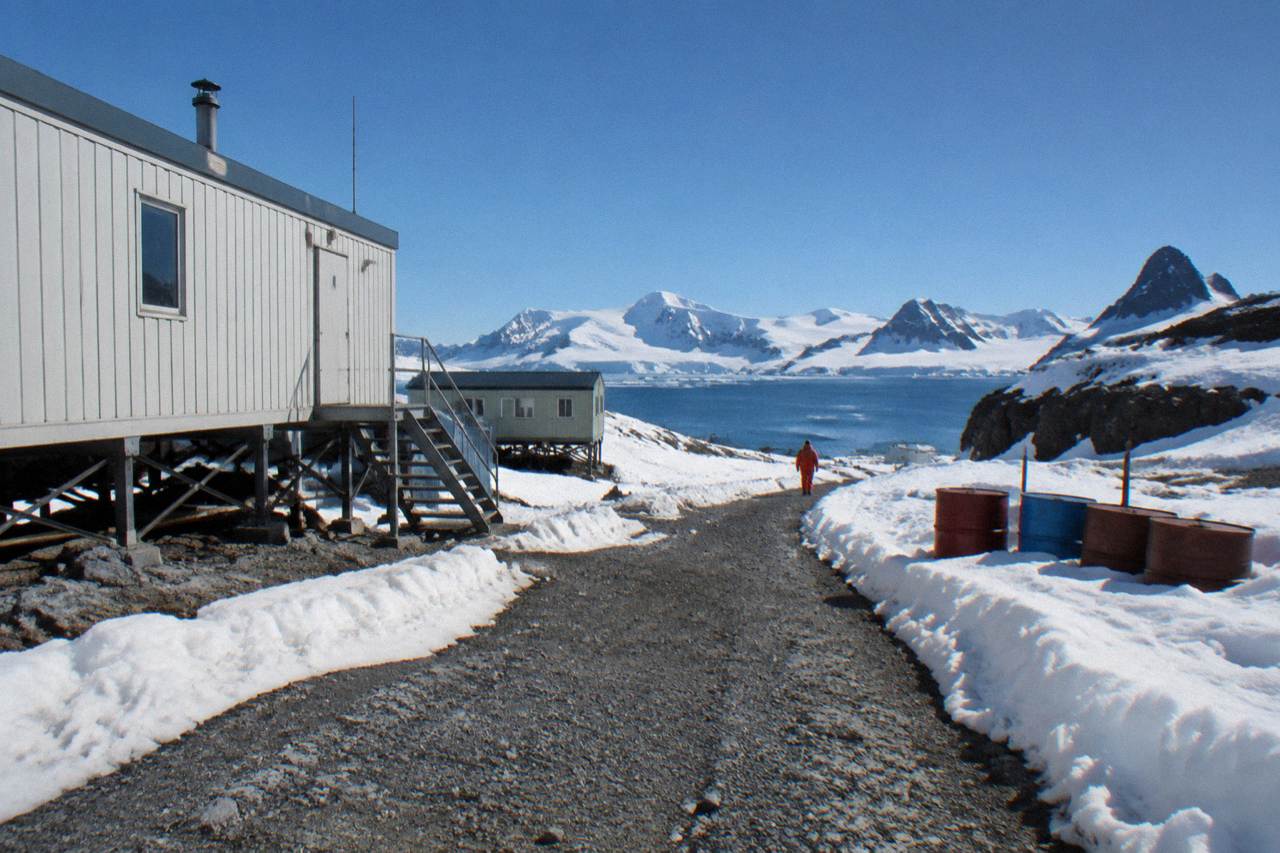
McMurdo sits on the southern tip of Ross Island, and it is a functioning town of laboratories, dormitories, fuel depots and an ice runway that exists to support science. The station is run as a United States research and logistics base. Nothing about it is built for sightseeing, and the staff who live there are on work rotations, not hospitality schedules.
That said, the question is not a dead end. Tourists do reach the Ross Sea, and some voyages pass close enough to McMurdo Sound that passengers see Ross Island, the ice edge and the historic huts of the Heroic Age. The honest answer has two parts: what McMurdo actually is, and what a paying passenger can realistically book in the Ross Sea region for the 2026-27 season. This article covers both, plus what those voyages cost and how they compare with the classic Antarctic Peninsula cruise most people start out researching.
One thing worth saying early: if your goal is Antarctica itself rather than McMurdo specifically, the Peninsula itineraries that sail from Ushuaia are dramatically cheaper, shorter and more numerous. A reader set on the Ross Sea is choosing a niche expedition, and the Cruises In Antarctica research on this site treats it as its own category rather than a variant of the standard trip.
What McMurdo Station Actually Is
McMurdo Station is the main United States research hub in Antarctica, on the southern tip of Ross Island in the Ross Sea. It hosts a large summer population of scientists, contractors and military logistics personnel that shrinks to a small winter crew, and it serves as the staging gateway for South Pole flights and deep-field science camps. It is a working research facility, not a visitor destination, and no operator sells it as a shore stop.
The station's population swells with the austral summer research calendar and drops to a skeleton crew through the winter darkness. Its buildings include laboratories, a store, medical facilities and the airfield infrastructure that connects the base to the rest of the polar program. Most people who arrive there are scientists, support contractors or logistics personnel, not travellers, and everything about the settlement is scheduled around their work.
There is no tourist pathway onto those flights. The aircraft capacity is committed to the research program, and the program's priorities are scientific schedules, not fare-paying passengers. This is worth stating plainly because a surprising amount of online content implies you can "tour" McMurdo the way you might tour a national park visitor centre. You cannot, and any itinerary that claims a McMurdo visit as a guaranteed feature deserves scepticism.
What does exist is the Ross Sea cruise, and this is where the tourist story gets interesting. A small number of expedition ships sail south from New Zealand toward the ice. Some of these voyages have, in past seasons, arranged brief stops in the McMurdo Sound area, including visits to the historic Discovery Hut at Hut Point, which sits within sight of the modern station. Those stops depend on ice conditions, scheduling and operational priorities in any given year, and no operator publishes them as guaranteed.
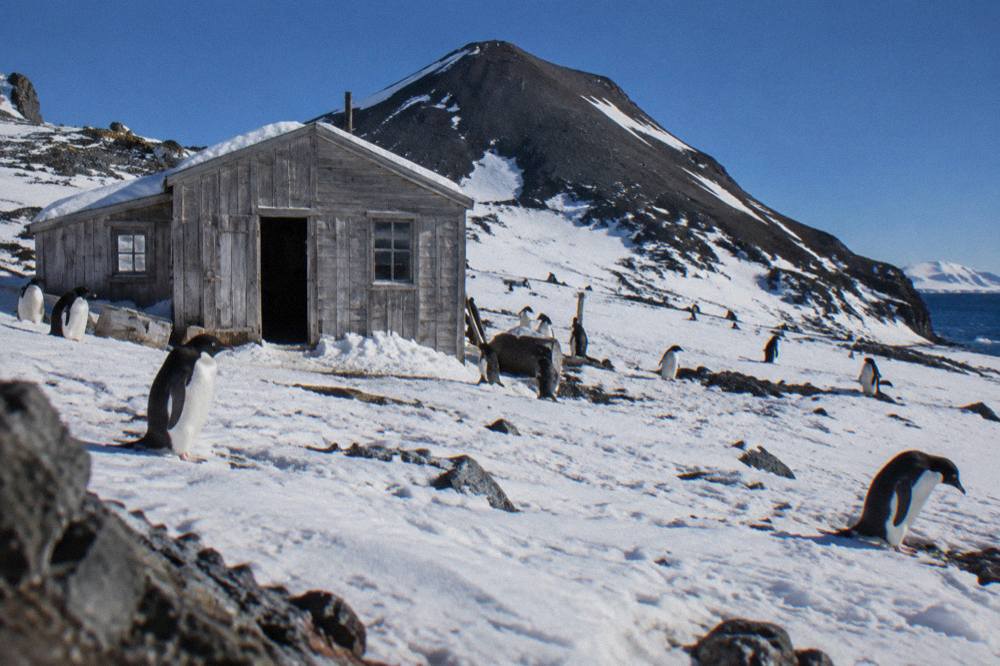
The historic huts are the real draw for many Ross Sea travellers. Discovery Hut dates from the Heroic Age of polar exploration, and the region also holds Scott's hut at Cape Evans and Shackleton's hut at Cape Royds, all preserved and covered by site-specific visitor guidelines under the Antarctic Treaty system. Visits to these sites are managed under strict protocols, and they are the closest thing to a "McMurdo attraction" that a tourist can genuinely experience.
How Tourists Actually Reach The Ross Sea Region
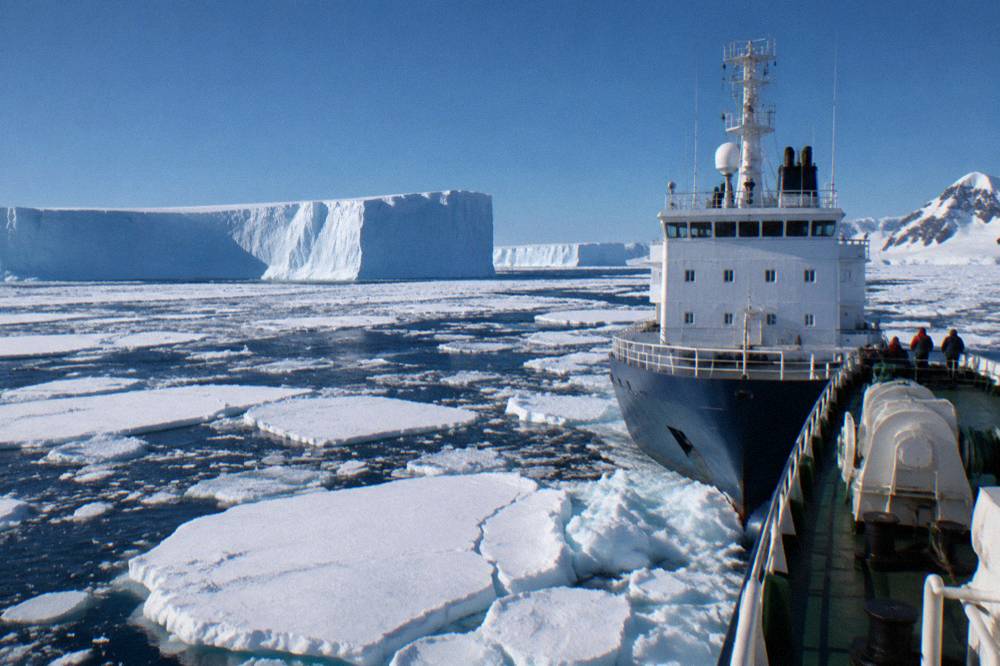
Tourists reach the Ross Sea on a small number of long expedition cruises, typically 22 to 34 days, departing from New Zealand ports or occasionally from South America. These voyages pass through the Subantarctic islands and down into the Ross Sea, with landings at historic huts, penguin colonies and, ice permitting, the edge of the Ross Ice Shelf. There are only a handful of departures each season, against hundreds to the Antarctic Peninsula.
The IAATO data makes the contrast stark. In the 2025-26 season, the organisation recorded 113,518 total visitors to Antarctica, of whom 85,195 made landings and 27,217 were cruise-only passengers who never stepped ashore. Nearly all of that activity is concentrated on the Peninsula, which the Antarctic Treaty Secretariat's own tourism page describes as the destination for approximately 98 percent of voyages, in the October-to-April austral summer. The Ross Sea and continental itineraries are a rounding error by comparison, and that scarcity shapes everything about them: price, planning horizon and ship choice.
On this site's roster, the clearest Ross Sea options for the 2026-27 season include Ponant's Le Soléal, which operates a 22-day Scott and Shackleton Antarctic expedition from $32,320 per person, departing in late January 2027. Heritage Expeditions' Heritage Adventurer runs a 28-day Ross Sea voyage from New Zealand aboard a 140-guest, 1A Super ice-class ship built in 1991, with the itinerary explicitly built around Ross Sea exploration and historic hut visits. Aurora Expeditions' Douglas Mawson lists a 34-day voyage in the roster for 2026-27, and the operator's broader program covers everything from the Peninsula to East Antarctica and the Ross Sea across its three ships.
These are serious commitments. A 22-to-34-day voyage means a month of your life, a five-figure fare before flights and gear, and a sea crossing of several days each way through the Southern Ocean. The reward is a version of Antarctica almost no tourist sees: emperor penguin country in the Weddell and Ross sectors, the Transantarctic Mountains, and the preserved huts of Scott and Shackleton. For a reader whose actual question is "how do I get closest to McMurdo," these voyages are the honest answer.
If you are weighing a Ross Sea expedition against a classic Peninsula cruise, the choice is genuinely difficult, and it is exactly the kind of decision where a free consultation on Ross Sea options saves weeks of confused comparison shopping. The consultation costs nothing and carries no obligation.
What A Ross Sea Voyage Costs Compared With A Peninsula Cruise
A Ross Sea voyage sits at the very top of Antarctic pricing, starting at $32,320 per person for a 22-day Ponant sailing and climbing from there, while classic Antarctic Peninsula cruises begin around $7,050 per person on 10-to-11-day Oceanwide departures. One 2026 cost guide puts realistic all-in Peninsula budgets, with flights and gear, at $12,000 to $25,000 per person, and a Ross Sea trip lands above even that band.
The roster figures make the gap concrete. Oceanwide Expeditions' Plancius, a 108-guest converted research vessel, lists Antarctic Peninsula voyages from $7,050 per person for the 2026-27 season, with fleetmates Hondius and Ortelius from $7,800. At the other end, Le Soléal's Ross Sea sailing starts at $32,320, and that is before the long-haul flights to New Zealand, the gear and the insurance. The middle tier is crowded: Quark Expeditions' voyage-level fares start at $12,236 and are shared across Ultramarine, Ocean Explorer and World Voyager, so a reader comparing ships needs to know those fares are not ship-exclusive.
| Voyage type | Example ship | Days | From (per person) | Gateway |
|---|---|---|---|---|
| Classic Peninsula | Plancius | 10-11 | $7,050 | Ushuaia |
| Classic Peninsula | Hondius | 11-13 | $7,800 | Ushuaia |
| Peninsula, upscale | Ultramarine / Ocean Explorer / World Voyager | 11-12 | $12,236 (voyage-level, shared) | Buenos Aires, Ushuaia |
| Great Austral Loop | Le Boréal | 19 | $23,020 | Ushuaia, Buenos Aires |
| Ross Sea | Le Soléal | 22 | $32,320 | New Zealand |
| Ross Sea | Heritage Adventurer | 28 | fare not on file, needs a consultation | New Zealand |
Two caveats belong next to that table. First, several luxury operators on the roster, including Silversea, Seabourn, Scenic and Viking, publish no verified Antarctica fare on file, so a current price for those ships genuinely requires a consultation rather than a number. Second, the figures that do exist move with promotions: one 2026 cost report notes early-booking offers commonly reaching 10 to 30 percent off, with some unsold 2026-27 sailings discounted further, and Atlas Ocean Voyages ran 2026-27 promotions with savings up to $6,779 per person before fares rose in October.
The featured luxury option on this page, Ponant's Le Boréal, is a useful reference point for what the same money buys outside the Ross Sea. Her 19-day Great Austral Loop, departing in November 2026 from $23,020 per person, sails aboard a 264-guest luxury ship. A reader who wants the Heroic Age huts and the Ross Ice Shelf pays more and travels longer for Le Soléal; a reader who wants comfort and a long subantarctic itinerary gets it on Le Boréal's loop. Neither is the wrong answer, but they are different products.
The Ships That Actually Sail The Ross Sea
The Ross Sea fleet is small: for 2026-27 it includes Ponant's Le Soléal on a 22-day New Zealand departure, Heritage Expeditions' Heritage Adventurer on a 28-day voyage, and a handful of ultra-long itineraries from operators like Aurora Expeditions. No mega-ship and no budget vessel sails there. Everything in the region carries roughly 130 to 264 guests, because IAATO rules bar vessels over 500 passengers from making any Antarctic landings at all.
That last point matters more than most first-time researchers expect. The Antarctic Treaty visitor guidelines state plainly that vessels with more than 500 fare-paying passengers shall not make landings in Antarctica, and that a maximum of 100 passengers may be ashore from a vessel at any one time unless site-specific guidance requires fewer. On a 264-guest ship like Le Soléal, that means staggered shore rotations. On a 130-to-140-guest ship like Sylvia Earle or Heritage Adventurer, the whole ship can often land together. Ship size, not just price, shapes the experience.
Aurora Expeditions' 2026-27 program is worth a closer look for Ross Sea curious readers. The operator plans 27 voyages across Greg Mortimer, Sylvia Earle and the brand-new Douglas Mawson, stretching from the Peninsula to the Ross Sea and East Antarctica, with 18 scientists embedded across 11 voyages working on whale ecology, penguin and biodiversity research. Sylvia Earle, a 130-guest Ulstein X-BOW ship built in 2022, lists Peninsula voyages from $19,566 per person, while Douglas Mawson's 34-day itinerary has no published fare on file and needs a consultation for current pricing.
For comparison, here is how the three ships this article highlights stack up on the roster's own numbers. They are not all Ross Sea ships: Le Boréal and Sylvia Earle are Peninsula and subantarctic operators, Ocean Explorer is a Quark Peninsula vessel. They are the ships a McMurdo-curious reader will realistically cross-shop once they see the Ross Sea price tags.
| Ship | Class | Passengers | Ice class | From, per person | Voyage length | Departs from |
|---|---|---|---|---|---|---|
| Le BoréalPonant | Luxury | 264 | – | from $23,020 | 19 days | Ushuaia, Buenos Aires |
| Sylvia EarleAurora Expeditions | Upscale Expedition | 130 | – | from $19,566 | 12 to 20 days | Ushuaia |
| Ocean ExplorerQuark Expeditions | Upscale Expedition | 138 | 1A, PC6 | from $12,236 | 8 to 20 days | Ushuaia, Buenos Aires, Punta Arenas |
| Ship | Operator | Guests | Class | Antarctica voyages from |
|---|---|---|---|---|
| Le Boréal | Ponant | 264 | luxury | $23,020 (19 days) |
| Sylvia Earle | Aurora Expeditions | 130 | upscale expedition | $19,566 (12 days) |
| Ocean Explorer | Quark Expeditions | 138 | upscale expedition | $12,236 (voyage-level, shared) |
One ship that readers researching this topic often encounter is Ponant's Le Commandant Charcot, the hybrid LNG icebreaker. The approved position on this site is that it sails Antarctica from October 2027, and nothing further can be responsibly claimed about its itineraries here. If a reader's heart is set on a PC2 icebreaker reaching places conventional ships cannot, that is a 2027-28 planning conversation, and a free planning consultation for polar voyages is the right place to raise it.
What A Tourist Can And Cannot Do At McMurdo Itself
A tourist cannot book a stay at McMurdo, join a tour of its laboratories, or arrive on one of its program flights. What occasionally happens, on some Ross Sea voyages and with permissions arranged in advance, is a brief Zodiac landing in the McMurdo Sound area, typically at historic hut sites rather than at the station. Even those landings are conditional on ice, weather and the season's operational circumstances, and no operator guarantees them in writing.
The distinction between the station and its surroundings is the whole ballgame. Hut Point, Cape Evans and Cape Royds are historic sites with their own visitor guidelines under the Antarctic Treaty system, and ATCM 48 in 2026 adopted Resolution 3 updating site-specific rules with approach distances, temporal restrictions and capacities for frequently visited locations. Visits there are managed, limited and weather-dependent, but they are tourist visits in a real sense: you stand where the early expeditions stood, among artefacts preserved by the cold.
The station itself is different in kind. Its pier, its fuel lines and its airfield are working infrastructure. Anyone who tells you they can sell you a walk through a research laboratory or a night in a dormitory is describing something that does not exist as a product. The United States environmental documentation process, which the EPA oversees for nongovernmental operators, is about the operator's obligations, and a passenger's experience of the region is defined by what the ship's expedition team can legally and practically deliver.
Practical rules follow you ashore wherever you land in the region. The general visitor guidelines require keeping at least 5 metres from wildlife, more where species or site guidance demands it; boots and equipment must be cleaned before arrival and between sites; and only one ship may visit a site at any one time, which is why IAATO coordinates a scheduler across its roughly 140 member operators. Biosecurity has tightened further in recent seasons under avian influenza protocols, with pre-landing assessments and restrictions such as no sitting or kneeling on the ground in wildlife areas.
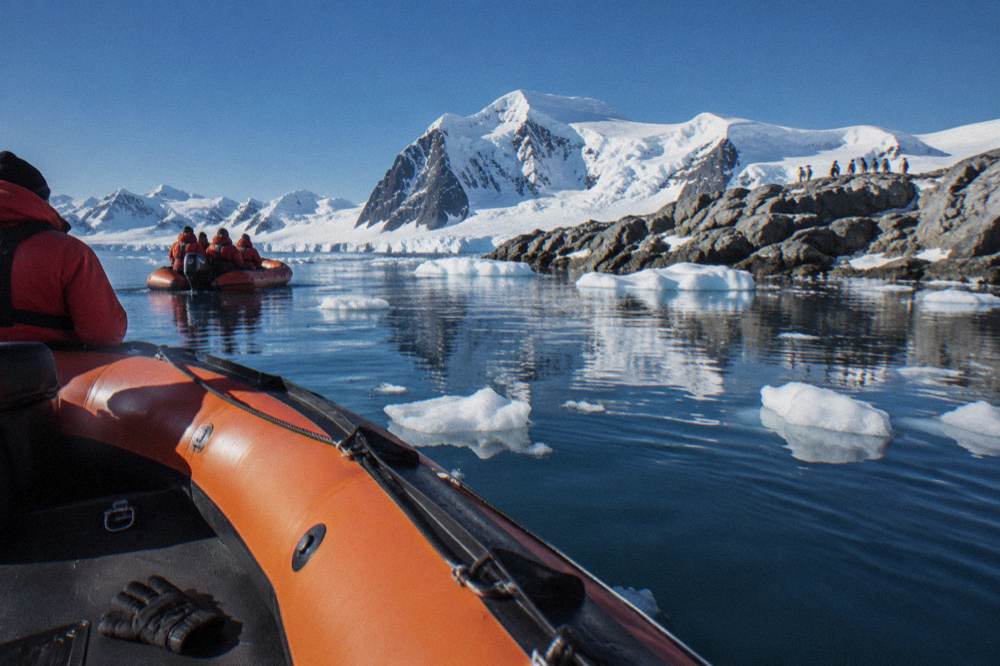
For most readers, the realistic decision is not "McMurdo or not" but "Ross Sea or Peninsula." A Peninsula cruise from Ushuaia, covered in depth in our Antarctic Peninsula cruise guide, delivers landings, penguins and ice in 8 to 14 days at fares starting around $7,050. The Ross Sea delivers the Heroic Age, the ice shelf and the far south in 22 to 34 days at a far higher cost, with a much longer commitment and a real chance that some planned stops shift with the ice. Readers torn between the two often find our guide to reaching Antarctica useful for the gateway logistics alone, since the Ross Sea routes you through New Zealand rather than Argentina.
Planning A Ross Sea Trip: Timing, Booking And Realistic Expectations
Ross Sea voyages run in the same austral summer window as everything else, roughly November to March, but with far fewer departures, often one or two per ship per season. Bookings for the best cabins open a year or more ahead, and the December peak books furthest in advance. Set expectations around ice and weather: the Ross Sea is one of the least predictable cruising grounds in Antarctic tourism, and itinerary changes are normal, not exceptional.
The season's rhythms matter less here than on the Peninsula because your options are so few. If a ship sails the Ross Sea in January, that is when you go. What you can choose is the year: with a handful of departures annually, a reader who misses the 2026-27 window is looking at 2027-28, and the early-booking economics reward deciding early. One cost report notes last-minute discounts exist but are limited in availability and cabin choice, and uncommon for peak sailings, which book 18 or more months ahead.
Insurance deserves a specific mention for these long voyages. Operators impose high medical evacuation minimums, with one operator comparison citing Quark at $500k, Ponant at $250k and Lindblad at $150k, plus full trip-cost cancellation cover. On a fare of that size, the insurance line is real money, and it is required, not optional. Our Antarctic travel insurance guide covers the details, and Argentina's 2025 rule update formally requires health coverage including evacuation for foreign visitors, which matters for the Ushuaia-gateway voyages even when the Ross Sea trips route via New Zealand.
For a reader whose McMurdo question is really a "deepest south possible" question, there is one more option worth naming: the fly-cruise and deep-field air products that IAATO tracks separately. Those 1,106 deep-field participants in 2025-26 travelled by air into the continent's interior, and preliminary estimates for 2026-27 point higher still. These are specialist, expensive products, not cruises, and they are the only way to stand further south than a Ross Sea ship can take you.
By now the shape of the answer should be clear. McMurdo Station itself is closed to tourism, full stop. The Ross Sea around it is open, barely, to a few hundred passengers a season aboard ships like Le Soléal and Heritage Adventurer, and the experience of reaching it is among the most distinctive in travel. If that trade-off appeals, the decision of which voyage and which cabin is exactly what the site's consultation exists for, and it is free with no obligation to book anything.
Common Questions About Visiting McMurdo Station
Can I Visit McMurdo Station As A Tourist?
No. McMurdo is a working United States research station on Ross Island, and no operator sells visits to it. Tourists can reach the Ross Sea region on a small number of long expedition voyages, some of which make landings at historic hut sites in McMurdo Sound when conditions and permissions allow.
How Close Does A Cruise Get To McMurdo Station?
Ross Sea voyages can enter McMurdo Sound itself in favourable ice years, with Zodiac landings at sites such as Discovery Hut at Hut Point, within sight of the station. These stops are conditional and never guaranteed in published itineraries.
Which Ships Sail The Ross Sea For Tourists?
For 2026-27 the roster shows Ponant's Le Soléal on a 22-day New Zealand departure from $32,320 per person, and Heritage Expeditions' 140-guest Heritage Adventurer on a 28-day Ross Sea voyage. Aurora Expeditions' Douglas Mawson lists a 34-day itinerary with no published fare on file.
How Much Does A Ross Sea Cruise Cost?
From about $32,320 per person for the shortest published Ross Sea voyage, before long-haul flights, gear and required insurance. Classic Antarctic Peninsula cruises start around $7,050 per person for 10-to-11-day departures, so the Ross Sea sits at the top of the published fare range.
Where Do Ross Sea Cruises Depart From?
Most depart from New Zealand ports such as Invercargill or Queenstown, sailing south through the Subantarctic islands. Some longer itineraries approach from South America. This differs from Peninsula cruises, which almost all depart from Ushuaia in Argentina.
Is A Ross Sea Cruise Worth It Instead Of A Peninsula Cruise?
It depends what you want. The Ross Sea offers the historic huts of Scott and Shackleton, the Ross Ice Shelf and emperor penguin country, but at a far higher cost and a much longer duration. The Peninsula offers more landings, more wildlife density and far more departures. Many travellers do a Peninsula trip first and the Ross Sea later.