Where To Sleep In Antarctica?
 By Oleg G.
Antarctica has no hotels, no lodges and no guesthouses. Every tourist sleeps aboard the ship they arrived on, in a cabin that ranges from a shared triple to a balcony suite. Here is what that actually means when you are choosing a voyage.
Where To Sleep In Antarctica?
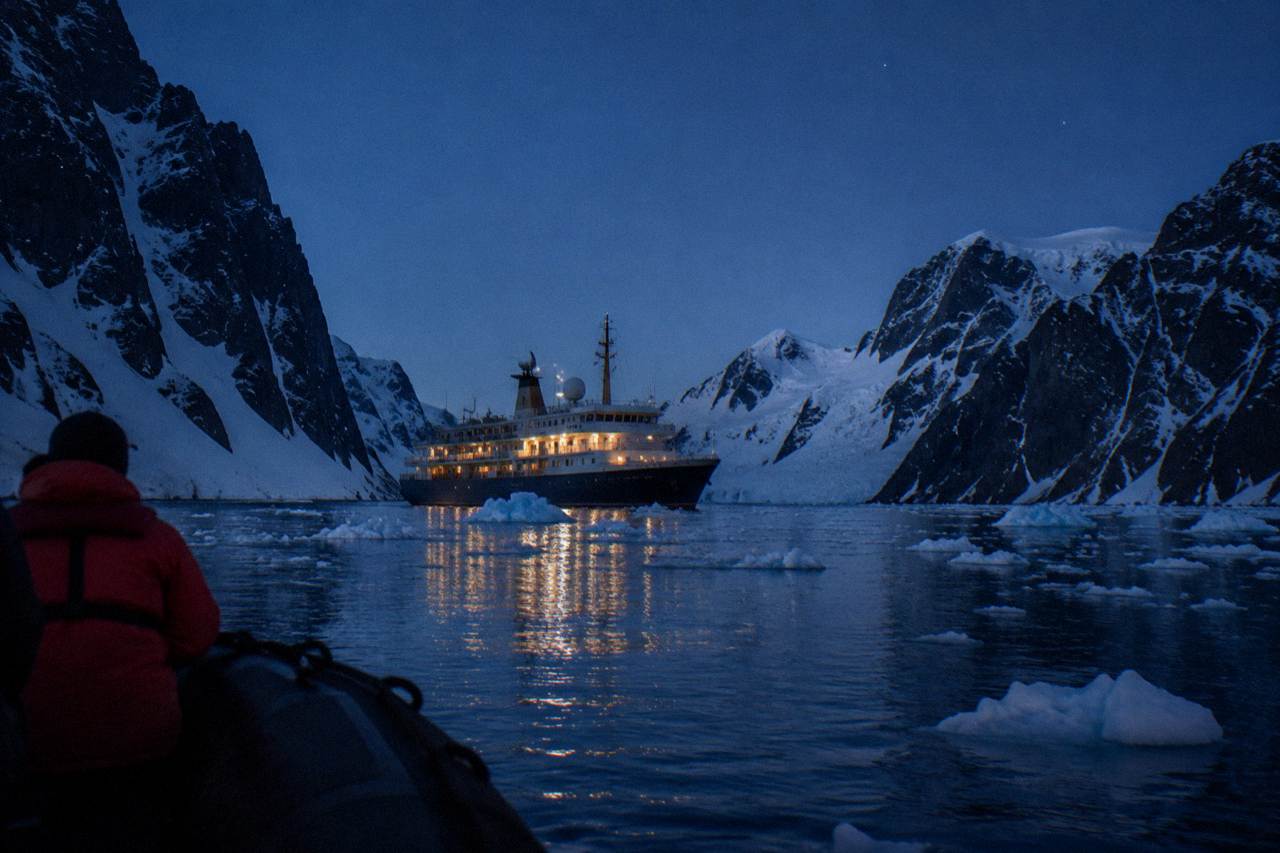
You sleep on the ship. Antarctica has no hotels, no resorts and no tourist lodges anywhere on the continent, so the cabin you book aboard your expedition cruise is the only bed you will have for the entire voyage. Vessels arrive, run Zodiac landings by day, and guests return to the same ship each evening to eat, warm up and sleep. There is no shore accommodation to upgrade into.
That single fact shapes the whole booking decision. An Antarctica cruise is not a floating hotel that happens to stop at a destination; the ship is the destination for everything except the hours you spend ashore. IAATO's visitor framework reinforces this: a maximum of 100 passengers may be ashore from a vessel at any one time, and only one ship may visit a site at any one time, per the general visitor guidelines. Nobody stays on land overnight as a tourist. The landing ends, the Zodiacs shuttle everyone back, and the ship repositions overnight toward the next bay.
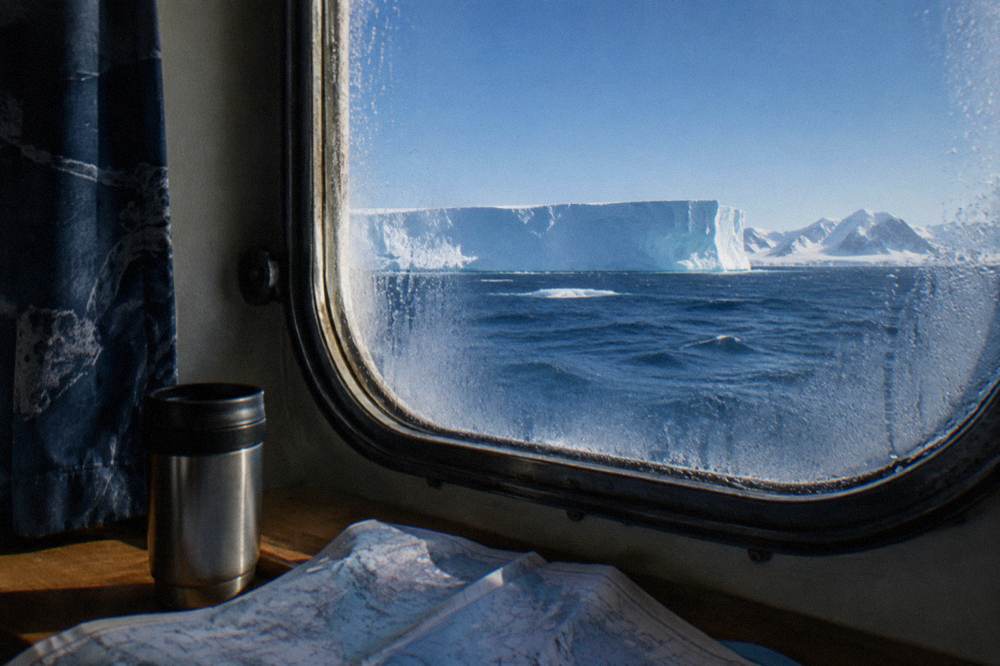
This is also why the cabin choice matters more than on almost any other trip. On a Caribbean cruise you can escape the ship for whole days. In Antarctica, your cabin is where you sleep, where you dry your gear, where you hide from the wind after a wet landing, and often where you watch icebergs drift past at midnight. Spend on the cabin accordingly, or at least spend thoughtfully.
The rhythm of a day makes the point clearly. A typical morning might start with a 6 a.m. wake-up call over the ship's PA, breakfast in the dining room while the captain positions the vessel in a sheltered bay, then two hours ashore at a gentoo colony. By lunch everyone is back aboard, parkas dripping in the mudroom, and the ship is already steaming toward an afternoon Zodiac cruise among icebergs. Dinner, a lecture from the expedition team, and bed in the same cabin you left that morning. Repeat for a week or more. The ship is not your transport to Antarctica; for practical purposes it is Antarctica, the only warm, dry, bed-containing structure you will occupy south of the Drake.
If you are still weighing whether a trip like this makes sense at all, we go deeper on that question in is an Antarctica cruise worth it.
Why There Are No Hotels On The Continent
Antarctica is governed by the Antarctic Treaty System, which reserves the continent for peace and science, and no commercial lodging exists there for visitors. Everything tourists sleep on is a ship, and those ships operate under IAATO rules that cap landings at 100 passengers ashore at a time. There is no check-in desk on the ice.
The Antarctic Treaty and the environmental protocol that sits under it do not permit commercial development of the kind that would support a hotel: no permanent tourism infrastructure, no roads to it, no utilities. The roughly 70 research stations scattered across the continent exist for national science programs, and their accommodation is for scientists and support staff, not travellers. The Antarctic Treaty Secretariat's own tourism overview notes that around 98 percent of tourism voyages occur in the Antarctic Peninsula region during the austral summer, and all of it is ship-based.
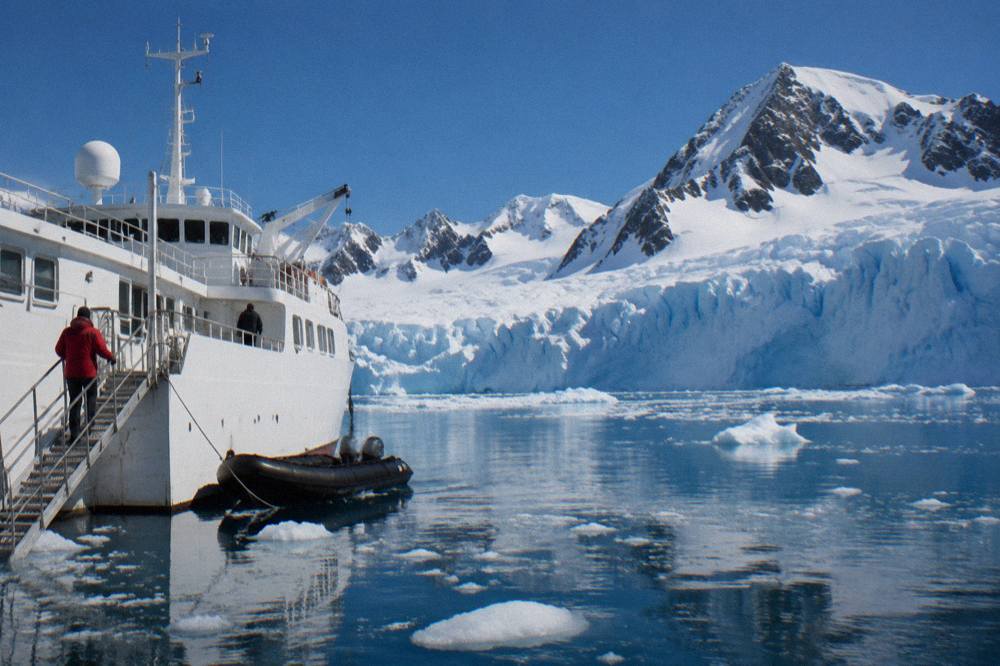
The practical consequence is that your expedition cruise fare is also your accommodation budget. There is no cheap-land, expensive-ship split the way there is in, say, Iceland. When a 2026 cost guide reports a realistic all-in budget of $12,000 to $25,000 per person for a 10- to 12-day mid-range Peninsula trip including flights, gear, tips and insurance, the fare itself is the largest slice, and the fare is buying your bed.
It also means there is no way to economise on lodging the way seasoned travellers do elsewhere. You cannot book a hostel and spend the savings on a longer stay. The cheapest possible bed in Antarctica is the cheapest cabin on the cheapest ship, and the published entry point for that, across the Oceanwide Expeditions fleet pages, sits at $7,050 per person for a Plancius Peninsula departure. Everything above that number is a choice about comfort, ship style or itinerary length, not a choice about whether to sleep ashore, because ashore is not on the menu.
That is also why the choice of ship and cabin is the single biggest lever on both comfort and price. If you want help weighing which ship fits how you travel, a free consultation on Antarctica cruise options costs nothing and carries no obligation.
What A Cabin On An Expedition Ship Actually Looks Like
Expedition-ship cabins are compact but functional: a bed or two, storage, a private or shared bathroom, heating you control, and usually a window or porthole. On newer ships many cabins add balconies or floor-to-ceiling windows. Do not picture a megaship inside stateroom; expedition vessels are built for weather, gear and small guest counts, and the cabins are designed around wet parkas and early-morning landings.
A few things are near-universal across the fleet. Cabins have individual climate control, because Peninsula weather swings from bright and near-freezing to wet and windy within a day. Storage is generous relative to cabin size, since every guest boards with serious cold-weather layers. Power outlets on internationally crewed vessels typically serve both North American and European plugs, so check your ship's specifications rather than assuming. And nearly every operator lends you waterproof expedition boots while giving you a parka, as one 2026 cost guide notes, so your cabin does not need to absorb that bulk.
Where cabins differ is in the tier above the basics. On the roster of ships sailing the 2026-27 season, the differences are visible in the published specs. The World Voyager and her fleetmates advertise all-balcony suites. The Ocean Explorer's operator page notes that almost all cabins have verandas. The Hondius page lists 80 cabins for 170 guests, which means the ship runs at a modest two-to-a-cabin average with a wide spread of categories underneath. The Magellan Explorer, a fly-cruise ship, offers seven cabin categories for just 88 guests.
What you will not find is a cabin with a guaranteed view of a specific thing. Icebergs move, the ship repositions at night, and the same window that faces a glacier at breakfast faces open water by lunch. Choose a cabin for its size, its bed configuration and its price, not for its orientation.
A word on beds themselves, since this is the question being asked. Most expedition cabins offer either twin beds that convert to a queen, or fixed twins, or in the budget tier, bunks and shared triples. If you are a couple, confirm whether the "double" on the deck plan is a real double or two twins pushed together with a bridge in the middle; operators differ, and the answer affects a week of sleep. If you are a light sleeper booking a lower deck, note that engine noise and anchor work are facts of ship life, and mid-ship, mid-deck cabins move least in a swell.
Cabin Tiers Across The 2026-27 Fleet
Cabin tiers across the Antarctic fleet run from shared triples in the budget ships up to balcony suites on the luxury lines, with fares that reflect the ship's class as much as the cabin itself. Published 2026-27 fares run from about $7,050 per person on a small-ship budget vessel to $26,780 and up in the luxury tier. The cabin is the main dial that moves the price within each ship.
The table below pulls published figures from the operator pages for three ships at three different price points. These are starting fares for the lowest cabin category on each vessel, per person, and they are the honest anchor for what a berth costs. The wider set of guides lives on Cruises In Antarctica.
| Ship | Operator | Passengers | Cabin picture | Published from (pp) |
|---|---|---|---|---|
| Hondius | Oceanwide Expeditions | 170 | 80 cabins, budget-tier triples to suites | $7,800 |
| National Geographic Endurance | Lindblad Expeditions | 138 | X-Bow ship, observation igloos on deck (extra charge) | $11,900 |
| Le Lyrial | Ponant | 245 | Luxury cabins and suites, French line | $26,780 |
Read that spread carefully. The jump from $7,800 to $26,780 buys a different class of ship, a different guest-to-space ratio and a different style of service, not just a nicer bed. Within any single ship, the gap between the cheapest cabin and the most expensive suite is usually smaller than the gap between ships. If your budget is fixed, the ship choice moves the number more than the cabin choice does.
One planning note that surprises people: single travellers pay a supplement. Industry guidance puts single supplements anywhere from 25 percent above the twin rate up to 1.5 to 2 times the twin rate, though some lines waive them on select sailings, and some budget ships offer shared cabins that avoid the supplement entirely. If you are travelling solo, ask specifically about share programs before you rule a ship out; the answer changes the math by thousands. For solo travellers weighing the whole question, solo cabin advice from a specialist is the fastest way to find the share-friendly departures.
Ship Size And How It Changes Where You Sleep
The number of guests aboard changes the sleeping experience more than any cabin category does. A 90-passenger budget ship feels like a shared house; a 490-passenger ship has hotel floors and queues. IAATO rules cap landings at 100 people ashore at a time, so on bigger vessels your landing rotations are scheduled in shifts, while small ships land everyone together.
This is the trade-off that the cabin tier table hides. On the small-ship budget end, the roster includes the Hondius at 170 guests, the Ortelius and Plancius at 108 each, Sea Spirit at 114, and the 90-guest Ushuaia. Cabins are plainer, and some are shared triples, but the whole ship empties onto a landing site in one rotation. On the larger end, MS Fridtjof Nansen and MS Roald Amundsen carry 490 guests each, which means comfortable, spacious cabins and more onboard amenities, with landings run in shifts under the IAATO cap.
The Hondius sits in a sweet spot for many travellers, and it is the ship we feature on this page for a reason. Built in 2019, it was the first vessel in the world registered to Polar Class 6, in the operator's own wording, and it carries 170 guests in 80 cabins out of Ushuaia on 11-, 13- and 19-day voyages, with Peninsula fares from $7,800 per person. That is a modern ice-classed hull at a budget-tier fare, with a cabin spread wide enough that a triple and a suite genuinely feel like different products. We cover the ship in more detail in our Hondius ship guide.
Size also affects sleep itself, in the boring physical sense. Bigger ships move less in a swell; smaller ships are more responsive to every wave. On a two-day Drake Passage crossing, the difference between a 90-metre former research vessel and a 200-metre expedition ship is something you feel at 2 a.m. Newer hulls help: several operators now sail X-BOW or X-Bow designs that split waves rather than slam them, and modern zero-speed stabilizers cut roll even when the ship is stationary. If you are worried about the crossing specifically, read how long a Drake Passage crossing takes and plan cabin choice and crossing together.
There is a social dimension too, and it is not trivial. On a 108-guest ship, you will recognise every face by day three, eat breakfast with the expedition staff, and hear the trip leader call you by name at the landing briefing. On a 490-guest ship, you get a wider mix of fellow travellers, more dining venues and more entertainment, but the ship never feels like a shared expedition; it feels like a hotel that occasionally parks next to penguins. Neither is wrong. But know which of those two sleeps you are buying, because the brochures for both say "expedition cruise."
Sleeping At Research Stations: Not An Option For Tourists
Research stations do house people in Antarctica, but those beds belong to national science programs, not to tourism. No station sells lodging, no operator can book you a night at one, and the deep-field tourism that does exist, 1,106 participants in the 2025-26 season by IAATO's count, is a fly-in adventure product, not a place to sleep on a cruise.
The distinction matters because the continent does have buildings with beds. McMurdo Station, Rothera, Vernadsky and dozens of others accommodate scientists and support crews year-round or seasonally. But those stations are operated under national Antarctic programs, and access is by program invitation or employment, not by booking. A tourist cannot reserve a bunk any more than a tourist can check into a laboratory.
The closest things to shore-based visitor infrastructure are the historic sites, such as the whaling-era buildings on Deception Island and the museum and post office at Port Lockroy, which the UK Antarctic Heritage Trust is conserving in a multi-year structural project. These are daytime visits only. You walk through, post a card, and return to the ship. There is no overnight component, and IAATO site rules govern the visit like any other landing.
The deep-field numbers are worth knowing so the picture is complete. IAATO recorded 1,106 deep-field and air participants in the 2025-26 season, the first time the figure passed 1,000, with preliminary estimates of 1,492 for 2026-27. Those travellers reach interior camps or emperor penguin territory by ski aircraft, and they sleep in expedition tents, not buildings. It is a separate, specialist product from any cruise, and it is priced accordingly. For cruise travellers, the ship remains the only bed.
Choosing The Right Ship For How You Sleep
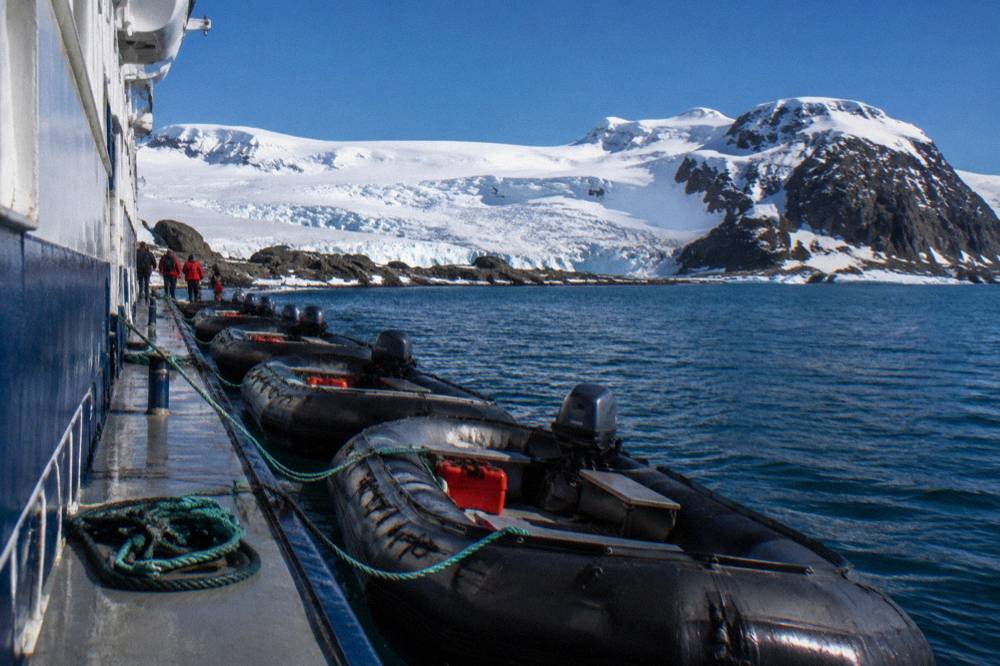
Match the ship to how you actually sleep, not to the brochure photo. Budget-minded travellers who value landings over space should look at the 108- to 170-guest small ships; comfort-first travellers should look at the 130- to 200-guest upscale expedition ships; and travellers who want a balcony suite and hotel service should look at the luxury tier, accepting the fare that comes with it.
Three ships from the roster illustrate the three sleeps. The Hondius, at 170 guests and from $7,800, is the pragmatic choice: plain cabins, strong ice class, and the full classic Peninsula itinerary out of Ushuaia. The National Geographic Endurance, at 138 guests and from $11,900, adds a patented X-Bow hull for smoother seakeeping and a Lindblad-style expedition program, with the operator's starting-fare card covering the 12-day Voyage to Antarctica. Le Lyrial, at 245 guests and from $26,780 per the Ponant listing for The Great Austral Loop, is the luxury sleep: French service, suite living, and a fare that reflects it.
| Ship | Class | Passengers | Ice class | From, per person | Voyage length | Departs from |
|---|---|---|---|---|---|---|
| HondiusOceanwide Expeditions | Small-Ship Budget | 170 | Polar Class 6 | from $7,800 | 11 to 19 days | Ushuaia |
| National Geographic EnduranceLindblad Expeditions (with National Geographic) | Standard Expedition | 138 | PC5 | from $11,900 | 12 to 22 days | Ushuaia |
| Le LyrialPonant | Luxury | 245 | – | from $26,780 | 18 days | Ushuaia, Buenos Aires |
Notice what did not enter that comparison: the bed itself. All three ships have comfortable, heated, well-built cabins. What you are choosing between is the ratio of guests to space, the style of the operation, and the number after the dollar sign. A cabin on the budget ship still keeps you warm in the same storm that a suite on the luxury ship rides out.
There is also the fly-cruise variant to consider, because it changes the sleeping arithmetic in a different way. Fly-cruise ships such as the Magellan Explorer and Magellan Discoverer skip the two-day Drake crossing with a roughly two-hour charter flight from Punta Arenas to King George Island, so an 8-day air-cruise compresses more nights of actual Peninsula time into fewer total nights away. The trade is schedule risk: the flight is weather-dependent, and operators build in a mandatory pre-flight overnight in Punta Arenas. Fares on the Antarctica21 ships start from $13,795 per person for the Classic Antarctica air-cruise. We compare the two approaches in full in flying versus sailing the Drake.
Whichever tier you lean toward, it is worth pressure-testing the choice before committing. A free chat about ship and cabin options will tell you quickly whether the ship you have your eye on has the cabin category you want on the departure dates you can actually travel. The consultation is free, there is no obligation, and the hand-off, if you want one, goes to a vetted expedition-cruise agency partner rather than to any single operator's sales desk.
Common Questions About Sleeping In Antarctica
Where To Sleep In Antarctica?
You sleep aboard your expedition ship. Antarctica has no hotels or tourist lodges, and research stations do not accept guests, so the cabin you book on the cruise is your bed for the entire voyage, from the Drake crossing to the last landing.
Can You Sleep On Land In Antarctica?
No commercial tourist lodging exists on the continent. The only travellers who sleep ashore are participants in specialist deep-field programs, 1,106 people in the 2025-26 season by IAATO's count, and they sleep in expedition tents reached by ski aircraft, not in buildings.
Do All Cabins On Antarctic Ships Have Windows?
Most do, but not all. Budget ships often include some interior or porthole categories, while upscale ships advertise features like all-balcony suites on the World Voyager or verandas on almost all Ocean Explorer cabins. Check the specific ship's cabin list before booking a low category.
Is A Balcony Cabin Worth It In Antarctica?
It depends on how much time you spend in the cabin. Landings, lectures and deck wildlife watching fill most daylight hours, so many travellers put the money toward a longer itinerary or a better ship instead. If you value private, warm wildlife viewing at all hours, a balcony earns its premium.
Do Solo Travellers Pay Double To Sleep In Antarctica?
Often close to it. Single supplements typically run from 25 percent above the twin rate to 1.5 to 2 times the twin rate, though some lines waive them on select sailings and some budget ships offer shared cabins that avoid the supplement entirely.
Will I Be Seasick Trying To Sleep On The Drake Passage?
Possibly, on a sailing itinerary. Rough conditions occur on roughly 30 percent of crossings by one published estimate, and calmer ones around 70 percent. Modern stabilizers and X-BOW hulls help, and a fly-cruise skips the crossing entirely with a roughly two-hour flight to King George Island.