Antarctica With Limited Mobility: Accessible Ships And Zodiac Boarding
 By Oleg G.
Expedition cruising to Antarctica is possible with limited mobility, but the honest answer is that it is conditional. The ship can be step-free in parts, the continent cannot. Here is what the operators and the regulations actually say, ship by ship.
Quick answer: Yes, but conditionally. Wheelchair accessibility is limited on most expedition ships; some newer vessels such as HX's MS Fridtjof Nansen offer accessible cabins, elevators and roll-in showers. Zodiac boarding needs a supported step and a sailor's grip, so many travellers with limited mobility enjoy the voyage from deck or by Zodiac cruise. Vessels over 500 passengers cannot land guests at all.
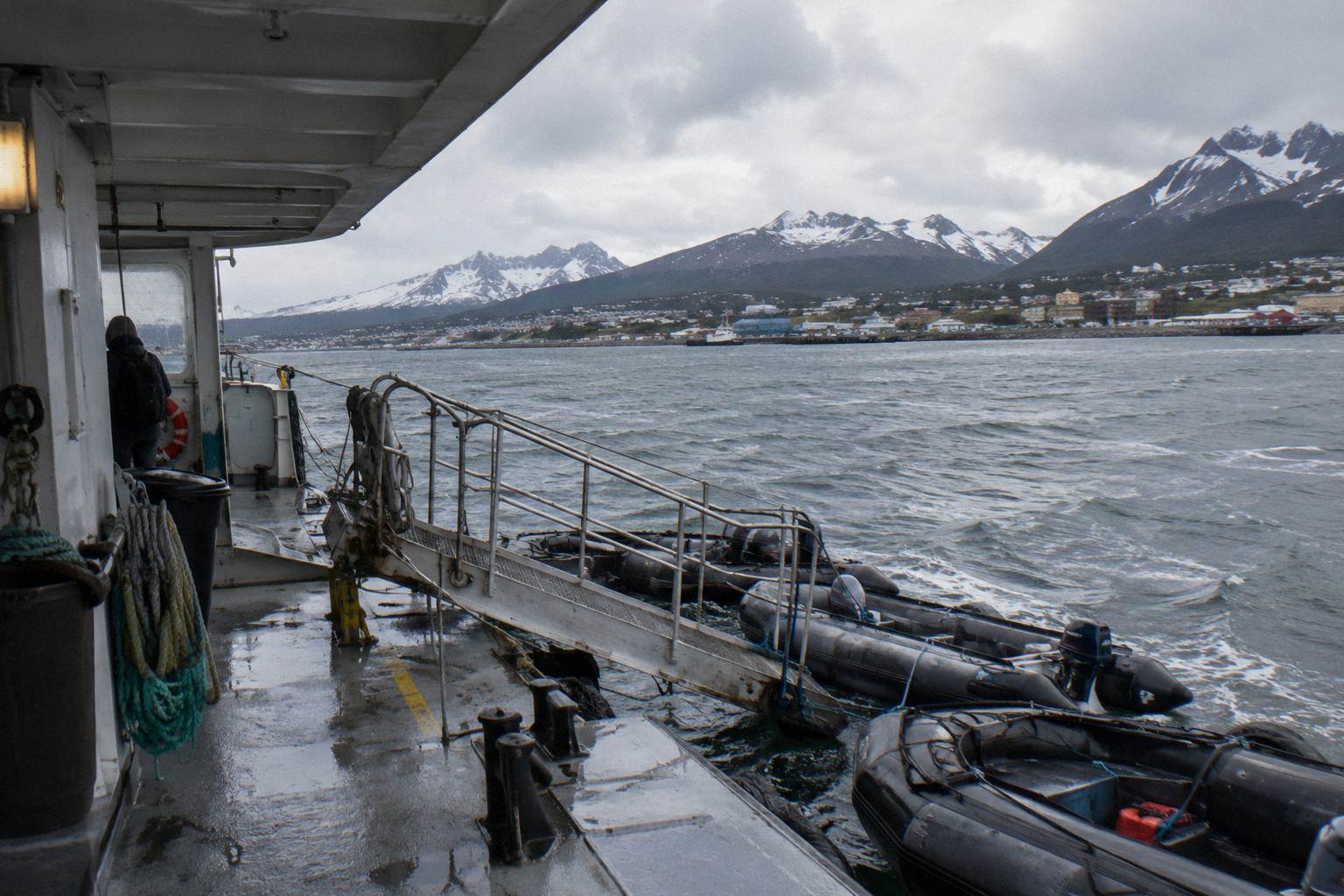
Antarctica is hard to reach in every sense of the word, and that includes the physical one. Roughly 98 percent of all tourism voyages concentrate on the Antarctic Peninsula during the austral summer, according to the Antarctic Treaty Secretariat's tourism page, and the landing voyages among them depend on small boats and often wet landings to put people on shore. That is the part of an Antarctica cruise where limited mobility meets its real test, and it is the part that marketing photographs never show.
The good news is that some newer expedition vessels offer accessible cabins, elevators and roll-in showers, and operators do publish plain language about what a guest with reduced mobility can expect. The honest language matters more than the glossy pictures. An Antarctic expedition with limited mobility is usually a different trip from the one in the brochure: more time on the ship, fewer or no landings, and a voyage judged on scenery, wildlife from the deck and Zodiac cruising rather than footprints on the continent.
This guide sets out only what operators and official sources state: which ships have step-free features, how Zodiac boarding actually works, what "Zodiac cruise only" means, and which questions to ask before any money changes hands. It makes no claims about medical suitability; that is a conversation for your doctor and the operator's medical form. Where a ship's page is silent on a point, we say so plainly rather than filling the gap.
Can You Take An Antarctica Cruise With Limited Mobility?
Yes, people with limited mobility do sail to Antarctica, but the trip is shaped by two hard constraints: ship access is partial rather than universal, and shore access depends on a wet, moving Zodiac transfer that requires standing balance and a supported step. Neither constraint ends the trip; both define it.
The distinction to hold onto is between the ship and the shore. On the ship, a newer expedition vessel can be a genuinely comfortable, sometimes near step-free environment, and the scenery comes to you: a scenic channel or a whale alongside the hull does not require a Zodiac. On the shore, the rules of the game change. IAATO's general visitor guidance caps 100 passengers ashore from a vessel at any one time with a 1:20 guide-to-visitor ratio, so on larger ships even fully able-bodied guests rotate.
Industry reporting on expedition cruising for guests with disabilities notes that wheelchair accessibility is limited on most expedition ships, and that Zodiac boarding is typically difficult or impossible for wheelchairs and walkers. The regulatory frame also limits your options in one useful way: vessels with more than 500 passengers may not make landings in Antarctica at all. That means any large mainstream ship cruising the Peninsula is scenic-cruise-only under the rules. If landings are the goal, you are looking at ships of 500 passengers or fewer, which is the expedition fleet where trade reporting calls accessibility limited on most vessels.
What "limited mobility" means varies enormously, and operators know it. Someone who uses a walking stick on pavement but can manage a short step with support is in a different position from a full-time wheelchair user, and both are different from a traveller who tires quickly on stairs. Expedition teams deal with all three, and the ones who deal with them well will tell you in writing what is and is not possible on their ship before you pay. Our article on Antarctica cruise fitness requirements covers the baseline physical expectations in more detail.
The practical starting point is not the ship, it is the honest self-assessment, then the ship that matches it. A free consultation can help you run that match against the current fleet, since accessibility features vary deck by deck and cabin by cabin even within one operator: check which ships suit your mobility before falling for a brochure.
What Accessible Cabins And Elevators Exist On Expedition Ships?
Wheelchair accessibility is limited on most expedition ships, but it is not absent. Trade reporting on expedition cruise options for clients with disabilities notes that some newer vessels, with HX ships such as MS Fridtjof Nansen named as an example, offer accessible cabins, elevators to passenger decks and roll-in showers. Older, smaller purpose-built expedition vessels often have none of these.
The trade article behind that summary singles out newer HX tonnage, so ship age is a reasonable first filter, but it is only a filter: the features have to be confirmed ship by ship.
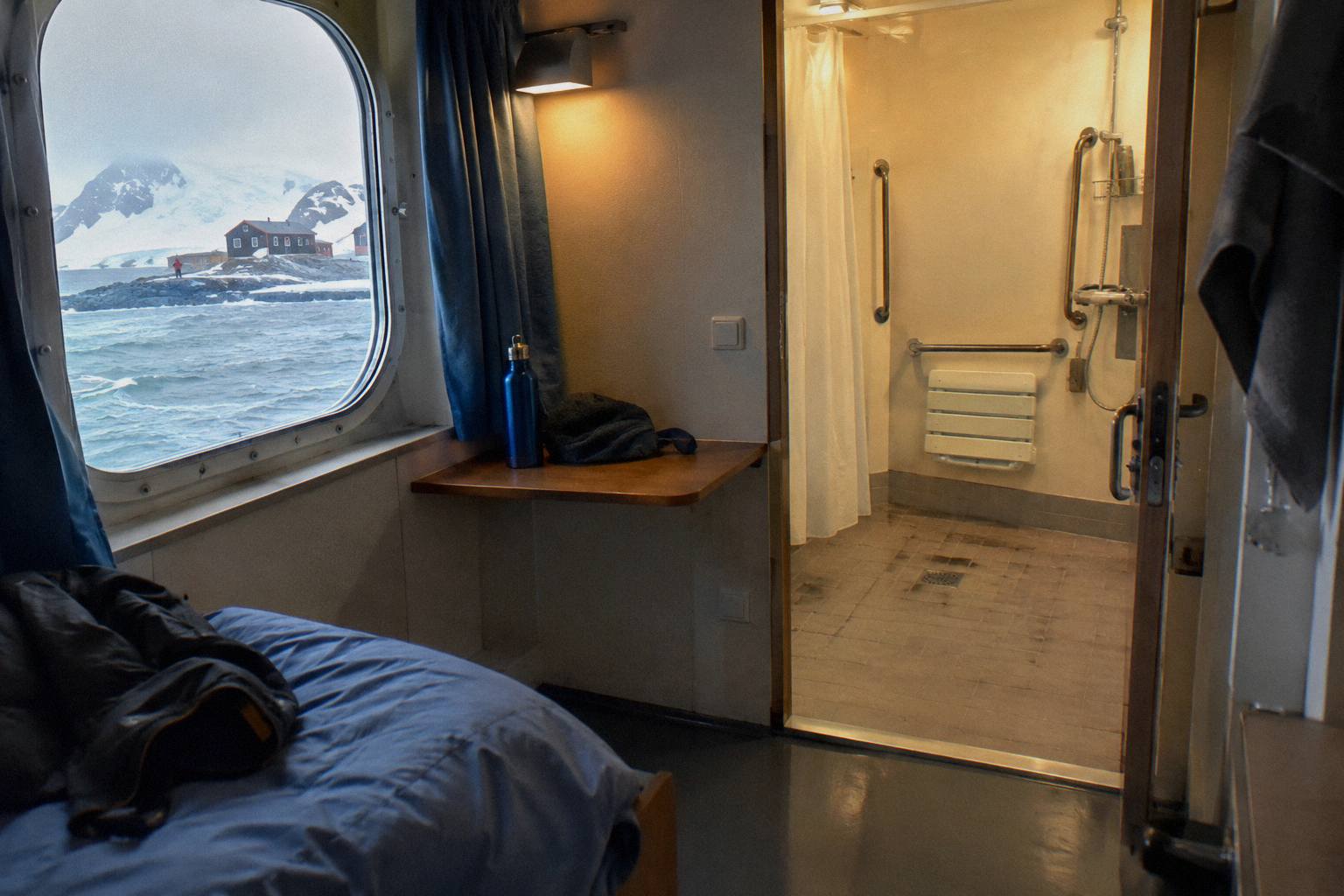
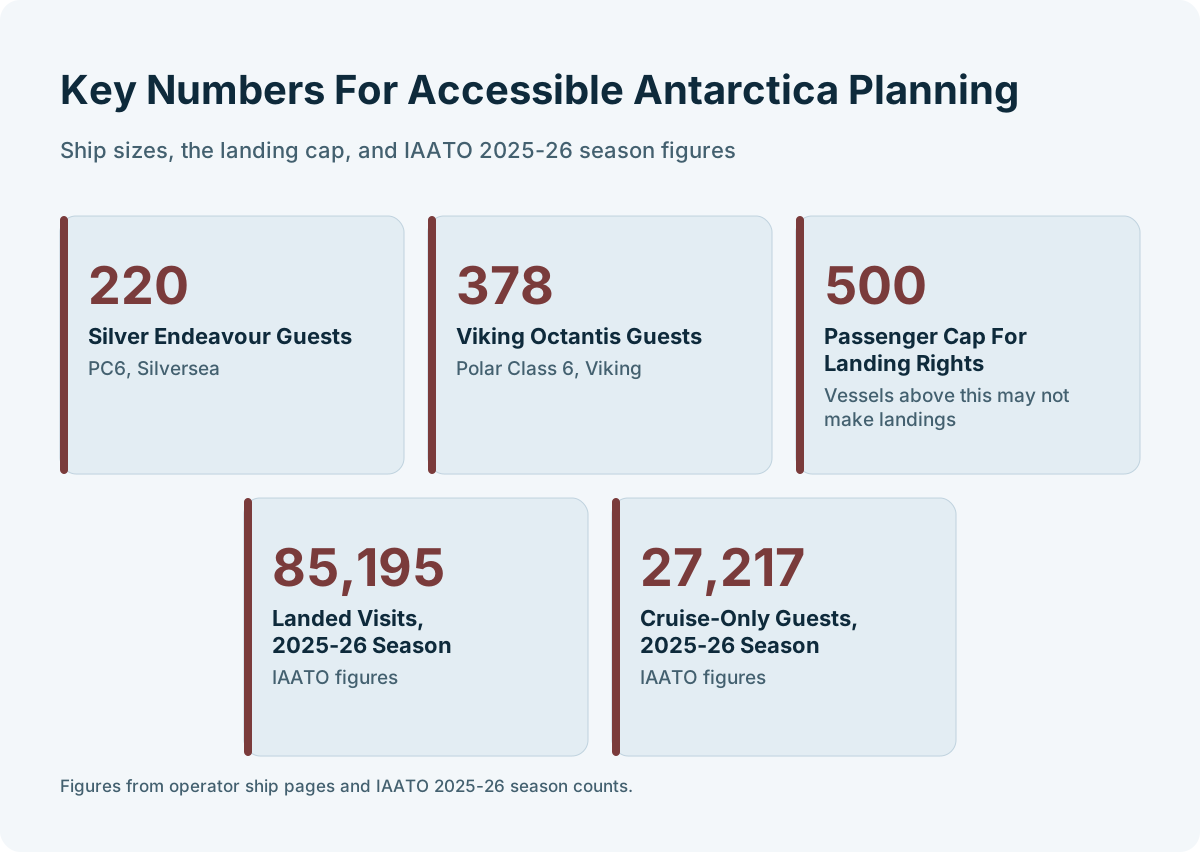
Among the ships actually sailing Antarctica, a few relevant patterns stand out from the operator pages. Silver Endeavour, a Silversea luxury expedition ship rated PC6 and carrying 220 guests, has a balcony in every suite category on the operator's ship page, though that says nothing about step-free access. Viking Octantis and her sister carry 378 guests with a Polar Class 6 hull, and the operator's ship page lists a Nordic Balcony in every cabin category, which reduces the variation a mobility-limited guest has to plan around. HX's MS Fridtjof Nansen, at 490 passengers, is the vessel specifically named in trade reporting for accessible cabins and roll-in showers.
What almost no operator page states, and what we will not invent, is a cabin-by-cabin accessibility map. Details such as exact door widths, the number of accessible cabins per sailing, and whether the mudroom or Zodiac platform can be reached by elevator are not published, so they have to be requested. Treat any accessibility feature as unconfirmed until it is in writing from the operator or its agent for your specific sailing.
A second category deserves its own mention: limited mobility does not always mean a wheelchair. Many travellers ask instead about stairs, thresholds, and the distance from cabin to dining room. On a ship without an elevator to the deck you need, that distance can mean flights of stairs several times a day, which is a real cost for anyone with stamina limits. The accessible-cabin question is easier to answer than the daily-circulation question, but the second one decides whether the voyage is enjoyable.
The table below gathers what the operator pages do state for three modern ships. We found no published passenger figure for Seabourn Venture, so none is printed.
| Ship | Operator | Guests stated | Ice class | Antarctica voyage days stated |
|---|---|---|---|---|
| Silver Endeavour | Silversea | 220 | PC6 | 6, 9, 10, 13 |
| Viking Octantis | Viking | 378 | Polar Class 6 | Not stated |
| Seabourn Venture | Seabourn | Not stated | Not stated | 10, 11, 12, 20, 21 |
We have no current published fare for any of the three, so treat any second-hand price with caution; a current fare needs a live consultation. Exact accessibility provisions also need confirming case by case with each operator.
How Does Zodiac Boarding Work And What Does It Require?
Zodiac boarding is one of the biggest physical demands of an Antarctica cruise: you step from a gangway or platform into an inflatable boat that is rising and falling with the swell, holding a sailor's grip offered by a crew member. Operators require the ability to walk on uneven ground and to climb into and out of Zodiacs. For wheelchair and walker users, boarding is typically difficult or impossible.
The mechanics matter more than the summary. You step from steps or a platform into the moving Zodiac using the sailor's grip with crew assistance. At the beach the process runs in reverse. Wet landings are common, which means stepping into shallow water wearing waterproof boots, then walking on uneven, snowy or rocky ground.
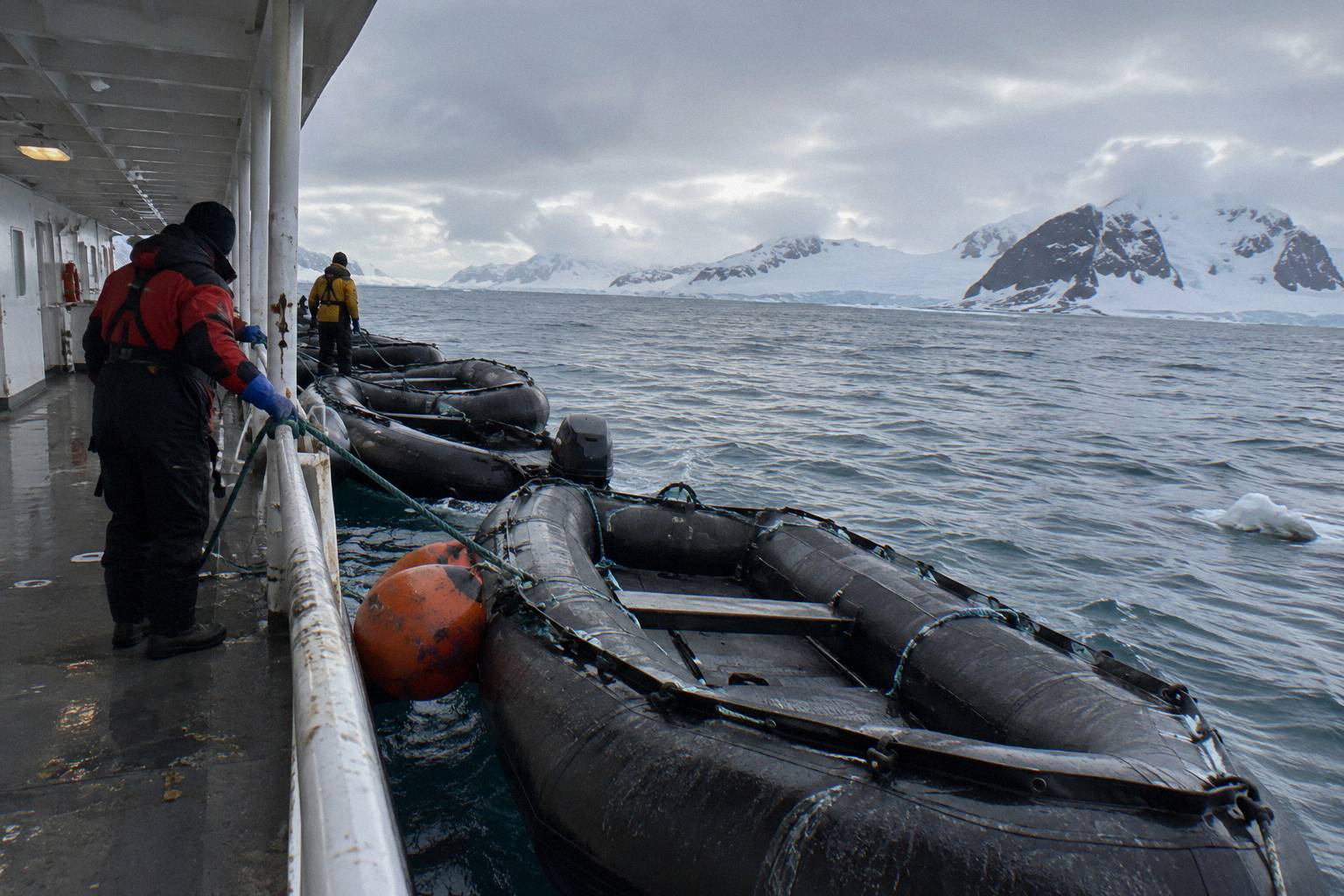
The physical requirement is not elite fitness, but it is specific: balance, a supported step in and out of the boat, and the ability to manage the small boat's motion. A guest who cannot manage it can still sail, just differently. Where a landing is attempted at all, conditions can cancel or shorten it for weather, ice or wildlife reasons, which is one more variable no operator will guarantee away.
Whether your own mobility clears that step is a question for your doctor and the operator. Trade reporting draws the line at wheelchairs and walkers, for which Zodiac boarding is typically difficult or impossible. That is why the "stay aboard or Zodiac cruise" option, covered next, is not a consolation prize but a real product choice that needs to be planned deliberately rather than improvised on day four.
Can You Enjoy The Voyage Without Going Ashore?
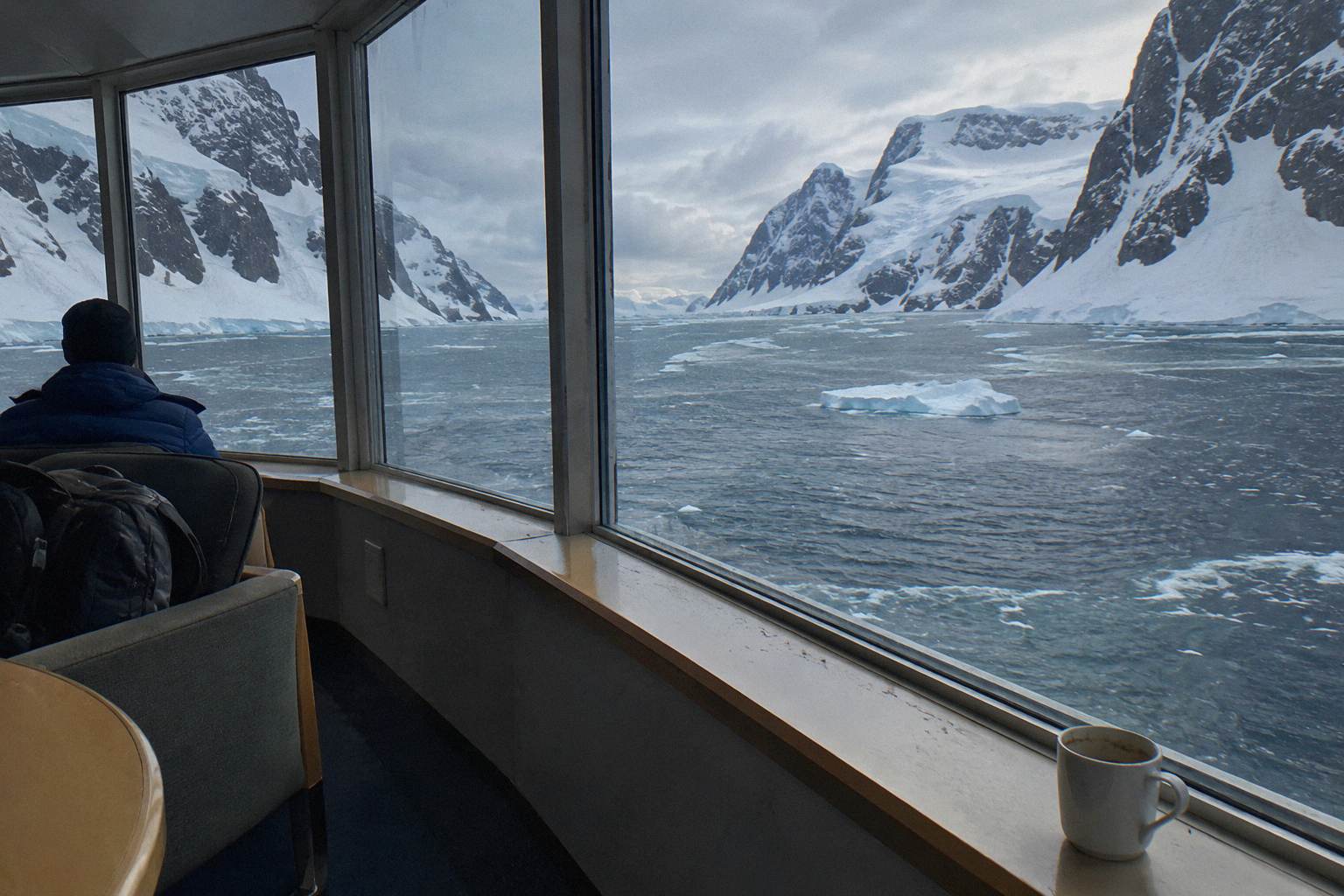
Yes, and operators say so in writing: limited-mobility passengers may stay aboard or join Zodiac cruises where feasible, with no guarantees. Scenic cruising through the Peninsula's channels, wildlife watching from open decks, and lectures in the presentation lounge deliver a great deal of the scenery without a single wet landing.
Staying aboard sounds like a concession until you see what the ship itself delivers. The shipboard view is part of the product for everyone, ashore or not. A whale off the bow, a seal on a passing floe, a glacier front: none of it requires a Zodiac. Decks, outdoor viewing areas and lounges are the parts of the ship a mobility-limited guest will use most, so ask how each is reached.
The Zodiac cruise sits between the deck and the landing. You board the same boat, with the same step and grip, but you stay on the water: cruising a bay at idle speed, drifting near icebergs, watching penguins porpoise past. For a guest who can manage the boarding step but not the wet beach landing, a Zodiac cruise can be a middle option where feasible. The honest caveat, repeated from the operator statements, is feasibility: winds, swell at the gangway, beach waves and site protection all feed a case-by-case decision by the captain and expedition leader, and no landing or cruise is ever promised.
The three ways to experience the voyage differ enough that it is worth laying them out side by side before you choose a ship.
| Way to experience the voyage | Physical demand | What you see | Guaranteed? |
|---|---|---|---|
| Watching from deck and lounges | None beyond ship circulation | Channels, glaciers, icebergs, wildlife from the ship | Weather and ice permitting |
| Zodiac cruise (no landing) | Boarding step with crew grip | Bays, icebergs, wildlife at water level | Feasible, never guaranteed |
| Shore landing | Boarding step plus wet beach walk | Penguin colonies, historic sites, continental ground | Weather, ice and wildlife permitting |
What that means for planning is that a guest with significant mobility limits should choose the ship for its onboard life, not for its landing count. Pick the vessel whose lounges, decks and cabin location work for you, sail a Peninsula itinerary with plenty of scenic cruising built in, and treat anything off the ship as a bonus. You can read more about what the voyage itself feels like in our guide to Antarctic Peninsula cruises.
One regulatory point works in your favour here: the ship scheduler that IAATO operators use means only one vessel visits a landing site at a time, so a landing site is never shared with a second ship at the same moment. The IAATO figures for the 2025-26 season counted 85,195 landed visits against 27,217 cruise-only guests, and the cruise-only number is a product category in its own right, not a failure state.
Which Ships Suit Travellers Who Need Step-Free Access?
Three modern vessels that appear often on accessibility shortlists are Silver Endeavour (220 guests, PC6, Silversea), Seabourn Venture (Seabourn, no published guest figure found) and Viking Octantis (378 guests, Polar Class 6, Viking). Their operator pages do not itemise accessible-cabin counts or elevator reach, so every feature must be confirmed in writing.
Silver Endeavour, the ship we feature on this page, is a 220-guest PC6 vessel sailing voyages of 6 to 13 days from King George Island and Puerto Williams; a King George Island start means a roughly two-hour flight in place of the Drake crossing, which removes up to four sea days of a classic sailing. For a traveller whose limitation is stamina or sea tolerance rather than walking, that is worth taking seriously.
Viking Octantis takes a different route to the same end: a 202.7-metre, 378-guest Polar Class 6 ship with a single consistent cabin concept, the Nordic Balcony, in every category, plus an adults-only 18-and-over policy that suits some travellers and not others. Seabourn Venture's passenger figure and ice class were not found on the pages checked, and her voyage lengths run 10 to 21 days from Ushuaia. For a fuller comparison of the Viking pair, see Viking Octantis versus Viking Polaris.
Because the three ships' published pages stop short of an accessibility specification, the comparison that actually matters happens at the deck-plan level, sailing by sailing. That is where a specialist earns their keep: comparing cabin door widths, elevator reach to the mudroom, gangway height and the operator's written response to your specific needs. The side-by-side facts for the trio are laid out below.
| Ship | Class | Passengers | Ice class | From, per person | Voyage length | Departs from |
|---|---|---|---|---|---|---|
| Silver EndeavourSilversea | Luxury | 220 | PC6 | – | 6 to 13 days | King George Island, Puerto Williams |
| Seabourn VentureSeabourn | Luxury | – | – | – | 10 to 21 days | Ushuaia |
| Viking OctantisViking | Upscale Expedition | 378 | Polar Class 6 | – | – | – |
If you are weighing these three, it costs nothing to get your shortlist checked against your needs before you commit.
A note on what we will not claim: we found no operator stating that its Antarctic ships have pool lifts, track hoists, accessible Zodiacs or beach wheelchairs. If you need any of them, ask the operator directly and in writing, and treat silence as a no rather than a yes. The same goes for accessible transfer vehicles in Ushuaia or Punta Arenas, which the operator pages we checked do not cover.
What Should You Confirm With The Operator Before Booking?
Five things, in writing, before any deposit: the exact cabin's accessibility features and door widths; whether elevators reach every deck you will use, including the Zodiac platform; the operator's policy on guests who stay aboard or Zodiac cruise only; the medical form and its deadlines; and equipment needs such as CPAP power. Oceanwide states CPAP use is possible on all its vessels but that distilled water is not available as standard.
Start with the cabin, because it is the one thing nobody can fix later. Ask for the deck plan, the door width, the bathroom threshold and whether the shower is roll-in, then ask the operator to confirm each in an email. An accessible cabin that turns out to be "accessible" only in the sense of being on a low deck is a discovery you want to make at the planning stage. Where an operator publishes nothing, assume nothing.
The medical form deserves equal seriousness. Most operators require a medical questionnaire completed and signed by a doctor for Antarctic voyages, with deadlines typically 30 to 90 days before departure, and it is where you tell the operator about mobility limits that affect the Zodiac step. Skipping or delaying the medical form is one of the commonly reported first-timer mistakes, and for a traveller with limited mobility it is the document that determines what the expedition team can and cannot plan around. A related disclosure obligation exists at some operators: Oceanwide asks that any health problem requiring emergency care be disclosed via its Personal Information Form, returned within one month of booking.
CPAP and other powered medical equipment are a smaller but very real planning item. Oceanwide's own FAQ states that CPAP use is possible on all its vessels, that all cabins have bedside power outlets, and that travellers should inform the operator of requirements ahead of time; its pages also state that distilled water is not available as standard. We found no published CPAP policy for other operators, so ask rather than assume, and the same applies to oxygen concentrators and battery backup.
Finally, set the right expectations for the ship's crew. Operator guidance for limited-mobility guests is consistent: crew assist, but the passenger must be able to participate safely in boarding and landings, and guests with limited mobility may stay aboard or do Zodiac cruises where feasible, with no guarantees. The trip that goes well is the one where the ship, the route and the activity level were matched honestly to the traveller before departure, which is why we would rather help you ask the right questions for free than watch you learn the answers on embarkation day: ask us before you book anything.
| Check before booking | Why it matters | Where the answer lives |
|---|---|---|
| Cabin door width, bathroom threshold, roll-in shower | Cannot be changed after booking | Operator deck plan, confirmed in writing |
| Elevator reach: cabins, dining, lounge, Zodiac deck | Ship circulation is a daily cost if stairs are the only route | Operator hotel department |
| Stay-aboard and Zodiac-cruise policy | Defines your actual trip if landings are not possible | Operator's stated mobility policy |
| Medical form content and deadline | Signed by a doctor; required by most operators | Operator booking documents |
| CPAP power, distilled water, other equipment | Not all vessels stock what you need | Operator FAQ or medical team |
Two more links belong in any careful planner's reading: Silversea Antarctica cruises for a deeper look at the featured ship's operator, and our Seabourn Antarctica cruise guide for the luxury alternative. On Cruises In Antarctica you will find the same facts-first approach across every ship and route page, because a mobility-limited traveller above all needs facts, not optimism.
Common Questions About Antarctica With Limited Mobility
Can you do an Antarctica cruise in a wheelchair?
Partly. Wheelchair accessibility is limited on most expedition ships, though some newer vessels offer accessible cabins, elevators and roll-in showers. Zodiac boarding is typically difficult or impossible for wheelchairs, so a wheelchair user generally experiences Antarctica from the ship and open decks rather than ashore. Confirm every accessibility feature in writing for your specific sailing.
Do any expedition ships have accessible cabins?
Yes. Trade reporting on expedition cruising for guests with disabilities names some newer HX ships, such as MS Fridtjof Nansen, as offering accessible cabins, elevators to passenger decks and roll-in showers. Many older purpose-built expedition vessels have none of these, and cabin-level details must be confirmed with the operator per sailing.
What happens if I cannot board a Zodiac?
Operator statements are consistent: limited-mobility passengers may stay aboard or join Zodiac cruises where feasible, with no guarantees. Staying aboard is a planned way to see Antarctica, since ships cruise the scenic channels and bays for everyone's benefit, and the same boarding step applies to Zodiac cruises as to landings.
Is a fly-cruise better for someone with limited mobility?
It can be, because it replaces two days of Drake Passage motion with a roughly two-hour charter flight. Silver Endeavour, for example, sails voyages of 6 to 13 days from King George Island and Puerto Williams. The flight and airport transfers add their own logistics, so both sides need checking.
Do I need a medical form for an Antarctica cruise?
Most expedition operators require one. A medical questionnaire completed and signed by a doctor is standard, with deadlines typically 30 to 90 days before departure. Delaying the medical form is a commonly reported first-timer mistake.
Can I bring a CPAP machine to Antarctica?
Generally yes. Oceanwide states CPAP use is possible on all its vessels, that cabins have bedside power outlets, and that requirements should be declared in advance; it also states distilled water is not available as standard. We found no published CPAP policy for other operators, so ask before booking.
More Planning And Preparation
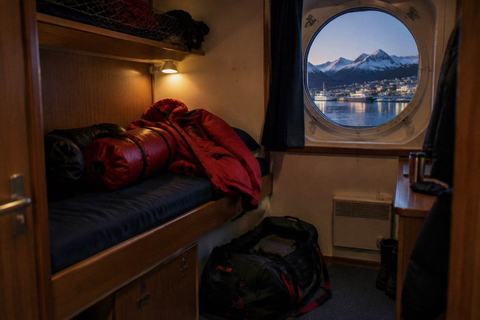 Packing ListWhat to wear, what the ship lends you, and what to leave at home.Read the guide
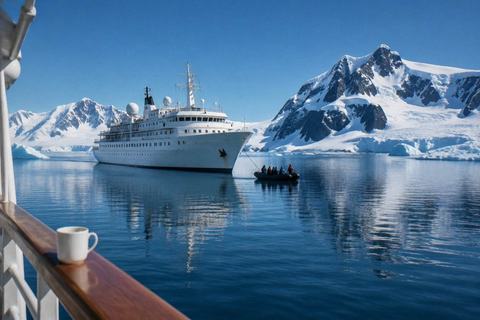 Seniors GuideMobility, Zodiac boarding, the Drake Passage and medical support, assessed for older travellers.Read the guide
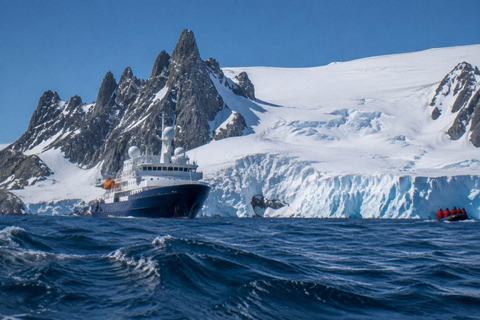 Travel InsuranceWhy operators demand evacuation cover and what your policy must include.Read the guide
 Getting To AntarcticaShips, planes and gateway cities: every practical way to reach Antarctica.Read the guide