Hiking, Snowshoeing And Skiing In Antarctica
 By Oleg G.
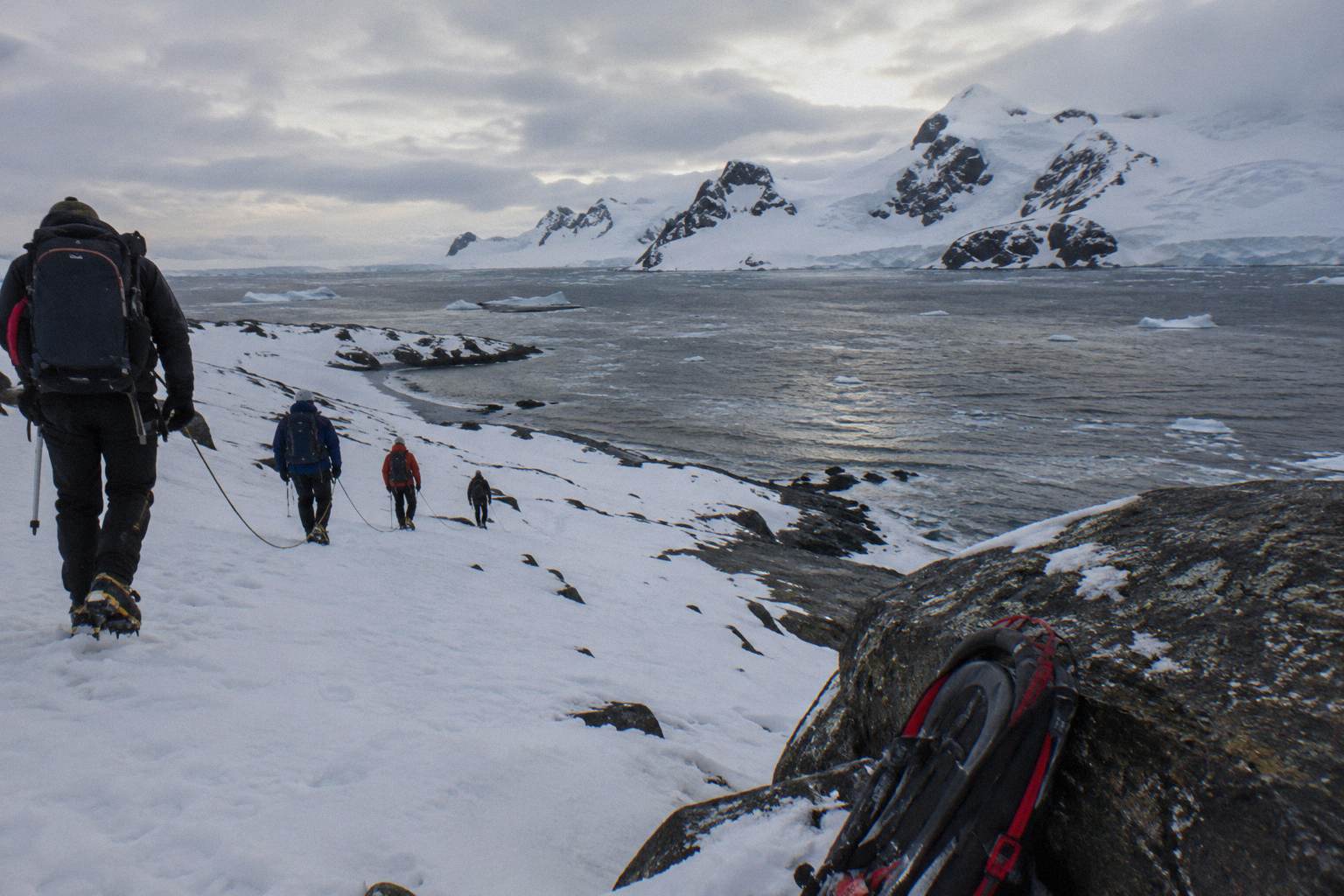
Most Antarctica voyages give you a short guided walk ashore. A smaller set of expedition cruises treats the landings as a starting point, with snowshoeing, ski touring and mountaineering built into the voyage itself.
Quick answer: Oceanwide Expeditions includes hiking, snowshoeing, camping, kayaking and mountaineering free on its Basecamp voyages aboard Hondius and Plancius, from $7,800 pp. Aurora Expeditions runs ski touring and trekking on Greg Mortimer and Sylvia Earle, from $19,521 pp. Specialised add-ons elsewhere run roughly $300 to $2,000 per activity.
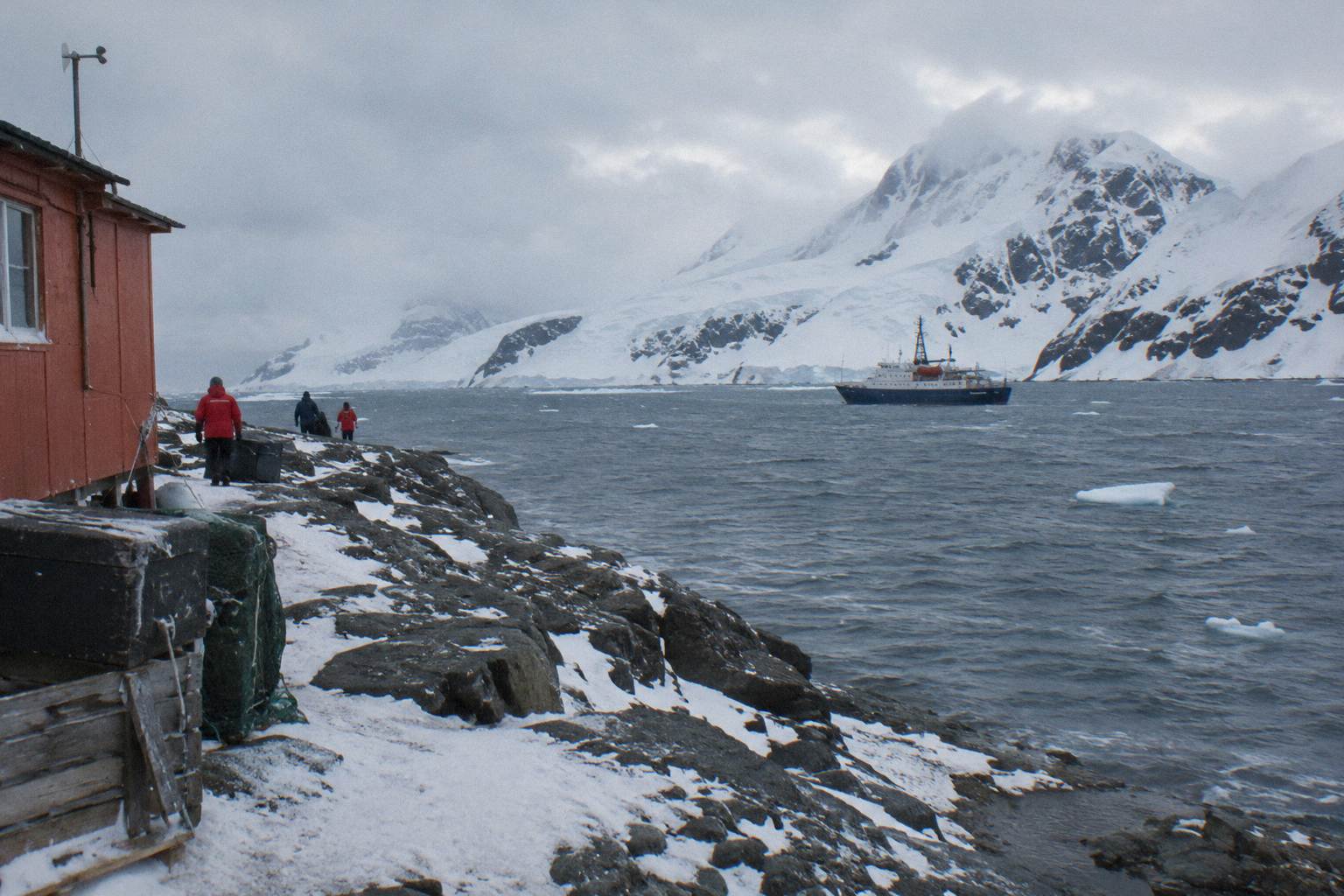
Every Antarctic landing involves some walking, but time ashore is limited: typically one to two hours per landing, weather and site permitting. For travellers who measure a trip by vertical metres rather than species counts, that is not enough. A handful of operators treat the expedition cruise as a platform for proper mountain travel: snowshoeing, ski touring, trekking and mountaineering. This guide sets out who offers what, what fitness and experience each activity demands, and what the numbers look like when you price it out.
What Hiking, Snowshoeing And Skiing In Antarctica Actually Involve
Almost every expedition cruise includes guided hiking of some kind, but genuine snowshoeing, ski touring and mountaineering exist only on specific programmes run by a few operators, and the differences between them are large: a free group activity bundled into the fare, a paid add-on with limited spaces, or a specialist voyage where the activity defines the whole trip. Understanding which model you are buying matters more than any other single decision on an active Antarctica booking.
Hiking on the Peninsula depends on the day: landings are cancelled or changed for weather, ice, wildlife or site limits, and the expedition team decides what runs. November brings pristine snow and the most snow cover of the season, which is when snowshoeing conditions look their best on paper.
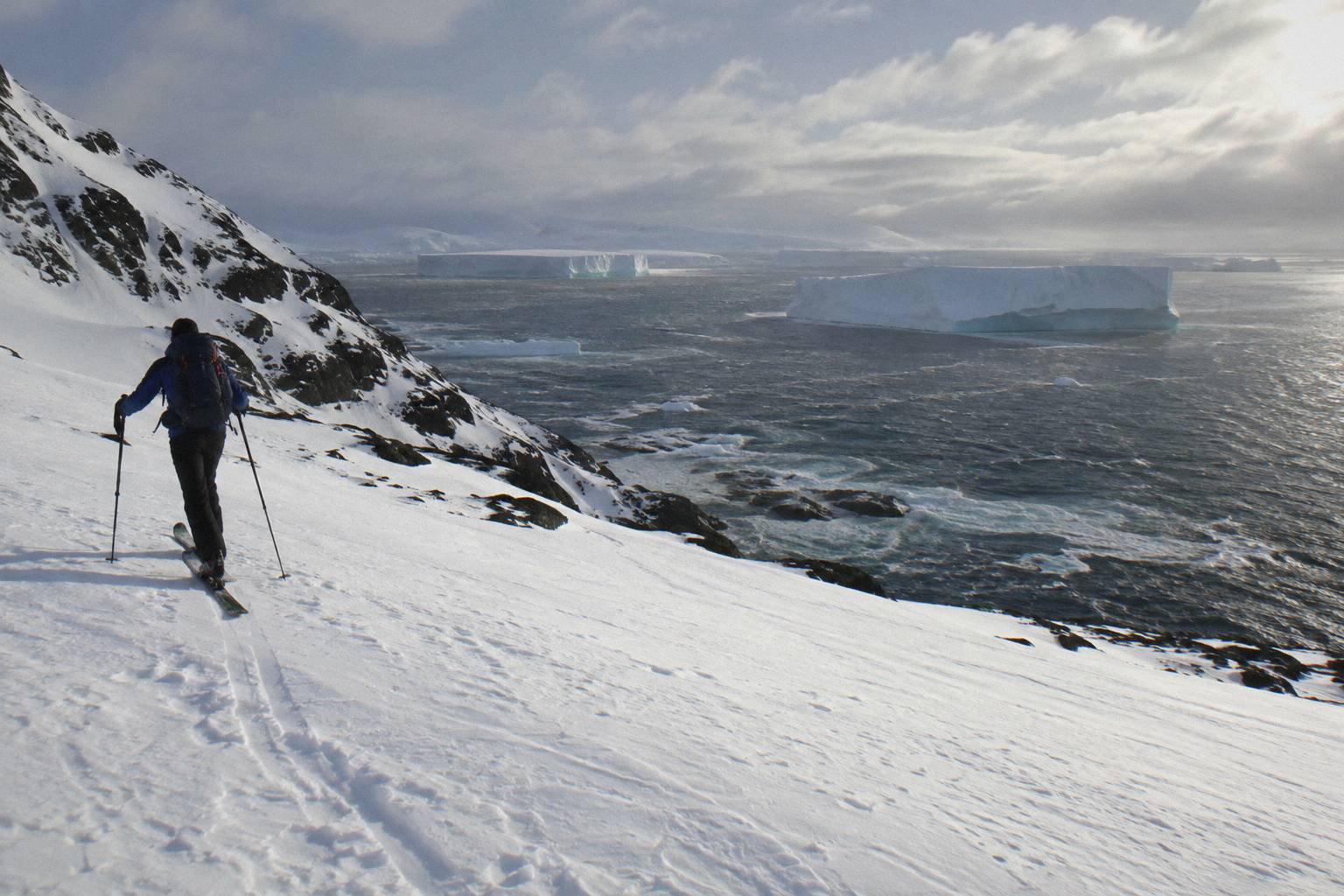
Ski touring sits at the specialist end. Aurora Expeditions lists ski touring and trekking among its activity options, and Sylvia Earle's activity list names ski and snowboard touring. Mountaineering appears on Oceanwide Expeditions Basecamp voyages, where it is offered alongside snowshoeing and hiking as one of the included activities.
Which Operators Run Real Active Programmes
Oceanwide Expeditions is the clear volume player in active Antarctica, with free camping, kayaking, snowshoeing, hiking, mountaineering and photo workshops bundled into its Basecamp voyages on Hondius and Plancius, while Aurora Expeditions offers ski touring and trekking, and Quark includes hiking and guided walks. The table below shows where each activity actually lives rather than where marketing suggests it might.
According to Oceanwide's own activity pages, Basecamp voyages include camping, kayaking, snowshoeing, hiking, mountaineering and photo workshops in the fare, so active travellers do not pay activity by activity. Quark Expeditions includes hiking and guided walks, with select add-ons such as paddling. Specialised options on non-Basecamp voyages are often included or sold as add-ons in a range of roughly $300 to $1,000, varying by operator and departure.
| Operator | Ships | Hiking | Snowshoeing | Ski touring | Mountaineering | Cost model |
|---|---|---|---|---|---|---|
| Oceanwide Expeditions | Hondius, Plancius, Ortelius | Included on Basecamp voyages | Free on Basecamp voyages | Not listed | Free on Basecamp voyages | Bundled in fare on Basecamp voyages |
| Aurora Expeditions | Greg Mortimer, Sylvia Earle, Douglas Mawson | Not stated | Listed among activity options | Offered | Trekking option | Not stated |
| Quark Expeditions | Ultramarine, Ocean Explorer, World Voyager | Included | Not stated as standard | Not listed | Not listed | Included walks, paid extras |
| G Adventures | Expedition | Included | Not listed | Not listed | Not listed | Included, paid kayaking and camping |
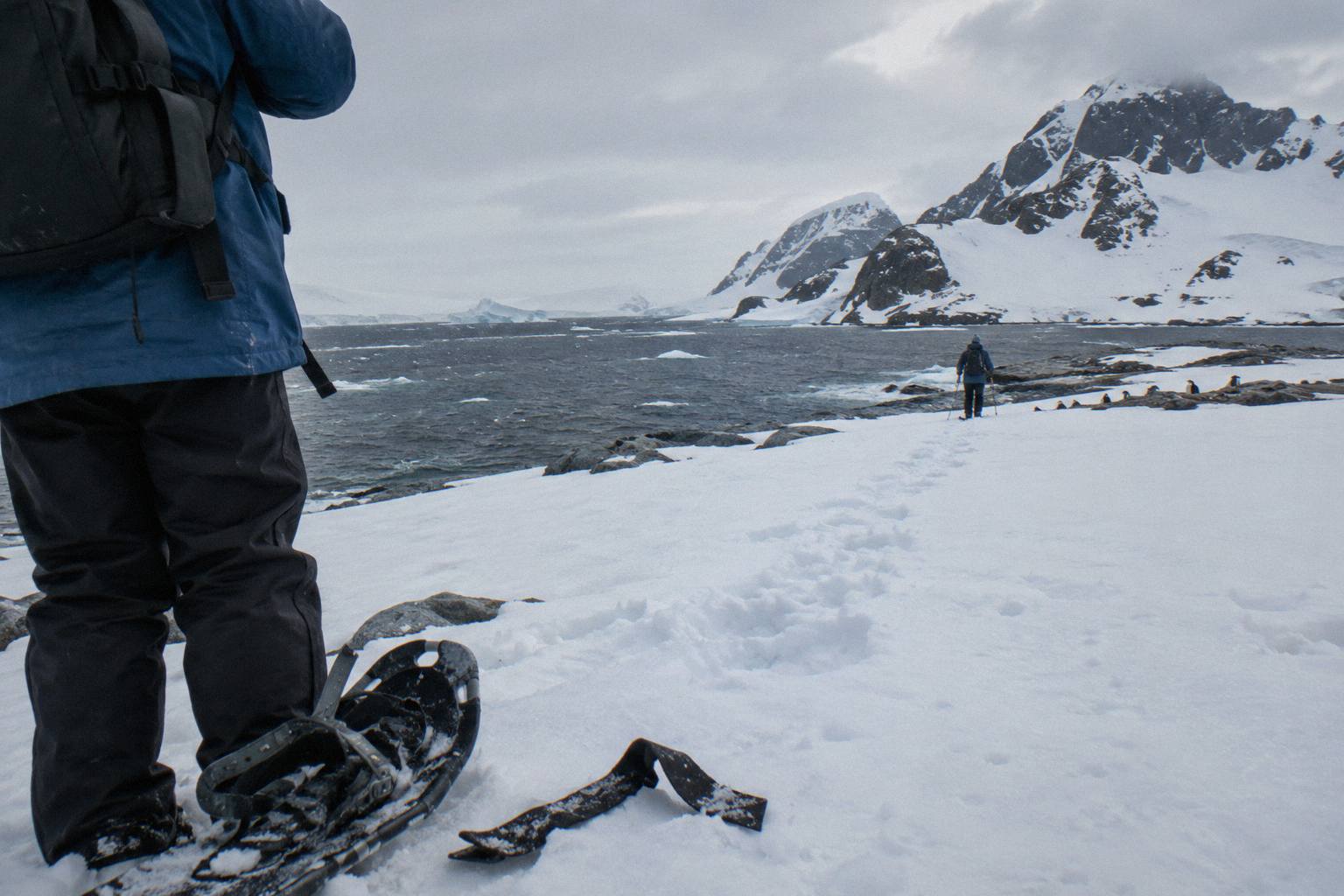
The pattern to notice is that the bundled-activity model sits with Oceanwide's small-ship budget fleet, while the specialist ski options sit with Aurora at higher fares. If activities are the point of your trip, the ship choice follows from that, and it is worth getting advice on which departures still have activity spaces open before you commit: ask about active departures here.
Oceanwide Basecamp: The Free-Activity Model
Oceanwide's Basecamp voyages, sailing on Hondius and Plancius from Ushuaia, include camping, kayaking, snowshoeing, hiking, mountaineering and a photo workshop at no extra charge, with Peninsula fares from $7,800 pp, which makes them the lowest-priced way on this roster to buy an active Antarctic voyage on paper.
The Basecamp itinerary runs roughly 11 to 12 days from Ushuaia, and the operator's description is explicit that the activities are included rather than sold as options. Hondius, built in 2019 and the first-registered Polar Class 6 vessel in the world in the operator's wording, carries 170 passengers in 80 cabins; Plancius, a converted Dutch Navy oceanographic vessel rebuilt as a passenger ship in 2009, carries 108 in 50 cabins. Hondius has a sheltered indoor Zodiac boarding platform, which helps when you are getting in and out of boats with gear.
Snowshoeing and mountaineering run with the expedition team, weather and site permitting. Operators do not publish fitness thresholds for each Basecamp activity, so ask at booking how places are allocated on your departure, because limited-capacity activities are typically reserved at the time of booking or shortly after.
The Basecamp model suits travellers who want to try several activities rather than specialise in one; skiers should note that ski touring is not listed among Oceanwide's Basecamp activities.
Ski Touring And Mountaineering: The Specialist End
Aurora Expeditions is the operator in this research offering ski touring, with ski and snowboard touring on Sylvia Earle's activity list, while Oceanwide covers the mountaineering side on its Basecamp voyages. If skiing is the reason you are going, these are the pages to read closely.
Aurora's activity list for Sylvia Earle includes sea kayaking, camping, snowshoeing, snorkelling, paddling and ski and snowboard touring, alongside a citizen science programme and the polar plunge. Greg Mortimer, the older sister ship from 2019, carries 130 passengers on expedition, with hydraulic viewing platforms and 15 Zodiacs with four dedicated boarding doors, and its activity list covers sea kayaking, snowshoeing, snorkelling, paddling and scuba diving on select itineraries. Fares for the 12-day Peninsula voyages start at $19,521 pp twin share for Greg Mortimer, according to the operator's Antarctica cards, and $19,566 pp for Sylvia Earle, so the specialist activity tier sits several thousand dollars above the bundled Basecamp tier before you add the activity fees.
No operator page in this research states a minimum ski standard or group size for ski touring, so the practical answer is to describe your experience honestly at booking and let the expedition team place you, a conversation a free consultation can help you prepare before you commit to a ship.
Ortelius And The Weddell Sea Helicopter Voyages
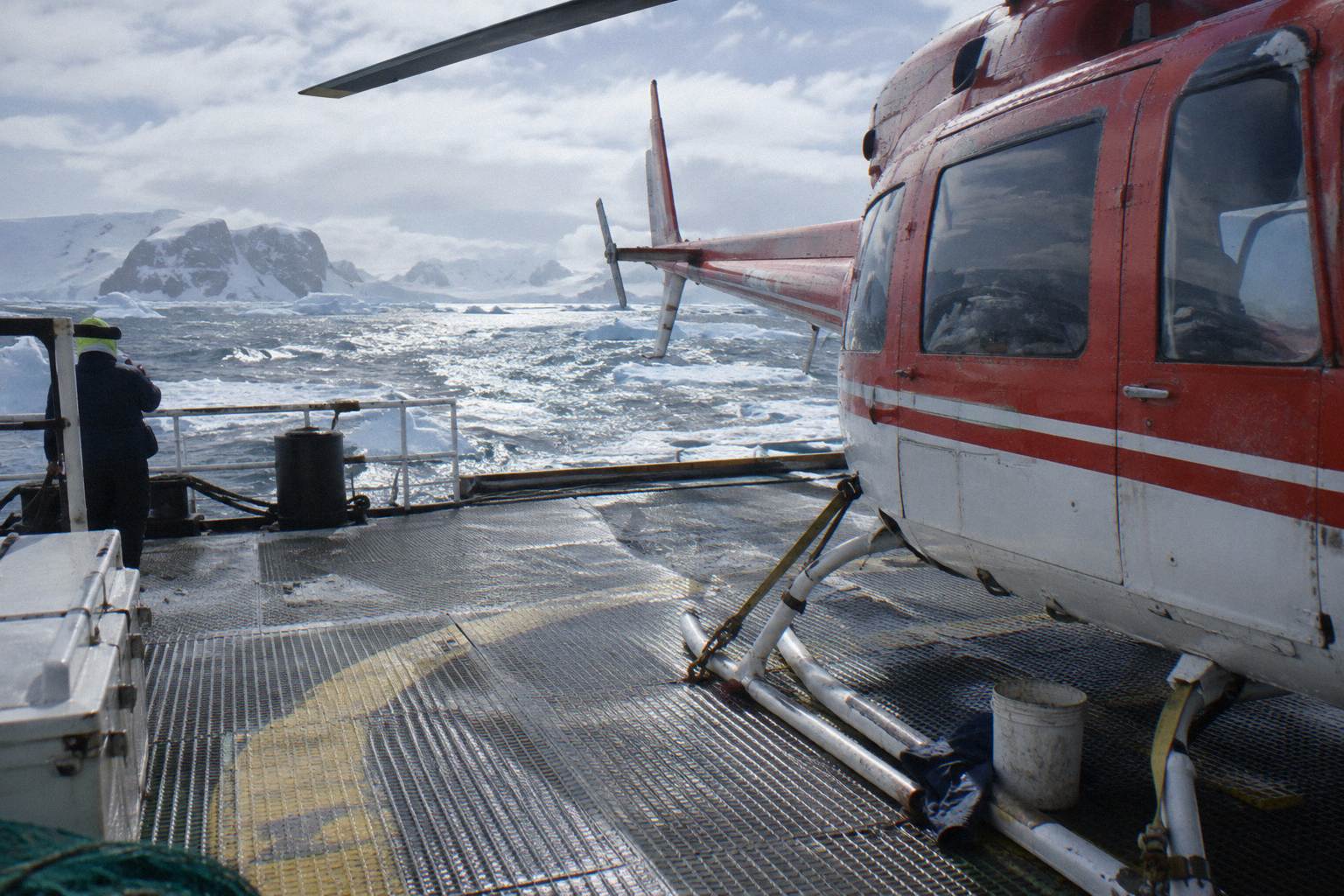
Ortelius, Oceanwide's 108-passenger former Russian research vessel, from $7,800 pp, is the roster's bridge between budget active travel and remote expedition terrain: it carries 10 Zodiacs with 60hp engines and operates helicopter-supported Weddell Sea voyages aimed at the emperor penguin colony at Snow Hill.
The Weddell Sea emperor voyages run about 11 days in November and December, with helicopters used for access when ice conditions allow. Success depends on ice and weather, and operator notes put the chance below 50 percent in recent seasons. That is not a reason to skip the voyage, but it is a reason to book it for the expedition as a whole rather than for a guaranteed emperor sighting.
Ortelius is a former Russian research vessel built in Gdynia in 1989, with an ice class of UL1, equivalent to 1A. What you buy is access to the helicopter-supported Weddell Sea voyages at the roster's entry fare. The ship also anchors the budget end of our three-ship comparison below.
| Ship | Operator | Passengers | Ice class | From fare (pp) | Active relevance |
|---|---|---|---|---|---|
| Ortelius | Oceanwide | 108 | UL1 (equivalent 1A) | $7,800 | Helicopter Weddell voyages, Zodiac-heavy operations |
| Greg Mortimer | Aurora | 130 on expedition | Not stated | $19,521 | Ski touring and trekking options, X-BOW hull |
| Hondius | Oceanwide | 170 | Polar Class 6 (equivalent 1A-Super) | $7,800 | Basecamp free activities: snowshoeing, mountaineering |
| Ship | Class | Passengers | Ice class | From, per person | Voyage length | Departs from |
|---|---|---|---|---|---|---|
| OrteliusOceanwide Expeditions | Small-Ship Budget | 108 | UL1 | from $7,800 | 11 to 25 days | Ushuaia |
| Greg MortimerAurora Expeditions | Upscale Expedition | 130 | – | from $19,521 | 12 to 26 days | Ushuaia |
| HondiusOceanwide Expeditions | Small-Ship Budget | 170 | Polar Class 6 | from $7,800 | 11 to 19 days | Ushuaia |
How Much Fitness And Experience Do You Need
Guided hikes and snowshoe outings need the ability to walk on uneven ground and manage Zodiac boarding, while the requirements for ski touring and mountaineering are set by each operator and are not published in detail. Ask before you book.
The general physical requirements across operators, as our activity research summarises them, are the ability to walk on uneven ground, climb into and out of Zodiacs, and manage ship movement and stairs. Landings are typically wet, meaning you step into shallow water from the Zodiac, and time ashore is typically one to two hours per landing, weather and site permitting. None of that is extreme, but the wind chill on deck and in the boats is real, and Peninsula summer air temperatures run about -5°C to +5°C.
The specialist tier is different, and its entry requirements are set by each operator. If you are between tiers, the smart move is to build the trip around the guided options and treat the specialist activity as a stretch goal you discuss before booking, which is exactly what a short planning conversation is good for.
What Active Antarctica Costs
The bundled-activity tier starts at $7,800 pp for Oceanwide Peninsula voyages from Ushuaia, the specialist ski-touring tier starts at $19,521 pp on Aurora's ships before activity fees, and paid add-ons elsewhere run roughly $300 to $2,000 per activity, with kayaking around $1,995 on Quark and $1,099 on G Adventures, and camping around $399 to $495. Where you land in that spread depends almost entirely on how central the activities are to the trip.
| Cost element | Typical figure | Source basis |
|---|---|---|
| Oceanwide Peninsula voyage (Basecamp activities included) | From $7,800 pp | Operator cruise listings, Oct 2026-Apr 2027 departures |
| Aurora 12-day Peninsula voyage | From $19,521 pp (Greg Mortimer), $19,566 pp (Sylvia Earle) | Operator Antarctica cards |
| Kayaking add-on | About $1,995 (Quark), about $1,099 (G Adventures) | Operator dates-and-rates pages and operator summaries |
| Camping add-on | About $399 to $495 | Operator dates-and-rates and operator summaries |
| Specialised activity options (non-Basecamp voyages) | Roughly $300 to $1,000 | Secondary reports citing operators |
| Suggested gratuities (Oceanwide) | 10-15 EUR/USD per passenger per day | Operator ship pages |
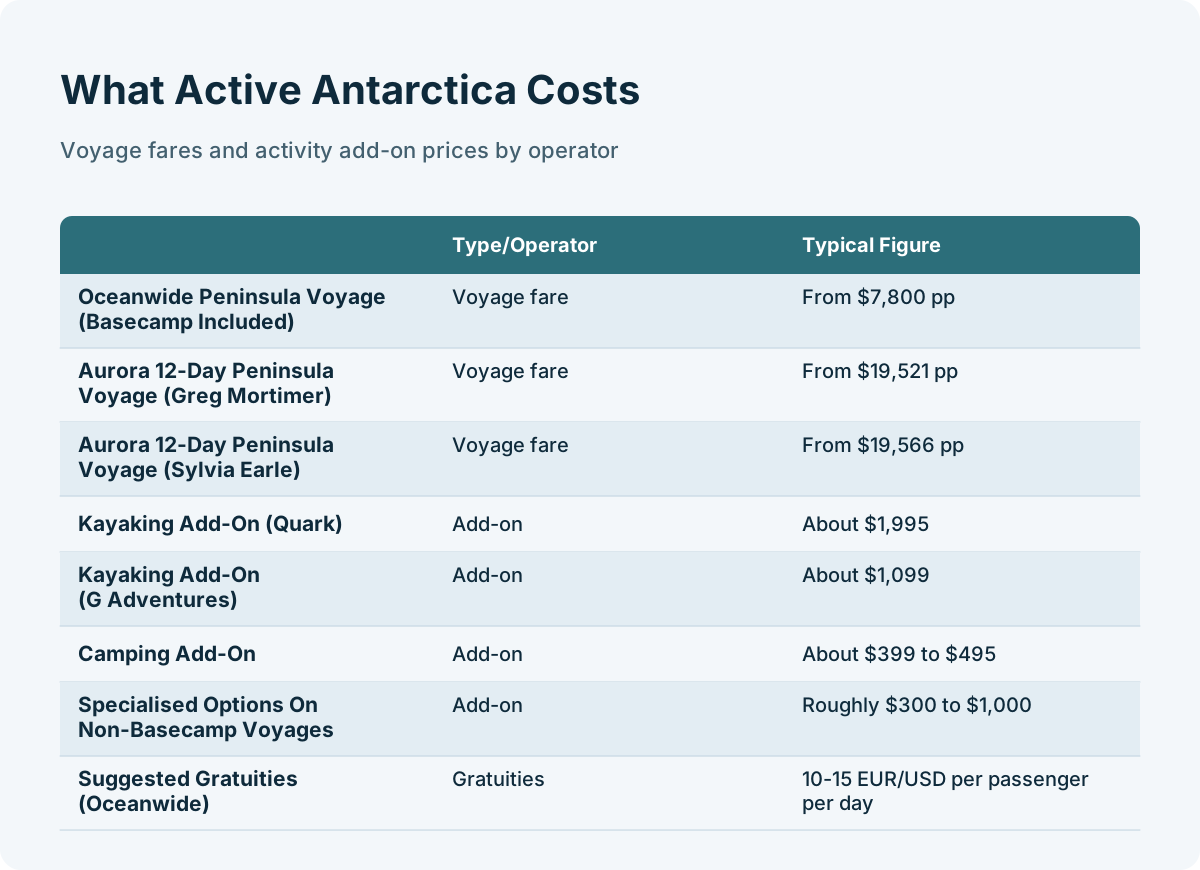
Two budgeting notes deserve emphasis. First, included activities still depend on weather, site approval and capacity, so an included activity is not a promise of a session. Second, the add-on prices attach to the higher base fares, so a ski-touring trip on Aurora pencils out at the fare plus the activity fee plus flights and insurance, and a realistic all-in planning range for a mid-range active Peninsula trip is $12,000 to $25,000 pp according to one 2026 cost guide. The question is which structure rewards the way you actually travel.
When To Book And How Spaces Work
Limited-capacity activities, including kayaking, camping, heli-landings and specialised hikes, are typically reserved at the time of booking or shortly after because spaces fill early, and the November and March shoulder months offer the largest fare savings on the same activity programmes. Booking order matters more here than on a standard voyage.
The operator booking guidance in our research is consistent: paid add-ons with limited capacity should be requested at booking. Helicopter-dependent Weddell Sea voyages are a separate case again: they target November and December departures, and access depends on ice. Early-booking discounts for the 2026-27 and 2027-28 seasons commonly reach 10 to 30 percent, with some reports of up to 40 percent on select unsold 2026-27 sailings, and shoulder-month fares run about 20 percent below peak December and January.
Timing the activity to the month matters as much as the fare. October and November offer maximum snow cover and pristine landscapes, and the Weddell Sea emperor voyages target November and December. Late January and February bring less ice and better access, whale numbers peak in February and March, and March brings fledging penguins and late-season discounts. There is no month that maximises everything, so decide whether snow or wildlife wins, then book the month that serves the priority. If that trade-off is hard to make alone, get help choosing a month.
One practical note on gear: Oceanwide and G Adventures fares include a parka and boot loan, but ski touring and mountaineering equipment is specialist and you should confirm exactly what the operator supplies for your specific activity before you fly. Pack for wind chill on deck and in the boats, not just the air temperature, and remember that Cruises In Antarctica exists to answer exactly these planning questions, alongside our deeper guides to the Antarctic Peninsula cruise routes, the Oceanwide Expeditions fleet and programmes, and the Ortelius ship guide.
Common Questions About Hiking, Snowshoeing And Skiing In Antarctica
Can you go skiing in Antarctica?
Yes, but only through specific operators. Aurora Expeditions offers ski touring, with ski and snowboard touring on Sylvia Earle's activity list, and Oceanwide offers mountaineering and snowshoeing free on its Basecamp voyages.
Do you need experience for snowshoeing in Antarctica?
Operators do not publish an experience requirement for snowshoeing in this research. Snowshoeing is included on Oceanwide Basecamp voyages; ask the operator about fitness expectations for your departure.
Is hiking included on every Antarctica cruise?
Guided walks are included on expedition voyages that make landings, since every landing involves some time ashore. Time ashore is typically one to two hours per landing, and Oceanwide Basecamp voyages add snowshoeing and mountaineering to the included programme.
How much do kayaking and camping cost as add-ons?
According to operator dates-and-rates pages and operator summaries, kayaking runs about $1,995 on Quark and about $1,099 on G Adventures, and overnight camping about $399 to $495. On Oceanwide Basecamp voyages both are included in the fare at no extra charge.
Which month is best for snowshoeing and ski touring?
October and November bring maximum snow cover and pristine landscapes, and the Weddell Sea helicopter voyages to the Snow Hill emperor colony target November and December. Fares in November also often run below the December and January peak.
Are the activities safe for older travellers?
Guided hikes and snowshoe outings suit anyone in ordinary good health who can manage uneven ground and Zodiac boarding. Operators require medical forms, and ships like Hondius carry a doctor. Requirements for specialist activities such as ski touring and mountaineering are set by each operator, so ask before booking.
More Activities And Wildlife
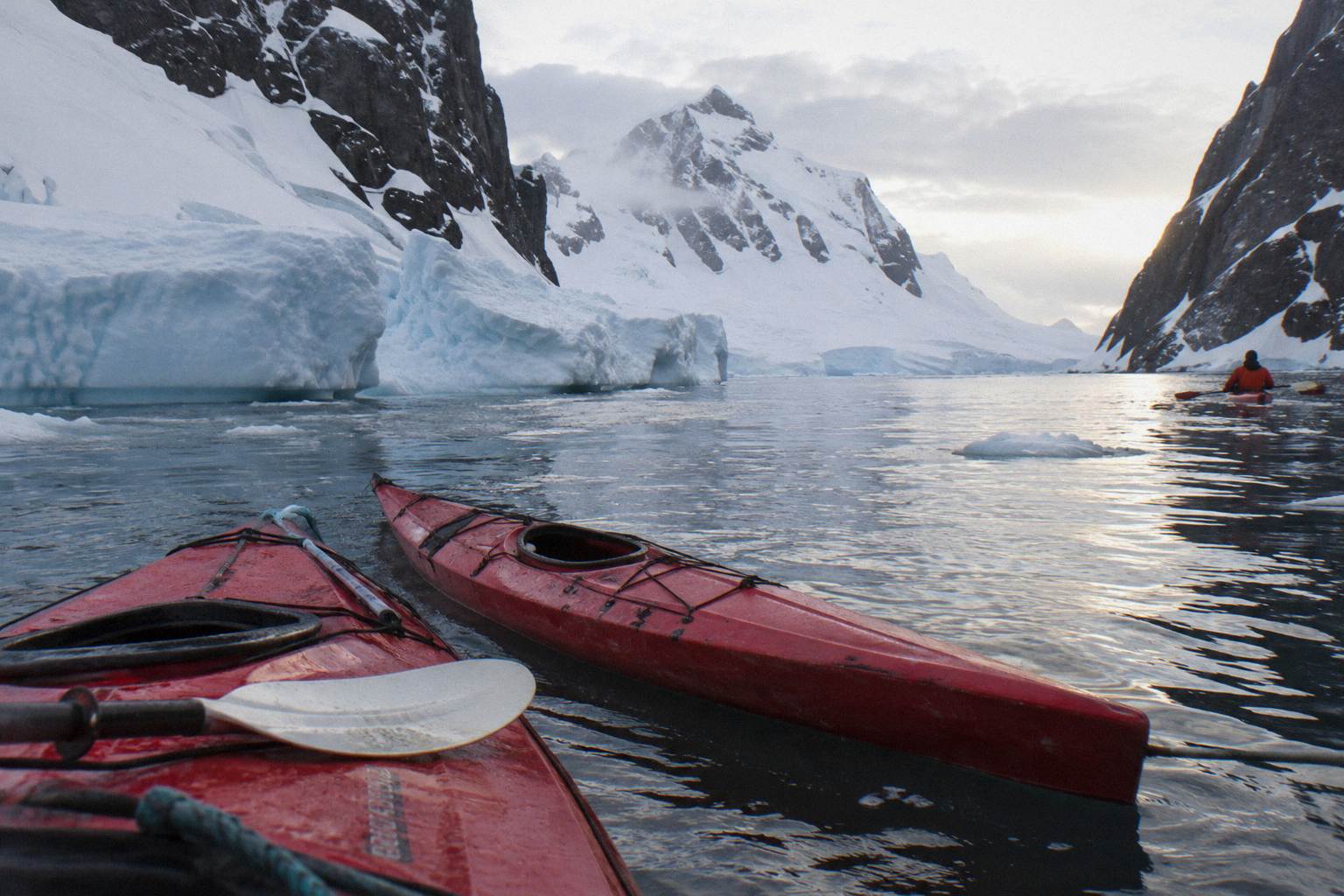 Antarctica KayakingOperators, prices and paddle skills for sea kayaking off an Antarctic expedition ship.Read the guide
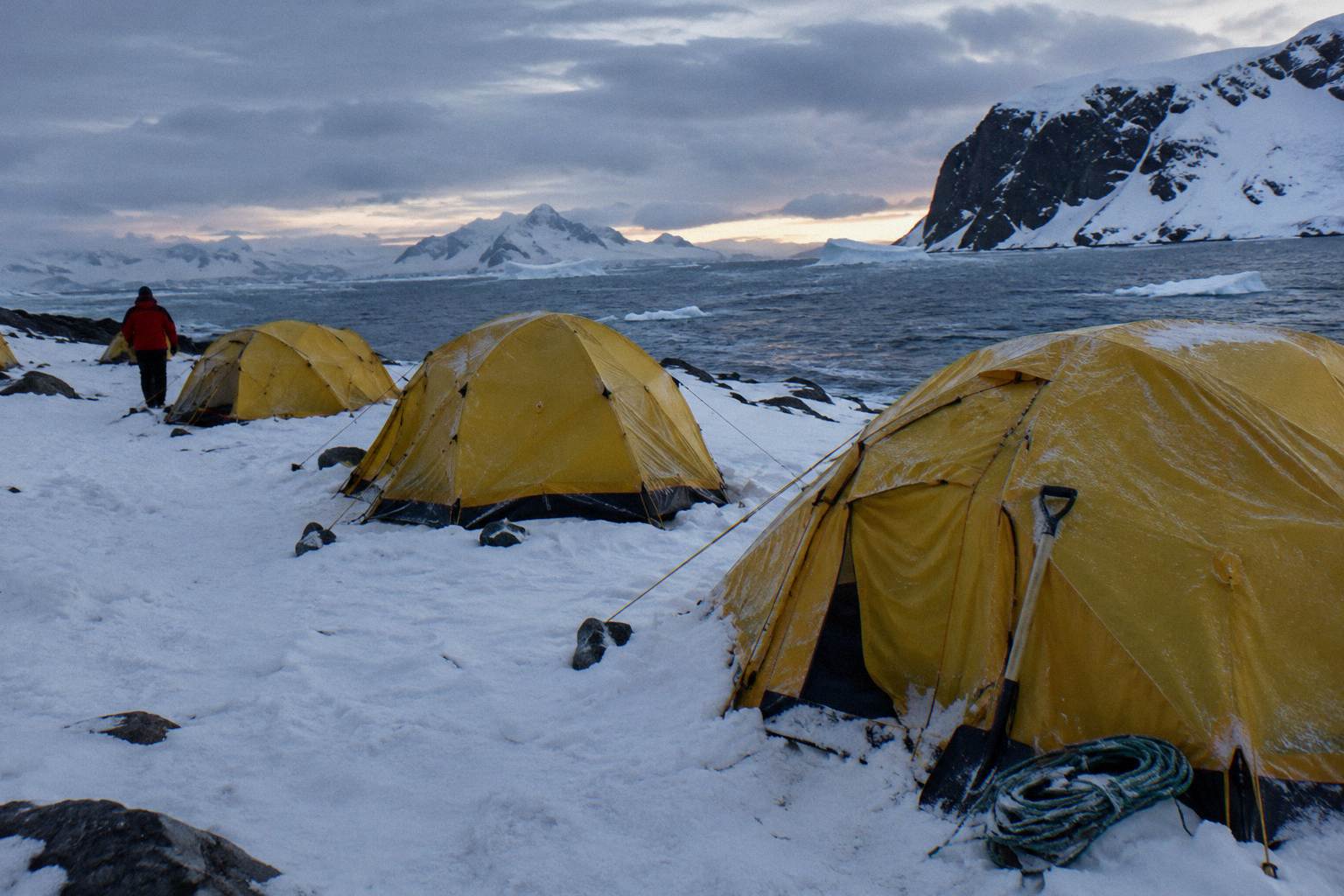 Antarctica CampingWhat an overnight ashore in Antarctica costs, how it runs, and when weather cancels it.Read the guide
 Polar PlungeWho offers the Antarctic polar plunge, what it costs and how it stays safe.Read the guide
 Helicopters And SubmarinesWhich Antarctica ships carry helicopters or submarines, and what those flights and dives cost.Read the guide