G Adventures Expedition Antarctica Cruise: Ship Review, Cabins And Itineraries
 By Oleg G.
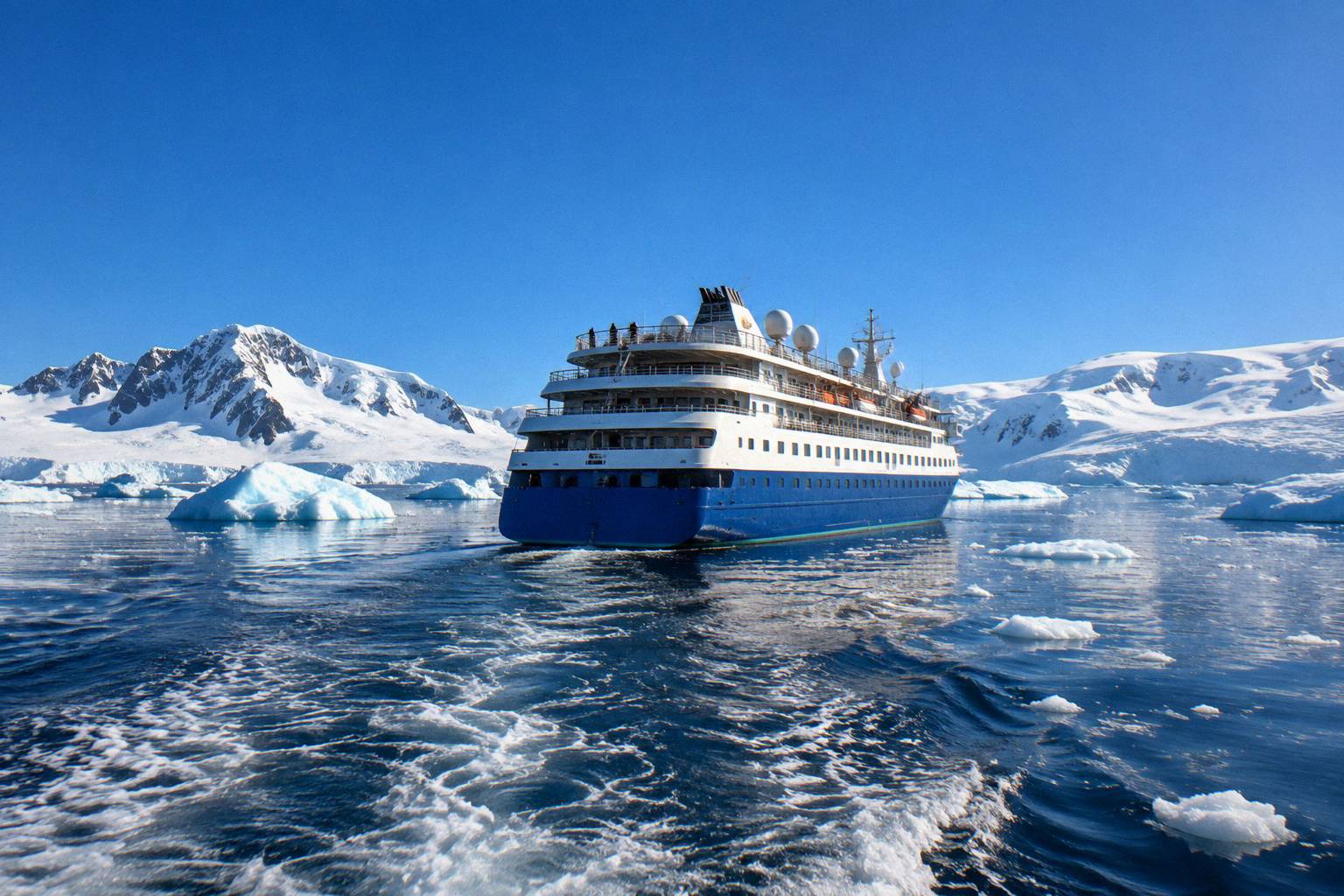
The 128-guest Expedition is the polar ship behind G Adventures' Antarctic Peninsula voyages: an ice-class 1A veteran with 70 ensuite cabins, a 14-strong expedition team and some of the lowest published fares of the 2026-27 season.
Quick answer: The G Adventures Expedition carries 128 passengers, was built in 1976 and remodelled in 2017, and holds Ice Class 1A. Its 11-day Antarctica Classic voyage starts from $8,024 per person from Ushuaia, with the 14-day Circle crossing from $10,574. All cabins are ensuite, none have balconies, and a parka and loaner boots are included.
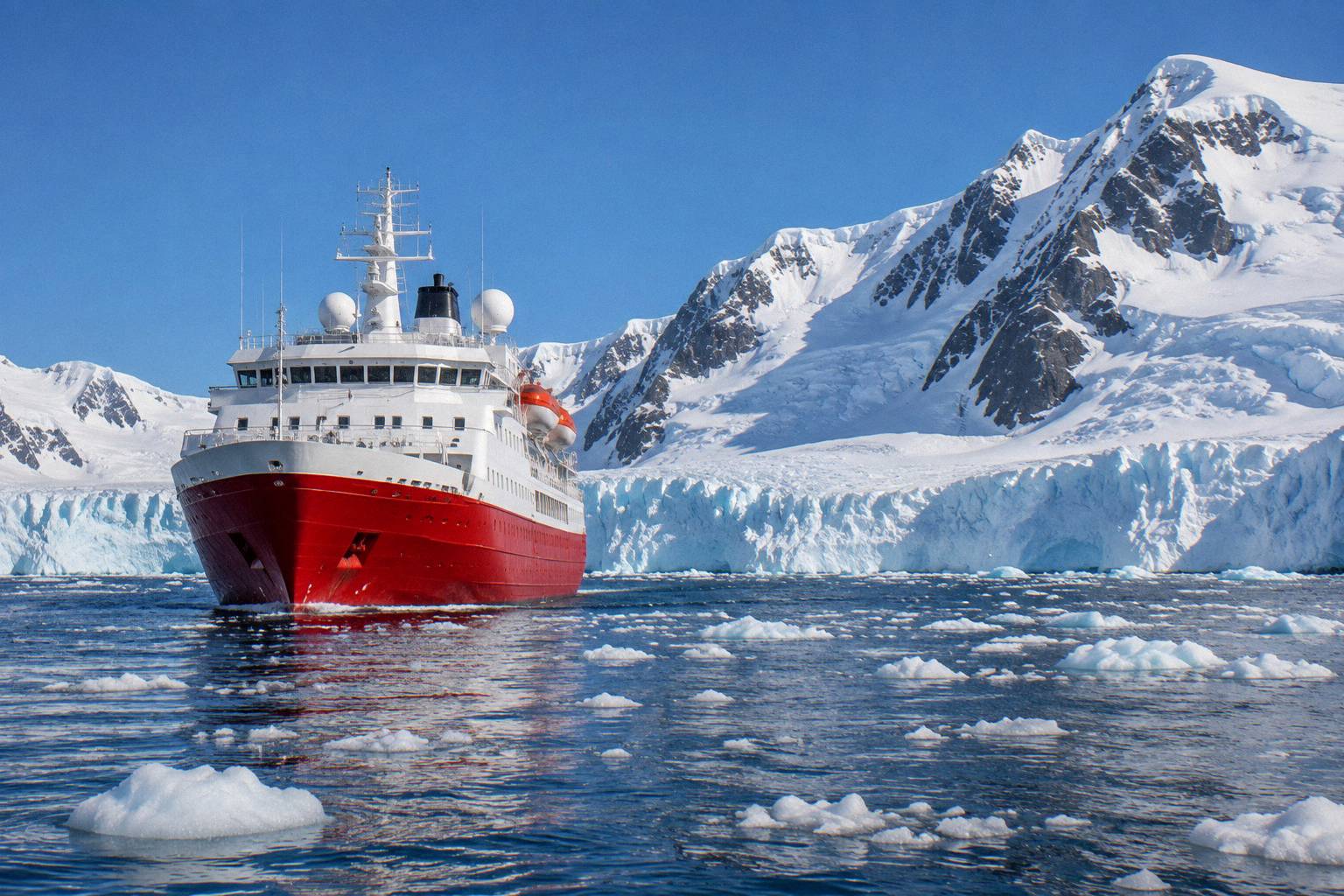
Antarctic tourism runs on converted workhorses as much as on newbuilds, and the G Adventures Expedition is one of the clearest examples. The ship was built in 1976 in Yugoslavia, remodelled in 2017, and now sails the classic Ushuaia round trips to the Antarctic Peninsula under the G Adventures flag, carrying a maximum of 128 passengers with fourteen expedition guides aboard. For buyers shortlisting a vessel in the small-ship budget tier, the key draw is price: an 11-day Peninsula voyage on this ship starts from $8,024 per person in 2026-27, well under the lead-in fares of most upscale expedition lines, while the landing experience itself is governed by the same IAATO rules that apply to every ship in the region.
This review gathers what the operator publishes about the ship itself: its specs, cabin categories and sizes, the facilities aboard, its 2026-27 itineraries and from-prices, what the fare includes, and how the vessel stacks up against two comparable small ships, Oceanwide's Plancius and the 80-guest Ocean Nova. Where a figure is not published, we say so rather than estimating.
What The G Adventures Expedition Ship Actually Is
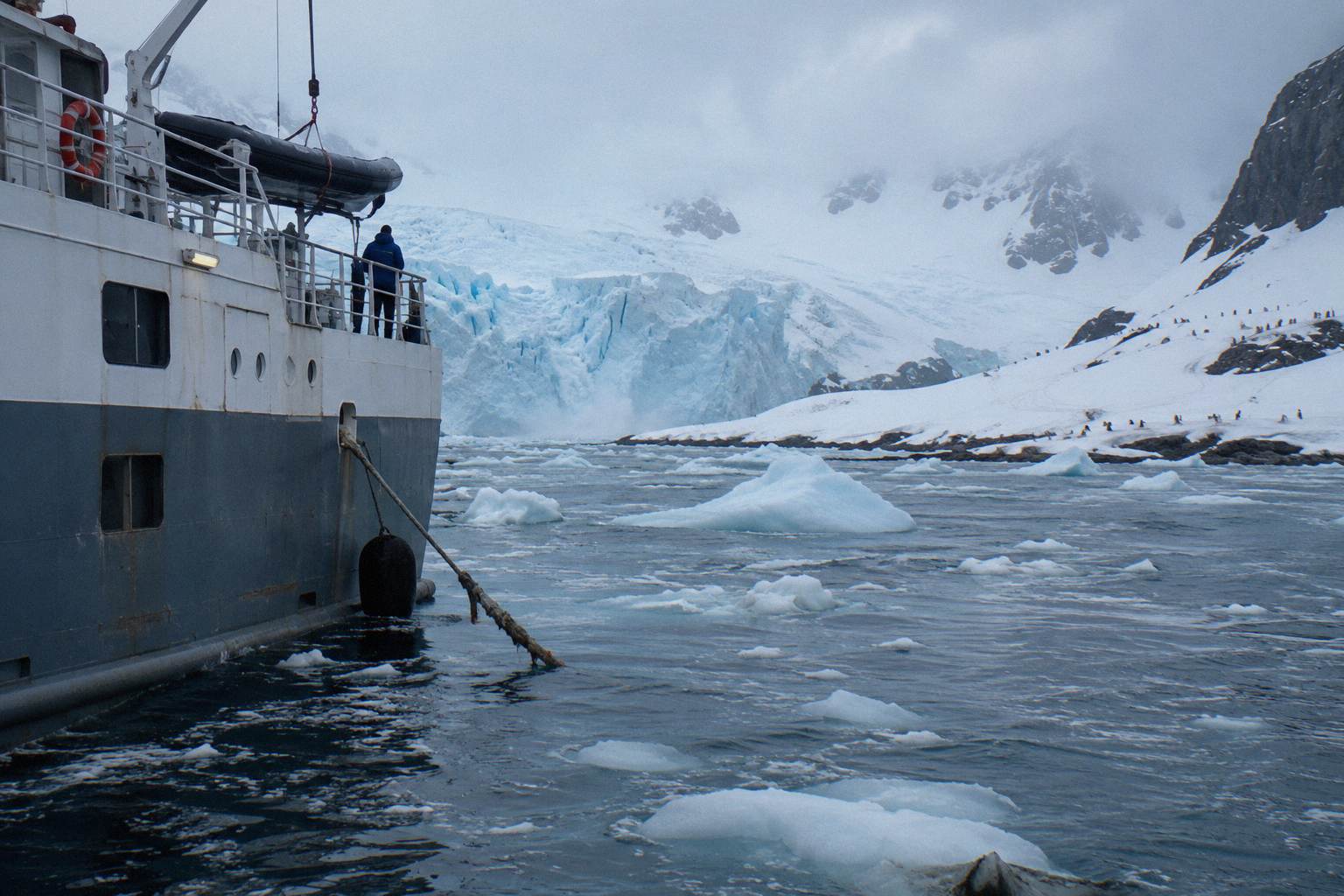
The Expedition is a 102-metre, ice-class 1A expedition vessel built in 1976 in Yugoslavia, remodelled in 2017, rated at 4,614 ITC gross tonnage, and carrying a maximum passenger group of 128 in 70 ensuite cabins. She is operated by G Adventures, the Toronto-based small-group operator founded in 1990 and an IAATO member, and she is the ship behind the company's Antarctic Peninsula, Antarctic Circle and Falklands-South Georgia departures for the 2026-27 season. The vessel was previously known as Ocean Adventurer before joining the G Adventures polar programme, and the operator states her 2025/26 refit included new engines and refreshed public rooms and cabins.
The ship's technical particulars matter more in Antarctica than on a warm-water cruise. Her Ice Class 1A rating sits in the upper-middle band of the Finnish-Swedish ice-class ladder: 1A Super is designed for the most difficult conditions, 1A for difficult ones. That is a higher notation than the 1D held by the older Oceanwide vessels and well beyond a simple "ice-strengthened" claim. Her two Sperry Gyrofin stabilizers, fitted in 1998, are the practical answer to Drake Passage motion, though on a ship this size the crossing is felt regardless. She carries a doctor aboard, which is standard for the category and worth confirming if you are comparing against cut-price large-ship scenic cruises that never land at all.
Under the IAATO framework that governs every landing in the region, ships carrying more than 500 passengers may not land anyone ashore, and no more than 100 passengers from a vessel may be on a site at any one time, with a minimum one-guide-to-twenty-visitors ratio while ashore. At 128 guests, the Expedition sits under that 100-ashore threshold with only modest rotation, which is the structural reason small ships like this one can run one or two off-ship activities per day when conditions allow. If you want a fuller explanation of how the landing rules work in practice, our Antarctic shore landings explained guide covers the mechanics site by site.
Who Sails The Ship, And From Where
G Adventures charters the Expedition from shipowner SunStone and runs every one of its 2026-27 Antarctic voyages round trip from Ushuaia, Argentina, the world's southernmost city and the departure port for the overwhelming majority of Peninsula expedition cruises. Ushuaia is reached by a domestic flight from Buenos Aires, and the operator includes one twin-share hotel night in Ushuaia and arrival and departure transfers in its fares, which is not universal in this price tier. Most itineraries cross the Drake Passage by sea in both directions, roughly two days each way in typical conditions.
For US travellers the gateway logistics are simple on paper: no visa is needed for Argentina for tourist stays of up to 90 days with a valid passport, and no Antarctic visa exists because the environmental permitting is handled at operator level. The practical friction is the Buenos Aires connection, where international arrivals land at Ezeiza and the Ushuaia flights leave from the downtown Aeroparque airport. That transfer is a genuine decision point, and if your Antarctica plan is still taking shape it may be worth a free consultation on your route before you commit to tight flight times; the service costs nothing and carries no obligation.
G Adventures positions the Expedition as a sociable, small-group alternative to the luxury expedition fleet, with an English-language programme and a citizen-science partnership through the Polar Citizen Science Collective. Kayaking and camping are offered as paid add-ons on select departures rather than being bundled into the fare, which keeps the headline price down but adds cost for travellers who want those activities.
Cabins: Every Category, Size And What To Expect
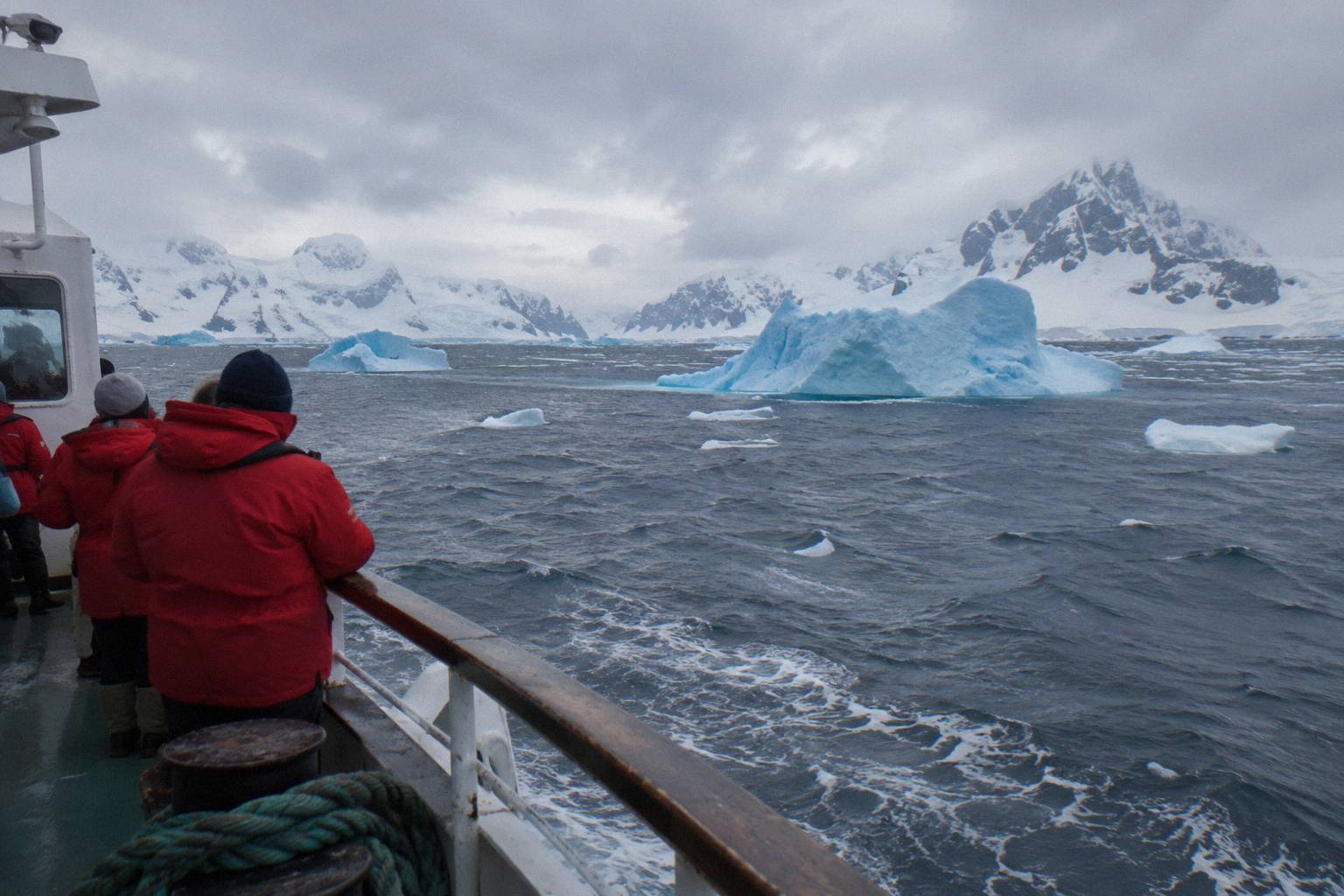
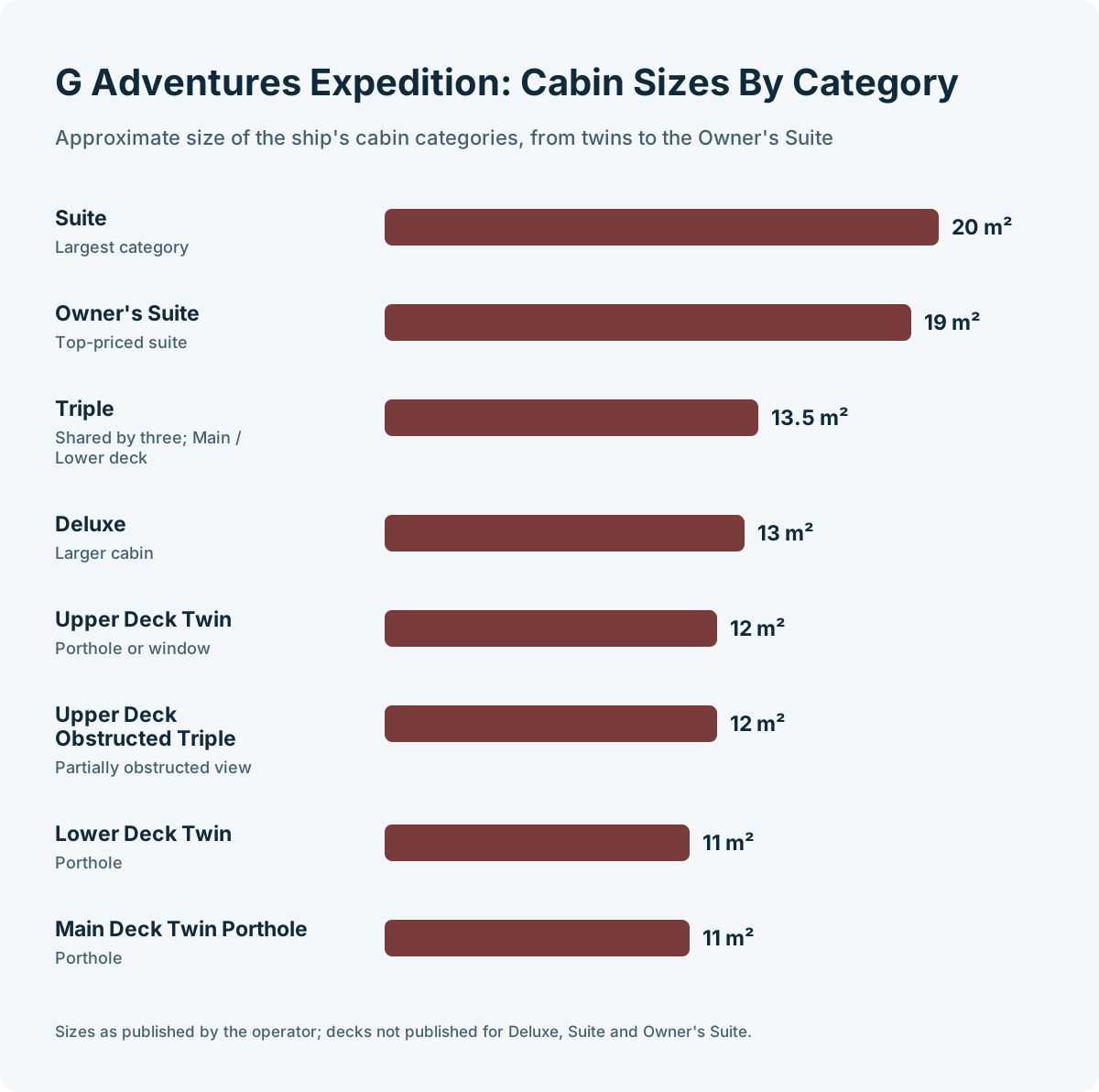
The Expedition has 70 cabins, all with lower beds, ensuite bathrooms and either a porthole or a window, with no balcony category published on any deck; sizes run from roughly 11 m² twins up to a 20 m² Suite and a 19 m² Owner's Suite. The absence of balconies is standard for ships of this generation and tier, and on an Antarctic voyage it matters less than it would in the tropics: operators across the fleet commonly lock balcony doors in heavy seas, and passengers spend daylight hours in the lounges or out on deck rather than in their cabins.
The published categories and approximate sizes are as follows, per the operator's polar ship page:
| Category | Deck | Approx. size | Notes |
|---|---|---|---|
| Triple | Main / Lower | 13.5 m² | Shared by three |
| Lower Deck Twin | Lower | 11 m² | Porthole |
| Main Deck Twin Porthole | Main | 11 m² | Porthole |
| Main Deck Twin Window | Main | 11 m² | Window |
| Upper Deck Twin | Upper | 12 m² | Porthole or window |
| Upper Deck Obstructed Triple | Upper | 12 m² | Partially obstructed view |
| Deluxe | Not published | 13 m² | Larger cabin |
| Suite | Not published | 20 m² | Largest category |
| Owner's Suite | Not published | 19 m² | Top-priced suite |
Two practical points follow from that spread. First, the price ladder between an 11 m² porthole twin and the 20 m² Suite is the main cabin decision on this ship, and the least expensive berths, the triples, are where the headline "from" fares live; our deeper treatment of Antarctica cruise prices by cabin shows how the same trade-off plays out across the fleet. Second, one accessibility note that the operator states plainly: the ship has no elevator. Passengers with mobility constraints should read the fitness expectations carefully before booking, because Zodiac boarding requires a step and a sailor's grip, and stairs between decks are unavoidable. There is no separate cabin category count published per grade, so if a specific cabin number or a guaranteed deck matters to you, that is a question for the booking stage.
Dining, Lounges And Life Aboard
Onboard public space totals a 160 m² dining room, a 170 m² main lounge, a 70 m² bar, a 40 m² library, a theatre-style auditorium for lectures, two jacuzzis, a small gym and a boutique, plus 60 m² of observation deck and a 150 m² sun deck. That inventory is modest by mega-ship standards and well-judged for 128 guests: the ratio of indoor seating to passengers is comfortable even on Drake sea days, and the auditorium is where the expedition team runs its lecture programme on crossings.
Coffee, tea and water are complimentary; other drinks are not included in the base fare, and Wi-Fi carries data charges, which is normal for satellite service in the Southern Ocean. Laundry is available for a fee, and there is a barbecue area used in calm weather. The ship carries a doctor, and 24-hour tea and coffee service is stated. What you will not find: a spa, a pool, a science centre, a submarine or a helicopter. The Expedition sells the destination, not the hardware, and the fare reflects that.
Mealtimes are sociable and unhurried rather than fine dining, in keeping with the operator's small-group ethos. If you are weighing a step up to ships with open bars, included gratuities and balcony suites, our guide on whether a nicer Antarctica ship is worth it works through the honest answer for each traveller type.
The Expedition Team And Shore Operations
G Adventures staffs the Expedition with fourteen expedition guides, a stated 10:1 guest-to-expert ratio, and runs Zodiac excursions and lectures as the core daily programme, with kayaking and camping available as paid options on select voyages. That guide count comfortably exceeds the IAATO minimum of one guide per twenty visitors ashore, which is the number that determines how a landing group is actually managed on the beach: smaller guided clusters, more questions answered, and a safer margin if weather forces a quick recall.
The operator's published add-on pricing for the 2026-27 season lists sea kayaking from $1,299 per person on the Antarctic Circle departure and camping from $399. These activities have limited capacity and are typically reserved at booking or shortly after rather than signed up for on board, a point covered in more detail in our overview of Antarctica activities to reserve. Every landing follows the same IAATO biosecurity routine regardless of ship: boots and gear washed and disinfected before and between sites, at least five metres kept from wildlife on land or ice, and nothing removed from the continent.
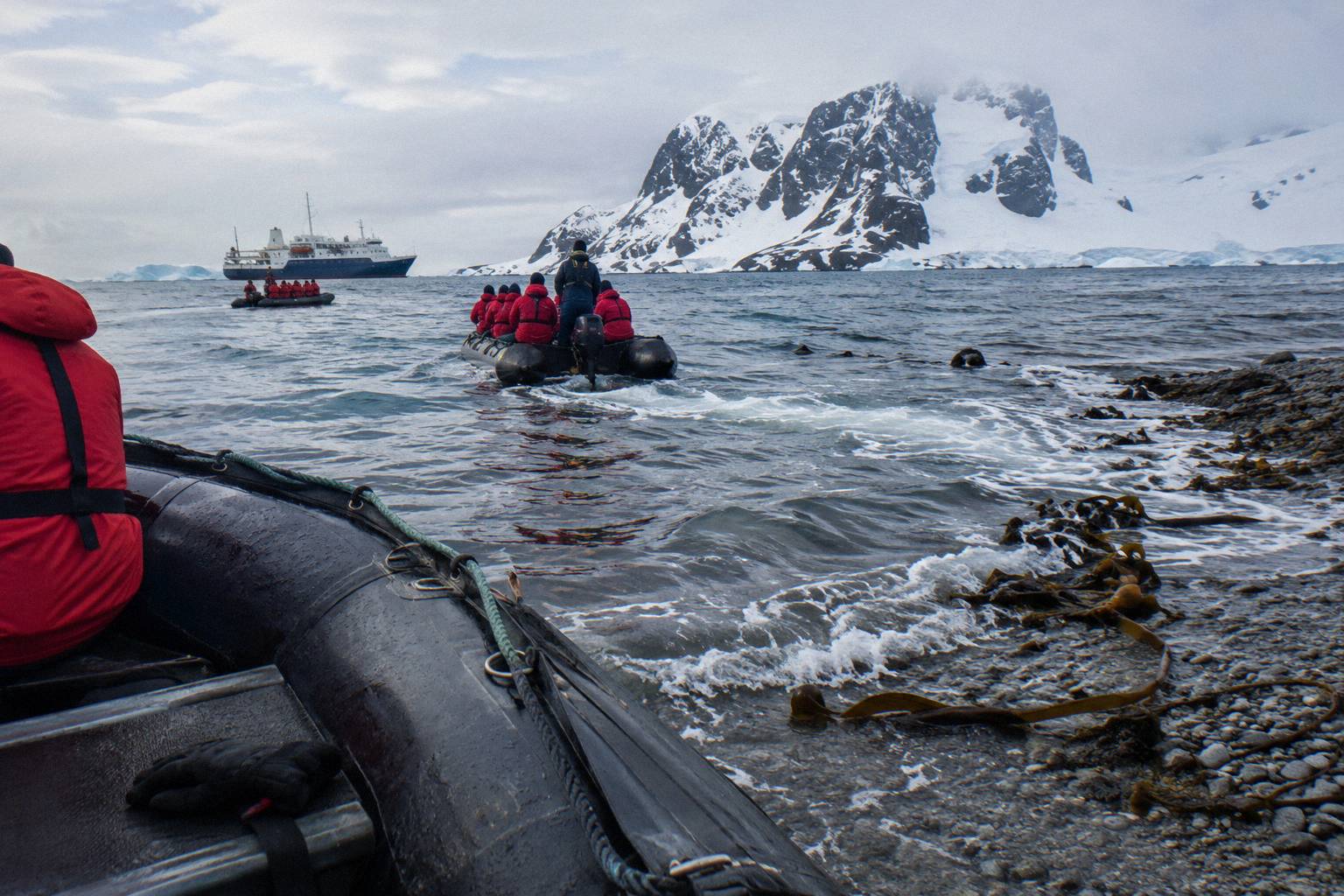
Zodiacs are the daily workhorse. On a typical Peninsula day the team aims for one or two landings or Zodiac cruises, weather and ice permitting, and itineraries are never guaranteed: the same swell that makes a beach landing unsafe can close a site for a 200-guest ship and a 90-guest ship alike. Managing that uncertainty is what the expedition team is for. Other pages covering the same trip are gathered on Cruises In Antarctica.
2026-27 Antarctic Itineraries And From-Prices
For 2026-27 the Expedition sails five Antarctic itineraries from Ushuaia, from the 11-day Antarctica Classic at $8,024 per person (valid on the 22 March 2027 departure, regular fare $10,699) up to the 21-day Spirit of Shackleton at $17,809 and the 22-day Falklands, South Georgia and Antarctica route. The from-prices below are the operator's own promotional lead-ins, tied to specific dates and the least expensive cabin type; regular fares are higher, and a sold-out example on the 22 November 2026 Classic departure showed a Lower Deck Triple at $7,069 before it closed.
| Itinerary | Days | Route | 2026-27 from-price (pp) | Notes |
|---|---|---|---|---|
| Antarctica Classic | 11 | Ushuaia round trip | $8,024 (regular $10,699) | Valid 22 Mar 2027 |
| Antarctica Classic in Depth | 13 | Ushuaia round trip | Date-dependent | Dec 2026 departure listed; lead-in fare not valid for 2026-27 |
| Quest for the Antarctic Circle | 14 | Ushuaia round trip | $10,574 (regular $14,099) | Valid 8 Feb 2027 |
| Spirit of Shackleton | 21 | Ushuaia round trip | $17,809 (regular $27,399) | Valid 11 Jan 2027 |
| Falklands, South Georgia & Antarctica | 22 | Montevideo to Ushuaia | $16,999 | Listed valid on a 22 Oct 2026 date |
The live dates and fares sit on the operator's own trip pages, including the Antarctica Classic itinerary listing, and they move with availability. Two patterns are worth knowing. Promotional fares on this ship are genuinely deep, up to 35 percent off on the Shackleton route, but they are anchored to named departures, often shoulder-season dates in early November, late February and March. And the longer routes, which add the Falklands and South Georgia, change the wildlife of the trip entirely: king penguin colonies, albatross and the Shackleton history at Grytviken, in exchange for a week more at sea. If the choice between an 11-day Peninsula sprint and a three-week epic is the decision you are stuck on, a chat about itinerary length is the natural next step.
What The Fare Includes, And What It Does Not
The published fare on the Circle and Classic trips includes the voyage itself, one twin-share hotel night in Ushuaia, arrival and departure transfers, all meals aboard, Zodiac excursions, the lecture programme, an expedition parka to keep and waterproof boots on loan in US sizes 4 to 16; international flights, drinks beyond coffee, tea and water, gratuities, kayaking and camping are extra. That inclusion set is close to the small-ship standard, and the parka-plus-boot loan matters more than it sounds: it removes roughly the cost of the two most expensive gear items from your packing budget.
What is not included deserves equal attention. International airfare to Buenos Aires and the domestic flight to Ushuaia are yours to arrange. Gratuities are not in the fare, with operator and industry guidance typically landing in the $10 to $15 per person per day range for expedition ships of this class; treat that as a planning figure, not a promise. Paid Wi-Fi, bar drinks and laundry add modestly to the onboard bill. Travel insurance with medical evacuation coverage is required by Antarctic operators generally, and minimums vary, so check the policy figure against the operator's terms at deposit time rather than at the airport.
Comparing two quotes on an inclusion-by-inclusion basis is where most buyers either save or overspend by four figures, and our comparing Antarctica cruise quotes guide gives a checklist for doing exactly that. The short version: confirm per-person double-occupancy pricing, note which meals, flights and gear are bundled, and price the add-ons you will actually use.
Expedition Vs Plancius Vs Ocean Nova
The Expedition's closest published rivals in the small-ship budget tier are Oceanwide's Plancius (108 guests, 1976-built, refit 2009, Ice Class 1D, from $7,050) and the 80-guest Ocean Nova (1992-built, from-price not published by the operator), and the three ships split the market on capacity, ice rating and activity style rather than on any dramatic price gap. Plancius is the nearer twin in age and price; Ocean Nova is the smaller, more intimate option at 80 guests fully refurbished in 2006, with fewer facilities.
| Ship | Class | Passengers | Ice class | From, per person | Voyage length | Departs from |
|---|---|---|---|---|---|---|
| Expedition (G Adventures)G Adventures | Small-Ship Budget | 128 | Ice Class 1A | from $7,439 | 11 to 14 days | Ushuaia |
| PlanciusOceanwide Expeditions | Small-Ship Budget | 108 | 1D | from $7,050 | 10 to 33 days | Ushuaia |
| Ocean NovaPolar Latitudes (Albatros Expeditions) | Standard Expedition | 80 | – | – | – | Ushuaia |
The differences that show up on the water: the Expedition carries 128 guests against Plancius's 108, and both rotate modestly under the 100-ashore rule, while Ocean Nova's 80 guests can theoretically all land at once. Plancius and her fleetmate Hondius run "Basecamp" voyages that bundle camping, kayaking, snowshoeing and photo workshops free on designated departures, whereas on the Expedition those activities are paid add-ons; the Plancius vs Expedition head-to-head breaks that trade-off down line by line. Ocean Nova, meanwhile, is resold through Polar Latitudes and Intrepid channels, with Intrepid's 2026-27 listing showing its 11-day Explorer's Expedition from USD 8,464 discounted, though Polar Latitudes' own rates table does not list 2026-27 Ocean Nova departures. Ice class follows the same ordinal logic across all three: the Expedition's 1A outranks Plancius's 1D, and Ocean Nova's hull is rated 1B with an ice-strengthened 1A notation on its deck plan.
Who The Ship Suits, And Who Should Look Elsewhere
The Expedition suits budget-conscious travellers who want real landings, a genuine expedition team and the sociable G Adventures group atmosphere, and it does not suit anyone who wants a balcony, a spa, included drinks or the quiet of a sub-100-passenger vessel. The decision is honest at both ends. What you buy here is the continent at the lowest credible entry price in the 2026-27 market, with a from-fare of $8,024 that undercuts every upscale expedition line by thousands, plus the IAATO-compliant landing programme that expensive ships are also bound by. Every overnight on the water is in a proper ensuite cabin with a window or porthole, and the 10:1 guide ratio is generous for the price.
The trade-offs are equally clear. Cabins are compact and there are no balconies at any price. Public spaces are functional rather than plush. The ship's 1976 hull means more motion than a purpose-built polar newbuild with zero-speed stabilizers, which matters on a two-day Drake crossing each way. And solo travellers should note that the operator waives the single supplement when sharing a twin or triple with a same-gender traveller, but a private cabin will carry a premium. If any of those trade-offs is a dealbreaker, the step-up options are covered in our best Antarctica cruise overview, and the budget alternatives in how to cut Antarctica cruise cost.
For the reader whose priority is simply to stand on the Antarctic continent with penguins, having spent as little as the market allows without giving up landings, this ship is one of the strongest cards in the deck. It is also, for the same reason, one of the first categories to sell out on peak December and January dates, with the promotional lead-ins clustered at the shoulder months instead.
Common Questions About The G Adventures Expedition Ship
How old is the G Adventures Expedition ship?
The Expedition was built in 1976 in Yugoslavia and was remodelled in 2017, with a further refit for the 2025/26 Antarctic season that included new engines and refreshed cabins and public rooms.
How many passengers does the Expedition carry in Antarctica?
The ship carries a maximum passenger group of 128, sailed by a team that includes fourteen expedition guides, a ratio of ten guests per expert.
Does the G Adventures Expedition have balconies?
No. All 70 cabins have ensuite bathrooms and either a porthole or a window, but no balcony category is published for the ship.
What is the cheapest G Adventures Antarctica cruise?
The 11-day Antarctica Classic from Ushuaia is the lead-in product, from $8,024 per person on the 22 March 2027 departure, with a regular fare of $10,699 and promotional triples occasionally lower.
What does the G Adventures fare include?
The voyage, one Ushuaia hotel night, transfers, meals aboard, Zodiac excursions, lectures, an expedition parka to keep and loaner waterproof boots. Flights, most drinks, gratuities, kayaking and camping are extra.
Is the Expedition a good ship for the Drake Passage?
She carries Ice Class 1A and two Sperry Gyrofin stabilizers, but as a 1976-built ship she moves more in heavy seas than newer purpose-built polar vessels. Seasickness preparation is advisable on any Drake crossing.
More Antarctic Ship Profiles
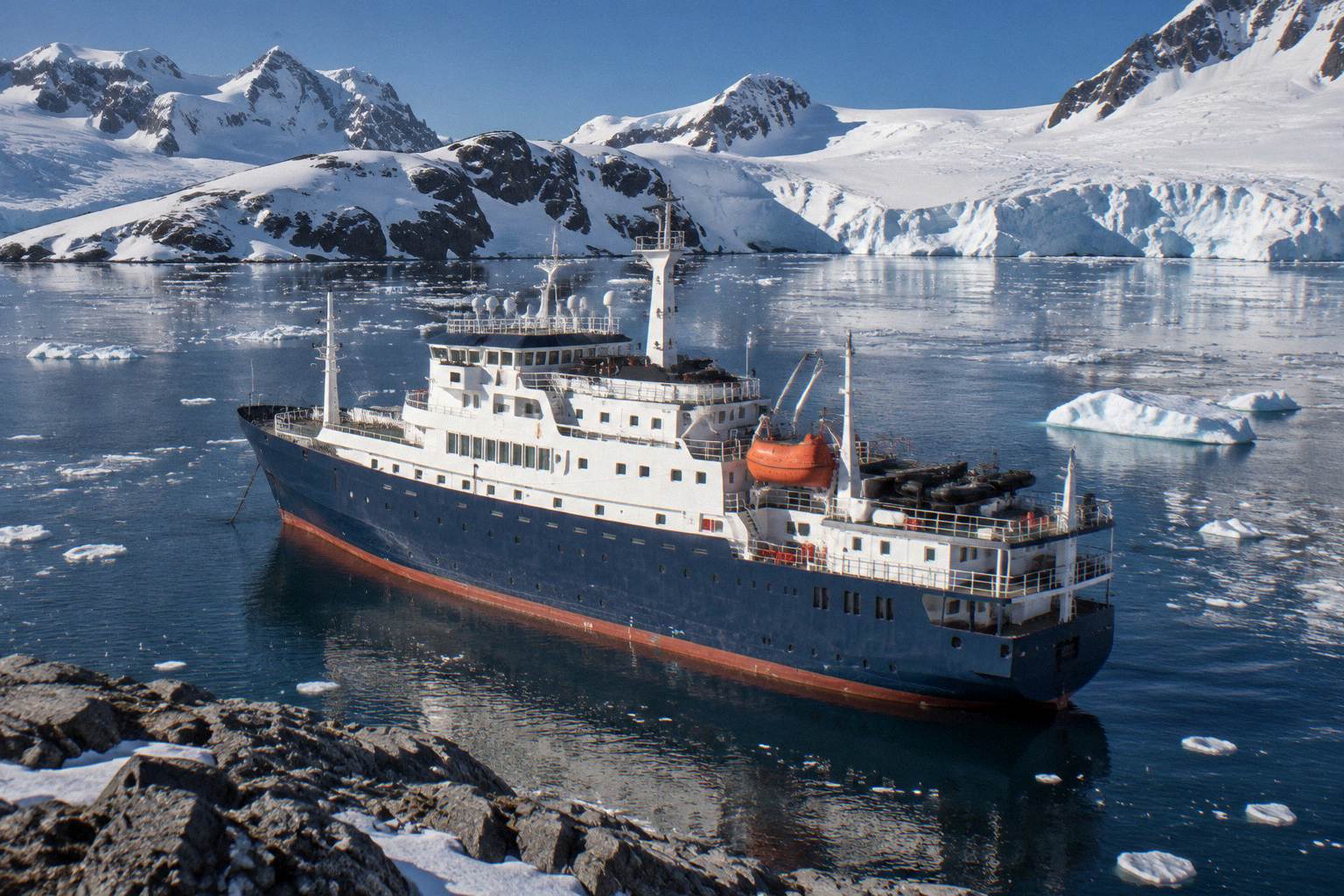 MV Plancius ReviewA no-balcony, 108-guest expedition ship with straightforward cabins, strong ice handling for its age, and Oceanwide's activity-focused Basecamp voyages.Read the guide
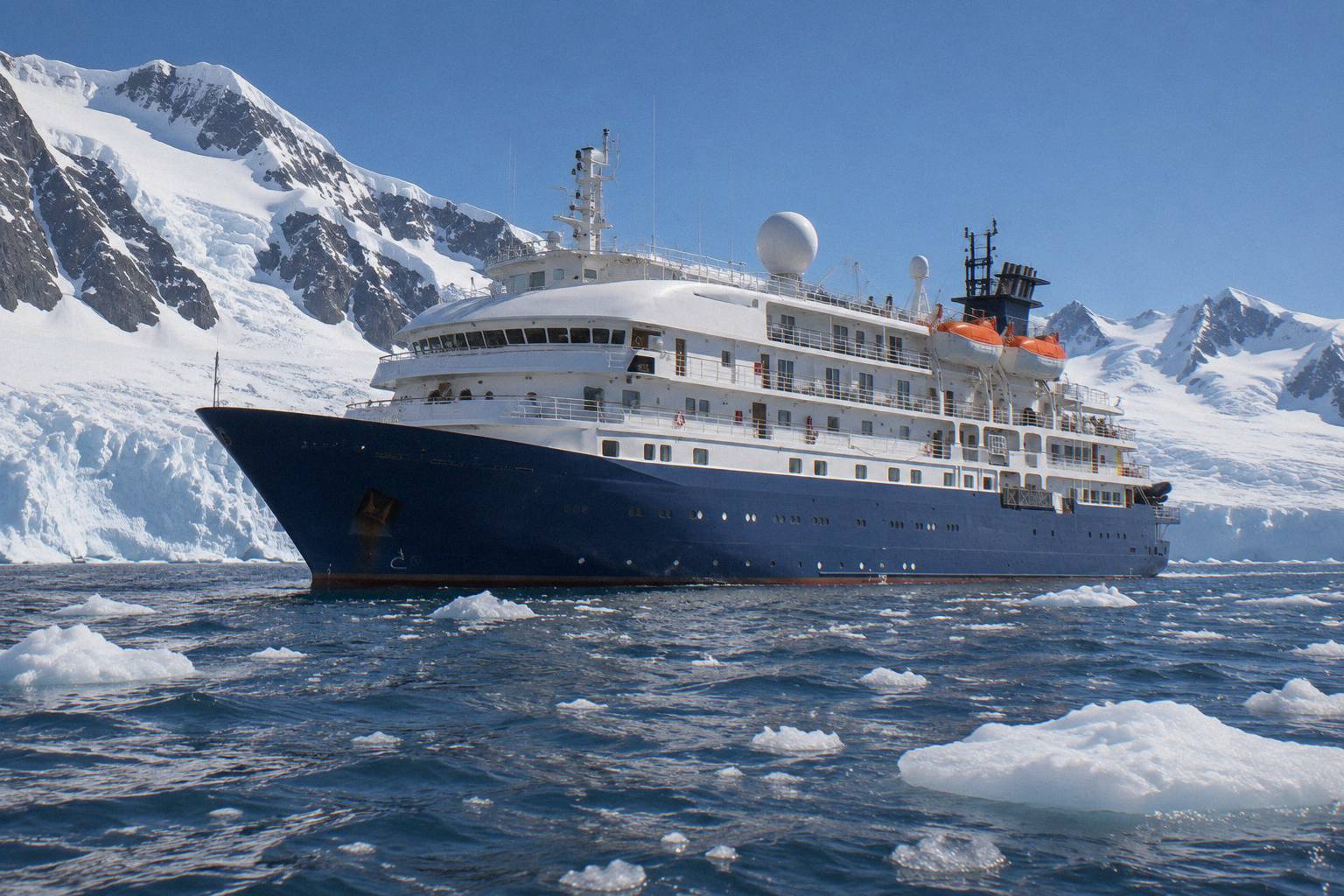 Sea Spirit ReviewPoseidon's 114-guest Sea Spirit reviewed: cabins, fares, itineraries and who it suits.Read the guide
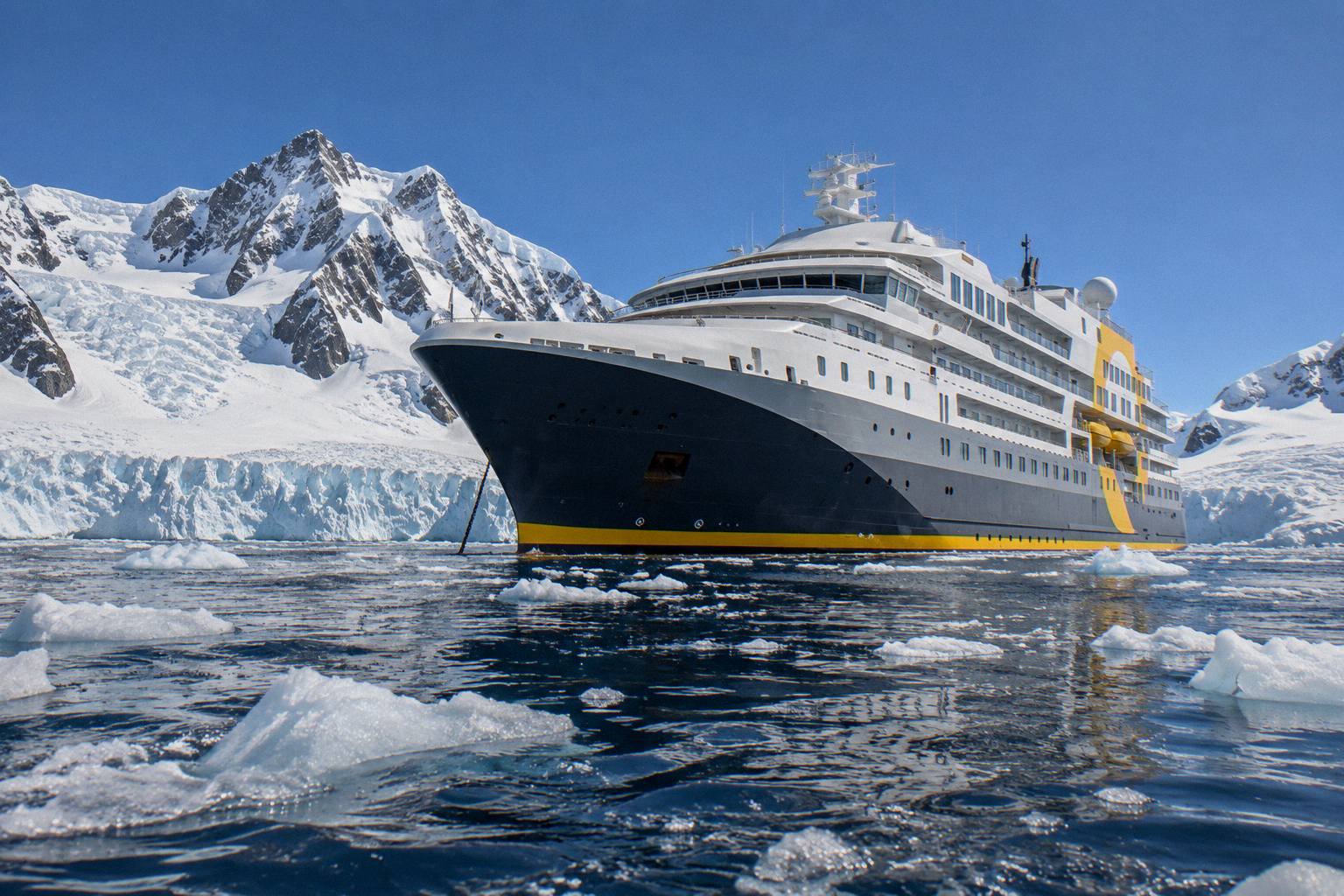 Ultramarine ReviewQuark's helicopter flagship reviewed: cabins, dining, itineraries and fares.Read the guide
 Ocean ExplorerQuark's 138-guest X-BOW ship reviewed: cabins, ice class, itineraries and fares.Read the guide