Is There A Hotel In Antarctica?
 By Oleg G.
Antarctica has no hotels, no resorts and no check-in desks. Everyone who sleeps on the continent does it on a ship, at a research station as a guest of a national program, or in a field camp. The expedition cruise is the only lodging most travellers can actually book.
Is There A Hotel In Antarctica?
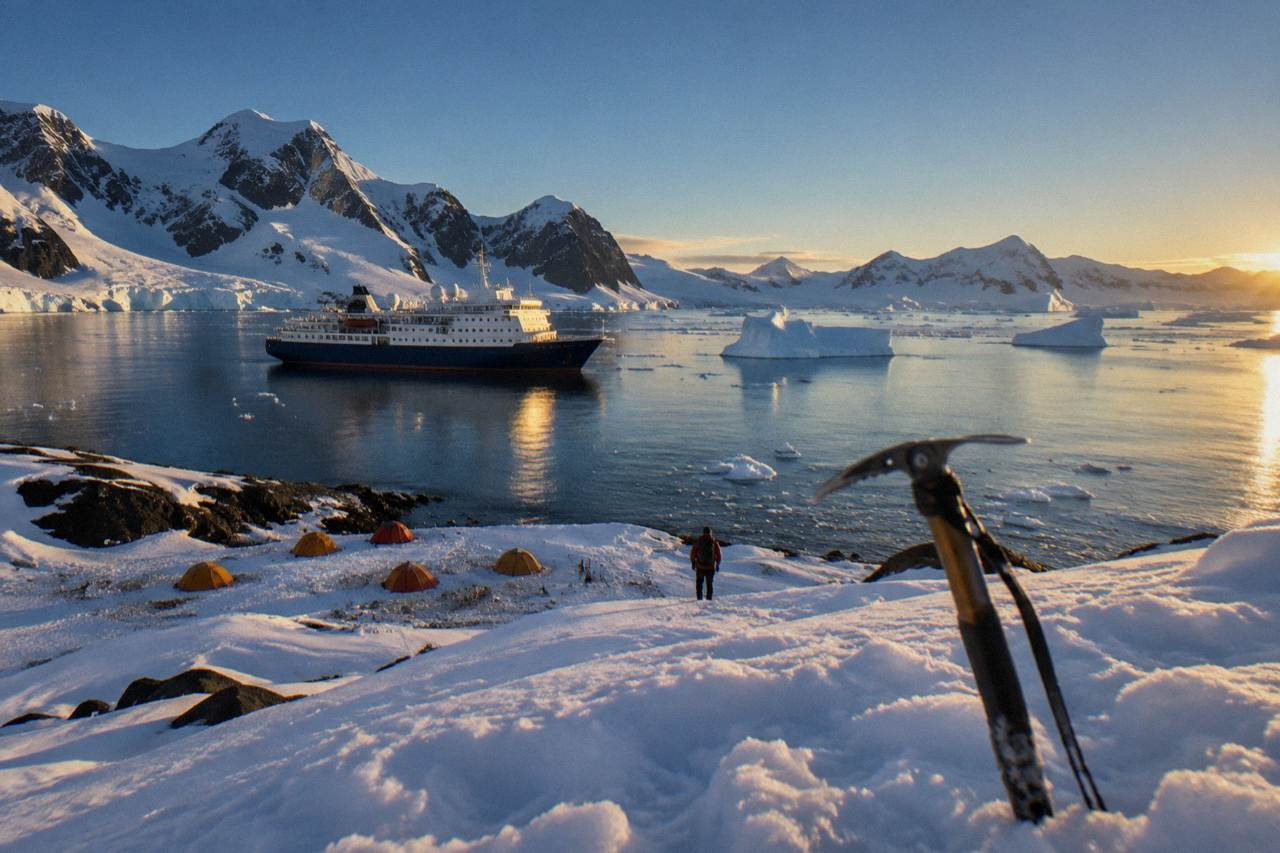
No. There is no hotel anywhere in Antarctica, and there never has been a commercial one. The continent has no towns, no private land and no tourism infrastructure ashore, so nobody can sell you a room. The 85,195 visitors who landed in the 2025-26 season all slept somewhere else: aboard an expedition ship, at a research station as a government guest, or in a field camp. The ship is the hotel.
That answer surprises people who have seen photographs of bases like McMurdo Station, which has dormitories, a dining hall and even a small store. Those buildings belong to national Antarctic programs, and the people sleeping in them are scientists, support staff and contractors working there. A tourist cannot book a bed at McMurdo, at Rothera or at any of the dozens of research stations run by national programs under the Antarctic Treaty system. Some stations have allowed cruise passengers in for short visits during scheduled landings, but those visits last an hour or two, and then everyone returns to the ship.
The scale is worth putting numbers on. IAATO's season data counted 113,518 total visitors across vessel and deep-field tourism in 2025-26: 85,195 people landed, 27,217 sailed cruise-only without ever setting foot ashore, and 1,106 travelled deep field. Every one of the vessel-based visitors slept on board, including the cruise-only contingent, which is the purest expression of the arrangement: for more than 27,000 people a year, an Antarctica cruise is quite literally a floating hotel with a changing view. Landed numbers rose about 6 percent over the prior season's 80,455, so the pattern is deepening rather than fading.
So the question quietly becomes a different one: where do you actually sleep, and what does it cost? The answer is almost always a cabin on an expedition cruise, which is why every serious planning conversation about visiting Antarctica is really a conversation about ships and cabin categories rather than hotels. If you want help sorting that out, a free Antarctica cruise consultation can walk you through the options before you commit to anything.
Where Do Tourists Actually Sleep In Antarctica?
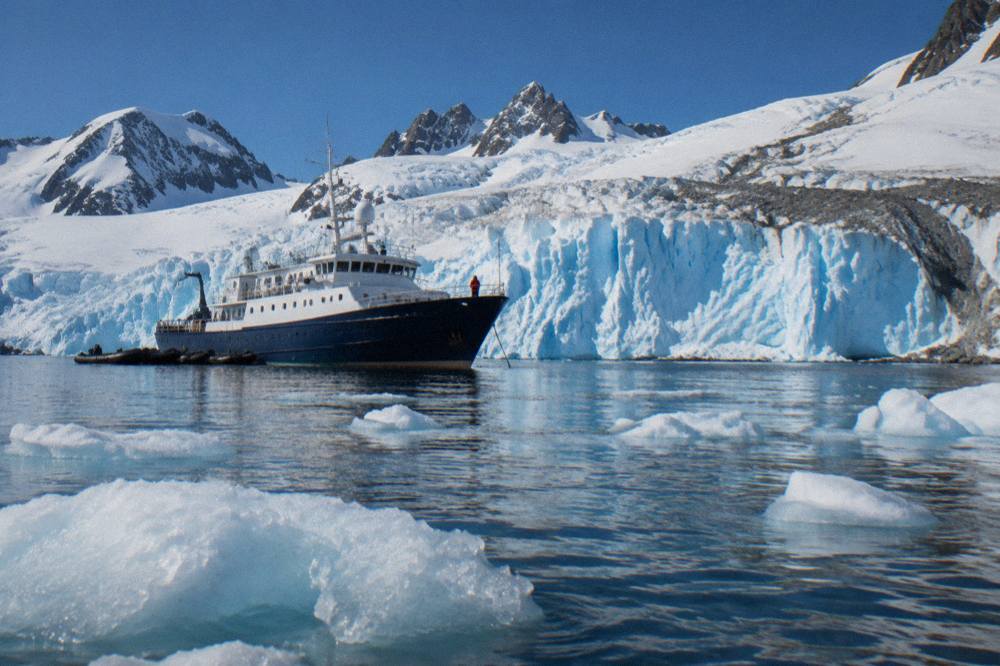
Almost every tourist sleeps on the expedition ship they arrived on. Cabins range from shared triple berths on budget vessels to balcony suites on luxury lines, and the ship stays with you for the whole voyage, moving between landing sites each night. IAATO rules cap landings at 100 passengers ashore at a time from any vessel, so even when you are off the ship, the ship is only a short zodiac ride away.
The ship-as-hotel model works better than it might sound. Your cabin is your room for the entire trip, typically 10 to 14 days, and it moves with the itinerary: you might fall asleep anchored off the South Shetland Islands and wake up in the Lemaire Channel. Housekeeping, meals, lectures and the expedition gear loan system all live aboard. Most operators lend waterproof boots aboard and hand out a parka you often keep, which is one reason the packing list for Antarctica is shorter than people expect.
Aboard, the rhythm is closer to a small resort than a ferry. Days start with an early breakfast and a briefing on the morning's landing, then zodiac runs to a beach or a slow cruise along a glacier front, with lunch back on board while the ship repositions. Evenings bring dinner, a recap of what the expedition team saw and a lecture on penguin biology or polar history. Cabin categories span the same range as any hotel chain: shared triples with bunks at the bottom, porthole cabins in the middle, suites and private balconies at the top, depending on the vessel. What no category buys is exclusivity ashore, because the landing rules treat every passenger the same.
The lodging quality depends heavily on which ship you pick, and the spread is wide. At the value end sits the Oceanwide Expeditions fleet sailing from Ushuaia. The Hondius, built in 2019 and registered as the first Polar Class 6 passenger vessel in the world by its operator's own wording, carries 170 guests in 80 cabins on Peninsula voyages of 11, 13 or 19 days, with fares from $7,800 per person. It is a genuine small-ship experience at the lowest published fare tier in the current roster.
A step up in price and polish, Lindblad's National Geographic Endurance carries 138 guests with a patented X-Bow hull, from $11,900 per person for a 12-day voyage, and bundles a pre-cruise Buenos Aires hotel night, the charter flight to Ushuaia, drinks and gratuities into the fare. At the top, Ponant's Le Lyrial is a 245-guest luxury vessel whose 17-night Great Austral Loop itinerary, which includes South Georgia and the Falklands, was listed from $26,780 per person. Our guide to the ships that sail to Antarctica covers this spectrum in more detail.
Why Has Nobody Built A Hotel In Antarctica?
No country owns Antarctic land, and the Treaty system gives no route to private ownership, so there is no legal basis for a hotel, no property to build one on and no way to register the business. Any activity ashore also needs environmental review: US operators must file impact documentation with the EPA before running expeditions. The hotel question ends there.
The reason is structural rather than commercial. Under the Antarctic Treaty, no country owns territory in Antarctica and no private company can own land, build on it or register property. There is no legal framework under which a hotel could exist as a business, no local workforce to staff one, and no road or utility network to supply it. The Antarctic Treaty Secretariat's tourism page notes that about 98 percent of all tourism voyages occur in the Antarctic Peninsula during the austral summer, and that tourism is ship-based for exactly these reasons.
Regulation closes the remaining gap. When tour operators plan expeditions to Antarctica, operators with US ties are required to submit environmental documentation to the EPA, a process described on the agency's impact assessment page. A hotel, as a permanent structure with year-round staffing, waste streams and fuel storage, would face environmental scrutiny far beyond anything a seasonal landing program triggers. Nobody has tried, because the legal footing to try from does not exist.
Economics finish the argument. The tourist season sits inside a seven-month austral summer, October to April, and the harshest months fall outside it entirely. Anything built ashore would stand unused most of the year, supplied by sea or air at costs no room rate could absorb, staffed by people flown in and rotated out. Ships solve all of this at once: they bring their own power, water, kitchens and beds, they move to wherever the wildlife and weather are good, and then they leave. The vessel is not a compromise substitute for a hotel. It is the only structure that makes sense.
Can You Sleep At A Research Station?
Generally, no. Research stations house national program staff only, and no station sells accommodation to tourists. A small number of specialist trips visit stations as landing sites, and a few programs accept a handful of artists, writers or volunteer educators through competitive application, but that is a work placement, not a hotel stay. For travellers, the station visit lasts hours, not nights.
The distinction matters because station photographs circulate widely and create the impression of a settlement you could stay in. McMurdo Station is the largest base on the continent, and the smaller Antarctic Peninsula stations operated by programs including those of Chile, Argentina, Britain and the United States each host rotating crews of scientists and support staff. All of that capacity belongs to government-funded science programs, and every bed is allocated years in advance to people on contract.
There is one genuine exception worth knowing about, and it is not a hotel either. Port Lockroy, the historic British base on Goudier Island, is staffed each summer by a small team from the UK Antarctic Heritage Trust who live on site, run the post office and greet cruise passengers. The trust hires that team through an open application process each season. It is the closest thing Antarctica has to hospitality work, and it is a job, not a stay.
Station visits do appear on itineraries. The landing sites with current ATCM and IAATO visitor guidelines include Whalers Bay on Deception Island, Half Moon Island, Neko Harbour and Port Lockroy itself, and a few national programs on the Peninsula have allowed short cruise-passenger visits in past seasons. The visit is a landing like any other: an hour or two ashore, biosecurity rules in force, and the ship waiting in the bay.
For everyone else, the practical version of sleeping on land is a night of camping, which a few operators offer as an optional activity on Peninsula voyages. It is a supervised camp on the ice or snow near a landing site, one night only, with everyone back aboard the next morning. Poseidon's Sea Spirit lists camping among its expedition activities, and G Adventures and Intrepid vessels have offered similar programs. It adds a story, not a lodging solution.
What About Fly-Cruise Trips, Where Do You Sleep Then?
You sleep in hotels at the gateway towns, then on the ship. Fly-cruise passengers overnight in Punta Arenas in Chile before a roughly two-hour charter flight to King George Island, where they board the expedition vessel and sleep aboard exactly like everyone else. The flight replaces the two-day Drake Passage crossing, not the ship itself.
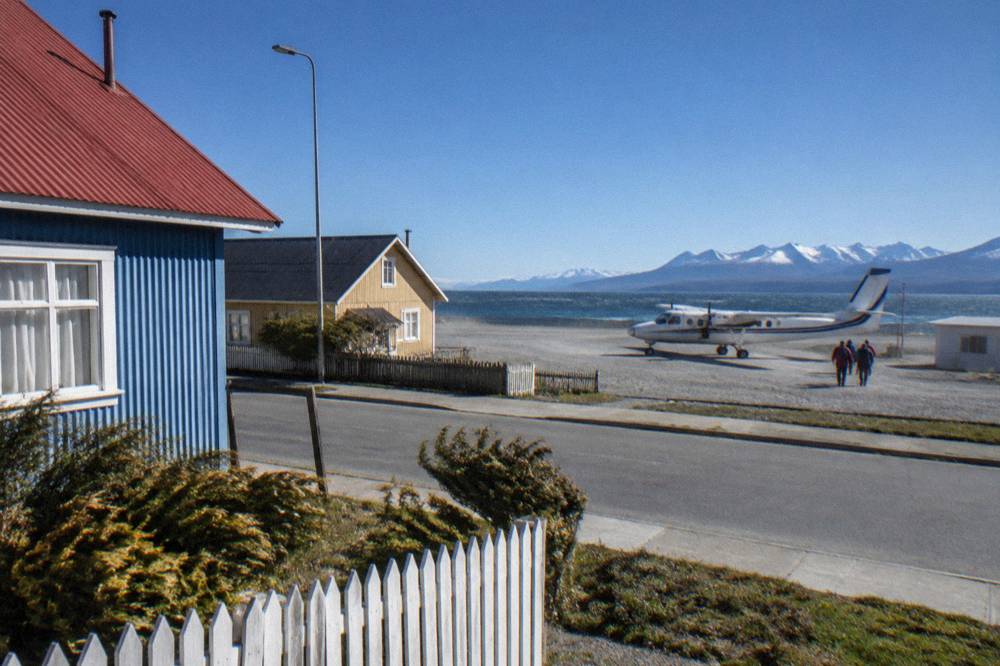
This is the one part of an Antarctic trip where hotels genuinely appear, and they appear on the South American side. Antarctica21's Classic Antarctica air-cruise runs 8 days and 7 nights from Punta Arenas, with a mandatory pre-flight hotel stay and briefing in the town; the operator's listed fare for the Magellan Explorer and the new Magellan Discoverer starts from $13,795 per person. Polar Latitudes requires fly-cruise guests to be at a named Punta Arenas hotel by 14:00 the day before the charter flight, with a strict 20 kg checked baggage limit on the flight to King George Island.
Sailing voyages have their own gateway-hotel moment. Ushuaia in Argentina is the departure port for most Peninsula cruises, and operators recommend arriving at least one, ideally two, nights early because the Buenos Aires to Ushuaia flight corridor is weather-prone in peak season. Ushuaia hotels ran at roughly 80 percent occupancy in January 2026 while the port handled more than 43,720 cruise passengers, so pre-cruise rooms book out well ahead. Our pieces on where you sleep on an Antarctica trip and Ushuaia hotels go deeper on this.
One hotel story from the gateway region shows how the margins of this market work. Silversea's southernmost hotel, at Puerto Williams on the Chilean side of the Beagle Channel, saw its opening delayed to October 2026 for the 2026-27 season, which shifted some early fly-cruise guests back to Punta Arenas. Puerto Williams is also a listed port for Silversea's Silver Endeavour and Silver Wind. In other words, the closest thing to an Antarctic hotel currently on the market is a property at the tip of South America, and even it exists to serve the ship, not the continent.
The fly-versus-sail choice is one of the two or three biggest decisions in planning a trip, and it changes both the price and the whole rhythm of the voyage. If you are weighing a two-hour flight against a two-day crossing, talk through the fly-cruise trade-offs with someone who books these voyages regularly, at no cost and with no obligation.
How Much Does Sleeping On A Ship Cost?
Published fares across the current roster run from about $7,800 per person for an 11-day shared-cabin Peninsula voyage on a budget expedition ship to $26,780 and beyond for luxury long itineraries. A realistic all-in budget for a mid-range 10-to-12-day trip, including flights, gear, tips and insurance, is $12,000 to $25,000 per person according to one 2026 cost guide.
The fare buys the cabin, all meals aboard, the expedition program and usually loaned boots and a parka. What it does not buy is your flights to South America, travel insurance with medical-evacuation cover, which most operators require at minimums they set themselves and often check before you board, or gratuities, which typically run $15 to $25 per person per day unless prepaid. Insurance is the item people most often under-budget: Antarctic evacuation is expensive, and the operators check proof of cover.
Here is how three very different ships compare as lodging, using the fares on file:
| Ship | Operator | Guests | Voyage days | Published fare from | Lodging character |
|---|---|---|---|---|---|
| Hondius | Oceanwide Expeditions | 170 | 11/13/19 | $7,800 pp | Budget small ship, 80 cabins, Polar Class 6 |
| National Geographic Endurance | Lindblad Expeditions | 138 | 12/16/21/22 | $11,900 pp | Standard-plus expedition, X-Bow, hotel night bundled |
| Le Lyrial | Ponant | 245 | 18 | $26,780 pp | Luxury, long Great Austral Loop itinerary |
| Ship | Class | Passengers | Ice class | From, per person | Voyage length | Departs from |
|---|---|---|---|---|---|---|
| HondiusOceanwide Expeditions | Small-Ship Budget | 170 | Polar Class 6 | from $7,800 | 11 to 19 days | Ushuaia |
| National Geographic EnduranceLindblad Expeditions (with National Geographic) | Standard Expedition | 138 | PC5 | from $11,900 | 12 to 22 days | Ushuaia |
| Le LyrialPonant | Luxury | 245 | – | from $26,780 | 18 days | Ushuaia, Buenos Aires |
The pattern to notice is that you are not mainly paying for a nicer room when you move up the tiers, though the rooms do get nicer. You are paying for ship size, staffing ratios, included extras and itinerary length. The Hondius and the National Geographic Endurance both deliver the same core product, daily zodiac landings under the same IAATO rules, at very different price points. The luxury premium buys French dining and balcony suites; the budget fare buys the same penguins.
Per-night math makes the tiers easier to compare. One live survey of 2027-28 itineraries across ten lines, reported by Small Ship Travel, found fares from $11,321 to more than $28,500 per person, roughly $950 to $2,600 per night in double occupancy on classic sailings. The bottom of that band is where the Oceanwide fleet sits; the top is where the longest Ponant loops live. Where you fall inside the band depends less on the penguins, which are the same everywhere, and more on cabin size, ship size and how many days you spend at sea.
Timing moves the number more than most people expect. Early-booking offers for the 2026-27 and 2027-28 seasons commonly reach 10 to 30 percent off, with select unsold 2026-27 sailings advertised at up to 40 percent, and deadlines running through 2026. Last-minute discounts exist, but availability and cabin choice are limited and they are uncommon for peak December sailings, which book furthest ahead. Booking early in this market is less about hunting a deal than about keeping the cheaper cabin categories open.
Single travellers should know that supplements typically add 25 percent to double the twin rate, though some lines waive them on select sailings and several offer shared cabins in lower categories. That detail alone can move a trip between two price tiers, and it is exactly the kind of thing worth confirming in a planning conversation before you book anything.
Are There Really No Alternatives At All?
Almost none. Beyond the ship, the only places people sleep on the continent are research stations, deep-field camps run by specialist operators, and a handful of private expedition tents. IAATO counted 1,106 deep-field participants in 2025-26, the first season above a thousand, against 85,195 landed cruise visitors. Land-based tourism exists, but it is about one percent the size of ship-based tourism.
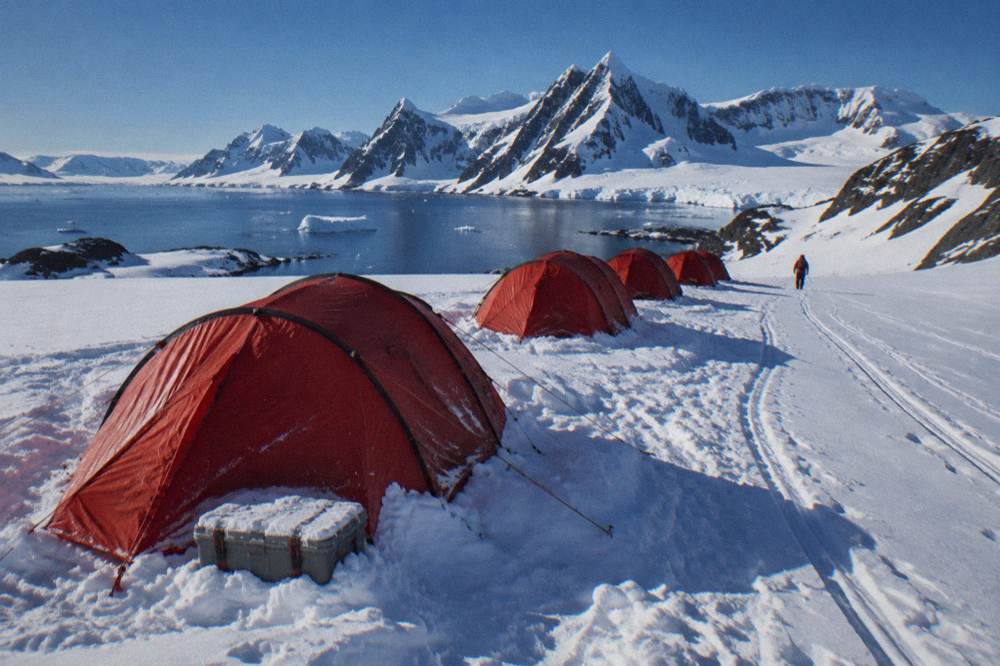
The deep-field segment is growing, with IAATO's preliminary estimate for 2026-27 at 1,492 participants. It includes ski expeditions toward the South Pole, mountaineering trips in the Ellsworth Mountains and visits to emperor penguin colonies reached by specialist aircraft. All of it runs on temporary camps, and all of it costs well beyond a cruise fare. It is an expedition, not a hotel, and it is booked through a handful of specialist adventure companies rather than through the cruise market.
The 500-passenger rule is worth keeping in mind when you see large cruise ships advertised as visiting Antarctica. Those vessels can cruise the Peninsula and show you the scenery from deck, but under the rules they cannot land anyone. If sleeping on the continent, or even standing on it, is the point of the trip, you need a small expedition vessel, which is why the ships in the roster top out at a few hundred guests and most carry far fewer.
The rules also shape the lodging in quieter ways. Because only one vessel may visit a landing site at a time, ships coordinate their itineraries through IAATO's scheduler, which is why two identical-sounding voyages can visit different bays on the same days. And because biosecurity requires every piece of gear to be cleaned before arrival and again between sites, the ship functions as a small customs and quarantine facility, with boot-washing stations in the mudroom, not just a place to hang your coat.
Common Questions About Antarctic Lodging
Is There A Hotel In Antarctica?
No. There is no commercial hotel anywhere on the continent. Tourists sleep aboard expedition ships, at gateway-town hotels in Ushuaia or Punta Arenas before and after the voyage, or, in a tiny number of cases, in specialist field camps.
Can Tourists Stay At McMurdo Station Or Other Research Bases?
No. Research stations house national program staff only. Some cruise itineraries include a short guided visit to a station such as Port Lockroy, but the visit lasts a couple of hours and passengers return to the ship.
Can You Sleep On Land In Antarctica At All?
Rarely, and only briefly. A few operators offer a one-night supervised camping activity on Peninsula voyages, and specialist deep-field companies run multi-day ski and mountaineering expeditions from temporary camps. IAATO counted 1,106 deep-field participants in 2025-26, a small fraction of cruise visitors.
What Is The Cheapest Way To Sleep In Antarctic Waters?
Published fares on budget expedition ships such as the Oceanwide fleet start at $7,800 per person on the Hondius for an 11-day Peninsula voyage, with the Plancius listed from $7,050. Fares include meals, the expedition program and usually loaned boots and a parka, but not flights to South America or insurance.
Do You Need A Hotel Before An Antarctica Cruise?
Yes, plan on at least one night, ideally two, in Ushuaia for sailing voyages or Punta Arenas for fly-cruises. Flight schedules to both towns are weather-sensitive in peak season, and fly-cruise operators require a pre-flight hotel stay and briefing the day before the charter flight.
Why Can't A Company Just Build One?
Under the Antarctic Treaty no country owns Antarctic territory and no private company can own land or register property there, so there is no legal route to open a hotel. Any shore activity also requires environmental documentation, which US-tied operators must file with the EPA before running expeditions.
The short version: Cruises In Antarctica exist precisely because hotels cannot. The ship solves the legal problem, the logistics problem and the comfort problem in one hull, and choosing the right one is the single biggest decision in planning the trip. If you would like help matching a cabin, a ship and a season to your budget, the free consultation above is the fastest way to start.