Antarctica Cruise Deposits And Payment Deadlines By Operator
 By Oleg G.
Committing to an Antarctica cruise means handing over thousands of dollars months, sometimes more than a year, before you sail. Here is what the operators themselves say about deposit sizes, final payment deadlines and what happens if you walk away.
Quick answer: Quark Expeditions takes a 25 percent deposit with final payment due 150 days before departure; Oceanwide Expeditions takes 20 percent with the balance due 60 days out. Most other operators do not publish deposit terms on their main pages, so the number you are quoted depends on the voyage and the seller. Insurance with evacuation cover should be bought at the deposit stage.
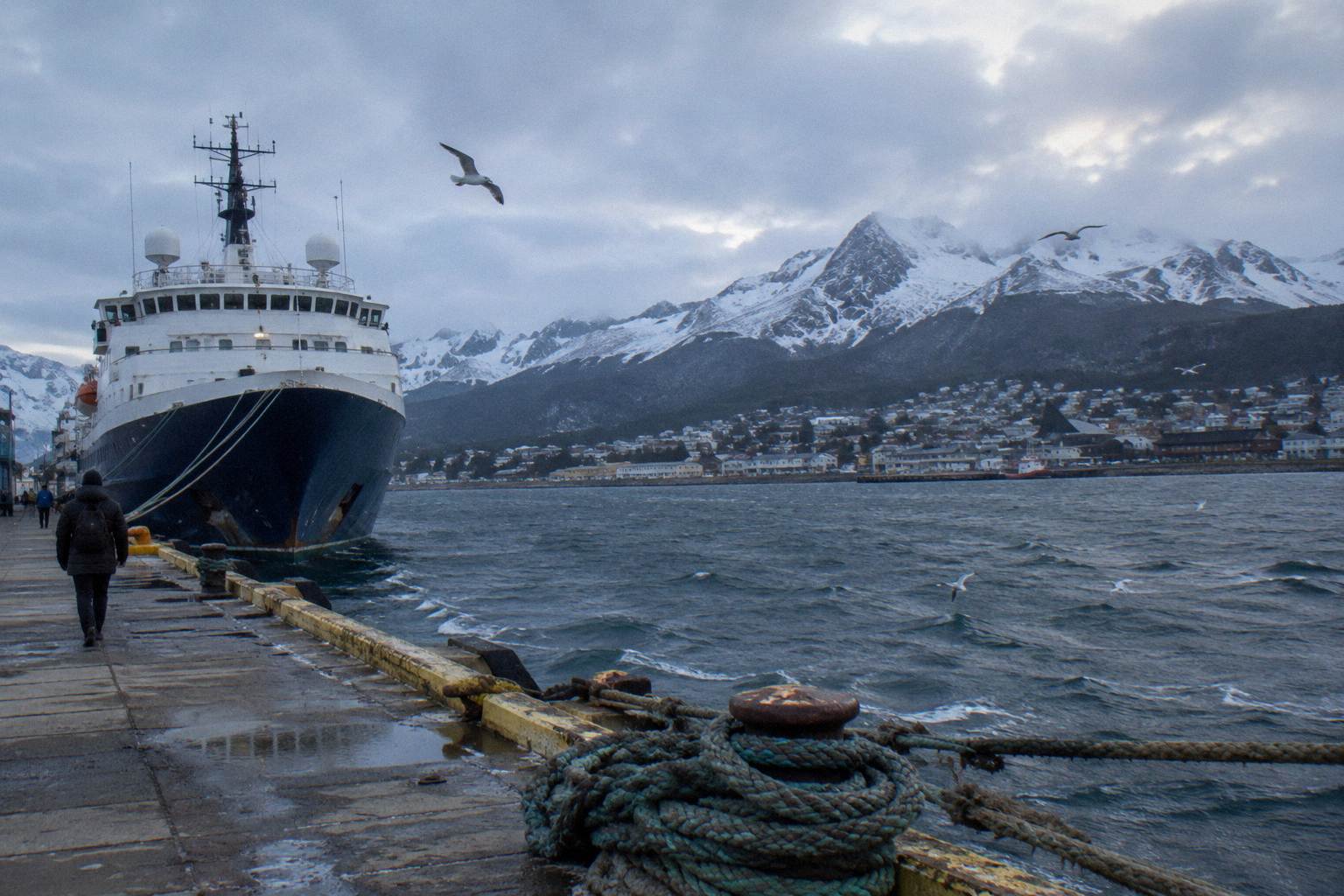
An Antarctica cruise is one of the few trips where the moment you say yes and the moment you sail can be more than a year apart, and your money sits with the operator the whole time. Quark Expeditions, for example, collects final payment 150 days before Day 1 of the voyage, which means a traveller booking a December sailing pays in full the previous summer. The deposit you hand over at booking is therefore a real financial commitment with its own rules, and those rules differ sharply between operators. This guide lays out what the operators publish about deposits, final payment deadlines, cancellation penalties and insurance timing, and flags plainly where an operator states nothing.
How Much Is A Typical Antarctica Cruise Deposit?
The two operators that publish clear terms on their own pages sit at 25 percent (Quark Expeditions, due 150 days or more before departure) and 20 percent (Oceanwide Expeditions, balance due 60 days out); most other lines leave deposit size to the booking flow or the seller, so on a voyage-level from-fare of $12,236 per person a Quark deposit is a quarter of a large five-figure sum before flights and add-ons. That percentage framing matters because Antarctic fares are large: the roster shows expedition voyages starting from $7,050 per person on Plancius and from $12,236 on Quark's shared voyage-level pricing, so a fifth to a quarter of the fare is a four-figure commitment before you have packed a single layer.
The published terms are worth reading closely because they are not symmetric. Quark's booking terms, effective June 2026, state a 25 percent deposit if you book 151 or more days before Day 1, but 100 percent of the fare if you book 150 days or fewer from departure. In other words, late bookers on a Quark voyage pay everything upfront, with no deposit stage at all. Oceanwide's terms are gentler on timing: a 20 percent deposit confirms the reservation, the balance falls due 60 days before departure, and anyone booking within two months of departure pays in full at confirmation. Aurora Expeditions' deposit examples include $2,500 per person or around 30 percent in agency contexts, with final payment typically 90 to 95 days before departure, though the operator's own pages do not state one fixed figure.
If you are still choosing between operators rather than comparing exact quotes, the deposit question feeds straight into the bigger decision of which expedition cruise and which ship fits your budget and dates. That is exactly the kind of question a free consultation can settle quickly, because the answer changes with the voyage, the cabin and the month.
Deposits also behave differently depending on where you book. Rate parity agreements maintained by major operators mean the published fare is generally the same whether you book direct or through a specialist, with agents paid by the operator, according to specialist booking agencies. What can differ is the payment mechanics: a specialist may handle changes and rebooking on your behalf, while a direct booking gives you immediate access to the operator's own system. Neither route changes the operator's underlying deposit percentage.
Deposit And Final Payment Deadlines By Operator
Quark Expeditions and Oceanwide Expeditions publish the clearest deposit schedules on their own pages, at 25 percent with a 150-day final payment and 20 percent with a 60-day balance respectively; HX publishes a 25 percent non-refundable deposit with final payment around 90 days out, Aurora examples run to $2,500 per person or about 30 percent, and most other lines do not publish these terms on their main pages. The table below sticks to what is actually stated, and marks everything else plainly.
| Operator | Deposit | Final payment due | Source basis |
|---|---|---|---|
| Quark Expeditions | 25% if booked 151+ days before Day 1; 100% if 150 days or fewer | 150 days before Day 1 | Operator booking terms, effective June 2026 |
| Oceanwide Expeditions | 20% of total price | 60 days before departure; full payment if within two months of departure | Operator FAQ and terms |
| HX (Hurtigruten Expeditions) | 25%, non-refundable (varies by departure year) | Around 90 days before departure | Cancellation-policy summaries |
| Aurora Expeditions | Examples: $2,500 per person or around 30% | Typically 90-95 days before departure (varies by itinerary) | Operator site and agency samples |
| Lindblad Expeditions | Not published | Advance payments with final around 120-150 days | Cancellation-policy summaries |
| Silversea | Not published | Final around 120-150 days | Cancellation-policy summaries |
| Ponant, Viking, Atlas, Poseidon, G Adventures, Antarctica21 | Not published | Not published | Not published for 2026-27 |
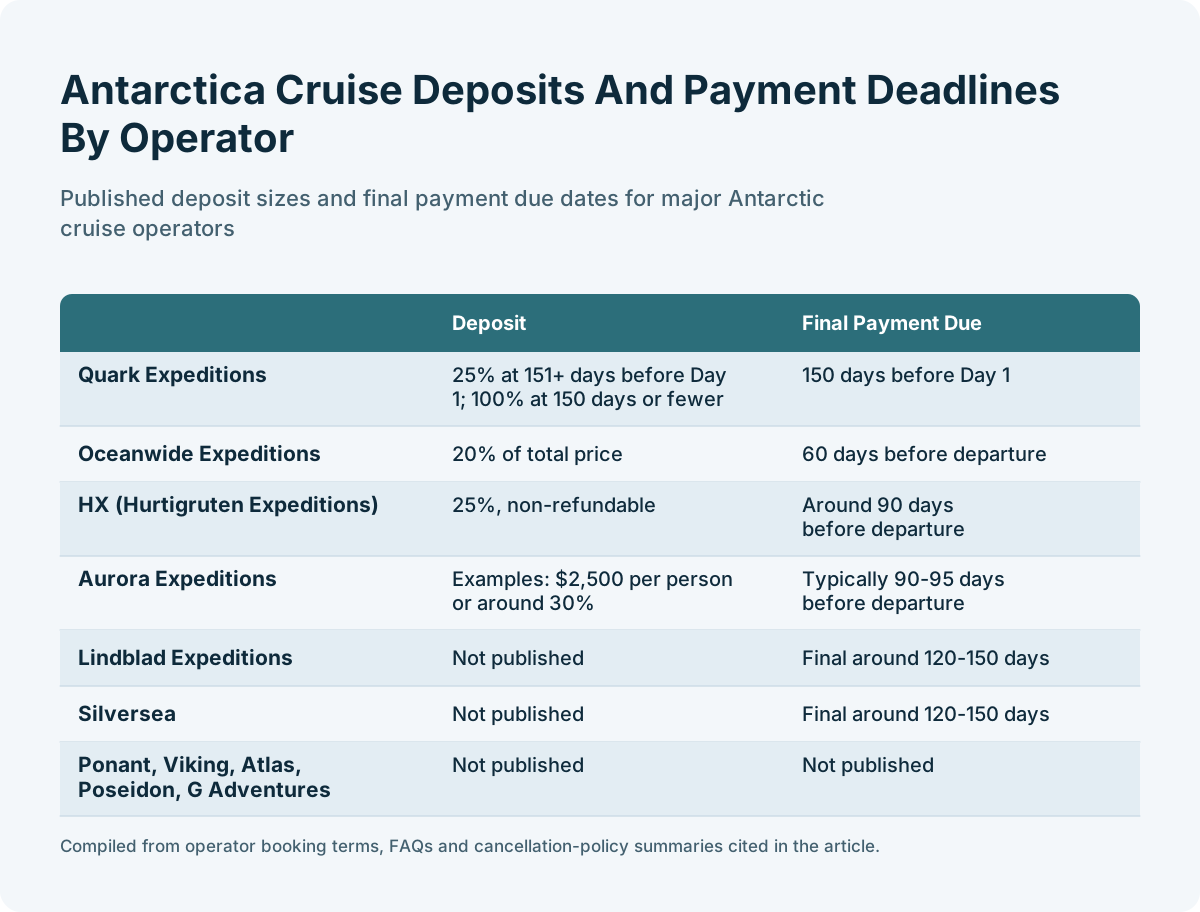
Two patterns are worth noticing. First, the stricter the final payment deadline, the longer your money is exposed before the voyage: paying Quark in full five months out is a different risk than paying Oceanwide two months out. Second, the "not published" rows mean these terms could not be found on the operators' public pages, which is one reason travellers often work through a specialist who can pull the exact schedule for a specific departure. Our guide to booking an Antarctica cruise covers the direct-versus-agent question in more depth.
A practical consequence of these deadlines: the cheapest Antarctic berths are often shoulder-season or promotional, and early-booking offers for 2026-27 and 2027-28 commonly reach 10 to 30 percent off. A deposit placed against an early-booking fare locks the discount but also starts the cancellation clock, which is the subject of the next section.
How Deposits Interact With Cancellation Penalties
Deposits are generally non-refundable from the moment you cancel, and penalties then climb in steps toward 100 percent: Quark's 2026 terms run 25 percent up to 120 days before departure, 75 percent from 119 to 90 days, and 100 percent inside 89 days, while Oceanwide charges 20 percent up to 90 days out, 50 percent from 89 to 60 days, and 100 percent from 59 days or less. In practice, the deposit and the first cancellation tier are usually the same money, so the real question is how much of the balance you lose as the voyage approaches.
| Operator | Early stage | Mid stage | Final stage |
|---|---|---|---|
| Quark Expeditions (2026 terms) | Free cancel within 15 days of booking if more than 180 days out, minus non-refundables; then 25% up to 120 days | 75% from 119 to 90 days | 100% inside 89 days or no-show |
| Oceanwide Expeditions | 20% up to 90 days prior | 50% from 89 to 60 days | 100% from 59 days or less |
| HX | 25% deposit non-refundable | Penalties tier upward toward 100% | 100% inside 14-30 days depending on schedule |
| Lindblad, Silversea | Escalating advance payments after deposit | Tiers rise toward departure | 100% close to departure |
Missing embarkation because of a flight delay is typically treated as a no-show with full penalty, which is why operators recommend flexible flights and a buffer night or two in the gateway city. Our Antarctica travel insurance guide and the quote-comparison walkthrough both dig into how to line up cover against these schedules.
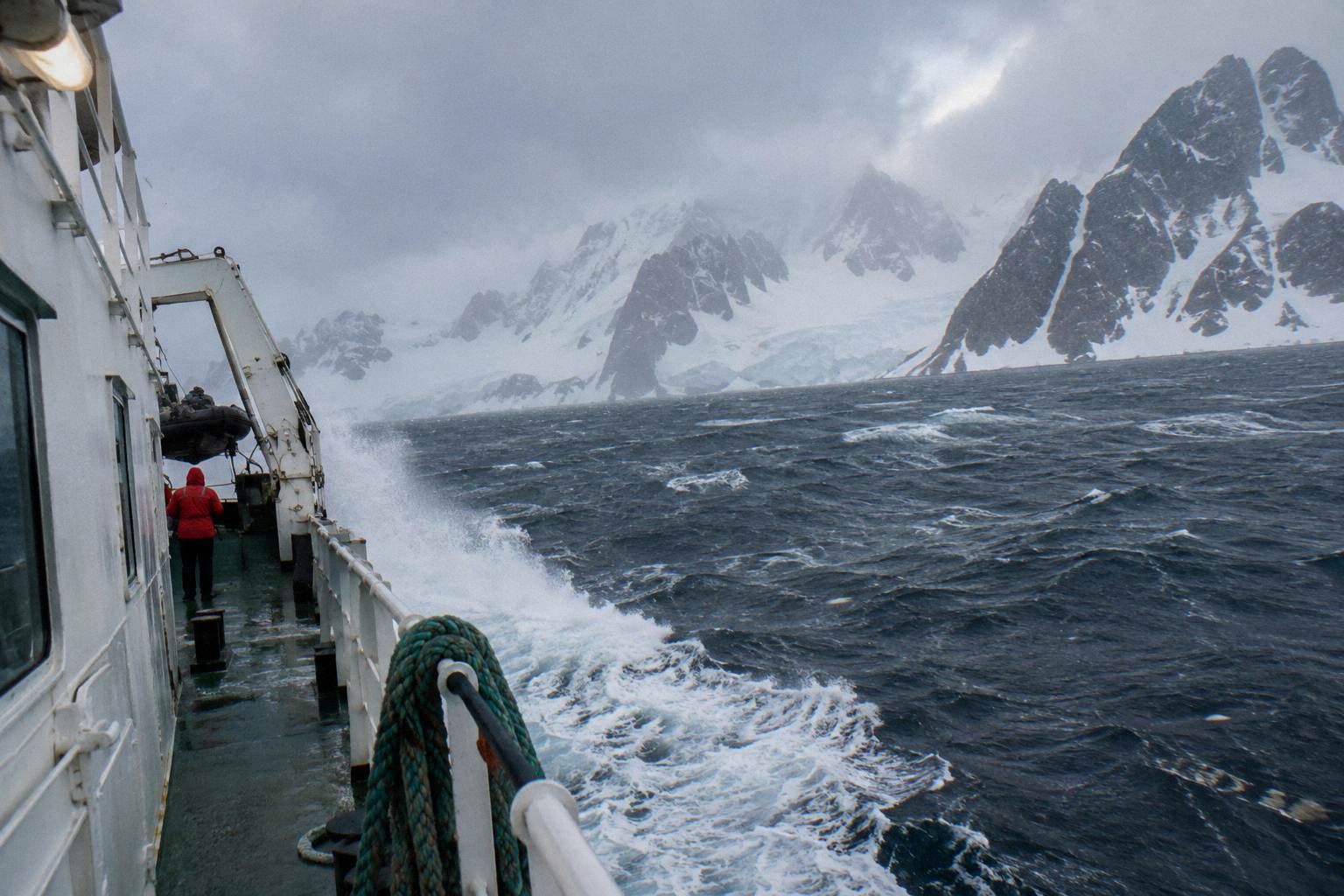
There is also the operator's side of the ledger. Operators have cancelled or altered sailings for mechanical issues, ship sales and charters, and force majeure including weather and ice, and force majeure clauses often limit the operator's liability to a refund of amounts paid without further compensation. In one recent case, HX Expeditions cancelled an Antarctica sailing in November 2026 due to a multi-day storm with 50-plus knot winds and 30 to 40 foot swells, rerouting the ship to the Falklands instead. Weather, in other words, cuts both ways: it can take your landing days away, and it can take the operator's whole voyage away, which is precisely why the payment schedule and the insurance you pair with it deserve equal attention.
When To Buy Travel Insurance Relative To Your Deposit
Buy trip-cancellation and medical-evacuation insurance at the deposit stage, not near final payment: operators impose high medical-evacuation coverage minimums, often require proof before departure or at check-in. Buying early lines your cover up with the date your money is first at risk.
Argentina adds its own layer: the country formally requires health and medical coverage, including evacuation, for foreign visitors as of a 2025 rule update. That requirement sits on top of whatever your operator demands. Travel insurance with medical evacuation is required or recommended by most Antarctic operators and is not included in base fares, according to operator sites and recent cost guides. The wider set of guides lives on Cruises In Antarctica.
Some operators note cancel-for-any-reason options for partial reimbursement, though those are insurance products with their own deadlines and percentages, so read the policy terms alongside the operator's payment schedule.
If the stacking of operator minimums, national rules and waiver windows feels like a lot to reconcile with a payment deadline already on the calendar, it is a genuinely good moment for a second opinion on your booking timeline. The consultation is free, and the person on the other end deals with these schedules every week.
Payment Safety Tips For Booking An Antarctica Cruise
Vet the operator through IAATO's public membership directory, confirm any financial-protection claims (ATOL or ABTA for UK packages, operator bonding or NACOA membership for US travellers) directly, and treat the deposit as the point of no return for checking a company's standing, because IAATO membership indicates a commitment to operating protocols, which is a separate question from how your money is protected. The IAATO directory at iaato.org lists current Operators, Provisional Operators and Associates, and not all Antarctic sellers are members.
Beyond the operator itself, a few habits protect large payments. Ask which payment methods the seller accepts and what protection each carries. Get every figure in writing: confirm all amounts are per person on a double-occupancy basis, note the exact cabin category and inclusions, and review the full cancellation terms, deposit amount and final payment deadline side by side before you transfer anything. Keep the operator's booking terms, not a summary, as your reference document, because the tiers in the previous section come from those terms and they change.
| Checklist item | What to confirm before paying a deposit | Why it matters |
|---|---|---|
| Per-person basis | All figures quoted per person, double occupancy | Single supplements can add 25% to 2x the twin rate |
| Cabin and inclusions | Exact cabin category; what the fare covers (meals, Zodiacs, parka, boots, flights) | Two quotes at the same price are rarely the same product |
| Cancellation tiers | Full penalty schedule in writing, not a summary | Deposit and first penalty tier are often the same money |
| Payment deadline | Exact final payment date for your departure | Quark's 150-day rule means full payment months before sailing |
| Operator standing | IAATO membership directory; bonding or ATOL/ABTA/NACOA claims verified directly | Membership shows protocol commitment, not payment protection |
| Insurance fit | Evacuation minimums and cancellation cover aligned with the payment schedule | Operators often require proof of cover before departure |
It is also worth remembering that the deposit is where the discount and the risk meet. Early-booking offers commonly reach 10 to 30 percent off, and last-minute discounts of 25 to 60 percent have been reported on select 2026-27 departures, but last-minute inventory is limited in cabin choice and uncommon for peak December sailings, which book 18 or more months ahead. A deposit placed early secures the choice and the rate; a deposit placed late may be a full payment under terms like Quark's 150-day rule. The last-minute deals guide covers that trade-off in detail.
How Payment Terms Compare Across Three Popular Ships
Deposit and final payment terms attach to the operator, not the ship, so the trio below shares the schedules of its lines: Quark's 25 percent and 150-day deadline govern Ultramarine, Oceanwide's 20 percent and 60-day balance govern Hondius, and Lindblad's advance-payment structure with a final payment around 120 to 150 days out governs National Geographic Endurance, with Lindblad's deposit size not published. The ships themselves differ in price tier and style, which changes the size of the cheque even when the percentage stays the same.
Ultramarine is Quark Expeditions' 199-guest ship, an upscale expedition ship of 128 metres with a 1A+, PC6 ice class, two twin-engine helicopters on two helidecks and 20 Zodiacs, sailing Antarctic voyages of 12 to 14 days from Buenos Aires and Ushuaia from $12,236 per person on the shared voyage-level fare. A 25 percent deposit on that fare is a meaningful sum, and the 150-day final payment deadline means committing the full amount while the previous hemisphere summer is still running.
Hondius, by contrast, is Oceanwide Expeditions' small-ship budget option: 170 passengers in 80 cabins, built 2019, Polar Class 6 in the operator's wording the first-registered PC6 vessel in the world, sailing 11 to 19-day voyages from Ushuaia from $7,800 per person. Oceanwide's 20 percent deposit and 60-day balance make it the most forgiving published schedule among the three, and the lower fare shrinks the absolute deposit as well. National Geographic Endurance sits between them in price, a 138-guest standard expedition ship with PC5 Category A ice class and the patented X-Bow, sailing from $11,900 per person for the 12-day Voyage to Antarctica, under Lindblad's advance-payment structure.
| Ship | Class | Passengers | Ice class | From, per person | Voyage length | Departs from |
|---|---|---|---|---|---|---|
| UltramarineQuark Expeditions | Upscale Expedition | 199 | 1A+, PC6 | from $12,236 | 12 to 14 days | Buenos Aires, Ushuaia |
| HondiusOceanwide Expeditions | Small-Ship Budget | 170 | Polar Class 6 | from $7,800 | 11 to 19 days | Ushuaia |
| National Geographic EnduranceLindblad Expeditions (with National Geographic) | Standard Expedition | 138 | PC5 | from $10,800 | 12 to 22 days | Ushuaia |
Choosing among these three is really choosing a payment personality: strict and early, gentle and late, or somewhere in between with unstated deposit specifics. Readers weighing these two lines side by side may find our Quark versus Oceanwide comparison useful before any money moves, and anyone unsure which schedule suits their cash flow can ask about timing before committing.
Common Questions About Antarctica Cruise Deposits
How much is the deposit on an Antarctica cruise?
Quark Expeditions takes 25 percent of the fare if you book 151 or more days before departure, and 100 percent if you book 150 days or fewer. Oceanwide Expeditions takes 20 percent. Aurora Expeditions examples run to $2,500 per person or around 30 percent. Most other operators do not publish a deposit figure on their main pages, so the amount depends on the voyage and the seller.
When is final payment due on an Antarctica cruise?
Quark Expeditions requires final payment 150 days before Day 1 of the voyage. Oceanwide Expeditions requires the balance 60 days before departure, with full payment at booking if you are within two months of departure. HX examples run to around 90 days, Aurora to 90 to 95 days, and Lindblad and Silversea to roughly 120 to 150 days depending on the sailing.
Is the deposit refundable if I cancel my Antarctica cruise?
Generally no. Deposits are typically non-refundable, and penalties then climb in steps: Quark's 2026 terms charge 25 percent up to 120 days before departure, 75 percent from 119 to 90 days and 100 percent inside 89 days, while Oceanwide charges 20 percent up to 90 days, 50 percent from 89 to 60 days and 100 percent from 59 days or less. Quark allows a free cancel within 15 days of booking if you are more than 180 days out, minus non-refundable items.
Do I need insurance before paying a deposit?
You should buy trip-cancellation and medical-evacuation insurance at the deposit stage. Operators impose high evacuation coverage minimums and often require proof before departure or at check-in, and Argentina formally requires health coverage including evacuation for foreign visitors. Buying it at the deposit stage lines the cover up with the date your money is first committed.
What happens if the operator cancels my Antarctica sailing?
Operator terms typically allow a refund or rebooking per the contract, and force majeure clauses often limit liability to a refund of amounts paid without further compensation. Sailings have been cancelled or altered for mechanical issues, ship sales and charters, and weather, including one HX Expeditions Antarctica sailing cancelled in November 2026 due to a multi-day storm.
Is it safer to pay an Antarctica cruise deposit by card or bank transfer?
Operators do not publish a comparison of payment methods, so ask the seller what protection each method carries. Whatever the method, vet the operator through IAATO's public membership directory, confirm any financial-protection claims such as ATOL, ABTA or NACOA membership directly, and get the deposit amount, cabin category and full cancellation terms in writing before you transfer anything.
More Weather, Cancellations And Terms
 Severe WeatherStorms, delayed landings, cancelled sailings and what the crew does about it.Read the guide
 Cruise CancellationsOperator and passenger cancellation terms for Antarctic voyages, with real storm examples and four operators' penalty schedules.Read the guide
 Weather ForecastsHow far Antarctic forecasts hold, what captains watch, and how to read the Drake outlook yourself.Read the guide
 Is It SafeThe Polar Code, the 2022 incidents, evacuation routes and insurance minimums, stated plainly.Read the guide