Can An Antarctica Cruise Be Cancelled? Operator And Passenger Terms
 By Oleg G.
An Antarctic voyage is one of the few trips where both sides can cancel: the operator reroutes or scraps a sailing when weather or biosecurity rules intervene, and the passenger faces steep penalty tiers the closer a departure gets. This guide sets out what actually happens, with real examples, and what the published terms of four major operators say you lose.
Quick answer: Yes, on both sides. Operators cancel or reroute Antarctica sailings for storms, mechanical faults, biosecurity measures and force majeure; one November 2026 HX sailing was rerouted to the Falklands in a 50-knot storm. Passengers who cancel face tiered charges: Quark takes 25 percent up to 120 days out and 100 percent inside 89 days, Oceanwide 100 percent inside 59 days.
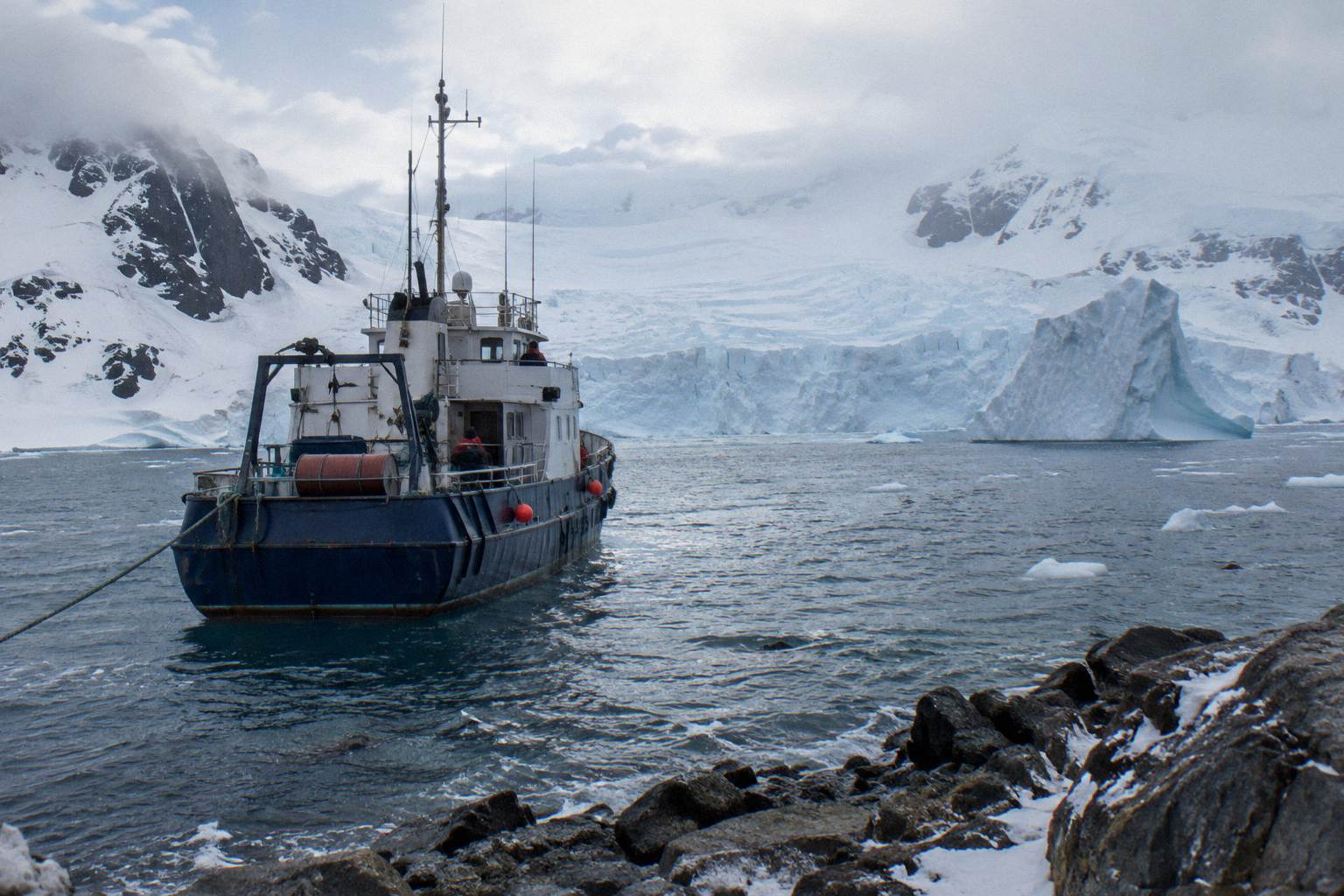
Can An Antarctica Cruise Be Cancelled?
Yes, and from both sides of the contract. Antarctic operators cancel, shorten or reroute sailings when storms, ice, mechanical faults, biosecurity measures or force majeure intervene. Passengers who cancel their own booking face escalating penalty tiers that reach 100 percent of the fare close to departure at every major operator surveyed here. What each side owes the other is written in the operator's booking terms, which differ more between lines than most buyers expect.
An Antarctica cruise is not a normal holiday booking. The continent sits behind the Drake Passage, landings depend on site-specific rules set under the Antarctic Treaty system, and the season runs only from roughly November to March. That concentration of operations into a short window, on a small number of ships, is exactly why Cruises In Antarctica treats cancellation terms as a first-quarter question rather than fine print: in a short season, a cancelled voyage may have no convenient replacement date.
The cancellations come in two directions, and they are governed by different clauses. When the operator cancels, the question is what the fare buys back: a refund, a rebooking, or in some force majeure cases, a refund of amounts paid and nothing further. When the passenger cancels, the question is how much of the fare is forfeited and on what date ladder. The two can interact in ugly ways, as when a delayed flight turns a missed embarkation into a no-show with a full penalty.
The pages behind this guide are the operators' own published terms and recent reporting on disrupted sailings, plus the International Association of Antarctica Tour Operators (IAATO) framework that shapes what ships may do once they are down there. Where an operator's page does not state a figure, this guide prints none. Before any deposit changes hands, it is worth running your dates and your backup plans past a free Antarctic voyage consultation, because the terms you sign are the ones that decide what a cancelled trip returns.
When Operators Cancel Antarctica Sailings
Operators cancel or alter Antarctic sailings for severe weather, mechanical failure, ship sales or charters, biosecurity measures and force majeure. In November 2026 an HX Expeditions sailing was cancelled outright for a multi-day storm and rerouted to the Falklands. The 2023-24 season saw Peninsula sites limited to Zodiac cruising or closed under avian flu protocols. These outcomes are rare, but they are documented, and they are the reason the refund language in your booking terms matters.
The clearest recent example is a storm. In November 2026, HX Expeditions cancelled an Antarctica sailing due to a multi-day storm packing winds above 50 knots and swells of 30 to 40 feet, rerouting the ship to the Falklands instead. Passengers on that sailing did not get their Antarctic landings; what they received back depended on the operator's terms for a cancelled or substantially altered voyage. That single event is a fair preview of what operator-side cancellation looks like: a decision made for safety, communicated before or during the voyage, and settled afterwards under contract language most passengers never read.
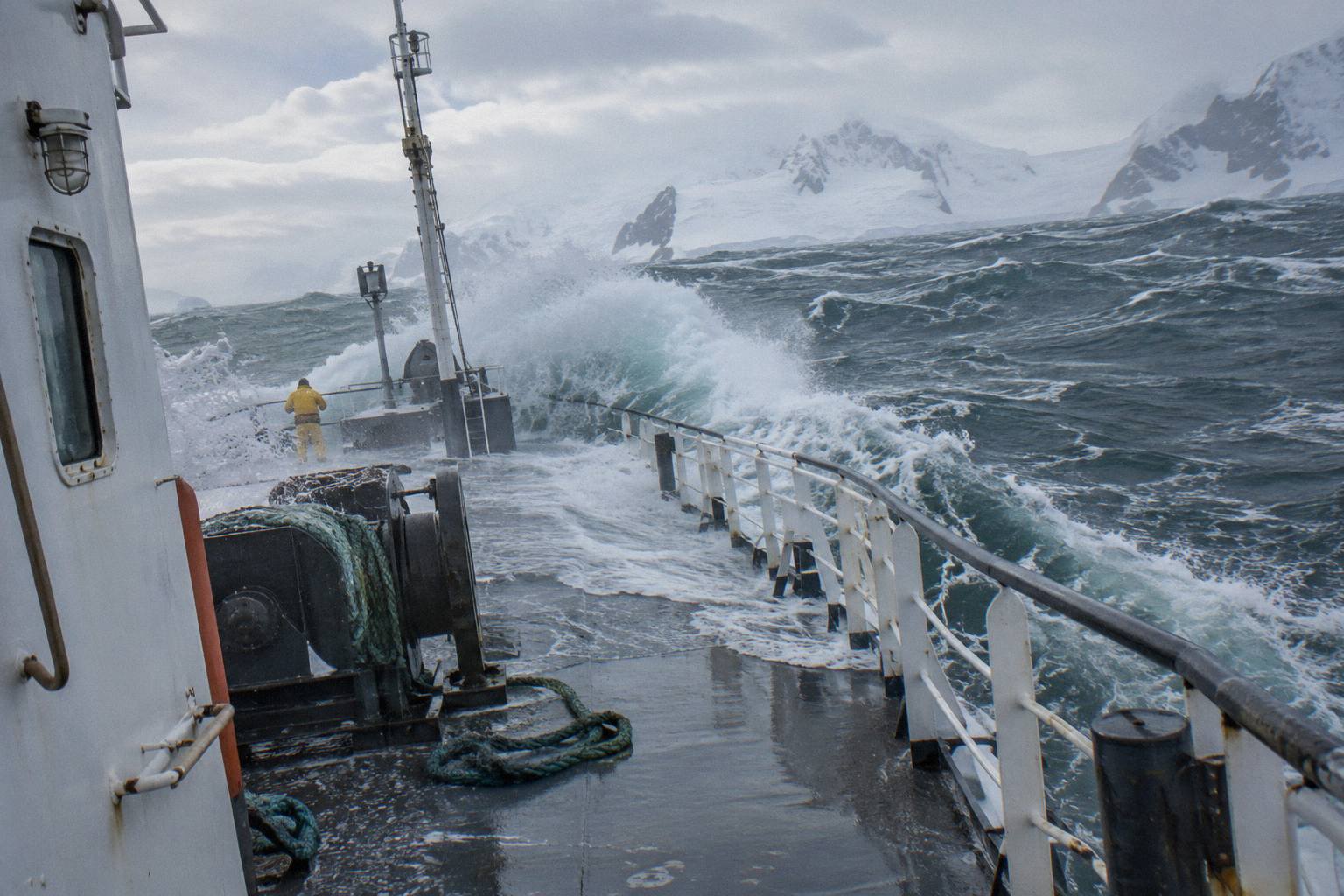
Weather is not the only cause. Reporting on recent seasons lists mechanical issues, ship sales and charters, and force majeure including weather and ice among the reasons operators have cancelled or altered Antarctic sailings. The avian flu season of 2023-24 is the biosecurity example: some Peninsula sites were limited to Zodiac cruising or closed entirely, while South Georgia landings became discretionary with scouting. A voyage can also be "cancelled" in part, with a scheduled Weddell Sea day or a Circle attempt dropped and the rest of the itinerary sailed as planned. Partial changes are far more common than whole-ship cancellations, and how they are compensated depends on the operator's terms.
The table below gathers the documented cases worth knowing about before you pay a deposit. None of them is a reason to stay home; all of them are a reason to read the terms and to book with a card and an insurance policy that treat a cancelled voyage as a recoverable loss rather than a sunk one.
| Season | Ship Or Operator | What Happened | Documented Outcome |
|---|---|---|---|
| November 2026 | HX Expeditions sailing | Multi-day storm, winds above 50 knots, swells of 30-40 ft | Antarctica sailing cancelled, ship rerouted to the Falklands |
| November 2022 | Viking Polaris | Struck by a breaking wave south-east of Cape Horn in the Drake Passage | One passenger killed, others injured; the next December voyage was cancelled |
| October 2025 | Clelia II | Heavy weather with 50-knot winds and 7-8 m waves; loss of power in one engine | Assisted while limping toward Ushuaia, then regained mobility |
| 2023-24 season | Multiple Peninsula operators | Avian flu biosecurity measures | Some sites limited to Zodiac cruising or closed; South Georgia landings discretionary with scouting |
If a storm like the November 2026 one is the scenario that worries you most, the deeper picture of what that weather does to a schedule is in the site's guide to severe weather on Antarctic cruises, and the specific case of the Polaris wave is covered in the Drake Passage material. What matters for the contract is simpler: an operator who cancels for safety is acting within terms you agreed to, and the remedy is whatever those terms say.
What Operator Terms Promise When A Sailing Is Scrapped
Operator terms typically promise a refund or a rebooking when the operator cancels a voyage, but force majeure clauses often limit liability to refunding amounts paid, without further compensation. That means a cancelled sailing usually returns your money, not your holiday, and not the airfare you spent reaching Ushuaia or Punta Arenas. Read the clause before you pay, not after.
Oceanwide Expeditions carries a force majeure clause in its published terms and conditions that limits liability to refunding the amounts paid, without further compensation. That is the honest baseline: if a voyage is cancelled for a reason outside the operator's control, the remedy is your money back, not a make-good voyage at a date of your choosing or a payment for the flights and hotels you lost around it. Operator terms typically allow refunds or rebooking options per the contract, so check which one yours promises.
Two practical consequences follow. First, the ancillary costs are usually the passenger's loss: the flight to Buenos Aires, the hotel in Ushuaia, the week of leave from work. Those are exactly what trip cancellation and interruption insurance exist for, and they are the reason most operators recommend flexible flights and insurance rather than penalty fares booked six months in advance. Second, the timing of a cancellation changes everything. A voyage scrapped a month out is an inconvenience with a refund; a voyage rerouted mid-sailing, like the Falklands case, leaves you choosing between acceptance on board and whatever complaint process follows after disembarkation.
It is also worth separating a cancellation from a substantial alteration. Operators generally reserve the right to change itineraries, landing sites and even ports for safety, ice or regulation; IAATO's framework, under which only one ship may visit a site at a time and landings are capped, already assumes flexibility. A refundable fare and a transferable fare are two different products, and the operator's terms tell you which one you are buying. When the difference between "refund" and "rebook" matters to your calendar, reviewing the terms with a specialist first costs nothing and can save a deposit.
Missing Embarkation Through A Flight Delay
If a delayed flight makes you miss the ship, the standard treatment is a no-show with a full penalty: the fare is forfeited, because the sailing left without you. This is why operators recommend arriving a night or two before embarkation and booking flexible flights. Missing the ship is the one cancellation scenario where the passenger loses everything through no cancellation decision of their own.
Ushuaia is reached mostly through domestic connections out of Buenos Aires, and those connections are weather-prone in peak season; the standard advice is at least one pre-cruise night in the gateway city. The reason is mechanical and unforgiving: expedition ships sail on schedule, and no one holds them. The published guidance on contingency planning for missed embarkations is blunt that a passenger arriving after departure is treated as a no-show under the operator's terms, with the fare forfeited in full. Your travel insurance may respond, depending on the policy wording, but the operator is not the one paying.
The fly-cruise routes have a second version of this problem, one where the flight is part of the product. Charter aircraft to King George Island are delayed by fog, low cloud and wind at the gravel airstrip, and the operators who sell those flights build the delay handling into their terms: gateway hotel stays, meals, adjusted onboard time or itineraries. On the sailing side there is no such machinery; the ship has left. A passenger booking a Drake sailing should treat the arrival flight as part of the expedition, with the same buffer days attached.
Practical rules fall out of this. Arrive a night early, ideally two. Book flights the airline will rebook rather than penalty fares. Keep the insurance certificate that covers a forfeited fare. And know the ship's sailed-without-you policy before you book, because it is in the same terms document as the cancellation ladder.
Fly-Cruise Delays At King George Island
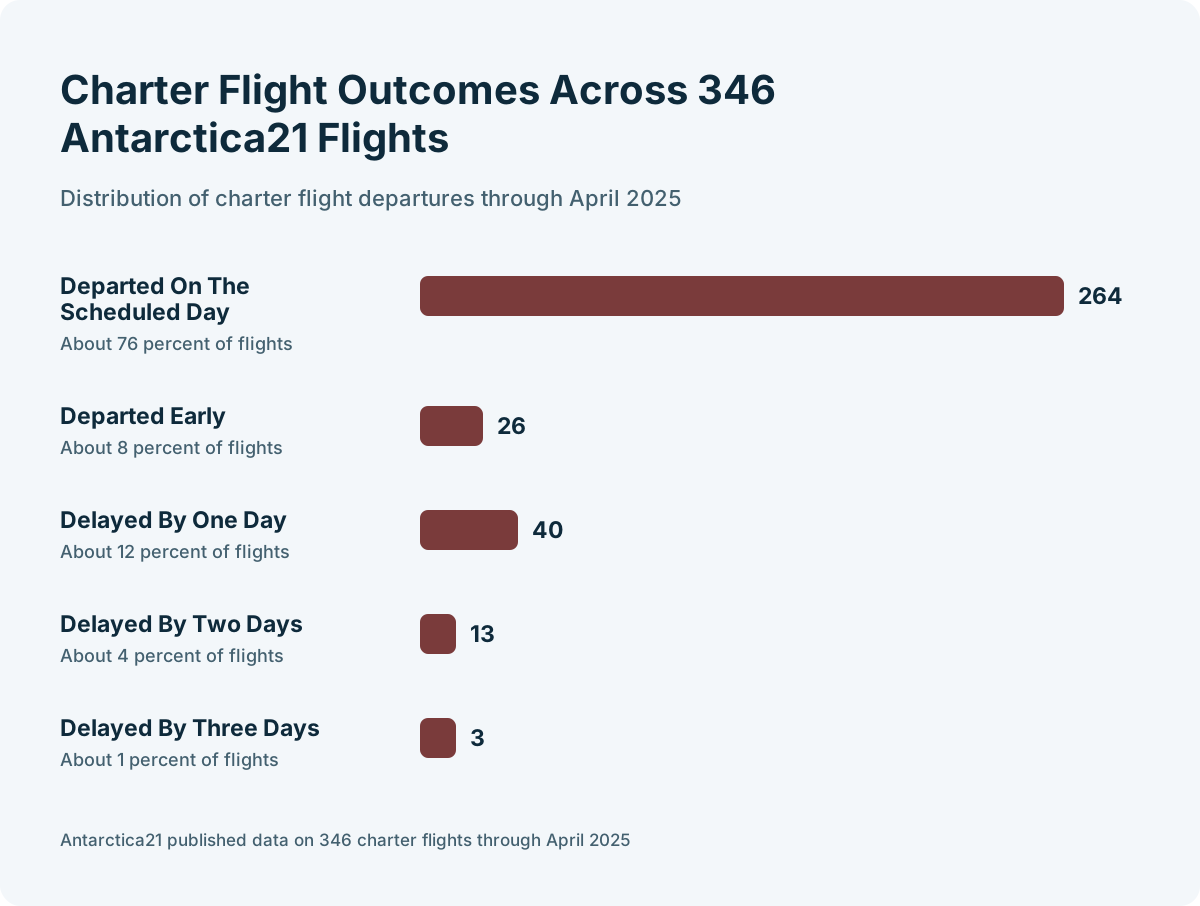
Fly-cruise passengers do not miss the ship; they wait for the plane. Antarctica21's published data on 346 charter flights through April 2025 shows 264 departed on the scheduled day, 26 flew early, 40 were delayed one day, 13 two days and 3 three days. Operators respond with gateway hotel stays, meals and adjusted itineraries, and about 80 percent of fly-cruise departures run on schedule per Silversea's reporting.
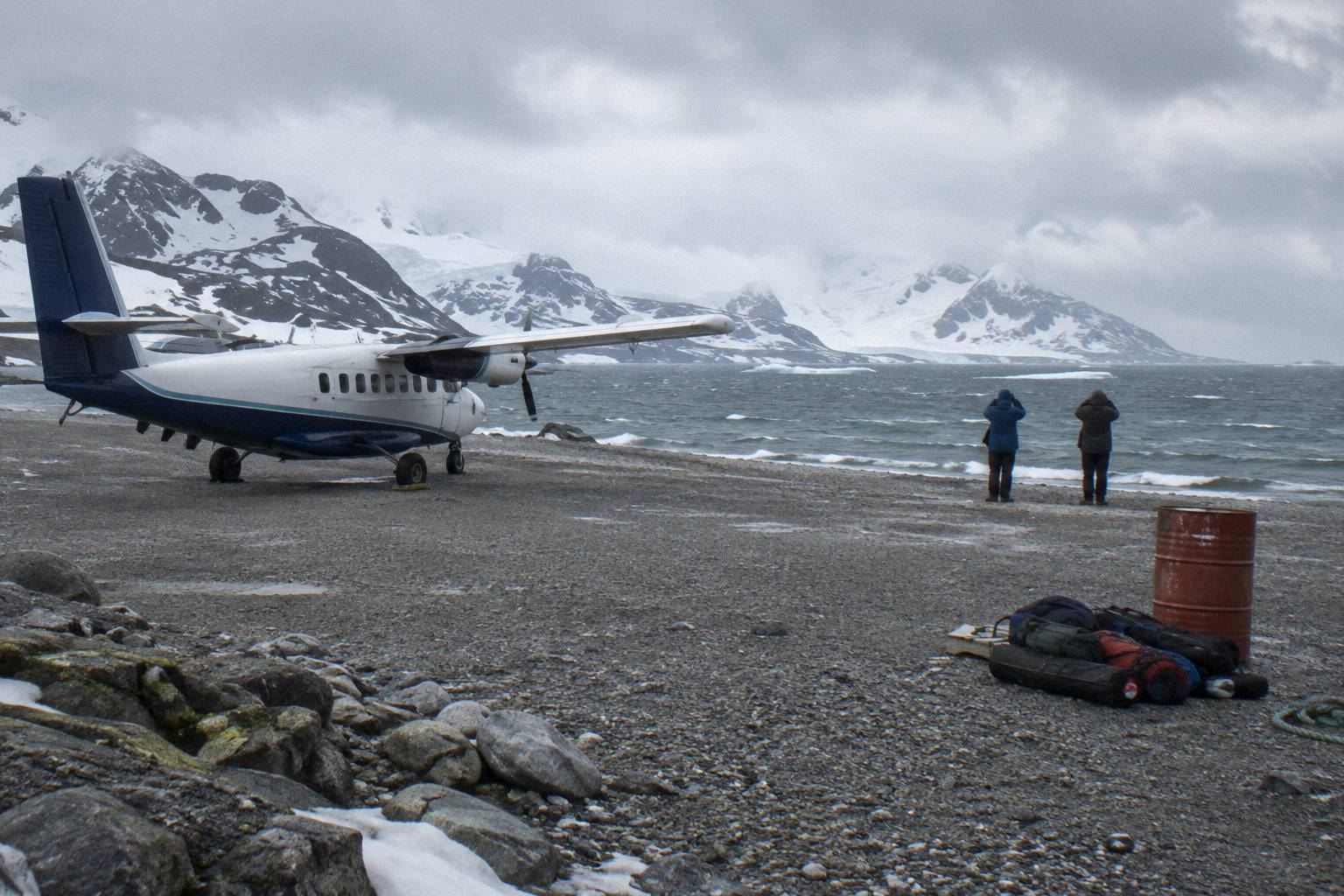
The fly-cruise model removes the Drake Passage entirely, trading two days of open ocean each way for a roughly two-hour charter flight from Punta Arenas or Puerto Williams to King George Island. The trade is time certainty: the airstrip is gravel, weather decides the schedule, and fog, low cloud or wind delays flights. Antarctica21 has published the distribution across 346 flights through April 2025, which is the most concrete dataset in the sources behind this guide, and it is worth reading before paying the premium a fly-cruise carries.
| Charter Flight Outcome (346 Flights Through April 2025) | Flights | Share Of Total |
|---|---|---|
| Departed on the scheduled day | 264 | About 76 percent |
| Departed early | 26 | About 8 percent |
| Delayed by one day | 40 | About 12 percent |
| Delayed by two days | 13 | About 4 percent |
| Delayed by three days | 3 | About 1 percent |
What the numbers say is that roughly three flights in four leave on schedule, and roughly one in eight leaves a day late. Silversea separately reports that about 80 percent of its fly-cruises depart on schedule, with delays of one to three days occurring; the company's answer, like other operators', is to provide gateway hotel stays and meals and adjust the onboard time or the itinerary rather than cancel. That is the fly-cruise's quiet advantage in cancellation terms: your voyage does not sail without you, it waits for the aircraft, and the operator's terms already price in the waiting.
That does not make a fly-cruise cancellable-proof. Flights can be delayed long enough to shorten a voyage materially, weather at the island can cut landings, and the fare premium over a comparable sailing itinerary is real. What the data supports is that the delay risk is bounded and handled, while the sailing-side risk, missing the ship, is binary. Which risk you prefer is a genuine decision point, and it is one of the questions worth taking to the consultation before you commit to either model.
Which Insurance Covers An Antarctica Cruise Cancellation
The relevant cover comes in three types: trip cancellation for passenger-initiated withdrawals, trip interruption for a voyage cut short or missed, and medical and evacuation coverage for what happens down there. Some operators note cancel-for-any-reason options for partial reimbursement. No single policy limit fits every itinerary, and the figures below are types of cover, not a recommended number.
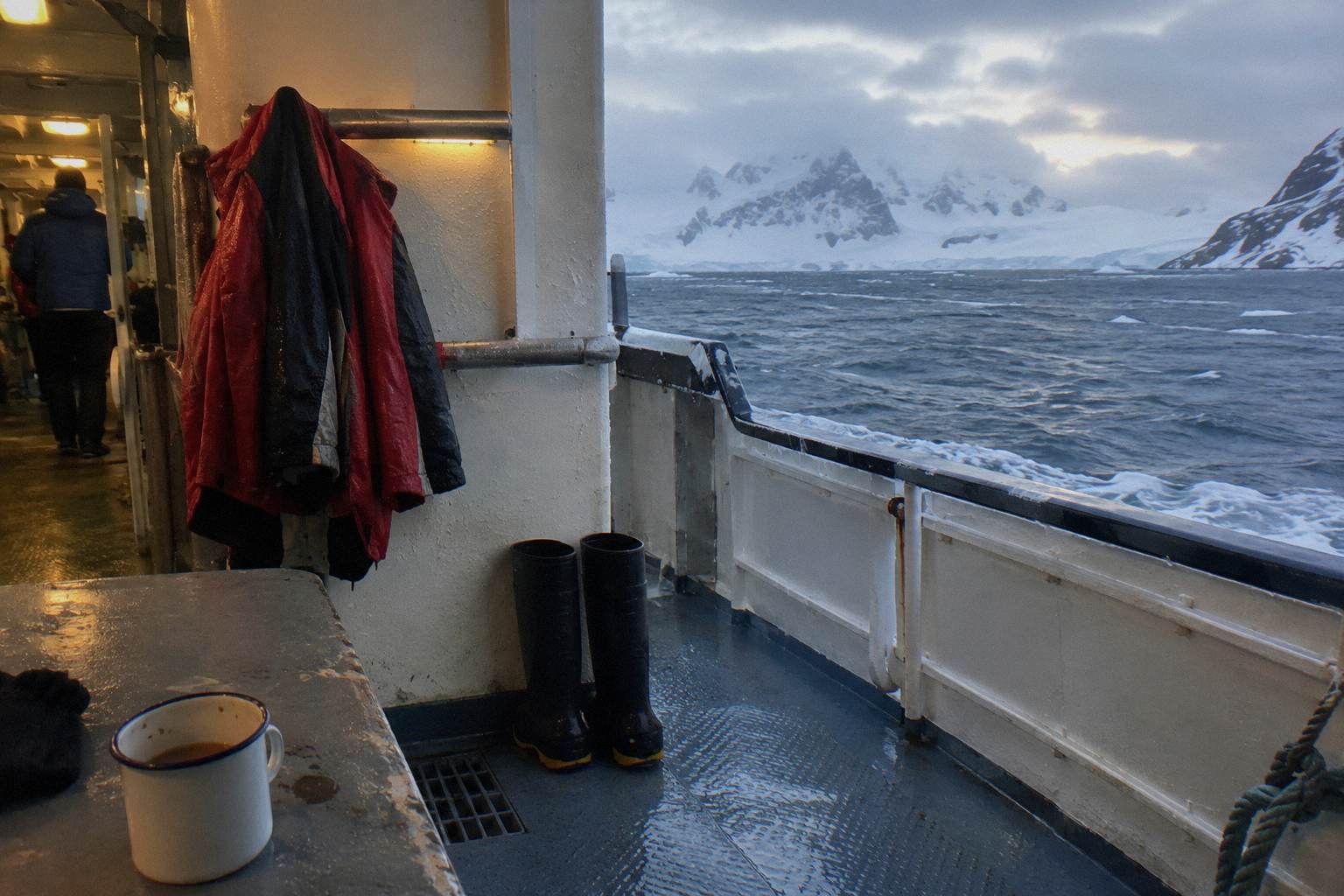
Insurance on an Antarctic booking does two separate jobs, and it is worth keeping them apart. Cancellation and interruption cover the money: the fare you lose if you withdraw, the fare forfeited if you miss the ship, the costs of coming home early when a voyage is rerouted. Medical and evacuation cover the person, and on a continent with no hospital this is the cover that matters most; expedition-focused insurers publish comparison pages because the operators themselves impose requirements. The two are usually sold together in a single travel policy, and the operator's booking terms tell you which parts they expect you to hold.
| Insurance Type | What It Covers | Why It Matters For An Antarctic Voyage |
|---|---|---|
| Trip cancellation | Prepaid, non-refundable costs when you withdraw before departure | Offsets the operator's penalty ladder if you must cancel for a covered reason |
| Trip interruption | Costs of abandoning or extending a trip once it has started | Responds when a rerouted or shortened voyage strands plans you paid for separately |
| Medical and evacuation | Treatment and transfer costs, including to a facility with real care | Antarctica has no hospital-level care; evacuation logistics are complex and expensive |
| Cancel for any reason | Partial reimbursement on most grounds, at a premium | Some operators note CFAR options as a partial answer to penalty schedules |
The operator side of the equation is documented: the same terms that set penalty schedules also recommend, and in some cases require, that passengers hold insurance, and the guidance on missed embarkations explicitly pairs flexible flights with insurance. What no source here supports is a universal claim about how much evacuation cover you need or whether any given passenger is medically suitable for a polar voyage; those are individual questions, and the site's Antarctica travel insurance guide covers the terrain without inventing limits. Buy the policy before the final payment date, not at the airport, because a policy purchased after you already know a trip is in trouble is not insurance.
Passenger Cancellation Penalty Schedules Compared
Quark Expeditions charges 25 percent of the fare up to 120 days before departure, 75 percent between 119 and 90 days, and 100 percent inside 89 days, with a 25 percent deposit and free cancellation within 15 days of booking if more than 180 days out. Oceanwide charges 20 percent up to 90 days prior, 50 percent between 89 and 60 days, and 100 percent inside 59 days. HX and Lindblad or Silversea follow similar ladders to 100 percent.
The passenger side of cancellation is a date ladder, and the ladders are steeper than most travellers assume. The general pattern across operators is a non-refundable deposit of roughly 15 to 25 percent, a final payment due around 90 to 120 days before departure, and charges escalating to 100 percent of the fare near departure or for a no-show. The differences between operators are in the thresholds, and they are large enough that a November booking and a March booking can sit on completely different rungs of the same ladder at the moment you need to withdraw.
| Operator | Deposit | Final Payment | Published Cancellation Charges |
|---|---|---|---|
| Quark Expeditions | 25 percent of total price | About 120 days before departure | Free cancellation within 15 days of booking if more than 180 days out, minus non-refundables; then 25 percent up to 120 days out, 75 percent from 119 to 90 days, 100 percent inside 89 days |
| Oceanwide Expeditions | Not stated | Not stated | 20 percent of total price up to 90 days prior, 50 percent from 89 to 60 days, 100 percent from 59 days or fewer |
| HX (Hurtigruten Expeditions) | 25 percent, non-refundable, varies by departure year | About 90 days before departure | Penalties tier upward, reaching 100 percent inside roughly 14 to 30 days depending on the schedule |
| Lindblad Expeditions and Silversea | Advance payment on booking | Around 120 to 150 days before departure | Escalating penalties reaching 100 percent close to departure |
Read the Quark line carefully, because the 15-day free cancellation window at booking is the most forgiving single clause in the set: book more than 180 days out and you have a fortnight to walk away without losing the fare, though not necessarily any non-refundable extras. After that the schedule is unremarkable and firm. The Oceanwide schedule is flatter and reaches 100 percent later, which matters if your risk is a decision you might make two months out. HX and the Lindblad or Silversea pattern are steeper on the deposit and flexible on the details, with HX's terms varying by departure year in a way that means the only schedule that governs your booking is the one attached to it.
Three practical readings follow from the table. First, the moment of maximum exposure is the window after final payment and before boarding, when 100 percent is already forfeit and the trip has not started; that is what cancellation insurance is for. Second, a deposit is not a holding fee, it is the first rung of the ladder, so changing your mind late in the season costs real money. Third, the schedules above are the operators' published terms as reported, and individual departures, charters and promotions can carry their own conditions, so the binding text is the schedule in the confirmation, not the one in a guide. The two years I spent comparing these documents across operators convinced me the ladders matter more than the headline fares do, and they are the first thing to check when a promotion looks too good.
Does Your Ship Choice Change The Cancellation Risk
The terms follow the operator, not the ship: a Quark booking carries Quark's penalty schedule whichever hull you sail, and an Oceanwide booking carries Oceanwide's. But the ship shapes what a weather disruption looks like, through ice class, stabilisation and landing capacity, and the three ships compared here, Ultramarine, Hondius and Greg Mortimer, sit at three different points on that spectrum.
Ultramarine is Quark Expeditions' 199-passenger ship of 128 metres carrying an ice class of 1A+ and Polar Class 6, with two twin-engine Airbus H145 helicopters on two helidecks and a hangar of 20 Zodiacs. Antarctic Peninsula voyages on the Quark search page list from $12,236 per person at the voyage level, a fare shared across the line's ships rather than exclusive to this one, and the cancellation schedule that governs a booking on her is the 25-to-100 percent ladder above. In cancellation terms her significance is different: the helicopter and Zodiac capacity give an itinerary more ways to deliver something when a landing site closes, which is the most common form a disruption takes.
Hondius, by contrast, is Oceanwide Expeditions' 2019-built, 107.6-metre ship for 170 passengers in 80 cabins, Polar Class 6, with the operator's own wording that she was the first-registered vessel of that class in the world. Peninsula departures list from $7,800 per person, and the booking carries Oceanwide's flatter schedule: 20 percent up to 90 days, 50 percent from 89 to 60 days, 100 percent inside 59 days. That is a materially different risk profile for a traveller who might need to withdraw eight weeks out; the site's Hondius guide covers the ship herself in more detail.
Greg Mortimer is Aurora Expeditions' 2019-built, 130-passenger expedition ship with an Ulstein X-Bow hull, from $19,521 per person on the operator's Antarctic cards, with voyages running 12 to 26 days from Ushuaia. Her hull form is the relevant detail for this article: X-Bow hull designs are among the technologies modern polar-class ships use to improve comfort and safety on the Drake Passage transit.
| Ship | Class | Passengers | Ice class | From, per person | Voyage length | Departs from |
|---|---|---|---|---|---|---|
| UltramarineQuark Expeditions | Upscale Expedition | 199 | 1A+, PC6 | from $12,236 | 12 to 14 days | Buenos Aires, Ushuaia |
| HondiusOceanwide Expeditions | Small-Ship Budget | 170 | Polar Class 6 | from $7,800 | 11 to 19 days | Ushuaia |
| Greg MortimerAurora Expeditions | Upscale Expedition | 130 | – | from $19,521 | 12 to 26 days | Ushuaia |
The honest summary is that no ship prevents a cancellation, and no ice class buys out a force majeure clause. What the ship can buy is margin: helicopters and more Zodiacs give an itinerary more options when a site closes, and a stabilised or X-Bow hull makes the two-day crossing more comfortable. If your priority is a specific ship, the season and the penalty schedule attached to her bookings are the two facts to confirm before you pay, and both are exactly what the consultation exists to untangle.
Common Questions About Antarctica Cruise Cancellations
Can an Antarctica cruise be cancelled by the operator?
Yes. Operators have cancelled or rerouted Antarctic sailings for severe weather, mechanical failure, ship sales or charters, biosecurity measures and force majeure. A November 2026 HX Expeditions sailing was cancelled for a multi-day storm with winds above 50 knots and rerouted to the Falklands, and the 2023-24 season saw Peninsula sites limited or closed under avian flu protocols.
Do I get a refund if my Antarctica cruise is cancelled?
Operator terms typically offer a refund or rebooking when the operator cancels, but force majeure clauses often limit liability to refunding the amounts you paid, without further compensation. Your flights, hotels and leave are generally your own loss, which is what trip cancellation and interruption insurance exists to cover.
What does it cost if I cancel my own Antarctic voyage?
It depends on how far out you cancel. Quark Expeditions charges 25 percent up to 120 days before departure, 75 percent from 119 to 90 days and 100 percent inside 89 days. Oceanwide charges 20 percent up to 90 days out, 50 percent from 89 to 60 days and 100 percent inside 59 days. HX, Lindblad and Silversea follow similar escalating ladders.
What happens if a flight delay makes me miss the ship?
The standard treatment is a no-show with a full penalty: the fare is forfeited because the sailing left without you. This is why operators recommend arriving at least one night before embarkation, booking flexible flights, and carrying insurance that responds to a forfeited prepaid fare.
Do fly-cruise flights to Antarctica get cancelled or delayed?
They get delayed more often than cancelled. Across 346 Antarctica21 charter flights through April 2025, 264 departed on the scheduled day, 26 flew early, 40 were delayed one day, 13 by two days and 3 by three days. Operators respond with gateway hotel stays, meals and adjusted itineraries rather than cancelled voyages, and Silversea reports about 80 percent of its fly-cruises depart on schedule.
Is travel insurance enough to cover an Antarctic cancellation?
A policy that includes trip cancellation, trip interruption and medical evacuation coverage addresses the three main exposures: the penalty ladder if you withdraw, the costs if a voyage is cut short or missed, and treatment or transfer in a region with no hospital care. Some operators note cancel-for-any-reason options for partial reimbursement. The right limit depends on your fare, your flights and your health, so match the policy to the booking rather than to a generic number.
More Weather, Cancellations And Terms
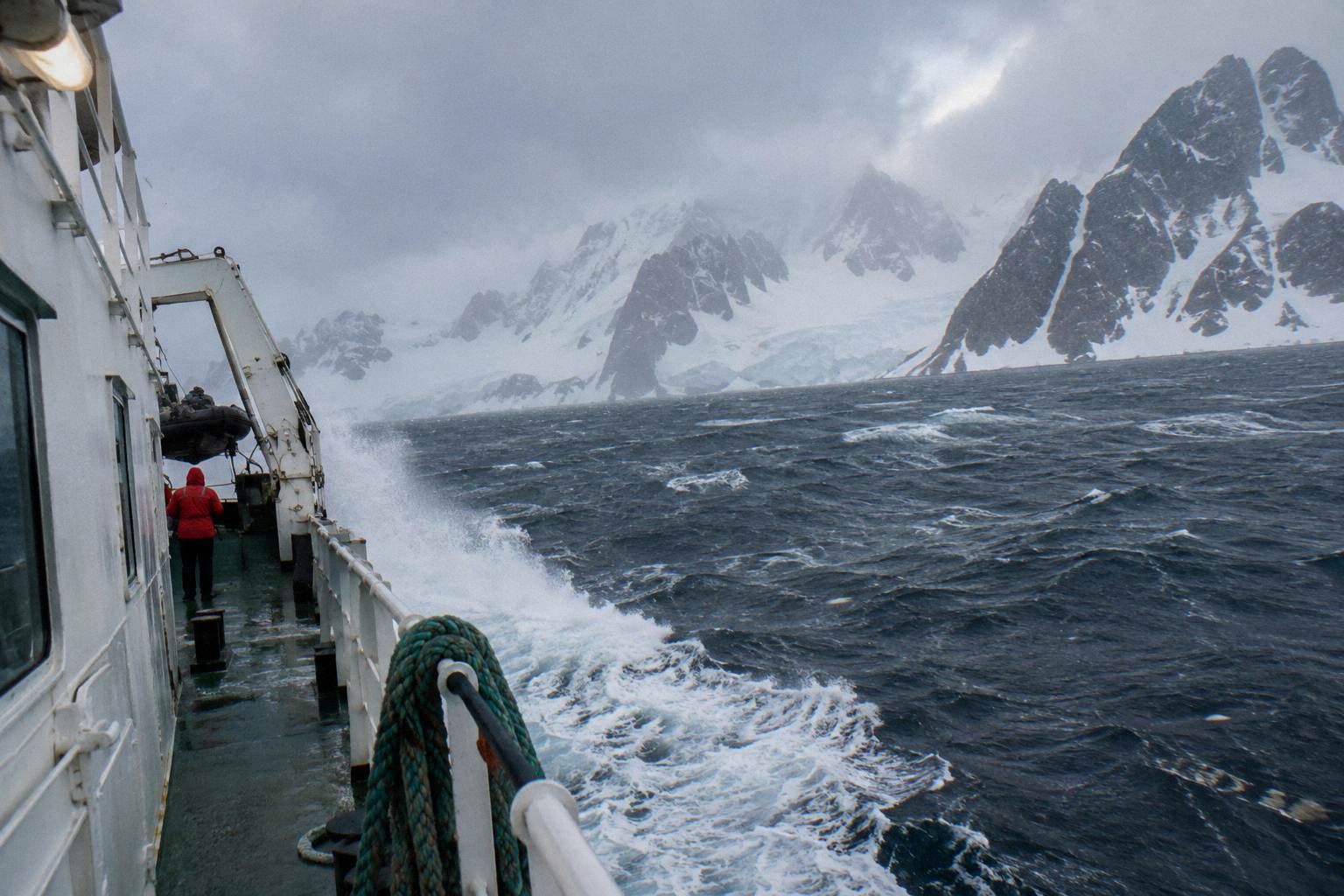 Severe WeatherStorms, delayed landings, cancelled sailings and what the crew does about it.Read the guide
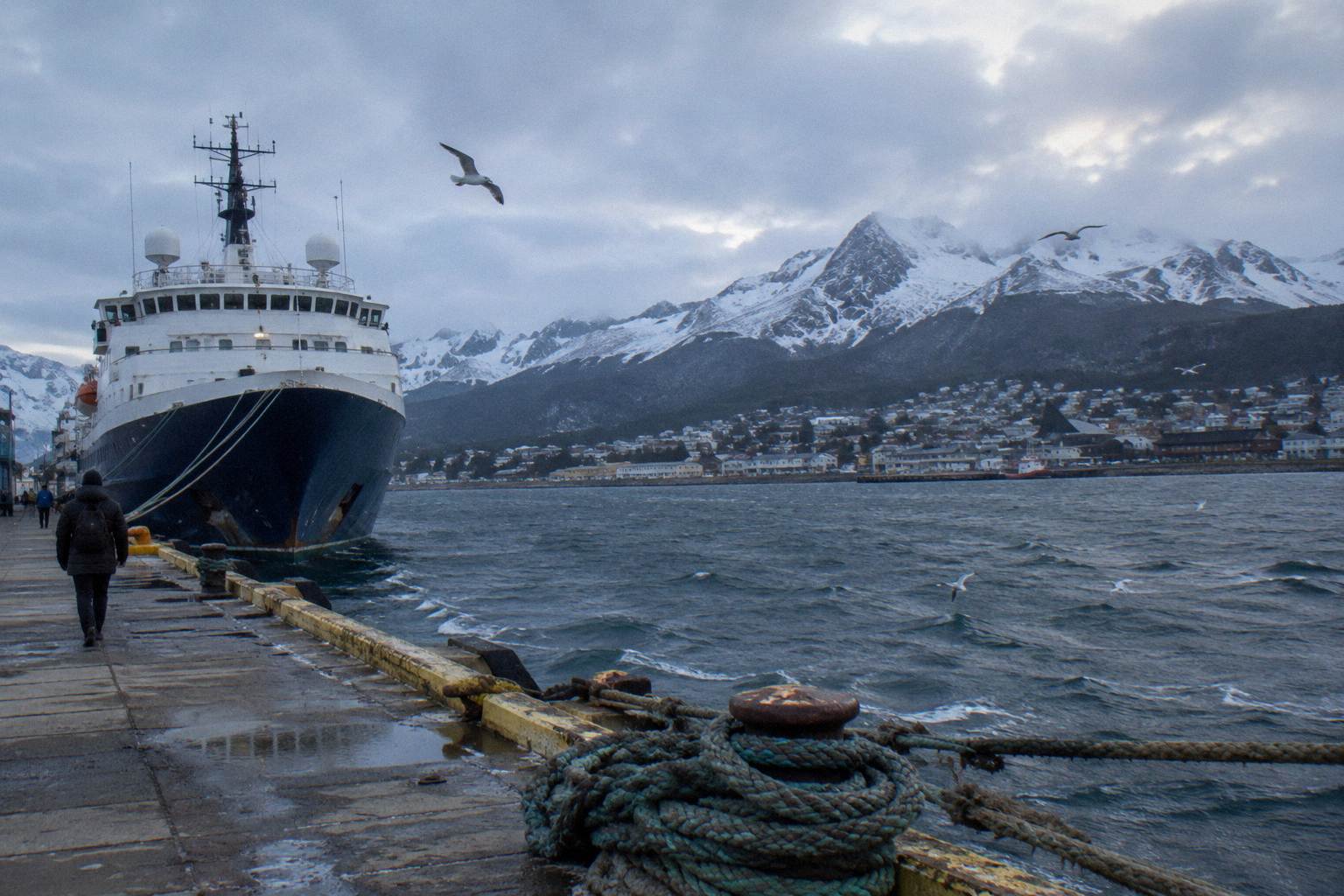 Deposits And PaymentsDeposit sizes, final payment deadlines and cancellation penalties for Antarctica cruises, operator by operator.Read the guide
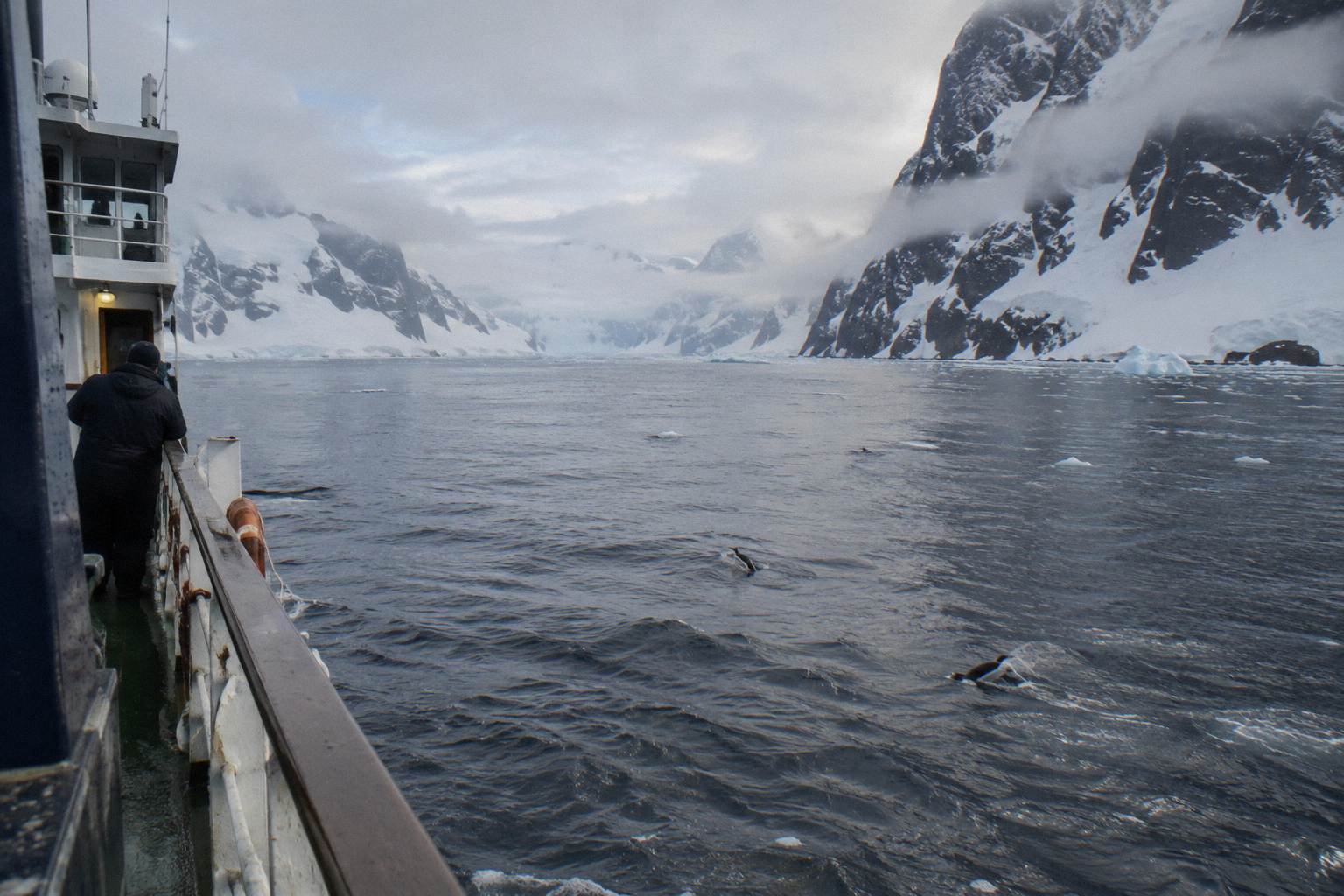 Weather ForecastsHow far Antarctic forecasts hold, what captains watch, and how to read the Drake outlook yourself.Read the guide
 Is It SafeThe Polar Code, the 2022 incidents, evacuation routes and insurance minimums, stated plainly.Read the guide