Antarctica Cruise Documents Checklist: Passport, Visas And Forms
 By Oleg G.
Antarctica itself issues no visa and stamps no passport, so your document burden is really Argentina's and Chile's, plus whatever your operator requires before you board. Here is the full list, from the six-month passport rule to the insurance minimums that vary by line.
Quick answer: You need a passport valid for at least six months beyond your travel dates, no visa for Argentina or Chile if you hold a US, UK, EU, Australian or Canadian passport, a completed medical form, and proof of travel insurance with medical evacuation cover of roughly $150,000 to $500,000 depending on the operator. There is no Antarctica visa; your operator handles the Antarctic Treaty paperwork.
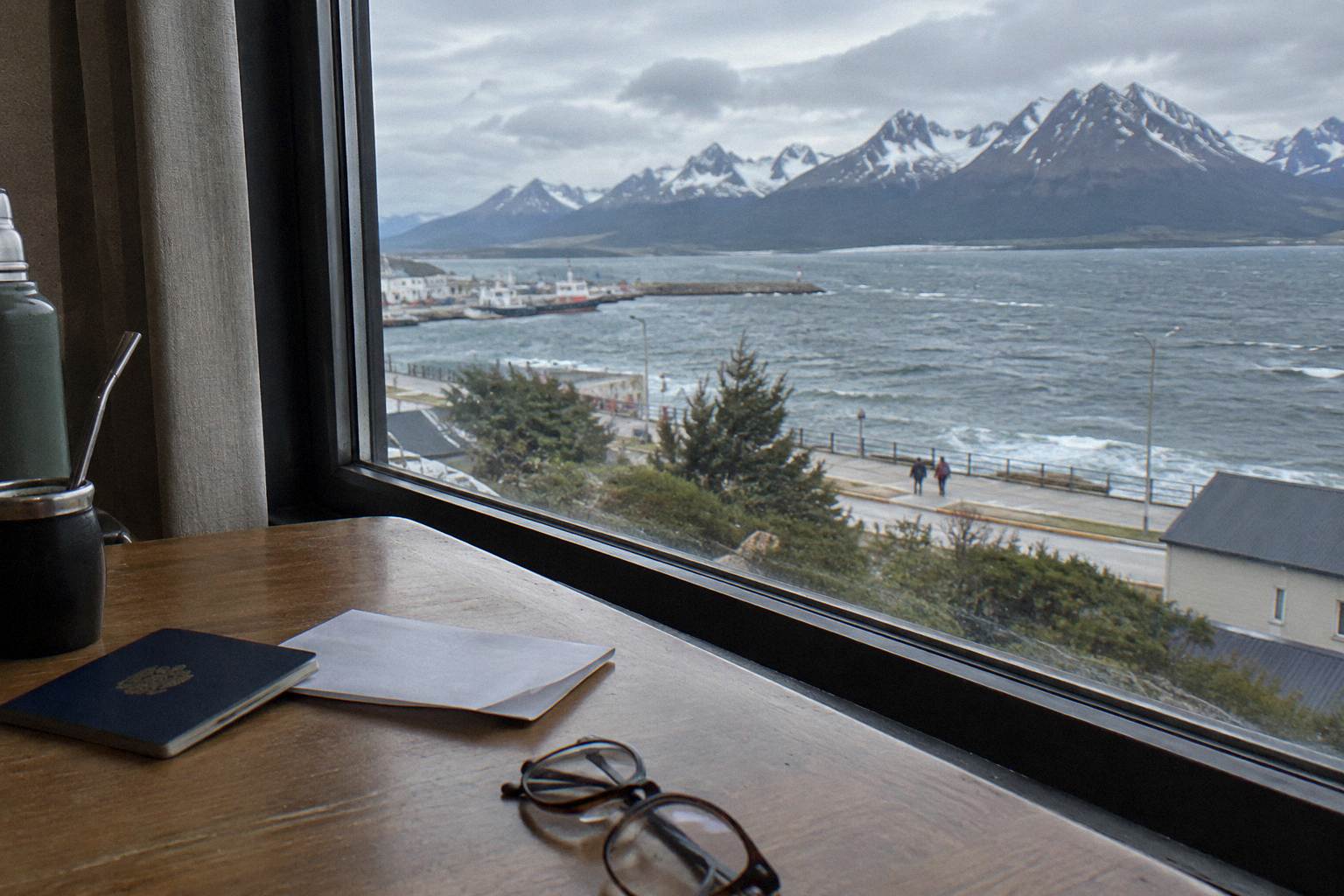
What Documents Do You Need For An Antarctica Cruise?
An Antarctica cruise asks for four layers of paperwork: a passport valid well beyond your return date, evidence of your right to enter Argentina or Chile depending on your gateway, an operator medical form signed by a doctor, and proof of travel insurance that includes medical evacuation. There is no Antarctica visa and no Antarctic entry stamp, because the continent has no immigration authority. The Treaty-level environmental permit is filed by the operator, not by you.
The paperwork sits in two piles. The first pile is governmental: your passport, plus whatever Argentina or Chile requires of your nationality, because virtually every expedition cruise starts in Ushuaia in Argentina or Punta Arenas or Puerto Williams in Chile. The second pile is operational: forms the cruise operator collects before it will let you board. Miss a government requirement and an airline stops you at check-in. Miss an operator form and the ship can refuse embarkation, and operator cancellation penalties escalate to 100 percent close to departure.
The operator pile is where most surprises live. Quark Expeditions requires medical forms to be submitted no later than 90 days before Day 1 of the voyage, or immediately if you booked inside that window. Oceanwide Expeditions collects a Personal Information Form and asks that any health problem needing emergency care be disclosed in advance. These deadlines are set in the booking contract, and they arrive faster than people expect on a trip booked a year out.
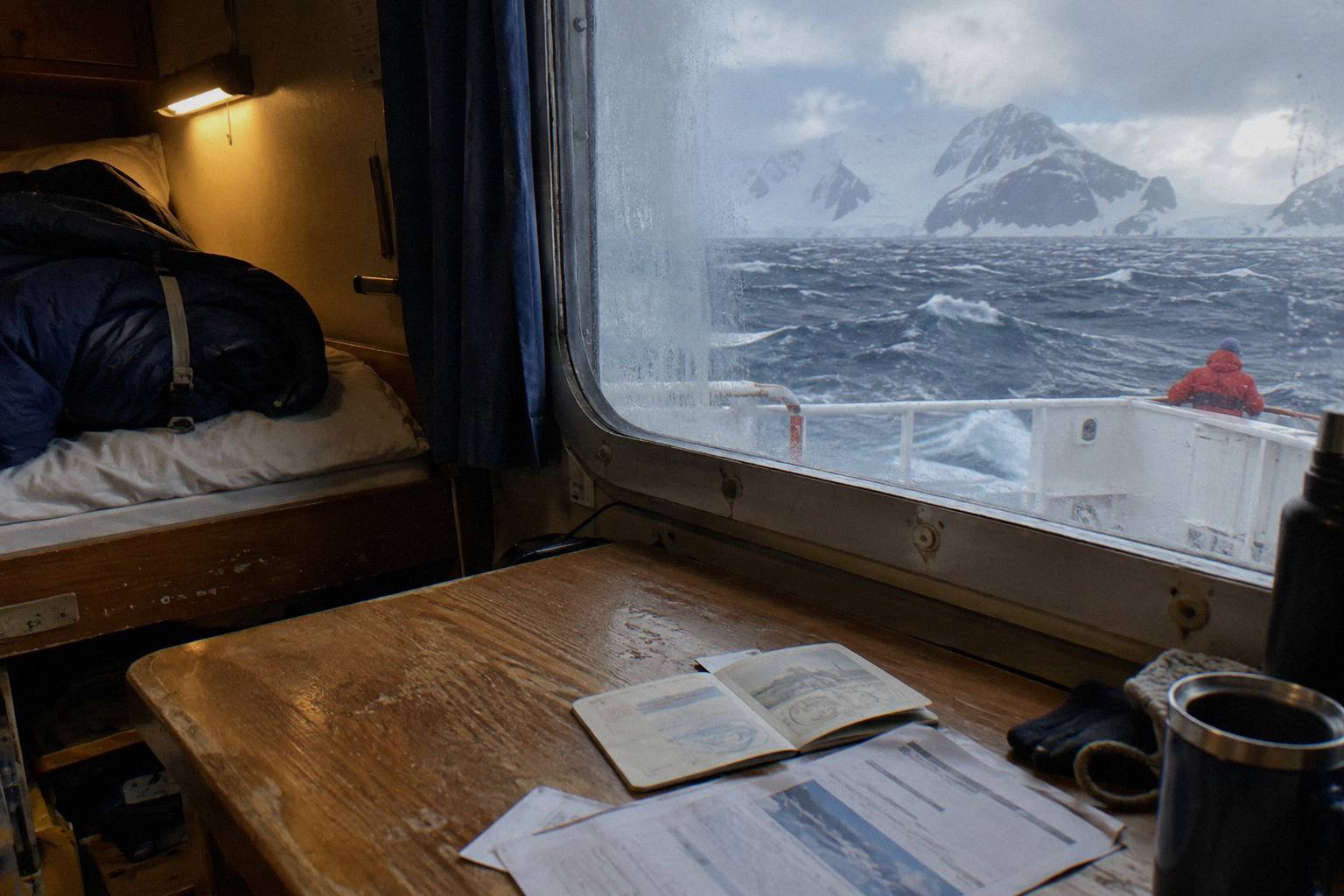
The cruise itself needs no additional travel authorisation from you. Under the Antarctic Treaty system, it is the operator that files environmental documentation with a national authority; for United States operators, that is advance notification to the Environmental Protection Agency. IAATO guidance frames the passenger's job as arriving with valid entry documents for the gateway country and complying with biosecurity and wildlife rules once aboard. If you want a hand untangling which forms apply to a specific voyage and ship, you can ask a free consultation before you commit to anything.
Passport Validity Rules For Argentina And Chile
Carry a passport valid for at least six months beyond your travel dates. That single rule covers both gateway countries and every airline you will fly between them, and it is the one document with no workaround: Argentina and Chile can refuse entry on an expired or damaged passport, and the ship cannot wait for a replacement to arrive in Ushuaia. Check the expiry date the day you book, not the week you fly.
The six-month recommendation comes from standard guidance for both Argentina and Chile, and it matters more here than on most trips because of the journey's structure. You will typically fly into Buenos Aires or Santiago, connect to a domestic airport for the flight to Ushuaia or Punta Arenas, and only then board the ship. A passport that expires two months after your return home can pass the long-haul airline's check and still cause trouble at a domestic connection or at a later immigration desk, and there is no consulate handy once you are in Tierra del Fuego.
Damaged passports deserve a mention of their own. Reporting on Argentina's entry rules notes that travel on an expired or damaged document can result in denial of entry at the traveller's own expense. A water-swollen cover or a torn photo page that an airline tolerated on a European hop can fail you on this route. If yours has seen better years, renew first, and check your passport office's current processing times before you book.
Two practical habits finish this section. Photograph every page of your passport, your insurance policy and your voyage confirmation, and store the copies offline on your phone plus in the cloud. And travel with paper copies of your medical form and insurance certificate, since operators require proof of cover and Wi-Fi in Ushuaia on embarkation morning is not the moment to be hunting for a confirmation email.
Visa Requirements For US, UK, EU, Australian And Canadian Citizens
Citizens of the United States, the United Kingdom, the European Union, Australia and Canada need no visa for either Argentina or Chile for tourist stays of up to 90 days, and neither country charges a reciprocity fee any more. The Falkland Islands, which many longer itineraries visit, likewise require no visa for those nationalities on cruise day visits. A valid passport and an onward ticket are the whole of it for most readers.
American citizens do not need a visa for a tourist stay of up to 90 days in Argentina or Chile; the US State Department's country pages for Argentina and Chile carry the current detail. Both countries abolished their reciprocity fees years ago, so an old forum post telling you to budget for an Australian or Canadian entry charge is out of date. UK, EU, Australian and Canadian passports enjoy the same visa-free 90-day arrangement for tourism.
One edge case is worth a sentence. If your itinerary starts in one country and ends in the other, common on voyages that begin in Ushuaia and finish in Punta Arenas or the reverse, you simply meet each country's entry rules in turn, and for the five nationalities above both answers are the same: passport, no visa.
| Nationality | Argentina tourist stay | Chile tourist stay | Falklands (cruise day visit) |
|---|---|---|---|
| United States | No visa, up to 90 days | No visa, up to 90 days | No visa |
| United Kingdom | No visa, up to 90 days | No visa, up to 90 days | No visa |
| European Union | No visa, up to 90 days | No visa, up to 90 days | No visa |
| Australia | No visa, up to 90 days | No visa, up to 90 days | No visa |
| Canada | No visa, up to 90 days | No visa, up to 90 days | No visa |
If you hold a passport from outside those five groups, the picture changes country by country, and this is the moment to verify rather than assume. Argentina and Chile each set their own visa-exempt lists, so check both. Our blog post on US citizens and the Ushuaia visa question works through the American case in detail, but travellers on other passports should confirm requirements with the relevant consulate before booking flights.
Why There Is No Antarctica Visa
Antarctica has no government, no border control and no visa, because the Antarctic Treaty reserves the continent for peace and science and makes no provision for immigration. What exists instead is an environmental permit system: operators must file documentation with their national authority, and for American operators that means advance notification to the Environmental Protection Agency. Passengers never file anything with a treaty body.
The practical chain looks like this. Your cruise operator, as an IAATO member, holds the authorisations and files the environmental paperwork required by its national government under the Antarctic Treaty's Environmental Protocol. You, as a passenger, are covered by that filing. Nobody will ask for an "Antarctica visa" at any point, and no Antarctic official will stamp your passport, though a few research stations have historically offered souvenir stamps, which are keepsakes rather than entry records.
What you will attend, aboard and before the first landing, is the mandatory IAATO visitor briefing. The general visitor guidelines from IAATO and the Antarctic Treaty parties require you to keep at least five metres from wildlife on land, to have your boots and gear clean before arrival and cleaned again between sites, and not to fly drones near wildlife. Biosecurity is part of that briefing: outer clothing, boots and bags are vacuumed and cleaned for seeds, soil and organic material before anyone goes ashore.
None of this costs you a fee or a form. The environmental impact of tourism is managed at the operator level, with landing caps such as a maximum of 100 passengers ashore from a vessel at any one time and a flat prohibition on landings from ships carrying more than 500 passengers, as the IAATO visitor guidelines state. Your job on the documents front ends at the gateway country's border.
The Expedition Medical Form
Most Antarctica cruise operators require a medical questionnaire completed and signed by your doctor, with deadlines that vary by line: Quark Expeditions sets 90 days before departure, while other operators collect forms between booking and roughly a month before sailing. The form exists because there is no hospital in Antarctica once the ship leaves Ushuaia. Book the doctor's appointment early.
The form is not a fitness test in the athletic sense. It exists because Antarctic waters are remote: a serious medical event usually means a ship diversion or a transfer to King George Island's airstrip for a flight to Punta Arenas, which is why the insurance section below matters so much. Operators use the questionnaire to decide whether you can safely join Zodiac landings, which involve stepping into a moving boat from a wet platform, and whether the onboard doctor should watch anything specific.
Deadlines deserve respect. The Quark contract requires the medical form no later than 90 days before Day 1, or immediately if you booked within 90 days of departure, which is a real trap for late bookers chasing a deal. Oceanwide asks that health problems requiring emergency care be disclosed through its Personal Information Form, returned within a month of booking. Other lines fall somewhere in between, and the exact deadline is always in your pre-departure packet rather than on a general FAQ page. Our guide to Antarctica cruise medical forms walks through the questions in detail.
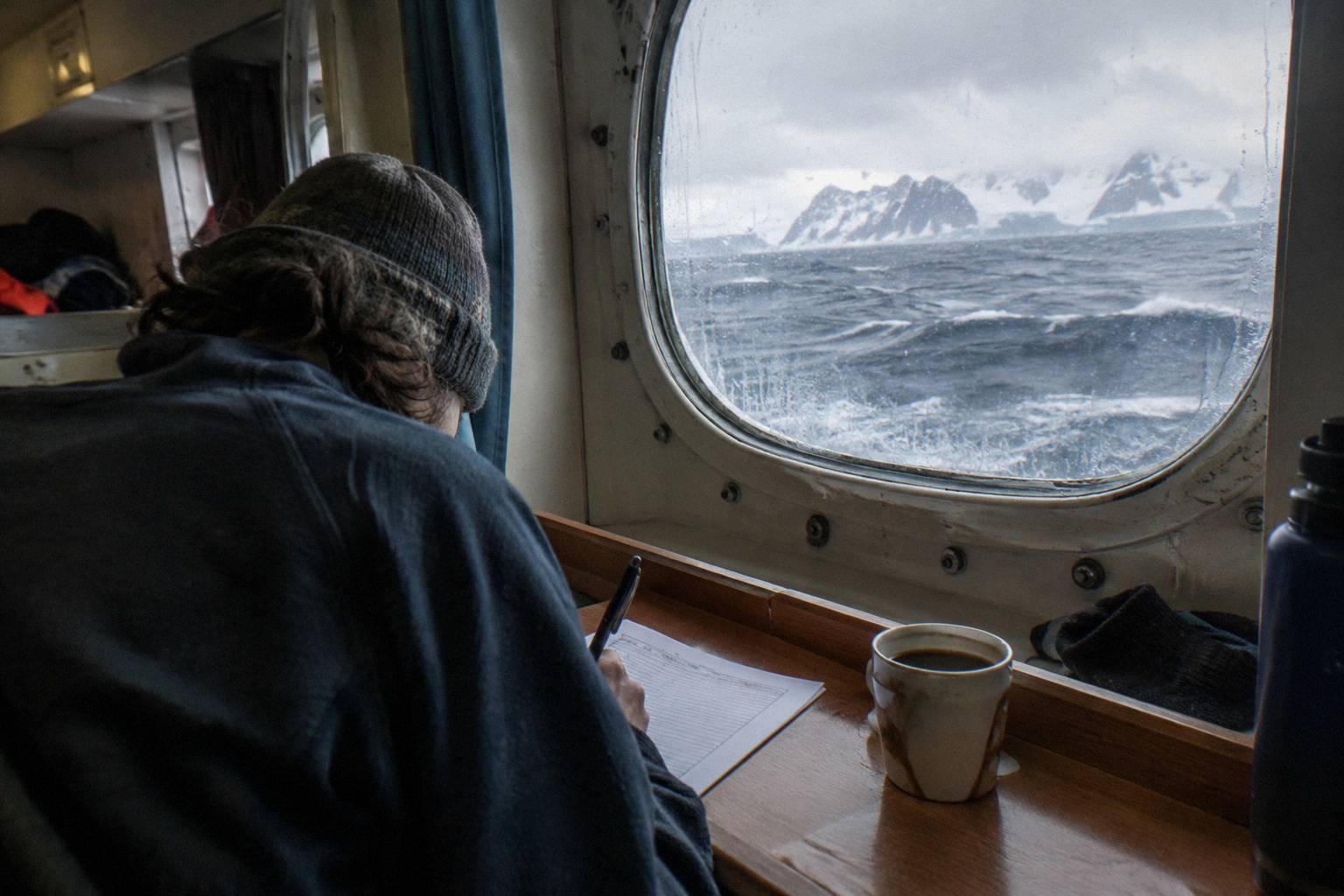
A few conditions trigger follow-up rather than refusal. CPAP users should tell the operator in advance, since cabins have bedside power but distilled water is not always stocked. Travellers with limited mobility can sometimes remain aboard or join Zodiac cruises only where feasible, with no guarantees; honesty on the form is what makes that kind of arrangement possible. If you are weighing whether your health profile fits a particular ship's operation, a free consultation on your situation costs nothing and obliges you to nothing.
Travel Insurance And Evacuation Coverage Proof
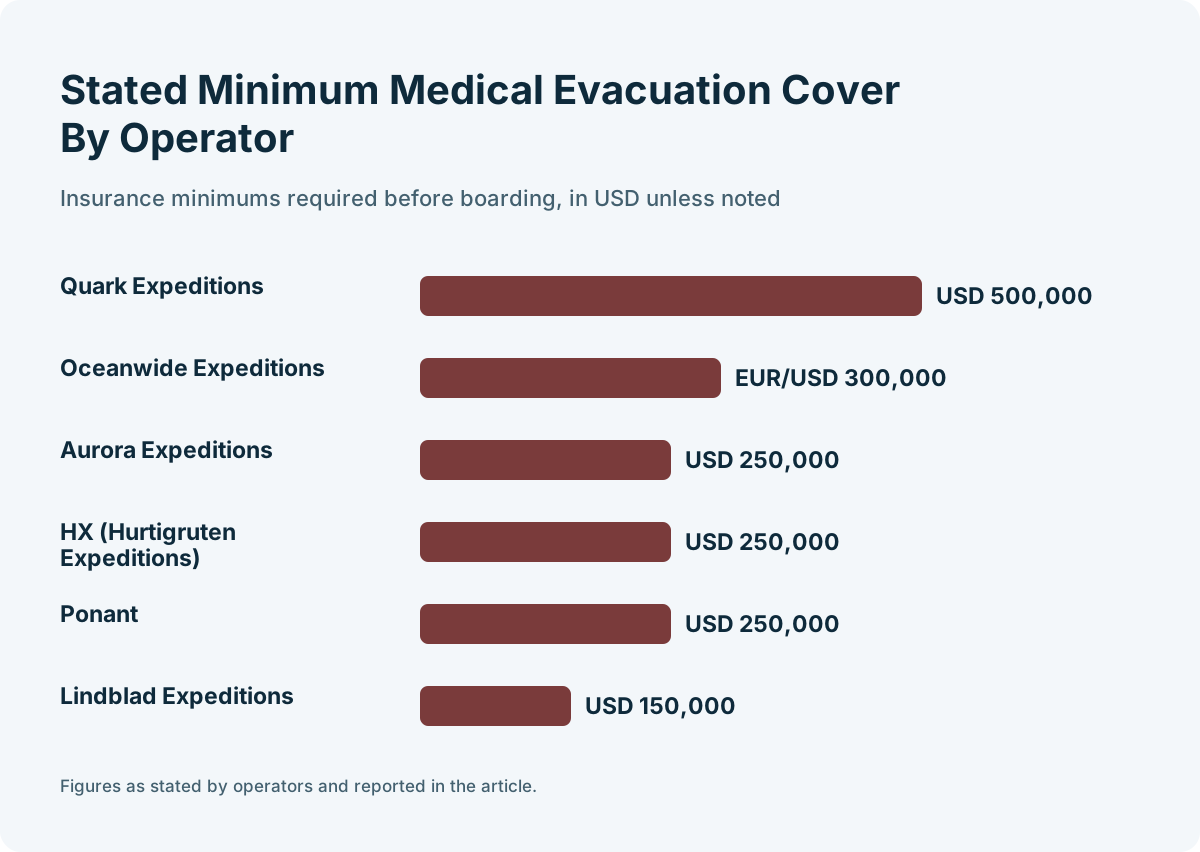
Operators require proof of travel insurance before boarding, and the medical evacuation minimum varies sharply by line: Quark Expeditions demands at least $500,000, Oceanwide Expeditions $300,000, Aurora Expeditions and HX $250,000, Ponant $250,000 and Lindblad $150,000, with Silversea, Viking, Atlas and Seabourn setting minimums across roughly the $100,000 to $350,000 range. Buy the policy at deposit time, not the week before departure.
The reason for the minimums is the cost of a rescue. A medical evacuation from the Antarctic Peninsula typically involves a ship diversion or a transfer to King George Island for a charter flight to Punta Arenas, and the passenger bears any cost beyond what insurance covers. Operators check certificates at check-in or require them in advance, and a policy that covers illness but caps evacuation below the minimum will not be accepted, whatever its premium.
Reading a policy for this trip takes ten minutes if you know what to look for. You want medical evacuation and repatriation at or above your operator's stated minimum, cover for the full trip cost in case you have to cancel, and, ideally, a carve-out for weather delays if you are on a fly-cruise itinerary where the flight to King George Island is famously weather-dependent. Check that the policy covers your actual activities, since kayaking and camping add-ons are common expedition offerings. Our Antarctica travel insurance guide compares what the operators actually ask to see.
| Operator | Stated minimum medical evacuation cover |
|---|---|
| Quark Expeditions | USD 500,000 |
| Oceanwide Expeditions | EUR/USD 300,000 |
| Aurora Expeditions | USD 250,000 |
| HX (Hurtigruten Expeditions) | USD 250,000 |
| Ponant | USD 250,000 |
| Lindblad Expeditions | USD 150,000 |
| Silversea, Viking, Atlas, Seabourn | Varies by itinerary, reported between USD 100,000 and 350,000 |
Carry three copies of the certificate: one in your carry-on, one photographed on your phone, one uploaded to whatever portal the operator specifies. The certificate needs the policy number, the evacuation limit in a currency the operator can read, and the 24-hour assistance phone number. If you are still choosing between two voyages and two insurance minimums, that difference alone can decide it, and it is exactly the kind of comparison worth making before any money changes hands.
Entry Rules For The Falkland Islands
If your itinerary includes the Falkland Islands, the same five nationalities, US, UK, EU, Australian and Canadian, need no visa for cruise day visits; a valid passport is the requirement, and insurance including evacuation is recommended. The islands are a British Overseas Territory with their own entry rules, separate from Argentina and Chile, so they add a border to your trip even though they add no paperwork for most readers.
Practically, the Falklands appear on the longer Antarctic itineraries: combined Falklands, South Georgia and Antarctica trips of 19 to 23 days are a standard category across the fleet, and some large scenic-cruising ships from Buenos Aires call at Port Stanley. Carry your passport ashore unless your operator tells you otherwise.
Two groups should look closer: passport holders outside the five nationalities above, and anyone planning to stay on the islands before or after a voyage rather than visit for the day by ship. Both should check the Falklands entry rules directly.
The rest of the Falklands preparation is not documentary at all. Sites such as Stanley, West Point, Carcass and Saunders Island are on the menu, and the king penguins at Volunteer Point are a major draw. Bring the passport ashore in a dry bag if your operator asks for it; otherwise, enjoy the fact that this particular border is the easiest you will cross all trip.
Paperwork Differences By Ship And Operator
The documents list does not change much between ships, but the operator behind the ship changes the details: which medical form deadline applies, which insurance minimum is checked, and how the pre-departure packet collects your signatures. A voyage on Oceanwide's Hondius, Plancius or Ortelius carries Oceanwide's paperwork, Oceanwide's 20 percent deposit structure on confirmation, and Oceanwide's $300,000 evacuation minimum, so the ship choice is quietly a paperwork choice too.
Take the three Oceanwide ships that dominate the budget end of the fleet. Hondius, built in 2019 and the first vessel registered to Polar Class 6, carries 170 passengers in 80 cabins from Ushuaia on voyages of 11, 13 and 19 days, with fares from $7,800 per person. Plancius, a converted Dutch Navy oceanographic vessel rebuilt for passengers in 2009, takes 108 guests on everything from 10-day Peninsula trips to 33-day expeditions, from $7,050. Ortelius, a 1989-built former Russian research vessel with an ice class the operator rates equivalent to 1A, also sleeps 108 and is the ship the line uses for helicopter-supported Weddell Sea voyages, from $7,800. Different ships, different characters, one identical document pile.
That is the broader pattern. Quark's three Antarctic ships, Ultramarine, Ocean Explorer and World Voyager, share voyage-level fares and shared paperwork with the fleet's 90-day medical form deadline and the highest evacuation minimum in the table above, $500,000. Antarctica21's air-cruises add charter flight documentation and strict baggage limits to the pile, because you are flying to King George Island rather than sailing the Drake. The vessel categories and their paperwork quirks are compared ship by ship across the fleet, and the side-by-side below shows how the three Ushuaia-based Oceanwide options stack up on the basics.
| Ship | Class | Passengers | Ice class | From, per person | Voyage length | Departs from |
|---|---|---|---|---|---|---|
| HondiusOceanwide Expeditions | Small-Ship Budget | 170 | Polar Class 6 | from $7,800 | 11 to 19 days | Ushuaia |
| PlanciusOceanwide Expeditions | Small-Ship Budget | 108 | 1D | from $7,050 | 10 to 33 days | Ushuaia |
| OrteliusOceanwide Expeditions | Small-Ship Budget | 108 | UL1 | from $7,800 | 11 to 25 days | Ushuaia |
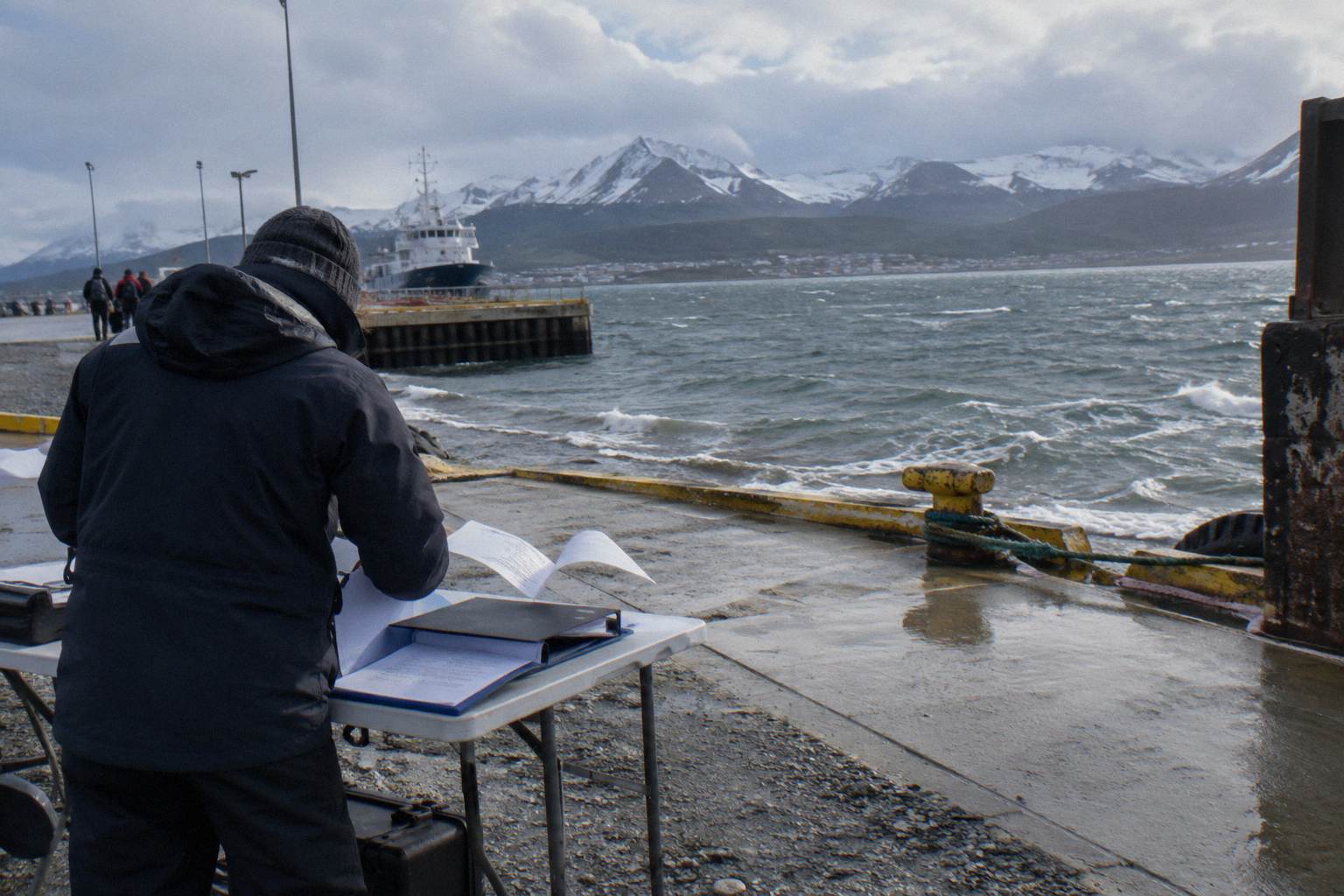
If you already know your dates and are deciding between ships like these, the paperwork differences are small enough that comfort, price and itinerary should drive the choice, with one exception: match your insurance policy to the operator's stated minimum before you buy the policy. That is the single place where a ship decision creates a documents deadline of its own, and where a second opinion on your plans genuinely saves a rebooking. More on each vessel is in our Hondius ship guide.
The Complete Documents Checklist
Gather six things before you fly: a passport valid six months beyond your return, your visa-free entry evidence for Argentina or Chile (a passport plus onward ticket for most readers), the operator's medical form signed by your doctor, an insurance certificate meeting the evacuation minimum, your voyage confirmation and pre-departure forms, and backup copies of all of it. Nothing on this list is expensive; everything on it has a deadline.
The table below is the whole checklist in one place, ordered by when each item must be finished. Work top to bottom at booking time and the list clears in an afternoon, aside from the doctor's appointment and the insurance policy, which each take a few days of lead time.
| Document | Who needs it | When it must be done |
|---|---|---|
| Passport valid 6+ months beyond return | Every traveller | Check at booking; renew if short |
| Visa-free entry confirmation (Argentina/Chile) | US, UK, EU, AU, CA passports: none needed; others: check with consulate | Before booking flights |
| Operator medical form, doctor-signed | Every traveller, all major operators | Quark: 90 days before Day 1; others per pre-departure packet |
| Insurance certificate with evacuation cover | Every traveller | Buy at deposit; carry proof at check-in |
| IAATO visitor briefing | Every traveller | Aboard, before the first landing |
| Voyage confirmation, cabin and charter flight details | Every traveller | Print before leaving home |
| Backup copies: photo plus paper of everything above | Every traveller | Day before the flight south |
Two final habits close the loop. Add every operator deadline to a calendar with reminders the day you pay the deposit, because the pre-departure emails arrive months apart and are easy to lose. And pack the documents in your carry-on, never checked luggage: if a bag misconnects in Buenos Aires, the ship still sails, and everything that matters to boarding should be on your person. For the physical side of packing, our Antarctica packing list covers the gear; this page, as Cruises In Antarctica keeps it, covers the paper.
Common Questions About Antarctica Cruise Documents
Do you need a visa to visit Antarctica?
No. Antarctica has no government and issues no visas. Entry formalities are those of your gateway country, Argentina or Chile, and the operator files the Antarctic Treaty environmental documentation with its national authority. You never apply for anything Antarctic yourself.
How long does my passport need to be valid for an Antarctica cruise?
At least six months beyond your travel dates is the recommended standard for both Argentina and Chile. Check the expiry date when you book, since renewals take time and the ship cannot wait for a replacement document to reach Ushuaia.
Do US citizens need a visa for Argentina or Chile for an Antarctica cruise?
No. US citizens can stay up to 90 days in either country for tourism without a visa, and both countries' reciprocity fees have been abolished. A valid passport is the only entry document.
What insurance do operators require for an Antarctica cruise?
Proof of travel insurance with medical evacuation cover at the operator's stated minimum: $500,000 for Quark, $300,000 for Oceanwide, $250,000 for Aurora, HX and Ponant, and $150,000 for Lindblad, with other luxury lines ranging roughly $100,000 to $350,000. Certificates are checked before or at boarding.
When is the medical form due for an Antarctica cruise?
Deadlines vary by operator. Quark requires the doctor-signed form no later than 90 days before Day 1 of the voyage, or immediately if you book inside that window; other operators collect forms between booking and about a month before departure. Check your pre-departure packet for the exact date.
Do I need a visa for the Falkland Islands on an Antarctica cruise?
Not for a cruise day visit if you hold a US, UK, EU, Australian or Canadian passport. Other nationalities, and anyone staying on the islands rather than visiting by ship, should confirm the Falklands entry rules directly.
More Planning And Preparation
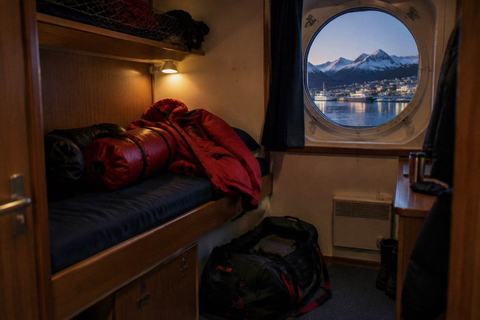 Packing ListWhat to wear, what the ship lends you, and what to leave at home.Read the guide
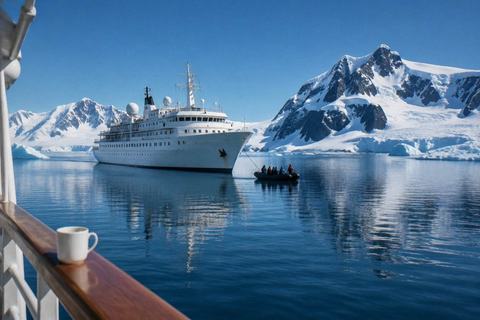 Seniors GuideMobility, Zodiac boarding, the Drake Passage and medical support, assessed for older travellers.Read the guide
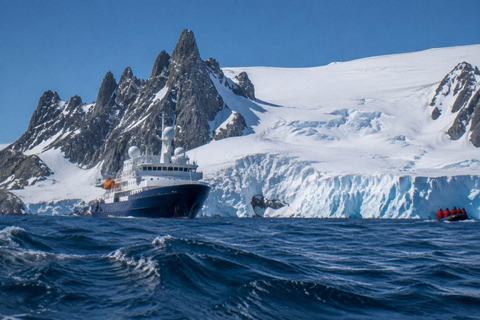 Travel InsuranceWhy operators demand evacuation cover and what your policy must include.Read the guide
 Getting To AntarcticaShips, planes and gateway cities: every practical way to reach Antarctica.Read the guide