Magellan Explorer Vs Hondius: Fly Or Sail The Drake?
 By Oleg G.
One ship flies you over the Drake Passage in about two hours; the other sails you across it in roughly two days. The Magellan Explorer and the Hondius are both 2019-built, Polar Class 6 expedition vessels, but they answer the same question in opposite ways.
Quick answer: The Magellan Explorer is an 88-guest fly-cruise ship from Antarctica21, with 8-day air-cruises from $13,795 per person that skip the Drake Passage via a charter flight from Punta Arenas. The Hondius is Oceanwide's 170-guest sailing ship from Ushuaia, from $7,800 per person for 11-day Peninsula voyages that cross the Drake both ways.
Quick Facts Side By Side
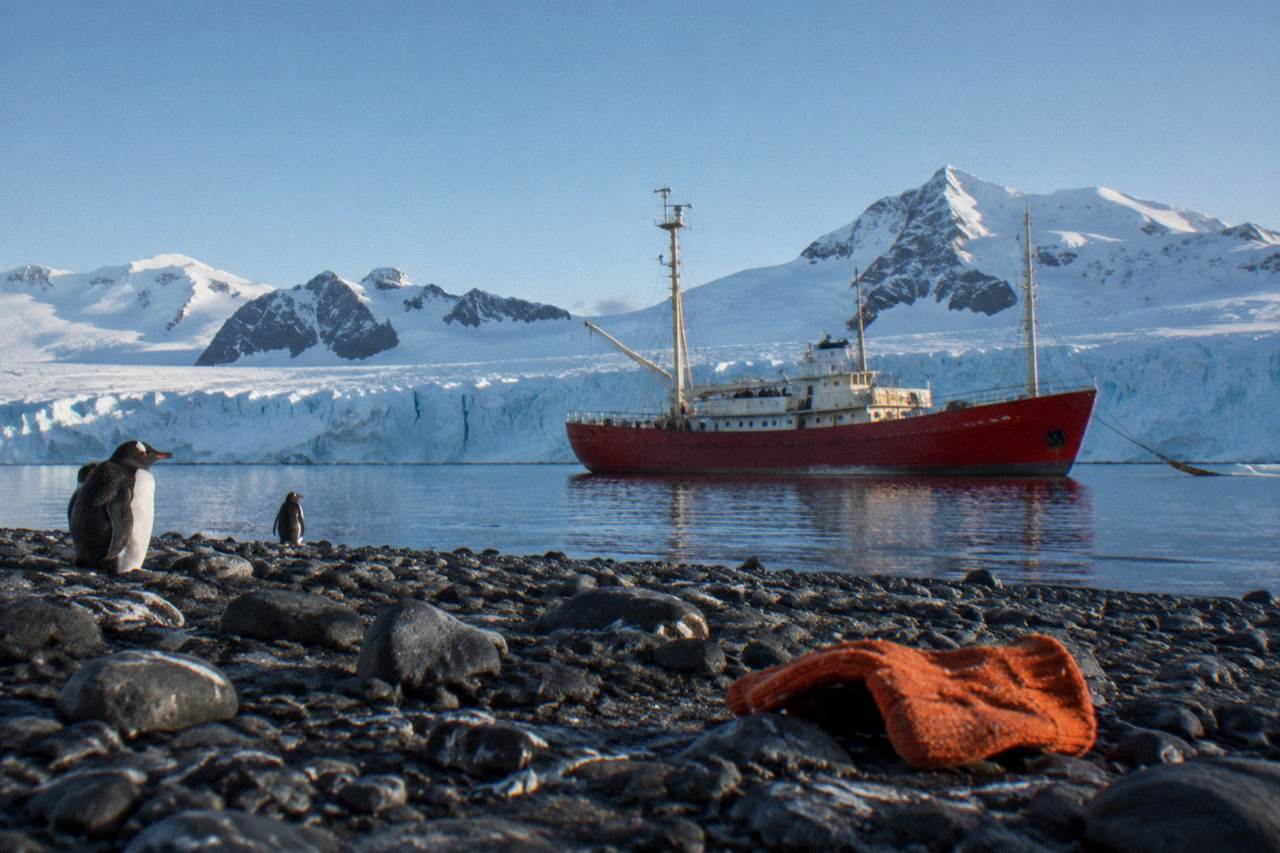
The Magellan Explorer trades days at sea for a two-hour flight: it is a purpose-built fly-cruise ship carrying 88 guests on air-cruises, while the Hondius is a classic 170-guest expedition ship that sails the Drake Passage both ways from Ushuaia. Both were built in 2019 and both carry Polar Class 6 ice classification, according to their operators' ship pages. The fare gap is wide, from $13,795 per person for the Magellan Explorer's 8-day Classic Antarctica air-cruise against from $7,800 for Hondius Peninsula voyages, but the two products buy genuinely different trips.
| Specification | 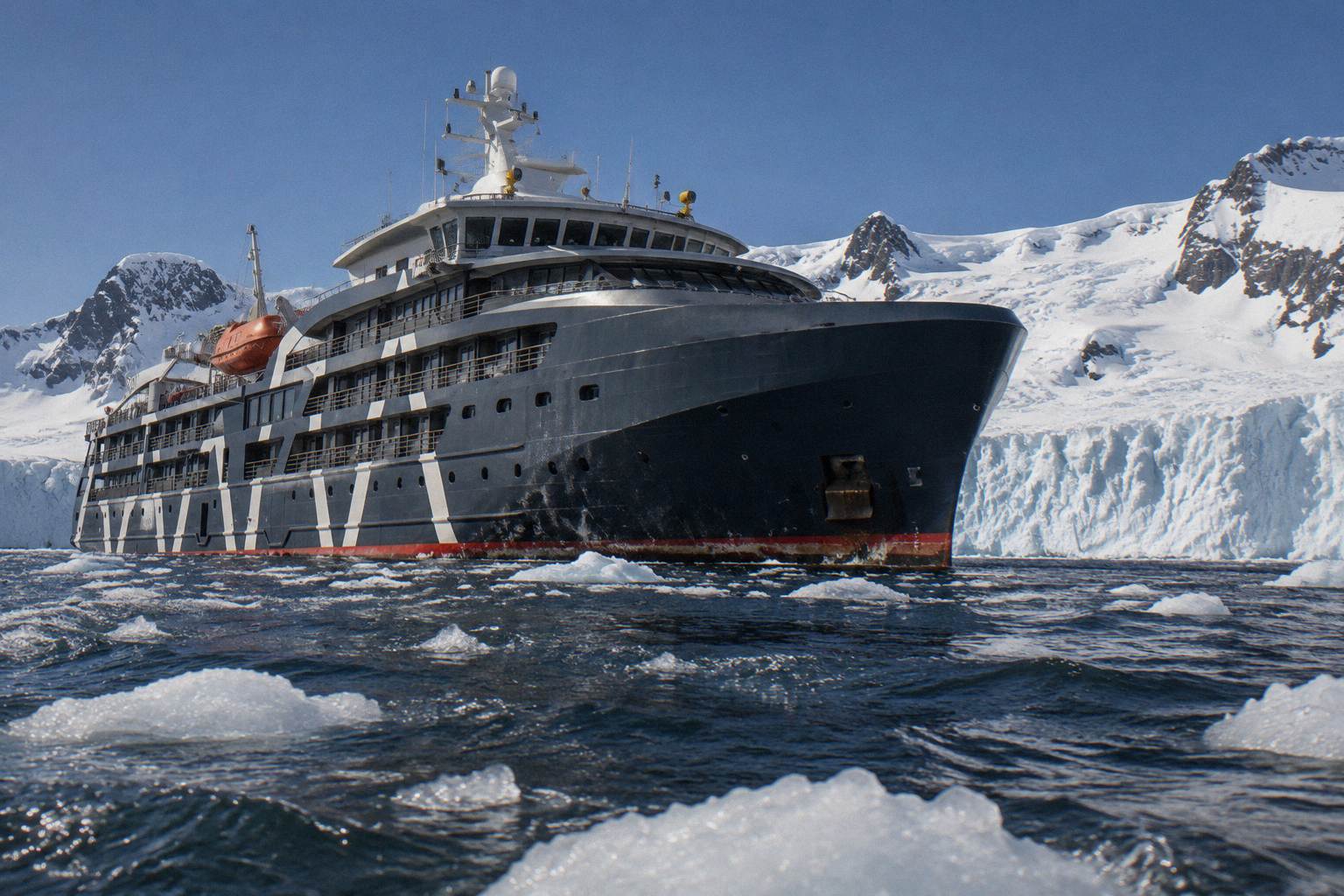 Magellan ExplorerAntarctica21 Magellan ExplorerAntarctica21 | 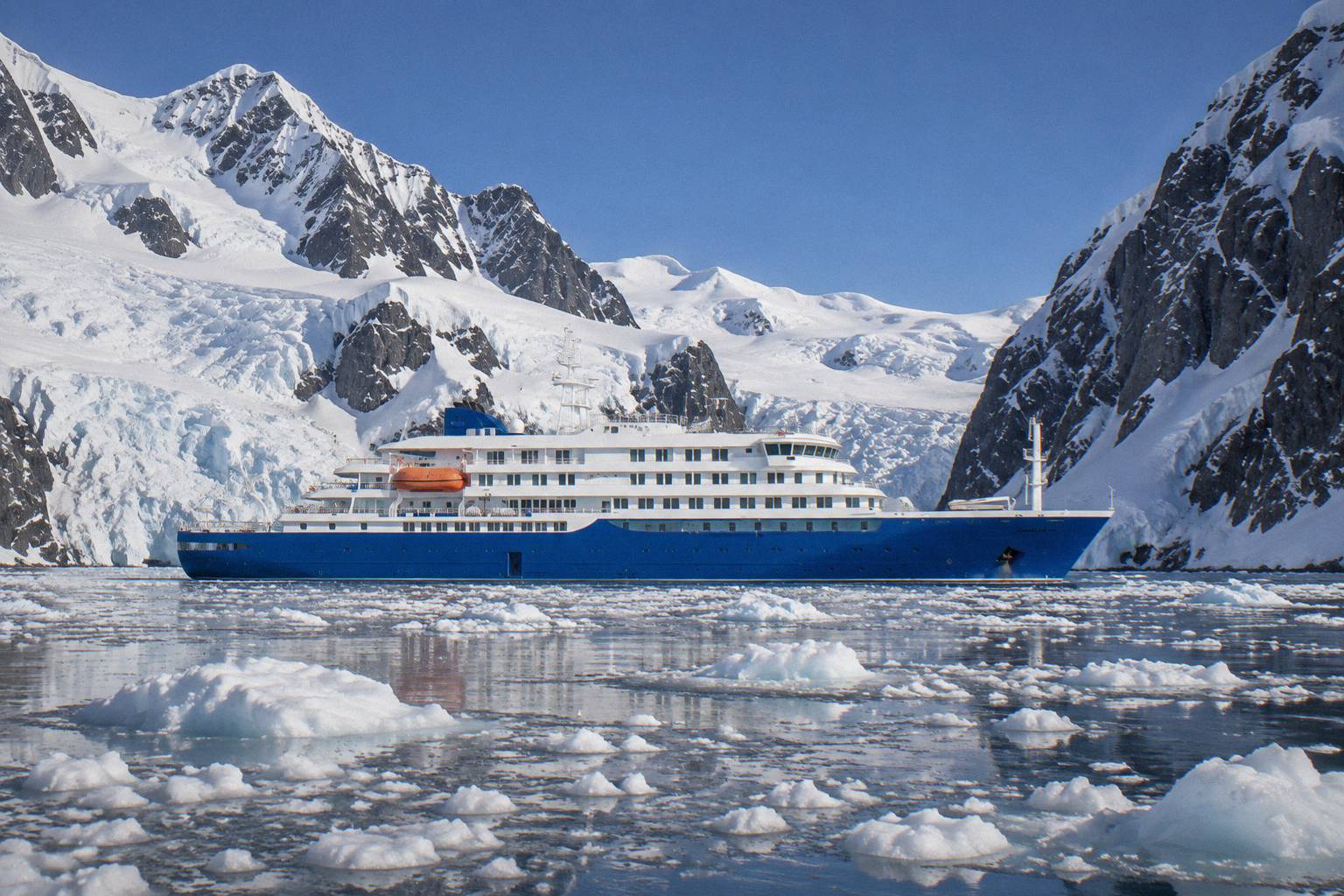 HondiusOceanwide Expeditions HondiusOceanwide Expeditions |
|---|---|---|
| Operator | Antarctica21 | Oceanwide Expeditions |
| Class | Fly-Cruise | Small-Ship Budget |
| Passengers | 8896 overall | 170 |
| Built | 2019 | 2019 |
| Ice class | LR PC6 | Polar Class 6 |
| From, per person | from $13,795 | from $7,800 |
| Departs from | Punta Arenas (fly) to King George Island | Ushuaia |
| Voyage length | 8 days | 11 to 19 days |
| Next step | Get a free quote for Magellan Explorer | Get a free quote for Hondius |
The core of the comparison is not the ships, which are closer in spec than their prices suggest. It is the Drake Passage. Quark's operator guidance on flying versus sailing notes that ship crossings take roughly two days each way in normal conditions, while a charter flight from Punta Arenas to King George Island takes about two hours. If you want the full reading on that decision, our Drake Passage crossing guide covers it in depth, and the fly-the-Drake guide explains the air-cruise model the Magellan Explorer was built around.
Who Each Ship Is Built For
The Magellan Explorer suits time-pressed travellers who want maximum Antarctica per day ashore and are willing to pay a premium to skip open-ocean transit, while the Hondius suits travellers with more days, a smaller budget and a taste for the classic voyage, including its shared cabins and longer itineraries. One is a boutique air-cruise vessel of 88 guests on scheduled departures; the other is a full expedition ship with a 170-guest capacity and a cabin spread that runs from quad-share portholes to a grand suite with a private balcony.
Antarctica21 built the Magellan Explorer in 2019 specifically for its air-cruise model, which the operator has run since 2003. The ship page lists 88 guests on air-cruises and up to 96 on sea voyages, seven cabin categories and a fly-cruise routing from Punta Arenas to King George Island. Its itineraries are short by Peninsula standards, around 8 days, because the charter flight removes up to four days of sea transit. If that model appeals, the Magellan Explorer guide breaks down the ship and its voyages in detail.
Oceanwide Expeditions positions the Hondius differently. The operator's ship page describes it as the first-registered Polar Class 6 vessel in the world, carrying 170 passengers in 80 cabins on voyages from Ushuaia of 11, 13 and 19 days. Its cabin plan deliberately includes quadruple and triple porthole cabins, which keeps the entry fare low for travellers who will share, and its Basecamp departures bundle free camping, kayaking, snowshoe hiking, mountaineering and a photo workshop into the sailing. Our Hondius guide covers the full picture.
Cabins And Suites
The Hondius spreads 80 cabins across eight categories, running from a quadruple porthole bunk at roughly 15 square metres up to a grand suite of about 26.7 square metres with a private balcony, while the Magellan Explorer carries 50 cabins in seven categories, most of them with private balconies, for no more than 88 guests on an air-cruise. Both operators publish their categories on their ship pages, and both include balcony options, but the feel is different: the Magellan Explorer is closer to a small boutique hotel at sea, the Hondius spans a wider comfort and price range.
The Magellan Explorer's 50 cabins come in seven categories, from porthole cabins up to a penthouse suite, with most categories offering a private balcony, according to the operator's ship page. With only 88 guests on air-cruises, no cabin is far from anything, and the ship was designed so that every category is a genuine lodging choice rather than a downgrade.
The Hondius cabin list, per the operator's cabin page, runs from a quadruple porthole at roughly 15 to 16 square metres through twin window, twin deluxe and superior categories to a junior suite and a grand suite of about 26.7 square metres with a private balcony. The quad and triple cabins are the reason the from-fare can reach budget travellers at all.
| Ship | Cabins | Categories | Balcony options | Smallest cabin |
|---|---|---|---|---|
| Magellan Explorer | 50 | 7 | Most categories | Porthole cabin |
| Hondius | 80 | 8 | Grand Suite only | Quadruple porthole, ~15-16 m² |
One honest note: neither operator publishes cabin square metres for every Magellan Explorer category, so a like-for-like size comparison is not possible from the published pages. What is comparable is the ratio of guests to ship: 88 against 170.
Food, Lounges, And Life Onboard
The Magellan Explorer has a single panoramic dining room, an observation lounge, a library, a sauna and a gym, while the Hondius publishes an observation lounge and a separate lecture room, with dining venues not detailed on its ship page. Neither ship is a floating resort, and neither operator markets it as one. On a fly-cruise, you board, sail among the islands for a handful of days and disembark; on the Hondius, the two-day crossings give the ship more of a role in the trip itself.
On the Magellan Explorer, the operator's ship page lists a dining room with panoramic views, the Antarctica Lounge and bar, an observation lounge, a library, a sauna, a gym and a presentation room. Sea time is minimal, so the lounges mostly serve the hours between landings rather than days at sea.
The Hondius page lists an observation lounge and a separate lecture room, and the operator does not publish a dining venue list for the ship. In practice the sailing days are filled with the lecture program, which is where the 11-day format earns its keep: the crossing becomes part of the expedition rather than dead time. Whether that appeals or appals you is the single biggest fork in this comparison, and it is worth a short conversation with someone who books both models; a free consultation on your Drake options costs nothing and carries no obligation.
Itineraries And Routes
The Magellan Explorer runs 8-day air-cruises from Punta Arenas with a charter flight to King George Island, while the Hondius runs 11, 13 and 19-day voyages from Ushuaia that cross the Drake Passage by sea both ways. The routes overlap once you reach the Peninsula, both working the South Shetland Islands and the western Peninsula landing grounds, but the bookends are entirely different trips.
| Ship | Gateway | Voyage lengths | From price (pp) | Drake Passage |
|---|---|---|---|---|
| Magellan Explorer | Punta Arenas (fly) | 8 days | $13,795 | ~2-hour flight each way |
| Hondius | Ushuaia (sail) | 11 / 13 / 19 days | $7,800 | ~2 days sailing each way |
| Ortelius (sister option) | Ushuaia (sail) | 11 / 13 / 25 days | $7,800 | ~2 days sailing each way |
The Magellan Explorer's published card fare is the Classic Antarctica air-cruise, 8 days and 7 nights, starting from $13,795 per person. Antarctica21 requires a pre-flight briefing and hotel stay in Punta Arenas, and the operator's fly-cruise logistics include a strict checked baggage limit of around 20 kg on the King George Island charter flight, a detail that matters to photographers. Our Punta Arenas gateway guide covers the Chilean side of the logistics.
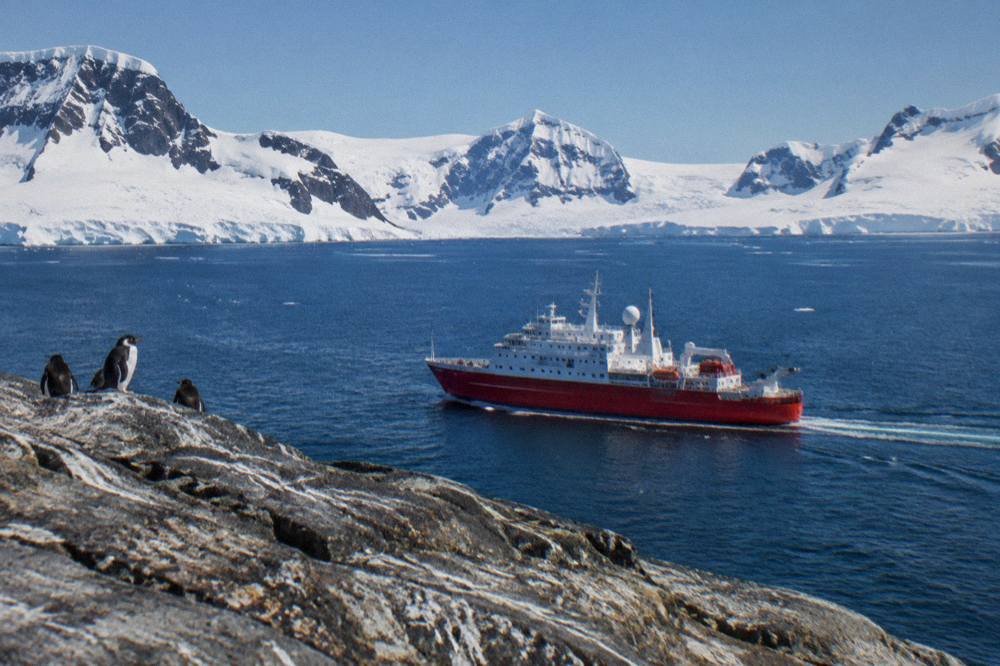
The Hondius from-fare of $7,800 is the lowest among Oceanwide's Peninsula departures, shared with the smaller Ortelius, and covers an 11-day sailing that includes roughly four days of Drake transit and four to six days of landings. Longer 13 and 19-day options add the Falklands and South Georgia. If you are weighing the total cost of either trip including flights, hotels and insurance, our Antarctica cruise cost guide breaks down realistic all-in budgets.
Expedition Team, Landings, And Activities
The Magellan Explorer carries 10 Zodiacs and offers kayaking, hiking and snowshoeing at extra cost, while the Hondius carries Zodiacs with a sheltered indoor boarding platform and offers kayaking on suitable voyages plus free camping, snowshoeing, mountaineering and a photo workshop on its Basecamp departures. Both ships land their guests under the same IAATO framework, which caps landings at 100 passengers ashore from a vessel at any one time and requires a 1:20 guide-to-visitor ratio, per the ATCM visitor guidelines.
That 100-ashore cap is the quiet advantage of small ships. At 88 guests, the Magellan Explorer can land everyone at once on most sites. At 170, the Hondius rotates guests in shifts, which the operator manages with activity splits and Zodiac cruises, but the math is unavoidable.
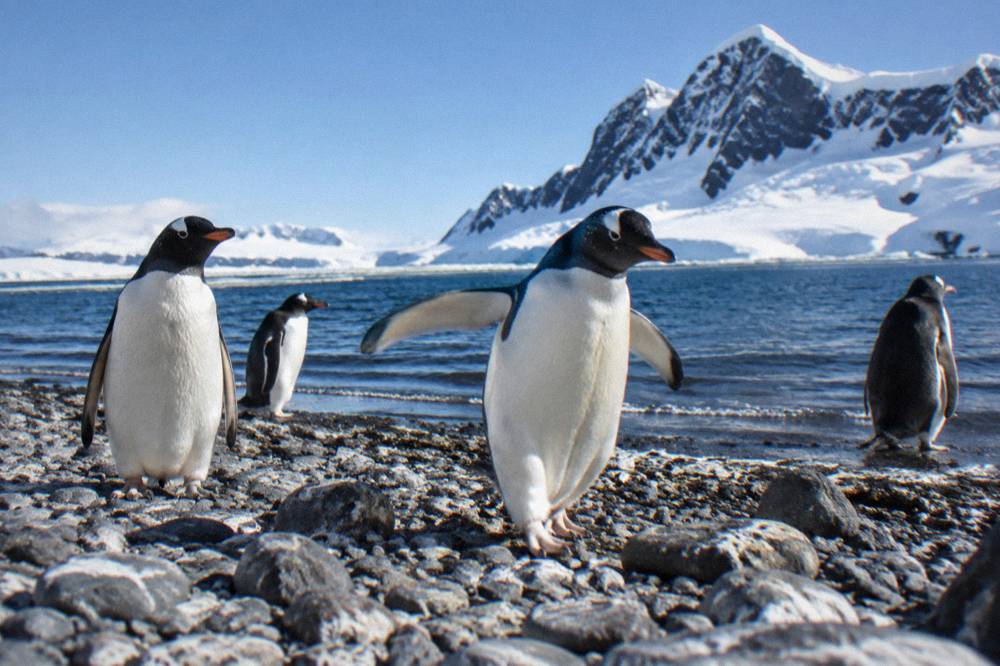
The activity lists differ in kind, not just degree. The Hondius Basecamp format bundles its activity program into the fare on designated departures, and its sister ship Ortelius is the one Oceanwide vessel that uses helicopters on remote Weddell Sea voyages. The Magellan Explorer's kayaking and snowshoeing are optional extras, and its short air-cruise schedule leaves less room for repeat outings. Neither ship's sources mention submarines or citizen-science programs, so we claim neither. For the landing sites themselves, our Antarctic Peninsula cruise guide and landing sites guide cover where you actually go.
Prices And What The Fare Includes
The published entry fares are $13,795 per person for an 8-day Magellan Explorer air-cruise and $7,800 per person for an 11-day Hondius sailing, but the two price tags are not measuring the same thing: the fly-cruise fare absorbs a charter flight, while the sailing fare absorbs four extra days at sea. Per day in Antarctica, the gap narrows considerably, and per day of the whole trip, it narrows further still.
| Cost element | Magellan Explorer (fly-cruise) | Hondius (sailing) |
|---|---|---|
| Published from fare | $13,795 pp, 8 days | $7,800 pp, 11 days |
| Charter flight to King George Island | Included in air-cruise model | Not applicable |
| Drake transit | ~2 hours by air each way | ~2 days by sea each way |
| Typical gratuities guidance | Not stated on ship page | 10-15 per passenger per day suggested |
| Cabin floor | Veranda and porthole categories | Quadruple porthole, keeping entry fare low |
Inclusions differ by operator and neither page itemises everything. Oceanwide suggests gratuities of 10 to 15 per passenger per day as a blanket contribution; Antarctica21's ship page does not state a gratuity figure. A 2026 cost guide reports that most expedition operators provide a parka and loan boots, but you should confirm what each specific voyage includes before comparing fares. When the arithmetic gets fiddly, a free fare-and-inclusions consultation will line the two up against your dates.
The Real Differences
Six concrete contrasts decide this comparison, and almost all of them sit outside the ships themselves: how you cross the Drake Passage, how many days the whole trip takes, how many guests share the deck with you, what the cheapest cabin looks like, and which activities arrive bundled into the fare, while build year and ice class turn out to be practically identical. Both were built in 2019. Both are Polar Class 6. The differences are all in how they get you there and what they do with you once you arrive.
- Transit. Two hours by air against roughly two days by sea, each way. That is the whole product difference in one line.
- Trip length. Eight days total for the air-cruise against 11 to 19 days for the sailings. The fly-cruise fits a single week of leave; the Hondius formats assume you have the time.
- Guest count. 88 against 170. The smaller ship lands everyone at once under the 100-ashore rule; the larger rotates.
- Entry price and cabin floor. Hondius's quad-share keeps the from-fare at $7,800; the Magellan Explorer has no shared-bunk category, so its floor starts at $13,795.
- Activities. Hondius's Basecamp departures bundle camping, kayaking, snowshoeing, mountaineering and a photo workshop into the fare; the Magellan Explorer sells kayaking and snowshoeing as optional extras.
- Gateway logistics. Punta Arenas with a mandatory pre-flight overnight and a 20 kg baggage limit, against Ushuaia with a recommended buffer night for the Buenos Aires domestic connection.
Where they are near-identical: build year, ice class, and the quality of the landing grounds themselves. Once you are ashore at the same site on the same afternoon, a gentoo penguin does not care which ship you came from.
Which One To Choose By Travel Style
Choose the Magellan Explorer if your calendar and stomach both argue against four days of open ocean, and the Hondius if you have the days, want the lower entry fare and would rather spend the difference on a longer route. Neither pick is wrong; they are different products that happen to share a destination.
The rest of Cruises In Antarctica works through each of these trade-offs separately, but here is the short version by traveller type.
| Traveller type | Better fit | Why |
|---|---|---|
| One week of leave, prone to seasickness | Magellan Explorer | 8 days total, Drake skipped by air |
| Long-haul trip, wants South Georgia too | Hondius | 19-day Falklands-South Georgia-Antarctica route |
| Smallest budget, willing to share a cabin | Hondius | Quad-share from $7,800 pp |
| Wants camping or mountaineering in the fare | Hondius | Basecamp departures bundle the activity program |
| Photographer with heavy gear | Depends | Fly-cruise saves days but caps baggage at ~20 kg; sailing gives sea time to edit |
| Cruise-only cruiser who wants scenery without landings | Either | Both land guests; large cruise-only ships are a different product entirely |
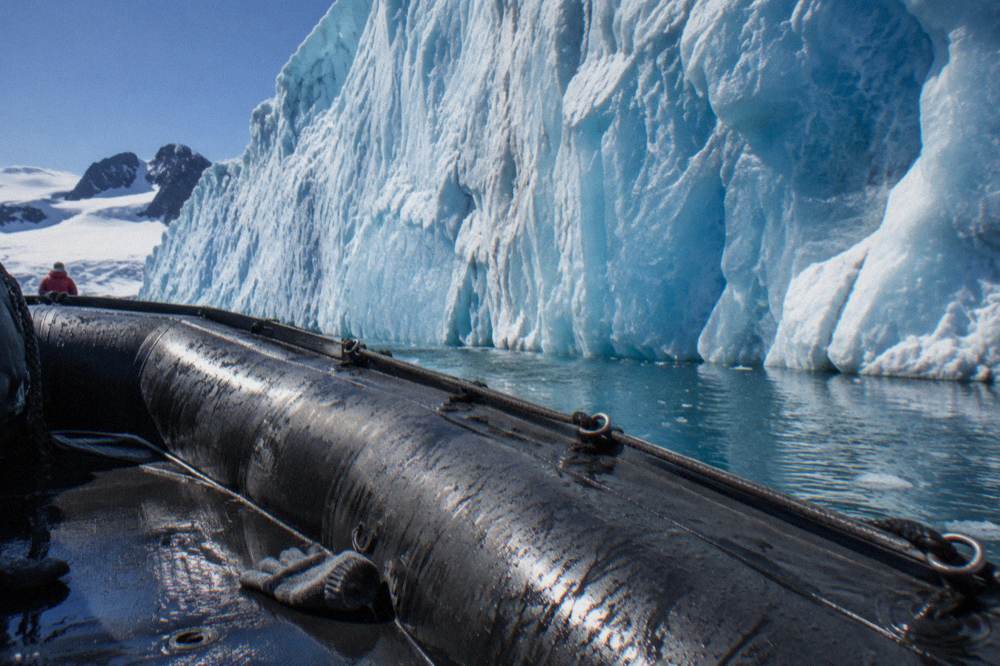
I have spent two years reading operator pages and fare lists on this market, and the fly-or-sail question is the one travellers agonise over longest, usually far longer than the ship choice itself. If you are still torn after the numbers above, talk through the trade-offs with a specialist before you commit: the consultation is free, and the right answer is genuinely personal.
Common Questions About Magellan Explorer Vs Hondius
Is the Magellan Explorer or the Hondius cheaper?
The published entry fares are $7,800 per person for an 11-day Hondius Peninsula sailing and $13,795 per person for an 8-day Magellan Explorer air-cruise. The air-cruise fare includes the charter flight that replaces two days of sailing each way, so per day of the whole trip the gap is smaller than the headline suggests.
Which ship avoids the Drake Passage?
The Magellan Explorer. It is a fly-cruise ship: guests fly about two hours from Punta Arenas to King George Island and board there. The Hondius sails the Drake Passage from Ushuaia, which takes roughly two days each way in normal conditions.
Do both ships make landings in Antarctica?
Yes. Both carry Zodiacs and land guests under IAATO rules, which allow a maximum of 100 passengers ashore from a vessel at any one time. With 88 guests the Magellan Explorer lands everyone at once; the 170-guest Hondius lands in rotations.
Which ship is newer?
Neither. Both were built in 2019, and both hold Polar Class 6 ice classification according to their operators' ship pages, so age and ice class do not separate them.
Can you go kayaking or camping on either ship?
On the Hondius, Basecamp departures include camping, kayaking, snowshoe hiking, mountaineering and a photo workshop in the fare. On the Magellan Explorer, kayaking, hiking and snowshoeing are offered as optional activities at extra cost on the operator's expedition pages.
Which is better for seasickness-prone travellers?
The Magellan Explorer, by design. Flying to King George Island removes the Drake Passage sea transit entirely, which is the segment where rough conditions are most likely. The trade-off is a strict checked baggage limit of around 20 kg on the charter flight.
More Head To Head Comparisons
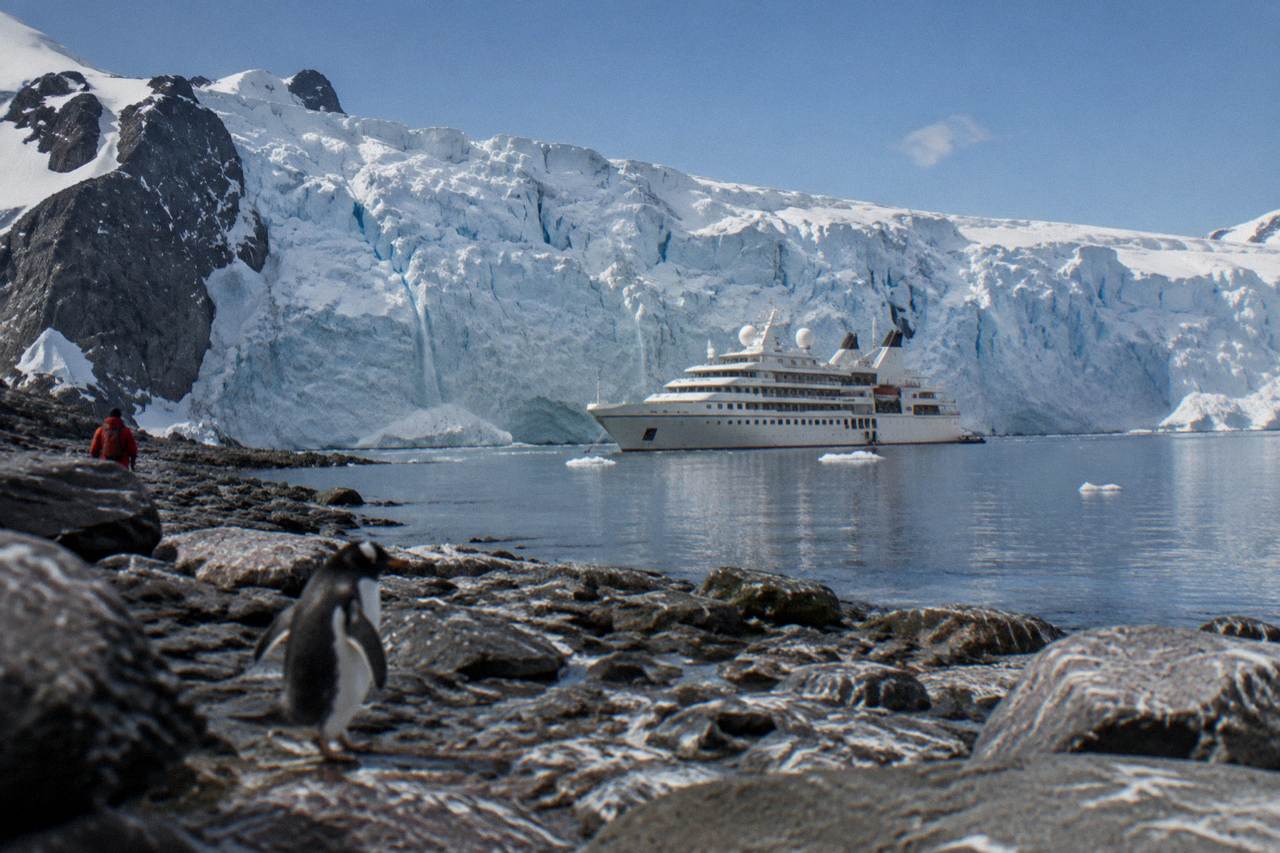 Silversea Vs SeabournTwo ultra-luxury expedition lines compared: ships, routes, expedition programmes and fare value.Read the comparison
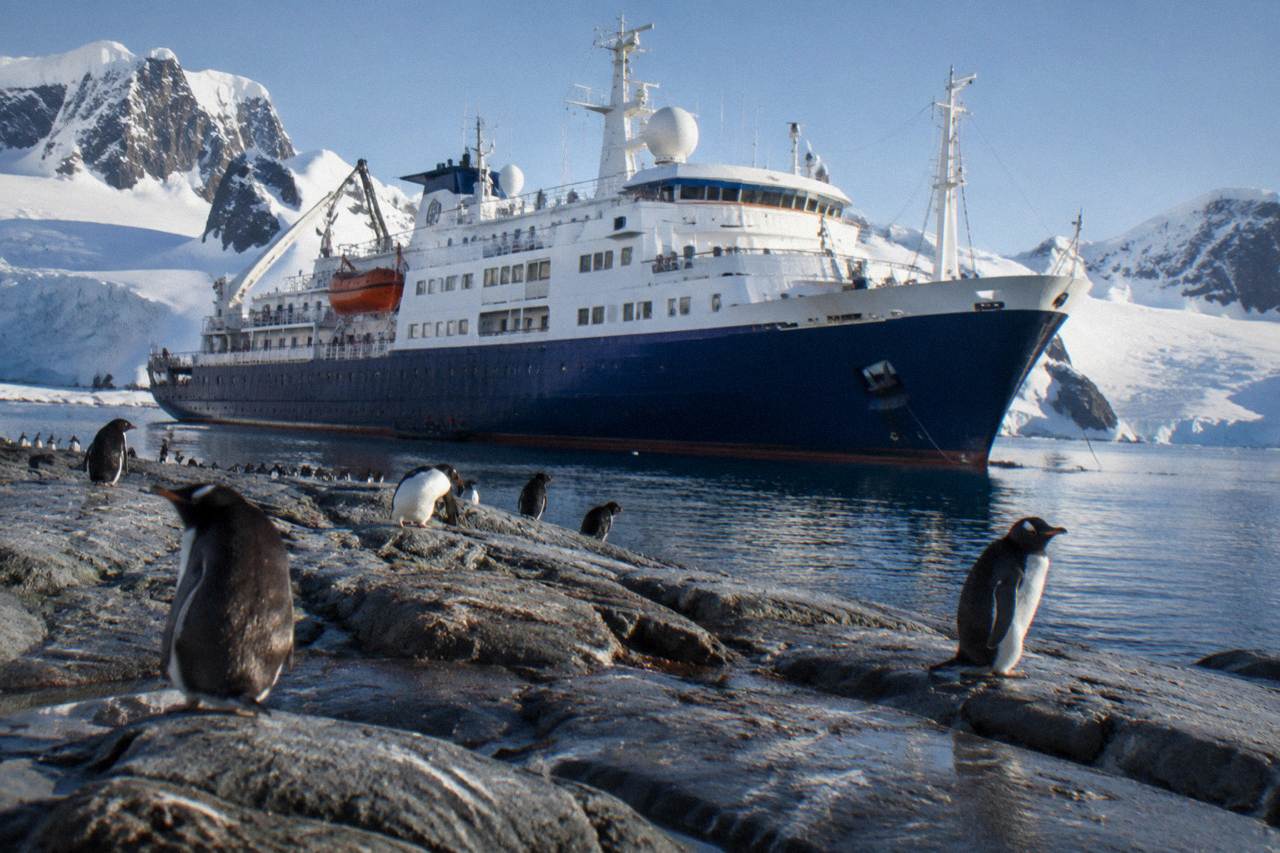 Viking Vs SilverseaTwo premium expedition lines compared on specs, routes, activities and published fares.Read the comparison
 Viking Vs HXViking's twin 378-guest ships against HX's Fram and hybrid fleet, compared on price, cabins and landings.Read the comparison
 Quark Vs OceanwideUpscale helicopters versus small-ship value: how the two Antarctic specialists really differ.Read the comparison