Quark Vs Oceanwide: Which Polar Specialist Fits?
 By Oleg G.
Quark and Oceanwide are two of the busiest Antarctic specialists, but they sit at different price points: Quark runs upscale ships including the helicopter-equipped Ultramarine, while Oceanwide sells small-ship budget fares from Ushuaia.
Quick answer: Quark Expeditions sails the 199-guest Ultramarine, 138-guest Ocean Explorer and 168-guest World Voyager from $12,236 per person on shared voyage-level fares. Oceanwide Expeditions sails the 170-guest Hondius, 108-guest Ortelius and 108-guest Plancius from $7,050 per person. Quark is the upscale, activity-heavy choice; Oceanwide is the value small-ship choice.
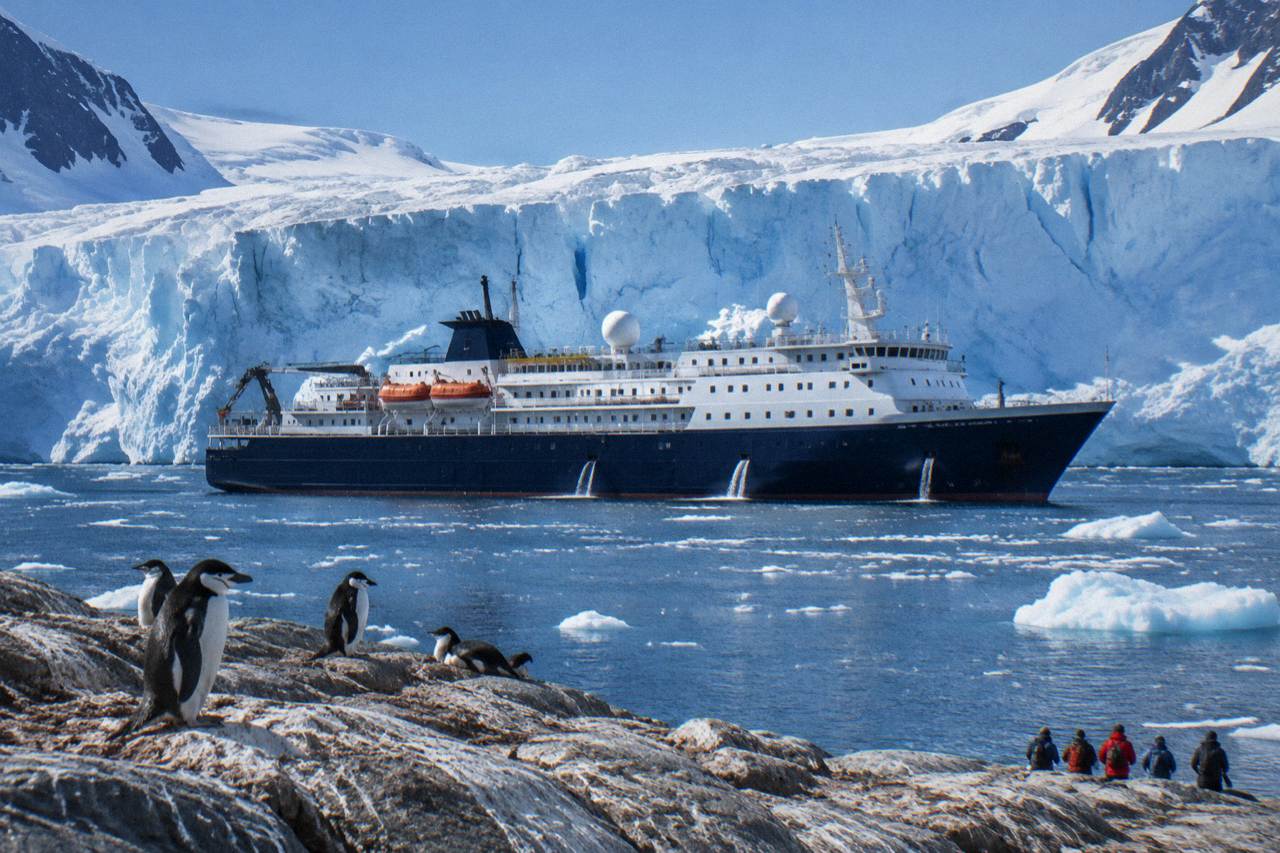
Quark Expeditions and Oceanwide Expeditions are two of the longest-running specialists in Antarctic expedition cruising, and they anchor opposite ends of the price ladder. Quark's Antarctic Peninsula voyages start at $12,236 per person on voyage-level fares shared across its ships, with the 199-guest Ultramarine carrying two twin-engine helicopters. Oceanwide's Peninsula departures start at $7,050 per person aboard Plancius, a converted Dutch Navy oceanographic vessel, with the 2019-built Hondius at $7,800. Both lines sail from Ushuaia and both run Zodiac landing programmes under the same IAATO rules. This comparison from Cruises In Antarctica sets the two fleets side by side on ships, cabins, routes, activities and price, using only figures the operators publish.
Quick Facts Side By Side
The short verdict: Quark is the upscale, hardware-rich operator, with helicopters, newer tonnage and fares from $12,236 per person, while Oceanwide is the small-ship budget specialist, with fares from $7,050 and a fleet of workhorse vessels of 89 to 108 metres. Neither line is "better"; they serve different budgets and different travelling styles, and both deliver the same regulated landings.
Quark's three Antarctic ships, Ultramarine, Ocean Explorer and World Voyager, carry 138 to 199 guests each. Oceanwide's three, Hondius, Ortelius and Plancius, carry 108 to 170. The fare gap is real and consistent: Oceanwide's cheapest published berth for the 2026-27 season is $7,050 aboard Plancius, against Quark's cheapest published voyage fare of $12,236. What that gap buys, and what it does not, is the substance of everything below.
| Ship | Class | Passengers | Ice class | From, per person | Voyage length | Departs from |
|---|---|---|---|---|---|---|
| UltramarineQuark Expeditions | Upscale Expedition | 199 | 1A+, PC6 | from $12,236 | 12 to 14 days | Buenos Aires, Ushuaia |
| Ocean ExplorerQuark Expeditions | Upscale Expedition | 138 | 1A, PC6 | from $12,236 | 8 to 20 days | Ushuaia, Buenos Aires, Punta Arenas |
| HondiusOceanwide Expeditions | Small-Ship Budget | 170 | Polar Class 6 | from $7,800 | 11 to 19 days | Ushuaia |
| OrteliusOceanwide Expeditions | Small-Ship Budget | 108 | UL1 | from $7,800 | 11 to 25 days | Ushuaia |
If the fare difference already decides the question for you, a free consultation on either line can confirm which departures still have berths in your cabin category for the season you want.
Who Each Line Is Built For
Quark is built for travellers who want the most expedition hardware money can buy and will pay upscale fares for it, while Oceanwide is built for travellers whose priority is getting ashore in Antarctica on a genuine expedition ship at the lowest defensible price. Quark's guest is buying helicopters and balconies; Oceanwide's guest is buying sea time and landings.
Quark's lead ship is Ultramarine, a 128-metre, 199-guest vessel with an internal Zodiac hangar carrying 20 Zodiacs and two twin-engine Airbus H145 helicopters on two helidecks. The operator's ship page and itinerary documents list kayaking and camping among its activities, and its cabin spread runs from an Explorer Triple to an Owner's Suite across nine categories. Ultramarine is the ship that defines Quark's current Antarctic identity and anchors the top end of its cruise fare ladder.
Oceanwide's lead ship is Hondius, the first-registered Polar Class 6 passenger vessel in the world in the operator's own wording, built in 2019 and carrying 170 guests in 80 cabins. Hondius is the line's newest and most comfortable ship, with a Grand Suite featuring a private balcony at the top of a cabin range that starts at Quadruple Porthole berths, the shared cabins that keep Oceanwide's entry fares low. The operator's Basecamp voyages aboard Hondius bundle camping, kayaking, snowshoe hiking, mountaineering and a photo workshop into the fare.
If you already lean toward one line, the Hondius ship guide and the Ortelius ship guide go deeper on Oceanwide's fleet, and our overview of Antarctic cruise lines places both operators in the wider field. That first fork, balconies and flightseeing on one side and shared berths with bundled activities on the other, is where most readers' budgets get decided long before cabin categories enter the picture.
The Fleets Compared
Quark fields three ships in Antarctic waters for 2026-27, Ultramarine, Ocean Explorer and World Voyager, while Oceanwide fields Hondius, Ortelius and Plancius in the small-ship budget class. Quark's ships carry more guests and more cabin categories; Oceanwide's ships are smaller, older in two cases, and carry ice ratings from 1D to Polar Class 6.
Here is what the operators' ship pages state, field by field. Where a figure is not published, the table says so rather than guessing.
| Ship | Line | Passengers | Build year | Ice class | Length |
|---|---|---|---|---|---|
| Ultramarine | Quark | 199 | - | 1A+, PC6 | 128 m |
| Ocean Explorer | Quark | 138 | - | 1A, PC6 | 104.4 m |
| World Voyager | Quark | 168 | - | 1B | 126 m |
| Hondius | Oceanwide | 170 | 2019 | Polar Class 6 (equivalent 1A-Super) | 107.6 m |
| Ortelius | Oceanwide | 108 | 1989 | UL1 (equivalent to 1A) | 90.95 m |
| Plancius | Oceanwide | 108 | 1976 | 1D | 89 m |
Two build years stand out. Ortelius is a former Russian research vessel built in Gdynia in 1989, and Plancius was converted from a Dutch Navy oceanographic ship and rebuilt as a passenger vessel in 2009. Neither pretends to be new, and neither needs to be: both are ice-rated, both carry 10 Zodiacs, and both have decades of polar operations behind them. Quark does not state build years for these three ships on its own pages; a trade reference lists Ultramarine and Ocean Explorer as 2021-vintage vessels, but the operator itself does not publish the years, so the table leaves them blank.
Cabins, Food, And Onboard Style
Quark sells balcony cabins as the norm: World Voyager is all-balcony suites, Ocean Explorer has verandas on almost all cabins, and Ultramarine offers balconies across most categories. Oceanwide sells expedition cabins: portholes and windows, shared quadruples and twins at the bottom, with balconies only in Hondius's Grand Suite.
The cabin ladder matters more on this comparison than on almost any other, because it is where most of the fare difference physically sits. A Quadruple Porthole on Plancius, four berths behind a porthole at roughly 12 square metres, is the cheapest way Oceanwide sells Antarctica, and it has no equivalent on Quark's fleet. At the top, Quark's Ultra Suite, Owner's Suite and Penthouse Suite categories on Ultramarine, and Oceanwide's 26.7-square-metre Grand Suite with private balcony on Hondius, are the premium products of their respective lines.
Onboard public spaces follow the same pattern. The operator's documents list Ultramarine's Balena Restaurant and Bistro 487, a Tundra Spa with a floor-to-ceiling sauna, a Panorama Lounge and a library; World Voyager adds a heated outdoor pool, Jacuzzis and a Science Hub. Oceanwide's pages describe observation lounges and separate lecture rooms on all three ships, with Plancius combining its restaurant and lecture room on deck 3, and nothing further is published about dining venues on Hondius or Ortelius, so nothing further is claimed here. Oceanwide's ships are functional and unglamorous by design; the fare pays for the destination, not the wallpaper.
Itineraries And Routes
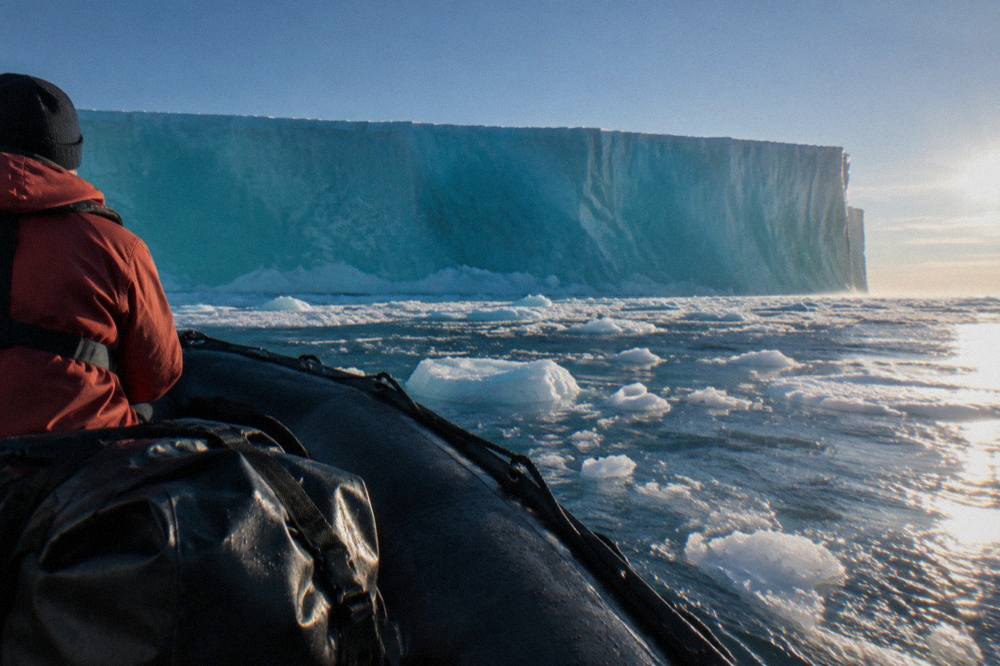
Both lines concentrate on the classic Antarctic Peninsula route from Ushuaia, with core Peninsula voyages of roughly 8 to 14 days at Quark and 10 to 13 days at Oceanwide, plus longer Falklands and South Georgia combinations. Oceanwide uniquely runs helicopter-supported Weddell Sea emperor penguin voyages aboard Ortelius, and Quark uniquely offers helicopter sightseeing from Ultramarine.
Around 98 percent of Antarctic tourism voyages occur in the Peninsula region during the austral summer, according to the Antarctic Treaty Secretariat's tourism page, and both operators follow that concentration. The table below shows the voyage lengths and from-prices each operator publishes for the 2026-27 season.
| Ship | Voyage days | Departure ports | Published from-price |
|---|---|---|---|
| Ultramarine | 12 / 14 | Buenos Aires, Ushuaia | From $12,236 pp |
| Ocean Explorer | 8 / 9 / 10 / 11 / 12 / 20 | Ushuaia, Buenos Aires, Punta Arenas | From $12,236 pp |
| World Voyager | 8 / 9 / 10 / 11 / 12 / 14 | Buenos Aires, Ushuaia, Punta Arenas | From $12,236 pp |
| Hondius | 11 / 13 / 19 | Ushuaia | From $7,800 pp |
| Ortelius | 11 / 13 / 25 | Ushuaia | From $7,800 pp |
| Plancius | 10 / 11 / 13 / 15 / 19 / 21 / 33 | Ushuaia | From $7,050 pp |
One caution on Quark's fares: they are voyage-level "starts from" figures shared across Ultramarine, Ocean Explorer and World Voyager, not ship-exclusive prices, so a specific departure may price above the floor depending on ship, cabin and date. Oceanwide's fares are per-ship figures read from its own cruise listings for Peninsula departures between October 2026 and April 2027.
The route question also has a seasonal dimension. If you are weighing a Drake Passage crossing against a fly-cruise, note that Quark offers fly-the-Drake options through its Antarctic Express programme, while Oceanwide is essentially a sailing line from Ushuaia. Our Antarctic Peninsula cruise guide covers what the classic route actually includes, and Antarctic Circle crossing voyages appear in both fleets' longer itineraries.
Expedition Programme, Landings, And Activities
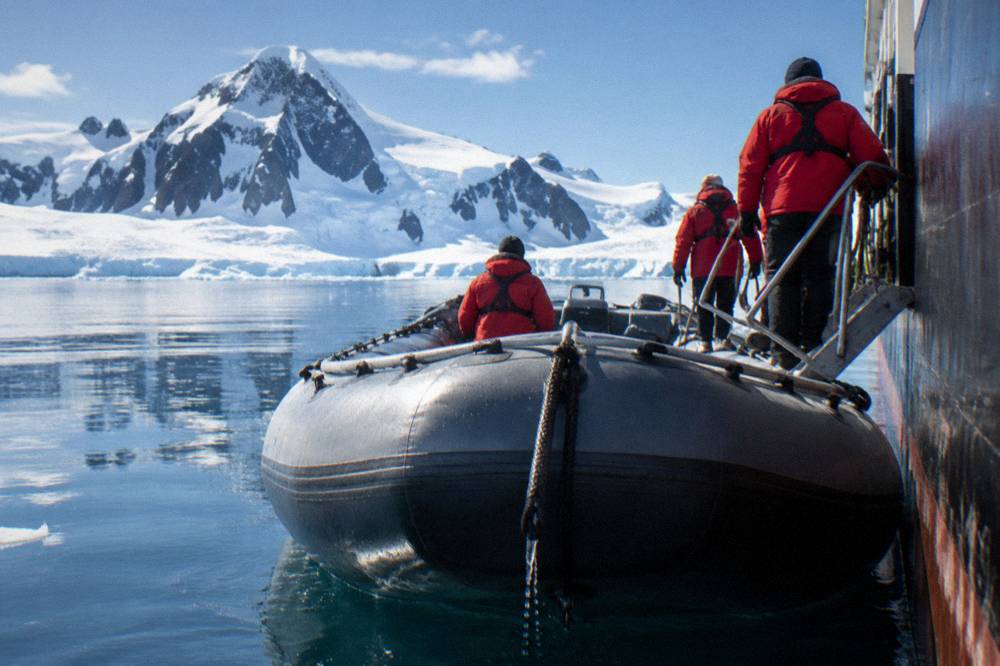
Both lines run Zodiac landings under IAATO rules: no vessel over 500 passengers may make landings, no more than 100 passengers may be ashore at once, and guiding staff must number at least one per twenty visitors. The difference is optional hardware: Quark flies guests from Ultramarine, and Oceanwide flies guests on Weddell Sea emperor penguin voyages from Ortelius.
The landing rules come from the Antarctic Treaty's general visitor guidelines, which IAATO publishes and every member operator follows. Both fleets are far below the 500-passenger ceiling, so both land passengers at every typical site. On a 199-guest Ultramarine sailing, guests go ashore in more than one rotation to respect the 100-ashore cap; on a 108-guest Ortelius sailing the complement fits within barely more than a single rotation, which is a genuine small-ship advantage for people who dislike splitting time.
The activity lists, taken only from what each operator states for each ship, break down like this. Ultramarine: 20 Zodiacs from an internal hangar, two twin-engine helicopters, kayaking and camping. Ocean Explorer: 15 Zodiacs, kayaking, paddling and camping. World Voyager: 18 Zodiacs, with no further activities itemised on its ship page. Hondius: Zodiacs with a sheltered indoor boarding platform, and Basecamp voyages that include free camping, kayaking, snowshoe hiking, mountaineering and a photo workshop. Ortelius: 10 Zodiacs, and helicopter flights on its Weddell Sea emperor penguin and other remote voyages. Plancius: 10 Zodiacs, and the same Basecamp activity bundle on designated voyages.
The two helicopter programmes are different products and should not be confused. Quark's Ultramarine helicopters are an onboard feature used for flightseeing and remote landings on dedicated itineraries. Oceanwide's Ortelius helicopters are voyage-specific transport, chartered onto the ship for the Weddell Sea emperor penguin programme, where guests fly from the ship toward the Snow Hill rookery area when ice conditions allow. Neither is included in every fare; both depend on weather and ice.
Prices And What The Fare Includes
Oceanwide's published entry fares run $7,050 to $7,800 per person and Quark's run from $12,236 per person, and the inclusion lists differ: Quark's itinerary documents itemise a parka, boots and excursions, while Oceanwide's ship pages itemise only suggested gratuities of 10 to 15 per passenger per day and state nothing about parkas or boots.
Here is the price picture with what each operator states about inclusions.
| Line | Cheapest published fare | Stated inclusions | Not stated by the operator |
|---|---|---|---|
| Quark | From $12,236 pp (voyage-level, shared across three ships) | Parka, boots, excursions, some flights per itinerary documents | Drinks and gratuities not itemised on the ship page |
| Oceanwide | From $7,050 pp (Plancius); from $7,800 pp (Hondius, Ortelius) | Basecamp activity bundle on designated voyages; gratuities suggested at 10-15 per day | Parkas, boots and drinks not itemised on the ship pages |
Two practical notes. First, the Quark figure is a floor across the whole voyage range, so an 11- or 12-day Antarctic Explorer departure in a balcony cabin will sit well above it when booking a cabin; the operator's own helicopter itinerary is listed in a trade reference at a higher from-price than the shared floor. Second, budget beyond the cruise fare: one 2026 cost guide reports a realistic all-in figure of $12,000 to $25,000 per person for a mid-range Peninsula trip once flights, gear, tips and insurance are added. Our full Antarctica cruise cost breakdown covers where every dollar goes.
At this price gap, many readers reasonably want help matching a cabin and a date across both fleets; a free consultation with a specialist is the fastest way to see real side-by-side quotes with no obligation.
The Real Differences
The concrete contrasts are these: entry fares of $7,050 and $12,236 per person, ship sizes of 138 to 199 guests versus 108 to 170, balcony cabins as standard versus one balcony suite in the whole budget fleet, and two different helicopter programmes aimed at different outcomes.
- Entry price. Oceanwide's floor is $7,050 aboard Plancius; Quark's is $12,236 on shared voyage-level fares. That is the single biggest difference between the lines.
- Cabin expectations. On Quark, a balcony is the default; on Oceanwide, the Grand Suite on Hondius is the only published balcony, and most cabins have portholes or windows.
- Ship age and style. Hondius (2019) is Oceanwide's only new build; Ortelius (1989) and Plancius (1976, rebuilt 2009) are veteran vessels. Quark's fleet is the more modern hardware package overall.
- Helicopters. Ultramarine carries two helicopters as a ship feature; Ortelius carries helicopters only on specific Weddell Sea emperor penguin voyages. Different products, different itineraries, different price points.
- Landing logistics. On Oceanwide's 108-guest ships the complement clears the landing beach in barely more than one rotation; on Quark's larger ships, landings rotate in more groups, which spreads time ashore thinner per person on busy days.
- Activity bundles. Oceanwide's Basecamp voyages include camping, kayaking, mountaineering and a photo workshop in the fare; Quark lists kayaking and camping on Ultramarine and Ocean Explorer without stating pricing on the ship pages.
- Gratuities posture. Oceanwide publishes a suggested 10 to 15 EUR or USD per person per day; Quark's ship pages do not itemise gratuities at all.
Which Line To Choose By Travel Style
Choose Quark if you want balconies, helicopters and newer ships and the fare is within reach; choose Oceanwide if the priority is maximum time ashore at the lowest price and you accept portholes and shared cabins for it. The two lines rarely compete for the same booking, which is why the honest answer is traveller type, not a winner.
| If you are... | The better fit | Why |
|---|---|---|
| A first-time visitor on a strict budget | Oceanwide | Peninsula fares from $7,050, shared cabins, full landing programme |
| A photographer wanting balcony access and open water views | Quark | All-balcony World Voyager, veranda-heavy Ocean Explorer and Ultramarine |
| Set on a helicopter experience | Either, by itinerary | Ultramarine's flightseeing versus Ortelius's emperor penguin voyages |
| Prone to seasickness and wanting a small, quiet ship | Oceanwide | 108-guest Ortelius and Plancius, short landing rotations |
| Travelling as a family or group wanting one cabin ladder for everyone | Quark | Nine cabin categories on Ultramarine, from triple to Owner's Suite |
| Wanting camping, kayaking and mountaineering bundled in the fare | Oceanwide | Basecamp voyages include the activity programme |
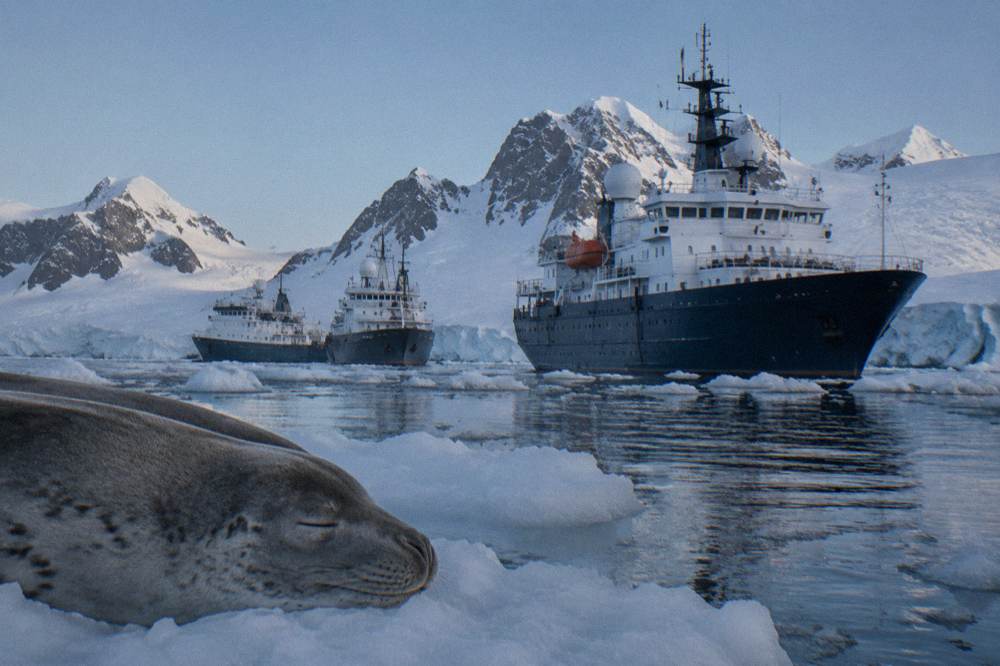
Across both fleets, one pattern holds up in the published specs: the more a traveller cares about the ship as a place to live for a week or two, the more Quark's premium makes sense, and the more the trip is purely about the landings, the more Oceanwide's fare looks like the rational buy (see 2 Week Trip Cost). That is a reading of the numbers, not a verdict on either operator's voyages.
Common Questions About Quark Vs Oceanwide
Is Quark more expensive than Oceanwide?
Yes, at entry level. Quark's published Antarctic Peninsula fares start at $12,236 per person on voyage-level fares shared across Ultramarine, Ocean Explorer and World Voyager, while Oceanwide's start at $7,050 aboard Plancius and $7,800 aboard Hondius and Ortelius.
Which line has newer ships?
Quark's fleet is the newer hardware package overall, though it does not publish build years on its ship pages. Oceanwide's newest ship, Hondius, was built in 2019; its other two ships date from 1989 and 1976, with Plancius rebuilt as a passenger vessel in 2009.
Do both lines make landings in Antarctica?
Yes. Both operate under the Antarctic Treaty visitor guidelines that IAATO members follow: vessels over 500 passengers cannot make landings at all, no more than 100 passengers from a vessel may be ashore at once, and guiding staff must number at least one per twenty visitors. Every ship in both fleets is well under the 500-passenger ceiling.
Which line offers helicopters?
Both, in different ways. Quark's Ultramarine carries two twin-engine Airbus H145 helicopters as a permanent ship feature used on dedicated itineraries. Oceanwide's Ortelius operates helicopter-supported Weddell Sea voyages, including its emperor penguin programme, on specific departures.
Are drinks and gratuities included?
Neither operator itemises drinks as included on its ship pages. Quark's itinerary documents list a parka, boots and excursions among inclusions but do not itemise gratuities. Oceanwide suggests gratuities of 10 to 15 EUR or USD per passenger per day and does not publish a parka or boot inclusion on its ship pages.
Can I see emperor penguins with either line?
That is an Oceanwide speciality: Ortelius runs Weddell Sea voyages with helicopter flights toward the Snow Hill Island rookery area in November and December when ice allows. Quark does not list an emperor penguin voyage among its stated itineraries for 2026-27.
More Head To Head Comparisons
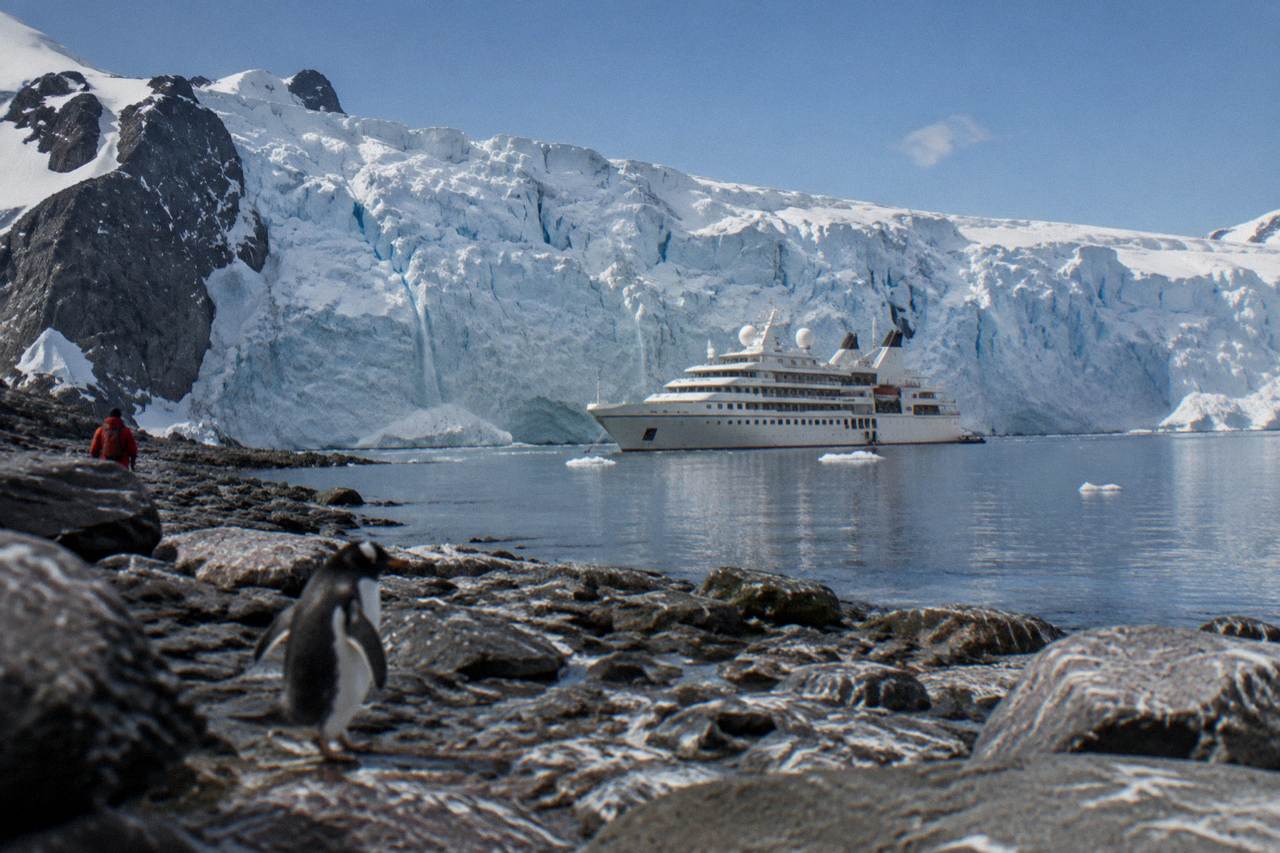 Silversea Vs SeabournTwo ultra-luxury expedition lines compared: ships, routes, expedition programmes and fare value.Read the comparison
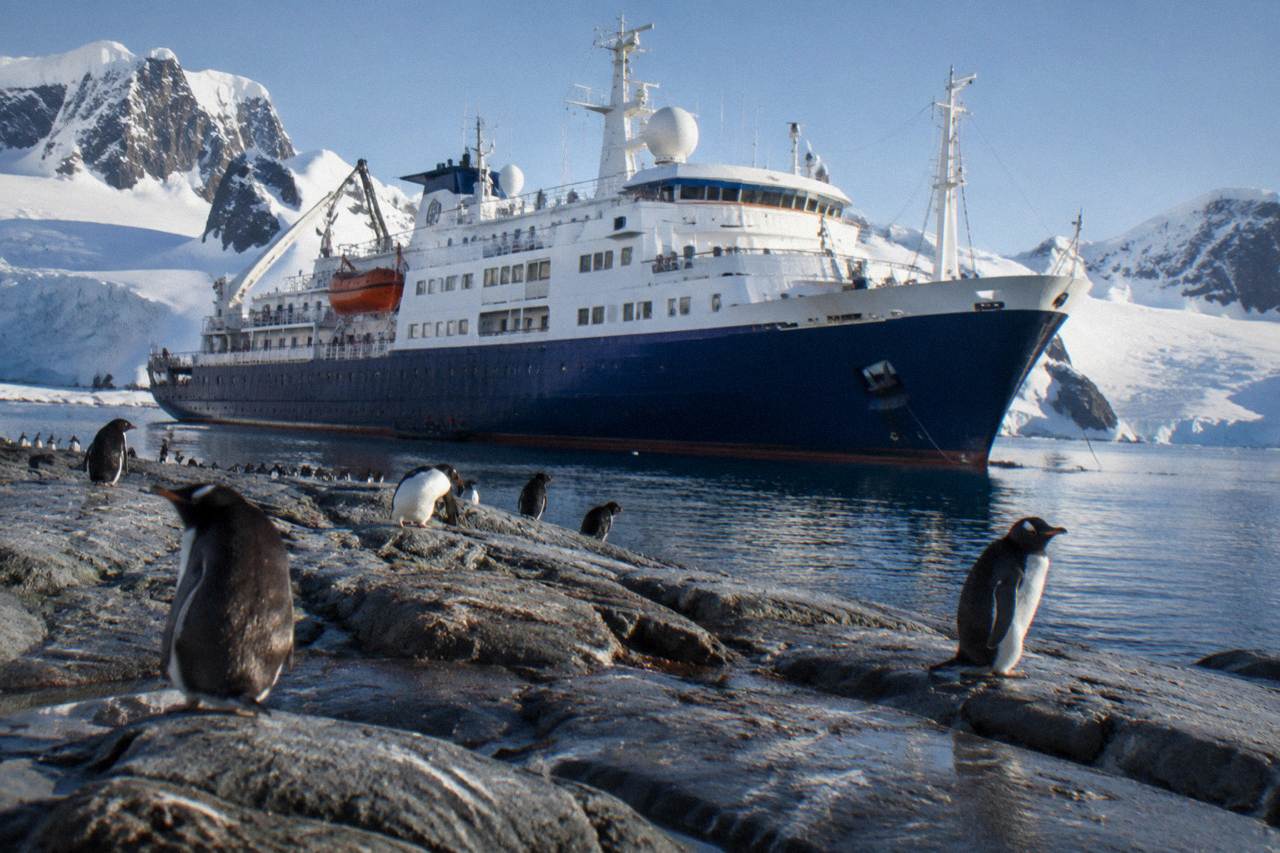 Viking Vs SilverseaTwo premium expedition lines compared on specs, routes, activities and published fares.Read the comparison
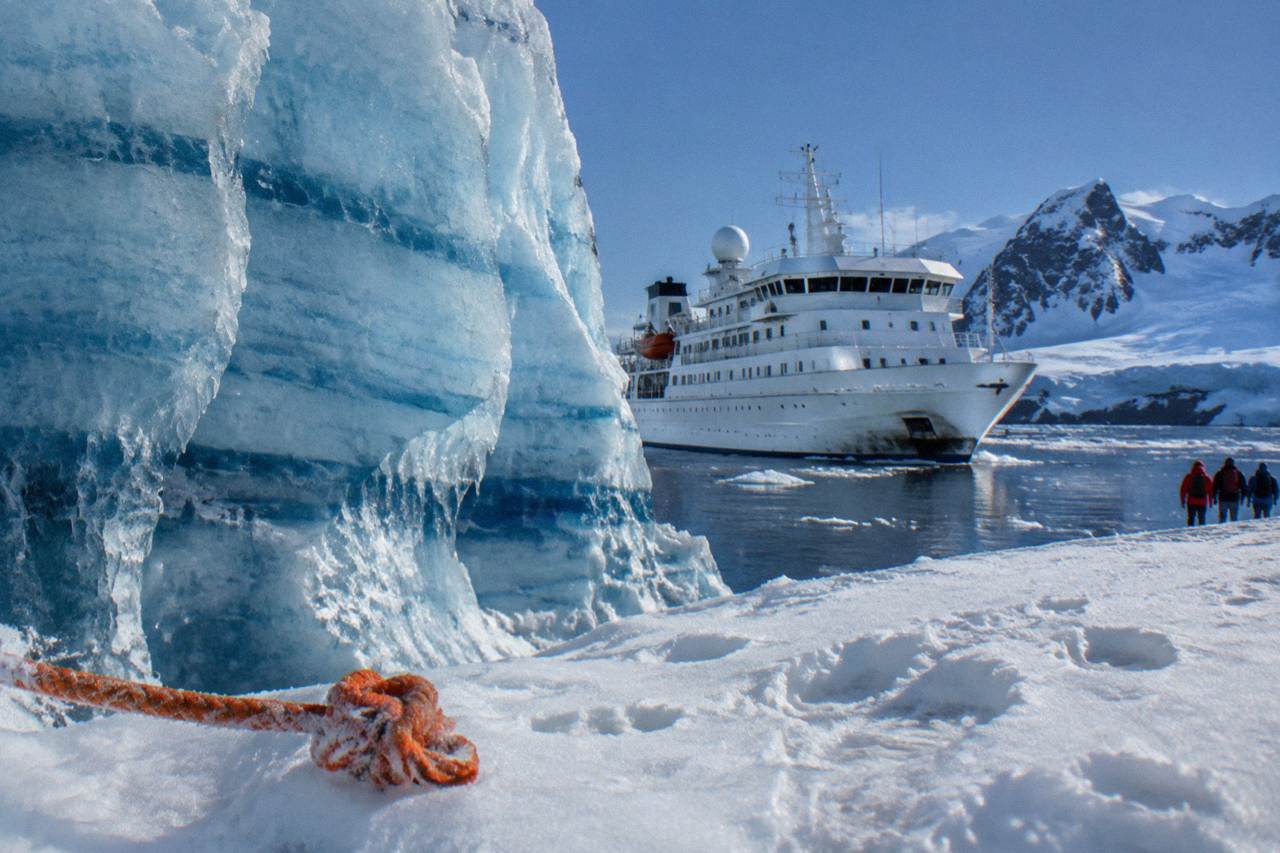 Viking Vs HXViking's twin 378-guest ships against HX's Fram and hybrid fleet, compared on price, cabins and landings.Read the comparison
 Lindblad Vs PonantNational Geographic naturalists versus French luxury yachts: how the two expedition lines compare on ships, routes, activities and price.Read the comparison