Magellan Explorer Vs Ocean Explorer: Fly-Cruise Or Upscale Drake Ship?
 By Oleg G.
Magellan Explorer flies you over the Drake Passage in about two hours; Ocean Explorer sails you across it in an upscale ship with balconies and a spa. Both start within about $1,500 of each other, so the real choice is time and seasickness against onboard space.
Quick answer: Magellan Explorer carries 88 guests on fly-cruises from Punta Arenas, from $13,795 per person for an 8-day Classic Antarctica air-cruise. Ocean Explorer carries 138 guests from Ushuaia, with Quark voyage fares from $12,236 per person for an 11-12 day Antarctic Explorer sailing. One skips the Drake, one sails it in comfort.
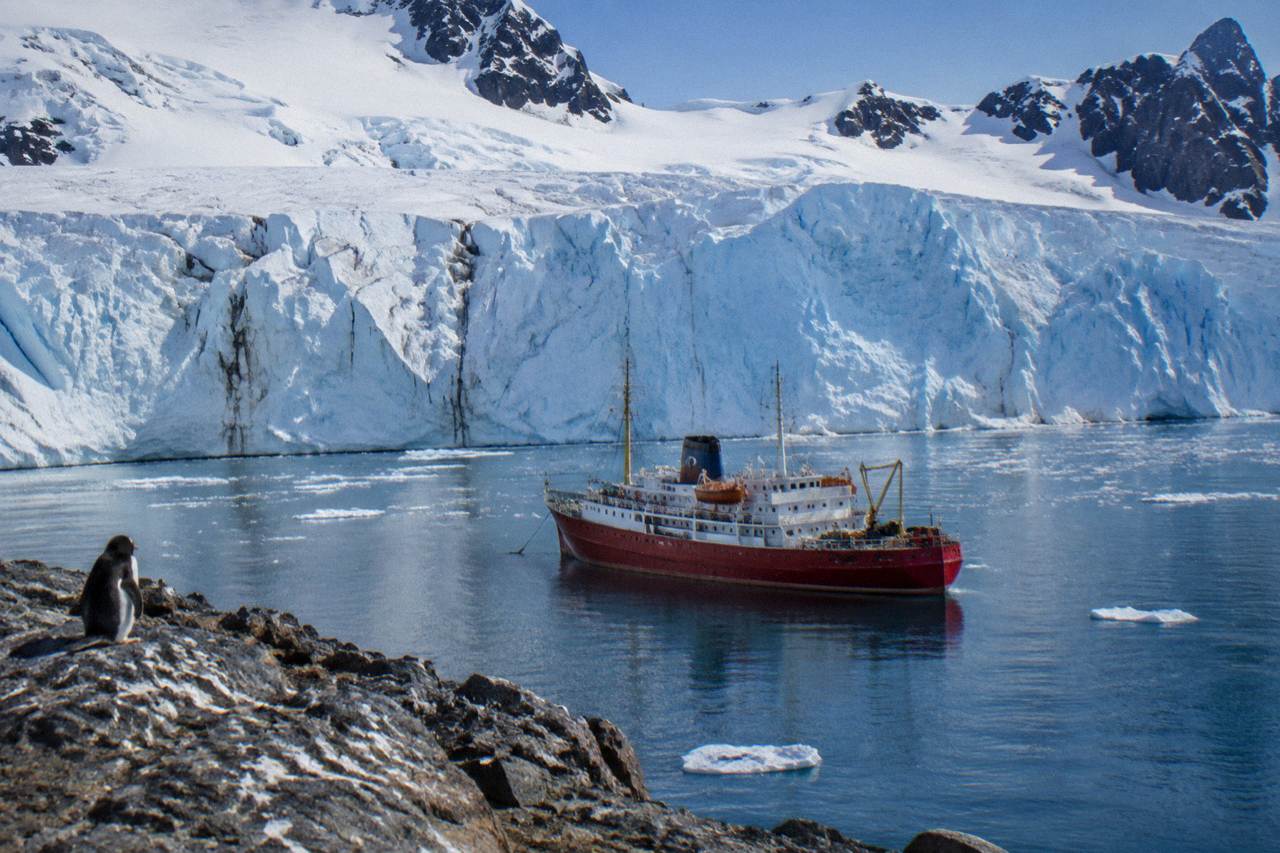
Quick Facts Side By Side
The short verdict: Magellan Explorer trades sea days for flight hours, putting you in Zodiacs near King George Island roughly two days sooner, while Ocean Explorer spends those days crossing the Drake Passage with veranda cabins, a spa and a two-story library on board. Fares sit close together, from $13,795 for the 8-day air-cruise versus Quark voyage fares from $12,236.
These are two genuinely different products that happen to cost a similar amount. Magellan Explorer is Antarctica21's purpose-built fly-cruise ship: you fly from Punta Arenas to King George Island in roughly two hours and board there, skipping the Drake Passage entirely, as the operator's air-cruise model describes. Ocean Explorer is Quark Expeditions' upscale expedition vessel, sailing the traditional two-day crossing each way from Ushuaia. The operator's ship page carries the full details for each, and we have a separate deep dive on the Magellan Explorer fly-cruise experience if you want the air-cruise model unpacked.
| Specification | 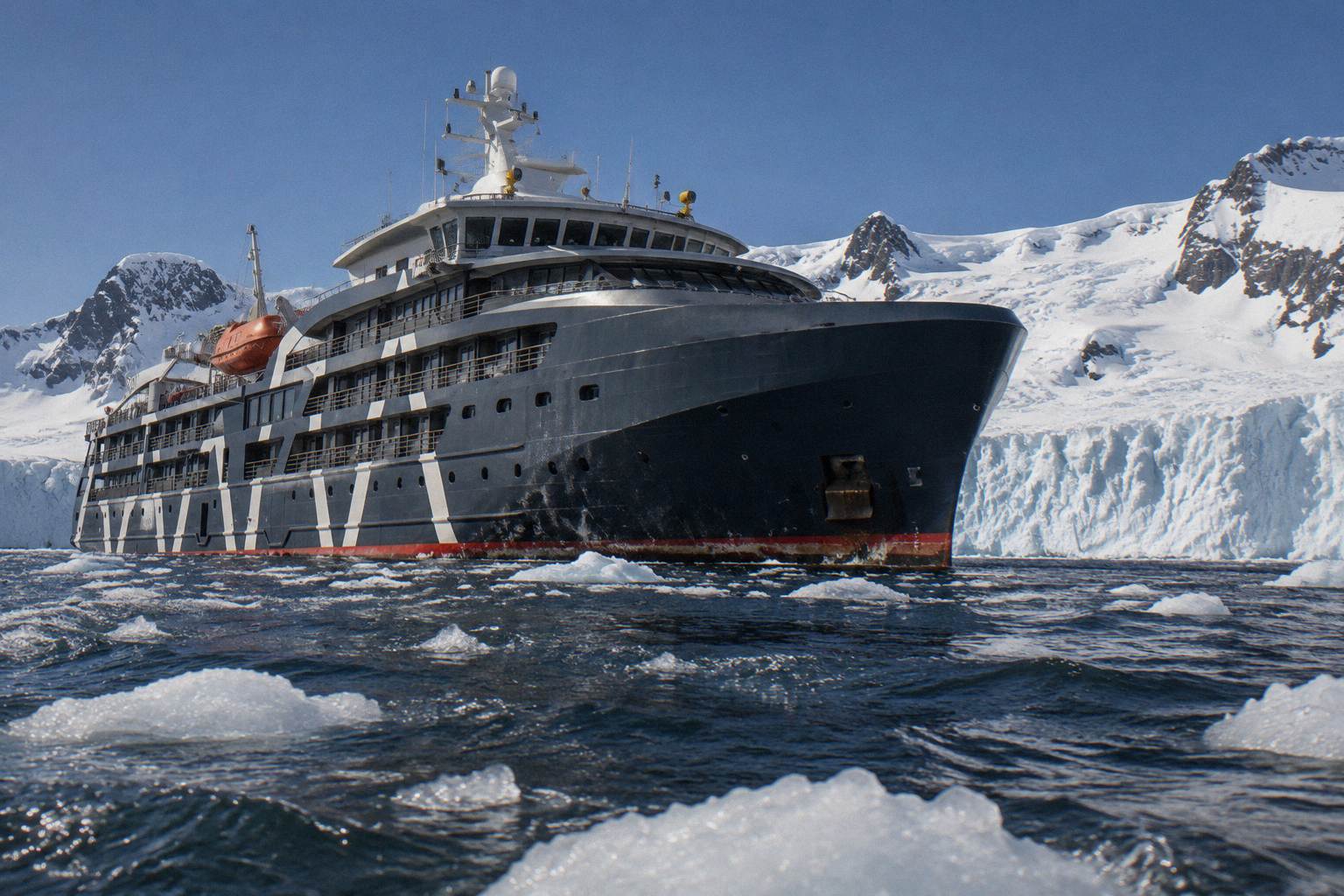 Magellan ExplorerAntarctica21 Magellan ExplorerAntarctica21 | 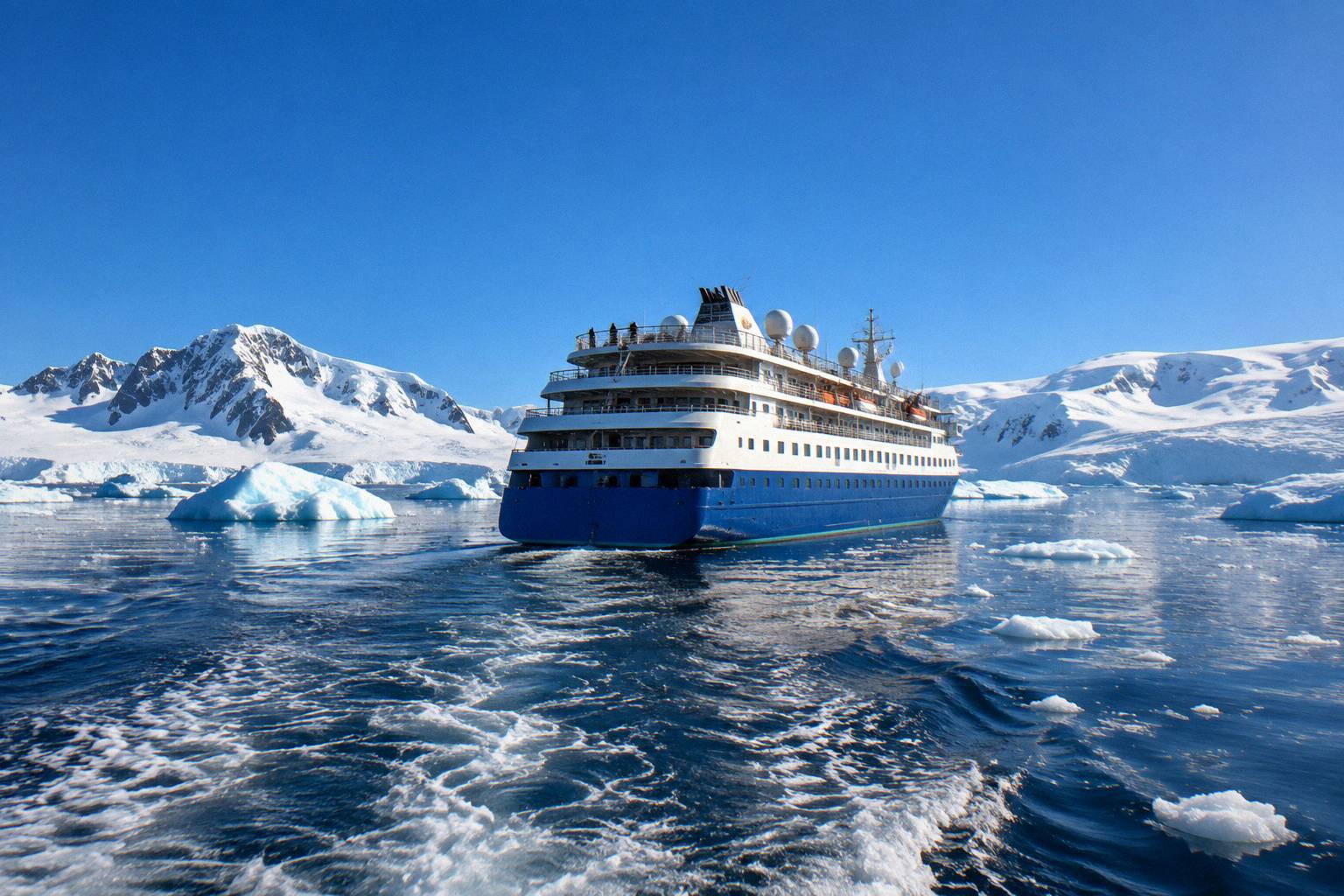 Ocean ExplorerQuark Expeditions Ocean ExplorerQuark Expeditions |
|---|---|---|
| Operator | Antarctica21 | Quark Expeditions |
| Class | Fly-Cruise | Upscale Expedition |
| Passengers | 8896 overall | 138 |
| Built | 2019 | – |
| Ice class | LR PC6 | 1A, PC6 |
| From, per person | from $13,795 | from $12,236 |
| Departs from | Punta Arenas (fly) to King George Island | Ushuaia, Buenos Aires, Punta Arenas |
| Voyage length | 8 days | 8 to 20 days |
| Next step | Get a free quote for Magellan Explorer | Get a free quote for Ocean Explorer |
The table above carries the verified numbers side by side. A few fields need care: the operator's page for Magellan Explorer lists 88 guests on air-cruises (96 on sea voyages), while Ocean Explorer's page lists 138 passengers. Ice class wording also differs, LR PC6 for Magellan Explorer against 1A, PC6 for Ocean Explorer, and neither figure should be read as a simple rank order between the two.
Who Each Ship Is Built For
Magellan Explorer is built for travellers who want maximum Antarctic time per holiday day and minimum open-ocean exposure: the fly-cruise trades the roughly four-day round-trip Drake transit for a charter flight, in a ship designed around a small guest count. Ocean Explorer is built for travellers who want the classic expedition cruise from Ushuaia aboard a more spacious upscale ship with verandas, a spa and a two-story library.
Magellan Explorer entered service in 2019 as the first ship purpose-built for Antarctica21's air-cruise concept, and the operator's ship page describes a vessel designed around the fly-in model: 88 guests on air-cruises, 50 cabins in seven categories, and a dedicated Zodiac operation of 10 boats. The whole product assumes you are happy to trade the sailing passage for a roughly two-hour flight and accept the strict baggage limits that come with a charter aircraft. If that trade sounds appealing, our guide to flying instead of sailing the Drake works through the trade-offs in detail.
Ocean Explorer, by contrast, is a 2021-built upscale expedition ship in the Quark Expeditions fleet, one of three vessels the operator rotates through its Antarctic voyages. The operator's ship page lists 138 passengers, 15 Zodiacs, and cabins where almost all have verandas, plus a Tundra Spa, two outdoor Jacuzzis and a two-story library. It is a ship for people who consider the Drake Passage crossing part of the trip rather than a cost of getting there, a framing we explore in the Drake Passage crossing guide.
Neither ship is "better" in the abstract. The air-cruise suits tight schedules and rough-sea aversions; the sailing ship suits travellers who want more days on board, more cabin space for the money and a lower exposure to charter-flight weather delays on the day itself.
Cabins And Suites
Magellan Explorer offers 50 cabins across seven categories, most with private balconies, on a ship where 88 guests sail on air-cruises. Ocean Explorer offers roughly 72 cabins by trade-listing count, and the operator's page describes staterooms and suites where almost all have verandas, from Studio Veranda Single cabins up to Owner's and Penthouse suites. Both ships give nearly every guest a balcony, which is unusual at these fare levels.
The cabin experience differs mainly in scale and style. Magellan Explorer's seven categories run from Porthole Cabins through Veranda and Deluxe Veranda Cabins up to Deluxe and Penthouse Suites, per the operator's ship page, with most categories offering a private balcony. Ocean Explorer's categories include Veranda Staterooms, Veranda Suites, Junior Suites, a Studio Veranda Single for solo travellers, and Owner's and Penthouse suites at the top, again with verandas on almost all of them. The operator does not publish cabin square metres for either ship in the material we hold, so we print no sizes here.
| Magellan Explorer | Ocean Explorer | |
|---|---|---|
| Cabins | 50 in 7 categories | About 72 per a trade listing |
| Guests | 88 on air-cruises (96 on sea voyages) | 138 |
| Balconies | Most categories have private balconies | Almost all cabins have verandas |
| Top category | Penthouse Suite | Owner's Suite, Penthouse Suite |
| Solo option | Not stated on the operator page | Studio Veranda Single |
| Balcony-free option | Porthole Cabin | Not stated as a category |
One honest note: with 88 guests against 138, Magellan Explorer simply has fewer neighbours per deck, while Ocean Explorer offers more category rungs to climb. If a veranda matters to you, both deliver it; if a solo cabin matters, only Ocean Explorer's page lists one. That is exactly the kind of tie-breaker worth raising in a free consultation before you commit, since cabin availability on small ships moves fast.
Food, Lounges, And Life Onboard
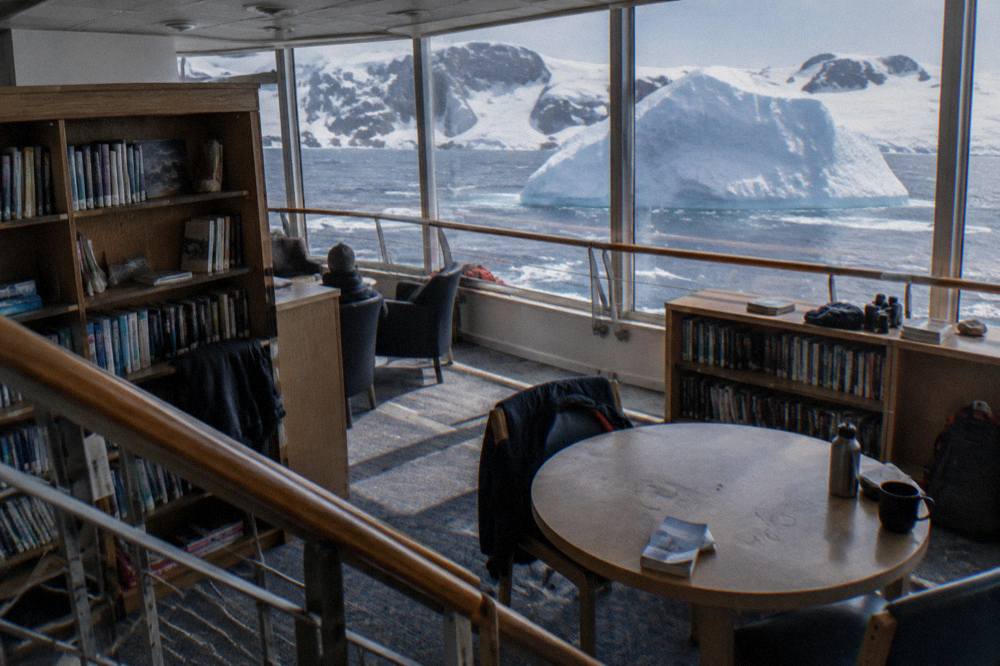
Magellan Explorer keeps onboard life compact: one panoramic dining room, an observation lounge, a library, a sauna, a gym and a presentation room for 88 guests. Ocean Explorer spreads across a main dining room plus Observation Bistro, a Tundra Spa with sauna, two outdoor Jacuzzis, a gym, an Observation Lounge and Bar, and a two-story library. The sailing ship has more days to fill and more space to fill them in.
The difference is a function of the itinerary as much as the ships. On Magellan Explorer you board at King George Island and are usually in landing range within hours, so the ship is closer to a comfortable base camp than a destination. The operator's page describes the dining room's panoramic views and the presentation room where briefings happen, and that is the rhythm: eat, brief, land, repeat.
Ocean Explorer has roughly four transit days on a classic Peninsula voyage, so the onboard programme carries more weight. The operator's ship page lists the Tundra Spa with large-window sauna, the two outdoor Jacuzzis, the two-story library and the Observation Lounge and Bar as the daytime anchors, with kayaking and camping among the listed expedition activities. Neither operator's page lists a pool or a theatre, and we claim neither.
Itineraries And Routes
Magellan Explorer runs 8-day Classic Antarctica air-cruises from Punta Arenas, flying to King George Island and cruising the South Shetlands and western Peninsula. Ocean Explorer sails from Ushuaia on voyages of 8 to 20 days, including 11-12 day Antarctic Explorer departures and longer Circle and combination routes. The air-cruise buys time; the sailing ship buys range.
The route difference is the heart of this comparison. Antarctica21's air-cruise model, running since 2003 per the operator, puts you on the water at King George Island on day two, giving an 8-day trip a higher share of Antarctic days than most sailings twice its length. The trade is that the charter flight is weather-dependent, and the itinerary is anchored to the South Shetland Islands and nearby Peninsula. Ocean Explorer's voyages from Ushuaia include the classic Peninsula route, Antarctic Circle attempts on longer departures, and combination itineraries, with the 11-12 day Antarctic Explorer as the entry point.
| Magellan Explorer | Ocean Explorer | |
|---|---|---|
| Gateway | Punta Arenas (fly) | Ushuaia (sail) |
| Voyage lengths | 8 days | 8, 9, 10, 11, 12, 20 days |
| Signature voyage | Classic Antarctica air-cruise | Antarctic Explorer, 11-12 days |
| Drake Passage | Skipped by charter flight | Sailed, roughly two days each way |
| From fare | From $13,795 per person | Quark voyage fares from $12,236 per person |
| Longer options | Polar Circle air-cruise variants | 20-day combination voyages |
If you are weighing a Circle attempt, our Antarctic Circle cruise guide covers which itineraries attempt the crossing, and the Peninsula cruise guide covers the classic route both ships ultimately serve.
Expedition Team, Landings, And Activities
Magellan Explorer carries 10 Zodiacs with kayaking, hiking and snowshoeing offered as optional extras; Ocean Explorer carries 15 Zodiacs with kayaking, paddling and camping listed among its activities. Both ships sit far under the 500-passenger landing cap, and both operate under the same IAATO rules: no more than 100 passengers ashore at a time from any one vessel, with a 1:20 guide-to-visitor ratio at landings.
The regulatory floor matters here because both ships clear it comfortably. Under the Antarctic Treaty visitor guidelines, vessels carrying more than 500 fare-paying passengers cannot make landings at all, and even compliant ships may put no more than 100 passengers ashore at once unless a site's own rules require fewer. At 88 and 138 guests respectively, both ships land everyone in a single rotation, which is the practical advantage of small-ship Antarctica over the big cruise-only vessels.
The activity lists differ in what the operator pages actually state. Ocean Explorer's page and itineraries list kayaking, paddling and camping; Magellan Explorer's materials list kayaking, hiking and snowshoeing as optional activities at extra cost, plus its 10-Zodiac fleet. Neither page lists helicopters or submarines for these two ships, and we claim neither. Snowshoeing appears on Magellan Explorer's list but not on Ocean Explorer's, and camping appears on Ocean Explorer's but not on Magellan Explorer's, so match the activity to the ship before booking rather than after.
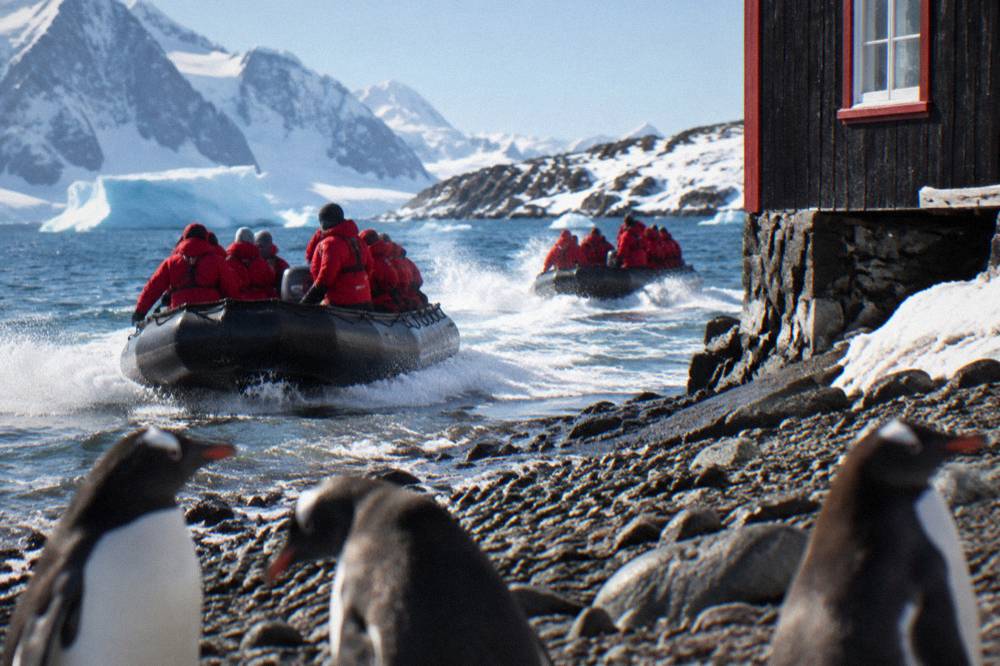
If landing time per day is your priority, the fly-cruise's faster start gives Magellan Explorer an edge on a short trip; if activity variety is your priority, Ocean Explorer's listed programme is the broader one. That is a genuine decision point, and it is worth a quick conversation with an expedition specialist before you choose.
Prices And What The Fare Includes
Magellan Explorer's Classic Antarctica air-cruise starts from $13,795 per person for 8 days, per the operator's ship page. Ocean Explorer's Antarctic voyages carry Quark voyage-level fares from $12,236 per person, but that fare is shared across Quark's ships on the same voyage, not exclusive to Ocean Explorer. Neither page itemises drinks or gratuities, so budget for those separately.
The fare comparison needs one careful framing. Quark Expeditions prices its Antarctic voyages at the voyage level, and the 11-12 day Antarctic Explorer "starts from" fare of $12,236 is shared with other Quark ships on that itinerary, including World Voyager. It is a real floor for an Ocean Explorer sailing, but it is not a ship-exclusive price, and the specific departure and cabin will move the number. Antarctica21's $13,795 is the air-cruise starting point, which includes the charter flight component that a sailing fare does not need.
| Cost item | Magellan Explorer | Ocean Explorer |
|---|---|---|
| From fare | From $13,795 per person | Voyage fares from $12,236 per person |
| Voyage | Classic Antarctica, 8 days | Antarctic Explorer, 11-12 days |
| Fare scope | Air-cruise including charter flight | Voyage-level Quark fare, shared across ships |
| Parka and boots | Operator facilitates rental of boots and parka | Parkas and boots listed in itinerary inclusions |
| Drinks and gratuities | Not itemised on the operator page | Not itemised on the operator page |
| Charter flight | Included in the air-cruise model | Not applicable; voyages sail from Ushuaia |
Per-night arithmetic flatters the sailing ship, but it is a slightly unfair comparison: the air-cruise fare buys flight legs and four fewer sea days, and the sailing fare buys more total days. Our full Antarctica cruise cost guide breaks down the realistic all-in budget, where flights to the gateway city, gear, tips and insurance typically add thousands beyond the base fare on either ship.
The Real Differences
Five contrasts decide this pairing: the Drake Passage (flown versus sailed), time efficiency (8 days versus 11-12 for a comparable landing count), onboard scale (compact base camp versus full upscale amenity deck), the activity lists (kayaking and snowshoeing extras versus kayaking and camping), and weather exposure (one charter flight day versus a multi-day sea crossing). Where the ships are near-identical, it is the landing itself: both are small and land everyone in one rotation.
Running through the contrasts in order:
- The crossing. Magellan Explorer flies the Drake in roughly two hours; Ocean Explorer sails it in roughly two days each way, with the operator's own guidance noting crossings can run 18-48 hours depending on conditions.
- Time efficiency. An 8-day air-cruise delivers a similar count of landing days to an 11-12 day sailing voyage, because the sailing ship spends about four days in transit.
- Onboard scale. Ocean Explorer's spa, two-story library, bistro and Jacuzzis exist partly because its guests have sea days to fill; Magellan Explorer's compact layout reflects a ship that is a base camp, not a resort.
- Activities. Kayaking appears on both lists; camping appears only on Ocean Explorer's; snowshoeing and hiking appear on Magellan Explorer's as paid extras. Match the list to your interests.
- Weather risk. The air-cruise concentrates its risk on one flight day, which can delay; the sailing ship spreads risk across a longer window but exposes you to the passage itself.
- Gateway logistics. Punta Arenas requires an overnight before the flight, with strict baggage limits on the charter leg; Ushuaia requires the Buenos Aires domestic connection and, in most experts' advice, a buffer night before embarkation.
The near-identical part is worth saying plainly: once you are ashore, a Zodiac landing from either ship looks much the same, penguins at the regulation five-metre distance, guides at the 1:20 ratio, one vessel per site at a time under IAATO coordination. The ships differ in how you get there and what surrounds you between landings, not in the landing itself.
Which One To Choose By Travel Style
Choose Magellan Explorer if your holiday time is short, your tolerance for open-ocean swell is low, or the Drake Passage is an obstacle rather than an attraction; choose Ocean Explorer if you want the classic sailing expedition, more cabin and amenity space for the money, and a broader activity programme on a longer voyage. The air-cruise suits the efficient traveller; the upscale sailing ship suits the immersion traveller.
| Traveller type | The pick | Why |
|---|---|---|
| One week of leave, no more | Magellan Explorer | 8-day air-cruise maximises Antarctic days per holiday day |
| Seasickness-averse | Magellan Explorer | Skips the Drake Passage swell entirely |
| Wants the classic expedition narrative | Ocean Explorer | Two-day crossing each way is part of the experience |
| Activity collector (camping, kayaking) | Ocean Explorer | Kayaking, paddling and camping listed on its programme |
| Solo traveller wanting a single cabin | Ocean Explorer | Studio Veranda Single listed in its categories |
| Spa-and-space traveller | Ocean Explorer | Tundra Spa, Jacuzzis, two-story library |
| Photographer on a tight window | Magellan Explorer | In landing range within hours of boarding |
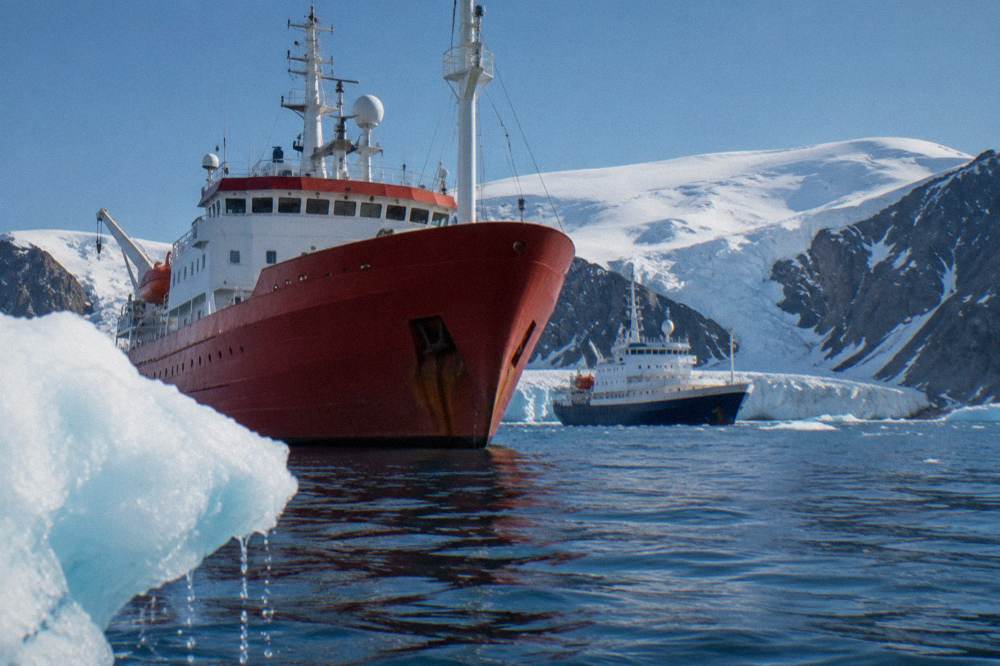
Both picks are defensible and neither is a compromise: they are different products at similar price points. Antarctica21 also fields a newer sister, Magellan Discoverer, from the same $13,795 starting point, so the fly-cruise side of the ledger has a second option worth checking before you decide (see Explorer Vs Discoverer). On Cruises In Antarctica we keep both ships' facts side by side precisely because this pairing is one of the most common cross-shopped decisions in the market.
Common Questions About Magellan Explorer Vs Ocean Explorer
Magellan Explorer Vs Ocean Explorer: which is cheaper?
Quark's voyage-level fares for Ocean Explorer's Antarctic Explorer voyages start from $12,236 per person for 11-12 days, while Magellan Explorer's Classic Antarctica air-cruise starts from $13,795 for 8 days. The sailing fare buys more days; the air-cruise fare buys the charter flight and a faster start. Neither figure is ship-exclusive in a way that changes the comparison.
Does Magellan Explorer cross the Drake Passage?
No. Magellan Explorer is a fly-cruise ship: guests fly from Punta Arenas to King George Island in roughly two hours and board the ship there, skipping the Drake Passage sea crossing entirely. Ocean Explorer sails the passage, which the operator describes as taking 18-48 hours depending on conditions.
Which ship has more guests?
Ocean Explorer carries 138 passengers per the operator's page. Magellan Explorer carries 88 guests on air-cruises, rising to 96 on sea voyages. Both are far below the 500-passenger threshold above which vessels cannot make Antarctic landings at all.
Which ship has balconies?
Both, mostly. Magellan Explorer's cabins span seven categories with most offering private balconies, and Ocean Explorer's cabins almost all have verandas, per the operators' pages. Magellan Explorer also sells a Porthole Cabin without one; Ocean Explorer's page does not list a balcony-free category.
Can you kayak from both ships?
Kayaking appears on both ships' activity lists. Ocean Explorer's page also lists paddling and camping; Magellan Explorer's materials list kayaking, hiking and snowshoeing as optional activities at extra cost. Neither ship's page lists helicopters or submarines.
Which is better if you get seasick?
Magellan Explorer, by design: the air-cruise model removes the Drake Passage crossing, which is where the largest swell exposure on any Antarctic voyage occurs. Ocean Explorer mitigates motion with its expedition design, but it still sails roughly two days of open ocean each way.
More Head To Head Comparisons
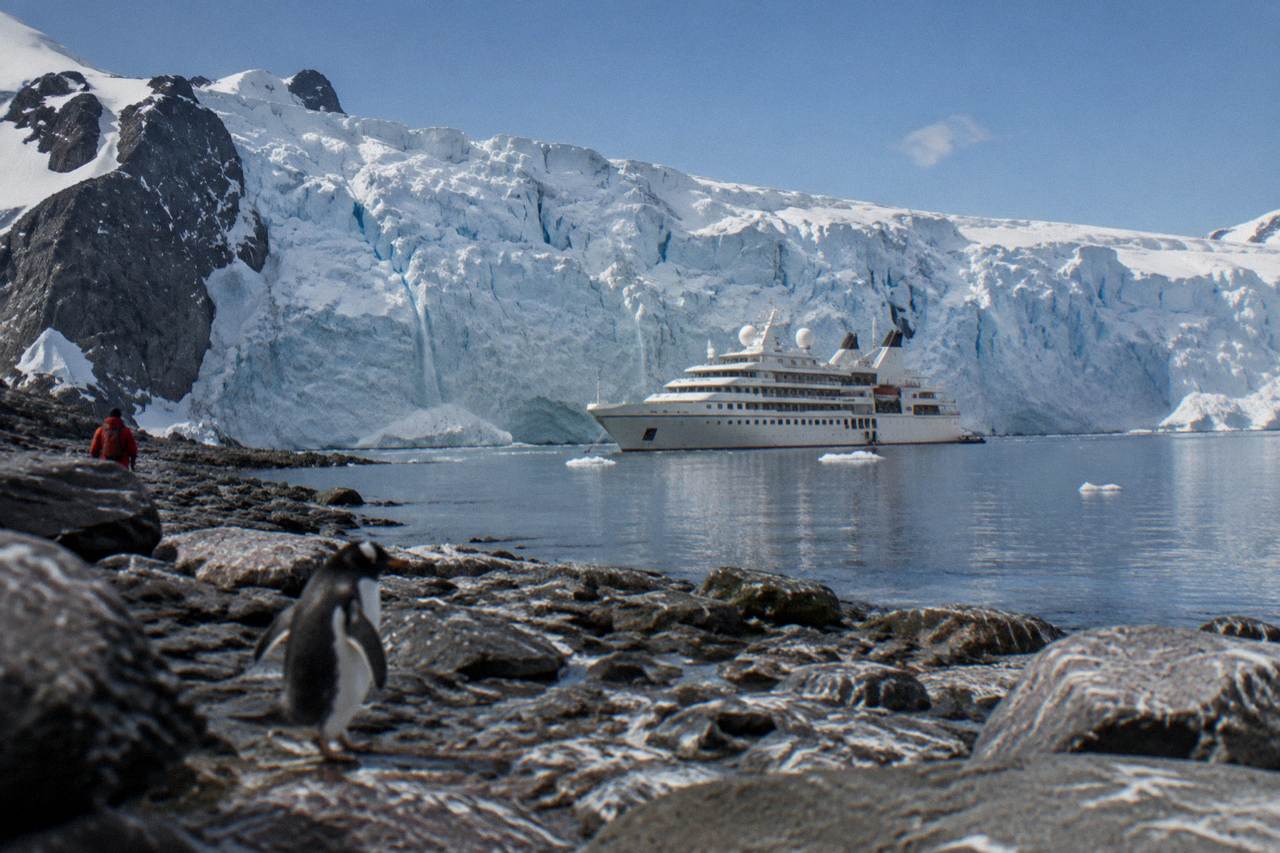 Silversea Vs SeabournTwo ultra-luxury expedition lines compared: ships, routes, expedition programmes and fare value.Read the comparison
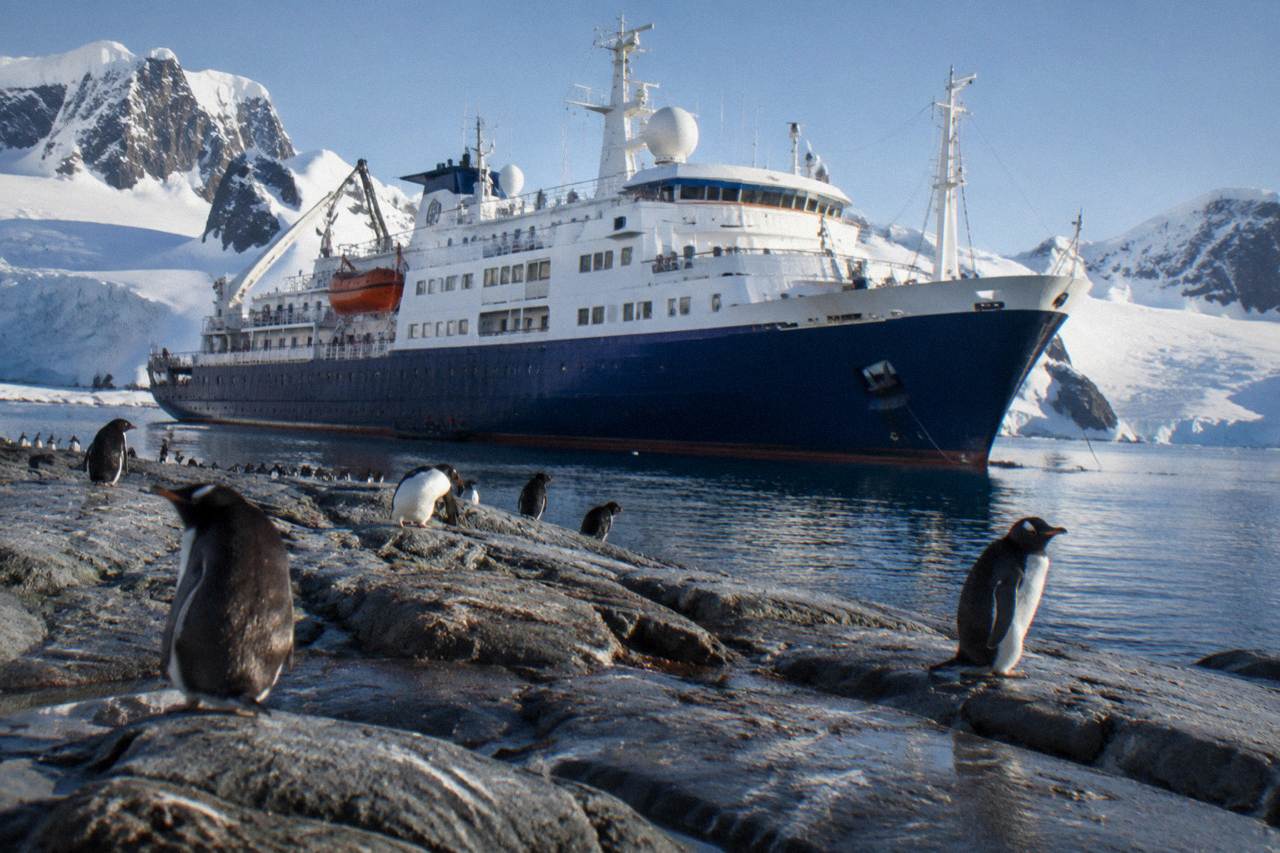 Viking Vs SilverseaTwo premium expedition lines compared on specs, routes, activities and published fares.Read the comparison
 Viking Vs HXViking's twin 378-guest ships against HX's Fram and hybrid fleet, compared on price, cabins and landings.Read the comparison
 Quark Vs OceanwideUpscale helicopters versus small-ship value: how the two Antarctic specialists really differ.Read the comparison