Viking Vs Silversea: Which Premium Line Suits First-Timers?
 By Oleg G.
Viking and Silversea both sell premium Antarctic expedition cruising, but they build the product differently: Viking runs two near-identical 378-guest ships with science labs and Nordic Balcony cabins, while Silversea's Antarctic fleet is smaller-guest-count, all-suite and balcony-first. Here is what the operator pages actually publish, side by side.
Quick answer: Viking's Octantis and Polaris carry 378 guests each, were built in 2022, hold Polar Class 6, and the operator's ship page lists Antarctic Explorer from $14,999 per person. Silversea's Silver Endeavour carries 220 guests with PC6 and all-balcony suites, but the operator does not publish fares. Viking suits value-minded first-timers; Silversea suits smaller-ship luxury.
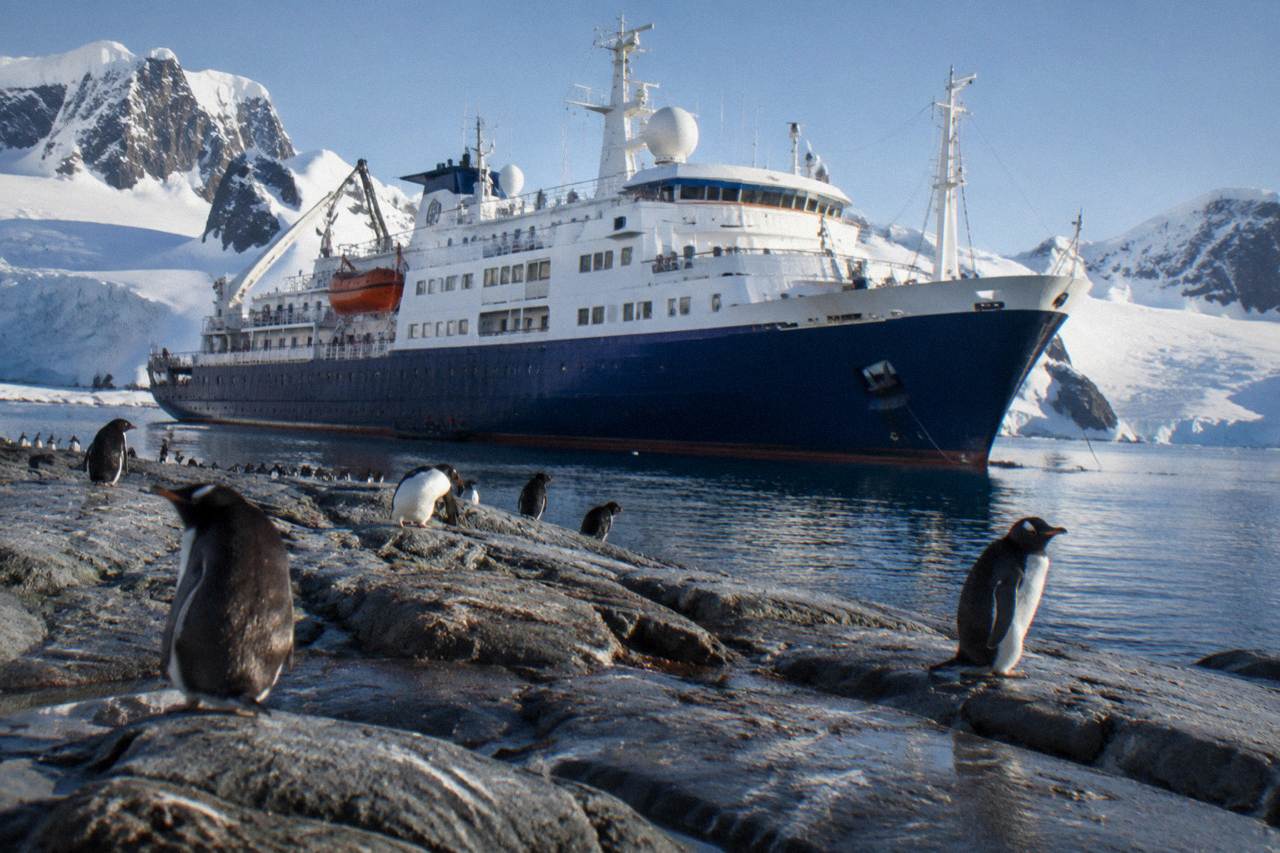
Quick Facts Side By Side
Viking fields two sister ships, Octantis and Polaris, each carrying 378 guests with Polar Class 6 hulls, while Silversea's Antarctic fleet centres on the 220-guest Silver Endeavour alongside the 274-guest Silver Wind. Viking publishes Antarctica fares on its ship pages, from $14,999 per person; Silversea does not publish fares, so a current Silversea price needs a consultation. Both lines are premium, but the products differ in scale and style.
Both lines sell what the industry calls expedition cruising: a cruise built around Zodiac landings, lectures and wildlife rather than around pools and show lounges. The difference is in how each line interprets that. Viking entered polar waters with two purpose-built ships in 2022 and leans on a scientific partnership identity, with laboratories and a fleet of small boats carried on board. Silversea, the older expedition brand here, bought a former luxury expedition vessel, rebuilt it as Silver Endeavour, and runs an all-suite, all-balcony product with butler service in every suite, a claim the operator makes on its own ship page for its fleet generally.
For a first-time Antarctic traveller the practical question is narrower than the marketing suggests. Both lines operate in the same season, on the same broad Peninsula routes, under the same IAATO landing rules. What changes is ship size, cabin style, published price and how much of the expedition gear each operator documents. This guide compares only what the operators' own pages and verified reports state, and flags every field an operator does not publish.
| Ship | Class | Passengers | Ice class | From, per person | Voyage length | Departs from |
|---|---|---|---|---|---|---|
| Viking OctantisViking | Upscale Expedition | 378 | Polar Class 6 | – | – | – |
| Viking PolarisViking | Upscale Expedition | 378 | Polar Class 6 | – | – | – |
| Silver EndeavourSilversea | Luxury | 220 | PC6 | – | 6 to 13 days | King George Island, Puerto Williams |
| Silver WindSilversea | Luxury | 274 | – | – | 9 to 15 days | Puerto Williams, King George Island |
If you are weighing a specific Viking ship against its sister, the Viking Octantis vs Polaris comparison breaks down the two identical-spec vessels in detail. For the line-level picture each brand presents, the Viking Antarctica cruise guide and the Silversea Antarctica cruise guide cover the full fleets.
Who Each Line Is Built For
Viking is built for travellers who want a polished, predictable, mid-large expedition ship with Nordic design, included excursion gear and a published fare, while Silversea is built for travellers who prioritise a smaller guest count, all-balcony suites and butler-style service, and who are willing to request pricing. Neither is a budget product; both are premium lines aimed at first-time polar visitors who want comfort with the continent.
Viking's Antarctic product runs on two ships, and the Octantis is the flagship most first-timers encounter. The operator's ship page lists 378 guests, a crew of 256, a length of 665 feet and Polar Class 6 construction, with cabin categories from the Nordic Balcony cabin up through Owner's Suite, every listed category featuring the line's Nordic Balcony concept. The page also states that polar itineraries include a keepsake expedition jacket and excursion gear, and the Owner's Suite includes the Silver Spirits beverage package. The ship carries laboratories and a hangar of small boats, part of a research partnership the line emphasises across its expedition marketing.
Silversea's lead Antarctic vessel is the Silver Endeavour. The operator's fleet page gives 220 guests and a PC6 ice-class rating, and the ship page lists nine suite categories from Classic Veranda up to Owner's Suite, all of them with a balcony. Dining runs to five named venues, from The Restaurant to La Dame, and facilities include the Otium Spa, a pool deck, two lounges, a library and a fitness centre. The page also describes a mud room for expedition operations and industry-leading Zodiac-to-guest and expert-to-guest ratios, though it does not publish the exact numbers.
Deciding between a 378-guest ship and a 220-guest one is one of the genuine forks on the way to Antarctica, and it interacts with everything else: fare, cabin, and how many people share each landing. If that choice is where you are stuck, you can talk through both lines free with someone who books them side by side.
The Fleets Compared
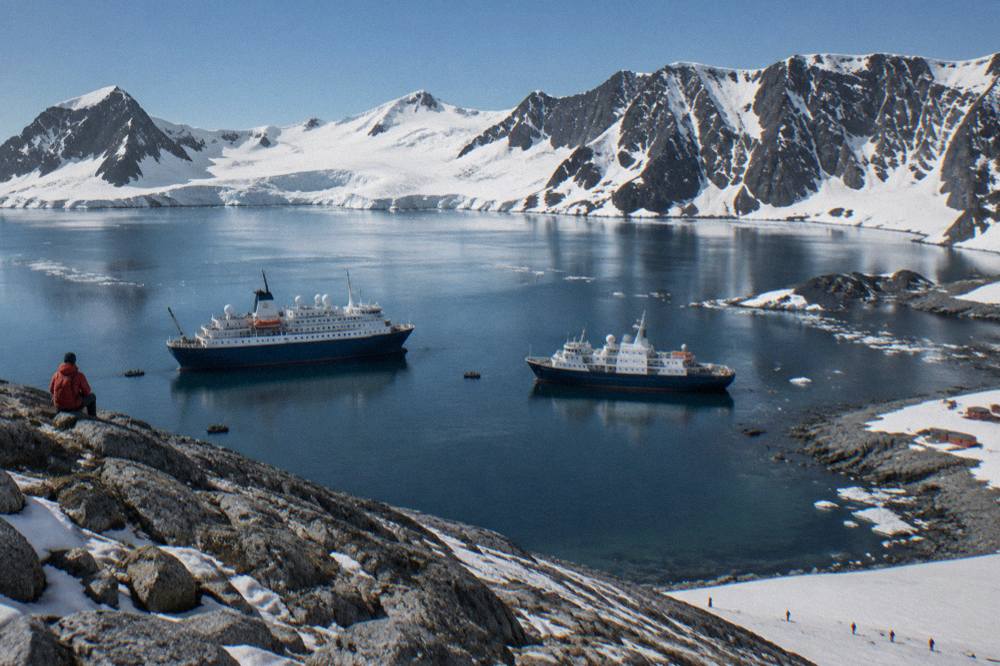
Viking's two Antarctic ships are identical twins built in 2022, each 202.7 metres long with Polar Class 6 hulls and 378 guests; Silversea's Antarctic fleet is more varied, pairing the 2021-built, PC6 Silver Endeavour at 220 guests with the older Silver Wind at 274 guests, whose ice class the operator does not state. Fleet age and class therefore favour Viking on paper.
The table below uses only the fields the operators publish. Where a cell is blank, the operator's page does not state the figure, and this guide does not guess it.
| Ship | Line | Passengers | Built | Ice class |
|---|---|---|---|---|
| Viking Octantis | Viking | 378 | 2022 | Polar Class 6 |
| Viking Polaris | Viking | 378 | 2022 | Polar Class 6 |
| Silver Endeavour | Silversea | 220 | 2021 | PC6 |
| Silver Wind | Silversea | 274 | not published | not stated |
A few notes on reading it. Viking's twin-ship approach means an Octantis booking and a Polaris booking buy essentially the same hardware; the operator's pages give identical capacity, length and ice class for both. Silversea's fleet is less uniform: Silver Endeavour is the newer, purpose-fitted expedition ship, while Silver Wind is a converted luxury vessel that the line also sends south, with voyage lengths of 9, 12 and 15 days from Puerto Williams and King George Island. Ice class matters less than buyers think on standard Peninsula routes, since both fleets operate in the same managed season, but a stated PC rating is still a documented fact and an unstated one is not.
Cabins, Food, And Onboard Style
Viking cabins centre on the Nordic Balcony, a glass-door arrangement the operator lists on every category from Nordic Balcony up to Owner's Suite, while Silversea's Silver Endeavour puts a private balcony in all nine suite categories, from Classic Veranda to Owner's Suite. Silversea documents more named dining venues; Viking's ship page does not publish a full venue list.
On Silver Endeavour the operator lists five dining venues: Il Terrazzino, The Restaurant, The Grill, La Dame and the Arts Café. Facilities include the Otium Spa, a pool deck, the Explorer Lounge, an Observation Lounge, a library and a fitness centre. The suite categories run from Classic Veranda Suite through Silver, Premium, Deluxe, Superior, Signature and Master Suites to the Grand and Owner's Suites, and the page states that all suites feature a balcony. It is a conventional luxury layout transplanted onto an expedition hull.
Viking's ship page takes a different approach: it lists cabin categories rather than a dining roll-call. Categories run from the Nordic Balcony cabin and Deluxe Nordic Balcony through Nordic Penthouse, Nordic Junior Suite and Explorer Suite to the Owner's Suite, and every listed category carries the Nordic Balcony. The page references spa treatments and alternative restaurants through suite perks rather than a named venue list, and it does not itemise gratuities, flights or general excursion inclusions beyond the expedition jacket and gear. The style is Scandinavian minimalism: clean lines, quiet public rooms, and a science centre rather than a casino.
Neither operator publishes cabin square metres for the Antarctic ships in the sources checked, so this guide makes no size claims. What can be said is structural: Viking sells one cabin concept across a range of tiers, Silversea sells a balcony suite in every tier. First-timers who care about a private veranda will get one on either line; first-timers who care about suite-style service will find it documented only on Silversea's page.
Itineraries And Routes
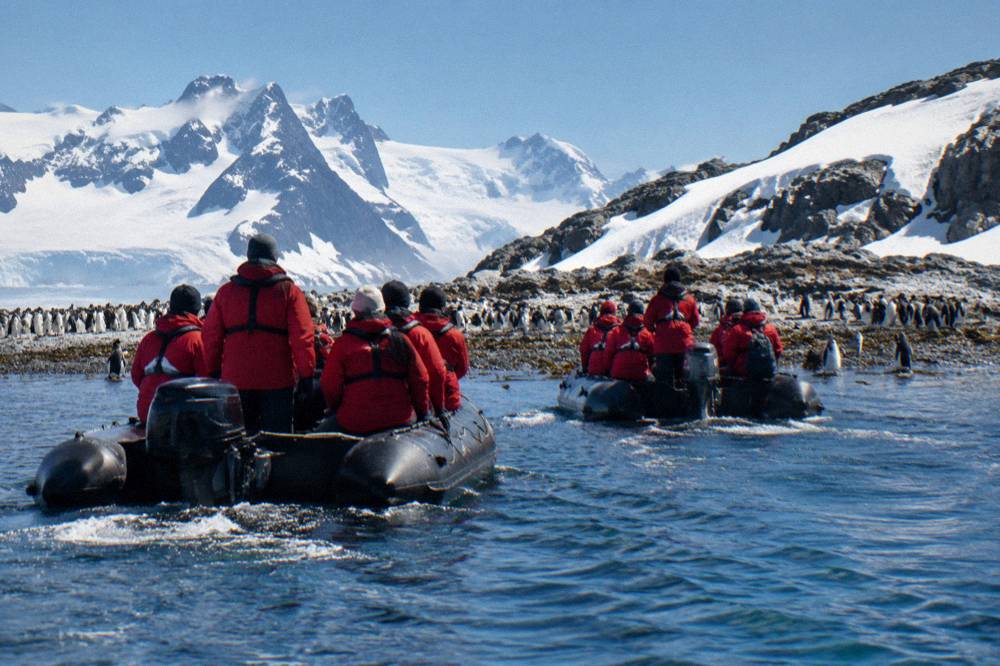
Viking's published Antarctic itineraries are the 13-day Antarctic Explorer from Buenos Aires to Ushuaia, from $14,999 per person, and the 15-day Into the Antarctic Circle from $18,499, while Silversea's Silver Endeavour lists voyages of 6, 9, 10 and 13 days from King George Island and Puerto Williams, with no published fares. Silversea's routes include fly-cruise gateways; Viking's published routes sail the Drake.
The operator's Viking Octantis page names two Antarctic voyages with prices: Antarctic Explorer, Buenos Aires to Ushuaia over 13 days, from $14,999, and Into the Antarctic Circle, 15 days, from $18,499. A trade report on Silversea's expedition sister ships describes 11- to 13-day Antarctic voyages and 21-day South Georgia and Falklands combinations, but the Silver Endeavour page itself does not publish itinerary lengths or prices, and the roster of verified data lists voyage days of 6, 9, 10 and 13 for the ship. Silver Wind's listed voyage days are 9, 12 and 15. Everything else covered here is indexed on Cruises In Antarctica.
| Ship | Voyage lengths | Gateway ports | Published from-price |
|---|---|---|---|
| Viking Octantis | 13 and 15 days | Buenos Aires, Ushuaia | from $14,999 (Antarctic Explorer, operator ship page) |
| Viking Polaris | 12-13 nights Antarctic Explorer departures Dec 2026-Mar 2027 | Buenos Aires, Ushuaia | not published for this ship |
| Silver Endeavour | 6, 9, 10, 13 days | King George Island, Puerto Williams | not published |
| Silver Wind | 9, 12, 15 days | Puerto Williams, King George Island | not published |
Two structural differences hide in that table. First, gateway: Viking's published voyages round-trip the Drake Passage by sea from Ushuaia, which means roughly two days of open-ocean crossing each way; the Drake Passage crossing guide covers what that transit involves. Silversea's Silver Endeavour and Silver Wind itineraries include King George Island, which indicates fly-cruise or fly-assisted routings through Chile, a different logistics chain described in the Punta Arenas Antarctica guide. Second, price transparency: Viking prints a from-fare on its own page; Silversea leaves the number to the sales process, which is why any Silversea budget in this guide is a consultation question rather than a figure.
Because the published fare is one of the biggest forks in this comparison, it is worth getting current numbers for your exact dates before committing. You can request current fares and dates through the free consultation and compare both lines' live departures in one pass.
Expedition Programme, Landings, And Activities
Both lines operate under the same IAATO landing rules: vessels over 500 passengers may not land at all, no more than 100 passengers may be ashore from a vessel at one time, and guiding staff must reach a 1:20 ratio. Viking documents Zodiacs, kayaks and a remotely operated vehicle on its expedition ships; Silversea documents Zodiac operations and kayaks on Silver Endeavour, and neither line's verified sources list camping or helicopters for these ships.
The regulatory floor is the same for everyone. The ATCM visitor guidelines state that vessels with more than 500 fare-paying passengers shall not make landings, that a maximum of 100 passengers may be ashore from a vessel at any one time, and that only one ship may visit a site at a time. Both fleets sit comfortably under the 500 cap, but the 100-ashore rule bites differently: on a 378-guest Viking ship, landings rotate in groups; on a 220-guest Silver Endeavour, more of the ship can go ashore in one movement. How each line actually manages rotation is not published in the sources checked.
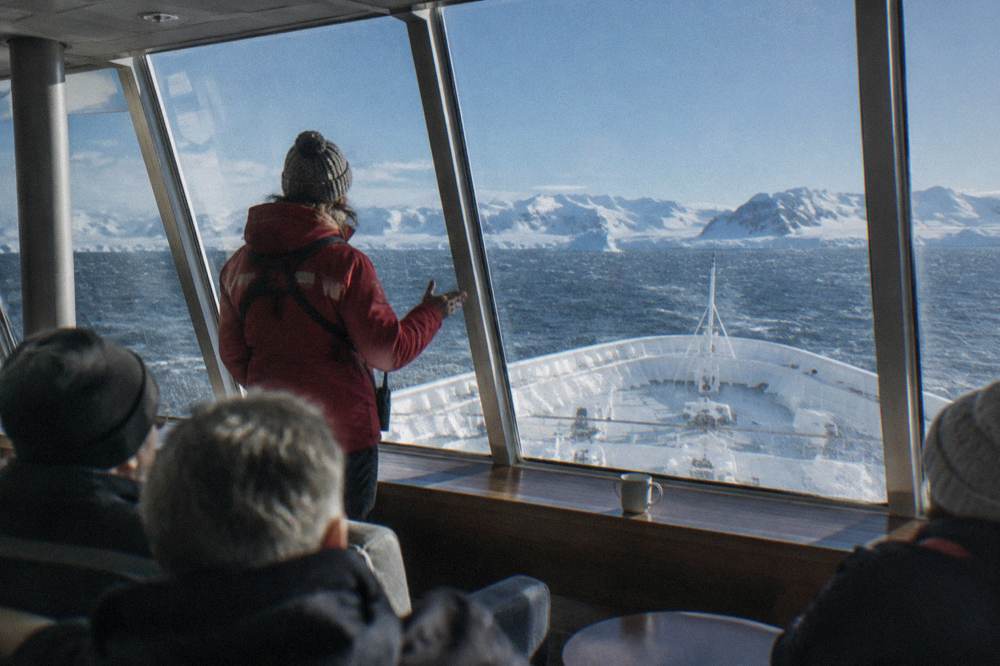
What each operator documents is uneven. Viking's Octantis page states that polar itineraries include a keepsake expedition jacket and all excursion gear, and the line's expedition marketing describes a fleet of Zodiacs and kayaks with a science partnership built around onboard laboratories; the page does not itemise per-activity lists. Silversea's Silver Endeavour page describes a mud room for expedition operations and industry-leading Zodiac-to-guest and expert-to-guest ratios without publishing numbers, and the line's expedition materials reference kayaks. Where a source is silent, this guide stays silent: camping, snowshoeing, helicopters and submarines are claimed for neither line's Antarctic ships here, because the verified pages do not list them for these vessels.
For first-timers the honest summary is that both programmes are built around the same core loop: Zodiac cruising, landings at penguin colonies and historic sites, and lectures between. The Antarctic Peninsula cruise guide and the Antarctica landing sites guide describe the sites both fleets actually visit. The difference is texture: Viking wraps the loop in a research-vessel narrative, Silversea wraps it in a luxury-service one.
Prices And What The Fare Includes
Viking publishes Antarctic fares from $14,999 per person for the 13-day Antarctic Explorer and $18,499 for the 15-day Circle voyage, and its ship page confirms an included expedition jacket and excursion gear on polar itineraries; Silversea publishes no Antarctic fares, and its ship page does not itemise inclusions. Industry guidance puts realistic all-in budgets for a mid-range Peninsula trip at $12,000 to $25,000 per person.
The published numbers only carry you so far. Viking's two printed fares are real and sourced from the operator's own ship page, but they are from-prices for the lowest category on specific departures, and cabin tier moves them quickly. Silversea's absence of printed fares is not a signal that the line is cheaper or dearer; it is a sales model. One 2026 cost guide reports that live 2027-28 Antarctic itineraries across ten lines range from $11,321 to $28,500 and up per person, and that entry-level expedition berths on Drake-crossing voyages begin at roughly $7,500 to $8,995, which frames where both premium lines sit: above the value tier, below the top ultra-luxury pricing.
| Item | Viking | Silversea |
|---|---|---|
| Published Antarctica from-price | from $14,999 (13-day Antarctic Explorer) | not published |
| Second published voyage | from $18,499 (15-day Into the Antarctic Circle) | not published |
| Expedition jacket and gear | included on polar itineraries (ship page) | not stated on ship page |
| Drinks | Silver Spirits package included in Owner's Suite | not stated on ship page |
| Gratuities | not itemised on ship page | not stated on ship page |
| Flights | not itemised on ship page | not stated on ship page |
The pattern is consistent: Viking's page itemises gear and one beverage inclusion, Silversea's page itemises neither, and neither page itemises gratuities or flights. Industry guidance notes that most expedition operators provide a parka and loan boots and that gratuities typically run $15 to $25 per person per day unless prepaid, but that is sector-wide guidance, not a promise from either line. Treat every inclusion as verifiable only against the operator's final booking terms, and treat the Antarctica cruise cost guide as the realistic budget frame: one 2026 guide puts a realistic all-in figure for a 10- to 12-day mid-range Peninsula trip, fare plus flights plus gear plus tips plus insurance, at $12,000 to $25,000 per person.
The Real Differences
The concrete contrasts are these: Viking's ships carry 378 guests against Silver Endeavour's 220; Viking's ships are 2022 builds against Silver Endeavour's 2021; Viking publishes fares and Silversea does not; Viking sails the Drake by sea while Silversea's Antarctic routes use King George Island gateways; Viking sells one Nordic Balcony cabin concept while Silversea sells nine balcony suite categories; and Viking documents a science-lab identity while Silversea documents a five-venue dining spread.
Counted plainly, the differences that matter to a booking are:
- Guest count. 378 versus 220 on the lead ships. Under the 100-passengers-ashore rule, the smaller ship concentrates the landing experience.
- Price transparency. Viking prints from $14,999 on its own page; Silversea's number only exists in a quote. Budget planners get an answer from one line immediately and a consultation from the other.
- Gateway and the Drake. Viking's published voyages cross the Drake by sea from Ushuaia; Silversea's Antarctic ports include King George Island, implying flight-assisted routings that skip open-ocean days. That choice, sea crossing versus flight, is covered in depth in the fly or cruise the Drake guide.
- Cabin philosophy. One concept, many tiers, versus nine named suite categories, all with balconies on both sides of the fence.
- Documented dining. Silversea names five venues on Silver Endeavour; Viking's page names none, referencing restaurants only through suite perks.
- Fleet uniformity. Book either Viking ship and the hardware is identical; Silversea's Antarctic fleet mixes a purpose-built expedition ship with a converted luxury vessel, so the ship choice inside Silversea matters more.
None of these decides the question on its own. They are levers, and the right setting depends on who is travelling and why, which is the next section.
Which Line To Choose By Travel Style
Choose Viking if you want a published fare, identical modern ships, included expedition gear and a science-forward programme on a larger vessel; choose Silversea if you want a smaller guest count, all-balcony suites, more named dining and flight-assisted gateways, and you are comfortable requesting the price. Both deliver the same regulated landing experience at the sites themselves.
| If you are this traveller | The better fit is | Because |
|---|---|---|
| Budget-first first-timer | Viking | fares published from $14,999, gear included on polar itineraries |
| Suite-comfort traveller | Silversea | nine balcony suite categories, butler service claimed fleet-wide |
| Drake-averse traveller | Silversea | King George Island gateways appear in its Antarctic ports |
| Traveller who wants the classic sea crossing | Viking | published voyages sail the Drake from Ushuaia |
| Small-crowd landing purist | Silversea | 220 guests versus 378 under the same 100-ashore rule |
| Traveller comparing like with like | Viking | two identical 2022 ships remove the ship-choice variable |
The honest caveat is that this table, like every comparison on this site, runs on published facts, and Silversea publishes fewer of them. A traveller who weights cabin service and dining heavily will find Silversea's page richer; a traveller who weights price and specs will find Viking's page richer. Neither page tells you which landing you will actually make on a given Tuesday, because no operator can, and both operate under the same site coordination that allows only one vessel per site at a time. The Antarctica cruise lines overview places both brands in the wider field if you want a third or fourth option on the same facts.
If the table has narrowed it to one line but not one departure, that is the point where a second opinion pays for itself in time. Use the free Antarctica cruise consultation to check cabin availability and current fares across both fleets for your dates.
Common Questions About Viking Vs Silversea
Which is cheaper, Viking or Silversea, for Antarctica?
Viking publishes its fares: Antarctic Explorer from $14,999 per person for 13 days and Into the Antarctic Circle from $18,499. Silversea does not publish Antarctic fares for Silver Endeavour or Silver Wind, so no comparison figure exists without a quote. One cost guide covering live 2027-28 itineraries across ten lines reports a range from $11,321 to $28,500 and up per person.
Do both Viking and Silversea ships make landings in Antarctica?
Yes, both fleets are under the 500-passenger limit that bars larger vessels from landings, and both operate under the same IAATO rules: a maximum of 100 passengers ashore from a vessel at any one time and a minimum 1:20 guide-to-visitor ratio during landings.
Is Silver Endeavour smaller than the Viking expedition ships?
Yes. Silver Endeavour carries 220 guests per the operator's fleet page, while Viking Octantis and Viking Polaris each carry 378. Silver Wind, Silversea's other Antarctic vessel, carries 274.
Which line includes more in the fare?
Viking's ship page states that polar itineraries include a keepsake expedition jacket and excursion gear, and that the Owner's Suite includes a beverage package. Silversea's ship page does not itemise inclusions. Neither page itemises gratuities or flights, so verify inclusions against the final booking terms on either line.
Do either Viking or Silversea ships fly over the Drake Passage?
Silversea's Antarctic ports include King George Island, consistent with flight-assisted routings from South America. Viking's published Antarctic voyages sail round-trip from Ushuaia and cross the Drake Passage by sea, roughly two days each way in typical conditions.
Which line is better for a first Antarctica trip?
Both are designed for first-timers. Viking suits travellers who want a published fare, identical modern ships and included gear; Silversea suits travellers who want a smaller guest count, all-balcony suites and more documented dining venues. The landing experience itself is regulated identically for both.
More Head To Head Comparisons
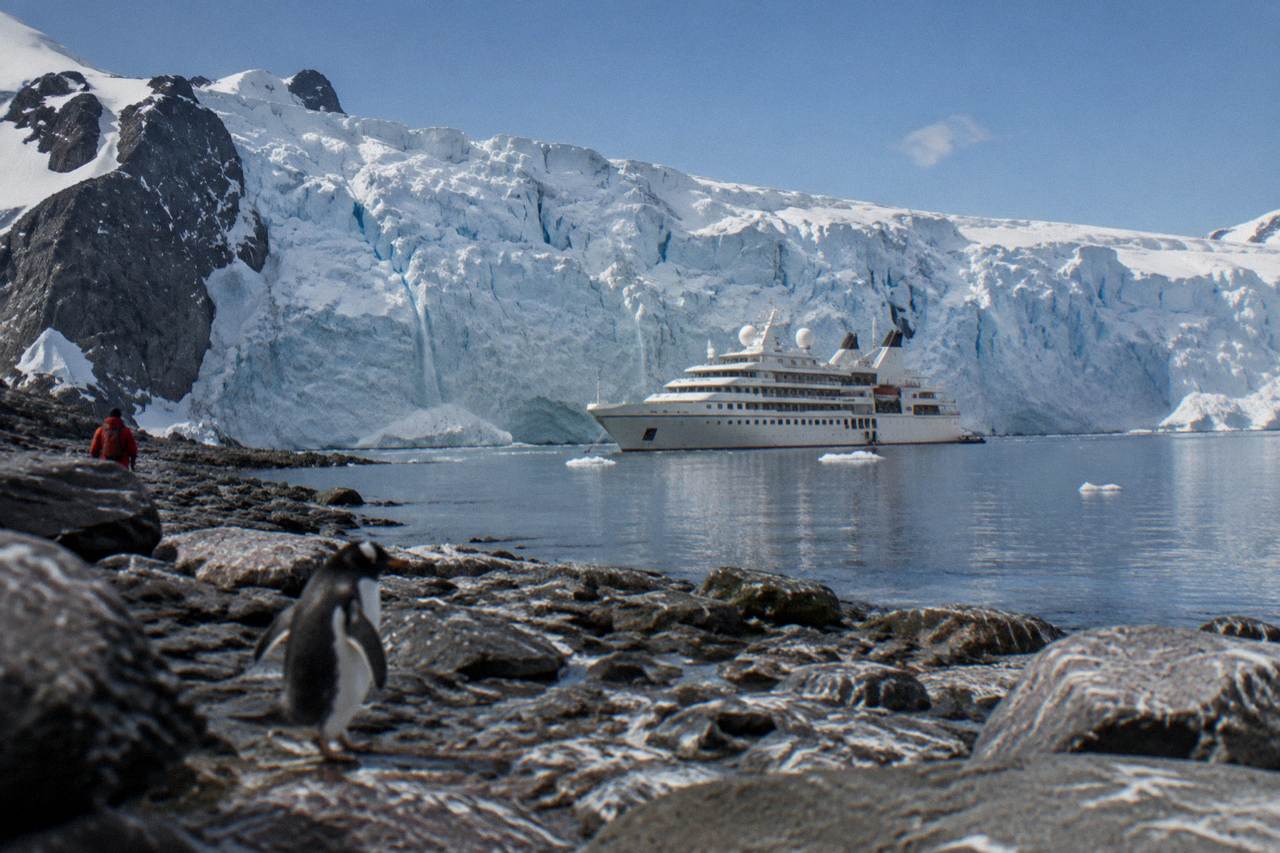 Silversea Vs SeabournTwo ultra-luxury expedition lines compared: ships, routes, expedition programmes and fare value.Read the comparison
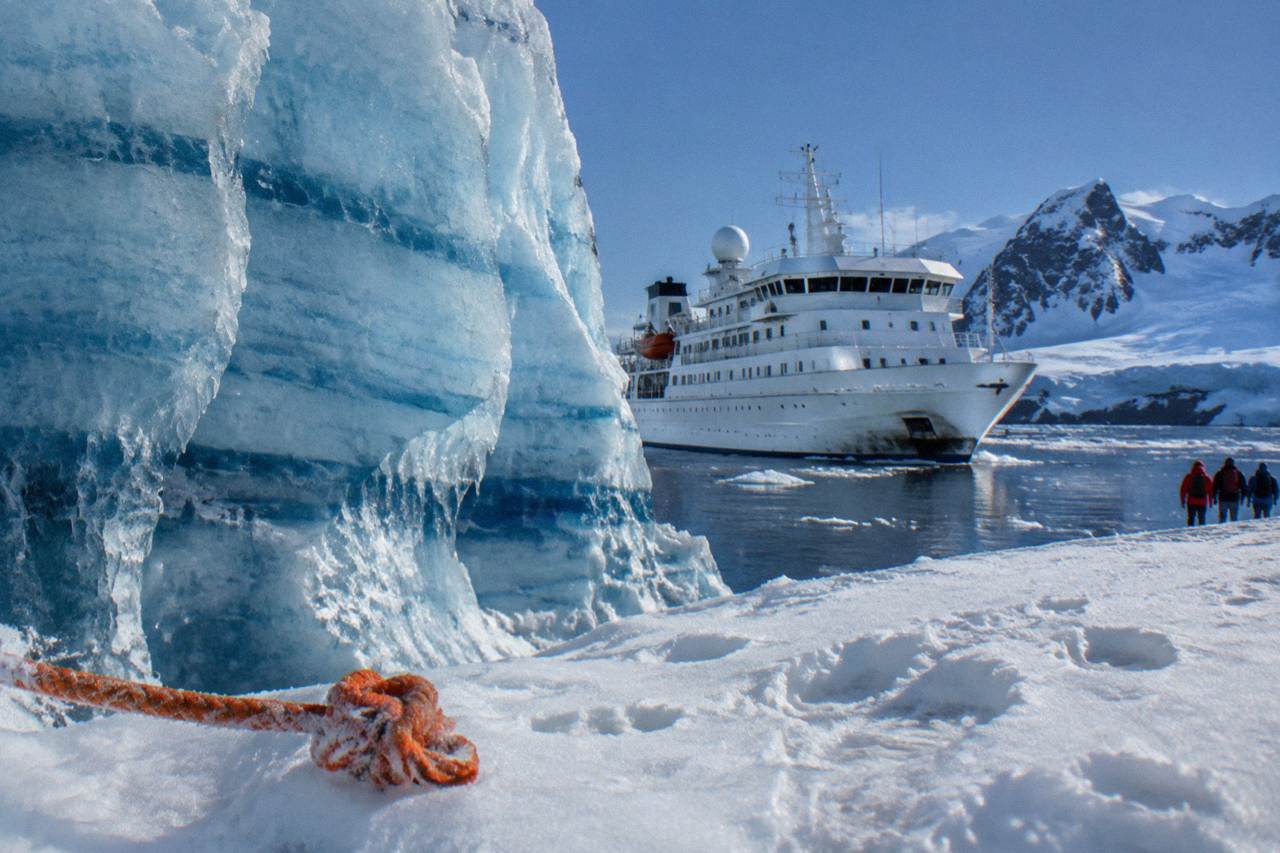 Viking Vs HXViking's twin 378-guest ships against HX's Fram and hybrid fleet, compared on price, cabins and landings.Read the comparison
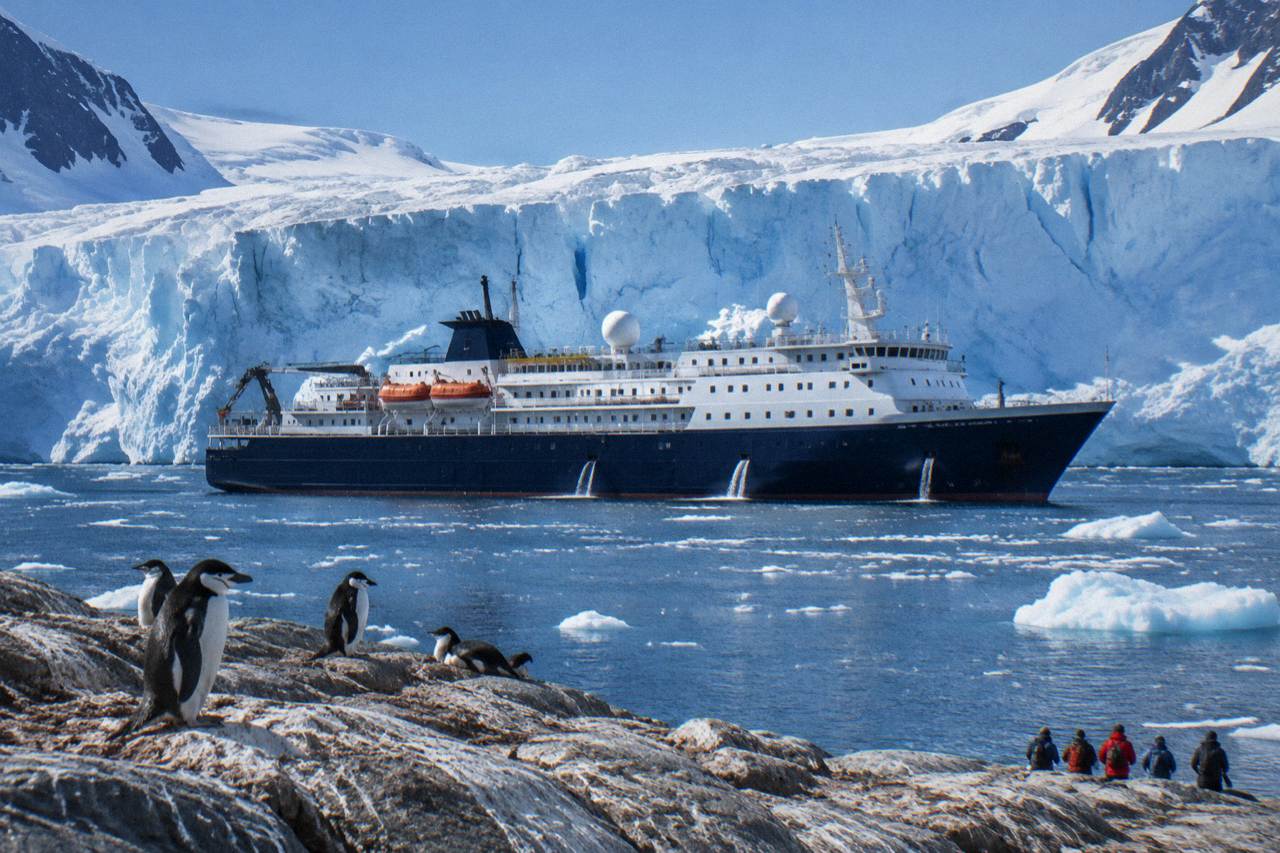 Quark Vs OceanwideUpscale helicopters versus small-ship value: how the two Antarctic specialists really differ.Read the comparison
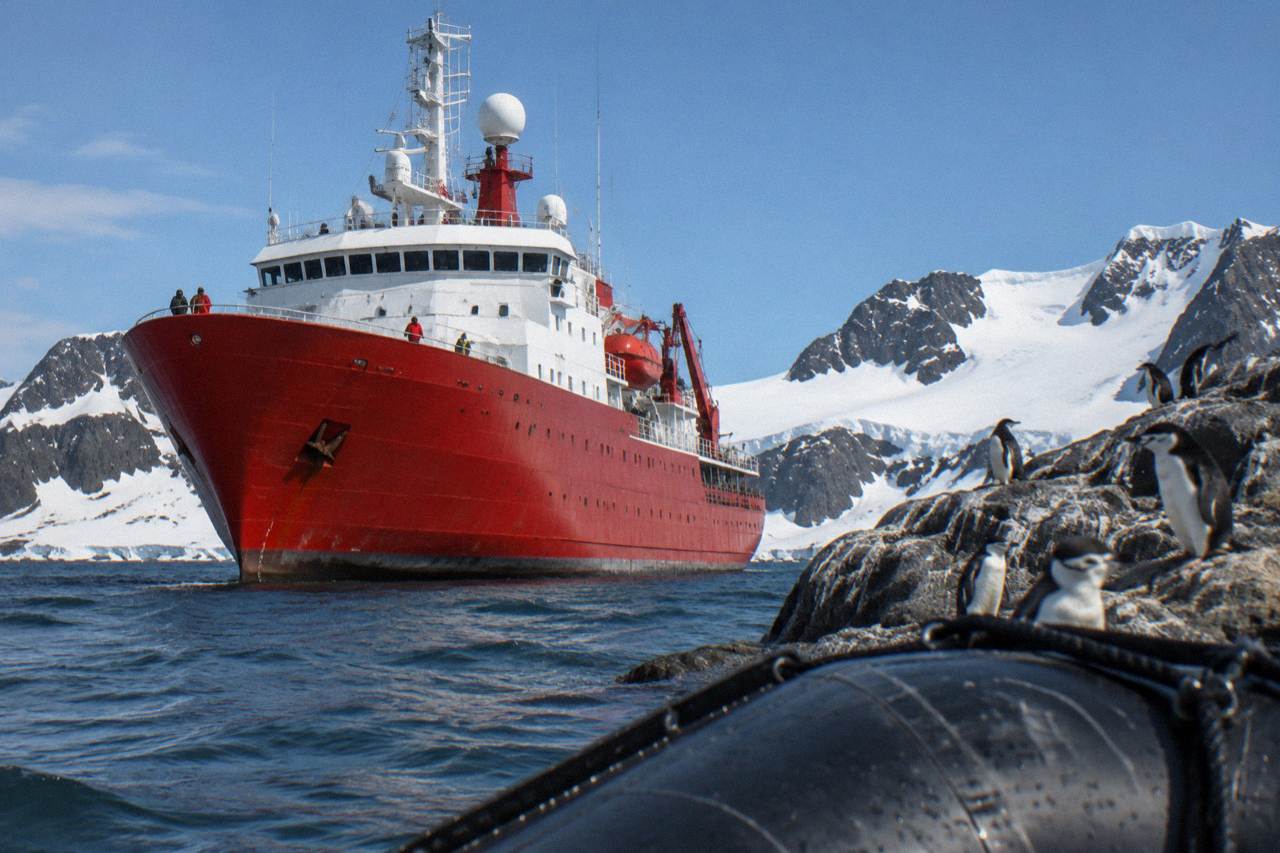 Lindblad Vs PonantNational Geographic naturalists versus French luxury yachts: how the two expedition lines compare on ships, routes, activities and price.Read the comparison