Antarctic Seals: Leopard, Weddell, Crabeater, Fur And Elephant Seals
 By Oleg G.
Six seal species live in Antarctic waters, and expedition cruisers look for them from Zodiacs and landing beaches. Here is how to tell a crabeater from a leopard seal, what the rules say about distance, and which voyages put you in front of the most ice.
Quick answer: Antarctic waters hold six seal species: southern elephant, leopard, Weddell, crabeater, Ross and Antarctic fur. IAATO guidelines require at least 5 metres from wildlife on land or ice, and Antarctic Treaty guidance recommends 15 metres for fur seals and 25 metres for jousting bull elephant seals. Crabeaters are the most abundant; fur seals are highly mobile on land and may charge.
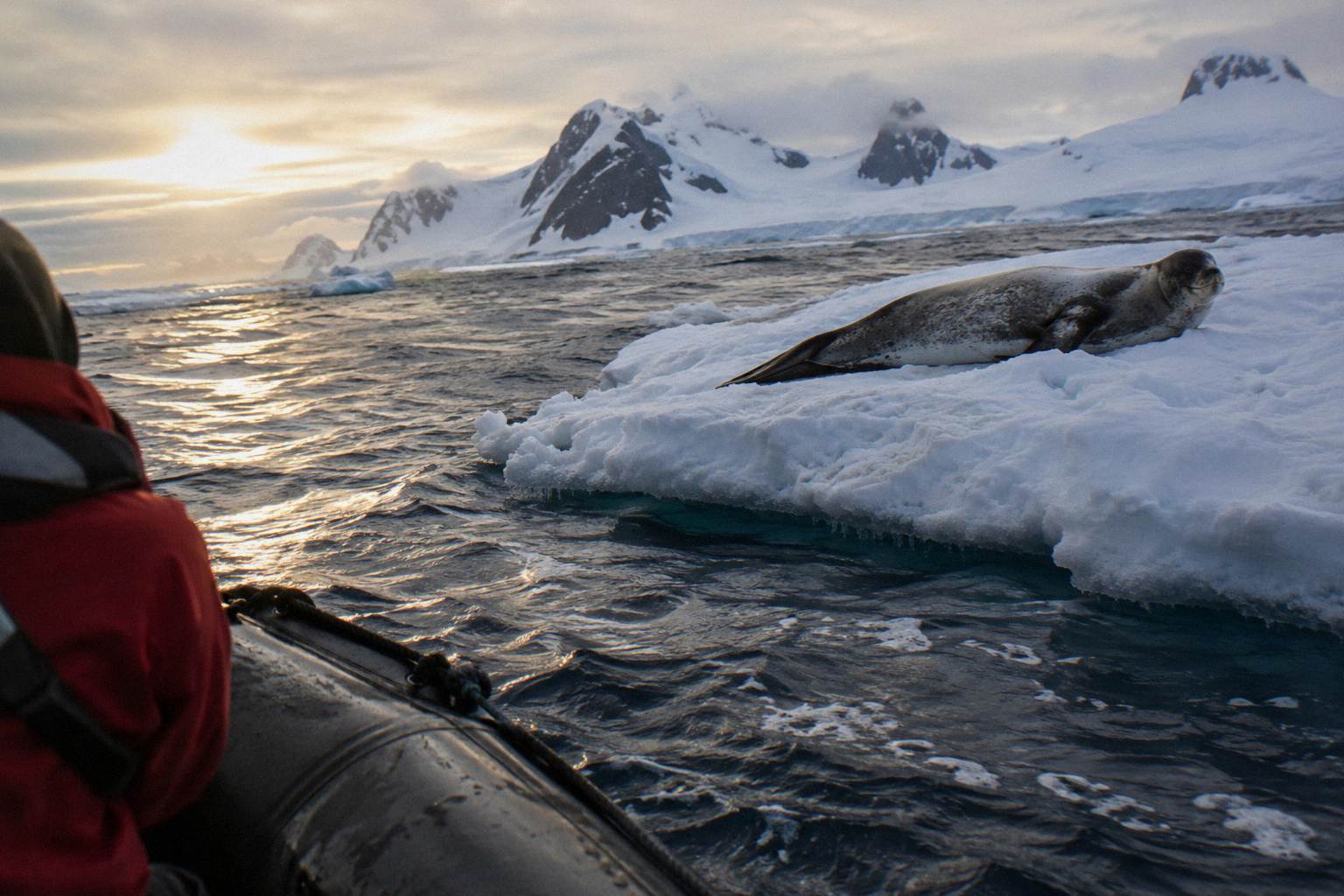
Six seal species occur in Antarctic waters: the southern elephant seal, the leopard seal, the Weddell seal, the crabeater seal, the Ross seal and the Antarctic fur seal. That single sentence, drawn from an Antarctic Treaty report, is the backbone of every seal question a cruise passenger asks. The rest is identification, timing and distance, and all three change depending on whether you are standing on a beach in the South Shetlands or watching pack ice from a Zodiac on a Cruises In Antarctica expedition voyage.
Antarctic seals are one of the real rewards of choosing an expedition cruise over a scenic-only large ship. Vessels carrying more than 500 passengers cannot make landings in Antarctica at all, so seal encounters on those voyages are limited to what you can see from the deck. On a small expedition ship you step ashore or board a Zodiac and keep the required distance, which is a different experience from the deck of a large ship, and one to weigh before you commit.
Which Seal Species Live In Antarctic Waters?
Six species make up the full Antarctic seal list: the southern elephant seal, the leopard seal, the Weddell seal, the crabeater seal, the Ross seal and the Antarctic fur seal. They are documented together in Antarctic Treaty meeting papers. Crabeaters are the most abundant, while fur seals are the ones you should treat with the most caution ashore.
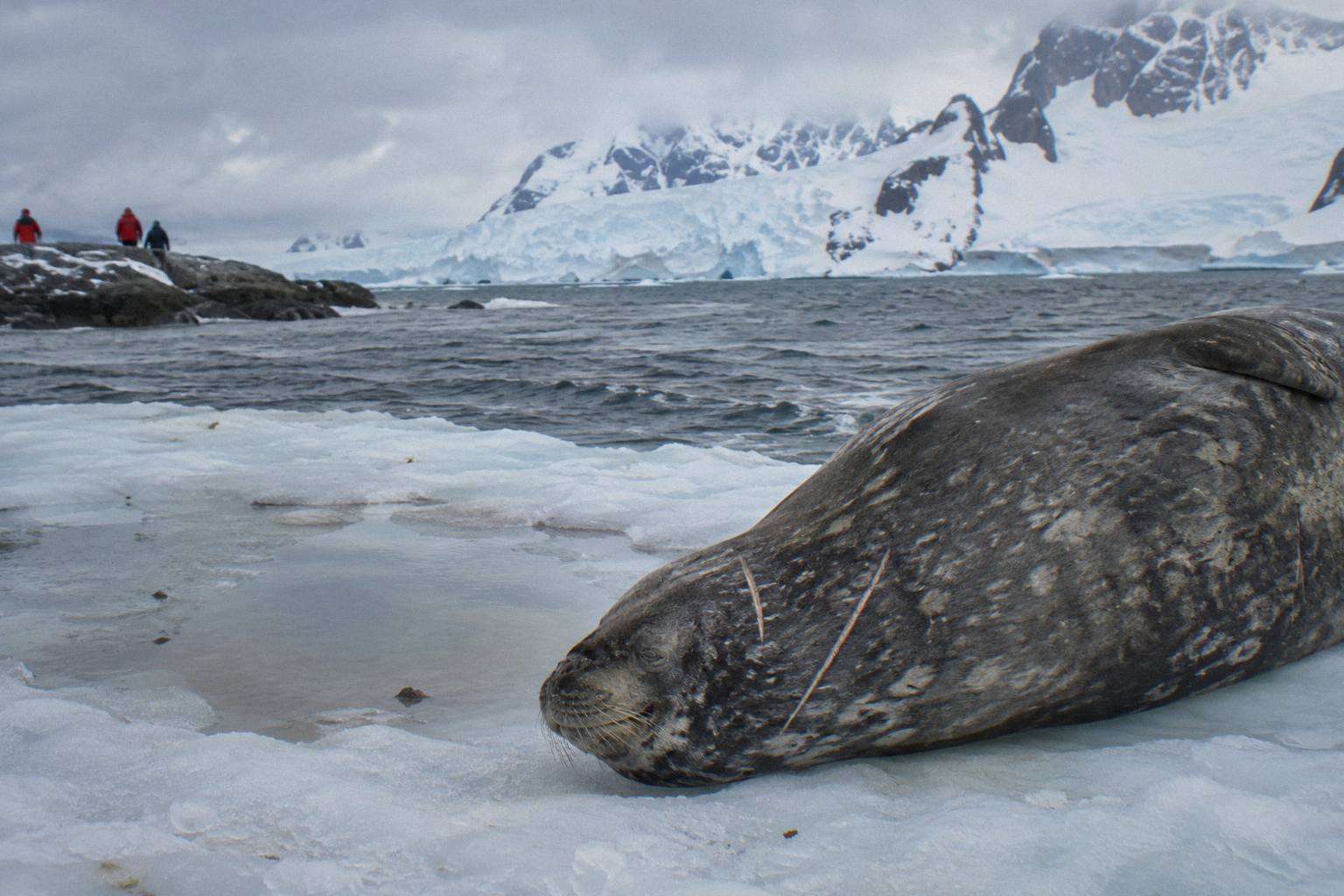
The Australian Antarctic Program describes the crabeater seal as the most abundant seal species, with a circumpolar distribution across the pack ice. Pack ice is where to look for them.
The Treaty report also splits the species by habitat. Weddell seals are coastal animals that use fast ice, the sea ice attached to land. Leopard seals occur around the fringes of the pack ice. Antarctic fur seals are highly mobile on land; South Shetland landing sites list them among the wildlife, and they mate on South Georgia in November.
| Species | Main Habitat | Key Fact | Where You Are Likely To See It |
|---|---|---|---|
| Crabeater seal | Circumpolar pack ice | Most abundant seal species | Pack ice |
| Weddell seal | Coastal, on fast ice | Uses fast ice; pups on the ice early in the season | South Shetland and Peninsula landing sites such as Neko Harbour |
| Leopard seal | Pack ice fringes | Occurs around pack ice edges | Pack ice fringes; possible in February |
| Southern elephant seal | Not stated | Larger distances required when bulls are jousting | South Shetland sites such as the Aitcho Islands |
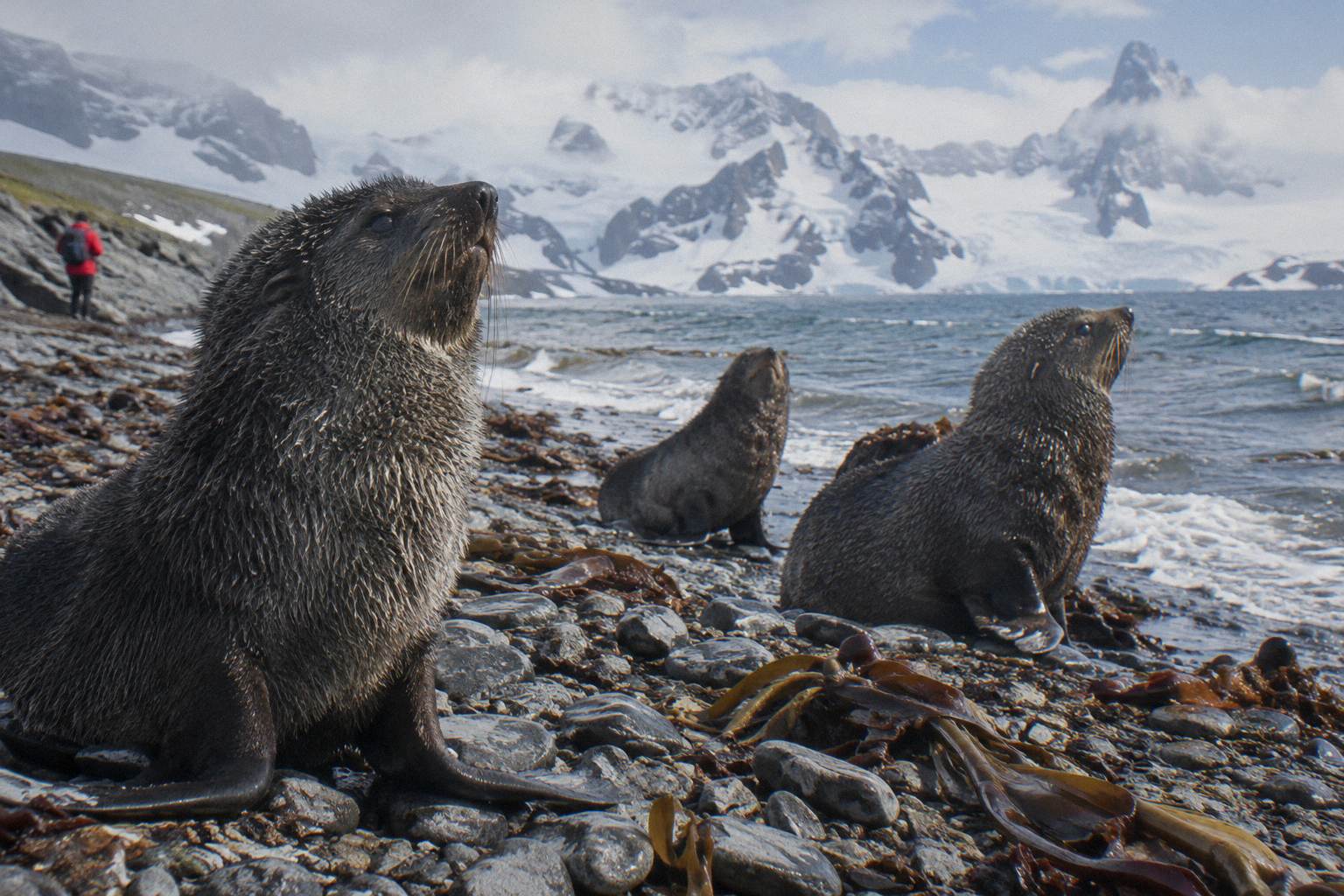
| Antarctic fur seal | Beaches, highly mobile on land | May charge if approached too closely | South Shetlands and South Georgia landings |
| Ross seal | Not stated | Documented as one of the six Antarctic species | Not stated |
The Ross seal completes the list of six, but we found no cruise sighting information for it. If a brochure implies you will see all six species on one voyage, ask the operator what its recent departures actually recorded.
How To Identify Each Seal On A Landing
Habitat is the most dependable clue on the day: crabeaters on pack ice, Weddell seals on fast ice along the coast, leopard seals around the pack ice fringes, and fur seals moving freely on land. Ask the expedition team to confirm the species before you settle on an answer.
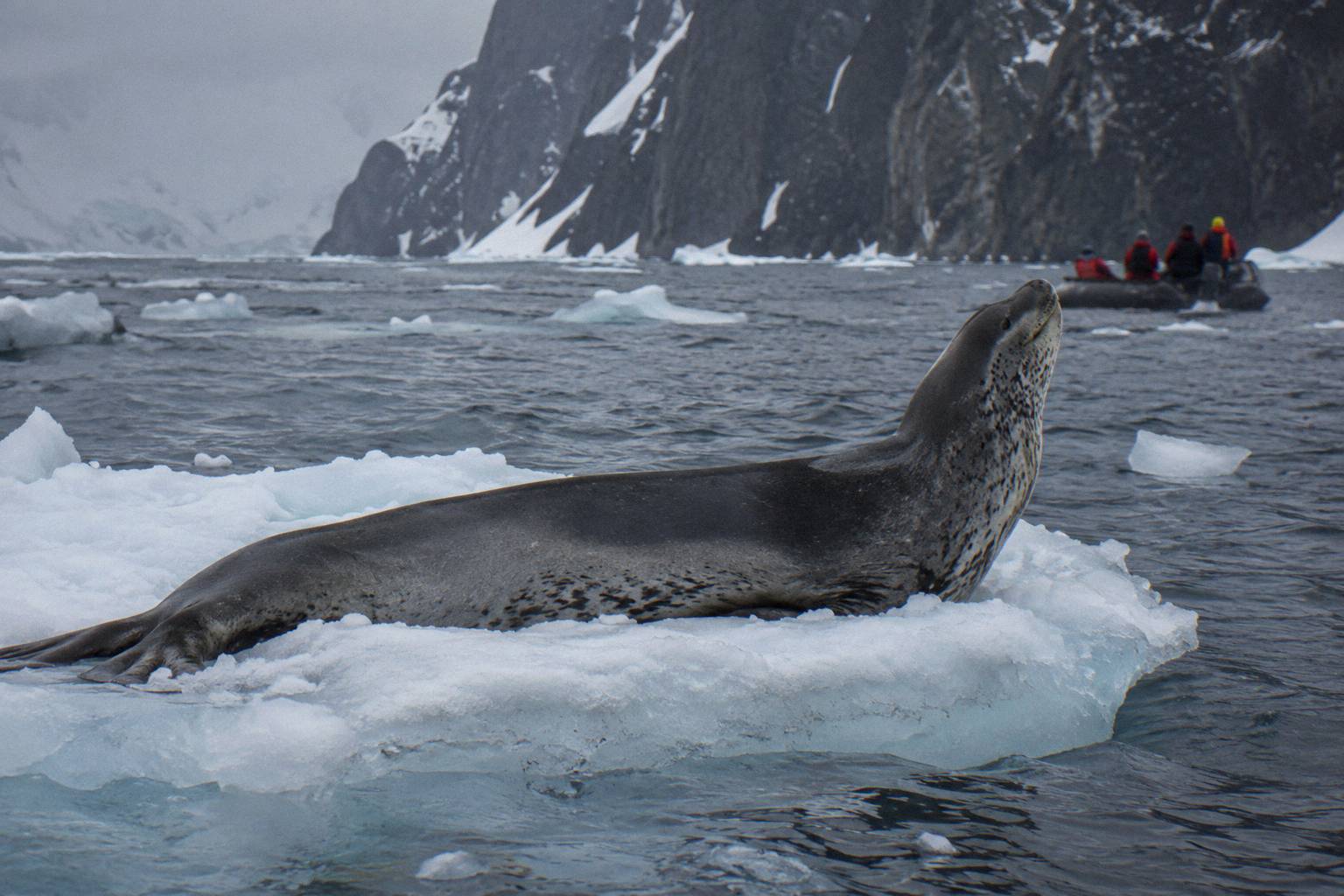
Habitat filters out most wrong answers before you start. A seal on fast ice near the coast fits the Weddell pattern, one on open pack ice fits the crabeater, and one at the pack ice edge may be a leopard seal. On beaches, movement is the giveaway: Antarctic fur seals are highly mobile on land and may charge if approached too closely, which is exactly why their distance rule is larger.
Elephant seals are a beach species for cruise passengers. Early vessels in late October can find elephant seal pups in the South Shetlands, and the Aitcho Islands list elephant seals among their wildlife. If South Georgia's beaches are your main goal, the longer voyages described in our guide to South Georgia and Antarctica combined cruises are the right starting point.
Where And When You See Seals On A Peninsula Cruise
Seal highlights shift through the season. Early vessels in late October can find elephant seal pups in the South Shetlands, seal pups are best viewed from mid-December to January on South Georgia and the Falklands, and February to March sees higher fur seal abundance on the Peninsula.
The season runs from the first departures in early November to the last sailings in late March, and roughly 98 percent of all tourism voyages, per the Antarctic Treaty Secretariat, head for the Peninsula region where seal encounters happen. November offers more sea ice, pristine snow and penguin courtship on land. February and March bring peak whale numbers and higher fur seal abundance on the Peninsula, and March brings returning sunsets.
Seal sightings are also a function of how your days are structured. Time ashore is typically one to two hours per landing, and Zodiac cruising lets you reach ice edges, the habitat of leopard seals and crabeaters. Ships carrying 100 passengers or fewer can put everyone ashore at once under the IAATO 100-ashore rule, which means more time on the beach per person. Larger expedition ships rotate groups, which still works, but your time in front of a given seal is shorter.
Where you sail matters too. The Weddell Sea side of the Peninsula has heavy pack ice and tabular icebergs, the habitat of pack-ice seals, while South Shetland landing sites list Weddell, fur and elephant seals. Our Weddell Sea cruise guide covers that ice-dependent route in detail, including how ice conditions decide whether the transit happens at all.
If a specific seal is the whole point of the voyage, say so before you choose a ship. The free consultation at matching a cruise to your wildlife goals exists precisely for this, and it costs nothing.
How Close Can You Get To Seals In Antarctica?
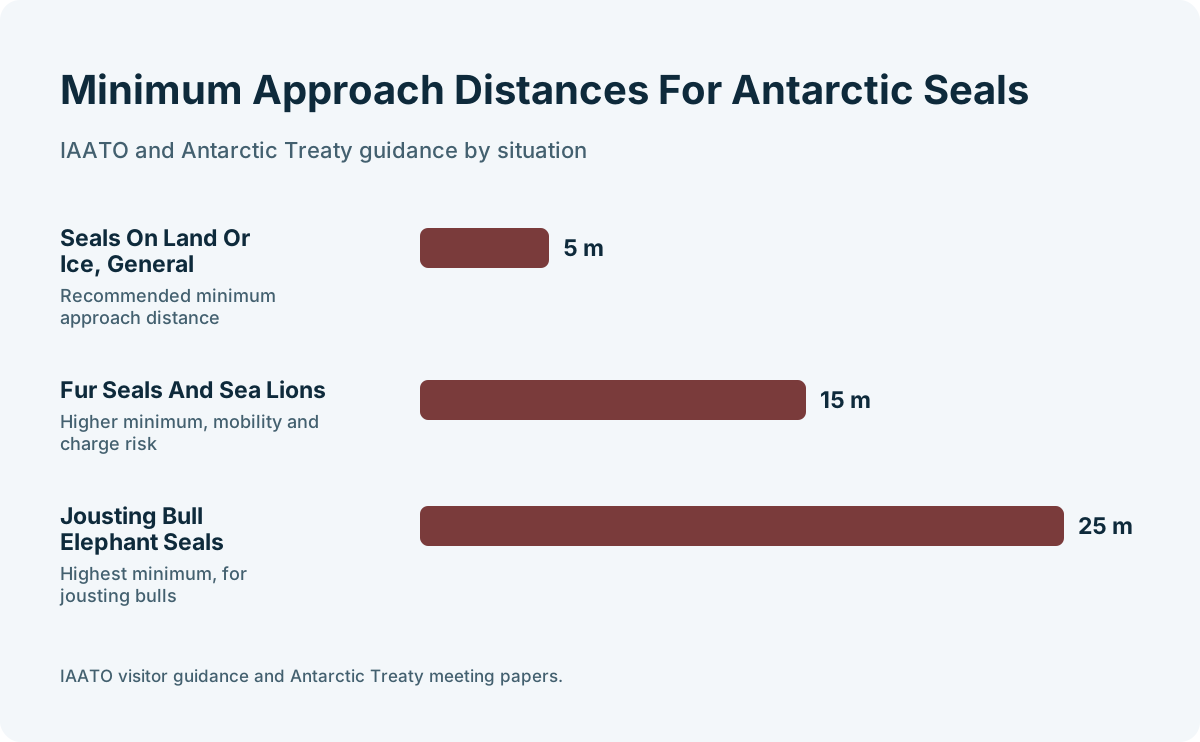
The general rule is at least 5 metres from wildlife on land or ice, set by IAATO's visitor guidance. The Antarctic Treaty meeting papers go further for seals specifically: 15 metres for fur seals and sea lions, and 25 metres for jousting bull elephant seals, with distances increasing whenever an animal shows disturbance. Animals dictate any closer approach.
The 5-metre general figure comes from IAATO's own visitor guidance, which also notes that species and site rules can require more. That is exactly what happens with seals. The recommended approach distances in the Treaty papers are 5 metres as a general minimum for seals on land or ice, 15 metres for fur seals and sea lions, and 25 metres for jousting bull elephant seals, and the instruction attached to all of them is the same: increase the distance if you see disturbance.
Fur seals deserve their own paragraph. The Treaty papers describe Antarctic fur seals as highly mobile on land, and note they may charge if approached too closely. That is the reason their recommended distance is three times the general minimum. Follow the expedition team's instructions on every beach.
| Situation | Minimum Distance | Guidance |
|---|---|---|
| Seals on land or ice, general | 5 m | Recommended minimum approach distance, general |
| Fur seals and sea lions | 15 m | Higher minimum, mobility and charge risk |
| Jousting bull elephant seals | 25 m | Highest minimum, for jousting bulls |
| Any animal showing disturbance | More than above | Distances increase if disturbance is observed |
Expedition staff enforce these numbers, and biosecurity rules matter here too. IAATO requires boots and equipment to be washed and disinfected before and between landings. Landings can also be cancelled because of wildlife conditions. Our shore landings explained guide walks through the whole wet-landing routine.
Which Ships And Voyages Give You The Best Seal Sightings?
The seal experience tracks ship size and route more than luxury level: vessels under 200 passengers land everyone more efficiently, Zodiac-capable ships reach the ice edges where leopard and crabeater seals live, and Weddell Sea itineraries put you in the heaviest pack ice. Oceanwide Expeditions' Hondius, Plancius and Ortelius are the classic budget-tier trio for exactly this style of sailing, with from-fares from $7,050 per person.
Oceanwide's three Antarctic ships cover a useful spread. The Hondius guide page covers the newest of them: a 2019-built, 107.6-metre Polar Class 6 ship carrying 170 passengers in 80 cabins, sailing 11 to 19-day voyages from Ushuaia from $7,800 per person, with a sheltered indoor Zodiac boarding platform suited to kayaking. Basecamp voyages on these ships include camping, kayaking, snowshoeing, hiking, mountaineering and a photo workshop at no extra charge, which is a lot of seal-adjacent water time for the price tier.
Plancius and Ortelius are the smaller, older siblings, at 108 passengers each. Plancius, a converted Dutch Navy oceanographic vessel rebuilt as a passenger ship in 2009, carries 10 Mark V Zodiacs with two gangways and sails from $7,050 per person. Ortelius, a former Russian research vessel built in 1989 with an ice class the operator describes as UL1, carries 10 Zodiacs with 60hp engines and operates the helicopter-supported Weddell Sea emperor penguin voyages, from $7,800 per person.
| Ship | Class | Passengers | Ice class | From, per person | Voyage length | Departs from |
|---|---|---|---|---|---|---|
| HondiusOceanwide Expeditions | Small-Ship Budget | 170 | Polar Class 6 | from $7,800 | 11 to 19 days | Ushuaia |
| PlanciusOceanwide Expeditions | Small-Ship Budget | 108 | 1D | from $7,050 | 10 to 33 days | Ushuaia |
| OrteliusOceanwide Expeditions | Small-Ship Budget | 108 | UL1 | from $7,800 | 11 to 25 days | Ushuaia |
Choosing between the three is mostly a cabin and stability question. Hondius has the broadest cabin spread, from quadruple portholes up to a Grand Suite with a private balcony, and fin stabilizers for the Drake crossing. Plancius and Ortelius are older and smaller, and both have sailed the same operator's Basecamp program of included activities. If seals on ice are the priority and the budget is fixed, Plancius at the lowest from-fare of the three is hard to argue with; if Weddell Sea pack ice is the dream, Ortelius with its helicopter departures is the one that goes there.
At the decision point, a second opinion is cheap. You can ask an expert which ship suits you through the free consultation, with no obligation attached.
Season Timing And The Seal Calendar
November brings the most ice and the freshest snow, with Weddell pups on the ice early; mid-December to January is seal pup time on South Georgia and the Falklands; February and March combine peak whale activity with higher fur seal abundance on the Peninsula.
November brings pristine snow and more sea ice, and Weddell seal pups are on the ice early in the season. The trade-off is that more ice means more limited access early on.
By late January and February there is less ice and better access, and February to March sees higher fur seal abundance on the Peninsula. February is also the month whale numbers peak, and operators list leopard seals as a possible February sighting. IAATO's rules stay identical all season: 5 metres minimum, more for fur seals, more again for elephant seal bulls, and always more if an animal reacts.
| Month | Ice And Habitat | What It Means For Seals |
|---|---|---|
| November | More sea ice, pristine snow, limited access | Weddell pups on the ice early in the season |
| December | Ice opening up, longest daylight | Seal pups at South Georgia and the Falklands from mid-month |
| January | Typically the warmest month, peak fares | Seal pups still on view at South Georgia and the Falklands |
| February | Less sea ice, whale numbers peak | Higher fur seal abundance on the Peninsula; leopard seals possible |
| March | Ice retreat continues, fares soften | Fur seal abundance on Peninsula beaches, strong whale activity |
Whichever month you pick, the same IAATO framework governs every seal encounter, and the expedition team will brief you before each landing. The season choice is really a choice between ice scenery and open-water access, and both deliver seals.
Common Questions About Antarctic Seals
How close can you get to seals in Antarctica?
IAATO's general rule is at least 5 metres from wildlife on land or ice. For seals specifically, recommended distances rise to 15 metres for fur seals and sea lions and 25 metres for jousting bull elephant seals, and every distance increases further if the animal shows disturbance. Follow the expedition team's instructions on every landing.
How many seal species live in Antarctica?
Six: the southern elephant seal, the leopard seal, the Weddell seal, the crabeater seal, the Ross seal and the Antarctic fur seal. Crabeaters are the most abundant of the six.
Are fur seals dangerous?
They deserve caution. Antarctic Treaty guidance describes fur seals as highly mobile on land and notes they may charge if approached too closely, which is why their minimum distance is 15 metres rather than the general 5. Follow the expedition team's instructions on the beach.
Which seals will I see on an Antarctic Peninsula cruise?
Crabeater seals are the most abundant species, living in the pack ice. Weddell seals use fast ice near the coast, leopard seals occur around pack ice fringes, and South Shetland landing sites list Weddell, fur and elephant seals. February to March brings higher fur seal abundance on the Peninsula.
What is the most abundant seal in Antarctica?
The crabeater seal. The Australian Antarctic Program describes it as the most abundant seal species, with a circumpolar distribution across the pack ice.
When is the best month to see seals in Antarctica?
Seals are present all season, November through March. Early season offers more sea ice and Weddell pups on the ice, mid-December to January is seal pup time on South Georgia and the Falklands, and February and March combine peak whale numbers with fur seal abundance on Peninsula beaches as ice retreats.
More Activities And Wildlife
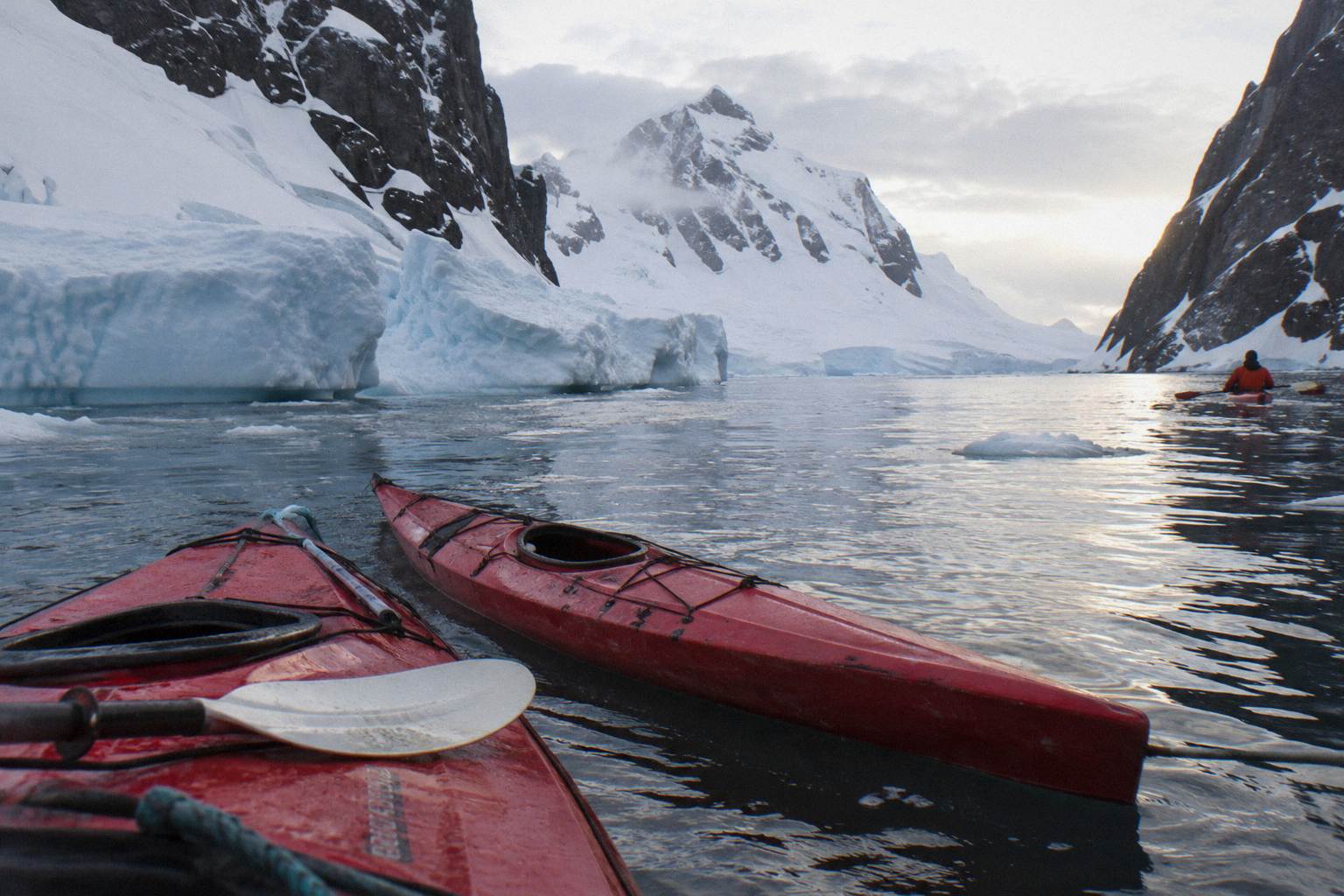 Antarctica KayakingOperators, prices and paddle skills for sea kayaking off an Antarctic expedition ship.Read the guide
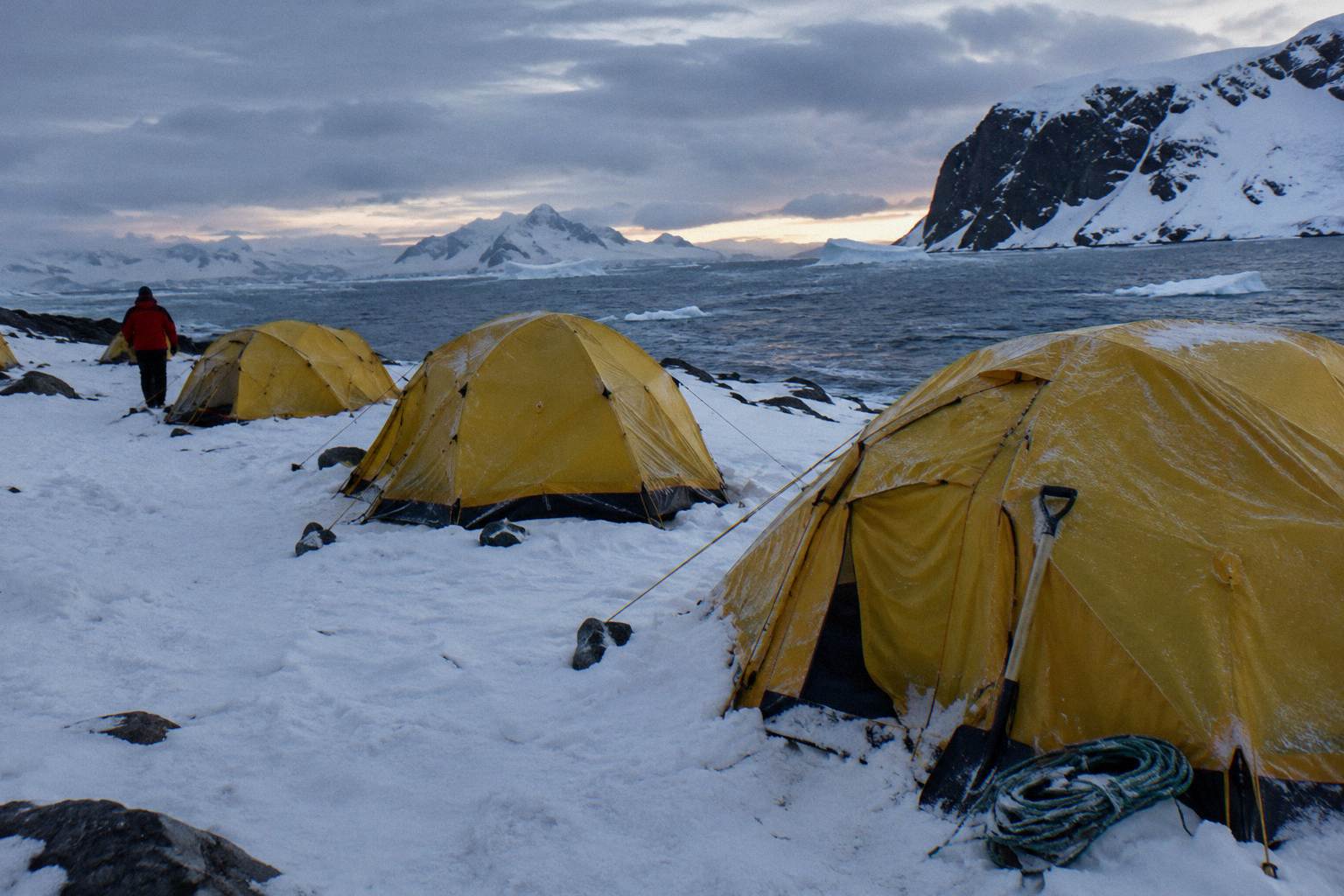 Antarctica CampingWhat an overnight ashore in Antarctica costs, how it runs, and when weather cancels it.Read the guide
 Polar PlungeWho offers the Antarctic polar plunge, what it costs and how it stays safe.Read the guide
 Hiking And SkiingActive Antarctica: hiking, snowshoeing, ski touring and mountaineering options compared.Read the guide