Orcas In Antarctica: Ecotypes, Hotspots And Your Odds
 By Oleg G.
Antarctica has at least five distinct orca ecotypes, and which one you see depends on where your ship sails and when. Here is what the research actually says about each type, the hotspots, and your realistic odds from a cruise.
Quick answer: Orcas in Antarctic waters fall into at least five ecotypes: Type A, large Type B1, small Type B2, Type C and Type D. They are seen in the Gerlache Strait, Marguerite Bay and around the Peninsula, with sightings reported year-round in some areas. No published per-voyage sighting rate exists, so treat an orca as a possible bonus rather than a promise.
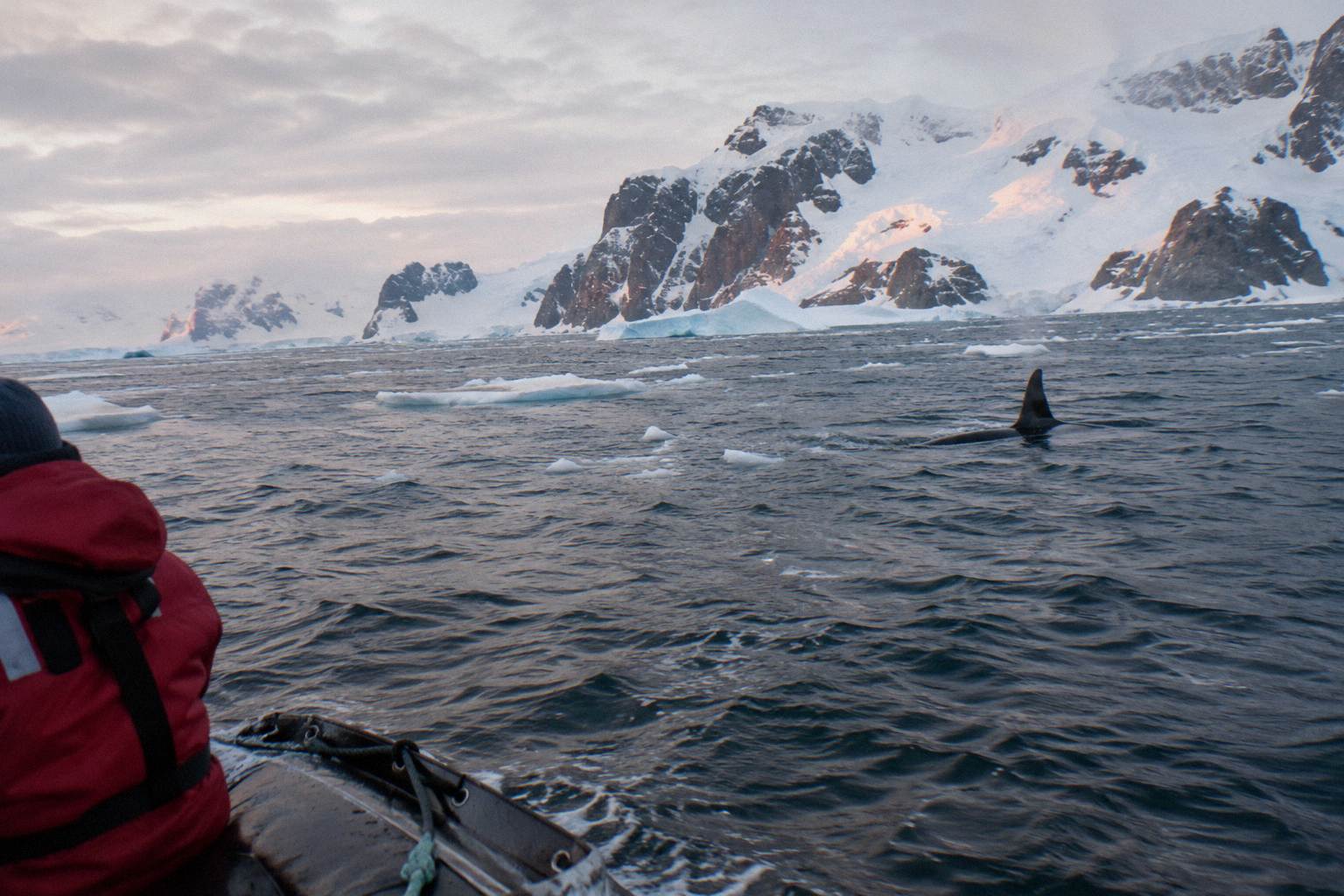
IAATO calls the orca Antarctica's apex predator. The first thing worth knowing is that "Antarctic orca" is not one animal: the International Association of Antarctica Tour Operators (IAATO) recognises at least five ecotypes in Antarctic waters, each with its own diet and habitat. What you might see from the deck of a cruise ship depends on which ecotypes live along your route. This guide covers the ecotypes, the documented hotspots, the seasonality, and an honest reading of your odds, plus which ships and itineraries put you in the right water.
What Are The Orca Ecotypes In Antarctic Waters?
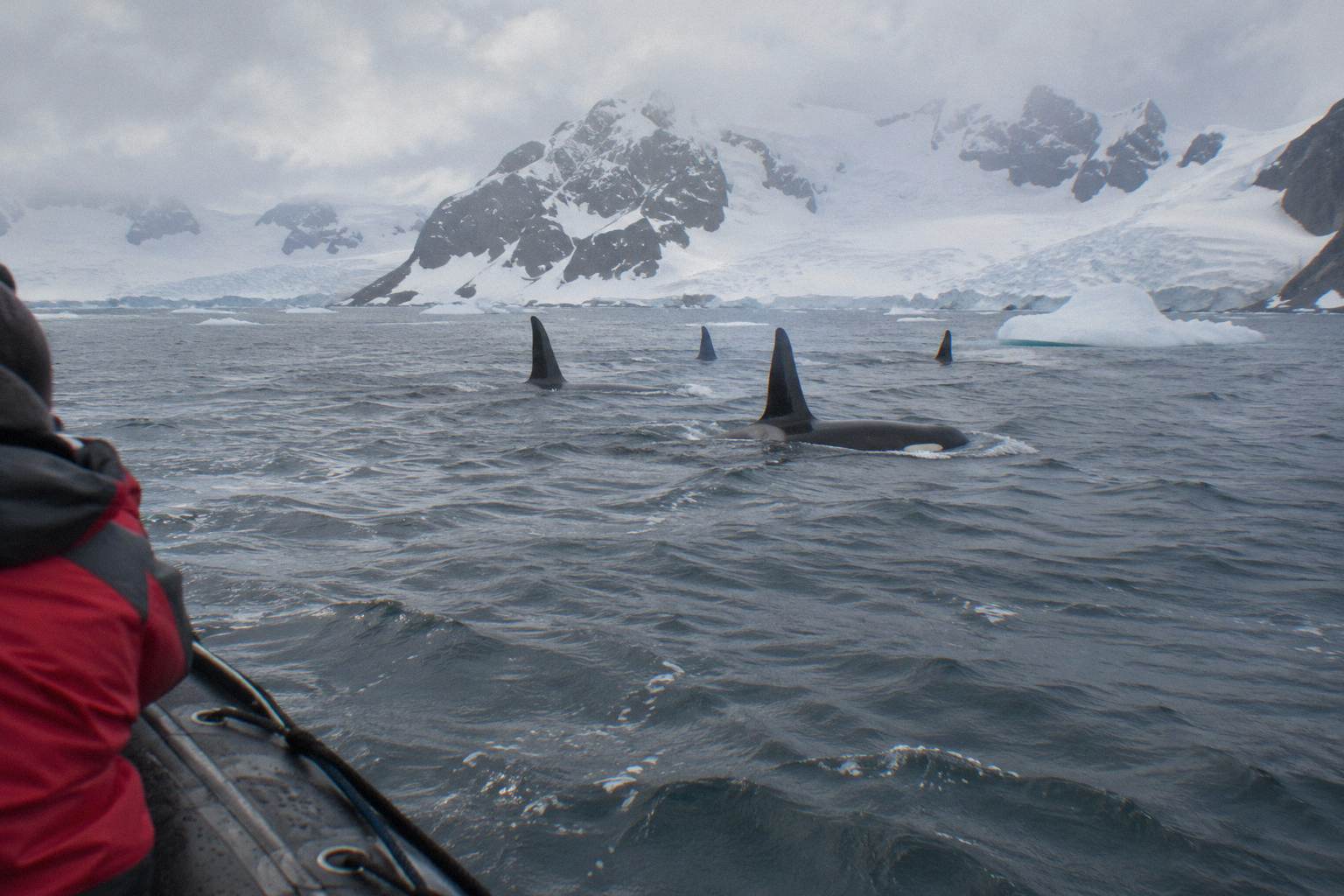
Antarctic killer whales fall into at least five ecotypes: Type A, large Type B1, small Type B2, Type C and Type D, and they differ in habitat and diet. Type A hunts in offshore ice-free water, Type B1 uses pack ice and the wave-washing technique, Type B2 frequents open water such as the Gerlache Strait, Type C lives in the Ross Sea, and Type D completes the list.
According to IAATO's guidance on protecting Antarctica's apex predator, the five ecotypes break down as follows. Type A is an offshore, ice-free-water hunter that preys on minke whales and elephant seals. Large Type B1 lives in pack ice and uses a wave-washing technique. Small Type B2, also called the Gerlache type, hunts penguins in open water such as the Gerlache Strait. Type C is associated with the Ross Sea, where it eats toothfish. Type D is the fifth ecotype on IAATO's list.
The reason this matters for a cruise passenger is context: where you are tells you which ecotype is likely. British Antarctic Survey survey work at South Georgia has recorded humpback, southern right, Antarctic blue and fin whales alongside Type B killer whale sightings there, which tells you South Georgia itineraries widen the range of marine mammals you might encounter beyond the Peninsula itself.
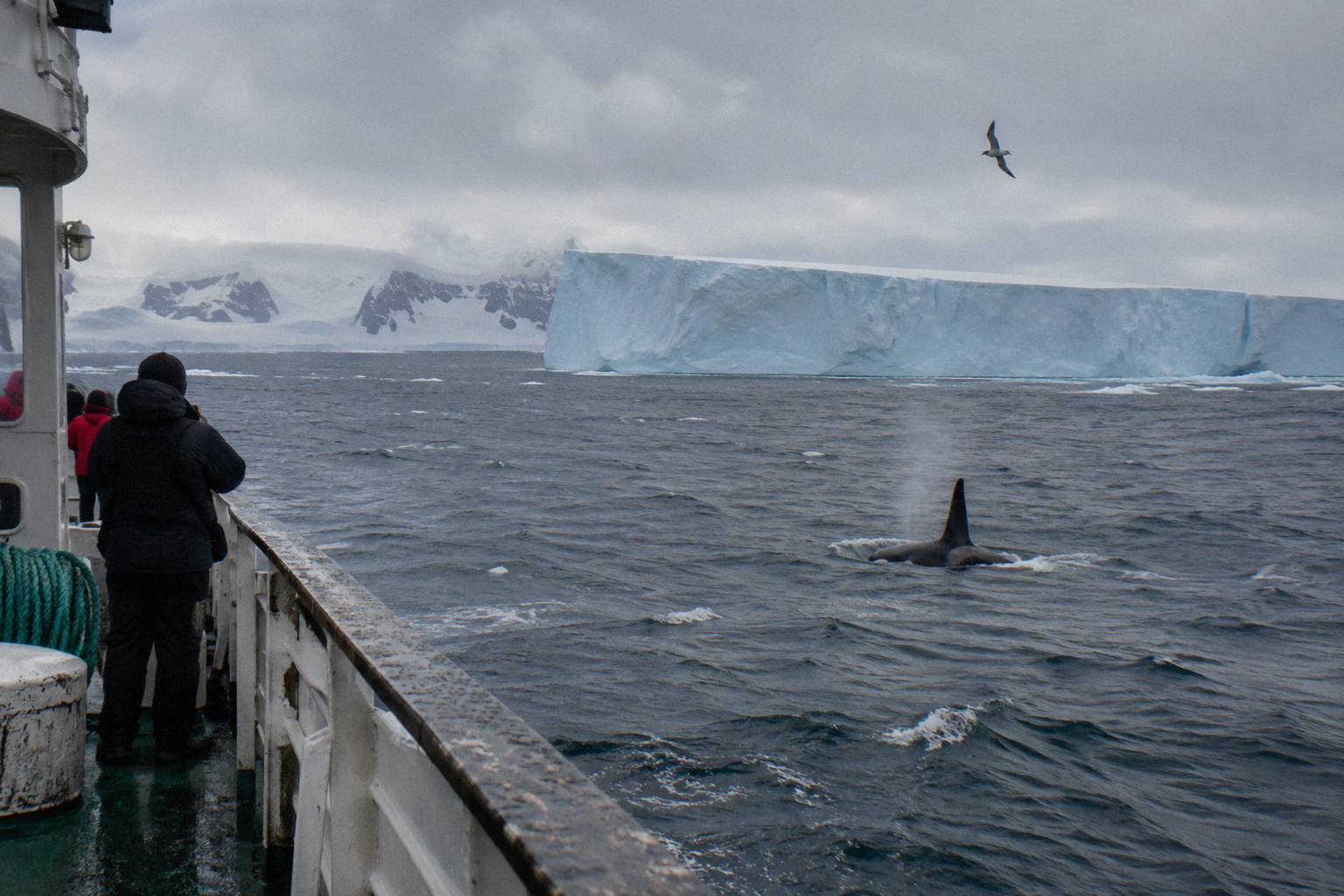
If a sighting matters to you, photograph the animals and ask the expedition team to help identify the ecotype.
Where Are Orcas Actually Seen On A Cruise Route?
The documented hotspots are the Gerlache Strait for Type B2, the pack-ice zones for Type B1, and the Ross Sea for Type C, while a 26-year sighting record shows killer whales present year-round in northern Marguerite Bay on the western Antarctic Peninsula, and BAS fieldwork has logged Type B sightings at South Georgia.
The British Antarctic Survey's 26-year record from northern Marguerite Bay is the clearest statement of year-round orca presence on the Peninsula: killer whales are present there year-round, alongside humpback whales that visit from December through May. Check whether your itinerary goes that far south.
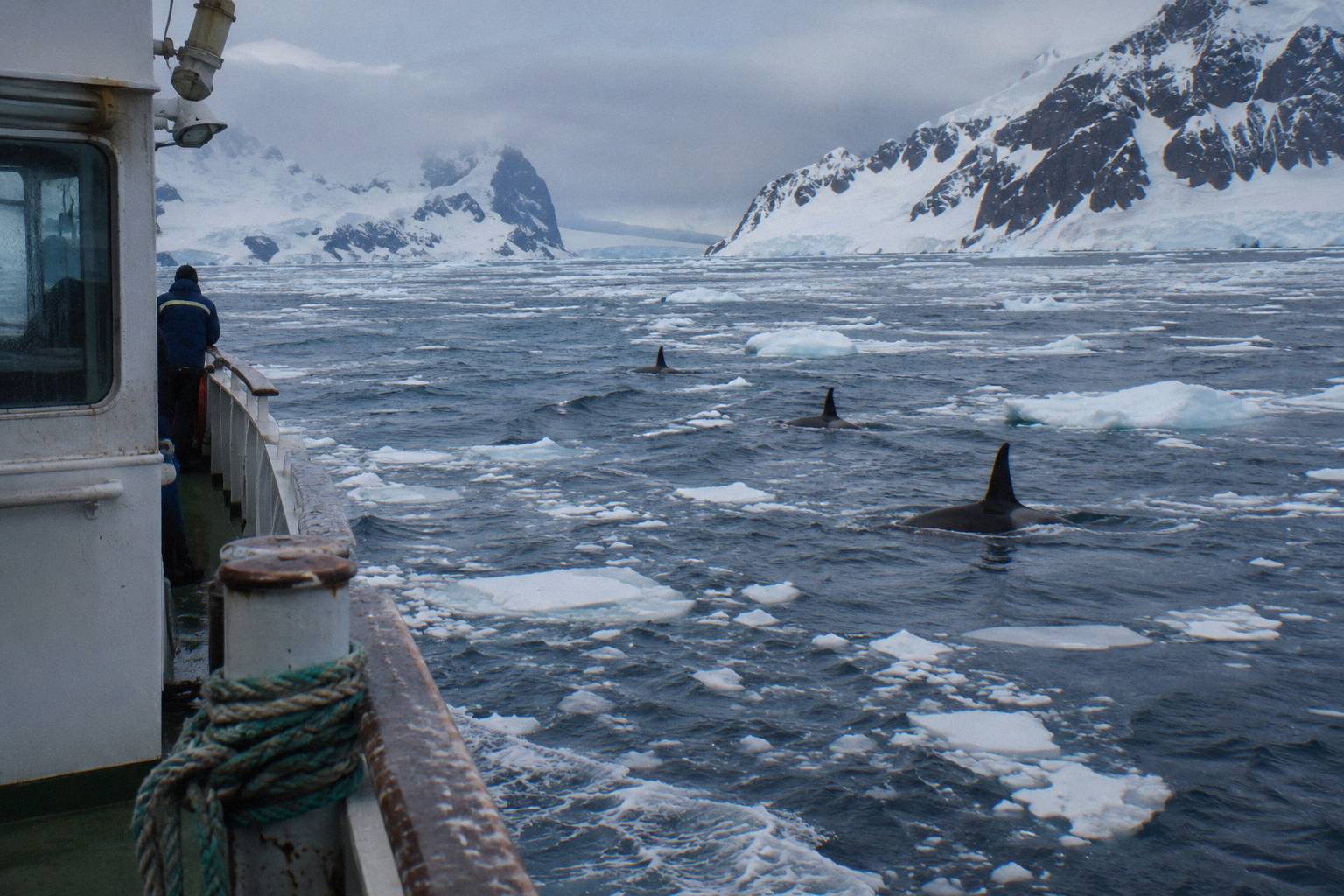
The Gerlache Strait is the other named hotspot. IAATO's ecotype description explicitly ties small Type B2 to open water such as the Gerlache Strait. Pack-ice edges are where you would look for Type B1, and the Ross Sea is Type C territory, but that is a New Zealand or Australia departure rather than a Ushuaia one. BAS fieldwork at South Georgia has also logged Type B killer whale sightings, which matters if you are weighing a Falklands and South Georgia itinerary against a Peninsula-only voyage.
IAATO is also introducing a voluntary geofenced whale area around the South Orkney Islands with a 10-knot speed restriction from November 1 to May 30, for an initial two years from the 2026/27 season.
If seeing marine mammals is a deciding factor in your route choice, a free consultation can compare itineraries before you commit to one: compare routes for wildlife odds.
What Are Your Realistic Odds Of Seeing Orcas?
No published sighting rate for orcas on Antarctic cruises was found, so any percentage would be invented. What the evidence supports: orcas are present year-round in parts of the western Peninsula, they are named among March whale activity in krill-rich Peninsula waters, and humpbacks are the most commonly documented whale.
This is the honest section. We found no published per-voyage orca sighting frequency, so this guide will not manufacture one. The documented facts are these: killer whales are present year-round in northern Marguerite Bay, Type B2 is associated with the Gerlache Strait, and Type B has been sighted at South Georgia. Humpback whales, by contrast, make up most of the more than 30,000 whales that visit South Georgia waters in summer and are the most common baleen whale there.
What that means practically is that orca sightings are possible but not promised, and humpbacks are the better-documented whale. If orcas are your top priority, the levers you control are route and time: more days in Antarctic water, and routes through documented orca areas such as the Gerlache Strait or South Georgia.
The table below summarises what IAATO states about each ecotype. Where a detail could not be confirmed, it says so rather than guessing.
| Ecotype | Habitat | Documented prey | Distinctive notes |
|---|---|---|---|
| Type A | Offshore, ice-free water | Minke whales, elephant seals | Not stated |
| Type B1 (large) | Pack ice | Not stated | Wave-washing technique |
| Type B2 (small) | Open water, e.g. Gerlache Strait | Penguins | Also called the Gerlache type |
| Type C | Ross Sea | Toothfish | Not stated |
| Type D | Not stated | Not stated | Not stated |
When Is The Best Time Of Season For Orca Sightings?
No published month-by-month orca sighting rates were found, so there is no honest month-by-month answer. What is documented: killer whales are documented year-round in northern Marguerite Bay, whale sightings generally increase from mid-January onward, and February and March bring the peak of the broader whale season.
The seasonal facts that are documented concern whales generally rather than orcas specifically. Expedition sources note whale sightings, especially humpbacks, increasing from mid-January onward, with February and March the peak for whale watching, and March brings strong whale activity, including orcas, in krill-rich waters.
If you are choosing a departure date around wildlife priorities, the season structure matters: the season runs November through March, penguin chicks hatch from late December into January, and whale activity builds through the back half. February and March travellers get the peak whale months; November travellers get pristine snow and courtship behaviour.
Which Ships And Itineraries Give You The Best Chance?
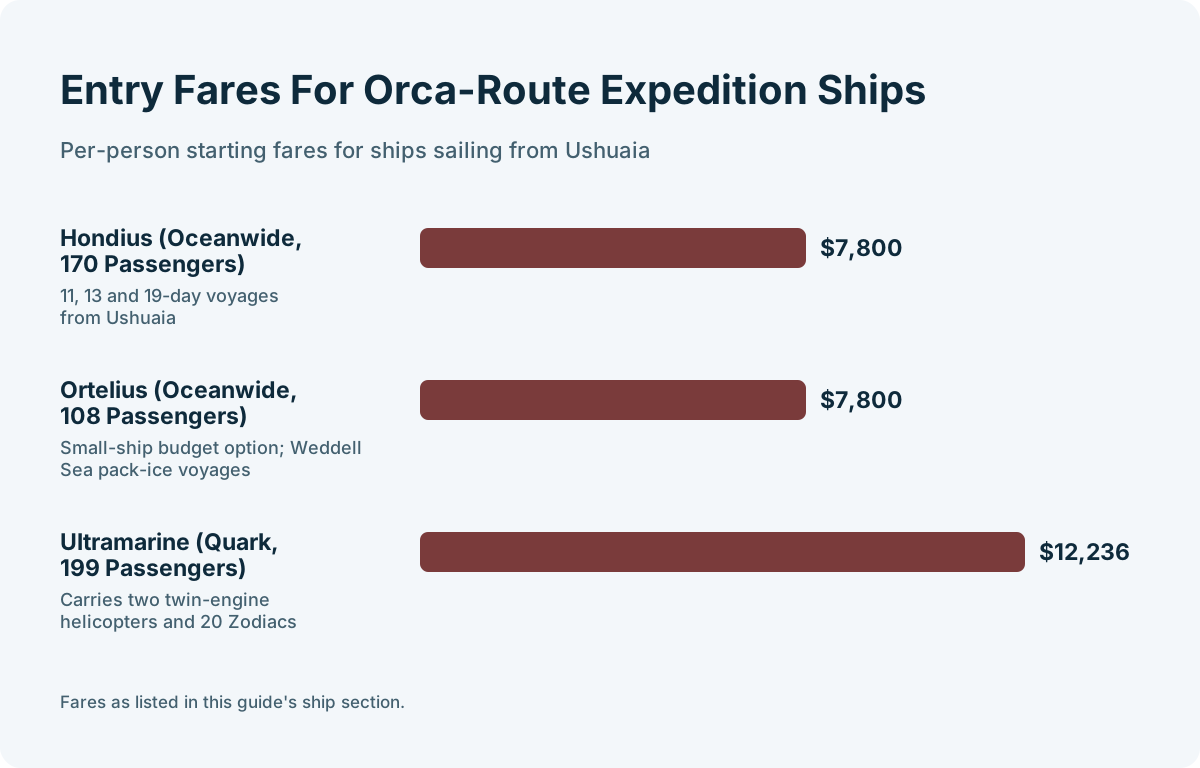
Expedition ships with their own Zodiac fleets on Peninsula itineraries are the practical choice, and examples on this site's roster include Hondius, Ultramarine and Ortelius, each with different strengths in size, price and capability.
The ship itself does not make orcas appear; the route and the time you spend in the right water matter more. Other pages covering the same trip are gathered on Cruises In Antarctica.
Hondius is Oceanwide Expeditions' Polar Class 6 vessel, built 2019, carrying 170 passengers in 80 cabins, sailing from Ushuaia on 11, 13 and 19-day voyages from $7,800 per person. Its Basecamp voyages include camping, kayaking and photo workshops in the fare.
Ultramarine is Quark Expeditions' upscale expedition ship, carrying 199 passengers with two twin-engine helicopters and 20 Zodiacs, sailing Antarctic voyages from $12,236 per person. Its helicopter capability is its differentiator, though helicopters maintain minimum distances from wildlife concentrations under Antarctic Treaty guidelines, so a helicopter flight is scenery, not a wildlife chase.
Ortelius, Oceanwide's 1989-built former Russian research vessel, carries just 108 passengers in 50 cabins and is a small-ship budget option, from $7,800 per person. Its Weddell Sea voyages enter pack-ice waters, the habitat IAATO links to Type B1.
| Ship | Class | Passengers | Ice class | From, per person | Voyage length | Departs from |
|---|---|---|---|---|---|---|
| HondiusOceanwide Expeditions | Small-Ship Budget | 170 | Polar Class 6 | from $7,800 | 11 to 19 days | Ushuaia |
| UltramarineQuark Expeditions | Upscale Expedition | 199 | 1A+, PC6 | from $12,236 | 12 to 14 days | Buenos Aires, Ushuaia |
| OrteliusOceanwide Expeditions | Small-Ship Budget | 108 | UL1 | from $7,800 | 11 to 25 days | Ushuaia |
Choosing between them is a real decision point, with a gap of more than $4,000 between the entry fares. If you would like help weighing ship size against route and price, get free advice on the right ship.
How Do Cruise Rules Protect Orcas?
IAATO rules require keeping at least 5 metres from wildlife on land or ice, vessels with more than 500 passengers cannot make landings at all, and IAATO has introduced a voluntary geofenced whale area around the South Orkney Islands with a 10-knot speed restriction from November 1 to May 30.
The whale-area speed restriction is the most direct example of cruise operations adapting to cetacean protection: IAATO member vessels are asked to slow down in that corridor for an initial two-year trial starting with the 2026-27 season. The general visitor guidelines also state that drones must not be used near wildlife.
For passengers, the rules are simpler: follow the expedition team's instructions. On land and ice, the animals dictate any closer approach.
What Other Whales And Wildlife Might You See?
Humpbacks are the most common baleen whale at South Georgia in summer, more than 30,000 whales visit South Georgia waters in the season, and surveys there have recorded humpback, southern right, Antarctic blue and fin whales, alongside Type B killer whales.
The BAS monitoring work at South Georgia is striking: more than 30,000 whales in those waters in summer, predominantly humpbacks, and Antarctic blue whales showing increased sightings and acoustic detections since 2018. On the Peninsula side, humpbacks are present in northern Marguerite Bay from December through May, with some individuals overwintering there.
The table below sets out the documented whale facts alongside the orca information, so you can see how orcas fit into the bigger picture of what a cruise might deliver.
| Species or type | Documented presence | Best documented area |
|---|---|---|
| Humpback whale | Most common baleen whale at South Georgia; summer visitor to Marguerite Bay Dec-May | South Georgia, western Peninsula |
| Antarctic blue whale | Increased sightings and acoustic detections since 2018 | South Georgia |
| Southern right whale | Recorded in BAS surveys | South Georgia |
| Fin whale | Recorded in BAS surveys | South Georgia |
| Orca (Type B) | Sighted during BAS fieldwork | South Georgia |
| Orca (all ecotypes) | Year-round in northern Marguerite Bay | Western Antarctic Peninsula |
If your interest extends beyond orcas, the site's guide on Antarctica whale watching covers the full picture, and penguin chick timing explains the breeding calendar that drives so much of the wildlife activity you will see from the ship.
How Should You Watch For Orcas On Board?
The practical approach is simple: spend time on deck while the ship is moving, tell the expedition team what you see, and follow IAATO rules, because orcas, unlike penguins, are not tied to a landing site.
There is no landing site for orcas. The documented areas, the Gerlache Strait and northern Marguerite Bay, are water, so time on deck matters more than cabin category.
A few practical habits help: learn the ecotypes before you sail so you can photograph and identify what you see, keep your camera ready, and if a pod is sighted, let the expedition team decide how the ship positions.
Which Itinerary Should You Choose For Orcas?
A Peninsula itinerary that reaches the Gerlache Strait gives you documented Type B2 habitat; adding South Georgia extends your exposure to Type B waters; and a Ross Sea voyage from New Zealand targets Type C, though at 21 to 34 days it is a serious commitment.
For most travellers the choice is between a classic 10 to 13-day Peninsula voyage and a longer Falklands, South Georgia and Antarctica combination. If the Peninsula voyage includes the Gerlache Strait, it sails through Type B2 habitat, and a voyage that goes farther south may approach the Marguerite Bay area, where killer whales are present year-round. The South Georgia combination adds the Type B sightings documented by BAS fieldwork plus the island's 30,000-plus summer whales.
The Ross Sea option is the specialist choice: Type C orcas live there, but the voyages run three to five weeks and depart from New Zealand or Hobart rather than Ushuaia. It is a trip for someone whose primary goal is deep Antarctic wildlife rather than a first visit.
The itinerary comparison below puts the three options side by side.
| Itinerary | Typical length | Orca relevance | Trade-off |
|---|---|---|---|
| Classic Peninsula | 10-13 days | Gerlache Strait (Type B2 habitat) | Shortest and cheapest entry point |
| Peninsula + South Georgia | 16-28 days | Adds Type B sightings and 30,000+ summer whales | Higher cost and more sea days |
| Ross Sea (from New Zealand) | 21-34 days | Type C habitat | Specialist trip, weeks at sea |
Deciding between a Peninsula-only and a South Georgia combination is one of the genuinely consequential choices in Antarctic cruise planning, and it is worth talking through the itinerary options before booking.
Common Questions About Orcas In Antarctica
How many types of orcas are there in Antarctica?
At least five ecotypes are documented: Type A, large Type B1, small Type B2, Type C and Type D, differing in habitat and prey.
Where is the best place to see orcas on an Antarctica cruise?
The Gerlache Strait is associated with Type B2, Marguerite Bay has year-round killer whale presence, and South Georgia has documented Type B sightings. Pack-ice edges suit Type B1 and the Ross Sea holds Type C.
How likely am I to see orcas on an Antarctic cruise?
No published sighting rate was found, so treat orcas as a possible bonus rather than a likely sighting. Humpbacks are the most commonly documented whale.
When is the best time to see orcas in Antarctica?
Killer whales are documented year-round in northern Marguerite Bay. Whale activity generally increases from mid-January and peaks in February and March.
Do orcas in Antarctica hunt penguins?
Small Type B2 orcas hunt penguins in open water such as the Gerlache Strait. Type A preys on minke whales and elephant seals, and Type C eats toothfish in the Ross Sea.
Do cruise ships get close to orcas?
Encounters follow IAATO rules, and drones must not be flown near wildlife. The expedition team decides how the ship positions.
More Activities And Wildlife
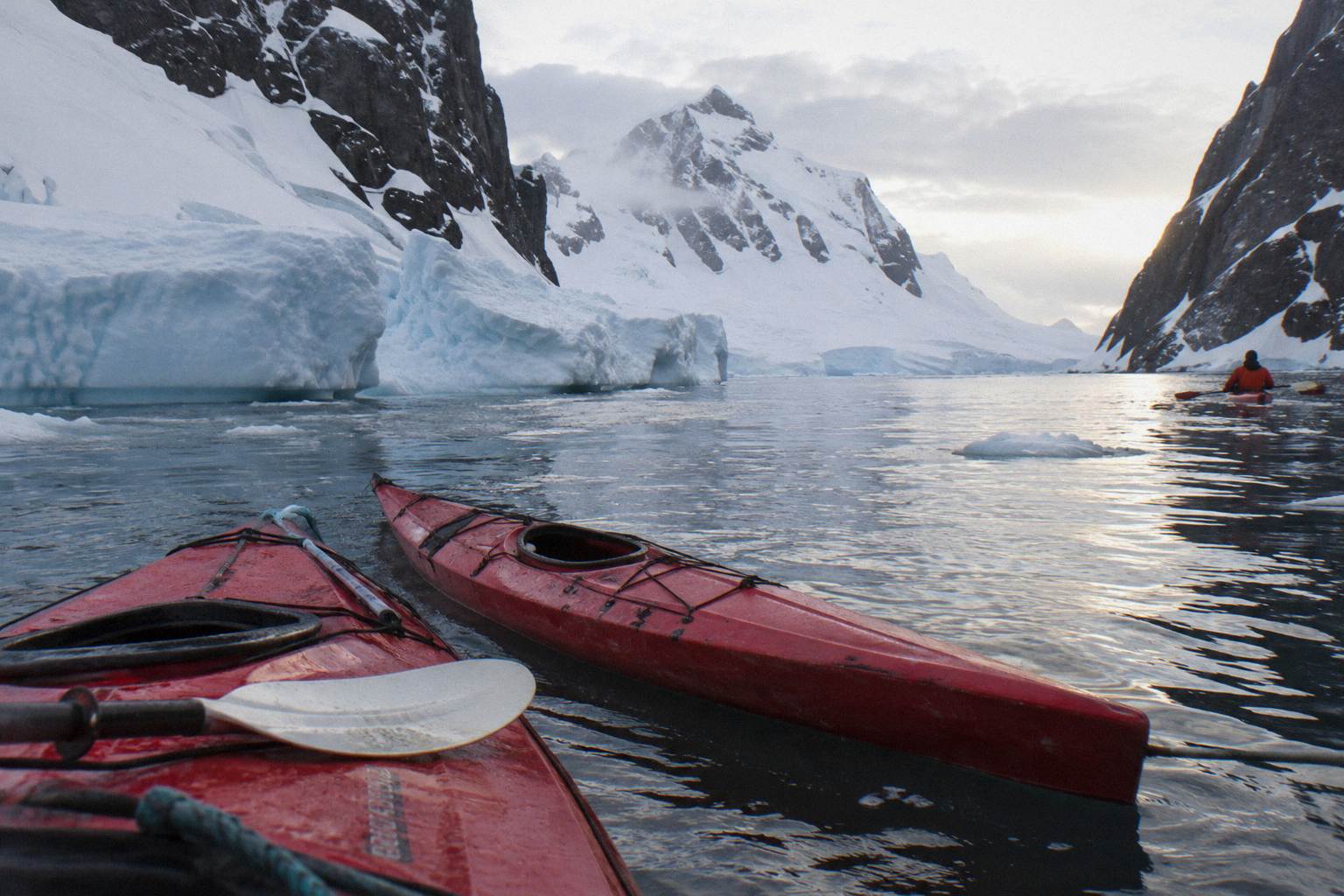 Antarctica KayakingOperators, prices and paddle skills for sea kayaking off an Antarctic expedition ship.Read the guide
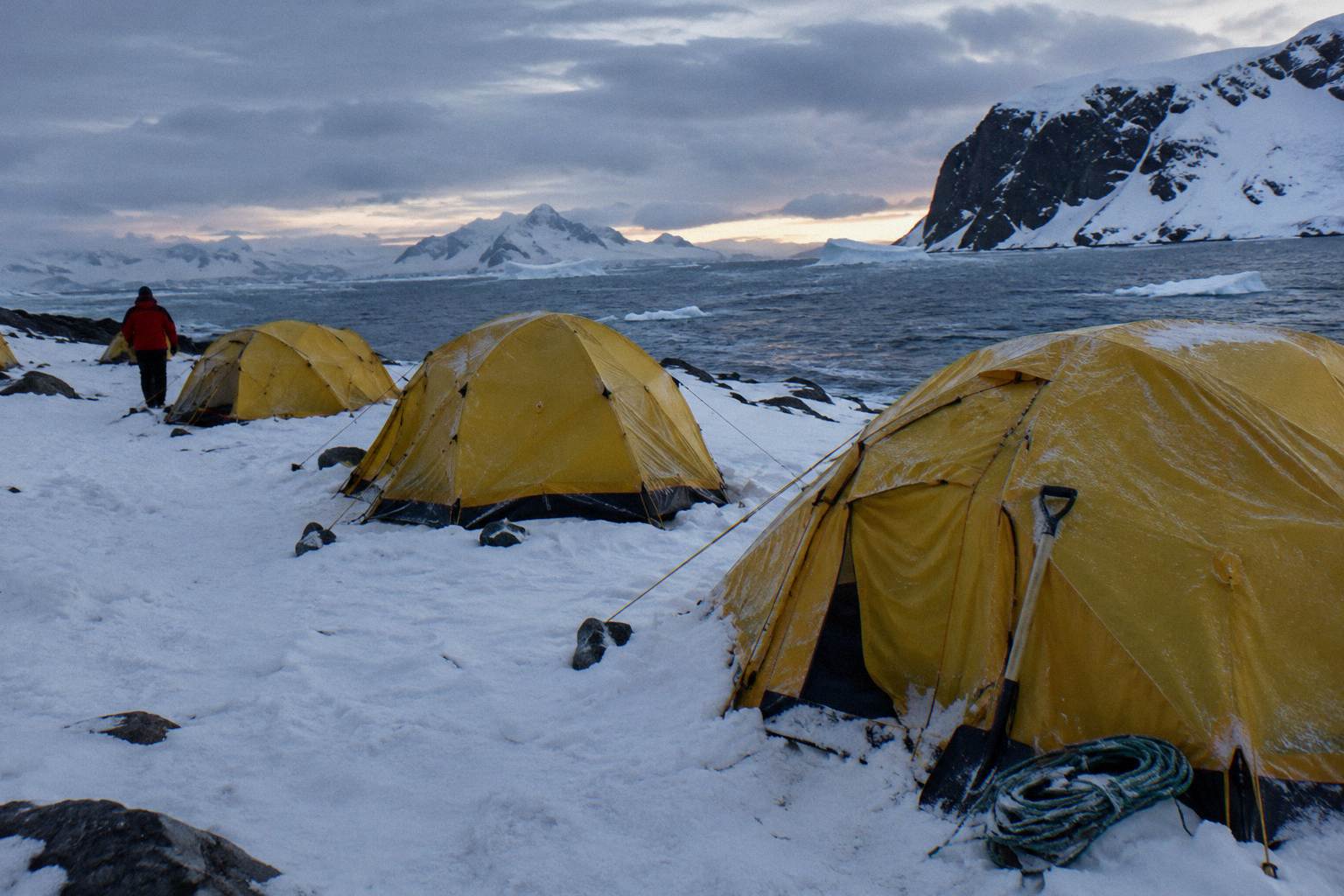 Antarctica CampingWhat an overnight ashore in Antarctica costs, how it runs, and when weather cancels it.Read the guide
 Polar PlungeWho offers the Antarctic polar plunge, what it costs and how it stays safe.Read the guide
 Hiking And SkiingActive Antarctica: hiking, snowshoeing, ski touring and mountaineering options compared.Read the guide