Which Cruise Lines Go To Antarctica? Operators Compared
 By Oleg G.
Fourteen expedition lines sail Antarctic waters in the 2026-27 season, from budget twin cabins under $8,000 to luxury suites above $30,000. This guide maps who goes, what they sail, and who lands.
Quick answer: About fourteen operators run Antarctic expedition cruises in 2026-27, including Quark, Oceanwide, Lindblad, Aurora, HX, Ponant, Silversea, Seabourn, Scenic, Viking, Atlas, Antarctica21, Albatros and Heritage. Peninsula fares on the roster run from about $7,050 per person on Plancius to over $32,000 on Ponant's Ross Sea voyages.
Which Cruise Lines Actually Sail To Antarctica?
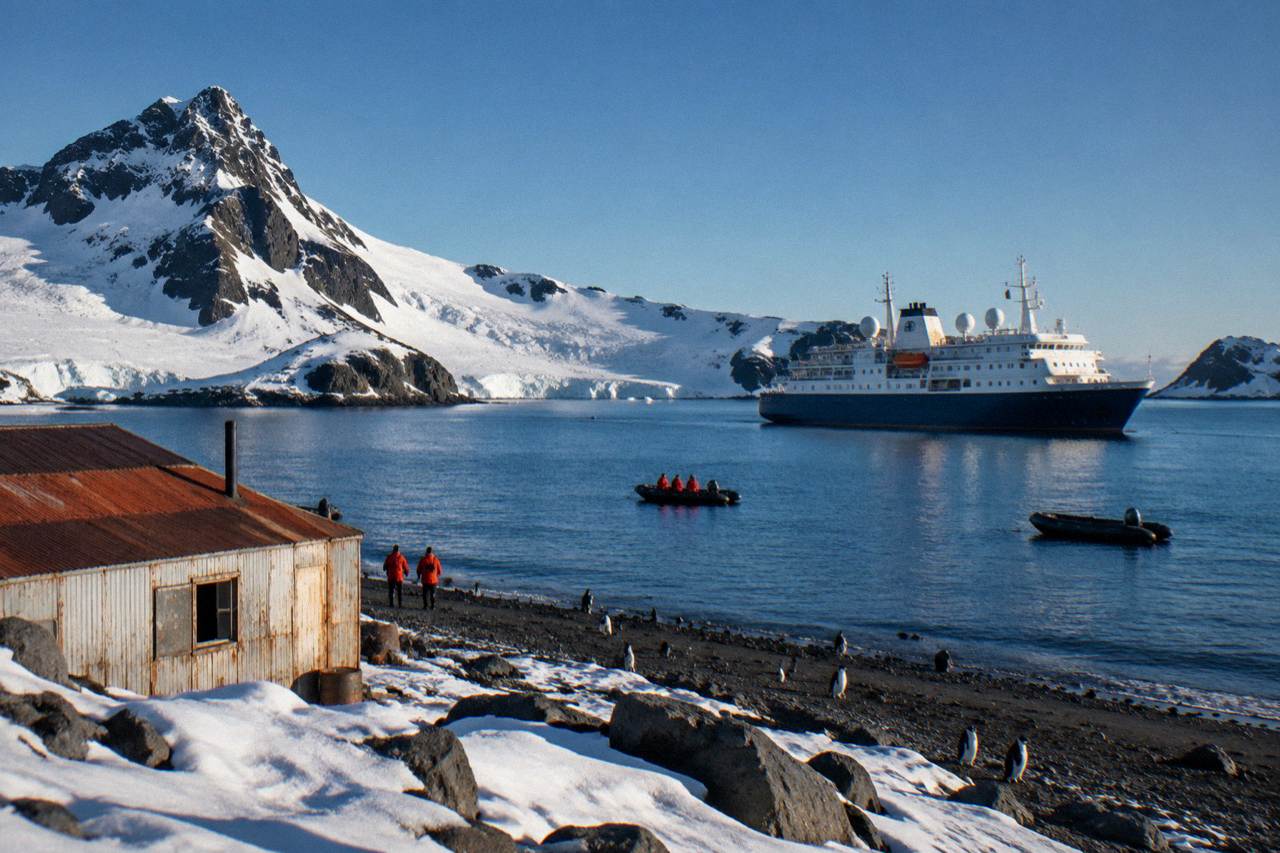
Around fourteen expedition cruise lines operate in Antarctic waters in the 2026-27 season: Quark Expeditions, Oceanwide Expeditions, Lindblad Expeditions, Aurora Expeditions, HX, Ponant, Silversea, Seabourn, Scenic, Viking, Atlas Ocean Voyages, Antarctica21, Albatros Expeditions and Heritage Expeditions. Every one of them runs small-to-mid expedition ships rather than conventional cruise vessels, and every ship on this site's roster carries fewer than 500 passengers.
The first thing to understand is that "cruise line" means something different at high latitudes than in the Caribbean. The operators that sail to Antarctica fly expedition teams, Zodiac fleets and sometimes helicopters, and their itineraries are built around landings rather than onboard entertainment. The Antarctic Treaty System and IAATO, the industry body that regulates visitor activity, shape what these lines can do: vessels carrying more than 500 fare-paying passengers are prohibited from making landings, which is why no mega-ship appears on any Antarctic landing itinerary. The Cruises In Antarctica roster tracks 43 ships across these operators, and the spread is wide: from the 90-berth Ushuaia, a former research vessel sailing budget trips out of its namesake port, up to Viking's 378-guest Octantis and Polaris.
The season itself is short. The Antarctic Treaty Secretariat notes that approximately 98 percent of all tourism voyages occur in the Antarctic Peninsula during the seven-month austral summer from October to April, and nearly every operator concentrates its fleet there. That concentration is why Ushuaia in Argentina and Punta Arenas in Chile have become the two gateway ports, and why choosing a line matters less than choosing the right ship within that line. If you want a fuller rundown of the vessels themselves rather than the companies, the Antarctica cruise ships guide breaks down the fleet by class.
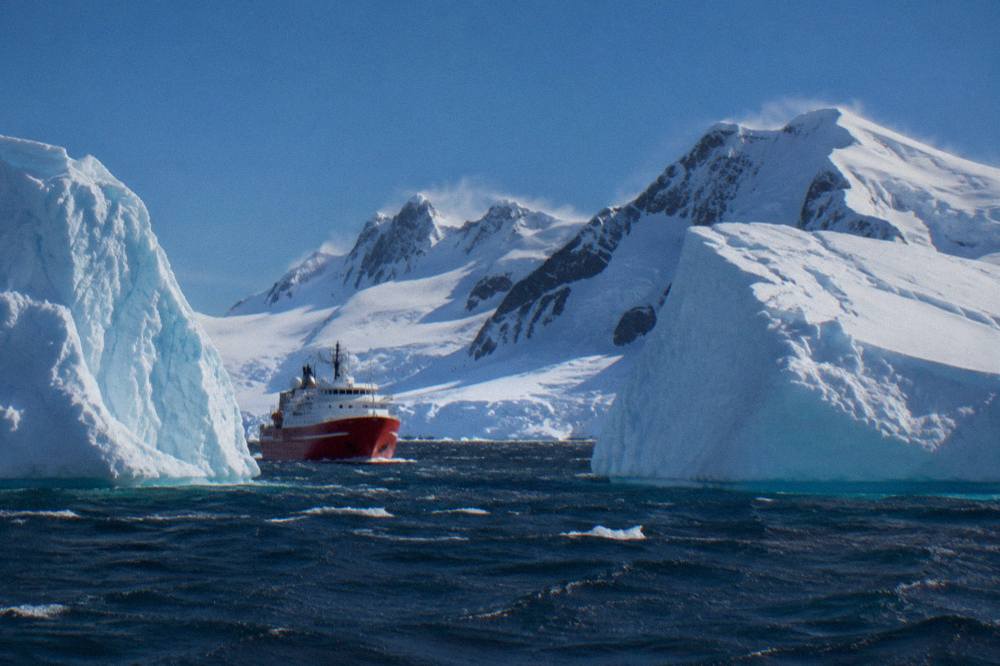
Here is the operator map, built from the roster data only. Fares are the lowest per-person starting fares on file for Antarctic Peninsula voyages; where a line's fare is not on file, the table says so rather than guessing.
| Operator | Ships in Antarctic waters (roster) | Class range | Lowest fare on file |
|---|---|---|---|
| Quark Expeditions | Ultramarine, Ocean Explorer, World Voyager | Upscale expedition | From $12,236 pp (voyage-level, shared across three ships) |
| Oceanwide Expeditions | Hondius, Ortelius, Plancius | Small-ship budget | From $7,050 pp (Plancius) |
| Lindblad Expeditions | National Geographic Endurance, Resolution, Explorer | Standard to upscale expedition | From $11,900 pp |
| Aurora Expeditions | Sylvia Earle, Douglas Mawson, Greg Mortimer | Upscale expedition | From $19,521 pp |
| HX (Hurtigruten Expeditions) | MS Fram, MS Fridtjof Nansen, MS Roald Amundsen | Standard to upscale expedition | From $10,485 pp |
| Ponant | Le Boréal, Le Lyrial, L'Austral, Le Soléal | Luxury | From $18,700 pp |
| Silversea | Silver Endeavour, Silver Wind, Silver Cloud | Luxury | Fare not on file |
| Seabourn | Seabourn Venture, Seabourn Pursuit | Luxury | Fare not on file |
| Scenic | Scenic Eclipse, Scenic Eclipse II | Luxury | Fare not on file |
| Viking | Viking Octantis, Viking Polaris | Upscale expedition | Fare not on file |
| Atlas Ocean Voyages | World Navigator, World Traveller | Upscale expedition | From $12,150 pp |
| Antarctica21 | Magellan Explorer, Magellan Discoverer | Fly-cruise | From $13,795 pp |
| Albatros Expeditions | Ocean Albatros, Ocean Victory, Ocean Nova | Standard expedition | Fare not on file |
| Heritage Expeditions | Heritage Adventurer | Upscale expedition | Fare not on file |
Two caveats on that fare column. Quark's fares are voyage-level and shared across Ultramarine, Ocean Explorer and World Voyager, so the same Antarctic Explorer departure price applies whichever of the three ships you end up on. If the table leaves you torn between two or three operators, a free consultation can compare them against your dates and budget, with no obligation attached.
Who Lets You Step Ashore, And Who Only Cruises Past?
Every ship on this roster carries fewer than 500 passengers, so in principle every operator above can make landings. In practice the rules are stricter: IAATO caps landings at 100 passengers ashore at a time, requires a 1:20 guide-to-visitor ratio, and allows only one ship at a site at a time. Ship size, not line prestige, decides how much time you spend on the ice.
The distinction between landing and cruise-only matters more than most first-time buyers realise. IAATO's own figures for the 2025-26 season recorded 113,518 total visitors: 85,195 who landed, 27,217 who saw Antarctica only from the deck of a large cruise-only vessel, and 1,106 deep-field visitors. The cruise-only number exists because some large cruise ships do sail Antarctic waters without making landings at all, either because they exceed the 500-passenger cap or because they choose not to operate Zodiacs. If stepping onto the continent is the point of the trip, you need an expedition line, and you can check the IAATO visitor guidelines yourself to see the landing rules in full.
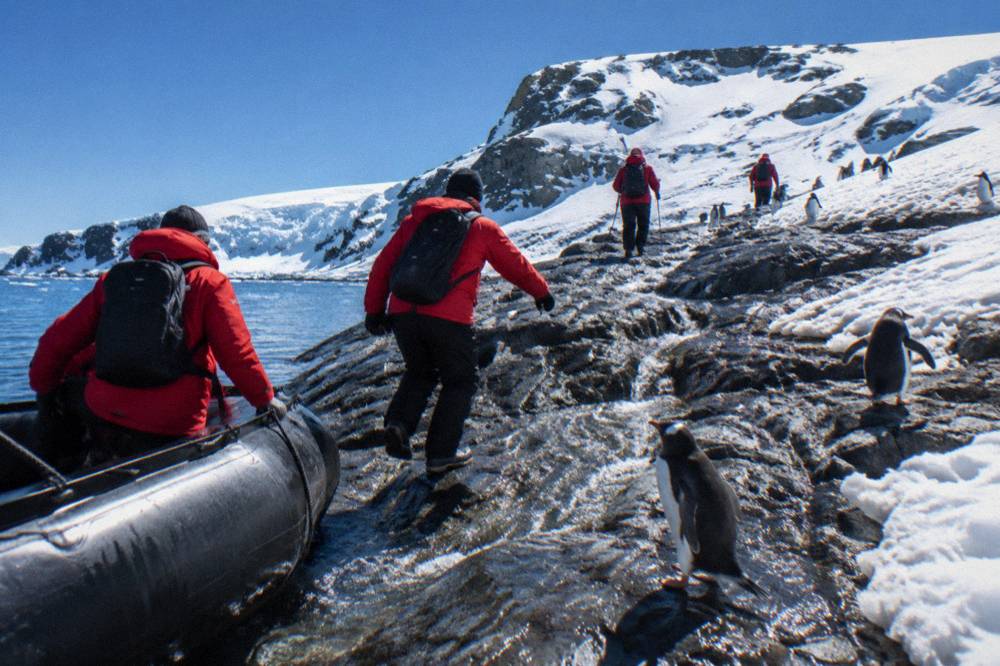
Ship size changes the landing experience in concrete ways. On Oceanwide's 108-guest Ortelius or Plancius, the whole ship lands in two quick groups, which means longer stays at each site than on larger ships. On Viking's 378-guest ships or HX's 490-guest Fridtjof Nansen, passengers rotate ashore in groups while others watch from the ship or take Zodiac cruises, which spreads a landing across more of the day but gives everyone a turn. Neither approach is against the rules; they just feel different, and the smaller the ship, the more time per person on land. The Antarctic Peninsula cruise guide covers how itinerary length interacts with this.
One operator on the list deserves a special note here. Antarctica21 built its whole model around the fly-cruise: instead of two days sailing the Drake Passage each way, guests fly about two hours from Punta Arenas to King George Island and board the ship there. Magellan Explorer carries 88 guests on air-cruises, so a full-ship landing is a single rotation. The trade-off is weather dependence on the charter flight, which the fly the Drake guide explains in detail.
What Does Each Cruise Line's Fleet Look Like?
The fleets range from converted research vessels to ships launched in 2025, and the roster's ice classes run from Lloyd's 1D up to Polar Class 6 and PC5. Oceanwide sails three small budget ships from Ushuaia; Quark sails three upscale ships including the helicopter-equipped Ultramarine; Lindblad sails two PC5 sister ships with patented X-Bow hulls; Ponant sails four French-flagged luxury vessels; and Viking sails two 378-guest PC6 ships built in 2022.
Fleet age tells you a lot about price and a little about capability. Oceanwide's Plancius started life as a Dutch Navy oceanographic vessel in 1976 and was rebuilt as a passenger ship in 2009; its ice class is 1D, the lowest on the roster, and its fares start at $7,050, also the lowest on the roster. At the other end, Aurora's Douglas Mawson, built in 2025 with an Ulstein X-BOW, sails a 34-day voyage with no published fare on file. In between sit workhorses like Quark's Ultramarine, a 199-guest ship with two twin-engine Airbus H145 helicopters on two helidecks, an internal Zodiac hangar carrying 20 Zodiacs, and two ready rooms for faster passenger rotation onto the water.
To see how three different operators answer the same question, compare a budget ship, a mid-range expedition ship and a luxury ship side by side. Oceanwide's Hondius, Lindblad's National Geographic Endurance and Ponant's Le Boréal all sail the Peninsula, all carry well under 500 guests, and all make landings, yet they sit in three different classes at three different price points.
| Ship | Class | Passengers | Ice class | From, per person | Voyage length | Departs from |
|---|---|---|---|---|---|---|
| HondiusOceanwide Expeditions | Small-Ship Budget | 170 | Polar Class 6 | from $7,800 | 11 to 19 days | Ushuaia |
| National Geographic EnduranceLindblad Expeditions (with National Geographic) | Standard Expedition | 138 | PC5 | from $11,900 | 12 to 22 days | Ushuaia |
| Le BoréalPonant | Luxury | 264 | – | from $23,020 | 19 days | Ushuaia, Buenos Aires |
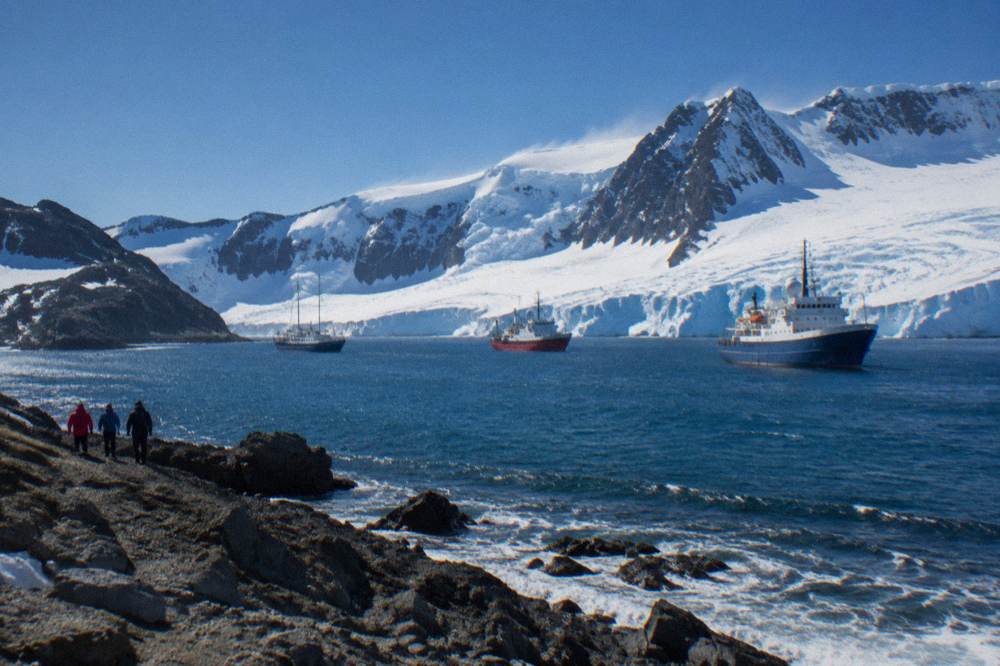
Hondius is the featured ship on this page for a reason: it is the clearest entry point in the entire market. Built in 2019 and, in the operator's own wording, the first-registered Polar Class 6 vessel in the world, it carries 170 guests in 80 cabins, sails 11-, 13- and 19-day voyages from Ushuaia, and starts at $7,800 per person. For a first-time visitor who wants a real expedition landing program without luxury pricing, it is the ship the consultation team at this site hears about most often. The Hondius ship guide covers its cabins and layout in full.
Lindblad's pairing with National Geographic shapes its product differently: the line bundles a pre-cruise Buenos Aires hotel, the charter flight to Ushuaia, alcoholic beverages, prepaid gratuities and an expedition jacket into the fare, which is why its $11,900 starting point is not directly comparable to Oceanwide's bare fare. Ponant, meanwhile, sells French-flagged luxury: Le Boréal carries up to 264 passengers on its 19-day Great Austral Loop at a listed fare of $23,020 per person, with the longer Ross Sea expedition on Le Soléal from $32,320. The luxury cruise guide works through that tier properly.
How Much Do The Different Cruise Lines Cost?
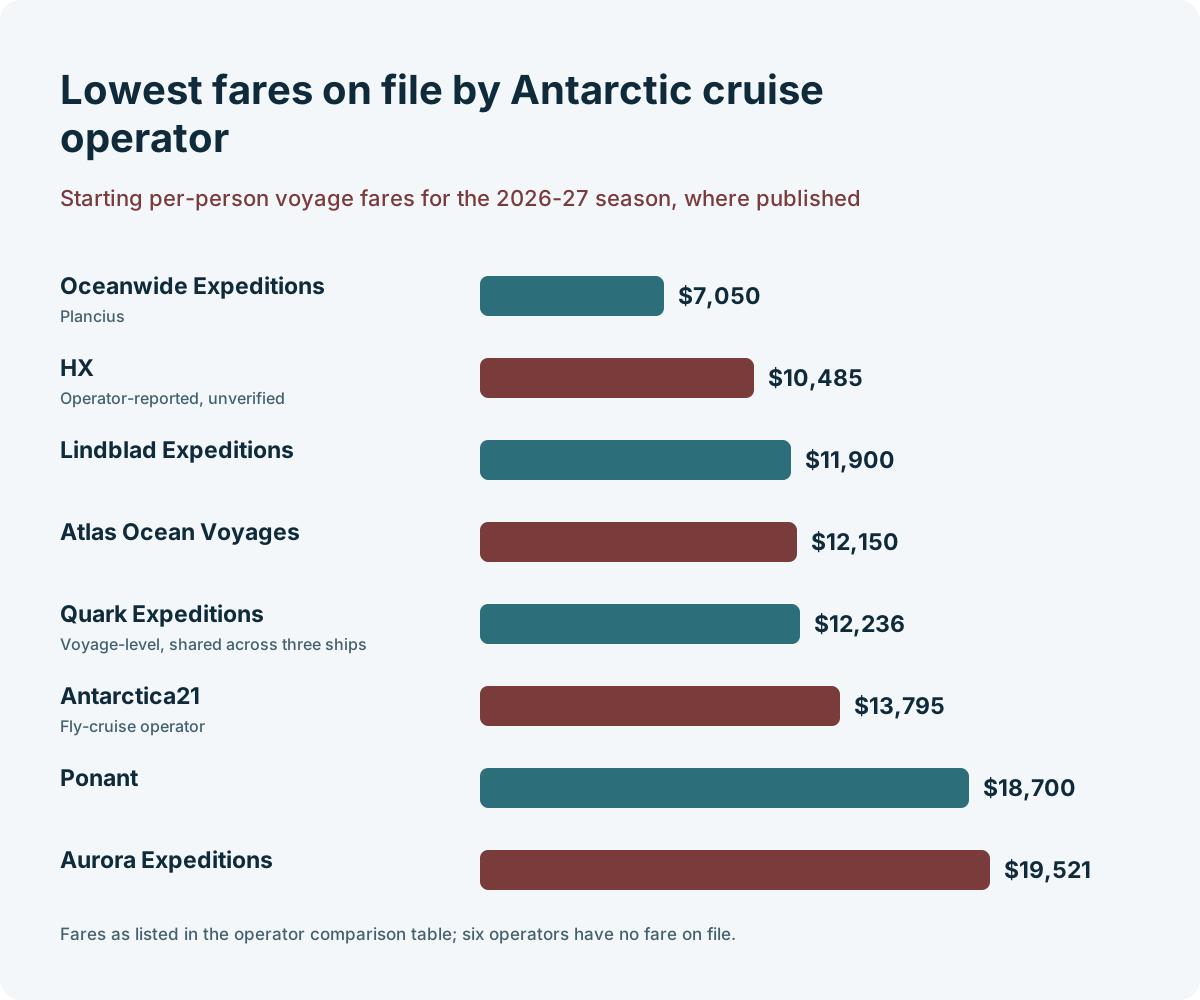
Roster fares for Antarctic Peninsula voyages run from $7,050 per person on Oceanwide's Plancius to $32,320 per person on Ponant's Ross Sea expedition, with the mainstream expedition tier clustered between $10,485 and $14,114. One 2026 cost guide reports a realistic all-in budget of $12,000 to $25,000 per person for a mid-range ten-to-twelve-day Peninsula trip once flights, gear, tips and insurance are added.
The fare alone never tells the whole story, because inclusions vary sharply by line. Lindblad bundles hotel, charter flights, drinks and gratuities; Atlas Ocean Voyages publishes all-inclusive fares with charter flights included, from $12,150 on World Navigator; Oceanwide and Quark sell leaner fares where drinks, tips and gear are largely extra. Industry guidance puts typical gratuities at about $16 per person per day, and most operators provide a complimentary parka, often to keep, plus loan waterproof boots. Insurance is the other quiet cost: major operators impose high medical evacuation minimums, with Quark, Ponant and Lindblad each requiring substantial evacuation coverage plus full trip-cost cancellation cover, and proof is often demanded before departure.
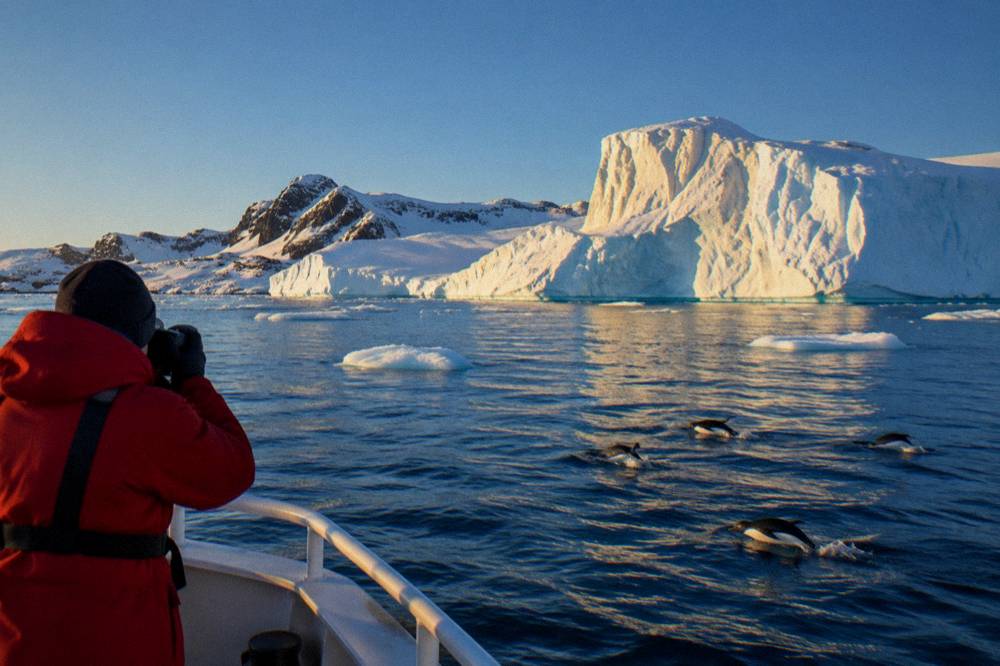
Here is the fare ladder as the roster records it, sorted from lowest to highest published starting fare, with the caveats printed where they apply.
| Ship | Operator | Class | Lowest fare on file | Caveat |
|---|---|---|---|---|
| Plancius | Oceanwide | Small-ship budget | From $7,050 pp | 1976-built, rebuilt 2009 |
| Ortelius | Oceanwide | Small-ship budget | From $7,800 pp | Former research vessel |
| Hondius | Oceanwide | Small-ship budget | From $7,800 pp | 170 guests, PC6 |
| Sea Spirit | Poseidon | Small-ship budget | From $8,846 pp | Operator-reported |
| SH Diana | Swan Hellenic | Standard expedition | From $9,800 pp | Operator-reported |
| MS Fridtjof Nansen | HX | Standard expedition | From $10,485 pp | Operator-reported |
| SH Minerva | Swan Hellenic | Standard expedition | From $11,675 pp | Operator-reported |
| National Geographic Endurance | Lindblad | Standard expedition | From $11,900 pp | Many inclusions bundled |
| World Navigator | Atlas | Upscale expedition | From $12,150 pp | All-inclusive |
| Ultramarine | Quark | Upscale expedition | From $12,236 pp | Voyage-level fare, shared by three Quark ships |
| Magellan Explorer | Antarctica21 | Fly-cruise | From $13,795 pp | Air-cruise, flight included |
| World Traveller | Atlas | Upscale expedition | From $14,114 pp | All-inclusive |
| Greg Mortimer | Aurora | Upscale expedition | From $19,521 pp | Twin-share fare |
| L'Austral | Ponant | Luxury | From $18,700 pp | 11-day Emblematic Antarctica |
| Le Boréal | Ponant | Luxury | From $23,020 pp | 19-day Great Austral Loop |
| Le Soléal | Ponant | Luxury | From $32,320 pp | 22-day Ross Sea expedition |
Read the fine print before comparing numbers across lines. A $7,800 fare on Hondius plus international flights, a night in Ushuaia, insurance and gear can land close to a bundled $11,900 Lindblad fare once everything is counted, and the Antarctica cruise cost guide works through that arithmetic step by step. Where a line publishes no fare at all, Silversea, Seabourn, Scenic, Viking, Albatros and Heritage among them, a current number genuinely needs a consultation rather than a guess, and this site will not print one. If you are weighing a budget ship against a bundled mid-range one, get a free fare comparison first before committing either way.
Which Antarctica Cruise Line Fits Which Traveller?
Budget-first travellers land on Oceanwide, whose three-ship fleet starts at $7,050; fly-cruise buyers who want to skip the Drake Passage land on Antarctica21 from $13,795; luxury buyers choose between Ponant, Silversea, Seabourn and Scenic; and buyers who want helicopters or heavy science programming look at Quark's Ultramarine or Lindblad's National Geographic partnership respectively. The right line is a function of budget, dates and how you feel about the Drake crossing.
Start with the crossing, because it eliminates half the field. If two days of open ocean each way is a hard no, your shortlist is Antarctica21's air-cruises, or the sail-one-way-fly-the-other hybrid itineraries that Quark and Lindblad both operate. If the crossing is part of the appeal, every Ushuaia-based operator is open to you, and the Drake Passage crossing guide explains what those four days at sea are actually like. Rough conditions occur on roughly 30 percent of crossings according to one geographical publication's summary, with the other 70 percent running calm.
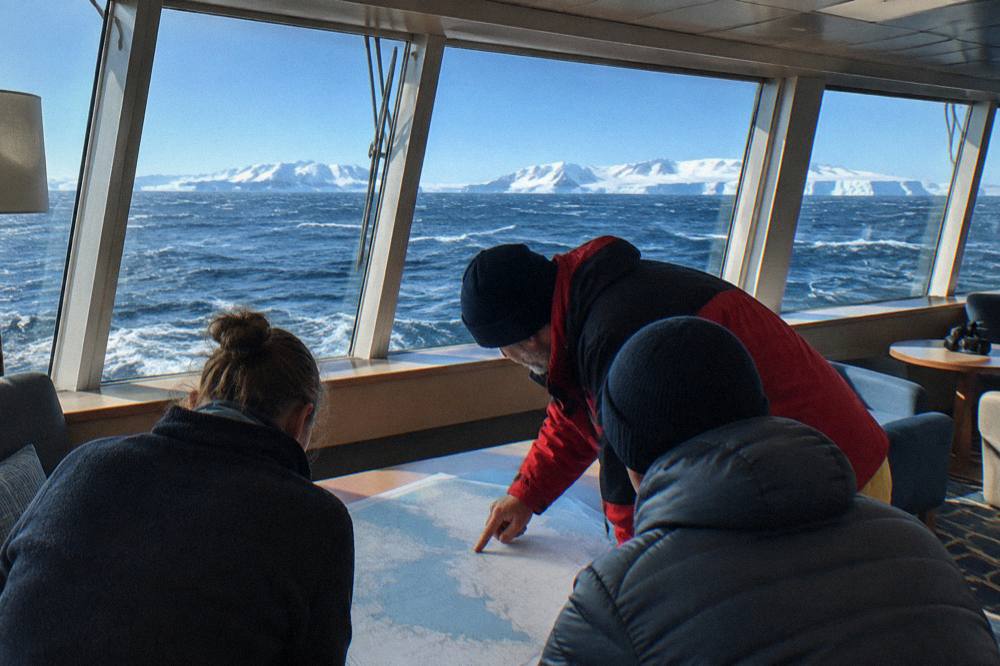
The gateway each line uses is a practical filter too, because it determines your flights, your hotel nights and your weather risk before you even board. The roster records the embarkation ports for every ship, and they cluster into a handful of patterns worth checking against your own travel plans.
| Operator | Gateway ports (roster) | Crossing style |
|---|---|---|
| Oceanwide | Ushuaia | Sail the Drake both ways |
| Quark | Buenos Aires, Ushuaia, Punta Arenas | Sail, or fly-the-Drake on express itineraries |
| Lindblad | Ushuaia | Sail, or sail-and-fly on Antarctica Direct |
| Aurora | Ushuaia | Sail the Drake both ways |
| HX | Buenos Aires, Santiago de Chile, Ushuaia, Punta Arenas | Sail the Drake both ways |
| Ponant | Ushuaia, Buenos Aires | Sail the Drake both ways |
| Silversea | King George Island, Puerto Williams | Fly-cruise focus |
| Seabourn | Ushuaia | Sail the Drake both ways |
| Atlas | Ushuaia, Buenos Aires | Sail the Drake both ways |
| Antarctica21 | Punta Arenas (fly) to King George Island | Fly-cruise only |
| Heritage | Queenstown/Invercargill, New Zealand | Ross Sea voyages, no Drake crossing |
Then match the line to the experience you are buying. Aurora Expeditions puts a Ulstein X-BOW on all three of its ships and carries scientists on its 2026-27 program, with 27 voyages planned across Greg Mortimer, Sylvia Earle and Douglas Mawson. Viking sells a resort-like 378-guest product with PC6 ships and no landing disadvantage. Heritage Expeditions is the outlier: its 28-day Ross Sea voyages from New Zealand aboard the 1991-built Heritage Adventurer reach the historic huts and continental ice that Peninsula itineraries never touch, at a fare that is not on file. For most first-time visitors, though, the honest answer is that two or three lines could work equally well, and the decision comes down to a specific departure date and a specific cabin.
National Geographic Endurance earns its card here as the clearest example of the bundled mid-range product: a 2021-built, PC5 Category A ship with a patented X-Bow, 138 guests, and a 12-day Voyage to Antarctica starting at $11,900 with the Buenos Aires hotel, charter flight, drinks and gratuities already inside that number. Buyers comparing it against a leaner Oceanwide fare should price both to the same finish line before deciding, which is exactly the kind of side-by-side a free consultation with an expedition specialist was built for.
How Do You Choose Between So Many Antarctica Cruise Lines?
Narrow by three filters in order: crossing style, budget band, then ship size. Decide whether you will sail or fly the Drake, fix a realistic all-in budget using the fare ladder above, and then pick the smallest ship that fits it, because smaller ships mean longer landings under the 100-passenger rule. Line loyalty should come last, since most operators field at least one ship that fits any given brief.
The order of those filters matters. Buyers who start with the line, because a brand is familiar from a past Alaska or Europe cruise, routinely overpay for a ship that does not match how they actually travel. Viking and Silversea both sell beautiful products, but if your priority is maximum time ashore among penguins, a 170-guest Hondius at $7,800 will put you on the ice more minutes per day than a 378-guest ship at triple the fare. The reverse also holds: if a comfortable cabin and good food matter more than a fourth daily landing, the budget ships will disappoint you for different reasons.
A practical shortlist method: take the fare ladder table above, circle every ship within 20 percent of your budget, delete the ones with the wrong crossing style, then rank what remains by passenger count. That usually leaves three to five candidate departures. At that point the remaining questions, which specific departure, which cabin category, whether an early-booking discount applies, are answerable only against live availability, and this site does not sell cabins. Operators' early-booking offers for 2026-27 and 2027-28 commonly reach 10 to 30 percent off according to one polar-cruise deals tracker, so the timing of the question can be worth thousands. If you have reached this point with a shortlist in hand, talk through it in a free consultation and let an expedition specialist pressure-test it against your dates.
Common Questions About Antarctica Cruise Lines
What Cruise Line Goes To Antarctica?
About fourteen expedition lines sail there in 2026-27: Quark, Oceanwide, Lindblad, Aurora, HX, Ponant, Silversea, Seabourn, Scenic, Viking, Atlas Ocean Voyages, Antarctica21, Albatros Expeditions and Heritage Expeditions. All operate ships under the 500-passenger landing cap.
Which Cruise Line Is Best For Antarctica?
There is no single best line. Oceanwide offers the lowest fares on the roster from $7,050, Lindblad bundles the most into its fare from $11,900, Ponant leads the luxury tier from $18,700, and Antarctica21 owns the fly-cruise niche from $13,795. Match the line to your budget and crossing preference instead.
Can Big Cruise Ships Land Passengers In Antarctica?
No. IAATO rules prohibit vessels carrying more than 500 fare-paying passengers from making landings, and landings are capped at 100 passengers ashore at a time with a 1:20 guide ratio. That is why all Antarctic landing ships are small-to-mid expedition vessels.
What Is The Cheapest Cruise Line For Antarctica?
On this site's roster, Oceanwide Expeditions is the cheapest operator, with Plancius from $7,050 per person, and Hondius and Ortelius from $7,800.
Do Any Cruise Lines Fly To Antarctica Instead Of Sailing?
Yes. Antarctica21 runs air-cruises from Punta Arenas, flying guests about two hours to King George Island to board Magellan Explorer or Magellan Discoverer, from $13,795 per person. Quark and Lindblad also run fly-the-Drake or sail-one-way itineraries.
Do All Antarctica Cruise Lines Make Landings?
Every ship on this site's roster carries fewer than 500 passengers and is permitted to land guests, but cruise-only vessels without Zodiac operations also sail Antarctic waters. In the 2025-26 season, 85,195 of 113,518 visitors landed while 27,217 stayed aboard, so check that your itinerary is an expedition landing program before booking.