HX Vs Oceanwide: Bigger Hybrid Ships Or Small Budget Expedition Ships?
 By Oleg G.
HX sails Antarctica with two 490-guest hybrid-powered ships and an all-inclusive onboard style; Oceanwide runs three small vessels from about $7,050 per person. The difference that matters most is how many fellow passengers stand on the landing beach with you.
Quick answer: HX's MS Fridtjof Nansen and MS Roald Amundsen carry 490 guests each, so landings rotate in groups under the 100-ashore rule. Oceanwide's Hondius, Ortelius and Plancius carry 108 to 170, with fares from about $7,050 per person. Choose HX for comfort and facilities, Oceanwide for price and small-ship simplicity.
Quick Facts Side By Side
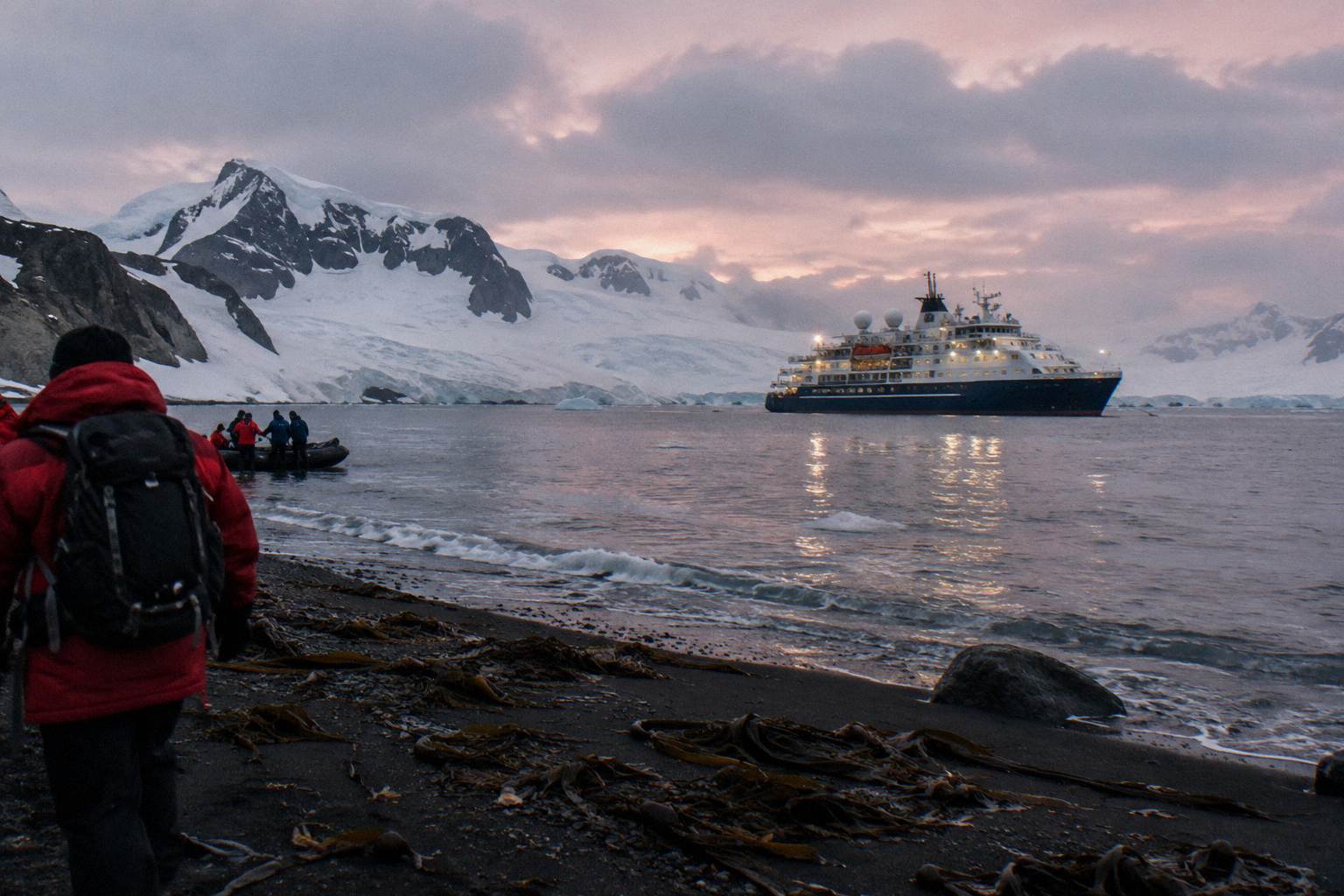
The core split is size and price. HX brings two 490-guest hybrid-powered ships with hotel-style facilities; Oceanwide fields three vessels of 108 to 170 passengers at the lowest published fares here, from about $7,050 per person. Both lines make real Zodiac landings, but HX guests go ashore in rotating groups, while Oceanwide's smaller ships land nearly everyone at once.
HX (formerly Hurtigruten Expeditions) operates MS Fridtjof Nansen and MS Roald Amundsen in Antarctica, both built as hybrid-powered expedition ships and both carrying 490 guests according to the operator's ship pages. Oceanwide Expeditions, a Dutch operator, runs Hondius, Ortelius and Plancius from Ushuaia, with capacities of 170, 108 and 108 passengers respectively. The fares tell the story quickly: Oceanwide's published Peninsula departures start at $7,050 per person on Plancius, while reported HX fares, not independently verified, start around $10,485 on Fridtjof Nansen.
| Ship | Class | Passengers | Ice class | From, per person | Voyage length | Departs from |
|---|---|---|---|---|---|---|
| MS Fridtjof NansenHX (Hurtigruten Expeditions) | Standard Expedition | – | – | from $10,485 | 15 to 19 days | Valparaíso, Buenos Aires |
| MS Roald AmundsenHX (Hurtigruten Expeditions) | Standard Expedition | – | – | from $10,863 | 12 to 16 days | Buenos Aires, Ushuaia |
| HondiusOceanwide Expeditions | Small-Ship Budget | 170 | Polar Class 6 | from $7,800 | 11 to 19 days | Ushuaia |
| OrteliusOceanwide Expeditions | Small-Ship Budget | 108 | UL1 | from $7,800 | 11 to 25 days | Ushuaia |
If that table already points you one way, it is worth a deeper look at each operator's full story; our HX Hurtigruten Antarctica guide and Oceanwide Expeditions Antarctica guide cover the line-level detail. And if the choice is genuinely close for your dates and budget, a free Antarctica cruise consultation can compare live availability across both fleets in one conversation.
Who Each Line Is Built For
HX is built for travellers who want a full-scale ship: multiple restaurants, a science centre, an infinity pool and hot tubs, all wrapped into an expedition programme. Oceanwide is built for travellers whose priority is time off the ship and the lowest fare, who accept simpler cabins and fewer amenities to get a small-ship Antarctic experience. Neither line markets itself to the other's customer.
The HX ships suit people who think of the voyage as a cruise as well as an expedition. The operator's ship page for Fridtjof Nansen lists three restaurants (Aune, Fredheim and the fine-dining Lindstrøm), an Explorer Lounge, a science centre with touch screens and workshops, a wellness area with sauna, an infinity pool and hot tubs. Roald Amundsen shares the same layout family. These are big, comfortable platforms, and the trade-off is the 490-guest count, which shapes how landings work under Antarctic rules.
Oceanwide's flagship, Hondius, suits the opposite traveller. She was the first vessel in the world registered to Polar Class 6, in the operator's own wording, and carries 170 guests in 80 cabins. The ship page lists an observation lounge and a separate lecture room, plus a sheltered indoor Zodiac boarding platform, and the operator's Basecamp voyages bundle camping, kayaking, snowshoe hiking, mountaineering and a photo workshop into the fare on select departures. Cabins run from quad portholes to a grand suite with a private balcony, which keeps the entry fare low for travellers willing to share.
Ortelius, the 1989-built former Russian research vessel, is the pure budget-and-adventure option: 108 passengers in 50 cabins, no balconies, and helicopter flights on Weddell Sea emperor penguin voyages, a capability no other ship in this comparison offers. Our Hondius Antarctica guide and Ortelius Antarctica guide go deeper on both ships if one of them is pulling at you.
The Fleets Compared
The fleets differ most in scale: HX's two Antarctica ships each carry 490 guests, roughly three to four times the capacity of any Oceanwide vessel, and both are recent hybrid-powered builds. Oceanwide's three ships are older and smaller, ranging from a 1976-built converted navy vessel to the 2019-built Hondius, and only Hondius carries a modern Polar Class notation.
Here is the fleet data the operators publish, field by field. Ice class wording is quoted as each operator states it, because the notations are not directly comparable across systems: Polar Class 6 and Finnish-Swedish 1A-Super are roughly equivalent, while Ortelius's UL1 is equivalent to 1A, and Plancius's 1D is a lower Baltic ice class. HX does not publish an ice class for either of these ships on their ship pages.
| Ship | Line | Passengers | Built | Ice class (operator wording) | Length |
|---|---|---|---|---|---|
| MS Fridtjof Nansen | HX | 490 | 2020 | Not published | 140 m |
| MS Roald Amundsen | HX | 490 | 2019 | Not published | Not published |
| Hondius | Oceanwide | 170 | 2019 | Polar Class 6 (equivalent 1A-Super) | 107.6 m |
| Ortelius | Oceanwide | 108 | 1989 | UL1 (equivalent to 1A) | 90.95 m |
| Plancius | Oceanwide | 108 | 1976 (rebuilt 2009) | 1D (Lloyds 100A1, Ice Class 1D at 5 m draught) | 89 m |
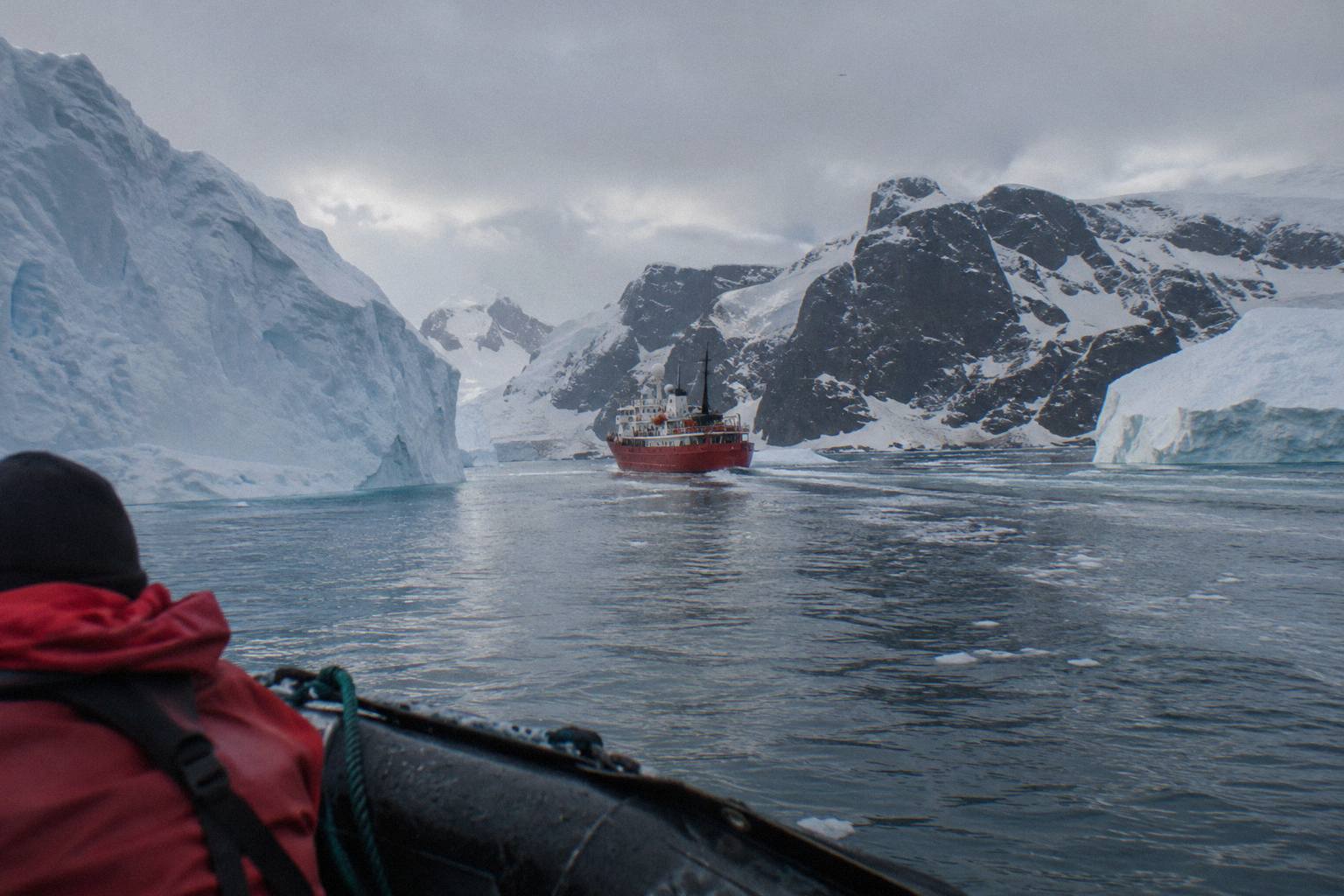
The size gap matters beyond comfort. Antarctic Treaty visitor rules, as summarised by IAATO's general visitor guidelines, prohibit landings from vessels carrying more than 500 passengers and cap any vessel at 100 passengers ashore at one time. At 490 guests, both HX ships sit just under the ceiling and must rotate everyone ashore in shifts. Oceanwide's ships at 108 to 170 passengers are above the 100 mark too, but the rotation is two groups rather than five. Our Antarctica cruise ship sizes guide works through what that means for your actual time on land.
Cabins, Food, And Onboard Style
HX cabins span a wide range with roughly half offering balconies on the newer ships, alongside three restaurants and a pool deck; Oceanwide cabins are functional and mostly window or porthole categories, with balconies existing only as one suite category on Hondius. The style gap is real and it is the main thing the extra fare buys.
On Fridtjof Nansen, the operator's ship page lists Expedition Suites, many with private balcony and some with a hot tub, plus balcony and outside categories, and notes that about 50 percent of cabins have balconies. Roald Amundsen follows the same pattern. Dining runs from the main Aune restaurant, with all meals included, to Fredheim and the suite-included Lindstrøm fine-dining room, plus a pool bar and takeaway. The wellness offer includes a sauna, hot tubs and a fitness room.
Oceanwide keeps things simpler. Hondius cabin categories run from a quad porthole at roughly 15 to 16 square metres up to a grand suite with a private balcony at 26.7 square metres, per the operator's cabin page; Ortelius and Plancius top out at superior twin categories with no balconies at all. The Oceanwide ship pages do not publish restaurant names; Plancius has a restaurant and lecture room on deck 3 and an observation lounge with a bar on deck 5, and all three ships list an observation lounge. Gratuities are suggested at 10 to 15 EUR or USD per passenger per day as a blanket contribution, which the ship pages state directly.
One honest gap: HX does not itemise drinks, gratuities or parka and boot inclusions on its ship pages, and Oceanwide's ship pages do not state parka or boot inclusions either. A trade summary of 2026-27 fares reports that most expedition operators provide a complimentary parka and loan boots, but for a specific sailing you should confirm inclusions before comparing quotes, which is exactly what a free consultation across both lines is good at.
Itineraries And Routes
Both lines work the classic Ushuaia roundtrip model to the Antarctic Peninsula, but Oceanwide's catalogue is wider on the budget end and includes helicopter-supported Weddell Sea emperor penguin voyages, while HX concentrates on 12-to-19-day Peninsula and Falklands itineraries with some Buenos Aires packaging. Voyage lengths overlap heavily in the 10-to-15-day band.
Oceanwide's 2026-27 Antarctic programme, as listed on the operator's cruise pages, spans 10 to 33 days: Peninsula discovery and Basecamp voyages of 10 to 13 days, Falklands, South Georgia and Peninsula combinations around 19 to 20 days, Weddell Sea emperor penguin helicopter voyages of about 11 days in November and December, and long remote voyages including a 25-day Ortelius itinerary. HX's ships sail 12-to-16-day Peninsula voyages and 15-to-19-day Falklands combinations, with gateway ports including Valparaíso, Buenos Aires and Ushuaia.
| Ship | Typical voyage days (2026-27) | Departure ports | Published from-fare (per person) |
|---|---|---|---|
| MS Fridtjof Nansen | 15 / 18 / 19 | Valparaíso, Buenos Aires | From $10,485 (reported, unverified) |
| MS Roald Amundsen | 12 / 16 | Buenos Aires, Ushuaia | From $10,863 (reported, unverified) |
| Hondius | 11 / 13 / 19 | Ushuaia | From $7,800 |
| Ortelius | 11 / 13 / 25 | Ushuaia | From $7,800 |
| Plancius | 10 / 11 / 13 / 15 / 19 / 21 / 33 | Ushuaia | From $7,050 |
The Oceanwide from-fares are the lowest USD fares among the operators' own Peninsula departures for October 2026 to April 2027; the HX figures are reported operator fares that have not been independently verified, so treat them as indicative and confirm current pricing for your dates. If a 20-day Falklands and South Georgia route is on your shortlist, our South Georgia Antarctica cruise guide covers what those voyages add.
Expedition Programme, Landings, And Activities
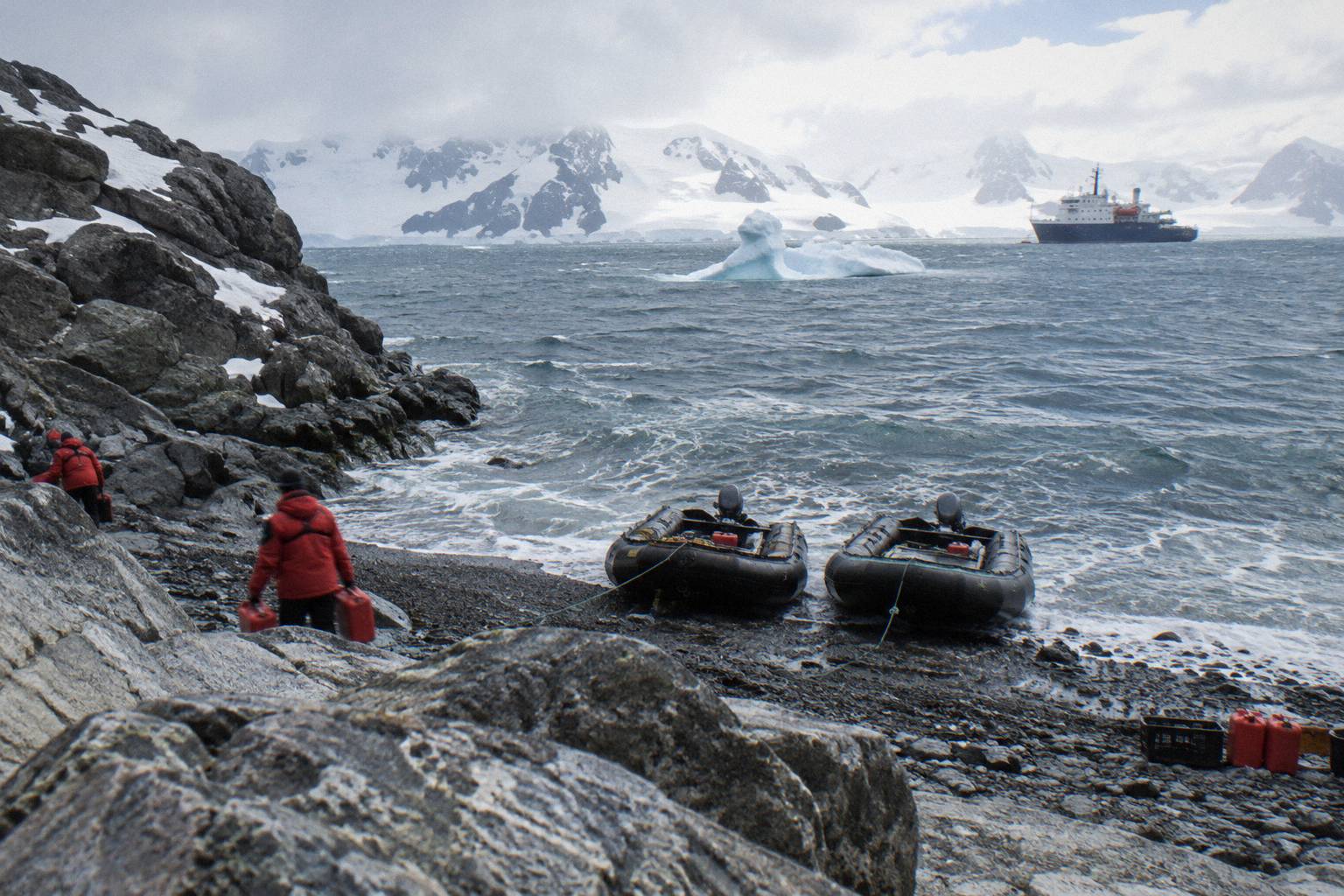
Oceanwide publishes the more concrete activity list: Basecamp voyages include free camping, kayaking, snowshoe hiking, mountaineering and photo workshops, Ortelius flies helicopters on emperor penguin voyages, and Ortelius and Plancius carry 10 Zodiacs each. HX runs an expedition team and a science centre, and trade reporting notes expanded kayaking and camping in its record 2025-26 season, but the HX ship pages do not itemise Zodiac counts or activity lists.
The landing rules frame everything. IAATO guidance caps vessels at 100 passengers ashore at any one time and requires a minimum 1:20 guide-to-visitor ratio, with only one ship at a site at a time. On Hondius at 170 guests, that means two rotations per landing; on Ortelius or Plancius at 108, it is barely more than one; on a 490-guest HX ship, the ship's company is split into multiple shifts and your shore time per landing is correspondingly shorter. A typical landing lasts one to three hours depending on site, weather and ship size, so the rotation math is not cosmetic.
What each operator actually offers off the ship, per its own pages: Oceanwide lists 10 Zodiacs on Ortelius and 10 Mark V Zodiacs with two gangways on Plancius, plus a sheltered indoor boarding platform on Hondius; its Basecamp programme bundles camping, kayaking, snowshoe hiking, mountaineering and photo workshops at no extra charge on designated departures, and Ortelius operates helicopter flights on Weddell Sea and remote voyages. HX's ship pages emphasise the expedition team and the Science Centre for lectures and workshops; the operator does not publish Zodiac counts or per-ship activity lists on those pages, and a trade report on HX's record 2025-26 season noted expanded kayaking and camping across its Antarctic voyages. Neither line offers submarines or ship-based helicopter sightseeing outside the Ortelius emperor voyages, and no source in this comparison claims otherwise.
Prices And What The Fare Includes
Oceanwide is the clear price leader: its own published Peninsula fares start at $7,050 per person on Plancius and $7,800 on Hondius and Ortelius, against reported HX fares of around $10,485 to $10,863. What the fare includes differs too: Oceanwide includes meals, Zodiac excursions and lectures with activities free on Basecamp departures, while HX's all-inclusive packaging is described at itinerary level rather than on the ship pages.
The honest comparison needs both columns: the headline fare and the inclusions. Oceanwide's ship pages state suggested gratuities of 10 to 15 EUR or USD per day and do not list parka or boot inclusions; its Basecamp voyages include the activity programme. HX's ship pages state that all meals are included in the main restaurants and that Lindstrøm is included for suite guests, but the pages do not itemise drinks, gratuities or gear. A 2026 cost guide summarising operator fares reports that HX packages often bundle Buenos Aires hotels and charter flights on select departures, which can narrow the real gap against Oceanwide's cheaper base fare once you add gateway logistics yourself.
| Cost item | HX (Fridtjof Nansen / Roald Amundsen) | Oceanwide (Hondius / Ortelius / Plancius) |
|---|---|---|
| Published entry fare | From about $10,485-$10,863 (reported, unverified) | From $7,050 (Plancius), $7,800 (Hondius, Ortelius), operator published |
| Meals | All meals included in main restaurants | Meals included |
| Drinks | Not stated | Not stated |
| Gratuities | Not stated | Suggested 10-15 EUR/USD per passenger per day |
| Gear (parka, boots) | Not stated on ship pages | Not stated on ship pages |
| Activities | Kayaking and camping noted in trade reporting on the 2025-26 season | Free camping, kayaking, snowshoeing, mountaineering, photo workshop on Basecamp voyages; helicopters on Ortelius Weddell Sea voyages |
| Gateway packaging | Hotel and charter flight bundles reported on select departures | Voyages sail from Ushuaia; gateway logistics typically separate |
For budget-focused travellers, Oceanwide anchors the affordable end of the market, and our cheap Antarctica cruise guide shows how its quad and triple cabins push the entry point down further. For anyone weighing whether the HX fare is worth it, the honest answer is that it depends on how much you value the ship itself, which is the question our is a nicer ship worth it guide works through in detail.
The Real Differences
Five contrasts decide this comparison: passenger count and landing rotations, fare level, ship age and facilities, activity packaging, and route specialisation. Each one favours a different line, which is why the right answer depends on the traveller rather than on a winner.
First, scale: 490 guests versus 108 to 170. Under the 100-ashore rule this changes your shore time per landing more than any other single factor. Second, price: Oceanwide's own published fares start roughly three thousand dollars per person below the reported HX figures. Third, the ships: HX's 2019 and 2020 hybrid builds with pools, saunas and multiple restaurants against Oceanwide's mix of a 2019 newbuild and two converted workhorses from 1976 and 1989. Fourth, activities: Oceanwide's Basecamp programme is the most inclusive activity package in this comparison, while HX's pages lean on the expedition team and science programming. Fifth, specialisation: only Oceanwide offers helicopter access to the Weddell Sea emperor penguin itinerary on Ortelius, for which HX publishes no equivalent.
A sixth difference is less obvious: fleet spread. Oceanwide's three ships give you more date and price combinations across a season, while HX's two ships concentrate capacity on fewer, larger departures. And a seventh: HX reported a record 2025-26 season of 34 Antarctic voyages with 5 percent global booking growth, and booking 12 to 18 months ahead is the usual advice for peak dates on any line.
Which Line To Choose By Travel Style
Choose HX if you want a comfortable, hotel-style ship with a pool, multiple restaurants and a science centre, and you accept rotating landings among 490 guests. Choose Oceanwide if maximum time ashore at the lowest fare matters more than onboard luxury, or if the helicopter-supported emperor penguin voyage is your goal. Both deliver genuine expedition landings.
| If you are... | The better fit | Why |
|---|---|---|
| A first-timer who wants comfort and a full ship | HX (Fridtjof Nansen or Roald Amundsen) | Three restaurants, wellness area, pool, hot tubs, science centre |
| A budget traveller comfortable sharing a cabin | Oceanwide (Plancius or Ortelius quad/triple) | Operator fares from $7,050, the lowest in this comparison |
| Someone who wants maximum shore time | Oceanwide (Ortelius or Plancius at 108 guests) | One or two landing rotations instead of five |
| An activity seeker (kayaking, camping, mountaineering) | Oceanwide Basecamp voyages on Hondius | Activities bundled free on designated departures |
| A traveller chasing emperor penguins | Oceanwide (Ortelius Weddell Sea voyage) | Helicopter access to the Snow Hill region; no HX equivalent |
| A traveller who values newer hybrid propulsion | HX | 2019 and 2020 hybrid-powered builds; Oceanwide's newest ship is also 2019 but its fleet is older overall |
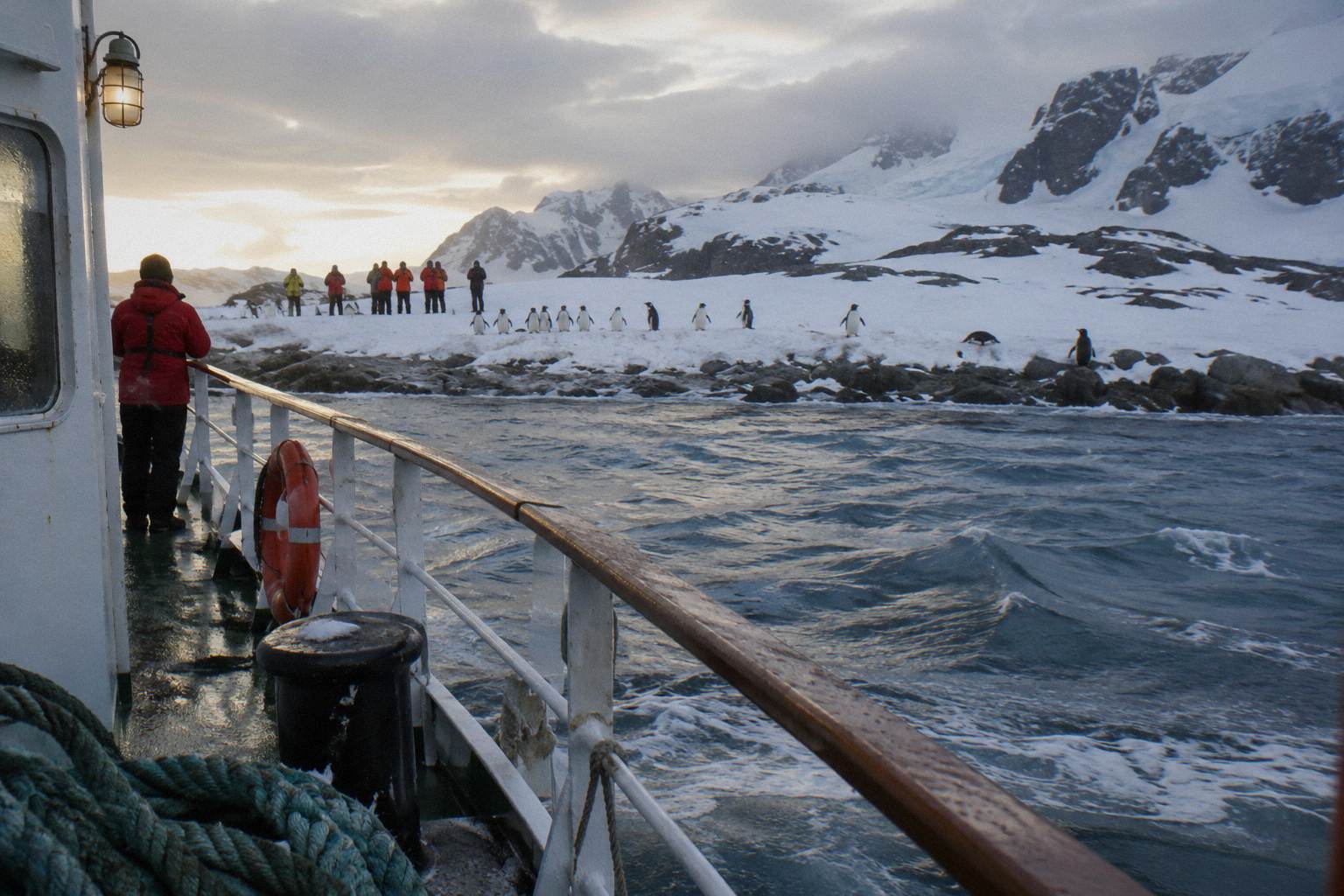
If you are still weighing the two, talk through the options for free with a vetted expedition-cruise agency partner: bring your dates, your cabin tolerance and your ceiling fare, and ask them to price one HX and one Oceanwide sailing side by side, inclusions included. As the publisher of Cruises In Antarctica I can report the fleet facts, but live cabin availability on specific departures is exactly what a consultation is for.
Common Questions About HX Vs Oceanwide
Which is cheaper, HX or Oceanwide Expeditions?
Oceanwide. Its own published Antarctic Peninsula fares for the 2026-27 season start at $7,050 per person on Plancius and $7,800 on Hondius and Ortelius. Reported HX fares, not independently verified, start around $10,485 to $10,863, though HX packaging can bundle hotels and charter flights on select departures.
Do HX ships make landings in Antarctica?
Yes. At 490 passengers each, MS Fridtjof Nansen and MS Roald Amundsen sit just under the 500-passenger ceiling above which landings are prohibited, so both ships land guests in rotating groups of no more than 100 ashore at a time, as IAATO guidance requires.
Which line gives more time ashore?
Oceanwide, generally. Its ships carry 108 to 170 passengers, so a landing needs one or two rotations, while a 490-guest HX ship needs several. On Ortelius and Plancius at 108 guests, nearly everyone can be ashore in a single rotation.
Does HX or Oceanwide include kayaking and camping?
Oceanwide states it directly: its Basecamp voyages include camping, kayaking, snowshoe hiking, mountaineering and a photo workshop at no extra charge. HX's ship pages do not itemise activities, though trade reporting on its 2025-26 season noted expanded kayaking and camping.
Which line has newer ships?
Both lines' newest ships date from 2019: HX's Roald Amundsen and Oceanwide's Hondius. HX's other ship, Fridtjof Nansen, was built in 2020 with hybrid propulsion, while Oceanwide's Ortelius (1989) and Plancius (1976) are far older converted vessels.
Can I see emperor penguins with either line?
Only Oceanwide offers a dedicated route: Ortelius sails helicopter-supported Weddell Sea emperor penguin voyages of about 11 days in November and December, with success dependent on ice and weather. HX does not publish an equivalent itinerary.
More Head To Head Comparisons
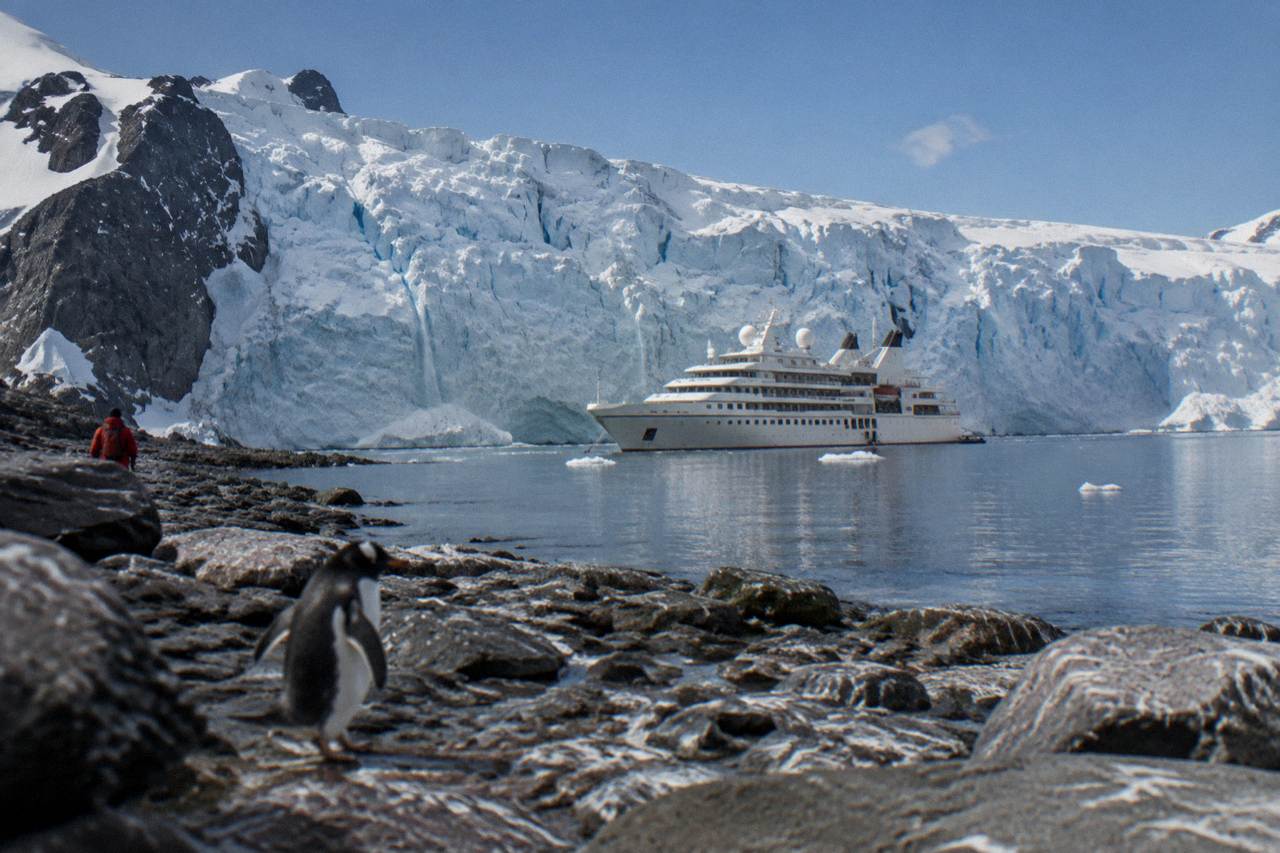 Silversea Vs SeabournTwo ultra-luxury expedition lines compared: ships, routes, expedition programmes and fare value.Read the comparison
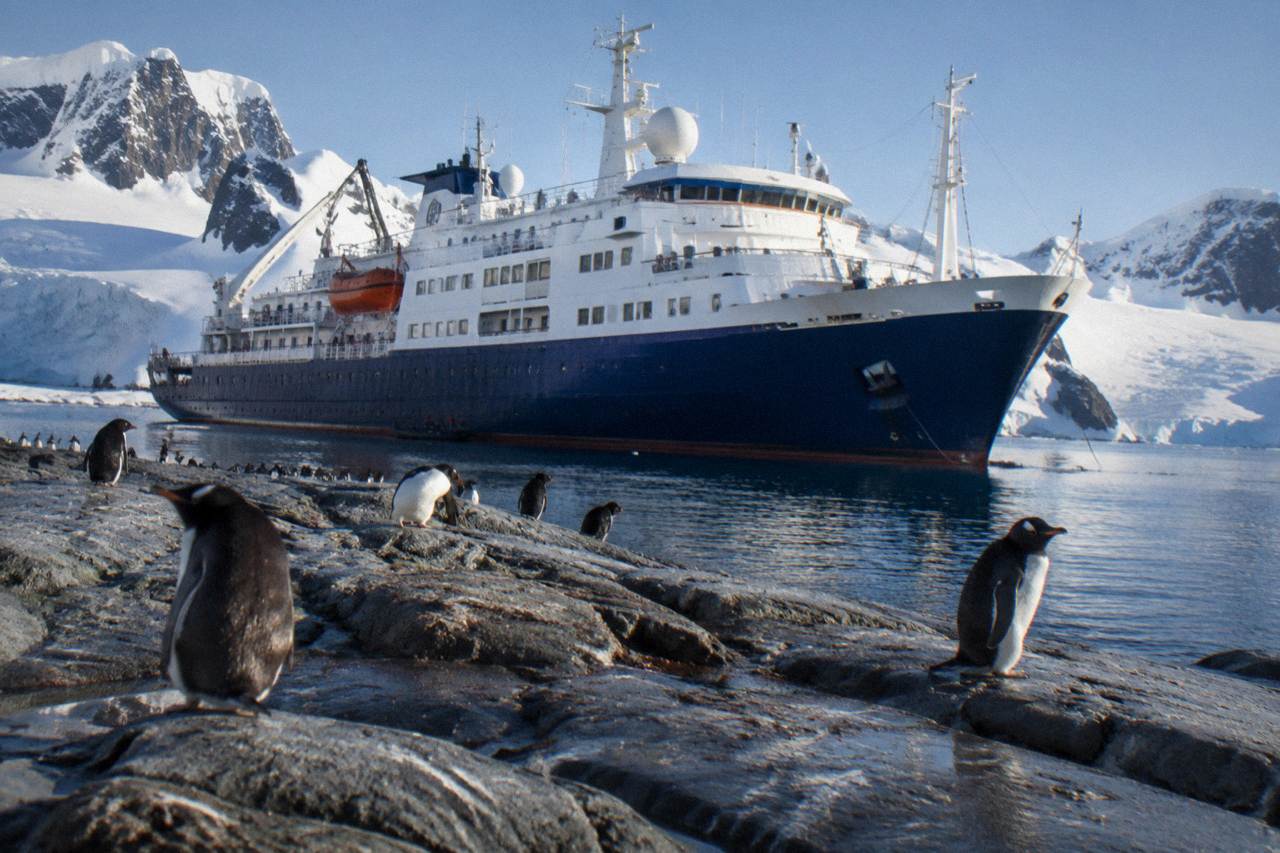 Viking Vs SilverseaTwo premium expedition lines compared on specs, routes, activities and published fares.Read the comparison
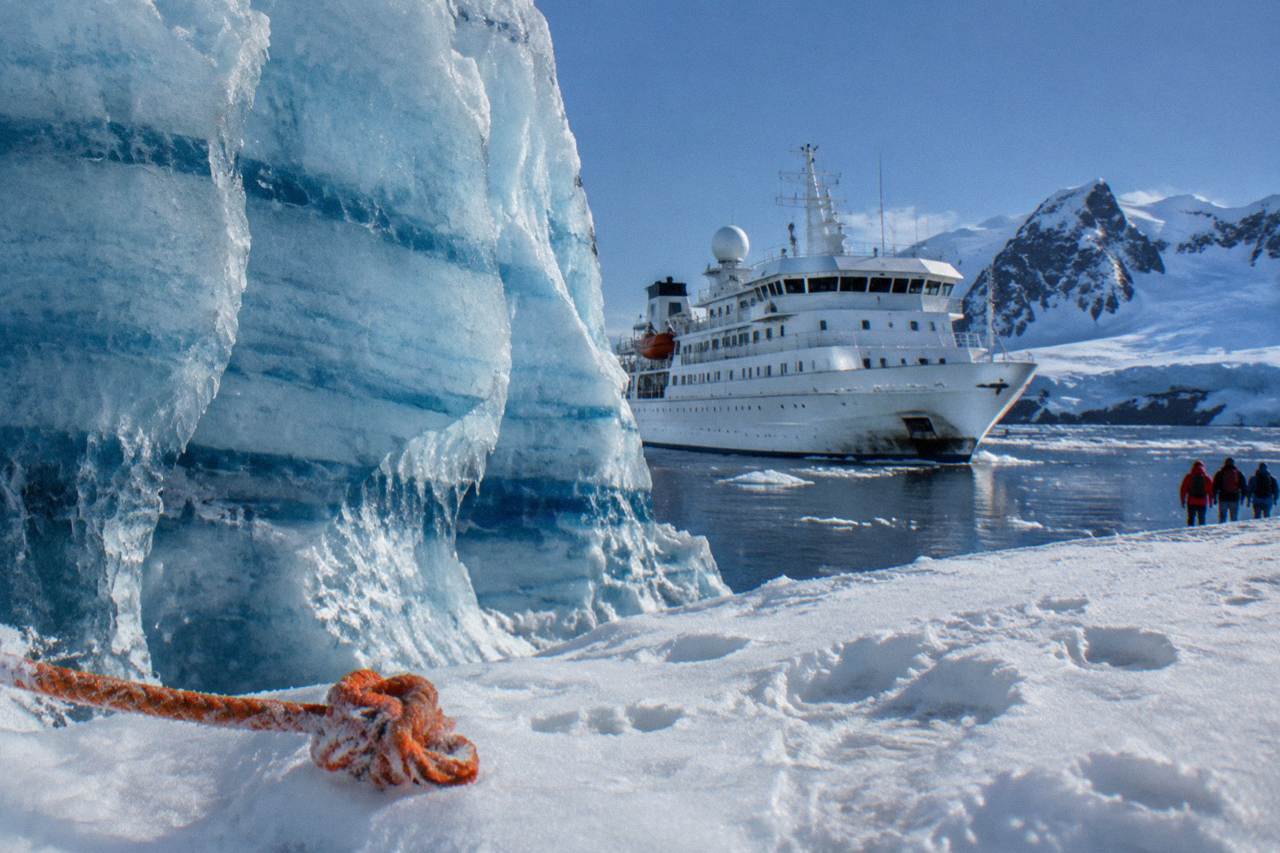 Viking Vs HXViking's twin 378-guest ships against HX's Fram and hybrid fleet, compared on price, cabins and landings.Read the comparison
 Quark Vs OceanwideUpscale helicopters versus small-ship value: how the two Antarctic specialists really differ.Read the comparison